
JSTOR
-
An exhibition at the Georgia O’Keeffe Museum invites viewers to reconsider O’Keeffe’s New Mexico landscapes through the perspectives of Tewa artists, scholars, and culture bearers. Explore how multidisciplinary research can deepen our understanding of art, place, and colonial history.
-
ITHAKA has been named an AWS Champion for its work to make JSTOR PDFs and image alt text more accessible through on-demand remediation.
-
For decades, JSTOR has helped people discover trusted scholarship, understand scholarly context, benefit from library-supported access, and connect with original sources. As using AI becomes part of the research, teaching, and learning process, grounding the work in those principles becomes even more important.
-
From a Colorado prison, Janos Toevs used JSTOR to connect with scholar Shawn Bushway, turning years of independent research into an ongoing collaboration.
-
Publisher Collections on JSTOR will expand to 36 participating publishers in 2027, building on growing library participation and increased use of scholarly ebooks.
-
A new citation tool helps learners using JSTOR Access in Prison format sources and retrieve articles more easily.
-
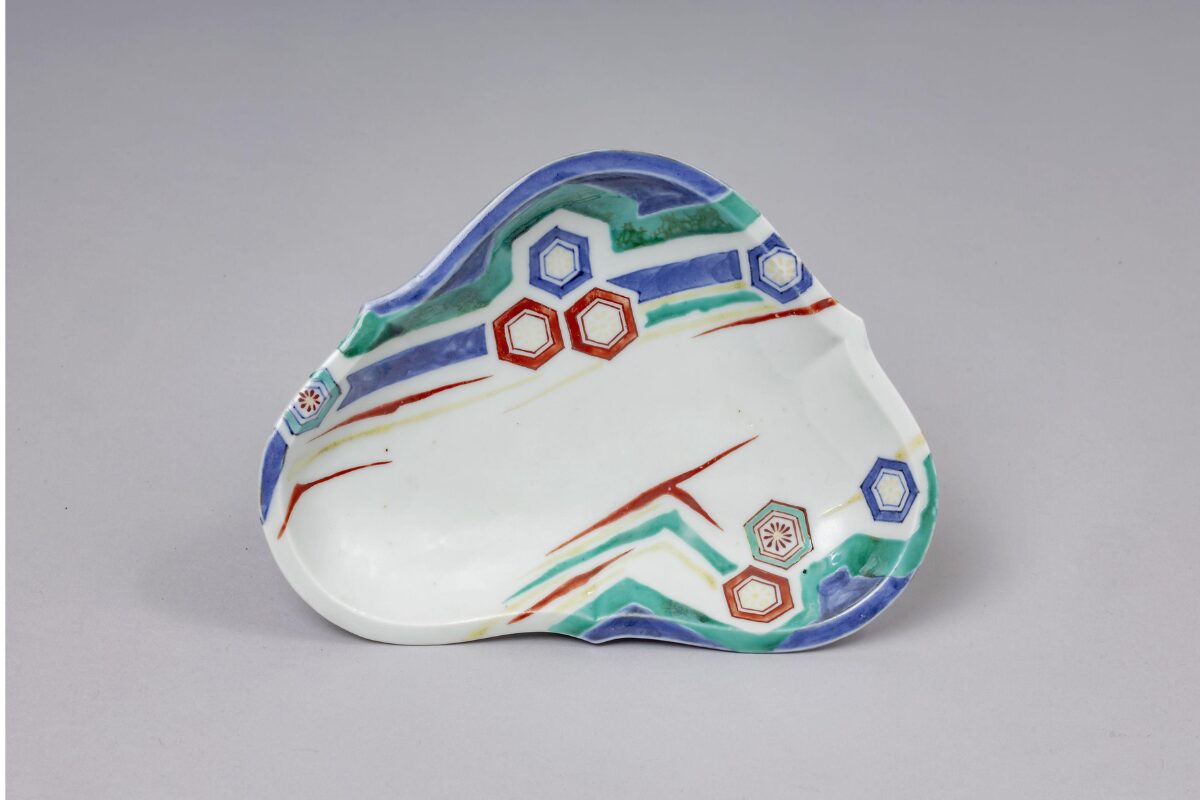
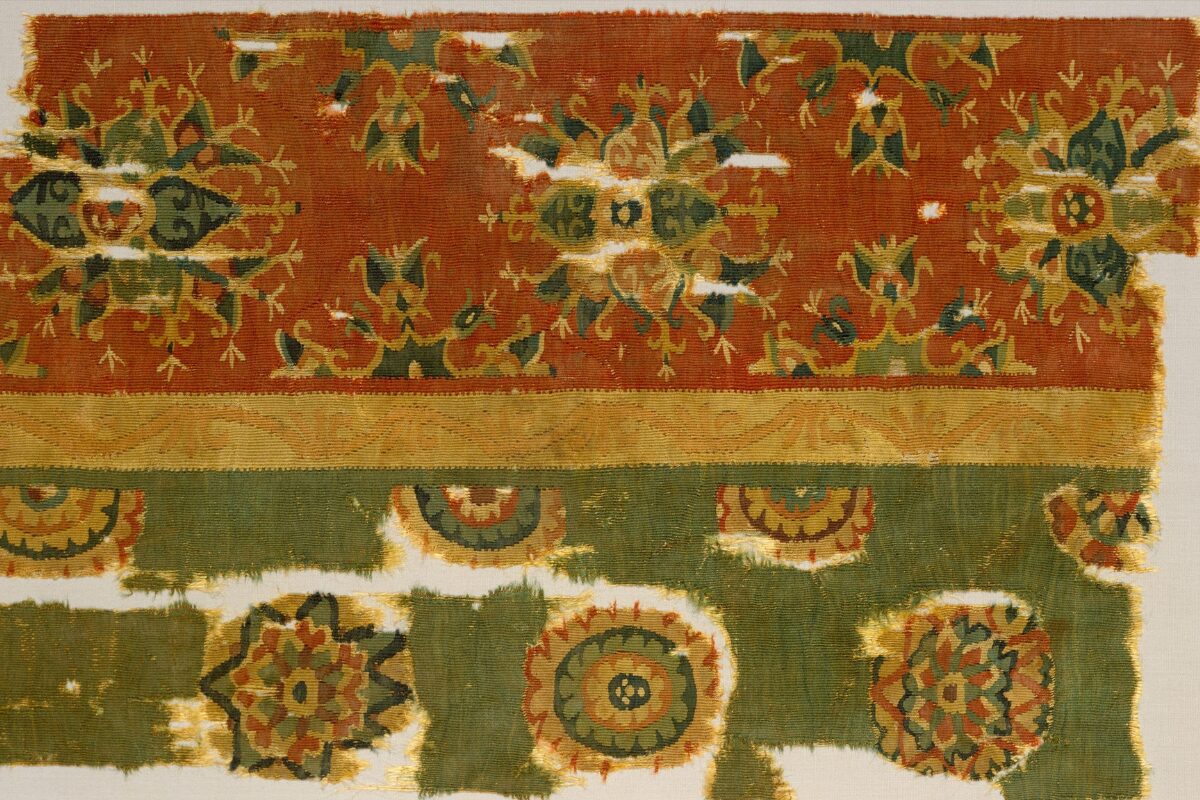
Explore highlights from the Gardiner Museum’s Chinese and Japanese ceramics collections, now available through Artstor on JSTOR, and discover how porcelain reflects centuries of artistic exchange, trade, and cultural influence.
-
JSTOR is updating its free reading program to provide registered readers with access to 10 articles every 30 days, while open and free content remains available without affecting the reading allowance.
-
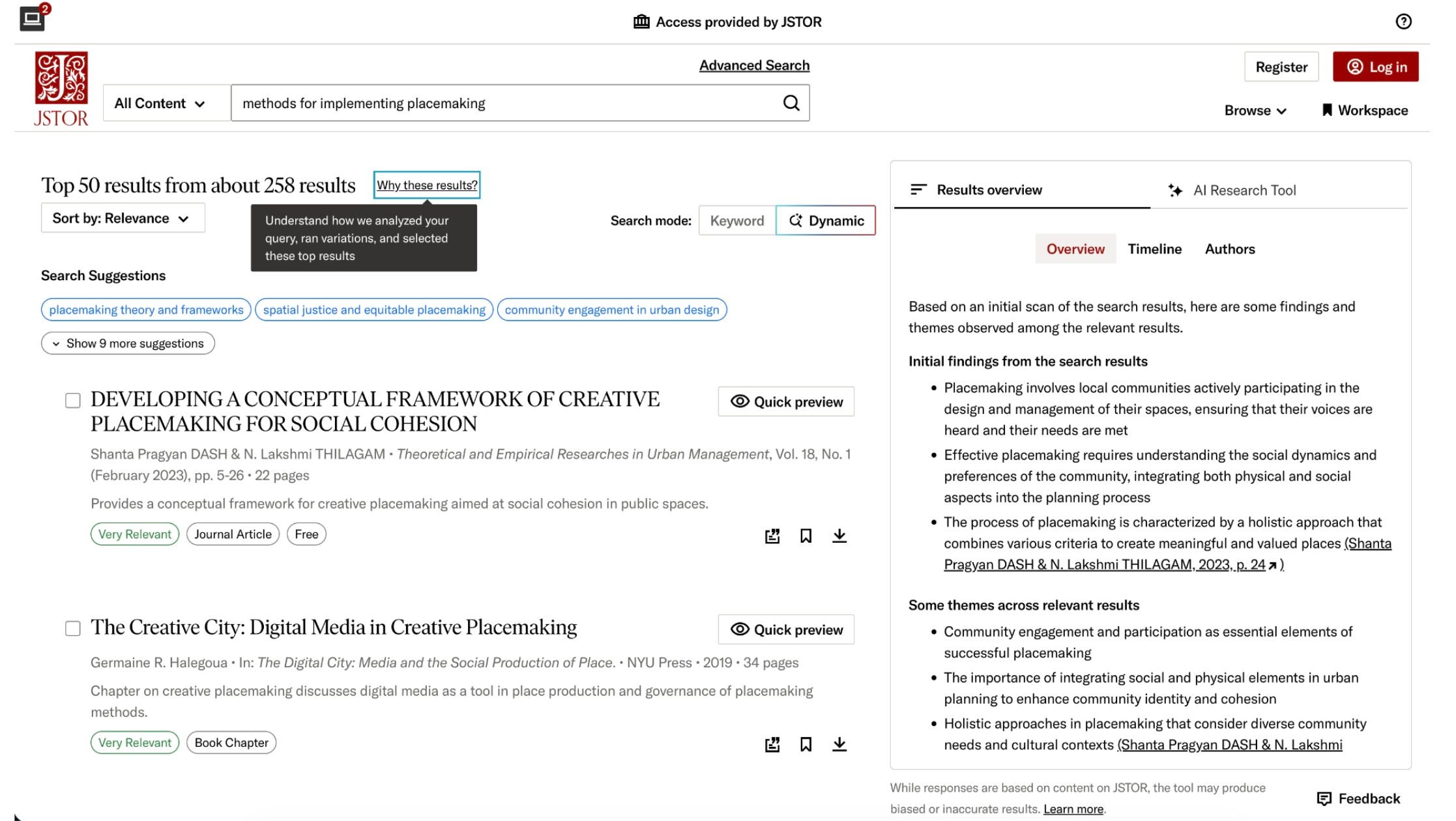
Learn how JSTOR is exploring AI-enabled experiences that help researchers and educators ask better questions, deepen understanding, and stay connected to trusted scholarship.
-
As AI becomes part of the research process, JSTOR is exploring how to design tools that strengthen critical thinking, support research skills, and keep human judgment at the center of learning.
-
Learn how JSTOR’s country-based savings and JSTOR Access Initiative help expand access to scholarly resources worldwide, and why the Human Development Index will guide eligibility and pricing beginning in 2027.
-
At CHI 2026, researchers and practitioners explored what it means to design AI interfaces responsibly, from supporting scholarly judgment to creating more transparent and human-centered research tools.
-
JSTOR helps teaching librarians, faculty, students, and new researchers move from early search to stronger synthesis by bringing together scholarly content, primary sources, images, collections, Workspace, citation tools, and AI-enabled features in one research and teaching platform.
-
A virtual conference dedicated to the management and use of visual materials, with a focus on digital access, rights, and metadata practices.
-
A distinctive gathering centered on Indigenous knowledge systems, highlighting community-driven approaches to cultural stewardship and preservation.
-
A national meeting focused on state-level archives and records management, emphasizing policy development, standards, and intergovernmental collaboration.
-
A focused event exploring innovations in digital libraries, including platforms, user experience, and long-term access to digital collections.
-
IFLA’s flagship global event, bringing together a diverse international community to explore the role of libraries in advancing access to information worldwide.
-
A specialized conference centered on collaborative library systems and shared infrastructure, with a focus on advancing networked services.
-
One of the largest global gatherings of library professionals, offering expansive programming on policy, technology, and the future of libraries.
-
A collaborative convening of academic libraries focused on shared strategies for resource licensing, collection development, and maximizing collective impact.
-
An interactive showcase connecting academic libraries with leading vendors to explore innovative solutions supporting research and learning environments.
-
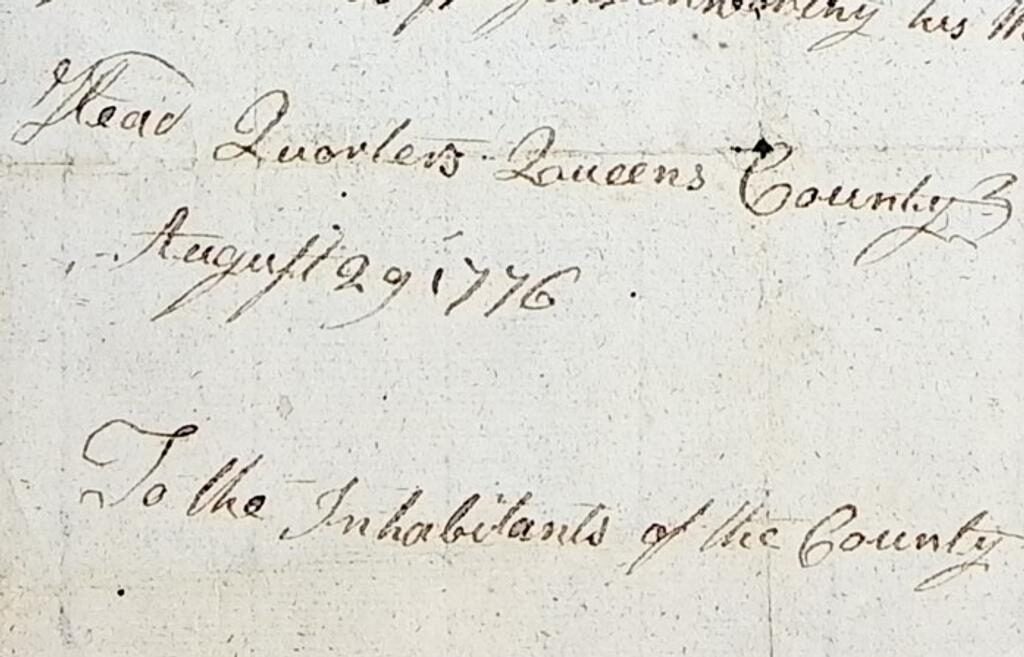
How Hofstra University is turning a federal grant into lasting access—using JSTOR Stewardship to digitize, describe, preserve, and share Long Island history.
-
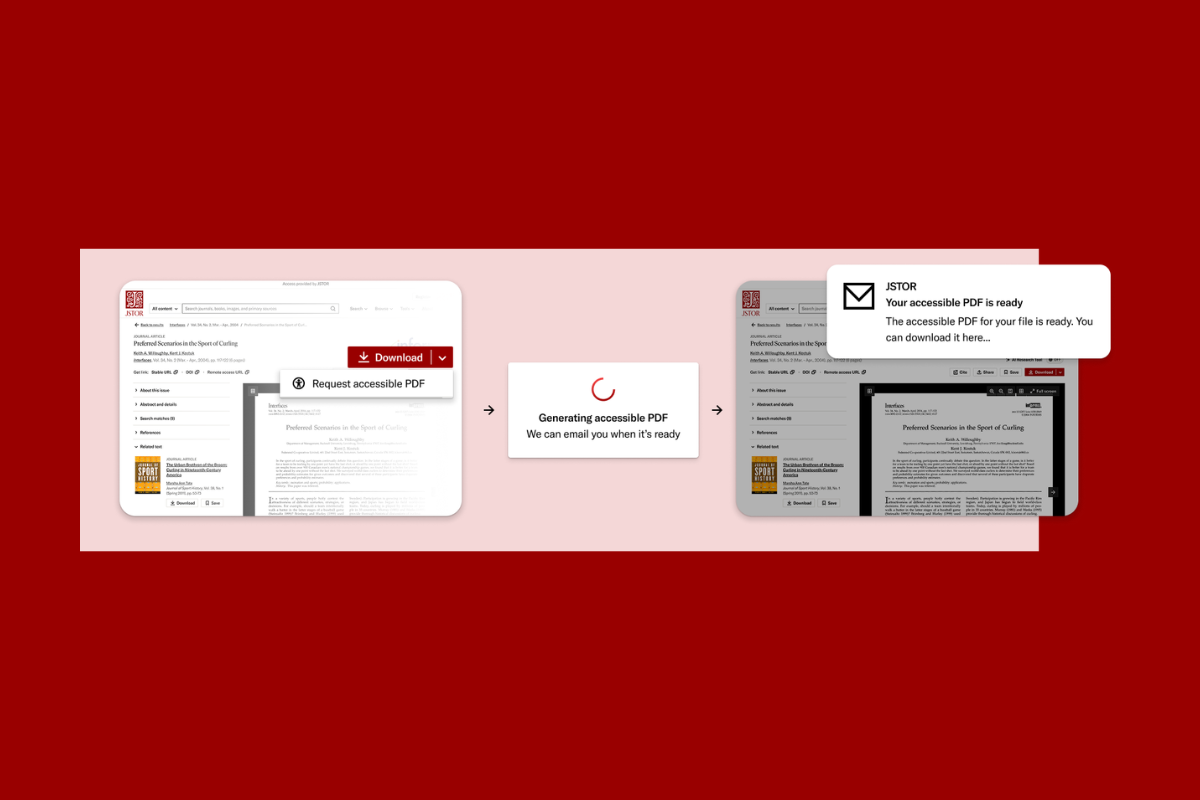
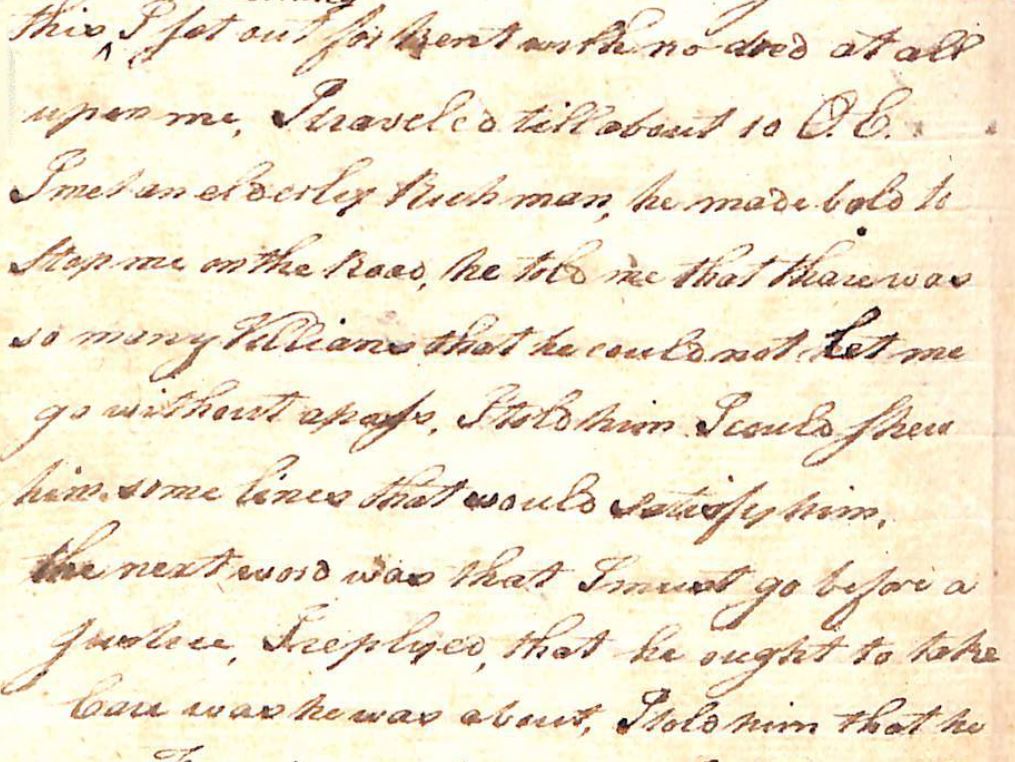
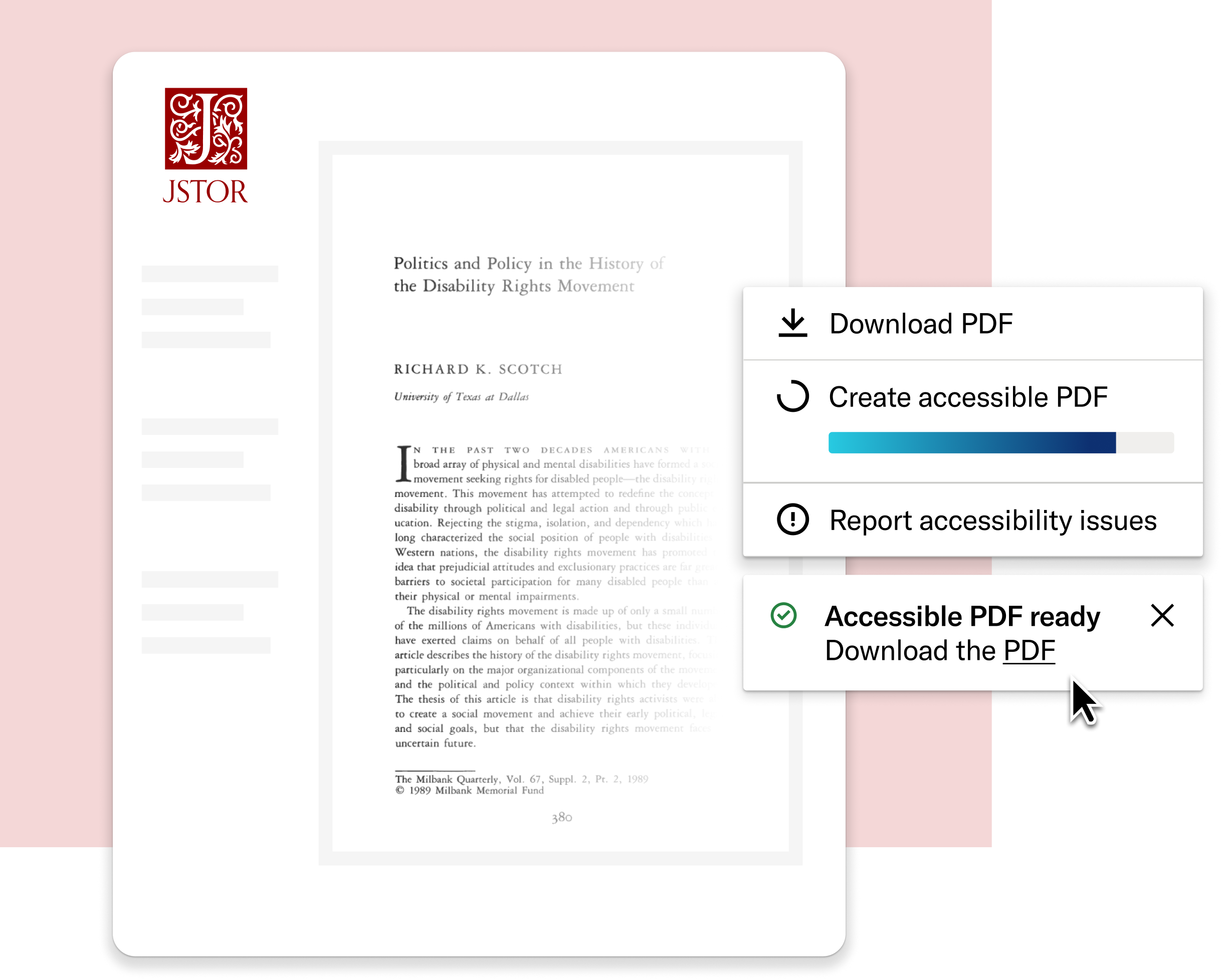
JSTOR is rethinking accessibility at scale by shifting from static remediation to an on-demand model, creating accessible PDFs and image descriptions the moment they’re needed. This approach expands access across centuries of materials while ensuring usability for all.
-
JSTOR ranks in the top 1% of most accessible home pages worldwide in the 2026 WebAIM Million report, achieving zero automated accessibility errors.
-
JSTOR has upheld a Gold 100% ASPIRE rating for its accessibility statement, recognized for clarity, transparency, and meaningful investment in user-centered access.
-
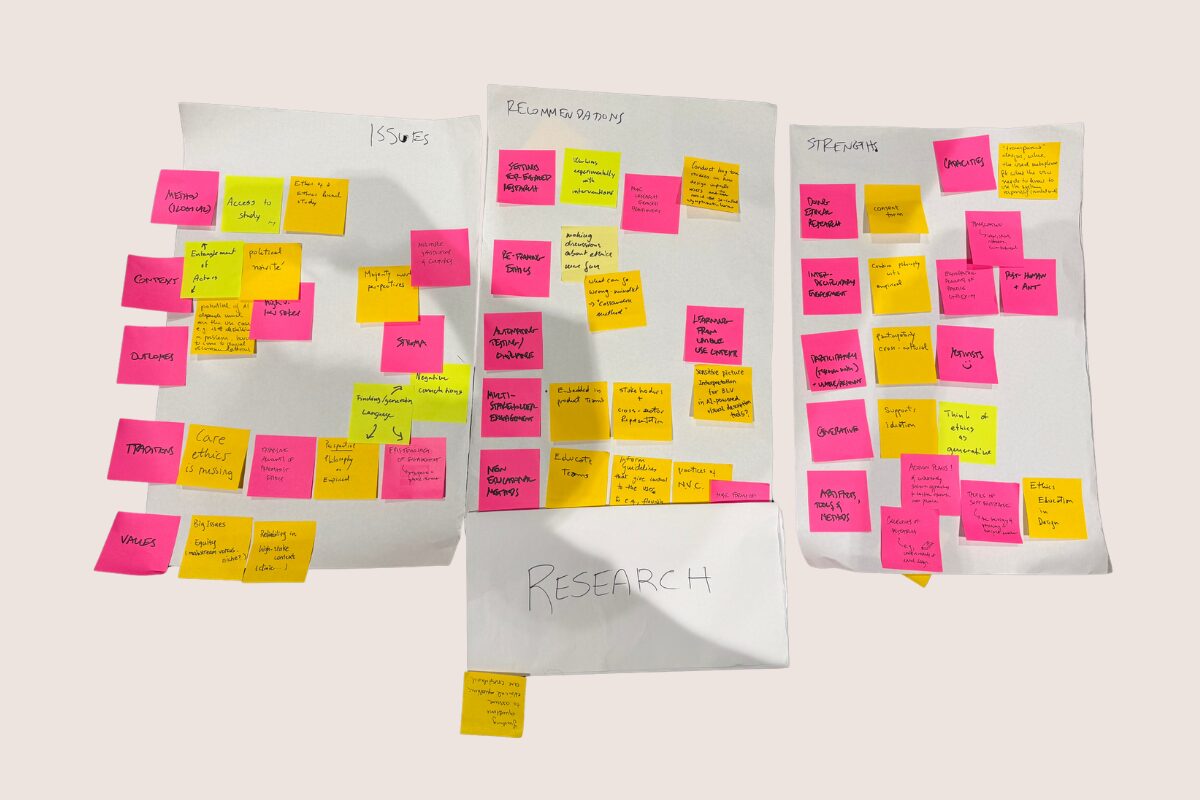
Ahead of updated ADA Title II requirements, we spoke with accessibility leaders at seven public universities about what sustainable progress really looks like. Their focus: prioritization, transparency from providers, and scalable, human-centered solutions that build accessibility into systems.
-
Drew University joins the Tier 3 charter program for JSTOR Digital Stewardship Services, using JSTOR Seeklight to expand access and strengthen hands-on learnig
-
With upcoming ADA Title II requirements taking effect in April 2026, institutions are closely evaluating how well their digital resources support access for everyone. At JSTOR, accessibility is an ongoing commitment, supported by new on-demand remediation tools to help ensure users can access the content they need, when they need it.
-
Page
Learn how JSTOR designs for accessibility, meets WCAG standards, supports assistive technologies, and provides accommodations—advancing equitable access to scholarship for all users.












Sign up for updates
Never miss a thing. Get updates from JSTOR delivered straight to your inbox.
By signing up you agree to our Privacy Policy. You may unsubscribe at any time by clicking on the provided link on any marketing message.
"*" indicates required fields