
JSTOR Blog
-
Explore the latest from JSTOR Stewardship in October 2026, including new participating institutions, distinctive collections now discoverable on JSTOR, and community perspectives on digital preservation, collaboration, and the future of collections stewardship.
-
Help students move from a broad research topic to a focused, organized set of sources with this flexible JSTOR lesson plan. Designed for a 30–45-minute class or training session, it covers searching, evaluating materials, using Workspace, and citing sources. Adapt the activities and customizable slide deck to your students’ needs.
-
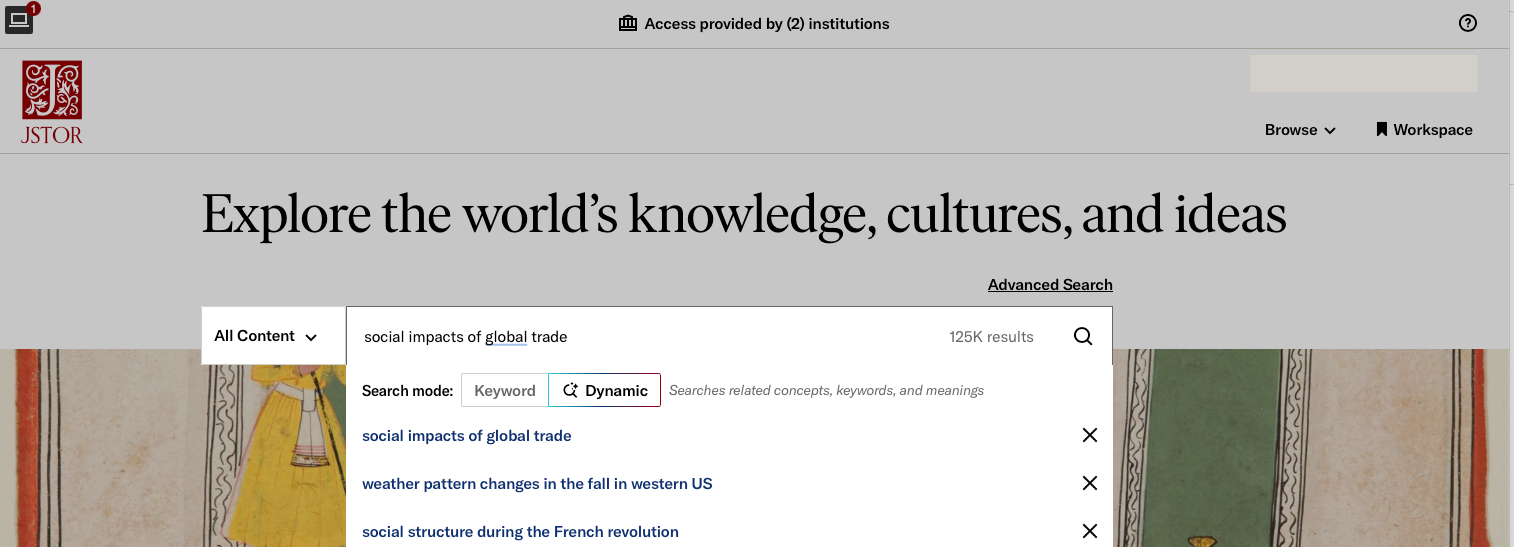
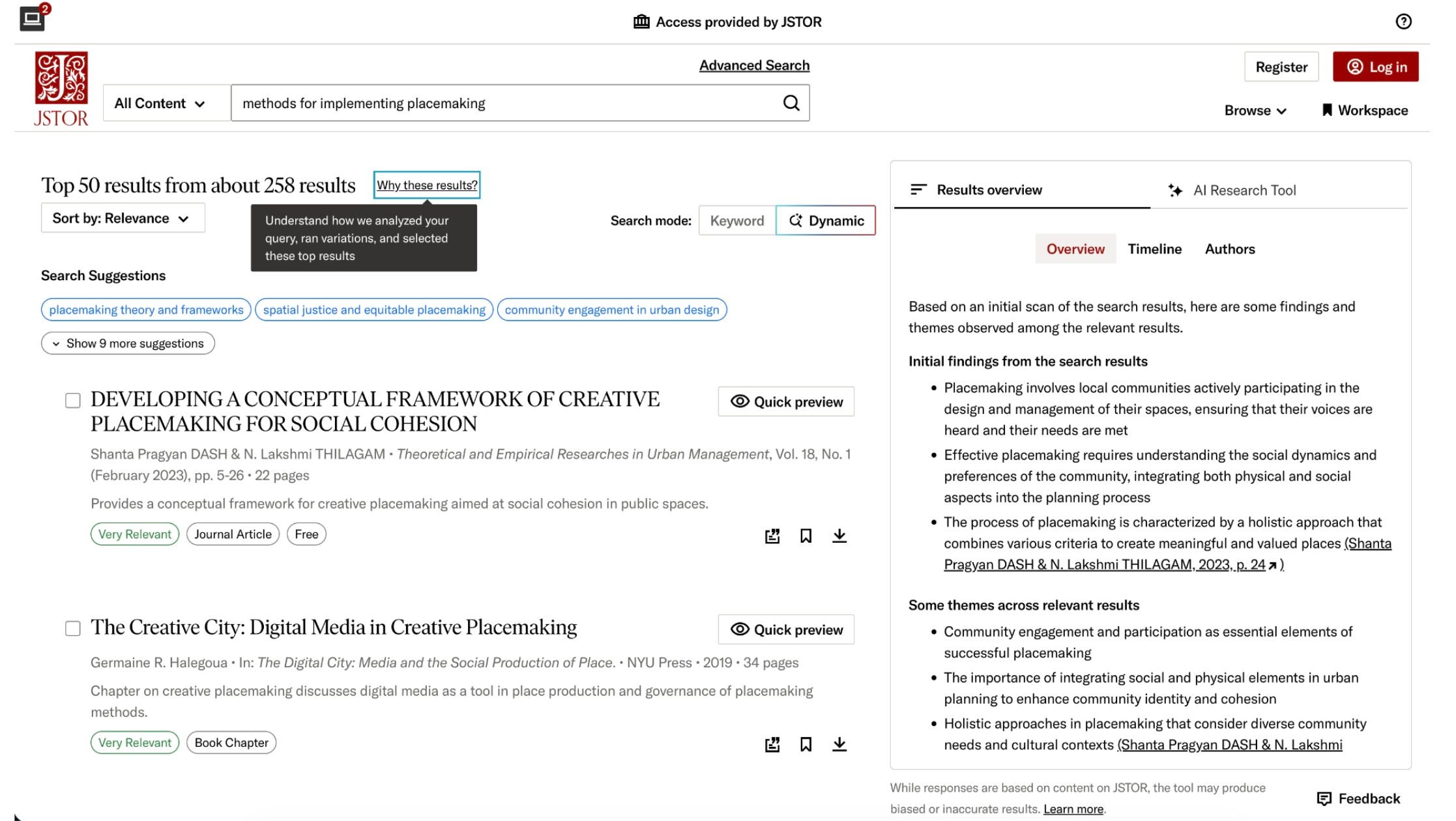
JSTOR’s AI-assisted dynamic search helps researchers explore early questions by surfacing related ideas, vocabulary, and potentially relevant sources. Learn how it complements keyword search, keeps researchers in control, and will be introduced at participating institutions this fall.
-
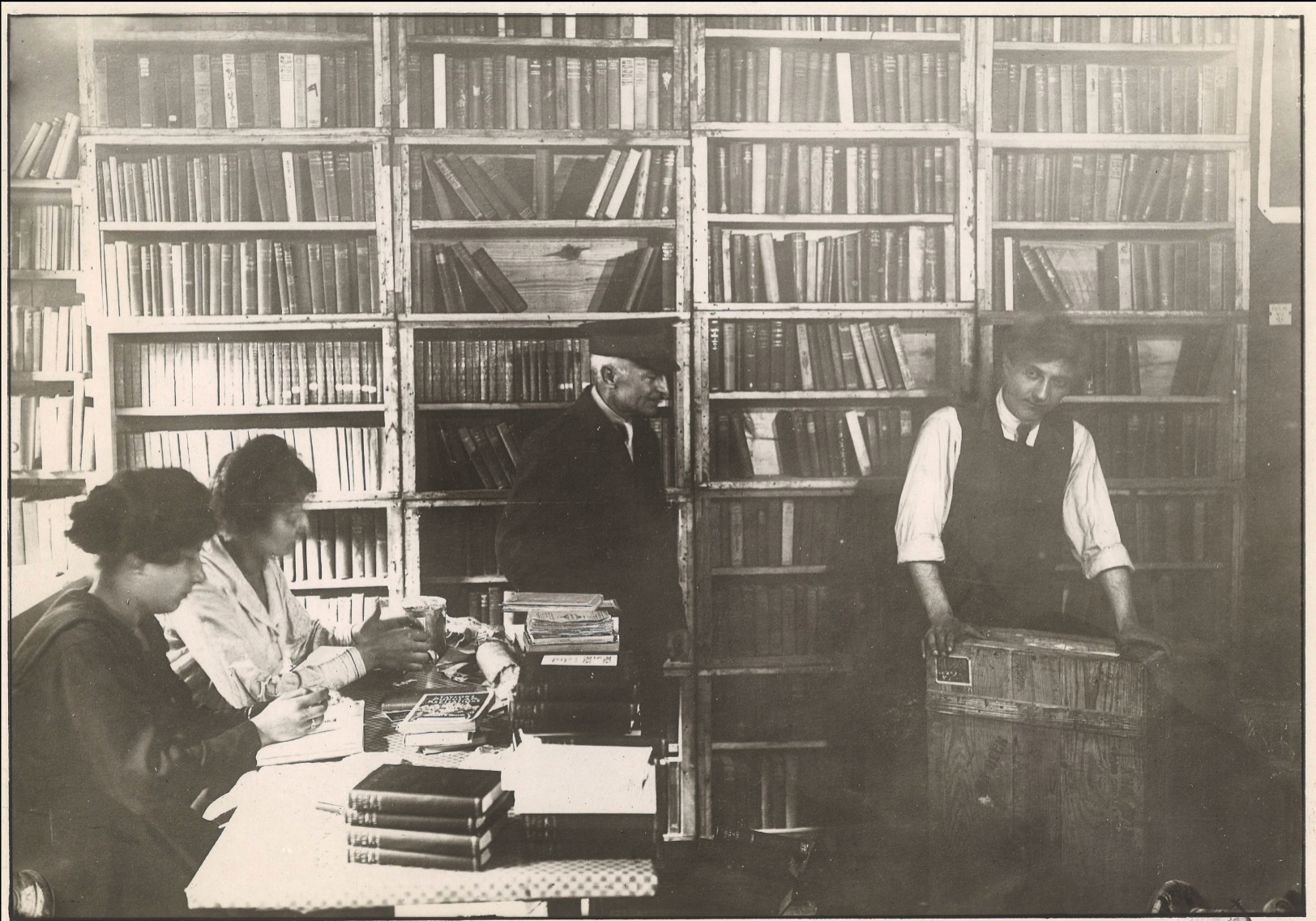
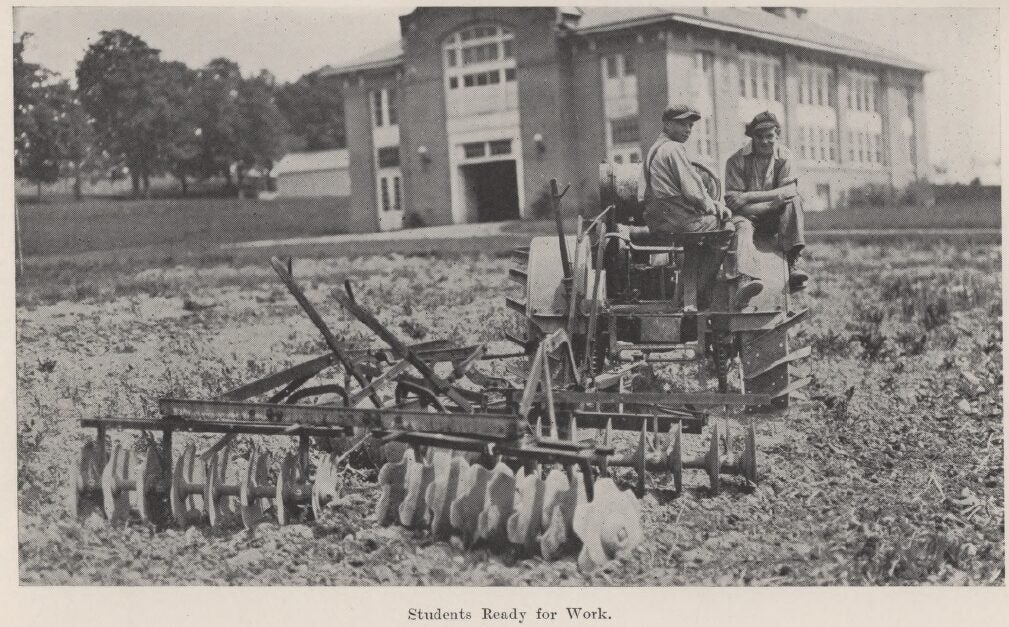
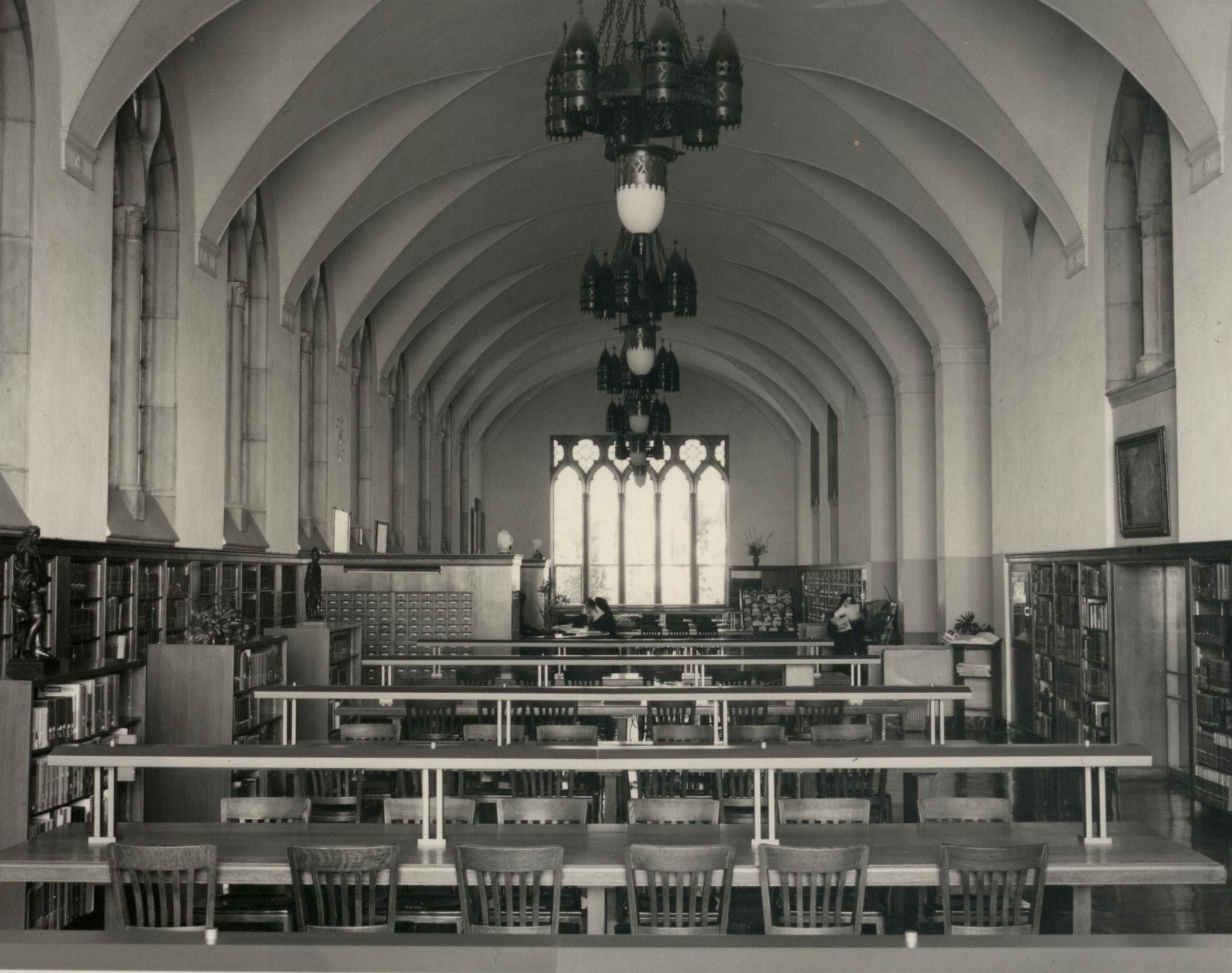
Libraries’ and archives’ collections shared through JSTOR Stewardship can become evidence for research, teaching, and public understanding.
-
JSTOR rebuilt the infrastructure behind its Digital Stewardship Services while hundreds of institutions continued their work. Learn how this modernization supports accessibility, reliable maintenance, and more flexible ways to organize and connect digital collections.
-
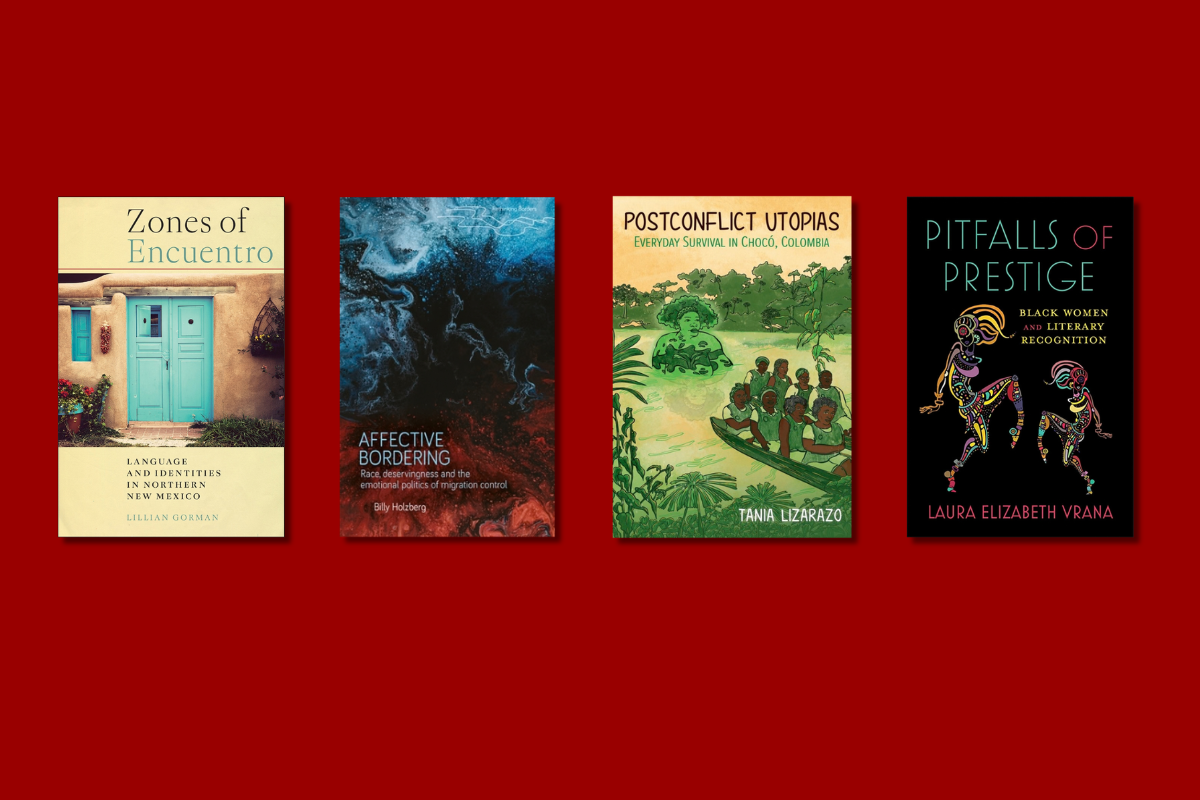
In January 2027, 300 books from Path to Open’s 2024 cohort will become open access on JSTOR. Spanning the arts, humanities, and social sciences, the titles build on the first cohort’s sharp increase in readership after going open.
-
An exhibition at the Georgia O’Keeffe Museum invites viewers to reconsider O’Keeffe’s New Mexico landscapes through the perspectives of Tewa artists, scholars, and culture bearers. Explore how multidisciplinary research can deepen our understanding of art, place, and colonial history.
-
For decades, JSTOR has helped people discover trusted scholarship, understand scholarly context, benefit from library-supported access, and connect with original sources. As using AI becomes part of the research, teaching, and learning process, grounding the work in those principles becomes even more important.
-
Meet the newest JSTOR Stewardship charter participants, explore distinctive collections now available on JSTOR, and discover recent conversations shaping the future of digital stewardship.
-
When 100 Path to Open titles became freely available worldwide, their readership quickly extended far beyond the institutions that had previously provided access.
-
Digital collections stewardship depends on more than technology. Lee Dotson examines how SCELC, its member institutions, and JSTOR Stewardship are sharing expertise, support, and infrastructure to make distinctive collections more discoverable, accessible, and sustainable.
-
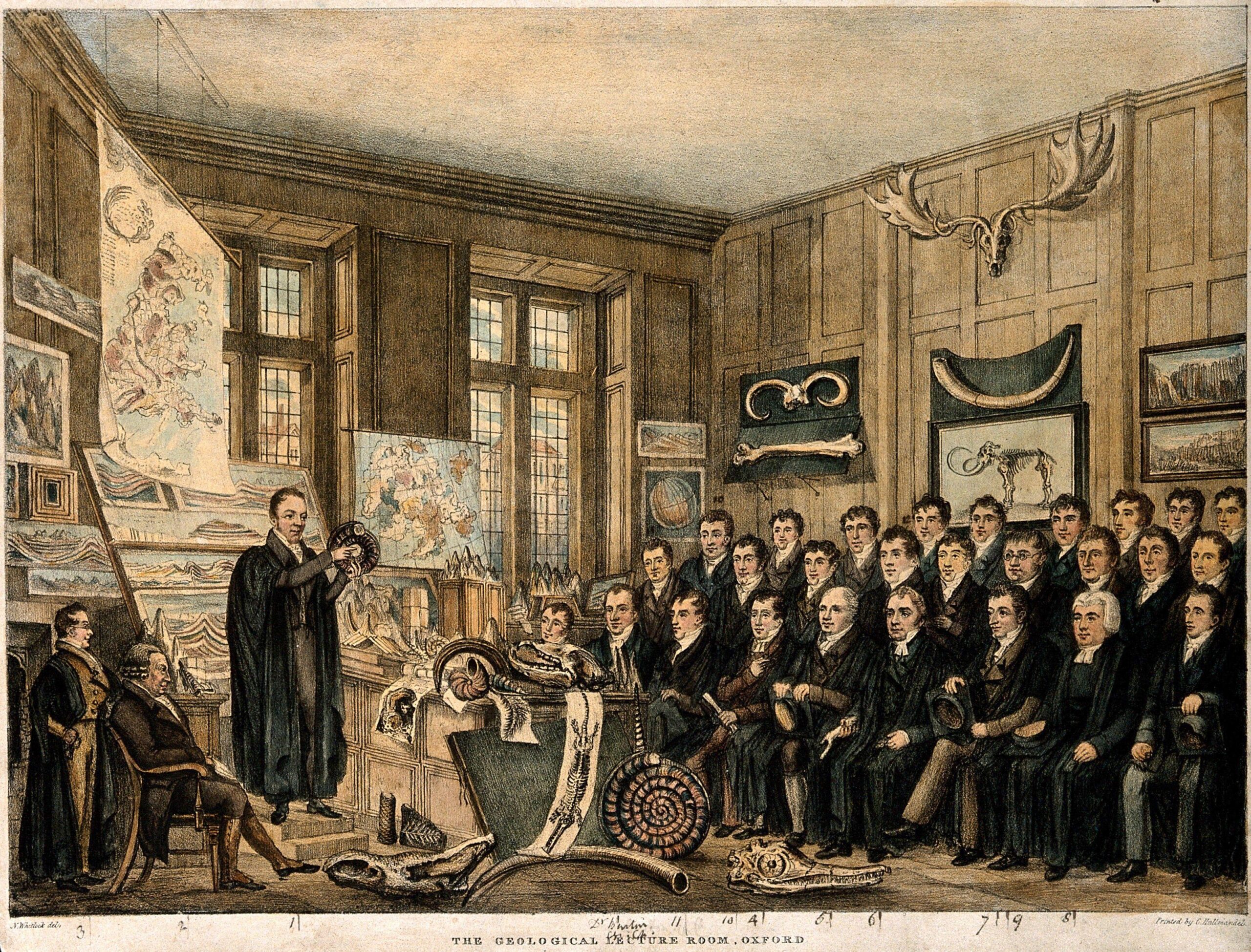
New research reveals how distinctive collections shared on JSTOR are being discovered and used across research, teaching, and learning.
-
From a Colorado prison, Janos Toevs used JSTOR to connect with scholar Shawn Bushway, turning years of independent research into an ongoing collaboration.
-
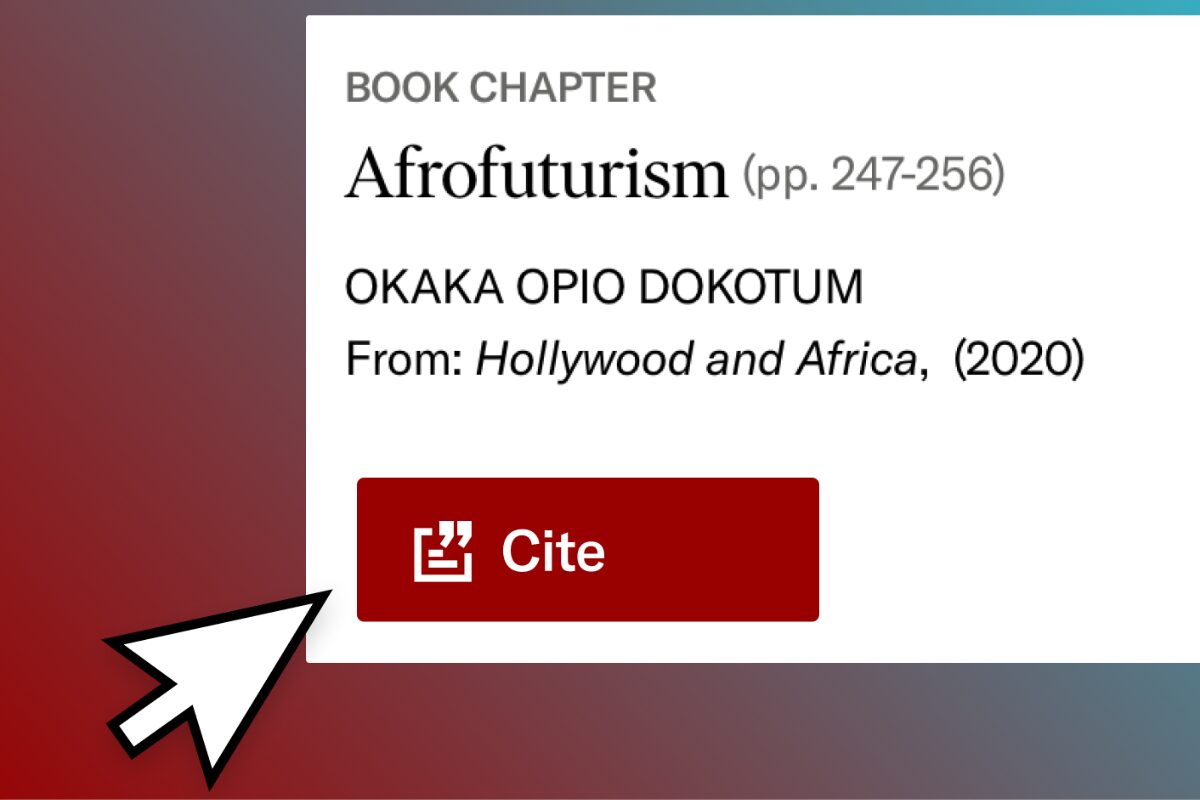
A new citation tool helps learners using JSTOR Access in Prison format sources and retrieve articles more easily.
-
See what’s new across the JSTOR Digital Stewardship Services community, including new participants, distinctive collections, AI-assisted description, accessibility work, and lessons from institutions expanding access to their digital materials.
-
Explore highlights from the Gardiner Museum’s Chinese and Japanese ceramics collections, now available through Artstor on JSTOR, and discover how porcelain reflects centuries of artistic exchange, trade, and cultural influence.
-
JSTOR is updating its free reading program to provide registered readers with access to 10 articles every 30 days, while open and free content remains available without affecting the reading allowance.
-
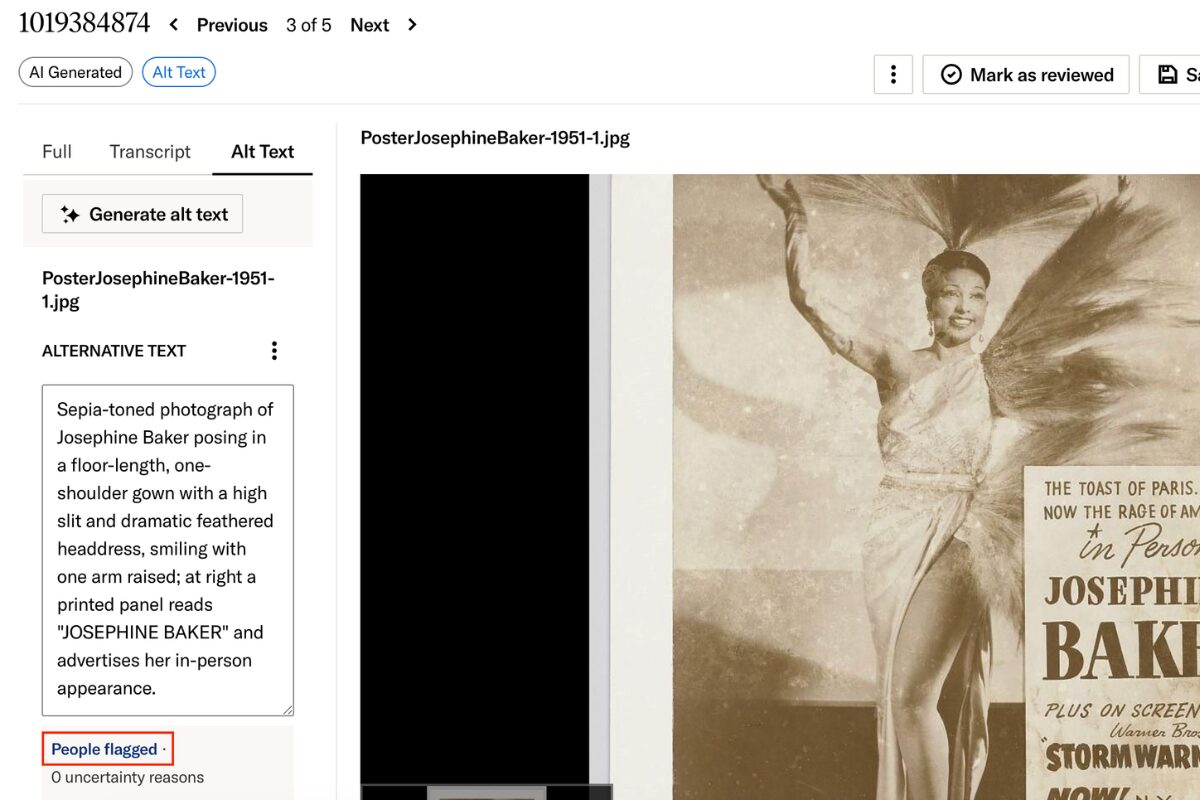
New alt text tools in JSTOR Digital Stewardship Services help institutions make image collections more accessible while keeping expert review and judgment at the center.
-
Elizabeth Lovero reflects on the final convening of the Expanding Information Access for Incarcerated People Initiative and the community effort required to turn standards into meaningful access.
-
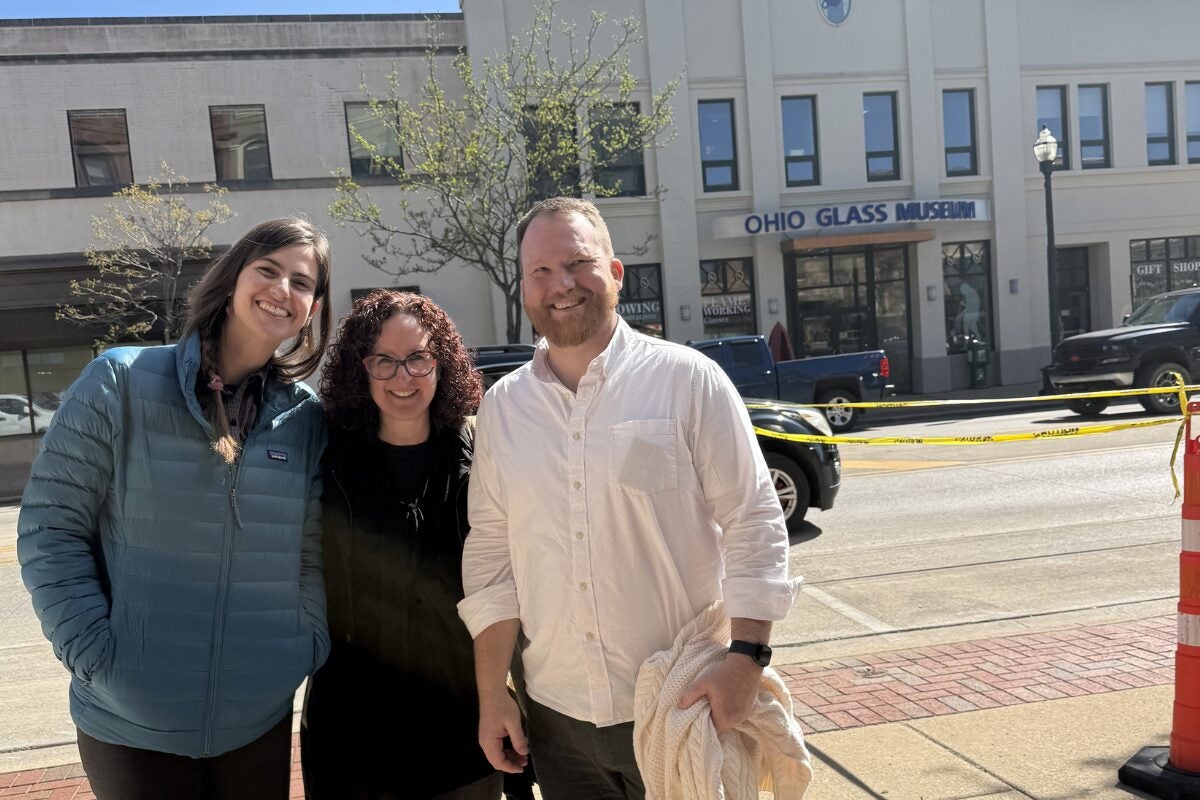
A visit to Southeastern Correctional Institution gives the JSTOR Access in Prison team a closer look at how learners use JSTOR and how community shapes education inside.
-
This month’s JSTOR Stewardship update welcomes new participating institutions, highlights newly available collections on JSTOR, and shares recent work from the digital stewardship community. Featured stories include AI-assisted collections processing, expanded access to distinctive materials, and community-led efforts to make digital collections more discoverable.
-
As AI becomes part of the research process, JSTOR is exploring how to design tools that strengthen critical thinking, support research skills, and keep human judgment at the center of learning.
-
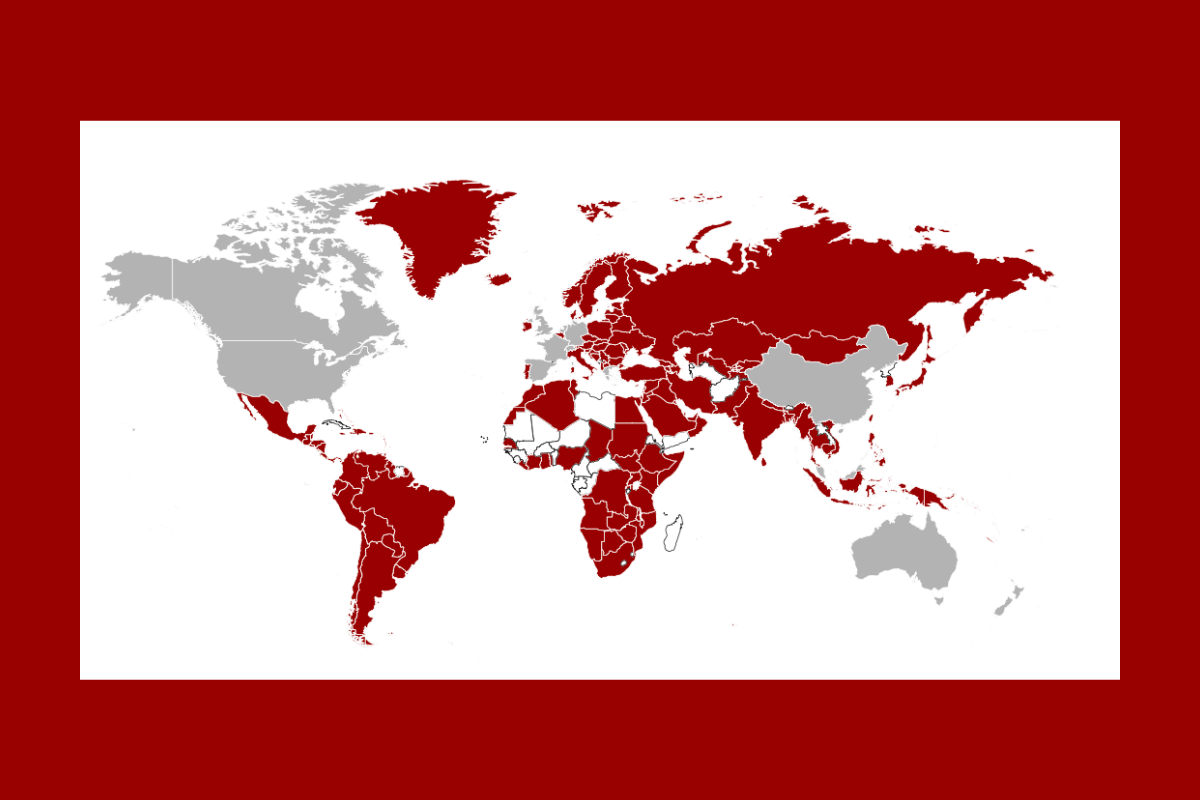
Learn how JSTOR’s country-based savings and JSTOR Access Initiative help expand access to scholarly resources worldwide, and why the Human Development Index will guide eligibility and pricing beginning in 2027.
-
New support from the Mellon Foundation will help expand JSTOR Stewardship, giving more libraries and archives the tools to digitize, process, preserve, and share distinctive collections through JSTOR so original sources can reach broader audiences.
-
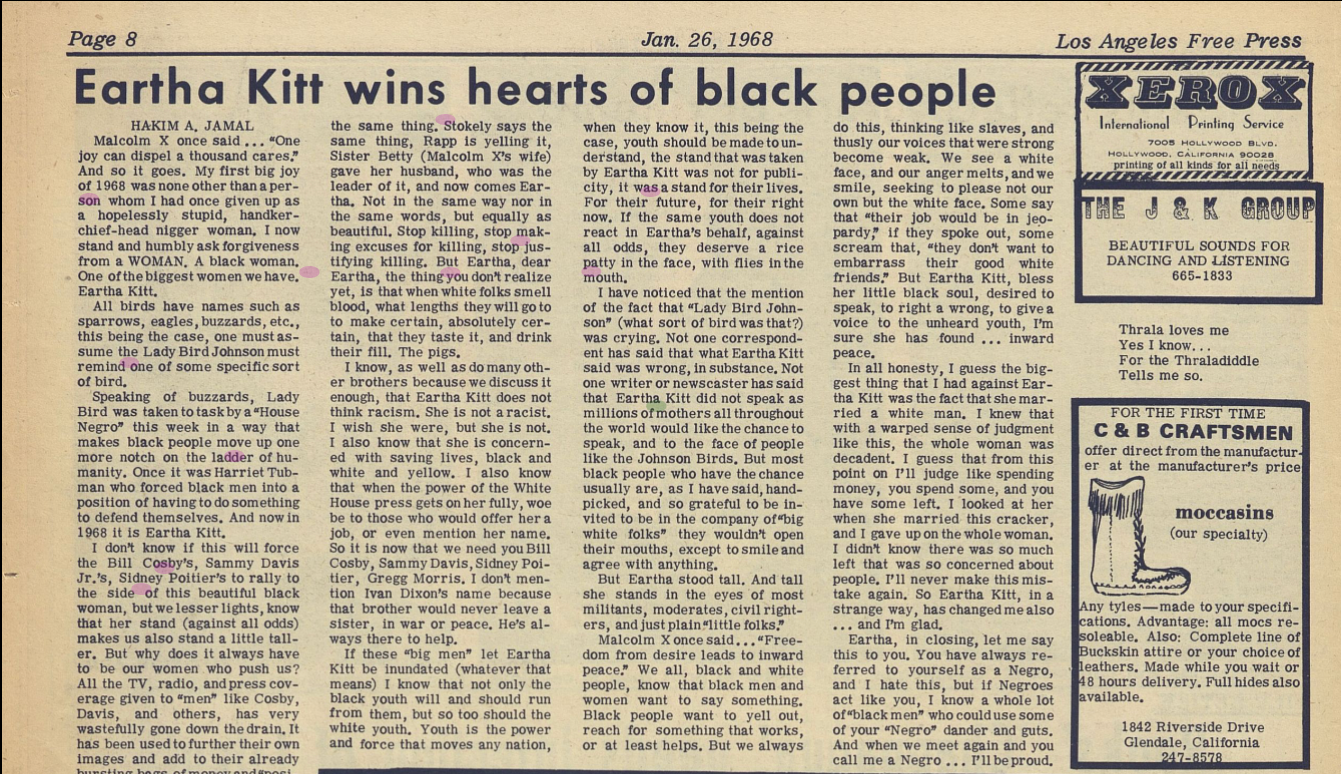
Read an authorized excerpt from Cǎlin Dan’s “Ion Bitzan: The Prisoners of the Avant-Garde” and explore installation views from the retrospective exhibition alongside the Ion Bitzan Foundation collection in Artstor on JSTOR.
-
The JSTOR Digital Stewardship Services community continues to grow, welcoming new institutions, highlighting innovative uses of AI-assisted collections processing, and showcasing unique open access collections now available on JSTOR.
-
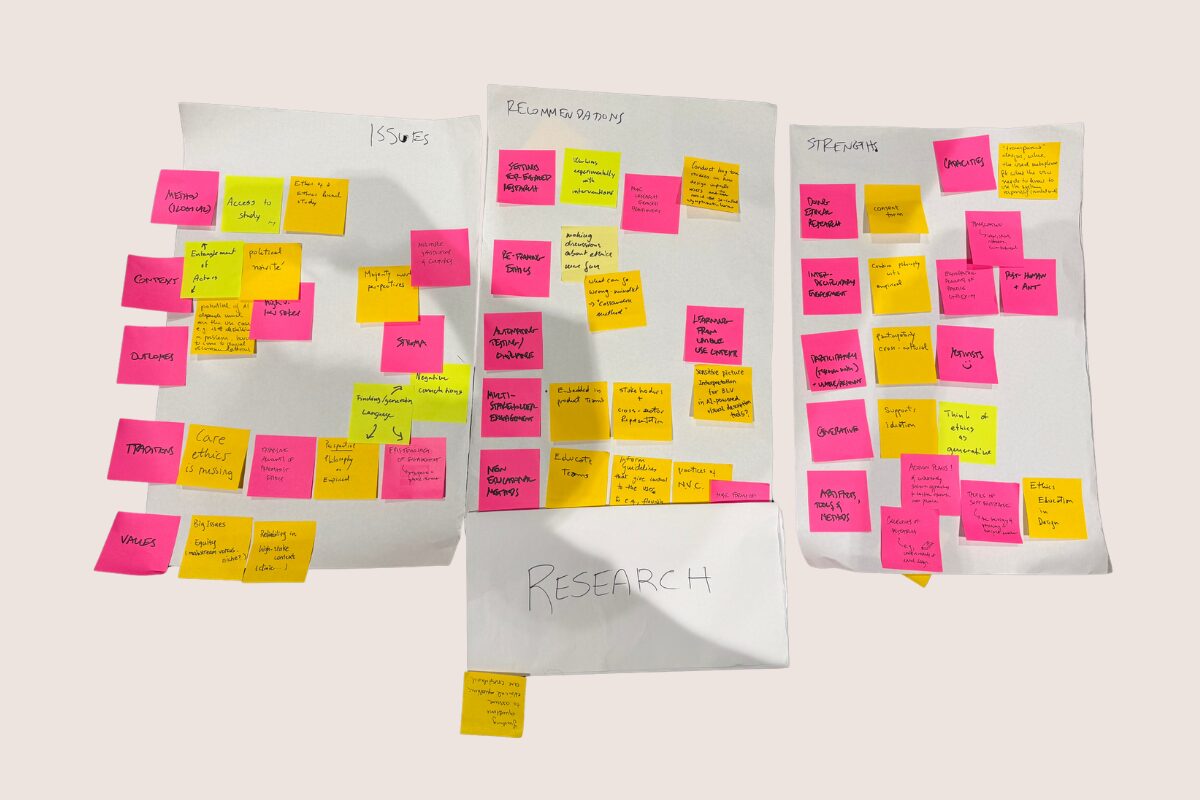
At CHI 2026, researchers and practitioners explored what it means to design AI interfaces responsibly, from supporting scholarly judgment to creating more transparent and human-centered research tools.
-
JSTOR helps teaching librarians, faculty, students, and new researchers move from early search to stronger synthesis by bringing together scholarly content, primary sources, images, collections, Workspace, citation tools, and AI-enabled features in one research and teaching platform.
-
This month’s update shares how institutions are advancing digital stewardship through shared infrastructure, AI-supported workflows, and newly available collections on JSTOR. Featured materials highlight efforts to improve access, description, and long-term care.
-
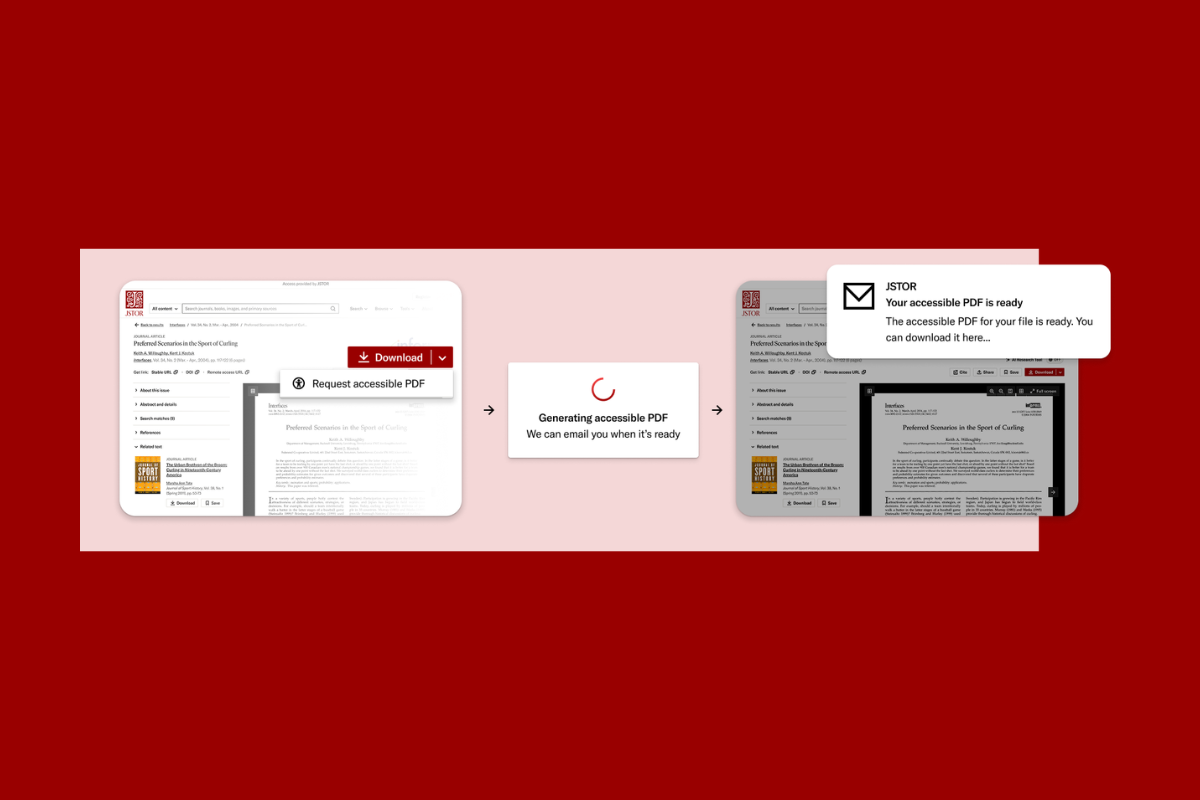
JSTOR is rethinking accessibility at scale by shifting from static remediation to an on-demand model, creating accessible PDFs and image descriptions the moment they’re needed. This approach expands access across centuries of materials while ensuring usability for all.











Sign up for updates
Never miss a thing. Get updates from JSTOR delivered straight to your inbox.
By signing up you agree to our Privacy Policy. You may unsubscribe at any time by clicking on the provided link on any marketing message.
"*" indicates required fields