
Keeping learning human in the age of artificial intelligence
AI is changing how people discover, evaluate, and engage with knowledge. JSTOR is helping researchers, educators, libraries, and publishers navigate that shift while preserving the trust, context, and original scholarship that are the foundation of research.

Research is changing. Our mission isn’t.
For more than thirty years, JSTOR has helped people discover trusted scholarship, preserve scholarly context, and connect learners and researchers with original sources. Those responsibilities don’t change in an AI era, AI makes those responsibilities even more important.
We’re exploring how AI can help people ask better questions, discover credible sources, build understanding, and navigate increasingly complex information environments while remaining connected to original scholarship and their own critical thinking.
Rather than an answer generator, we want AI to serve as another way to help people engage more deeply in the pursuit of knowledge. Whether someone begins on JSTOR or elsewhere, our goal is to ensure that they see trusted, attributable scholarship that’s connected to meaningful research and learning.
How AI is changing research and teaching
Research and teaching are becoming more conversational, interconnected, and iterative.
We are in the early stage of a transformation that affects more than the tools people use. AI is changing how people begin research, explore unfamiliar topics, evaluate evidence, develop understanding, and support teaching and learning.
These shifts are affecting not only where people find information but also how they interact with it throughout the learning process. Understanding these evolving behaviors informs how JSTOR designs AI-enabled experiences and thinks about the future of scholarship.
Discovery is becoming more conversational
People increasingly begin with questions instead of keywords. Rather than searching for a specific article or book, they may use AI to explore concepts and develop theories before diving deeper.
JSTOR is evolving to meet these expectations, whether research begins on JSTOR or elsewhere.
Research happens across more environments
There is no single platform in research. Scholars and students move between AI assistants, library resources, scholarly databases, classroom tools, and original sources as they build understanding.
JSTOR’s role is to help users stay connected to trusted scholarship throughout their journey.

Teaching and learning remain deeply human
AI can help people explore, explain, summarize, and organize information. But learning still depends on asking thoughtful questions, evaluating evidence, interpreting sources, developing original ideas, and applying knowledge.
We’re exploring AI in ways that support these skills rather than replacing them.
Trust matters even more
AI makes it easier than ever to create, transform, and share information. It also makes it easier for context to be lost, claims to be distorted, and inaccuracies to spread. That’s why understanding where ideas come from is more important than ever.
JSTOR is committed to helping preserve the connections between ideas, evidence, attribution, and the scholarly record.

How we approach AI
Strengthen research—don’t replace it
We design AI-enabled experiences to help people ask better questions, explore unfamiliar topics, discover evidence, and deepen understanding without replacing reading, critical thinking, or engagement with original scholarship.
Keep scholarship connected
AI should make trusted scholarship easier to discover while preserving attribution, source context, and pathways back to original works.
Whether someone begins on JSTOR or another research platform, our goal is to keep scholarship connected to the people, institutions, and publications that make it possible.
Build with the academic community
Our work is informed by ongoing collaboration with libraries, publishers, educators, researchers, and students.
As behaviors evolve, we’re listening, researching, and discussing the changes. We’re transparent in our findings, and we iterate as we go to ensure we’re balancing the interests of the academic community as best we can.

Explore responsibly
Innovation matters. So does trust.
We’re aware of the questions and concerns around AI, both ethical and environmental. Our explorations are aimed at achieving meaningful research advances that reduce barriers to learning, while respecting user and institutional preferences.

Our AI explorations
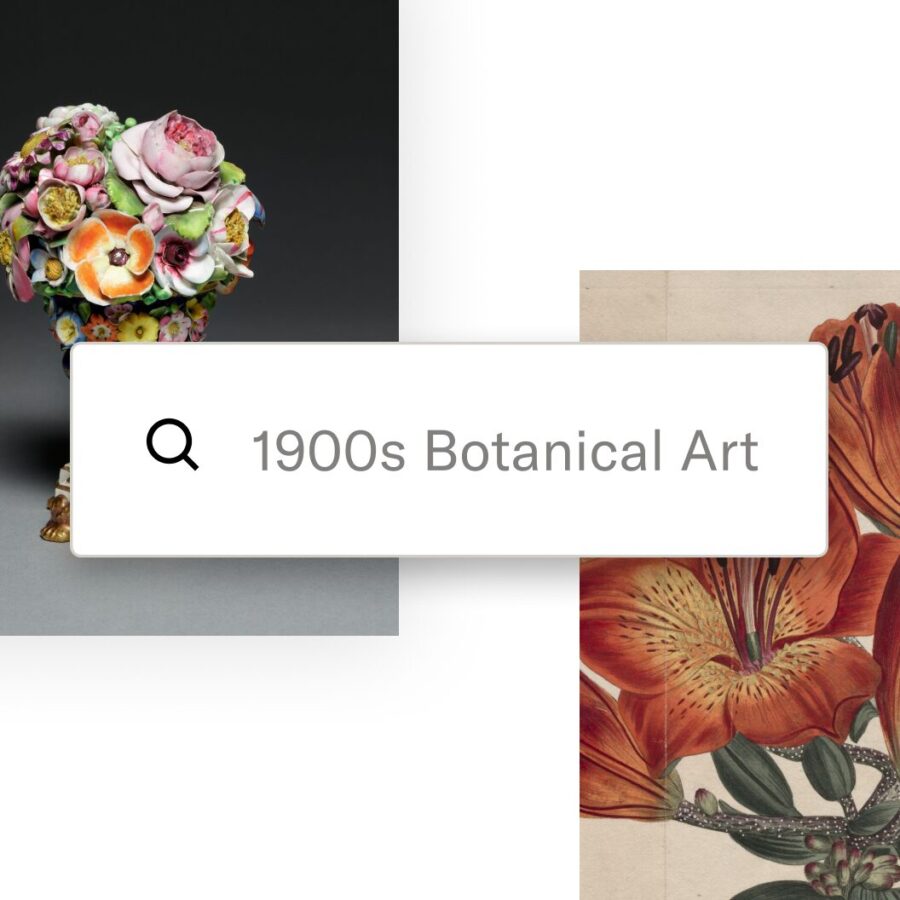
On JSTOR
We’re exploring ways AI can improve research and learning directly within JSTOR.
- A dynamic new AI-enabled search experience (coming soon)
- AI features to help assess content relevance and enhance discovery across journal articles and book chapters
These experiences are designed to help researchers orient themselves, explore topics, discover evidence, and continue into the original scholarly sources.
Beyond JSTOR
We’re exploring thoughtful integrations with AI research platforms so trusted scholarship remains visible, connected, and attributable wherever research takes place.
These efforts are intended to strengthen scholarly discovery and use without replacing the original sources, libraries, or publishers that support research.

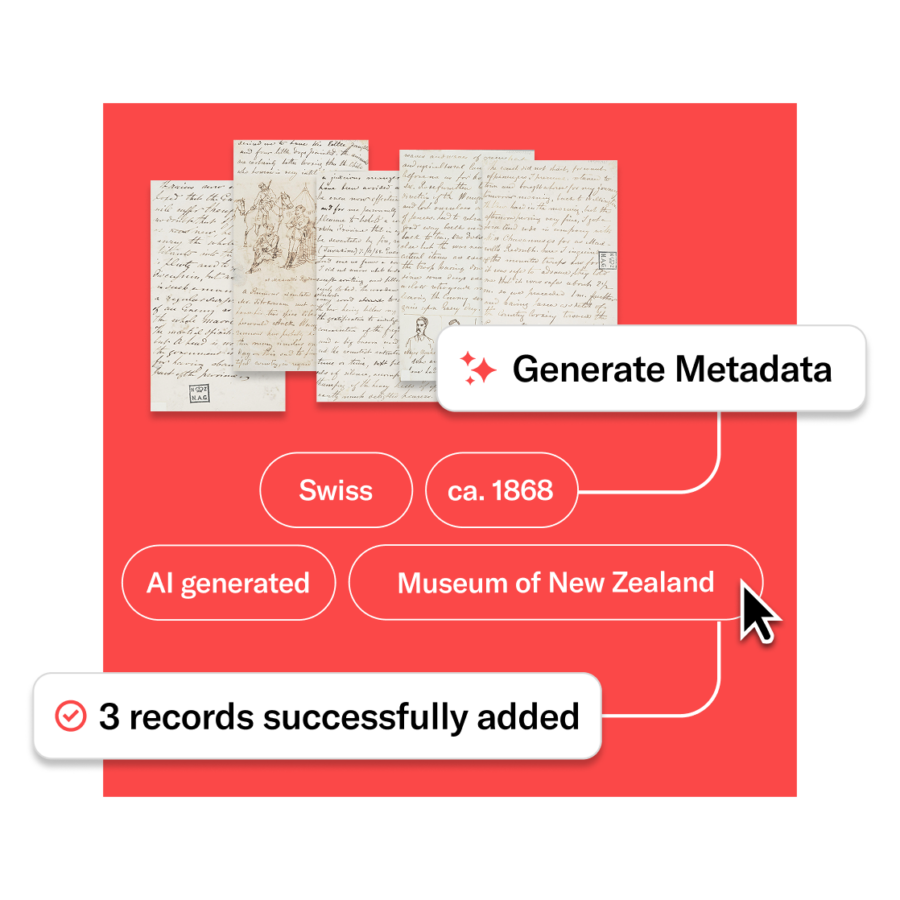
Across the ITHAKA organization
As a nonprofit service of ITHAKA, JSTOR is helping higher education, scholarly communications, and cultural heritage organizations chart a path toward trustworthy AI for education. While this page focuses on JSTOR, some related work includes:
- Ithaka S+R combines applied research, advisory services, cohort-based implementation support, and practical frameworks to help the scholarly community adopt AI responsibly
- JSTOR Digital Stewardship Services offers JSTOR Seeklight to support the processing, description, and stewardship of archives and special collections
News and updates
Stay up to date with the latest news and articles about JSTOR’s AI capabilities.
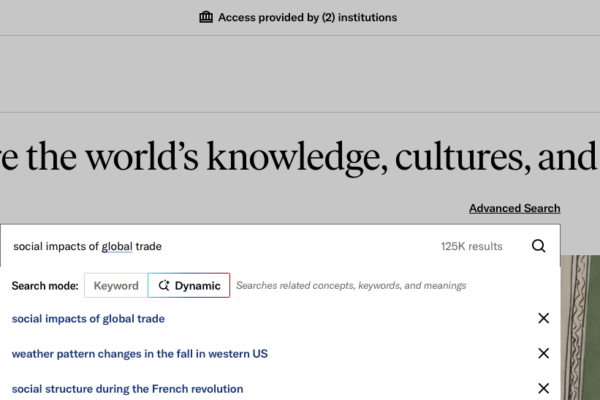
Introducing AI-assisted dynamic search on JSTOR
JSTOR’s AI-assisted dynamic search helps researchers explore early questions by surfacing related ideas, vocabulary, and potentially relevant sources. Learn how it complements keyword search, keeps researchers in control, and will be introduced at participating institutions this fall.

ITHAKA Fall 2026 Community Letter: AI at JSTOR
For decades, JSTOR has helped people discover trusted scholarship, understand scholarly context, benefit from library-supported access, and connect with original sources. As using AI becomes part of the research, teaching, and learning process, grounding the work in those principles becomes even more important.
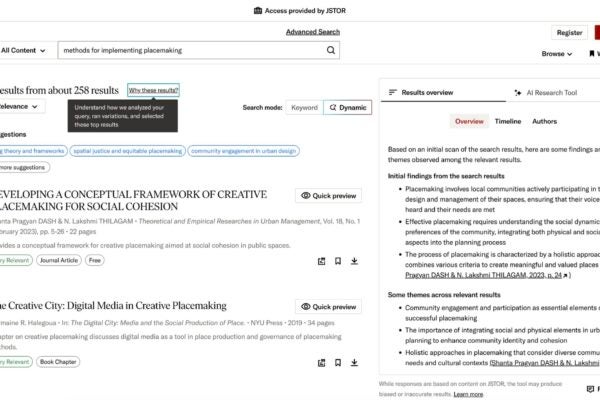
AI is changing research behaviors: How JSTOR preserves thinking and learning
As AI becomes part of the research process, JSTOR is exploring how to design tools that strengthen critical thinking, support research skills, and keep human judgment at the center of learning.
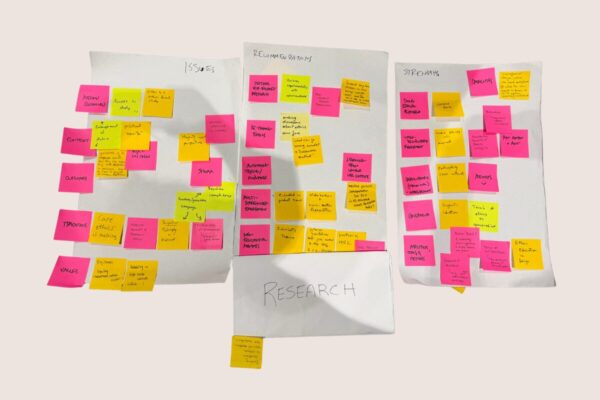
Collaborating across research and practice to shape AI interfaces
At CHI 2026, researchers and practitioners explored what it means to design AI interfaces responsibly, from supporting scholarly judgment to creating more transparent and human-centered research tools.
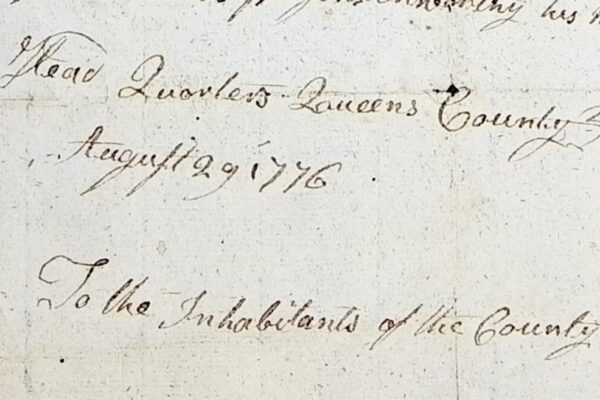
Funding stewardship, not just scanning: How Hofstra University secured a grant to build long-term access with JSTOR
How Hofstra University is turning a federal grant into lasting access—using JSTOR Stewardship to digitize, describe, preserve, and share Long Island history.
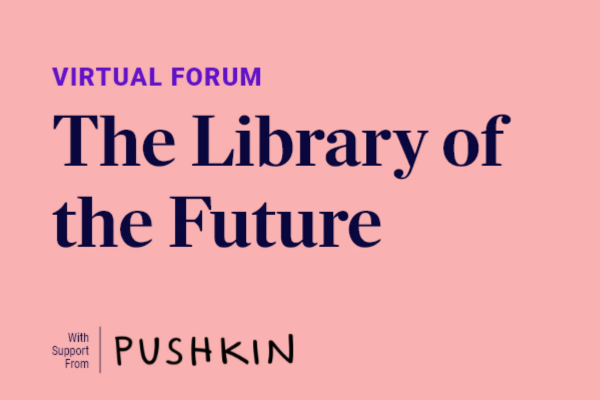
Chronicle Virtual Forum: The Library of the Future
This Chronicle of Higher Education webinar features Roger Schonfeld, Managing Director of JSTOR Stewardship, alongside fellow panelists discussing how AI is reshaping libraries.

Like It or Not, AI Has Arrived in Archives. Now Is the Time for Archivists to Take the Reins.
A new perspective on responsible AI in libraries, exploring how institutions can adopt emerging technologies while maintaining trust, transparency, and scholarly values.

Parallel paths to innovation: How user research and engineering collaboration shape JSTOR Seeklight
At ITHAKA, innovation happens when user research and engineering exploration move in parallel. This behind-the-scenes look at JSTOR Seeklight shows how collaboration with archivists and technologists shaped an AI-driven tool designed to accelerate collections processing while keeping human expertise at the center.

How The Evergreen State College modernized digital stewardship with JSTOR
Facing growing preservation needs and limited staff capacity, Evergreen State College migrated from Omeka to JSTOR Digital Stewardship Services for sustainable, long-term stewardship.
Workflows are evolving—and so are we
Research and teaching behaviors are changing, as are the questions facing libraries, publishers, educators, researchers, and technology providers.
We’re learning alongside our community as we explore what trustworthy AI-enabled research experiences should look like.
Whether you’d like to ask a question, share an idea, or explore opportunities to collaborate, we’d love to hear from you.
"*" indicates required fields