
JSTOR Blog
-
More than 3 million of the images in Artstor are now discoverable alongside JSTOR’s vast scholarly content, providing you with primary sources and vital critical and historical background on one platform. This blog post is one of a series demonstrating how the two resources complement each other, providing a richer, deeper research experience…
-
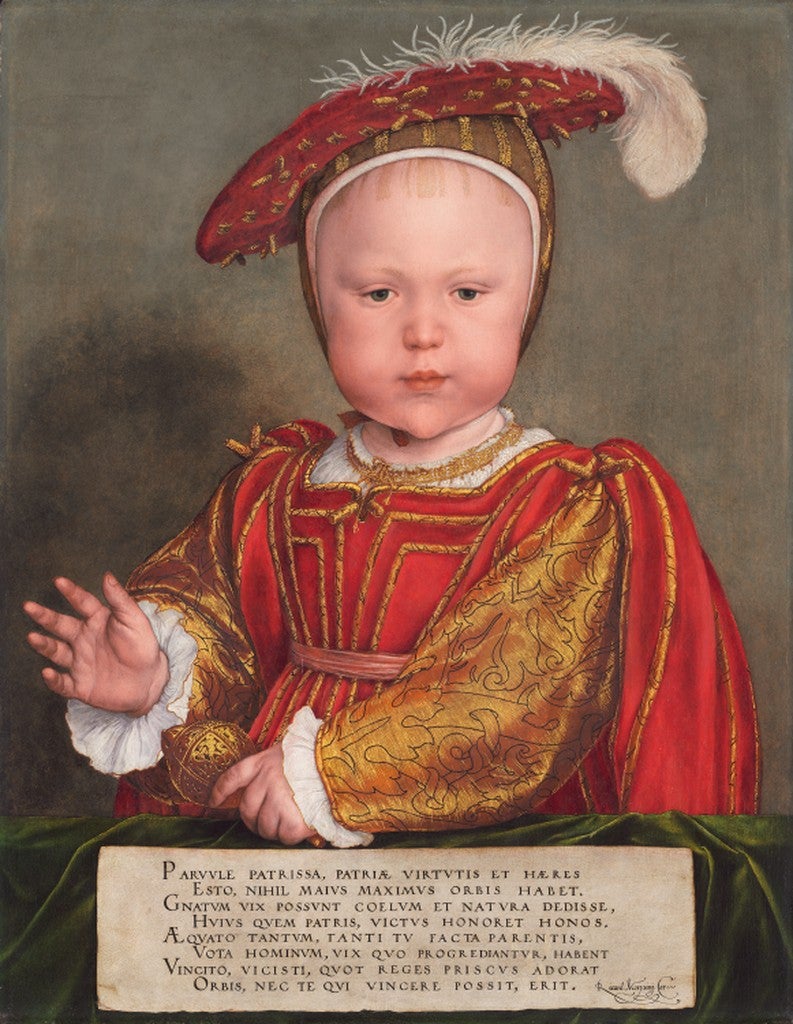
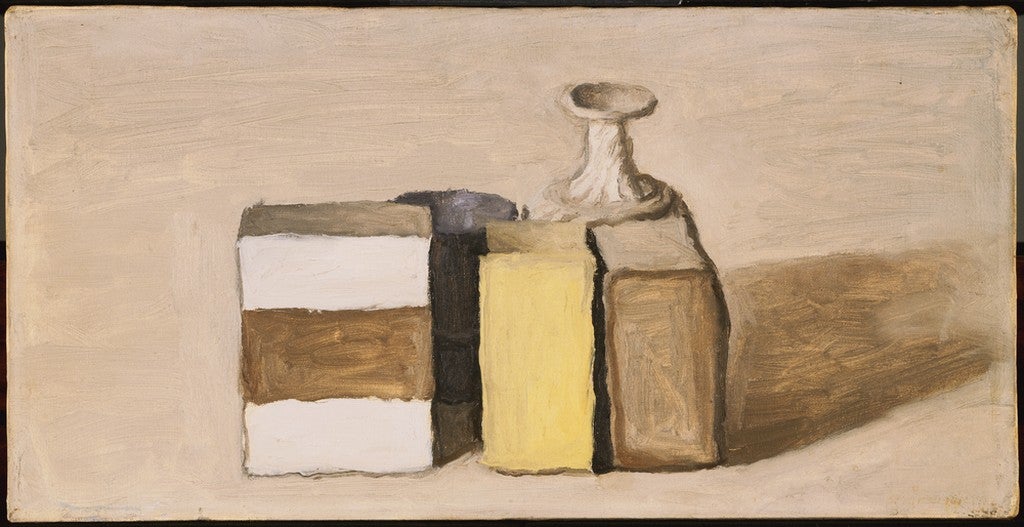
Collection: The Phillips Collection
-
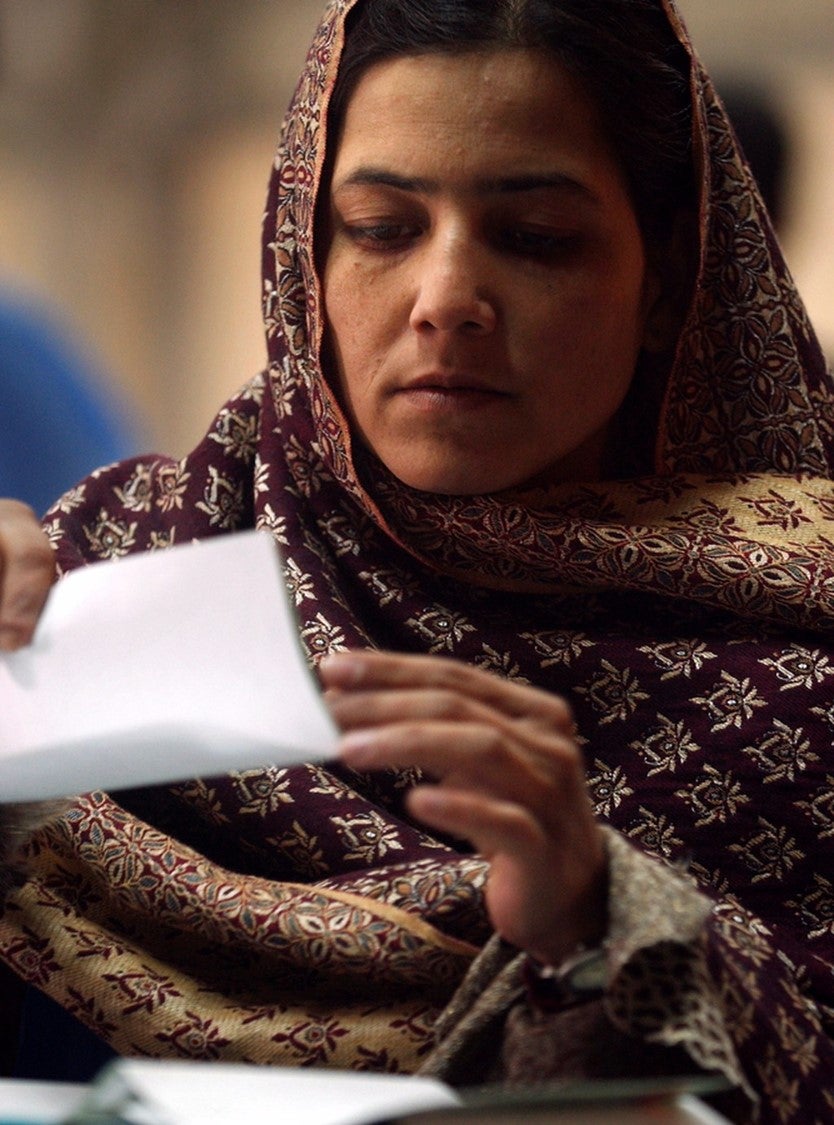
“Someone struggled for your right to vote. Use it.” — Susan B. Anthony As the United States holds its 2020 presidential elections, we rounded up a selection of images that reflect the importance of voting–throughout history and around the world. We encourage you to cast a vote and make your voice heard.
-
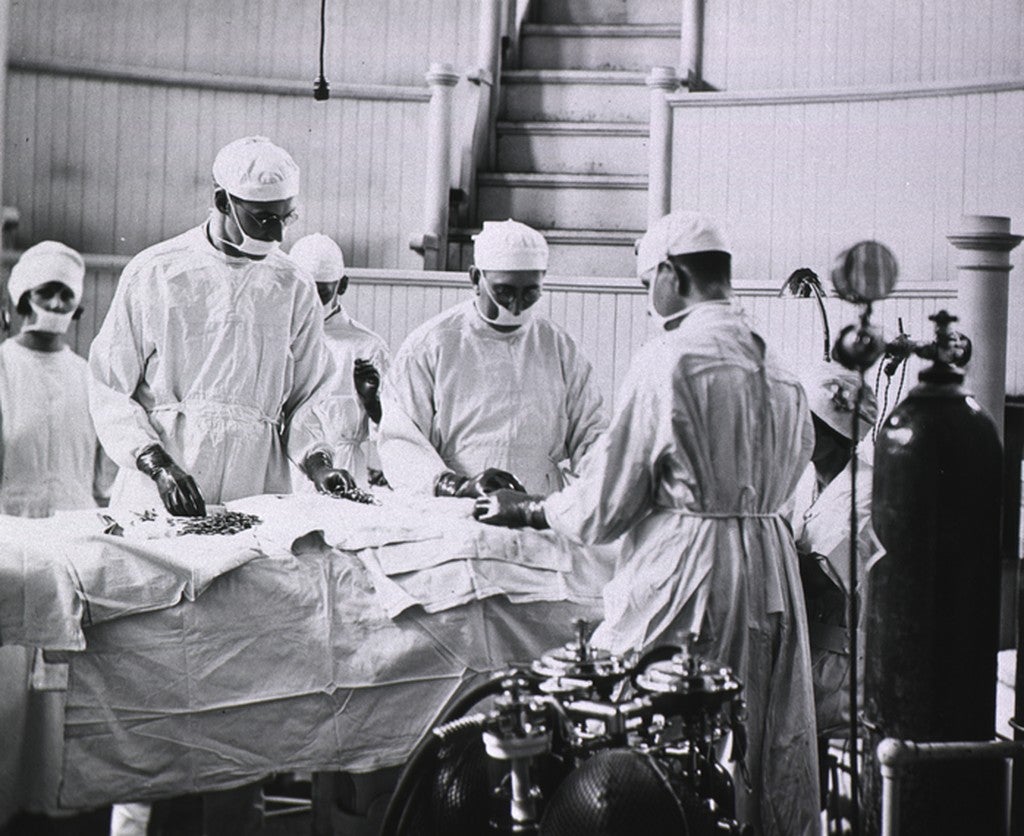
Artstor has published nearly 42,000 images from the U. S. National Library of Medicine’s Images from the History of Medicine, freely available to all for reuse under the Creative Commons Public Domain mark. Open Artstor: Images from the History of Medicine (National Library of Medicine) is part of an initiative to aggregate open museum, library,…
-
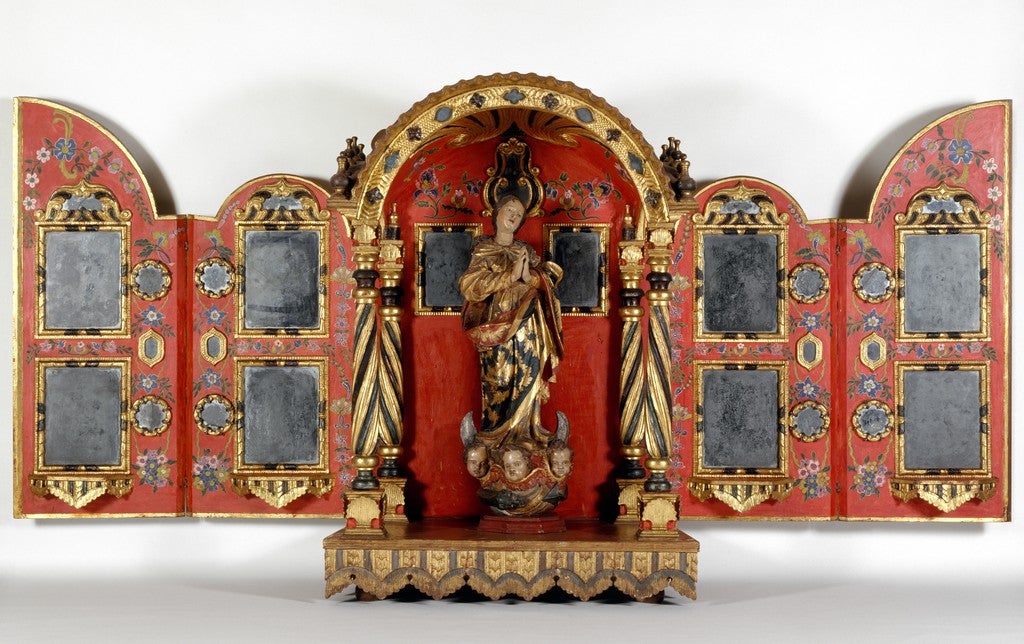
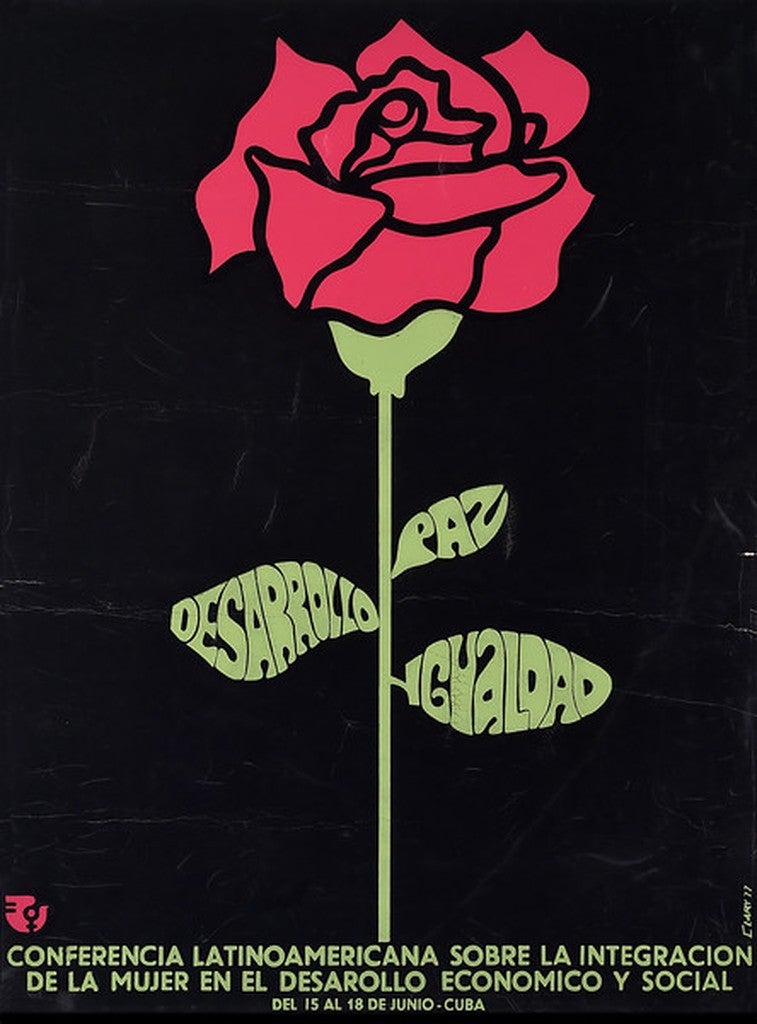
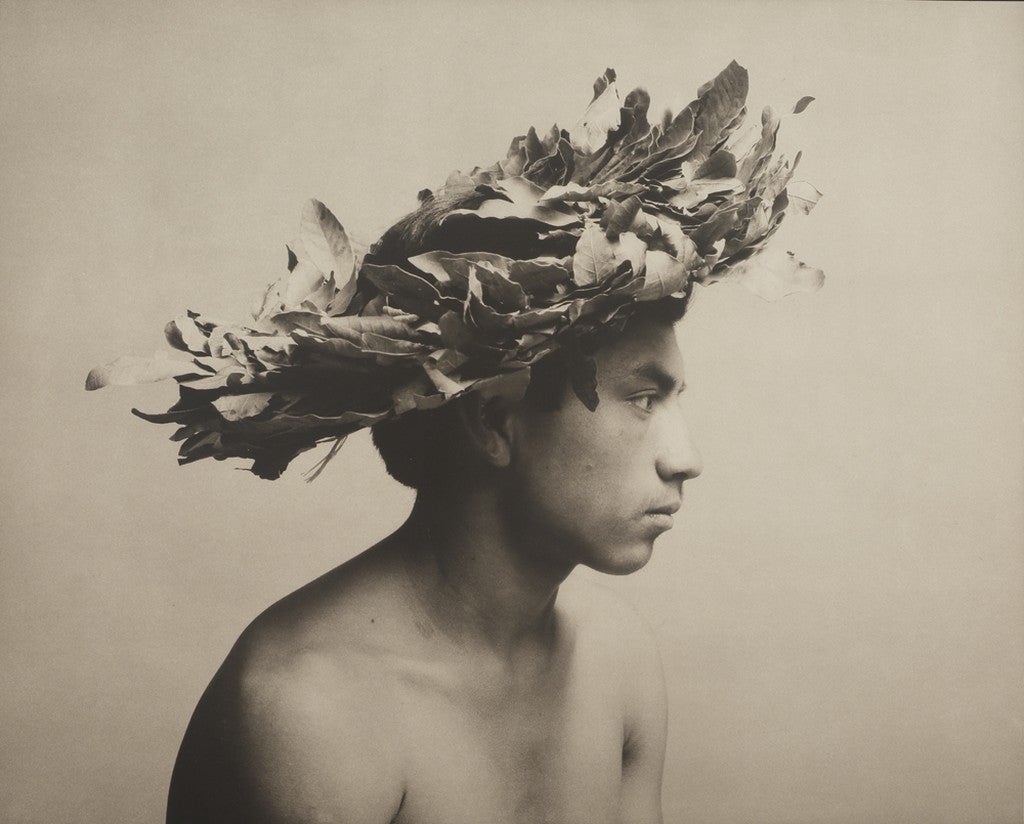
Explore and celebrate the vibrant cultures of Mexico, Central & South America, and the Hispanic Caribbean during Hispanic Heritage Month. Discover Latin American topics with the Artstor Digital Library’s specialized collections. Start your journey now!
-
Discover Artstor’s vast Public Collections with over 1.3 million freely accessible images and materials. Delve into Latin American content for Hispanic Heritage Month and explore notable highlights.
-
Discover the true essence of Hispanic heritage beyond stereotypes with a curated collection of diverse and creative images. Celebrate the beauty and uniqueness of our many heritages, showcasing the rich cultural tapestry.
-
Discover the latest addition to the Artstor Digital Library – 1,000 new images from Scala Archives. Immerse yourself in the world of Italian art and architecture with their renowned collection of high-quality representations. Explore over 16,000 captivating works today!
-
Discover over 29,000 freely available images from the Statens Museum for Kunst with Creative Commons dedication. Explore the Open Artstor collection, aggregating open museum, library, and archive collections on the Artstor platform.
-
Discover the rich history of the New-York Historical Society through over 3,000 new images added to the Artstor Digital Library. Explore American paintings, sculpture, prints, drawings, decorative arts, artifacts, and historical photographs dating back to 1804. Uncover the captivating story of New York City’s oldest museum.
-
Discover how educators, librarians, and researchers from secondary schools to graduate programs utilize Artstor in their teaching and research. Explore a wide range of topics, including medicine, ethnic studies, women’s studies, and more.
-
Discover a diverse collection of over 8,500 images of contemporary art from the California College of the Arts (CCA) in the Artstor Digital Library. Explore the rich world of postmodern global art, fulfilling the high demand of our community.
-
The Artstor Digital Library is used by educators in 1,900 institutions around the world–and with good reason. Here are just ten ways you can enhance your teaching with Artstor: 1. Take advantage of a wealth of images and primary sources to enhance most subjects. 2. Use with confidence: all images are rights cleared for…
-
More than 2 million of the images in Artstor are now discoverable alongside JSTOR’s vast scholarly content, providing you with primary sources and vital critical and historical background on one platform. This blog post is one of a series demonstrating how the two resources complement each other, providing a richer, deeper research experience in all…
-
We at Artstor/ITHAKA are so devoted to our canines that we share a dogspotting channel that provides a steady stream of engaging pictures. During the crisis, as we isolate with our pets, the photos and anecdotes have proliferated. In tribute to our best friends who delight and support us during this time, we would like…
-
In this time of social distancing, it seems like everyone has turned to videoconferencing, from your teachers to your family. But perhaps you don’t want your grandparents to compare the size of your Brooklyn apartment to that of your cousin in Texas, or for your colleagues to see the dishes piling up in your kitchen…
-
The Oregon College of Art and Craft has contributed more than 200 images of richly diverse works by faculty members to Artstor. The selection, which dates from 1986 to 2011, includes ceramics, fiber arts, works on paper, paintings, sculpture, installations, photographs and video. Selected works reveal both creative and technical brilliance with results that are…
-
Missing your favorite museums? Let us reveal them to you remotely. JSTOR offers comprehensive coverage of the collections of well over 100 international museums and galleries through various accesses—ranging from fully public, from our community collaborators, as well as open collections with works entirely in the public domain—to selections in Artstor that are available to…
-
Explore one of our finest museums virtually In collaboration with The Cleveland Museum of Art and their comprehensive Open Access initiative, Artstor has published an expansive selection of works from this leading repository, freely available to all and with Creative Commons licenses in Open: The Cleveland Museum of Art. Incorporating more than 10,000 years of…
-
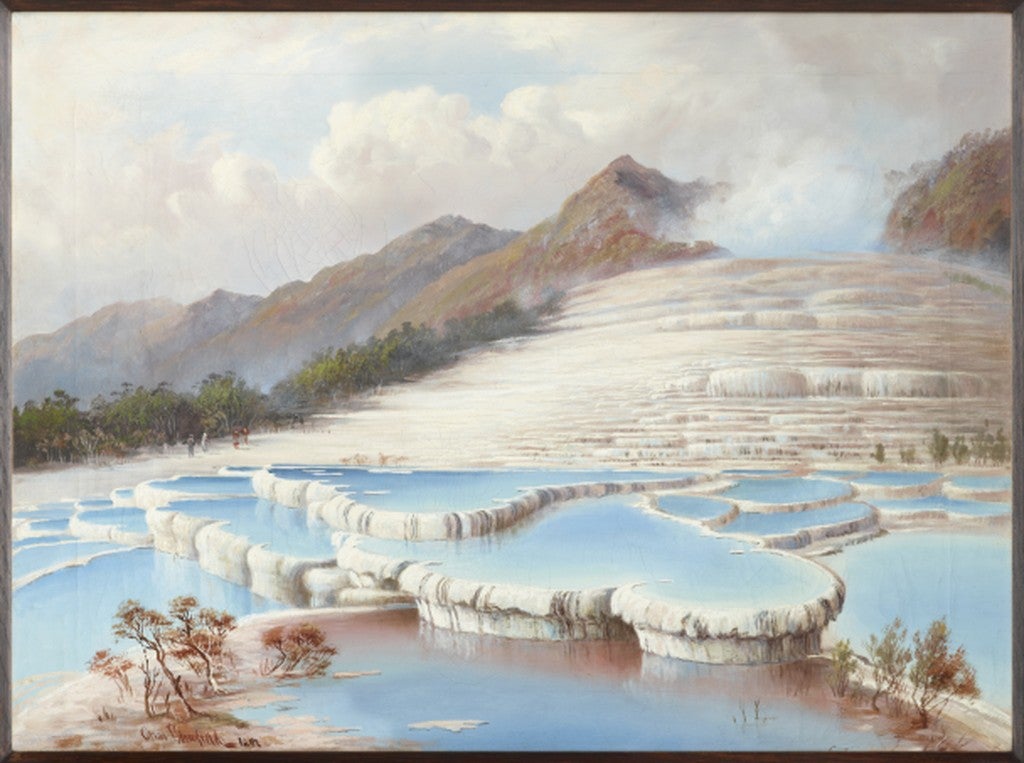
The Open: Museum of New Zealand Te Papa Tongarewa collection is now available, featuring a selection of more than 45,000 images under Creative Commons licenses.
-
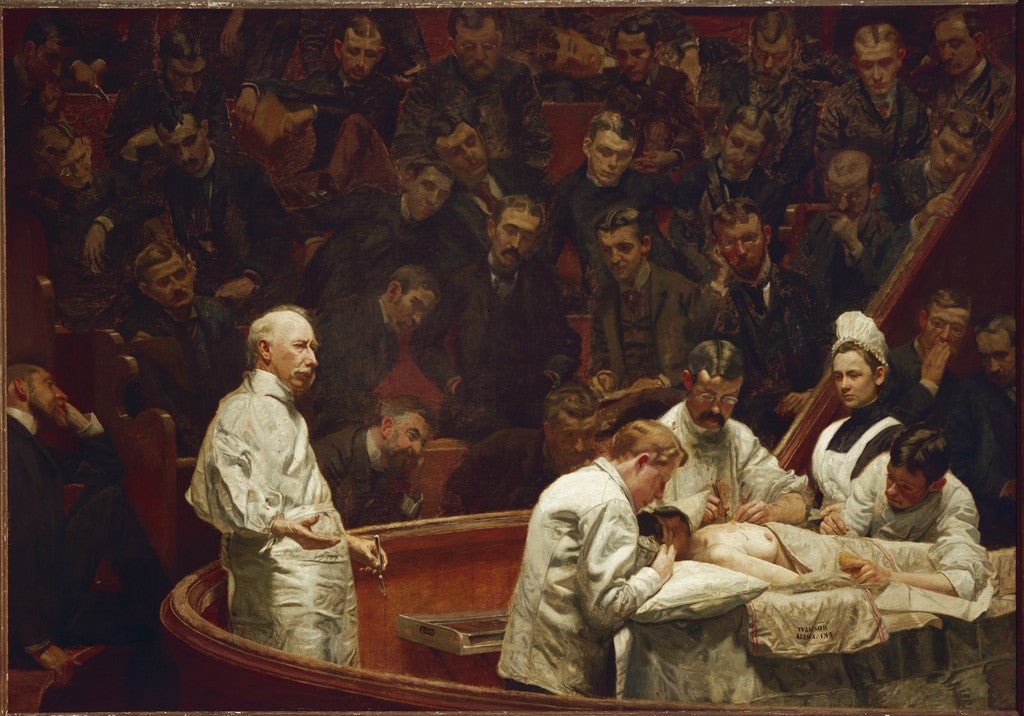
In the nineteenth century, artists like Thomas Eakins brought the drama of the operating theater to canvas, capturing both the intensity of surgical practice and the rise of modern medical techniques. His landmark works, The Gross Clinic and The Agnew Clinic, reveal a vivid intersection of art, science, and history.
-
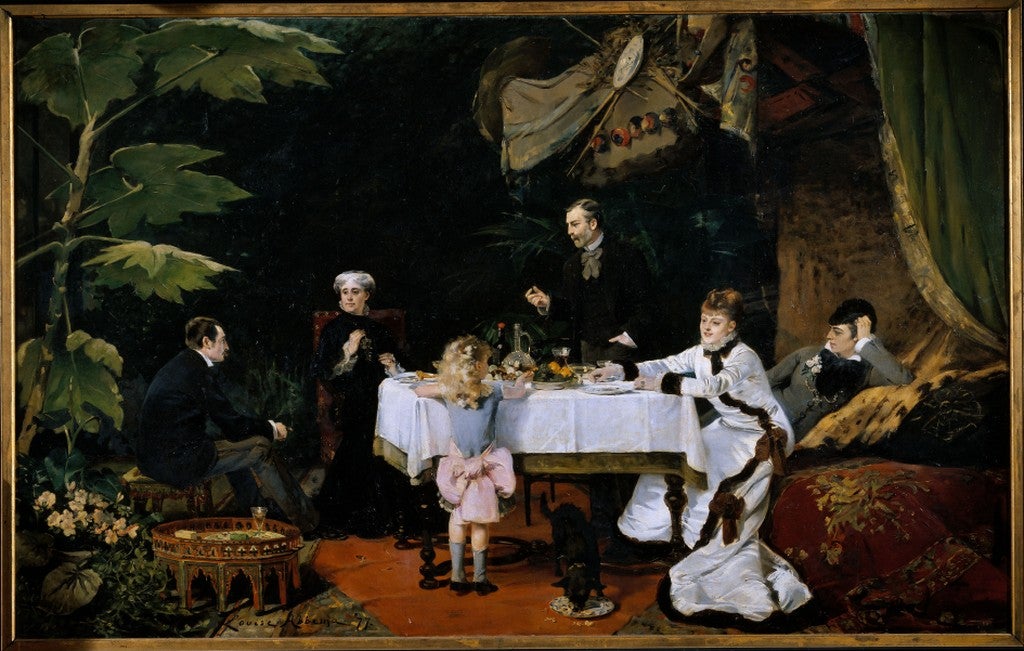
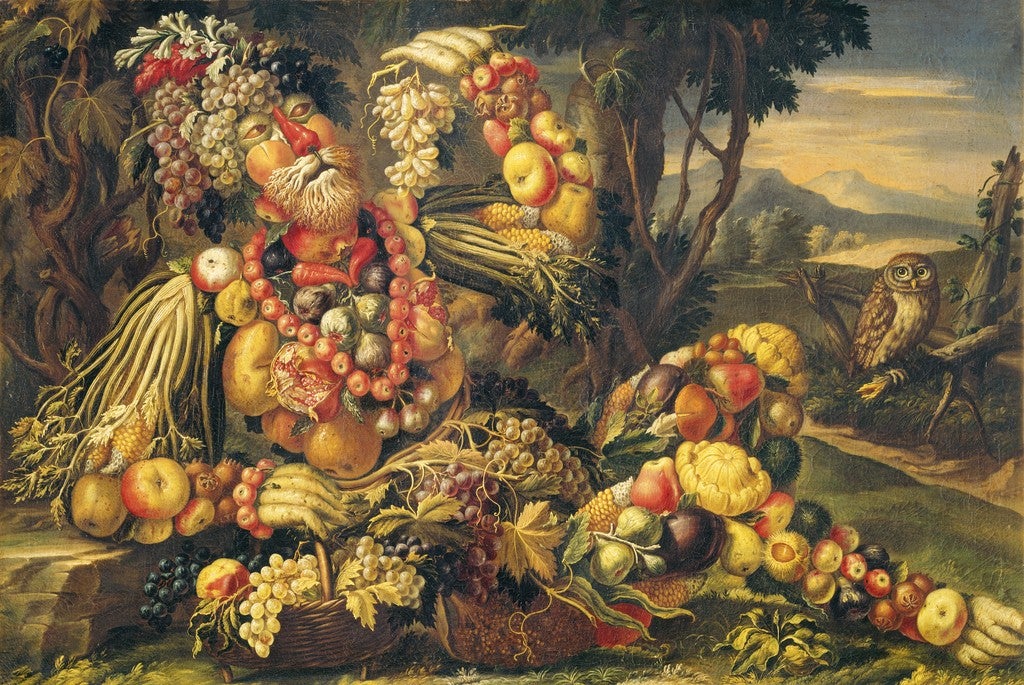
Seize the season! Once again we have crossed the Thanksgiving threshold into full-blown festivities and the crescendo to the new year. In celebration of the prompt to eat, drink, and be merry, we would like to present some inspiring visions. Let’s begin with the harvest itself, the basis of all feasts and the bountiful personification…
-
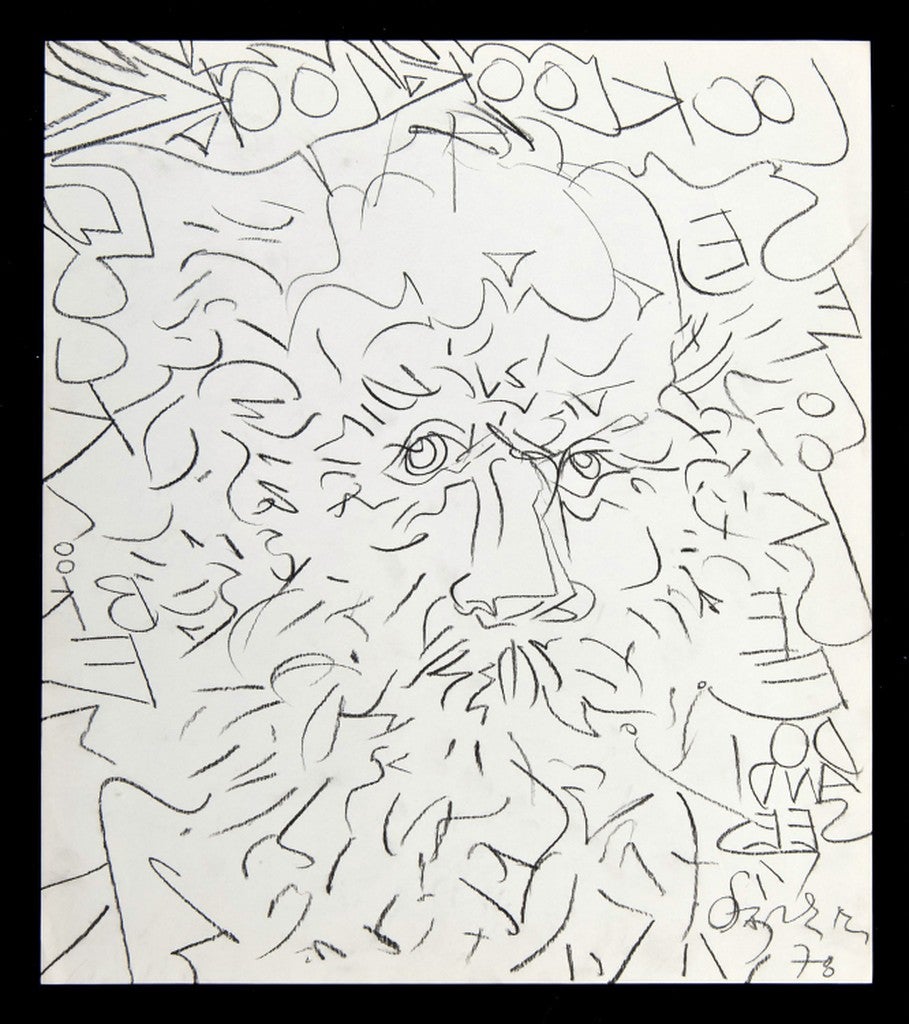
A unique offering from a second-generation Abstract Expressionist Art historian Robert Solomon has just contributed the Joseph Stapleton: Self-Portraits collection to Artstor. Below, he provides a perspective on the artist and his significant output of self-portrait drawings. Joseph Stapleton (1921-1994) was one of an estimated 400 artists who poured into New York City’s Tenth Street…
-
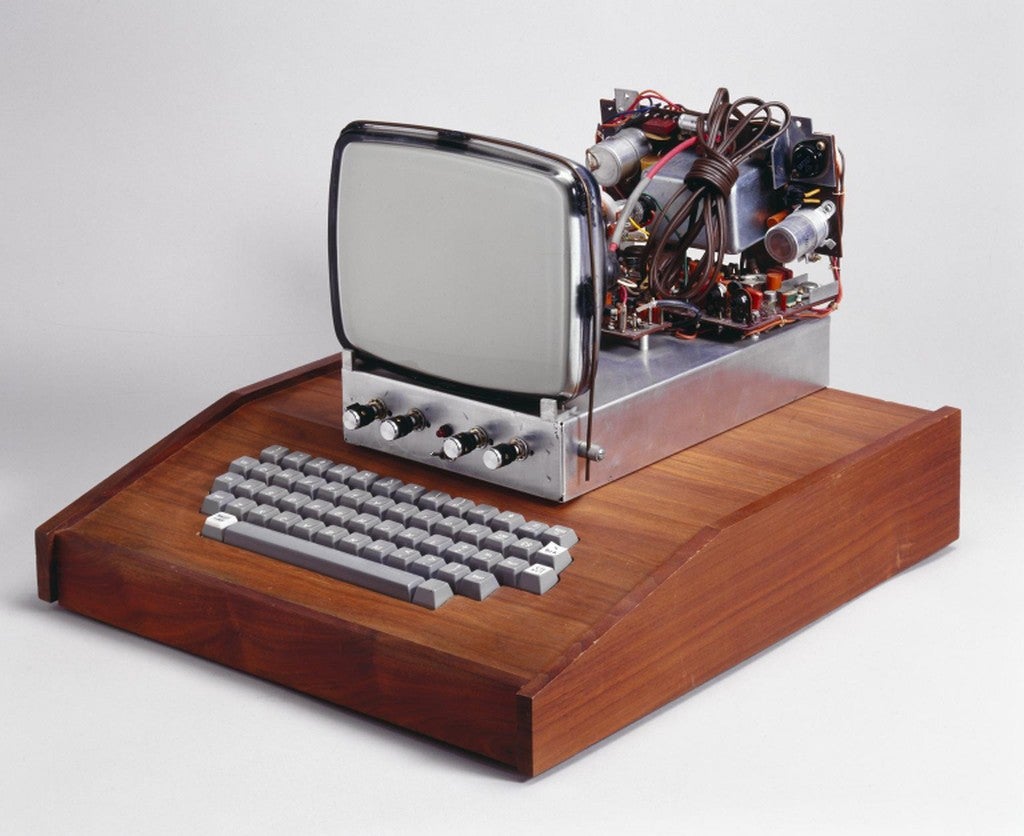
The Open: Science Museum Group collection is now available, featuring a selection of nearly 50,000 images from the Science Museum Group (UK) under Creative Commons licenses that span science, technology, engineering, mathematics and medicine.
-
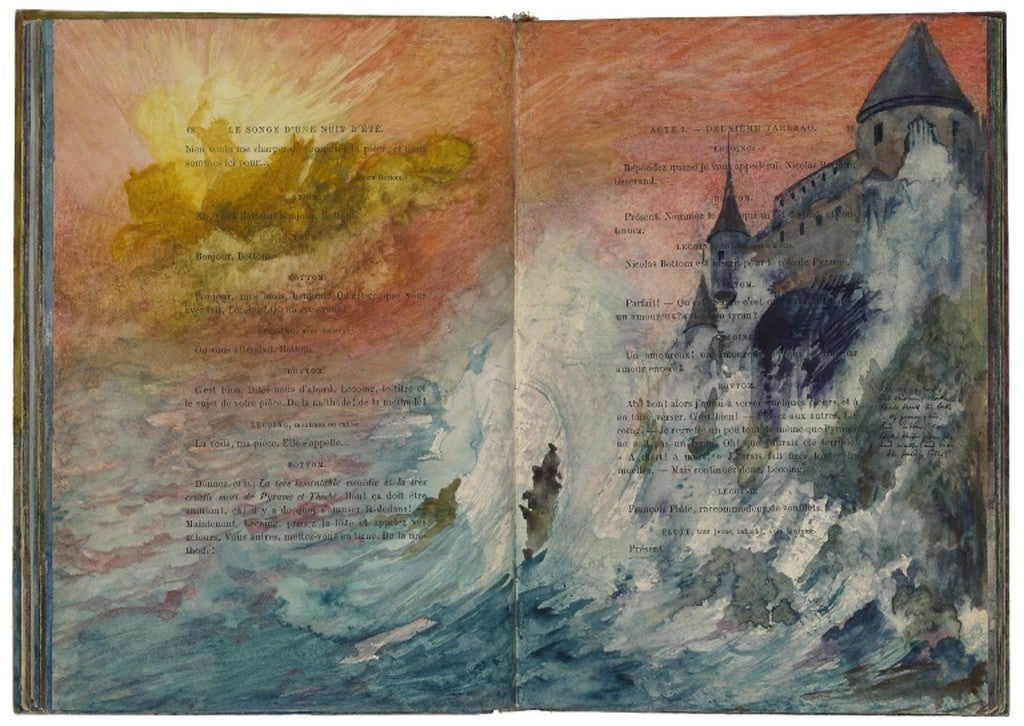
Open: Folger Shakespeare Library is now available with a selection of more than 8,000 images from the Digital Image Collection of the Folger Shakespeare Library. Provided under Creative Commons licenses, these images illuminate the history and output of Shakespeare and theater in general, from illustrated manuscripts and rare books, costume and stagecraft, to actors’ portraits and…
-
The Open: Wellcome Collection is now available, featuring a selection of more than 100,000 images from the Wellcome Collection that connect science, medicine, technology, life, and art under Creative Commons licenses.
-
More than 2 million of the images in Artstor are now discoverable alongside JSTOR’s vast scholarly content, providing you with primary sources and vital critical and historical background on one platform. This blog post is one of a series demonstrating how the two resources complement each other, providing a richer, deeper research experience in all…
-
More than 2 million of the images in Artstor are now discoverable alongside JSTOR’s vast scholarly content, providing you with primary sources and vital critical and historical background on one platform. This blog post is one of a series demonstrating how the two resources complement each other, providing a richer, deeper research experience in all…
-
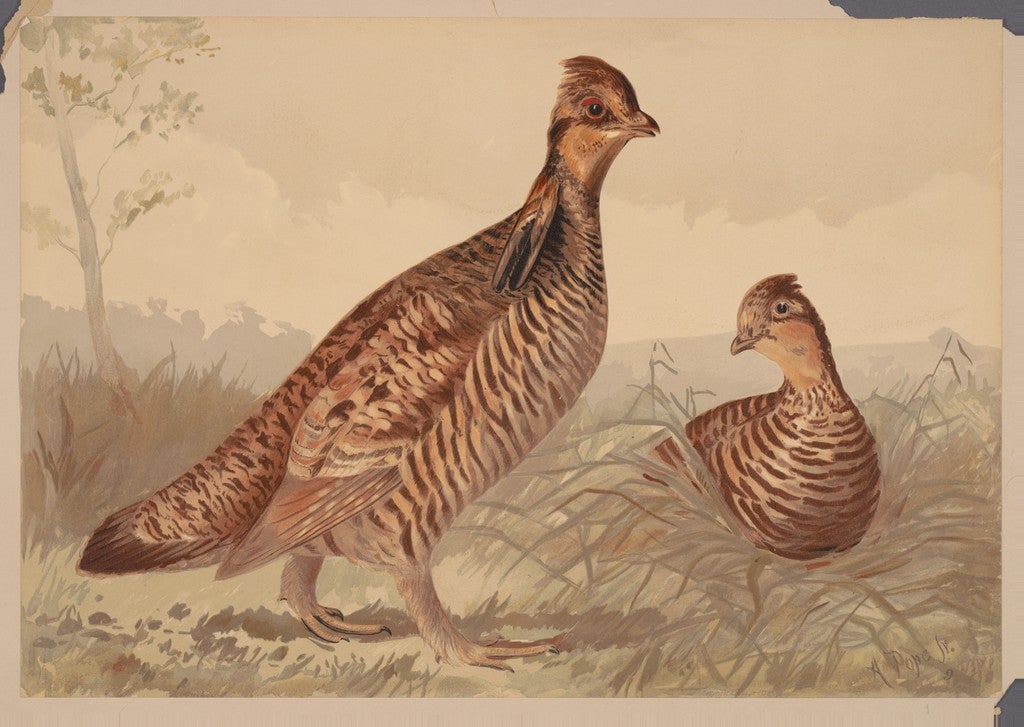
Three collections, freely available on JSTOR, feature bird illustrations from the 16th through the 19th centuries and showcase evolving techniques, influential bird artists, and early wildlife photography.


Sign up for updates
Never miss a thing. Get updates from JSTOR delivered straight to your inbox.
By signing up you agree to our Privacy Policy. You may unsubscribe at any time by clicking on the provided link on any marketing message.
"*" indicates required fields