
JSTOR Blog
-
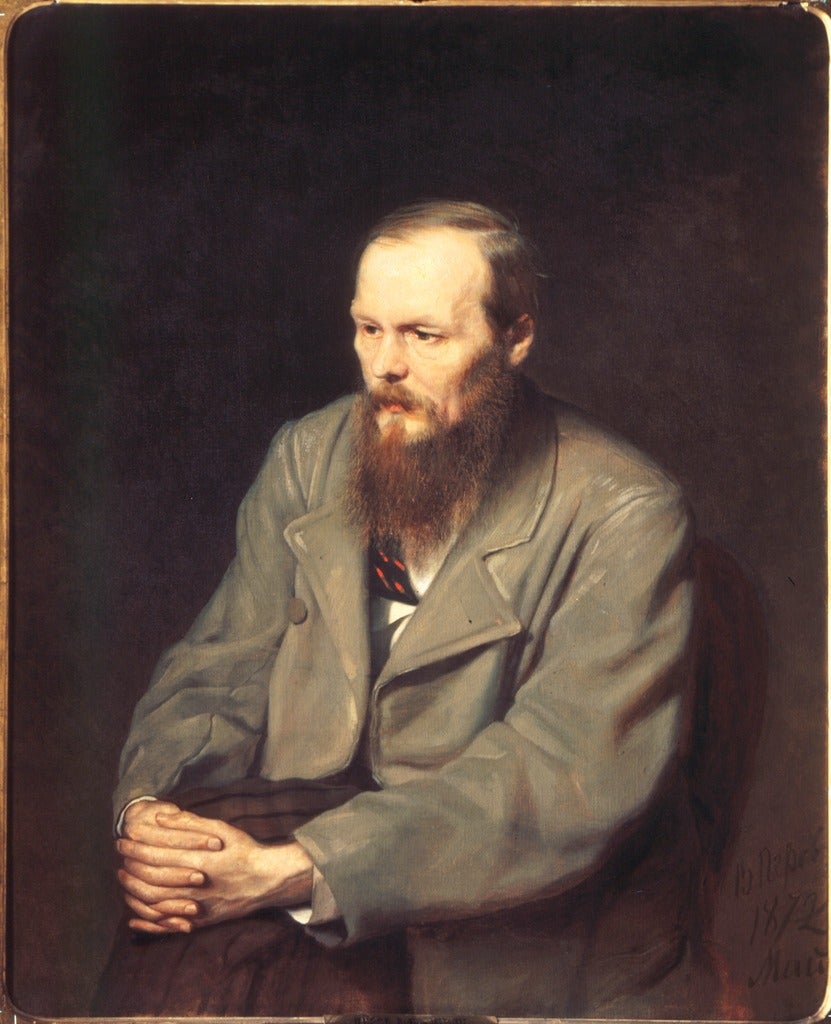
Dostoevsky’s encounter with Holbein’s unvarnished Dead Christ shaped The Idiot, revealing how the painting’s stark realism challenged his faith and informed his probing vision of belief amid suffering.
-
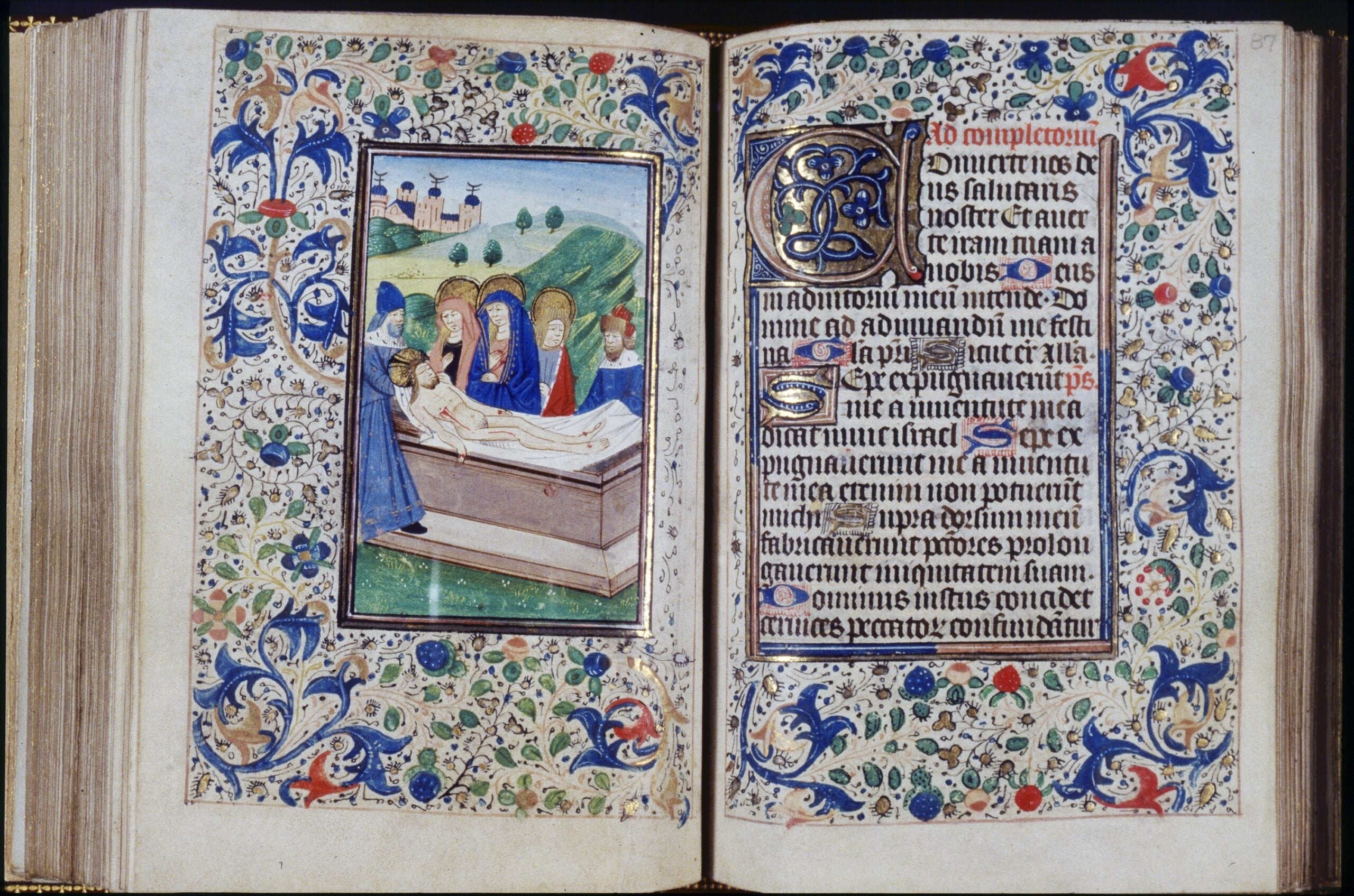
Books of hours are devotional texts that contain a personalized selection of prayers, hymns, psalms, and New Testament excerpts chosen specifically for their owner. Popular in the Middle Ages, the most expensive of these books could be highly decorated, but the more affordable versions usually only showed minimal decoration, usually of the first letter of…
-
Summer solstice brings us the longest, sunniest days of the year. The season also sparkles with starry nights, and getaways in July and August provide an escape from the urban glare, enhancing our appreciation of stellar skies. In homage to the stars, we have mined the resources of Artstor to present some outstanding celestial subjects…
-
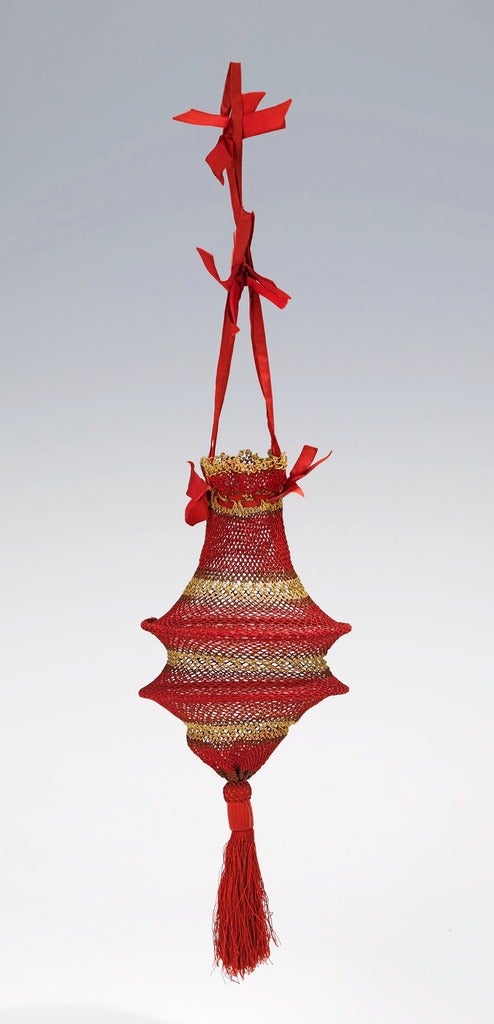
From our friends at JSTOR Daily The purse has always been political, a reflection of changing economic realities and gender roles. Blame the Balenciaga IKEA bag. When the $2,145 luxury lambskin version of the familiar blue plastic shopping bag appeared on the runway in June 2016, it was the beginning of the end of a…
-
Dr. Kelli Morgan, Associate Curator of American Art at the Indianapolis Museum of Art (IMA) at Newfields introduces us to some of the American gems in the IMA’s collection. The American collection at the Indianapolis Museum of Art at Newfields (IMA) is an encyclopedic group of brilliant objects that span US history from the Colonial…
-
What’s new in JSTOR? Bowdoin College Museum of Art Contributor: Bowdoin College Museum of Art Content: The Museum has contributed 2,000 additional images of its historic teaching collection of world art, bringing the total in Artstor to nearly 6,000.* Highlights include varied antiquities, European paintings and works on paper, American colonial painting, the arts of…
-
JSTOR is replete with images from nature: arks of animals, a plethora of plants, and the dazzling spectacles of the earth. Meticulous renderings of animal and botanical species from classical times through the onset of photography may be studied alongside striking contemporary photographs. Illustrations of animal, plant and mineral specimens are also available as well…
-
What’s new in JSTOR? Indianapolis Museum of Art at Newfields Contributor: Indianapolis Museum of Art at Newfields Content: The Museum has contributed 4,254 additional images of its encyclopedic collection, bringing the total in Artstor to nearly 6,400.* 5,000 years of global history illustrated by works of art, design, and ritual objects, as well as views…
-
Photographer and anthropologist Frank Cancian has been documenting international communities for more than fifty years. His recent contribution to JSTOR in collaboration with University of California Irvine Libraries, traces his fieldwork from the Italian hill town of Lacedonia during the 1950s to the Maya of Zinacantán, Chiapas during the ’60s and ’70s, and to domestic…
-
What’s new in the Artstor Digital Library? Collection: Frank Cancian Documentary Photograph Archive Contributor: University of California Irvine Libraries, Photographer/anthropologist Frank Cancian, Professor Emeritus, UC Irvine Content: Approximately 175 photographs spanning Cancian’s career: The work documents communities in California, Mexico, and Italy, including house cleaners in Orange County (2001-2002); the Maya of Zinacantán, Chiapas (1960-1971),…
-
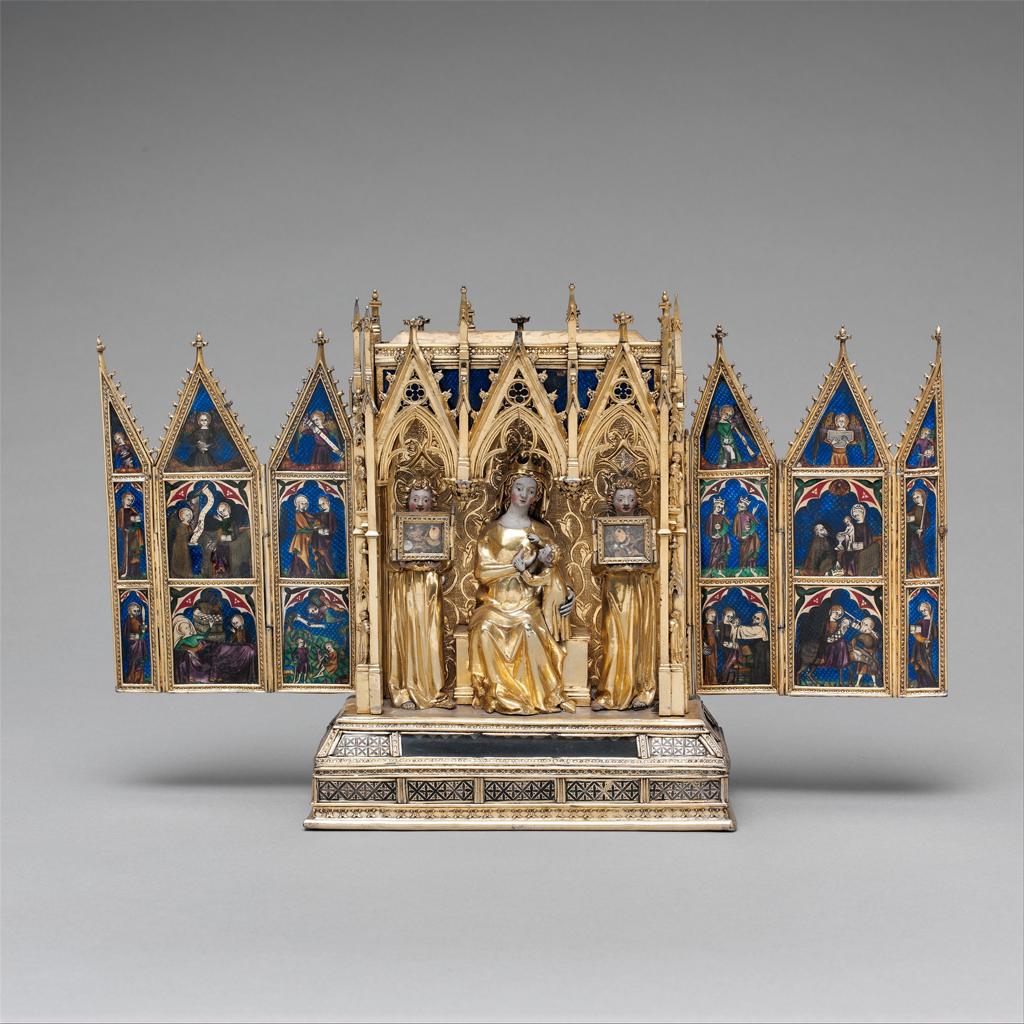
Medieval reliquaries, which contained sacred relics, evolved along with early Christian beliefs about martyrdom and divinity, and the function of the sacred in devotional life.
-
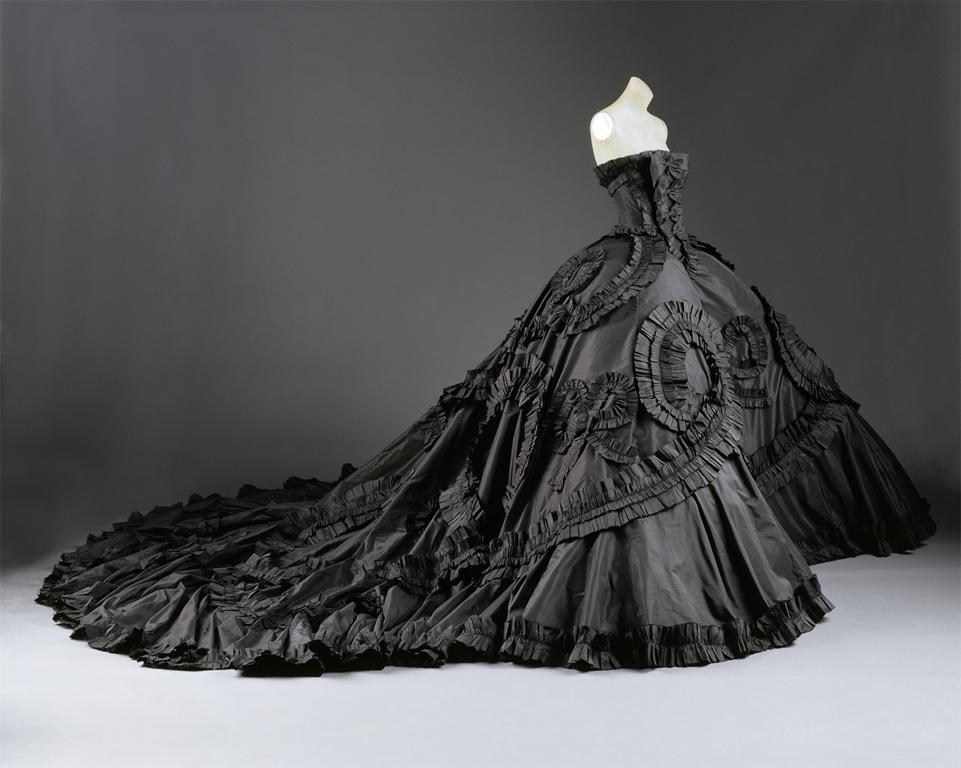
It may come as a surprise that JSTOR is flush with fashion. For a dose of glamour, how about a stroll down the red carpet, exploring designs through the ages? Let’s begin with the ancients: In early dynastic Egypt, the beadnet sheath dress is often depicted in paintings and statuary. A faience (sintered-quartz ceramic) dress from…
-
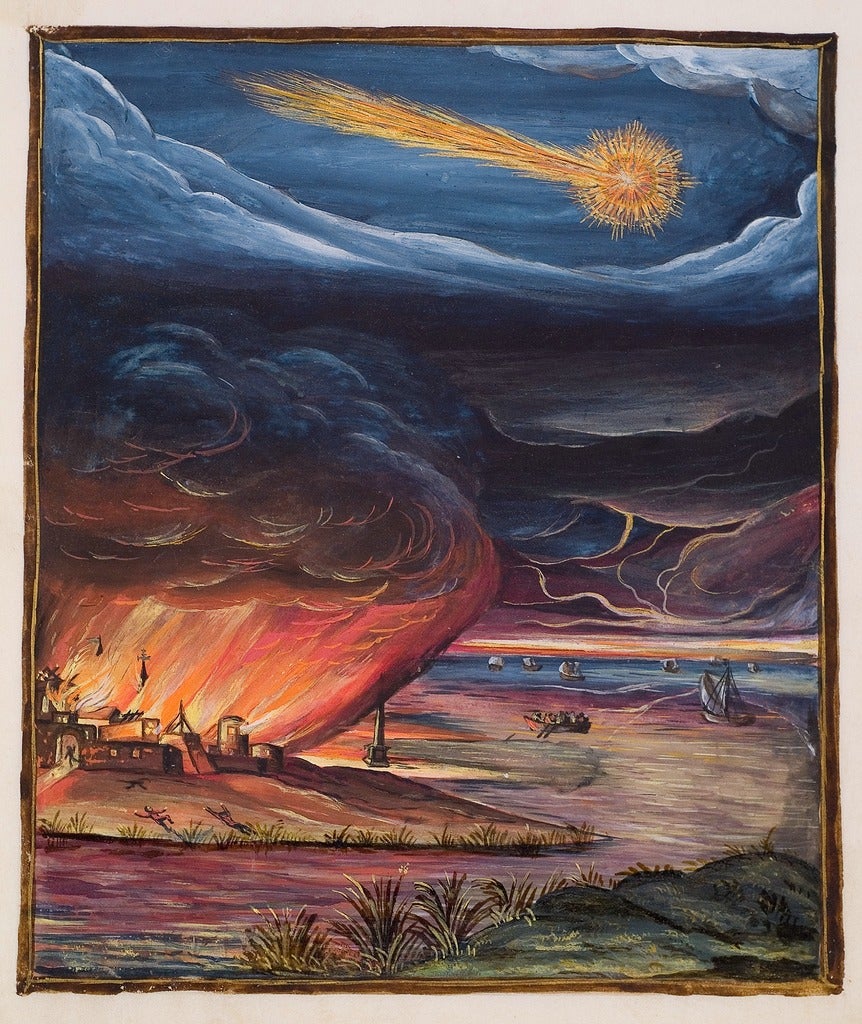
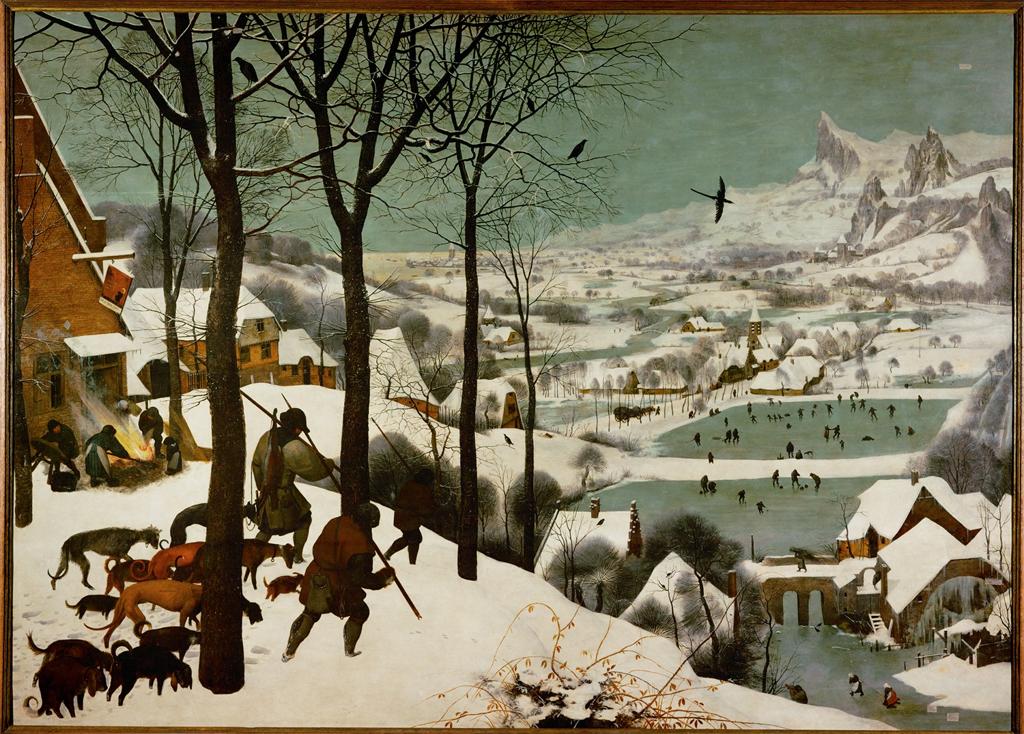
In the summer of 1675, Madame de Sévigné, a doyenne of letters, protested from Paris: “It is horribly cold… we think the behaviour of the sun and of the seasons has changed,” prescient witness to the phenomenon now referred to as the Little Ice Age. Over the last century, scientists and historians have gathered evidence…
-
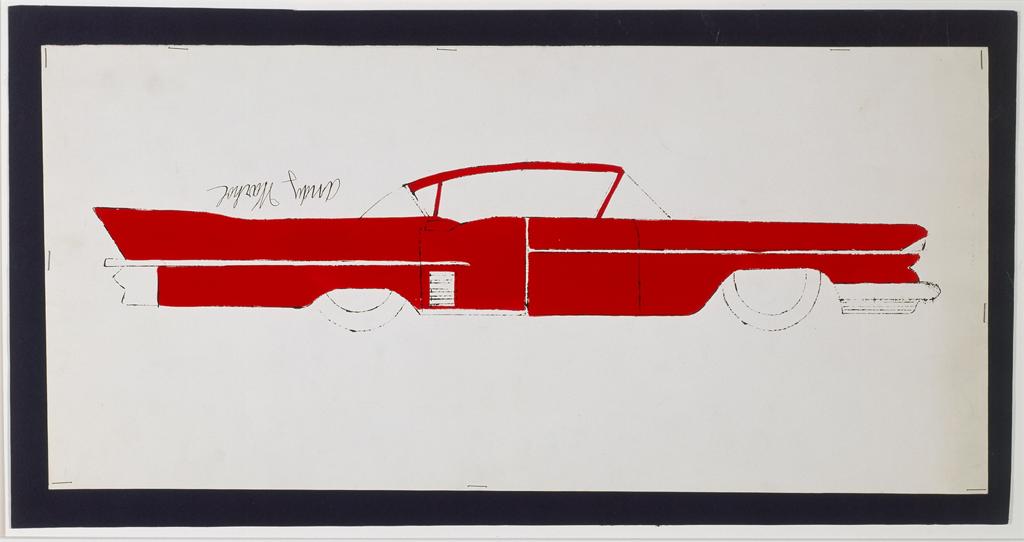
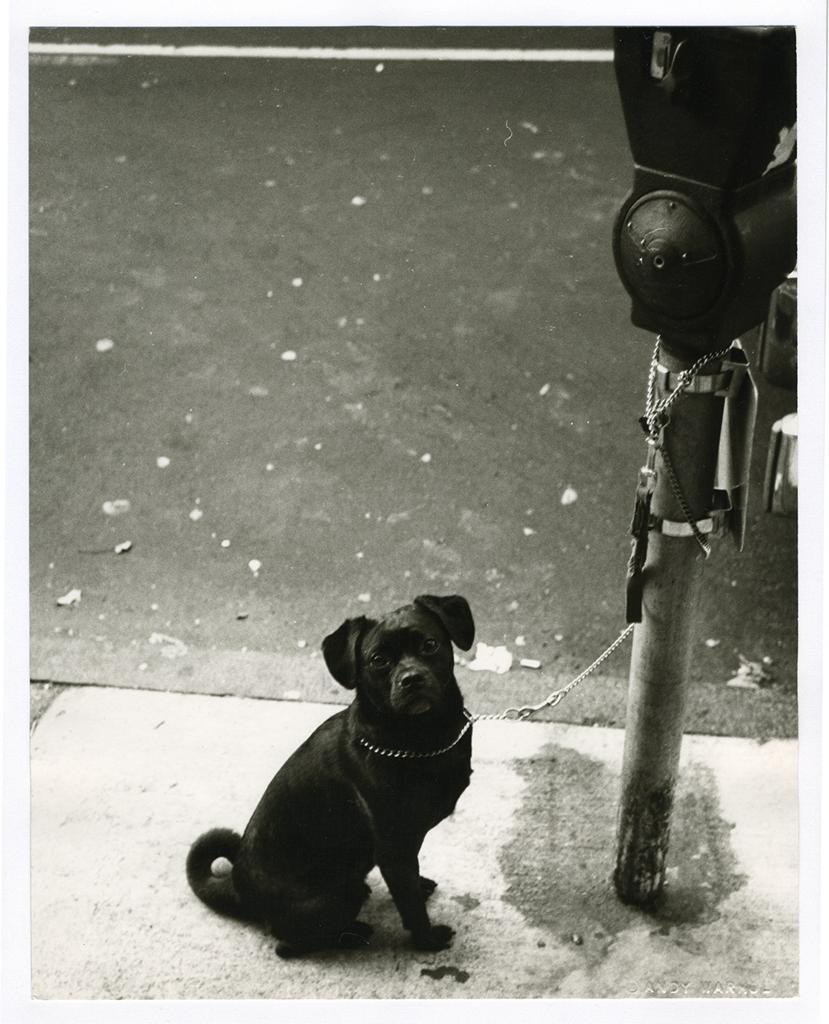
Thanks to an additional contribution from The Andy Warhol Foundation for the Visual Arts, we are now able to present a fuller picture of the artist’s early career in New York City.
-
Our thanks to New York photographer Bob Gore, who contributed approximately 300 images from his portfolio to JSTOR, documenting diverse expressions of faith across the United States and in the Caribbean region.*
-
Our thanks to the School of the Art Institute of Chicago (SAIC), which contributed the Roger Brown Study Collection, over 800 images of the artist’s work, to the JSTOR Digital Library. The collection encompasses the artist’s career, from 1970 through 1997, and includes paintings, mosaics, and mixed media.
-
Our thanks to the Pacita Abad Art Estate, which contributed 500 images of the artist’s work to the Artstor Digital Library.* The selection in Artstor illustrates the artist’s career from the 1970s to her final years in the 2000s.
-
When you see Andy Warhol’s name, his Pop Art paintings of Marilyn Monroe, Elvis Presley, and Campbell’s soup cans probably spring to mind. But Warhol’s interests extended beyond fame and commerce, as evidenced in the photos he took to record his daily life. “A picture means I know where I was every minute,” the artist…
-
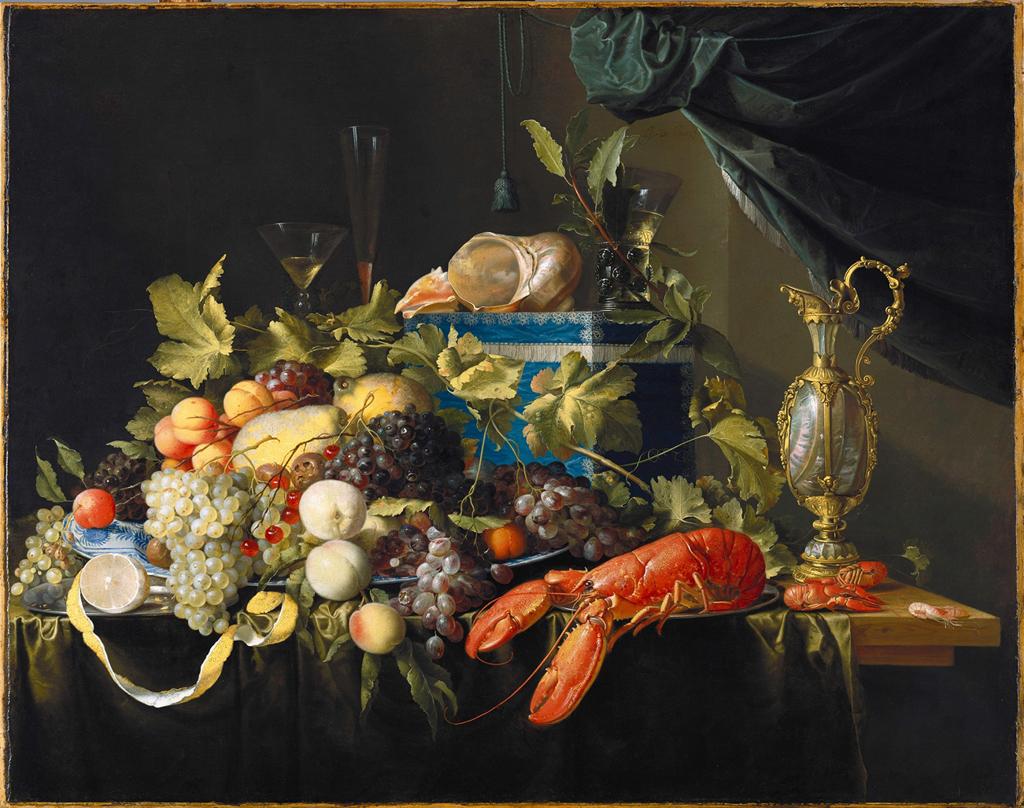
Every year the subject of food rises in our thoughts and comes into greater and more glorious focus as we are swept up in a wave of planning, preparation, and consumption for the holidays. In anticipation and celebration of our sumptuous banquets and stolen treats, Artstor offers a feast of foodie still lifes. Think of…
-
The William Randolph Hearst Archive has contributed a collection of 2,050 images to Artstor, providing an intriguing perspective on the collecting passions of Hearst, the man best known to us as a newspaper baron, and notoriously immortalized on film as the unscrupulous “Citizen Kane.”
-
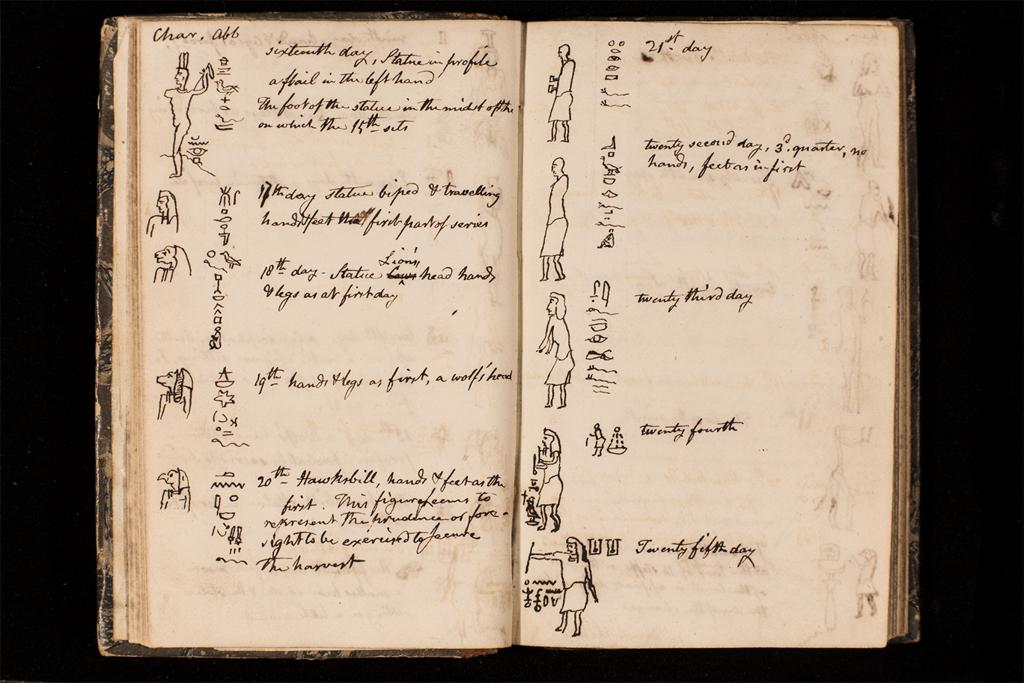
The Allegheny College Egyptian Hieroglyphics collection features every page of a single manuscript in the James Winthrop Collection. The collection includes approximately 3,000 titles from the libraries of Winthrop and his father, John Winthrop, who was Hollis Professor of Natural Philosophy and Mathematics at Harvard. This particular manuscript is in the public domain, and Allegheny…
-
…and how to protect yourself from them While there were a lot of delightful beliefs about animals in the Middle Ages (our favorite: hedgehogs roll on grapes to spear them on their spines so they can take them home to their young), this Halloween season we’re focusing on the creepiest creatures of all: reptiles! Not…
-
In an 1898 article for Scientific American, a chemist describes his process for working with a powdered material that smelled of myrrh and meat extract: On heating the powder turns dark brown black, with a pleasant, resin-like odor of incense and myrrh, then throws out vapors with an odor of asphaltum; it leaves a black…
-
On this day in 1962, Rachel Carson’s Silent Spring was published, bringing widespread attention to environmental issues caused by the use of synthetic pesticides in the United States. The book sparked controversy, particularly from chemical companies that dismissed Silent Spring’s assertions about the connection between pesticides and ecological health. However, Carson’s claims were borne out…
-
An additional contribution of nearly 1,000 images has been made to the Rob Linrothe: Tibetan and Buddhist Art collection in the Artstor Digital Library, bringing the total to over 5,000.* Scholar/photographer Linrothe has provided this unique resource in collaboration with the Lucy Scribner Library, Skidmore College and Northwestern University.
-
The American Institute of Indian Studies (AIIS) has contributed an additional 5,094 images to the Artstor Digital Library, bringing their total to more than 69,000.*
-
Artstor’s global collections span time and cultures and provide a wonderful resource for teaching and research in the humanities and social sciences. Our “Artstor Across Disciplines” LibGuide outlines how Artstor’s collections can be used in over 20 disciplines, including American studies, religious studies, the history of medicine, women’s studies, and more.
-
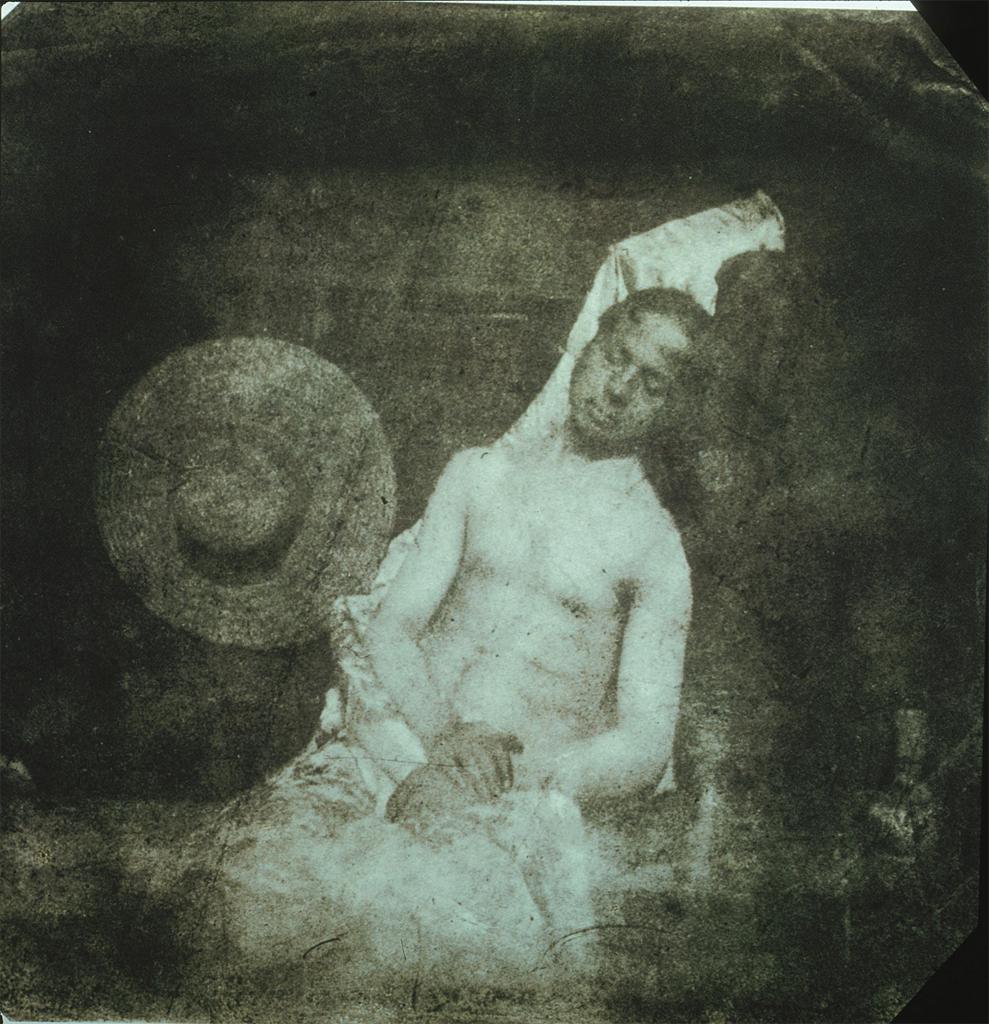
In a grainy 1840 photograph, a partially-covered corpse is propped against a wall, its decay evident in the darkening skin of the face and hands. The body is that of Hippolyte Bayard, an early inventor of photographic processes and supposed drowning victim, and written on the image verso is a strange note:
-
Renowned photojournalist Erich Lessing passed away on August 29th in Vienna, Austria at the age of 95. A member of Magnum Photos and a former Associated Press photographer, he began his career photographing political events before switching his focus to cultural subjects.
-
With nearly 2.5 million images making up 300 collections in Artstor–plus hundreds more public collections–where does one begin browsing in Artstor? Browsing images may not seem like the best way to find an image, especially if you are looking for something specific. However, browsing allows you to serendipitously discover images you might not find with…


Sign up for updates
Never miss a thing. Get updates from JSTOR delivered straight to your inbox.
By signing up you agree to our Privacy Policy. You may unsubscribe at any time by clicking on the provided link on any marketing message.
"*" indicates required fields