
Digital stewardship
-
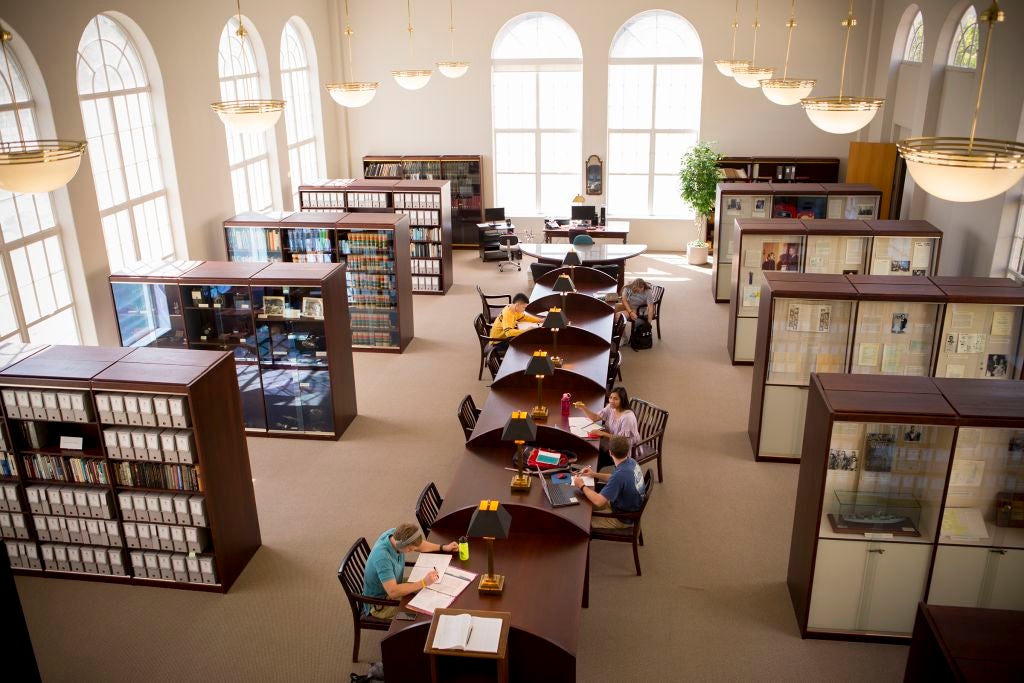
Southwestern University brought its rich special collections to a global audience by partnering with JSTOR Digital Stewardship Services. Learn how streamlined tools, analytics, and open access helped the library expand visibility, engage new users, and strengthen its case for funding.
-
This year’s American Library Association (ALA) Conference in Philadelphia offered an opportunity to share how JSTOR is addressing two interconnected needs: helping researchers navigate trusted content more intuitively, and helping libraries manage, preserve, and activate distinctive collections at scale.
-
A look into Ithaka S+R’s collaborative research on digital exhibits—how libraries and archives use them to connect communities, the challenges they face, and opportunities for future innovation.
-
How JSTOR Seeklight brings together archival expertise, AI, and community insight—reflections on winning the Coker Award and building values-driven tools.
-
Senior Product Manager Ann Connolly shares how JSTOR Digital Stewardship Services addresses key collection management issues with a unique integration approach.
-
Senior Product Manager Syed Amaanullah shares how JSTOR Seeklight blends technology and human expertise to deliver a purpose-built AI application for archives.
-
Preserving digital collections is essential to safeguarding cultural memory. Discover how JSTOR’s Digital Stewardship Services help libraries and archives maintain accessible, durable, and meaningful collections for generations to come.
-
We’ve gathered some of the most reliable grants that prioritize digitization, collection development, preservation, access, open educational resources (OER), and new technologies.
-
At ACRL 2025, JSTOR marked its 30th anniversary while unveiling JSTOR Digital Stewardship Services—built to support libraries in managing and preserving digital collections using AI-assisted metadata creation and community-driven collaboration.
-
In 1995, JSTOR launched with a mission that felt radical at the time: digitize scholarly journals and make them accessible online to researchers and educators everywhere.
-
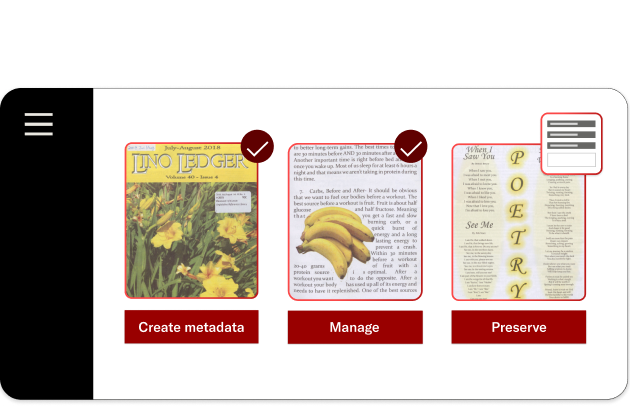
JSTOR Digital Stewardship Services is designed to help libraries and archives scale preservation through a seamless, mission-aligned workflow that combines digital asset management, AI-assisted metadata creation, and long-term preservation support.
-
An archivist explores how AI can help surface hidden histories, improve metadata, and support digital stewardship while emphasizing the need for human expertise in shaping archival narratives.
-
Join JSTOR’s community of institutions advancing responsible, AI-assisted digital stewardship. Help shape how technology enhances discovery, access, and care for digital collections.
-
Discover how archivists and librarians shaped JSTOR Seeklight, an AI-powered technology that streamlines collections processing and enhances digital stewardship.
-
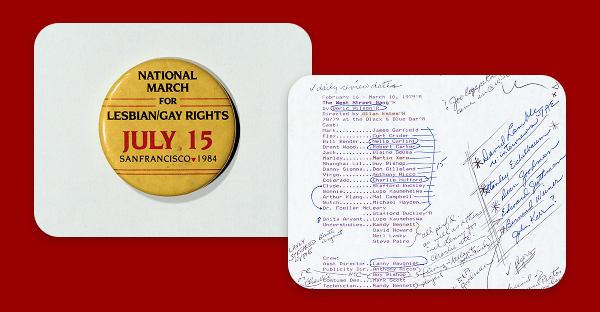
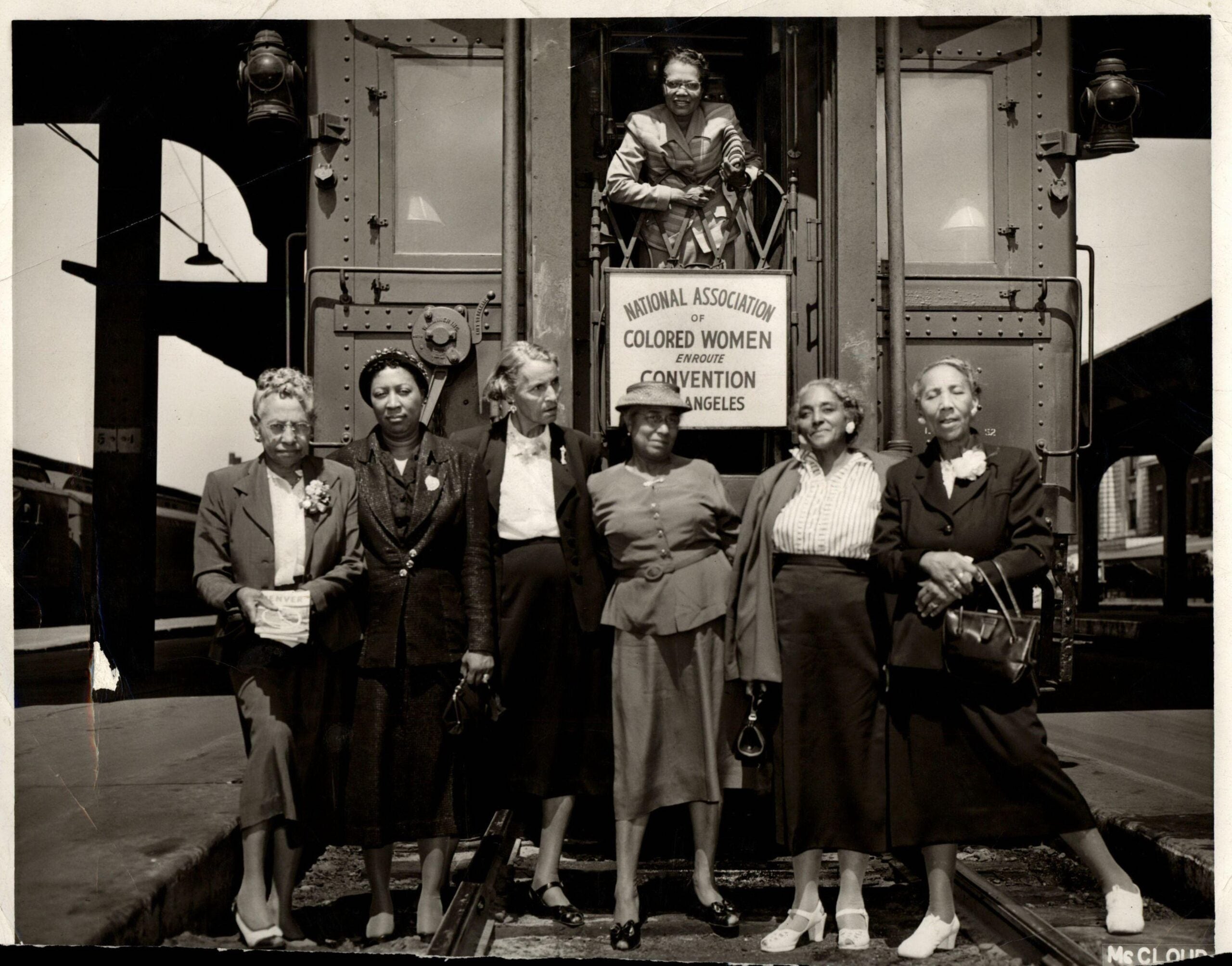
February brought new archival collections and multimedia highlights to JSTOR. In honor of Black History Month, we also highlighted stories of activism, resilience, and creative expression.
-
Highlighting key 2025 grant opportunities for libraries to digitize, preserve, and describe collections, including funding for audiovisual materials and community archives. Deadlines and award amounts vary, offering multiple pathways for support.
-
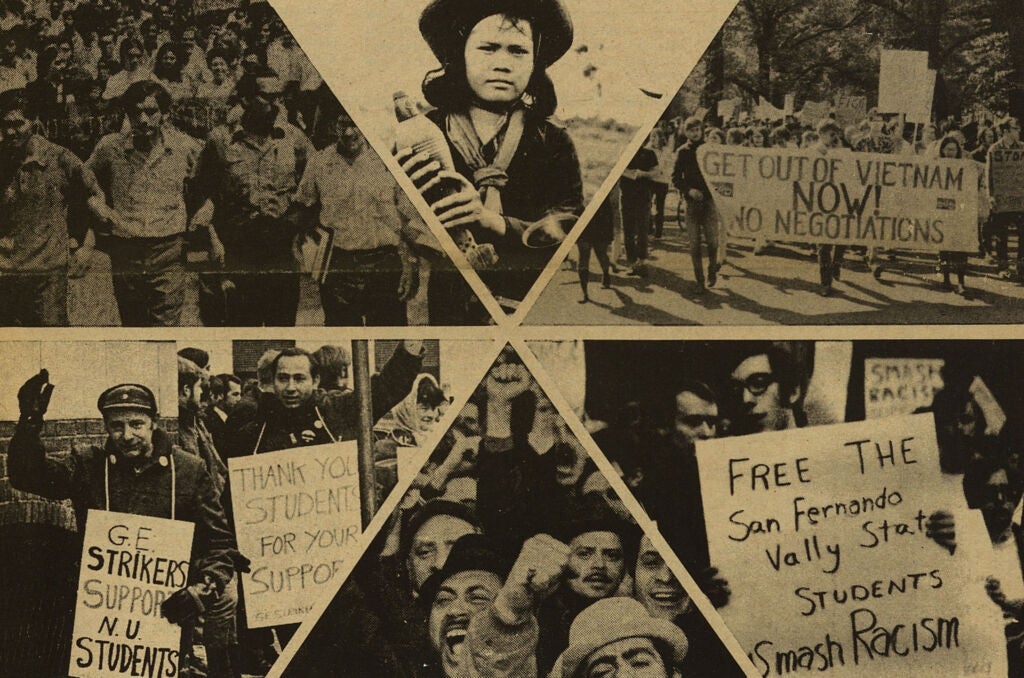
January’s highlights on JSTOR showcase the power of archives to preserve stories, from student activism and South African art to Montana’s rich history and groundbreaking scientific films.
-
As the final month of 2024 comes to a close, we’re reflecting on the diverse and impactful collections and multimedia added to JSTOR this December.
-
At the Charleston Conference 2024, JSTOR presented its vision for managing and preserving digital collections into the future. “Not Just Another AI Session” highlighted how cutting-edge tools—including JSTOR’s digital collection processing prototype and interactive research tool (beta)—can transform access to archival materials while staying true to JSTOR’s nonprofit mission.
-
November brought new opportunities to explore underrepresented voices, rich cultural artifacts, and engaging multimedia content on JSTOR. This month’s additions provide researchers, educators, and students with unique insights into history, art, and human ingenuity.
-
This month on JSTOR, we continued expanding access to invaluable content, adding multimedia and archival collections that amplify voices from the past. Discover our picks from the month.
-
Discover JSTOR’s latest resources, including radical newspapers, historical multimedia, and new video content. Enhance your research with diverse entries from Reveal Digital, Artstor on JSTOR, and shared collections.
-
Amplifying marginalized voices through crowdfunding and crowdsourcing in digital archives and libraries. Learn how Reveal Digital’s initiative uncovers underrepresented histories with open access collections hosted on JSTOR.
-
Explore 800+ new Bard Graduate Center installation photos documenting a decade of decorative arts and design exhibitions, now on JSTOR.
-
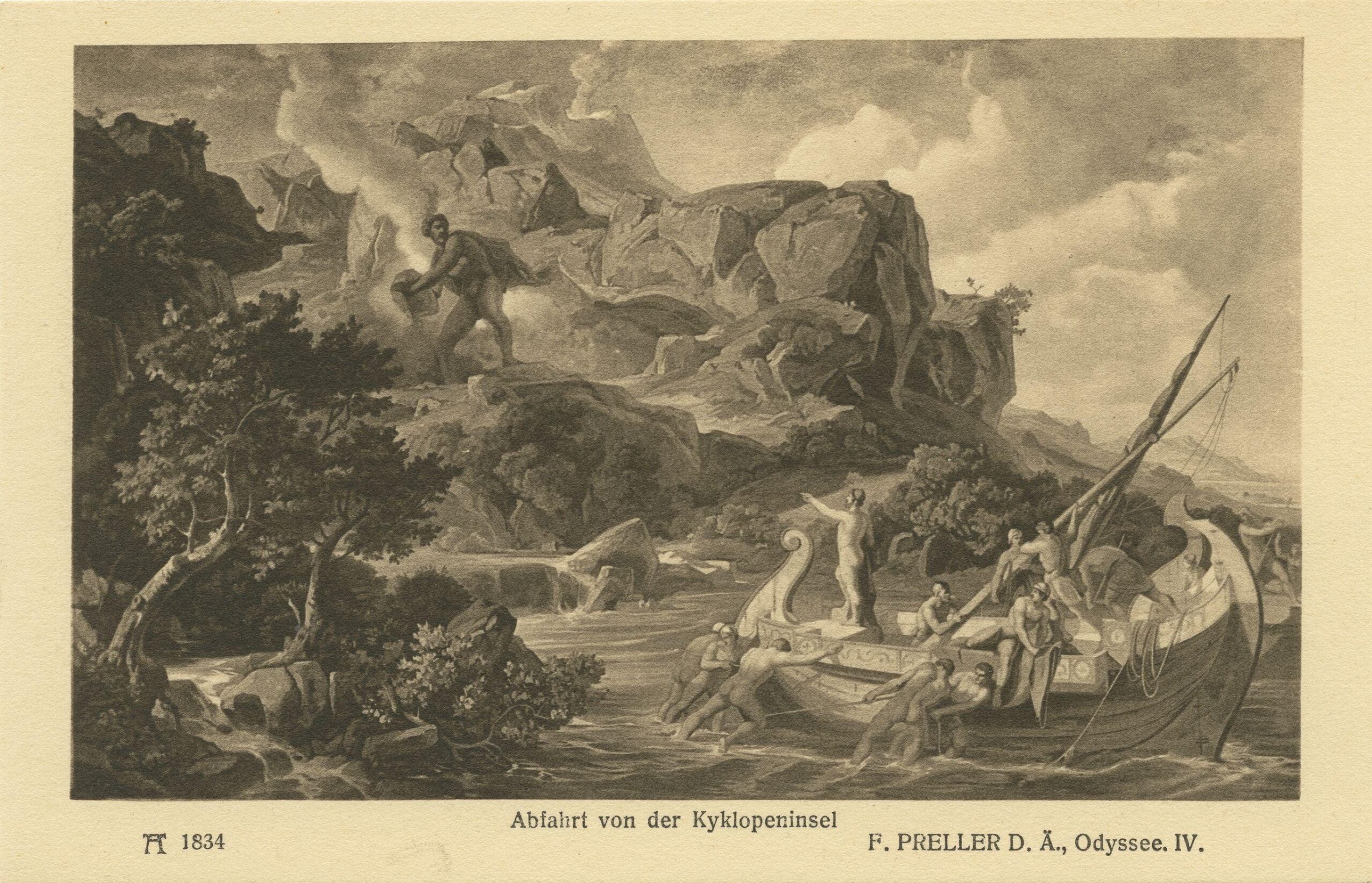
ITHAKA innovates with Project Odyssey using generative AI to help libraries process digital collections efficiently by automating metadata creation, addressing bottlenecks, and reducing backlog.
-
Celebrating 20 years of digital image access at UC San Diego Library through Artstor. Explore the transformation in utilizing visual resources for teaching and research, now transitioning to JSTOR. Join us in uncovering UC San Diego’s collection legacy and future.
-
At JSTOR, our mission is to improve access to knowledge and education for people around the world. We’re excited to share several new initiatives leveraging cutting-edge technology to make scholarly materials more accessible, interactive, and engaging for our users. Here’s a detailed look at the latest advancements we recently shared at ALA 2024 in San…
-
Portico preserves underrepresented digital content to safeguard diverse narratives and cultural heritage for future generations. Join us in maintaining a richer historical record.
-
For Middlebury and other small liberal arts schools, taking part in JSTOR’s shared collections program is almost a no-brainer, Irwin says, since JSTOR is a database with which many students are already very familiar.
-
In 2020, Johns Hopkins University faced sudden closure due to COVID-19. Discover how the Special Collections team adapted by partnering with JSTOR Forum, revolutionizing access to materials for faculty and students alike.










Sign up for updates
Never miss a thing. Get updates from JSTOR delivered straight to your inbox.
By signing up you agree to our Privacy Policy. You may unsubscribe at any time by clicking on the provided link on any marketing message.
"*" indicates required fields