
Forge new connections and foster great ideas
JSTOR archival journal and primary source collections are where scholars and researchers go for humanities, social sciences and natural sciences scholarship.
2,800+
Leading academic journals
2M+
Primary sources across four collections
14,000+
Institutions participating globally
A trusted source for curated, high-quality, full-run journal collections
- Archival journal collections feature full-text articles from more than 2,800 academic journals spanning 75+ disciplines across the humanities, social sciences, and natural sciences.
- Journals span continents and languages, with titles from 1,200 publishers from 57 countries.
- Collections include multi-discipline, discipline-specific, and region-based packages.
Key benefits
- Millions of users: As one of the most trusted, highly used platforms, JSTOR is a key starting point for researchers. In 2024 alone, over 167 million searches were conducted, and 62 million journal articles were viewed or downloaded.
- High quality: JSTOR collections are curated, and all journals must meet specific criteria and undergo a review process in order to join JSTOR. This includes journal rankings, in depth examination of research and citation data, and more.
- Greater coverage: All journals include the full archival run. This means all issues, from volume 1, issue 1, are provided for every journal up to the moving wall, including all previous and related titles. As a result, many journals on JSTOR have greater coverage than what’s available via other providers’ databases.
- Better value: As a mission-based non-profit organization, we’re committed to offering affordable fees that fit many different communities and institution types. Each year, hundreds of thousands of articles are added to the archival journal collections as the moving wall for each journal advances, at no additional cost.
- Consistent access: Titles included in JSTOR archival journal collections will not be withdrawn, so you can be assured that journal content will always be available. Conversely, the titles available in other databases can change from year to year.
- Digital preservation: We understand that future accessibility to online scholarship is essential. Digital files for the entire archive are preserved using the approach and infrastructure developed by Portico.
Primary source collections developed with scholars and institutions worldwide
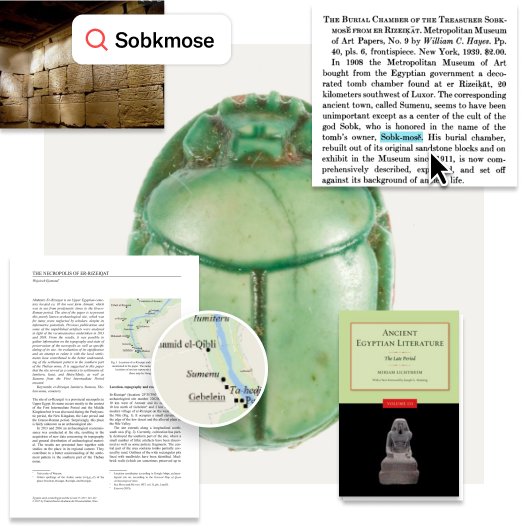
- More than two million primary sources across four licensed collections that support research and teaching in the humanities, social sciences, and natural sciences
- Artifacts, specimens, and documents in the collections are scanned at high resolution to enable detailed inspection
- Collections were developed in close collaboration with scholars, libraries, archives, museums, herbaria, and academic or research institutions around the world
Gain insights on effective primary source teaching strategies
We’ve partnered with Choice, a publication of the Association of College and Research Libraries, to produce a comprehensive report, Teaching and Learning with Digital Primary Sources. The report explores nine key insights to address challenges of awareness and discoverability, digital literacy, and cooperation between librarians and teaching faculty.
Fee models to fit your institution’s needs
Our models are designed to provide the broadest possible access to scholarship now, while ensuring it will be available into the future.
Universities, four-year colleges, and government & non-profit research institutions
Universities and four-year colleges, and government and non-profit research institutions can choose from two options:
- Full journals and primary sources model: Provides immediate access to the JSTOR Archival Journals and Primary Sources Collection, a single collection of all licensed journal and primary source content. Full access begins without paying the full fee for the collection, and gradually increases annually until you reach the full fee.
- Individual collections model: Enables institutions to license individual, multi-discipline, discipline-specific, and primary source collections.

Community colleges
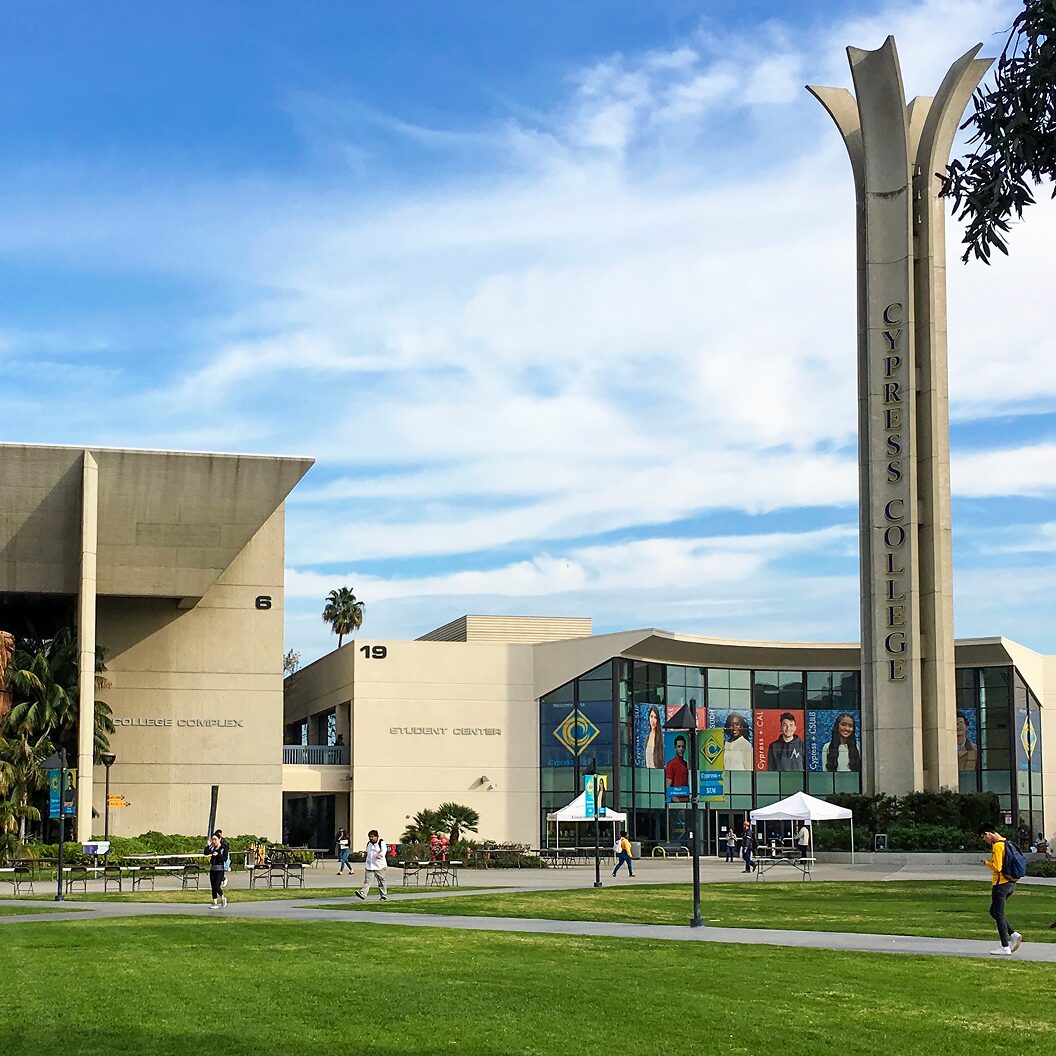
JSTOR provides community colleges with low cost access to our Archival Journals and Primary Sources Collection, a single collection of all licensed journal and primary source content.
Other institutions
Collection packages are also designed for Secondary Schools, Museums, Public Libraries, and Corporate and For-Profit Research Institutions.

Start your journey with JSTOR journals and primary sources
Join 14,000+ institutions worldwide providing trusted, sustainable access to scholarship. Let’s work together to bring trusted journals and primary sources to your academic community.
More on JSTOR journals and primary sources
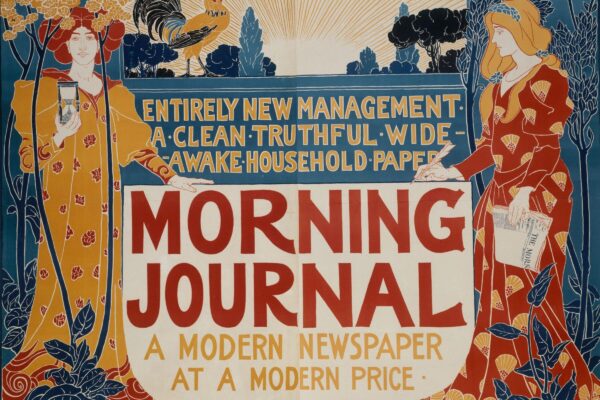
Explore archival journal and primary source collections
Discover JSTOR’s full suite of archival journal and primary source collections—trusted by libraries and researchers worldwide for high-quality, cross-disciplinary scholarship.
JSTOR for educators
Discover how JSTOR supports teaching and learning with classroom-ready resources, diverse scholarly content, and digital tools that help you save time and deepen student engagement.

JSTOR selected as library resource for the College Board’s AP African American Studies Course
JSTOR—with its vast collections of journals, books, and primary sources—is designed to support students doing college level coursework and research. Now, through an arrangement with […]
JSTOR and Choice jointly publish research presenting new insights on teaching with digital primary sources
Webinar and report offer actionable ideas for librarians and faculty JSTOR, a nonprofit service of ITHAKA, and Choice, a publishing unit of The Association of […]

Expanded Access to JSTOR archive extended through 2020: a letter from Kevin Guthrie
Dear colleagues, On March 18th, working in collaboration with JSTOR’s publishing partners, we announced a set of expanded access offerings to support libraries, faculty, and […]

Center for Research Libraries and JSTOR partner to make South Asian historical materials openly available online
JSTOR and the Center for Research Libraries (CRL) are pleased to announce that collections from the South Asia Open Archives are now openly available on […]
Introducing JSTOR Forum: A new tool for managing and distributing collections
JSTOR and Artstor have long worked with cultural and educational institutions to make digital content more discoverable. Today we are pleased to announce JSTOR Forum—the […]
Get JSTOR
Interested in JSTOR’s archival journals and primary sources?
Connect with our team to explore access options for your institution and discover how JSTOR can support your library’s teaching and research goals.
View image credits from this page
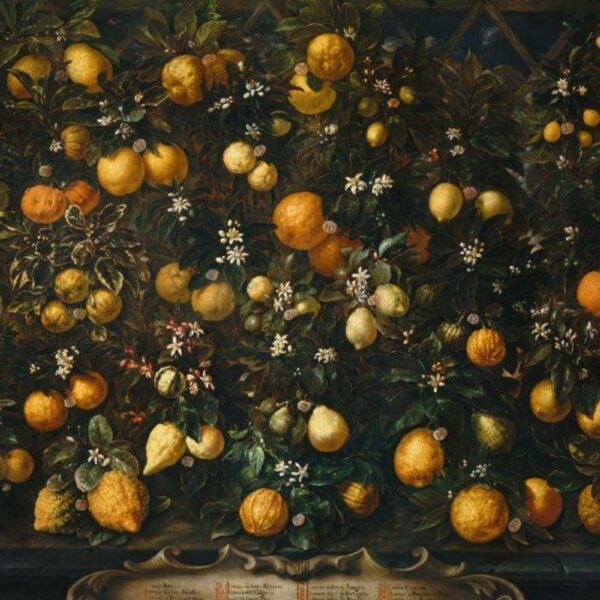
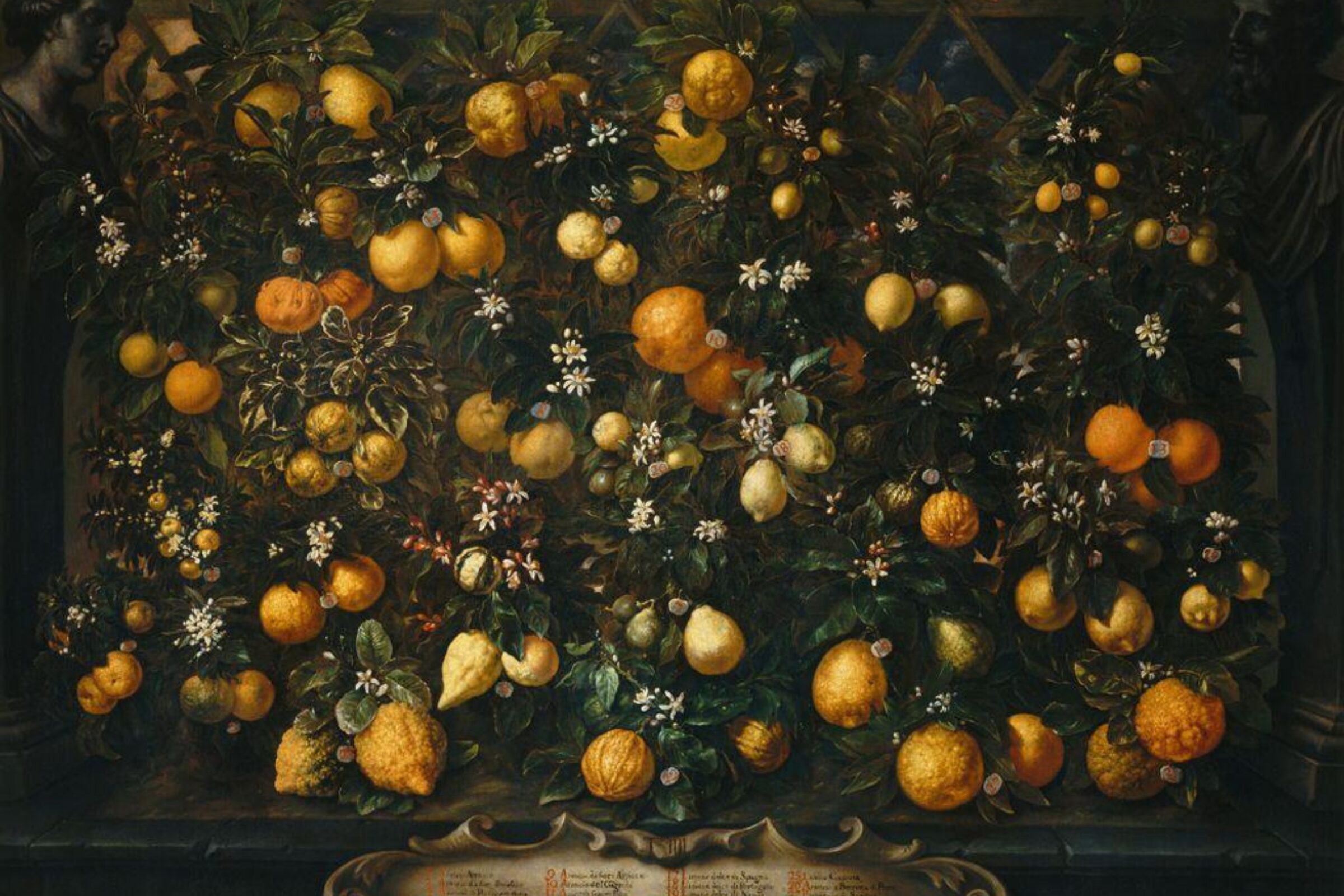
Bartolomeo Bimbi. Oranges, Limes, and Lemons. 1715. Image and original data provided by SCALA, Florence/ART RESOURCE, N.Y., Artstor.
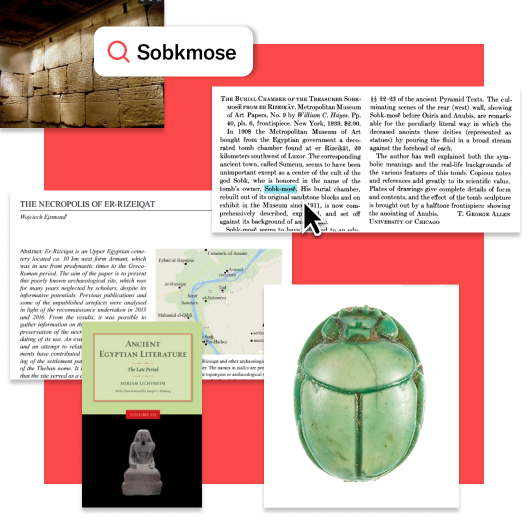
Burial Chamber of Sobekmose. ca. 1390–1352 B.C. Part of Open: The Metropolitan Museum of Art, Artstor. https://www.jstor.org/stable/community.18494544.
Scarab Inscribed for the Living Horus Wosretkau (Hatshepsut) [27.3.286], Steatite (glazed), ca. 1479–1458 B.C. Part of Open: The Metropolitan Museum of Art, Artstor. https://jstor.org/stable/community.18322644.
Wojciech Ejsmond. “THE NECROPOLIS OF ER-RIZEIQAT.” Ägypten Und Levante / Egypt and the Levant 27 (2017): 241–48. https://www.jstor.org/stable/26524903.
Miriam Lichtheim, ed. Ancient Egyptian Literature. 1st ed. University of California Press, 2019. https://doi.org/10.2307/j.ctvqc6j1s.
William Christopher Hayes. 1939. The Burial Chamber of the Treasurer Sobk-Mosĕ from Er Rizeikāt.
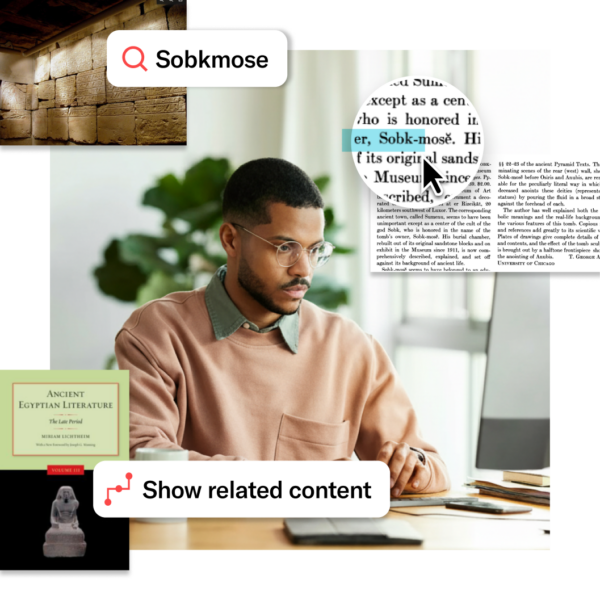
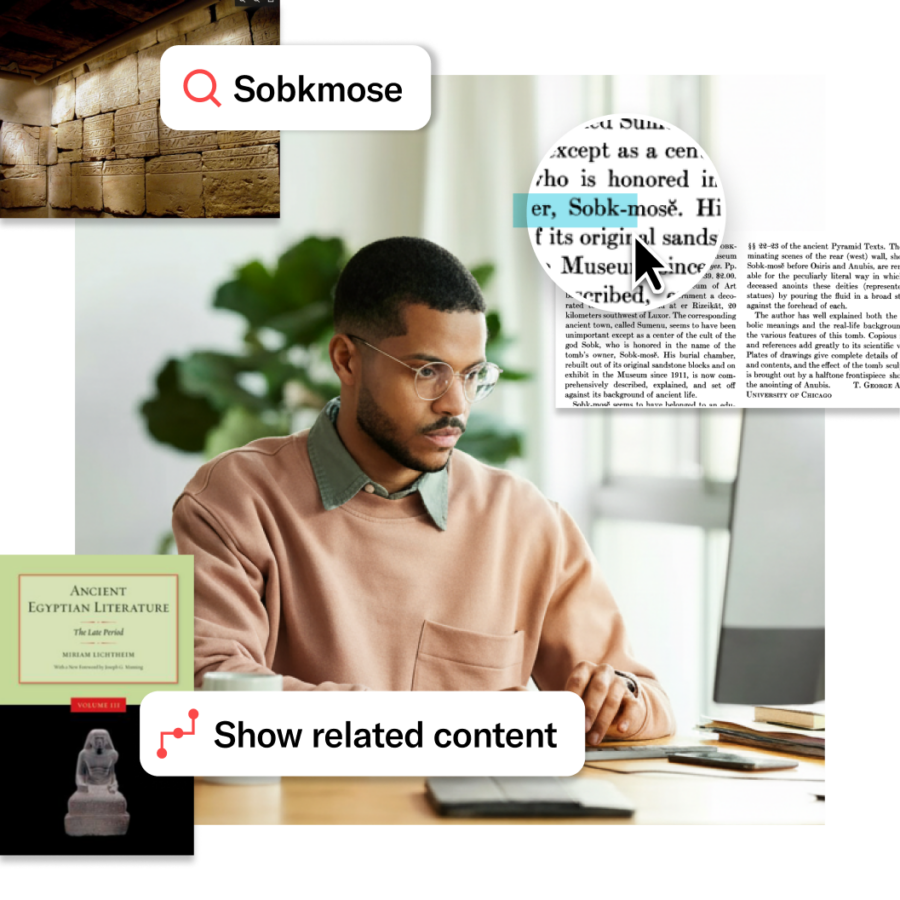
Burial Chamber of Sobekmose. ca. 1390–1352 B.C. Part of Open: The Metropolitan Museum of Art, Artstor. https://www.jstor.org/stable/community.18494544.
Wojciech Ejsmond. “THE NECROPOLIS OF ER-RIZEIQAT.” Ägypten Und Levante / Egypt and the Levant 27 (2017): 241–48. https://www.jstor.org/stable/26524903.
Miriam Lichtheim, ed. Ancient Egyptian Literature. 1st ed. University of California Press, 2019. https://doi.org/10.2307/j.ctvqc6j1s.
William Christopher Hayes. 1939. The Burial Chamber of the Treasurer Sobk-Mosĕ from Er Rizeikāt.
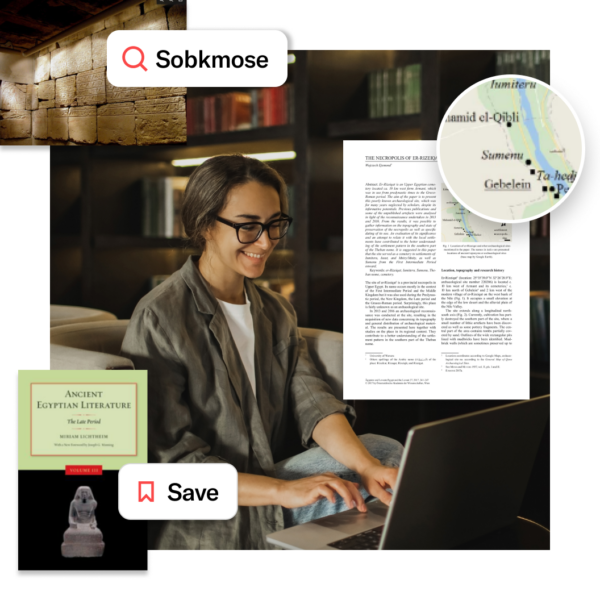
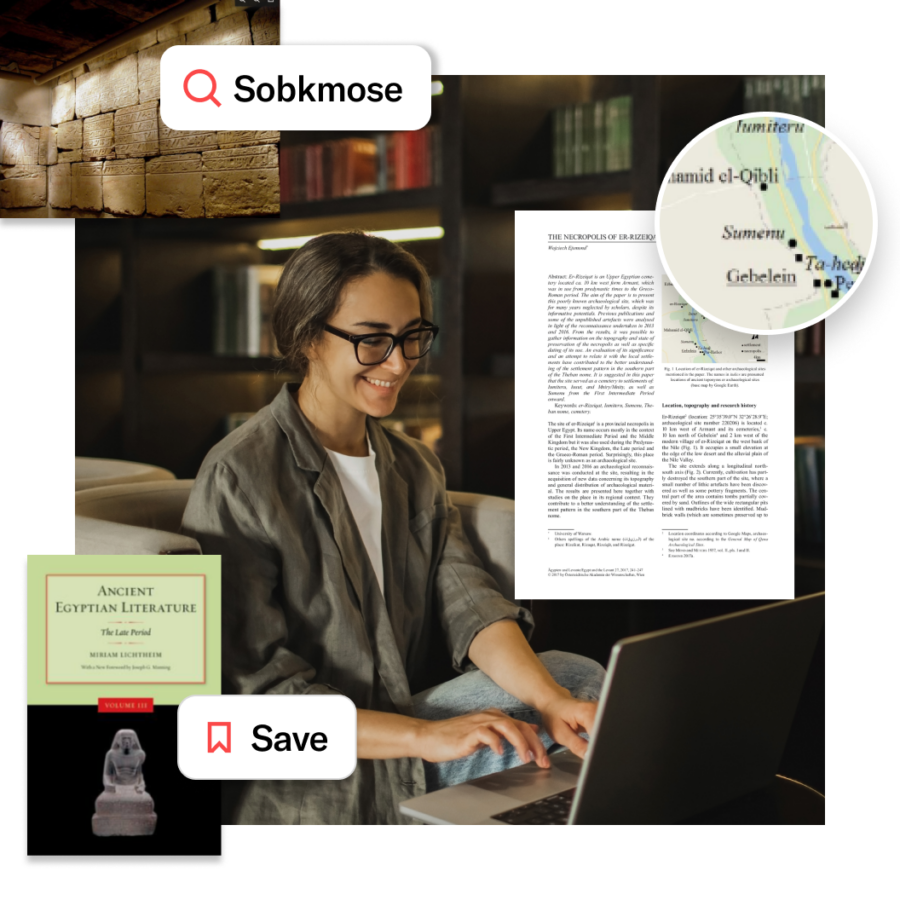
Burial Chamber of Sobekmose. ca. 1390–1352 B.C. Part of Open: The Metropolitan Museum of Art, Artstor. https://www.jstor.org/stable/community.18494544.
Wojciech Ejsmond. “THE NECROPOLIS OF ER-RIZEIQAT.” Ägypten Und Levante / Egypt and the Levant 27 (2017): 241–48. https://www.jstor.org/stable/26524903.
Miriam Lichtheim, ed. Ancient Egyptian Literature. 1st ed. University of California Press, 2019. https://doi.org/10.2307/j.ctvqc6j1s.
William Christopher Hayes. 1939. The Burial Chamber of the Treasurer Sobk-Mosĕ from Er Rizeikāt.
Burial Chamber of Sobekmose. ca. 1390–1352 B.C. Part of Open: The Metropolitan Museum of Art, Artstor. https://www.jstor.org/stable/community.18494544.
Scarab Inscribed for the Living Horus Wosretkau (Hatshepsut) [27.3.286], Steatite (glazed), ca. 1479–1458 B.C. Part of Open: The Metropolitan Museum of Art, Artstor. https://jstor.org/stable/community.18322644.
Wojciech Ejsmond. “THE NECROPOLIS OF ER-RIZEIQAT.” Ägypten Und Levante / Egypt and the Levant 27 (2017): 241–48. https://www.jstor.org/stable/26524903.
Miriam Lichtheim, ed. Ancient Egyptian Literature. 1st ed. University of California Press, 2019. https://doi.org/10.2307/j.ctvqc6j1s.
William Christopher Hayes. 1939. The Burial Chamber of the Treasurer Sobk-Mosĕ from Er Rizeikāt.
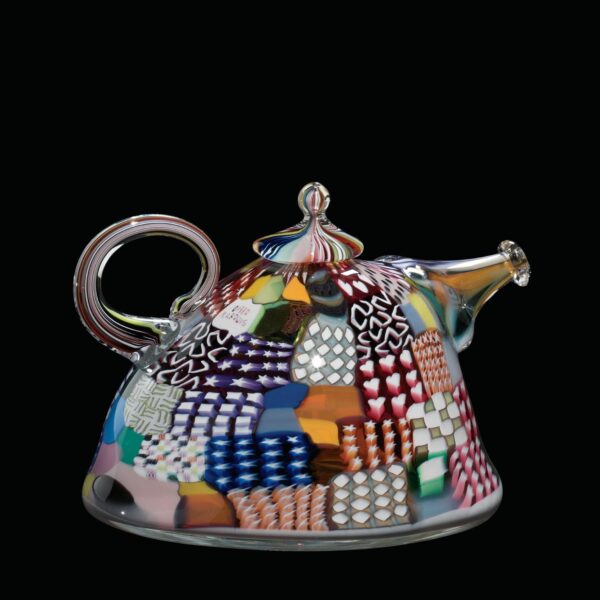
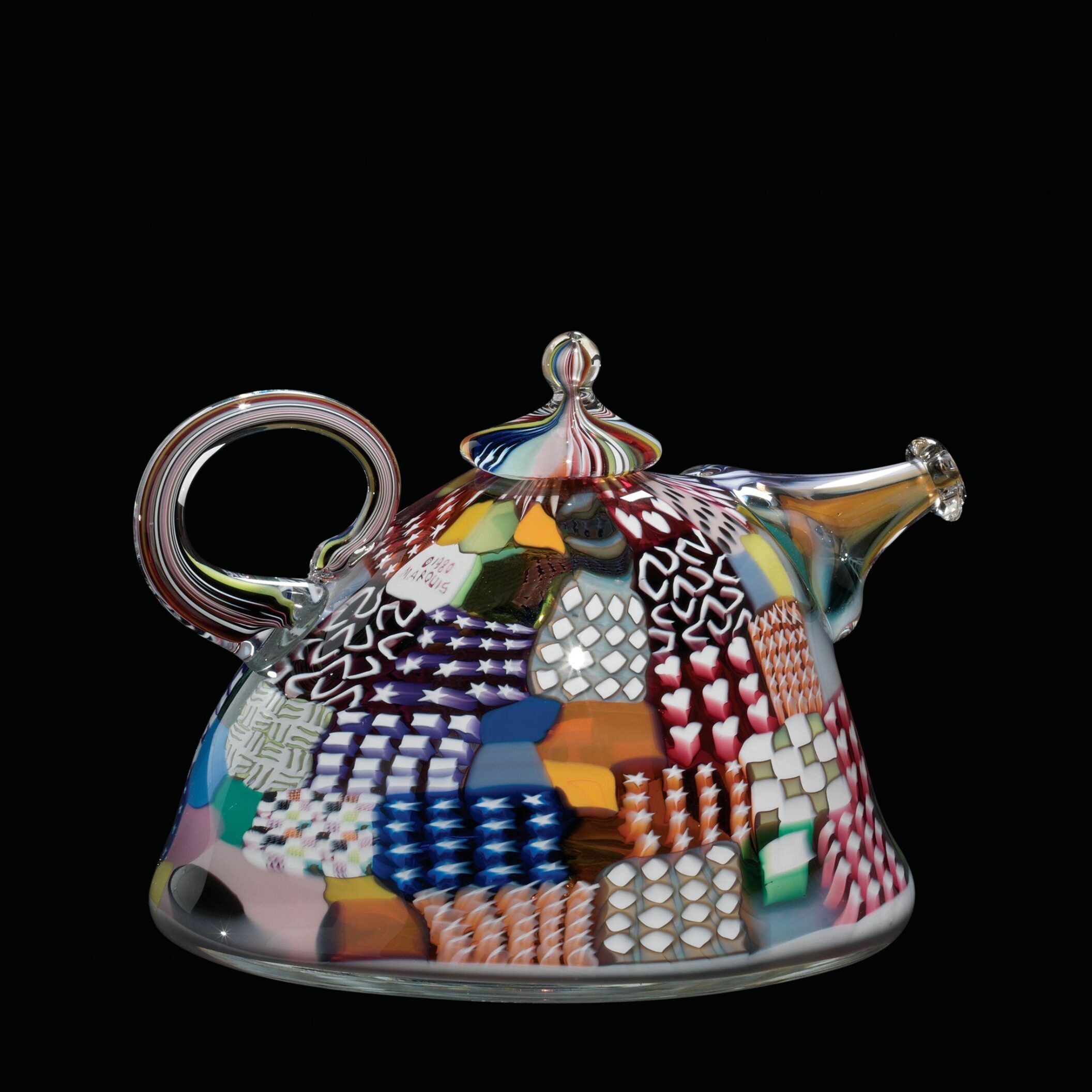
Richard Marquis. Crazy Quilt Teapot #38. 1980. Part of Corning Museum of Glass, Artstor.