
JSTOR for community colleges
JSTOR partners with community colleges to expand access to knowledge through an affordable, comprehensive, and easy to administer model. Get complete access to thousands of journals and primary sources designed to support teaching, learning, and research across disciplines.

A more economical and simplified model
Like community colleges, JSTOR is committed to expanding and enhancing access to knowledge and education. To help, we developed a community college fee model that is:
- Easier with one comprehensive collection versus individually licensed collections
- All-inclusive, with access to all archival journals and primary sources available for license on JSTOR
- Economical with more than 60% of participating community colleges seeing a decrease in their current fees
- Flexible, with options for an annual subscription or a one-time payment for permanent access with no recurring fees

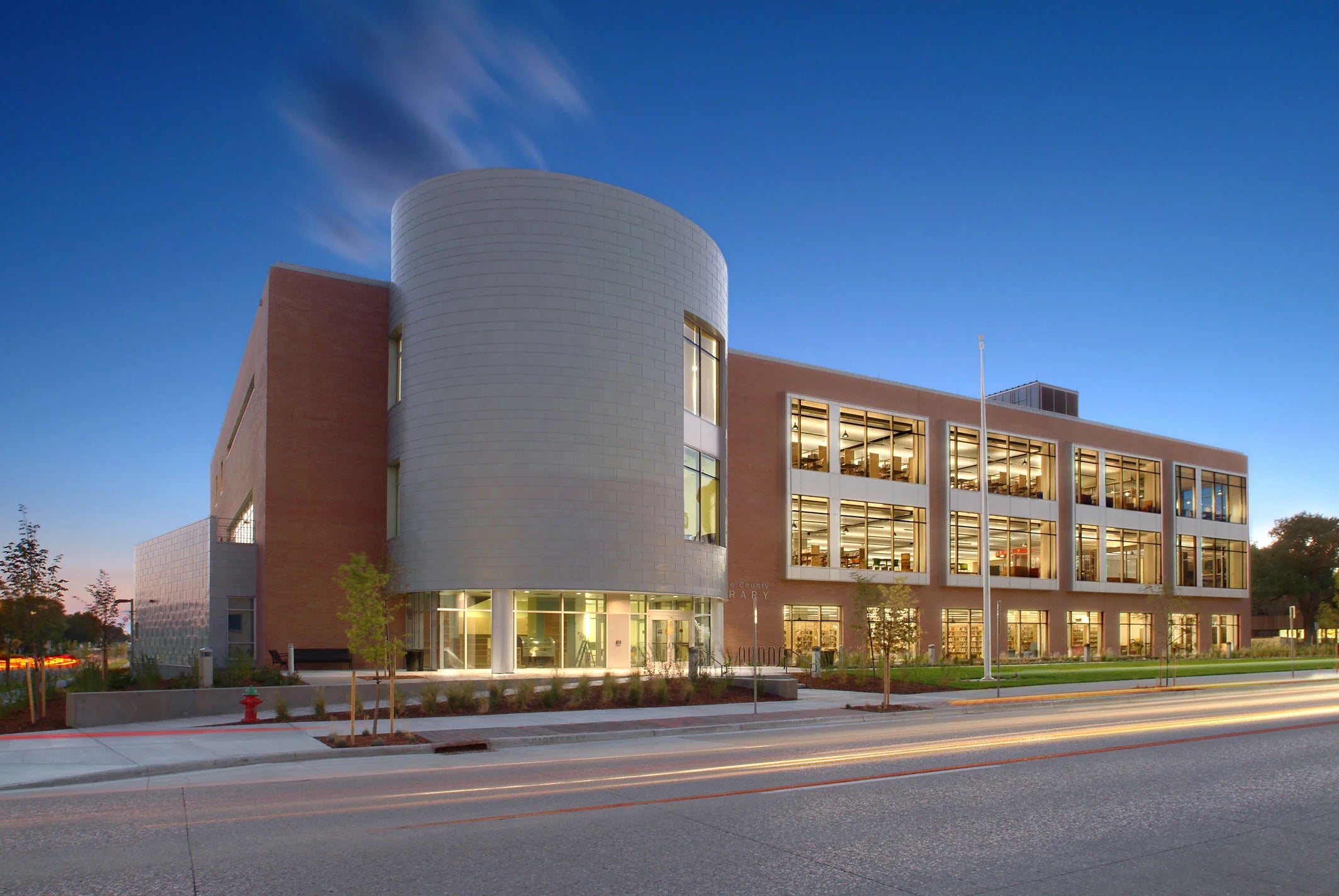
How Wyoming Community Colleges made JSTOR access permanent
Learn how seven campuses in Wyoming secured lifelong access to JSTOR’s full archival collections—with no recurring fees—through our one-time payment option.
What’s included
Comprehensive
Community colleges receive low-cost access to the JSTOR Archival Journals and Primary Sources Collection—a single, all-in-one resource with:
- 2,800+ top scholarly journals across the humanities, social sciences, and sciences
- Complete journal runs from volume 1, issue 1 up to the moving wall
Rich primary sources
The collection also includes millions of primary sources—pamphlets, manuscripts, oral histories, government documents, images, 3D models, and more—from four major collections.
Affordable for all sizes
As a nonprofit, JSTOR provides fees scaled by Full-Time Enrollment (FTE):
- Small: Under 1,000
- Medium: 1,000–10,000
- Large: Over 10,000
Rapidly growing free and open content
We’ve also introduced new functionality and more diverse types of open content from publishers, libraries, archives, and museums, including open images on Artstor and open primary source collections.
Learn more about JSTOR for community colleges
Discover affordable JSTOR access for community colleges—share your info and we’ll take care of the rest.
Take advantage of all JSTOR has to offer
01
Stay organized with Workspace
Create, collect, and collaborate with Workspace—your secure hub for saving, organizing, and sharing research materials. Available with a free personal JSTOR account.
02
Explore open and free content
JSTOR offers a growing set of freely accessible resources, including journals, books, primary sources, library-contributed collections, images, and research reports.
03
Enhance your research with AI
Ask questions in natural language. Summarize texts, explore related materials and topics, and uncover new connections across millions of items. JSTOR’s AI research tool makes complex research more intuitive.
04
Search images on JSTOR
View high-quality images from leading museums, libraries, and archives—all in one powerful visual research platform. Go beyond thumbnails with tools designed for visual analysis.
The latest from JSTOR
Stay up-to-date on all things JSTOR.
Reconsidering your digital collections platform: Lessons from MTSU’s move from CONTENTdm to JSTOR Stewardship
Join us for a conversation with Kathleen Schmand (Dean, Walker Library) about Middle Tennessee State University’s move from CONTENTdm to JSTOR Stewardship. Hear how MTSU evaluated its options, worked with JSTOR’s migration team to prepare and move its collections, and what the transition has made possible.
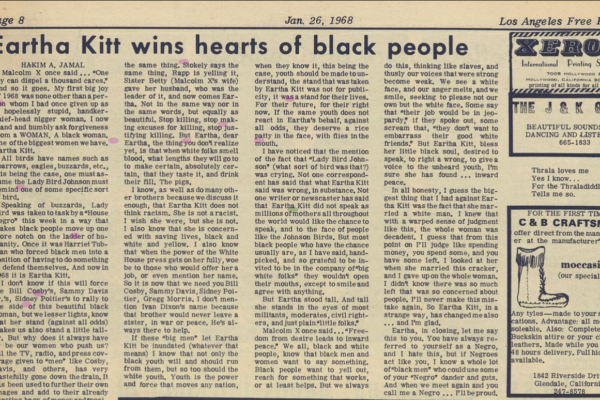
When distinctive collections become part of research
Libraries’ and archives’ collections shared through JSTOR Stewardship can become evidence for research, teaching, and public understanding.
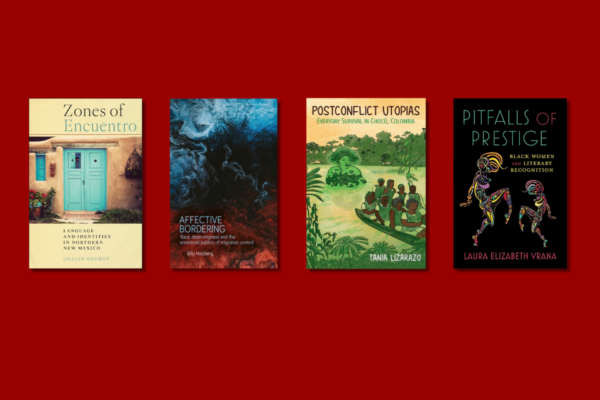
Nearly 300 books in Path to Open will become open access in 2027
In January 2027, 300 books from Path to Open’s 2024 cohort will become open access on JSTOR. Spanning the arts, humanities, and social sciences, the titles build on the first cohort’s sharp increase in readership after going open.

JSTOR Stewardship: A modern foundation
JSTOR rebuilt the infrastructure behind its Digital Stewardship Services while hundreds of institutions continued their work. Learn how this modernization supports accessibility, reliable maintenance, and more flexible ways to organize and connect digital collections.
JSTOR Digital Stewardship Services training: Project cataloging
Training for Stewardship participants (Tiers 2-3): catalog records, manage media, use linked fields, and organize work. One of three sessions in a monthly Stewardship training series.

Looking beyond Georgia O’Keeffe: How multidisciplinary research deepens understanding
An exhibition at the Georgia O’Keeffe Museum invites viewers to reconsider O’Keeffe’s New Mexico landscapes through the perspectives of Tewa artists, scholars, and culture bearers. Explore how multidisciplinary research can deepen our understanding of art, place, and colonial history.

How Middle Tennessee State University planned its move from CONTENTdm to JSTOR Stewardship
Middle Tennessee State University evaluated seven digital collections platforms before selecting JSTOR Stewardship to replace CONTENTdm. Learn how staff from Walker Library and the Albert Gore Research Center aligned their needs, planned the migration of roughly 30 collections and more than 10,000 items, and are preparing to make distinctive materials easier for researchers to discover.
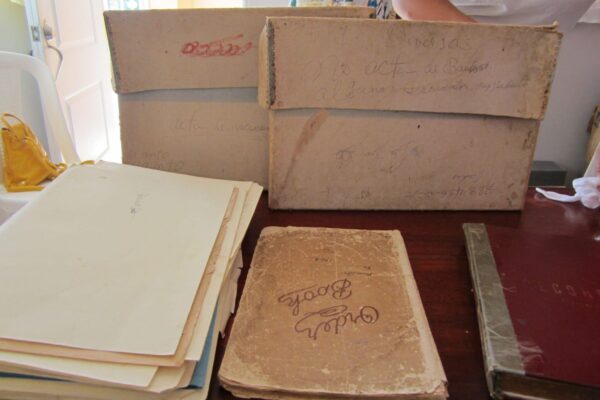
Are Libraries Prepared for the Second Digital Transformation of Distinctive Collections?
In The Scholarly Kitchen, Roger Schonfeld argues that libraries are entering a second digital transformation for distinctive collections, calling on library leaders to build an “activation infrastructure” that connects processing, digitization, and discovery to maximize their collections’ impact.
Activating distinctive collections: From digitization to discovery with JSTOR Stewardship
Join Roger Schonfeld (JSTOR Stewardship), Jamie Markus (University of Wyoming Libraries), and colleagues from JSTOR to explore how institutions can connect digitization, processing, preservation, and discovery to activate distinctive collections.
Get JSTOR
Interested in JSTOR’s archival journals and primary sources?
Connect with our team to explore access options for your institution and discover how JSTOR can support your library’s teaching and research goals.
View image credits from this page
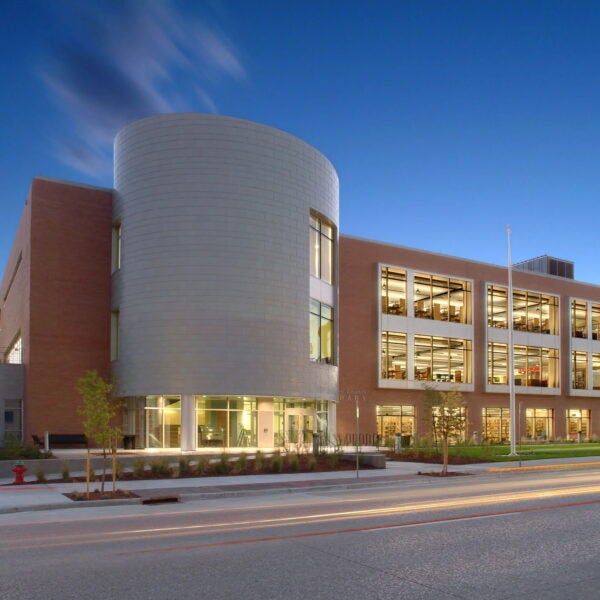
Evening view of Laramie County Community College Ludden Library’s curved facade and illuminated interior. Photo courtesy of Stasis Design.