
JSTOR
-
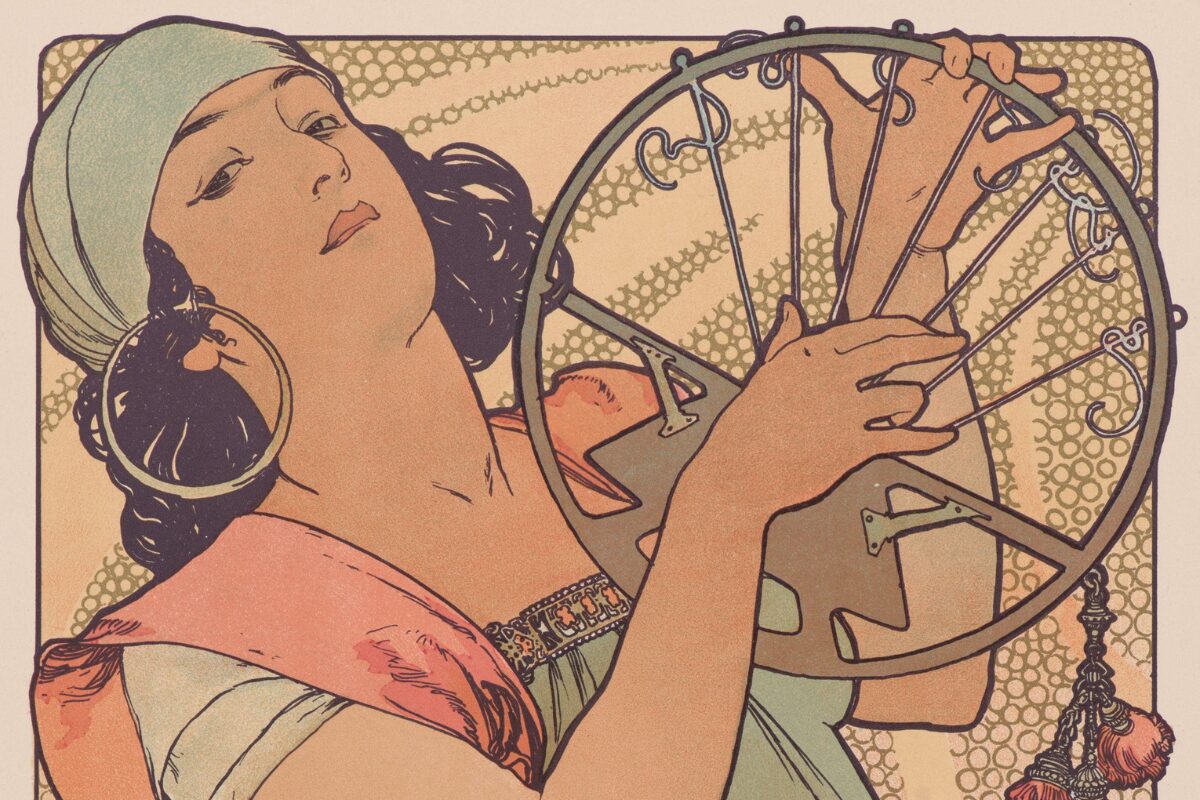
Learn how a slow-looking project helps students engage deeply with artworks, build visual analysis skills, and create collaborative exhibitions using JSTOR and Artstor resources.
-
JSTOR is a nonprofit digital library advancing global access to knowledge through trusted research, teaching resources, and digital stewardship services.
-
In 1995, Mellon Foundation president William Bowen had the idea to help libraries save shelf space and money by digitizing journals, using emerging technologies to […]
-
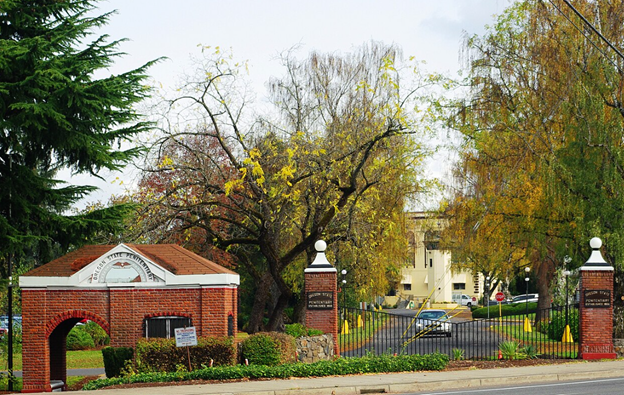
In this deeply personal reflection, Ryan McCarthy of JSTOR Labs shares his experience visiting Oregon State Penitentiary (OSP) alongside Chemeketa Community College’s prison education team.
-
The Nelson-Atkins Museum of Art is an encyclopedic museum with collections from across the globe. The images contributed to Artstor from the museum’s over 42,000 works of art reflect the diversity of the collections and 5,000 years of human culture.
-
Discover the story behind Reveal Digital, an open access primary source collection on JSTOR highlighting underrepresented 20th-century voices of dissent. Learn how library crowdfunding, collaboration, and preservation have built a resource of over 70,000 items.
-
This year’s American Library Association (ALA) Conference in Philadelphia offered an opportunity to share how JSTOR is addressing two interconnected needs: helping researchers navigate trusted content more intuitively, and helping libraries manage, preserve, and activate distinctive collections at scale.
-
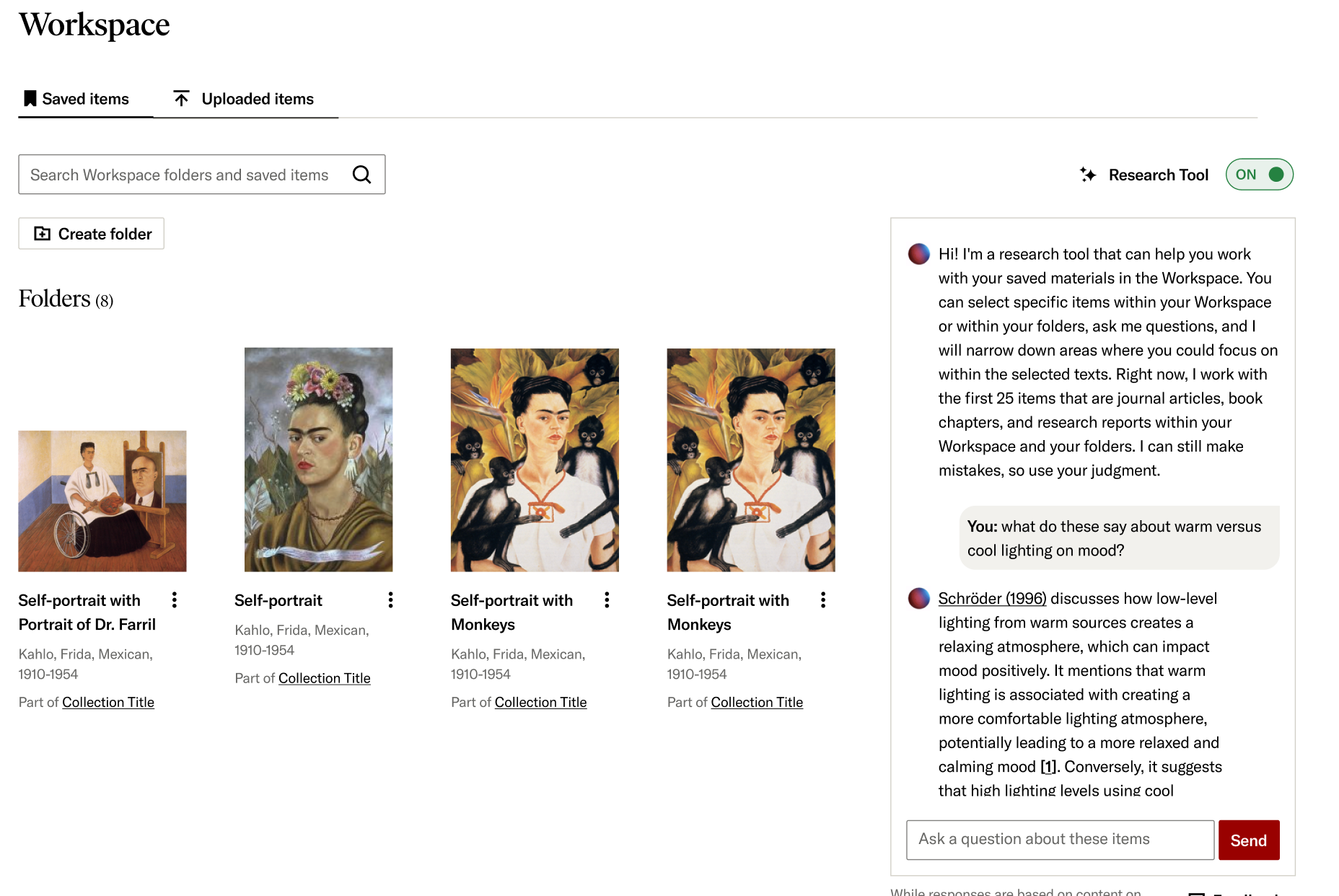
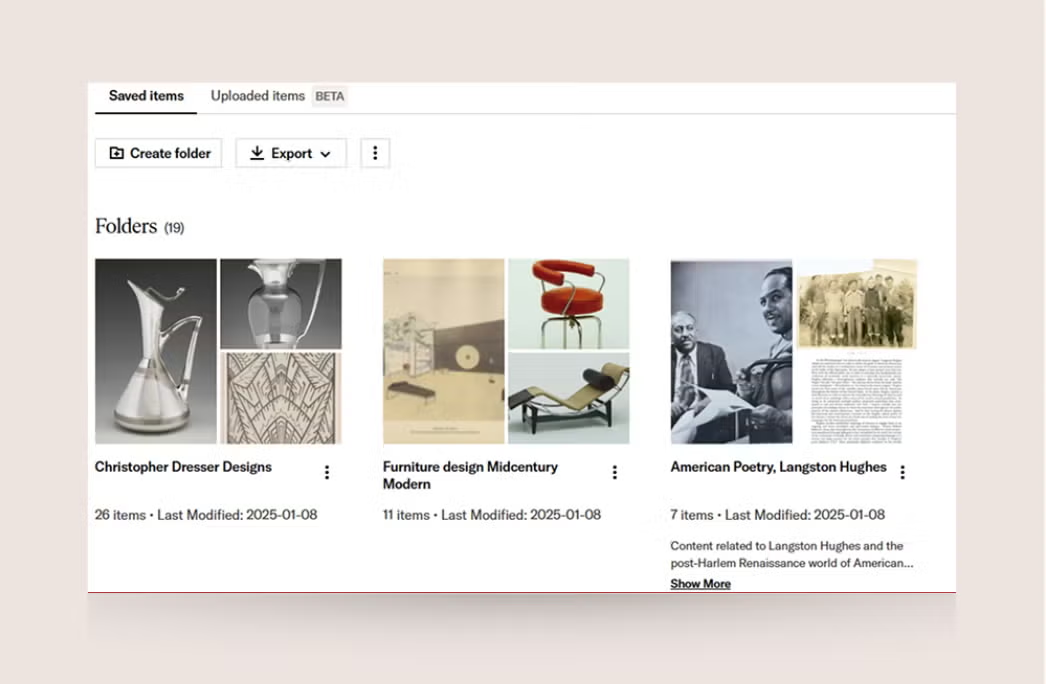
PhD candidate and art historian Connie Robles shares how JSTOR’s Workspace became her essential hub for organizing research, citations, and teaching materials. By integrating articles and images in one flexible, intuitive space, Workspace helps researchers and educators stay organized, save time, and inspire students to develop strong digital research skills.
-
JSTOR Access in Prison is transforming access to education for incarcerated learners. Discover the story behind its 18-year journey and growing impact—from an insider’s perspective.
-
This one hour webinar is appropriate for library professionals who are responsible for managing holdings and reports of JSTOR usage at their institution.
-
In this webinar, you’ll learn how to explore primary sources from contributing collections including text, image, audio and video files, as well as examine secondary source content with the JSTOR Research Tool.
-
Discover how to perform an access checkup, update your institution’s account information, manage your institution’s access to JSTOR’s Research Tool, and manage the individual accounts of your users.
-
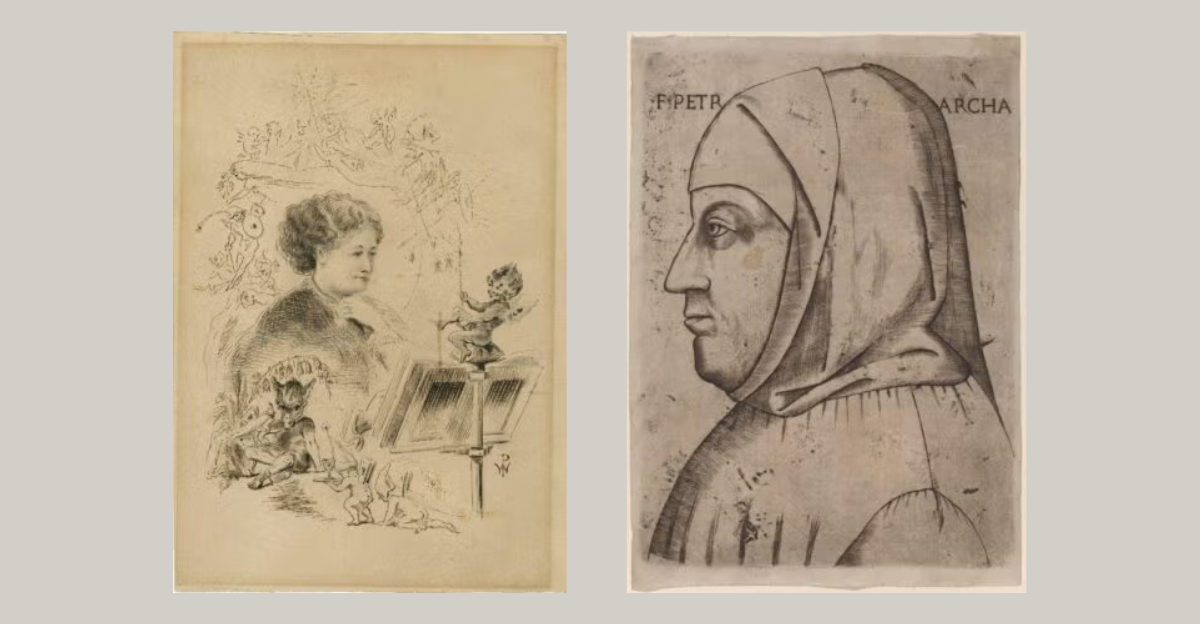
Developed by John Guillory and Scott Newstok, the Close Reading Archive reimagines the history of literary interpretation through a rich, searchable database built with JSTOR’s research infrastructure.
-
JSTOR and the Statewide California Electronic Library Consortium (SCELC) announced today a consortium-wide agreement to make JSTOR Digital Stewardship Services available to all SCELC Member […]
-
How do we hope to meet the challenges of the future? This blog post details some of the inroads we’re making in charting the path ahead, including through digital collection stewardship, faculty engagement, open scholarship initiatives, and editorial excellence.
-
JSTOR’s AI-powered research tool enables users to quickly identify key points within scholarly texts, discover new topics and content, and query for deeper engagement.
-
Senior Product Manager Ann Connolly shares how JSTOR Digital Stewardship Services addresses key collection management issues with a unique integration approach.
-
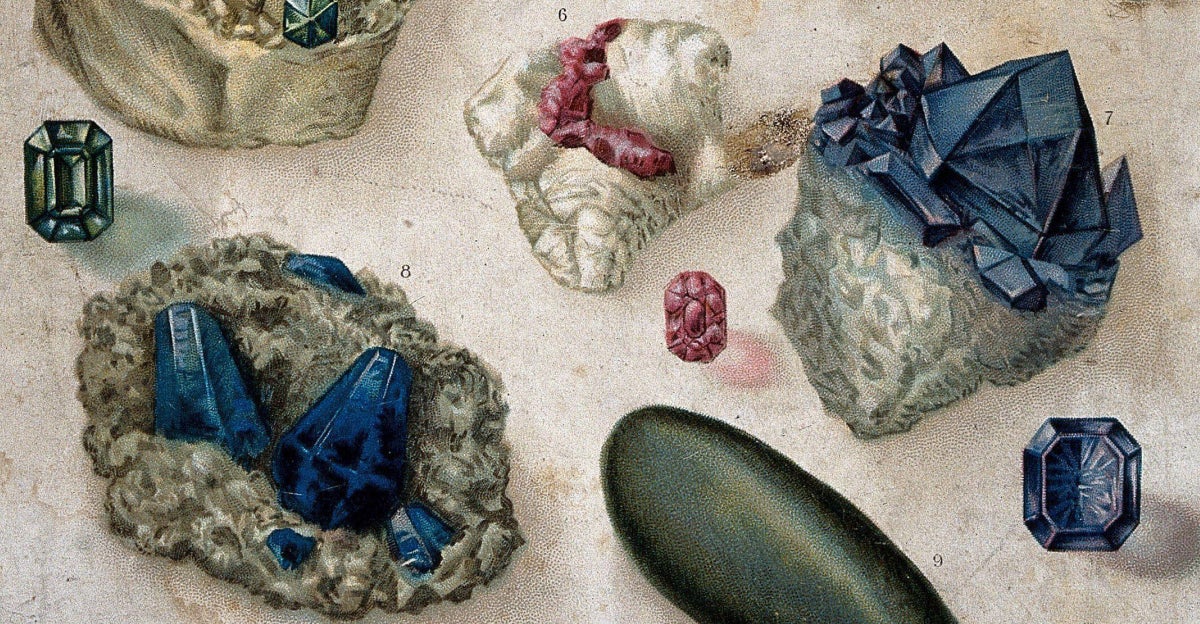
May’s additions to JSTOR opened new ways to engage with visual culture, political history, and everyday life.
-
ITHAKA announced today that Roger Schonfeld will lead JSTOR Digital Stewardship Services as its managing director. Launched in April 2025, JSTOR Digital Stewardship is a […]
-
What would your classroom look like if students engaged with knowledge as detectives rather than passive readers? The answers lie in digital primary sources. And education depends on how we use them.
-
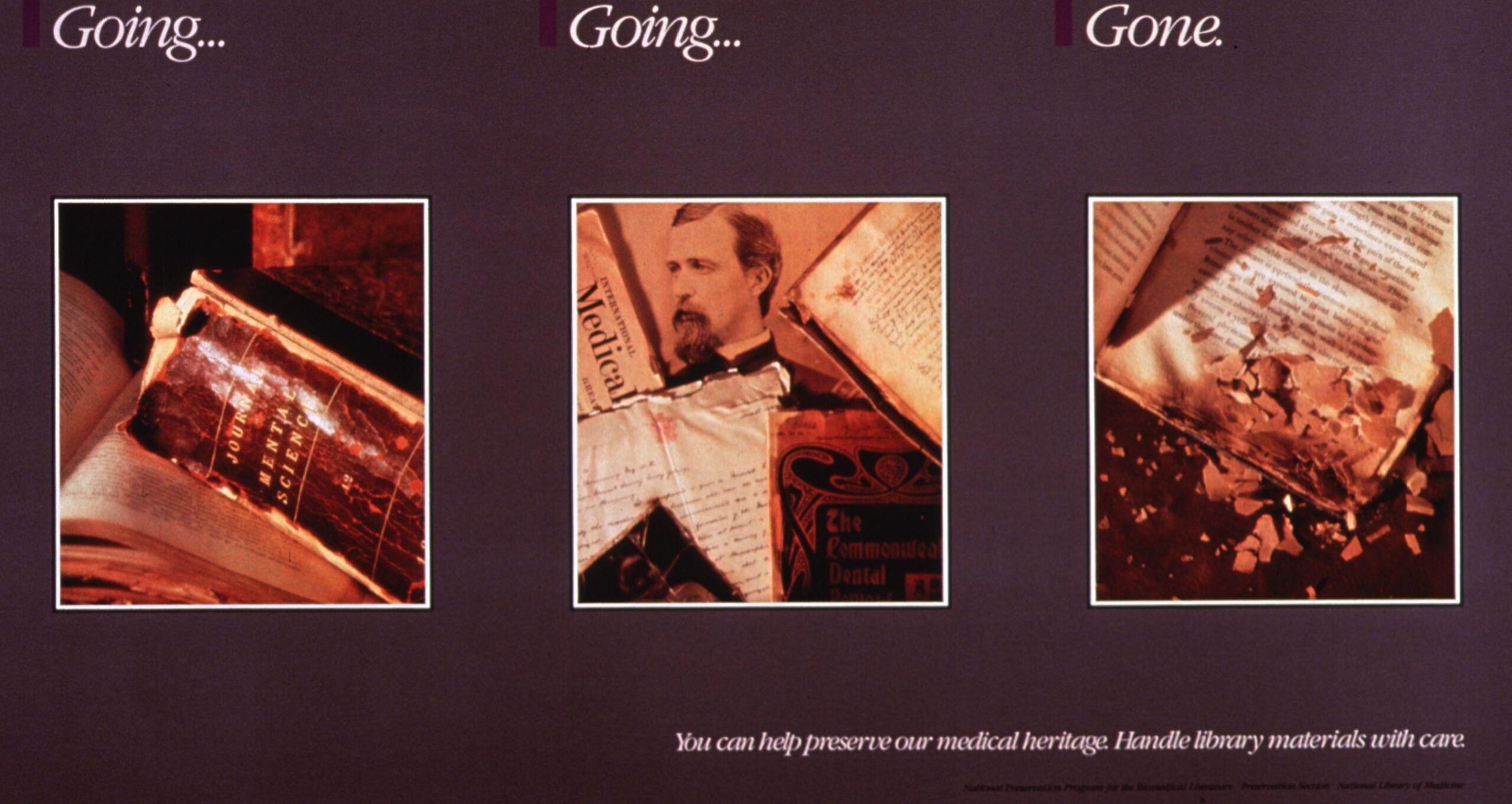
Preserving digital collections is essential to safeguarding cultural memory. Discover how JSTOR’s Digital Stewardship Services help libraries and archives maintain accessible, durable, and meaningful collections for generations to come.
-
Did you know JSTOR is just one of several platforms offered by its parent nonprofit, ITHAKA? Discover the decades-long journey of an organization committed to open access, digital scholarship, and community-driven innovation.
-
JSTOR, part of the nonprofit ITHAKA, has been named a finalist for two 2025 EPIC Awards, presented by the Society for Scholarly Publishing (SSP). The […]
-
Incarcerated writer Shane Bell challenges assumptions about prison education and rehabilitation, arguing for access to learning as a transformative force—even for those who may never leave prison. His powerful essay, part of JSTOR’s Second Chance series, calls for purpose, service, and dignity behind bars.
-
At ACRL 2025, JSTOR marked its 30th anniversary while unveiling JSTOR Digital Stewardship Services—built to support libraries in managing and preserving digital collections using AI-assisted metadata creation and community-driven collaboration.
-
This moving reflection traces the enduring bonds formed in prison classrooms and the profound impact of educational journeys shared by incarcerated women. Through the story of Phiengchai Sisouvanh, we see how learning, friendship, and community transcend confinement and continue to transform lives long after graduation.
-
April’s collections on JSTOR highlight labor solidarity, poetic vulnerability, and historic landscapes through new books, rare archives, and open access multimedia.
-
In this powerful series of personal essays, incarcerated authors reflect on how education has become a catalyst for self-discovery, healing, and community restoration. Their stories underscore the transformative potential of learning, even behind prison walls, as a lifelong commitment to growth and redemption.
-
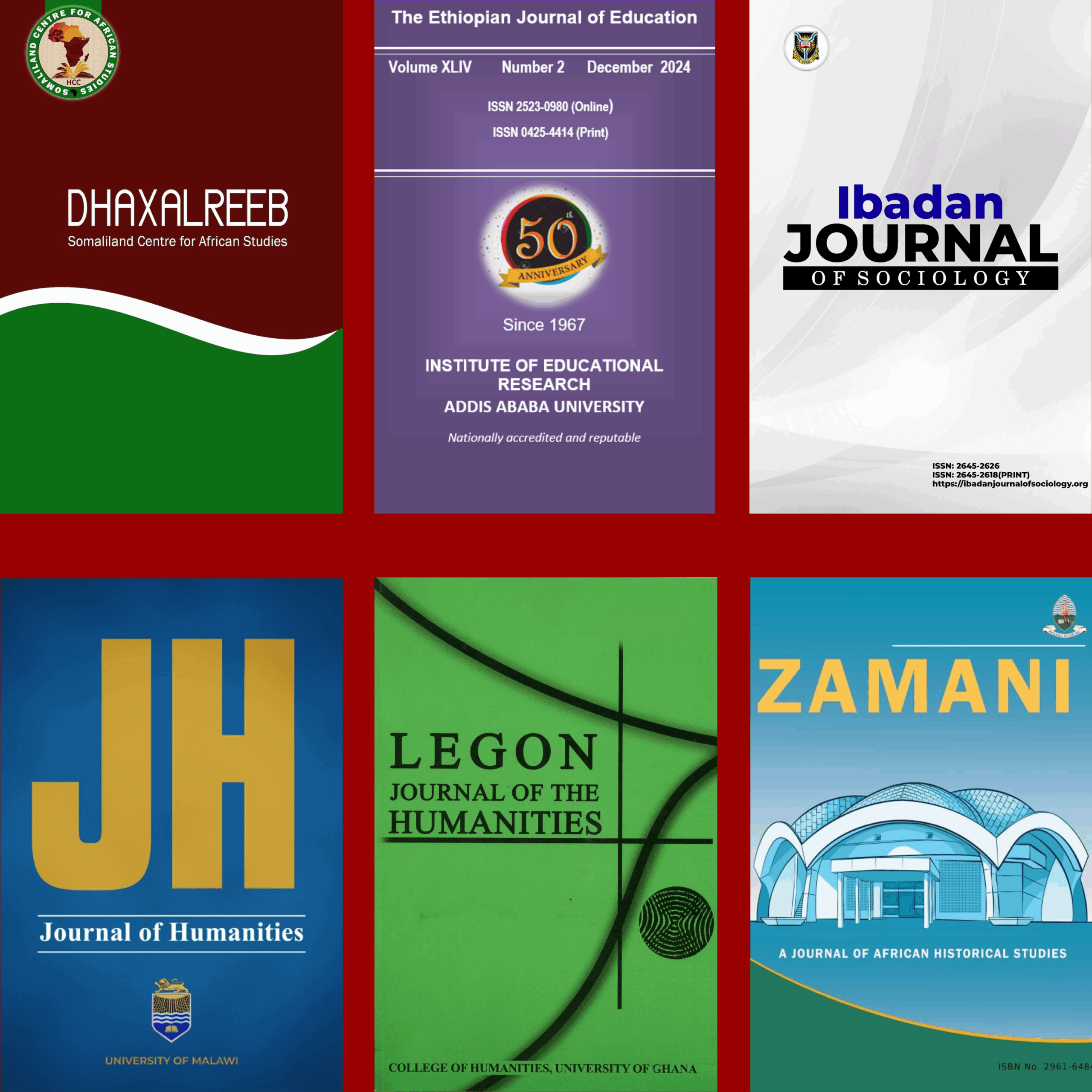
JSTOR has partnered with Pluto Journals and the African Books Collective to launch six open access African journals as part of a new pilot program supporting diamond open access publishing.
-
In this compelling essay, Ignacio Carrillo challenges traditional definitions of rehabilitation and advocates for animal-assisted programs in prisons. The author explores the role of animals in fostering humanity, dignity, and systemic change within carceral spaces.










Sign up for updates
Never miss a thing. Get updates from JSTOR delivered straight to your inbox.
By signing up you agree to our Privacy Policy. You may unsubscribe at any time by clicking on the provided link on any marketing message.
"*" indicates required fields