An introduction to Research on JSTOR

August 28, 2025
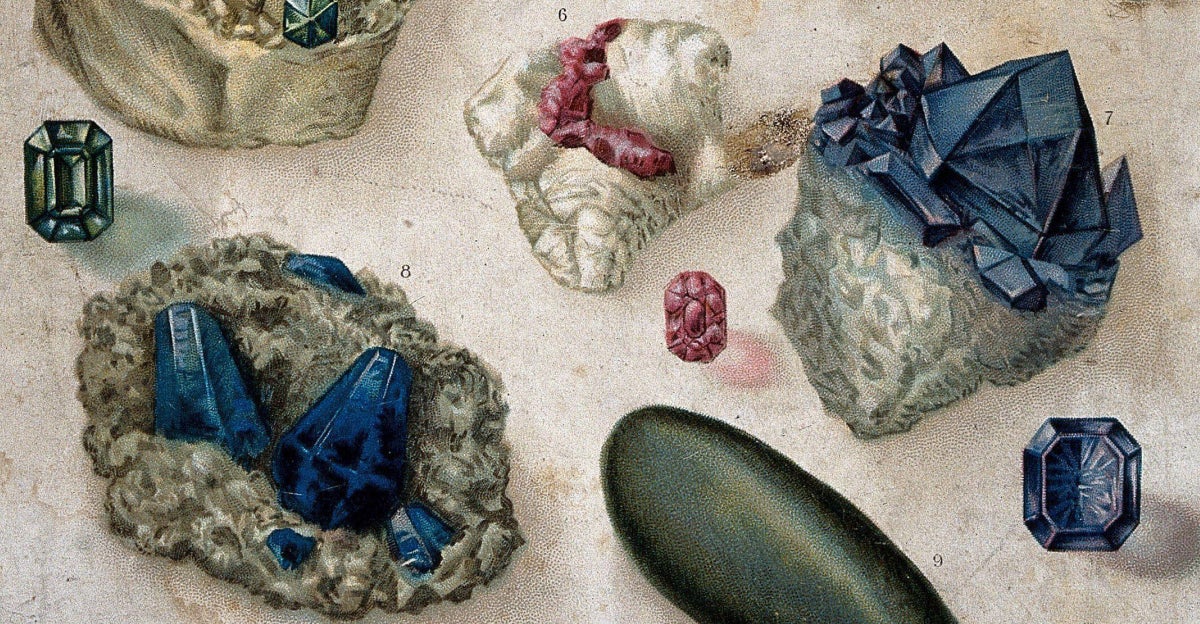
An abstract canvas of different colored shells.

Details:

  • Date: August 28, 2025
  • Location: Virtual

Want to develop a core understanding of JSTOR’s features and functionality for research and teaching? In this one hour webinar, you’ll learn how to explore primary sources from contributing collections including text, image, audio and video files, as well as examine secondary source content with the JSTOR Research Tool. This session is appropriate for library professionals and faculty who are responsible for teaching students the basic skills needed to use JSTOR for research projects.

More advanced uses of JSTOR for research will be covered in the September 11th JSTOR Updates series webinar: Advanced research on JSTOR.
Upcoming events

Tile with the webinar title
Event Digital stewardship

Reconsidering your digital collections platform: Lessons from MTSU’s move from CONTENTdm to JSTOR Stewardship

Join us for a conversation with Kathleen Schmand (Dean, Walker Library) about Middle Tennessee State University’s move from CONTENTdm to JSTOR Stewardship. Hear how MTSU evaluated its options, worked with JSTOR’s migration team to prepare and move its collections, and what the transition has made possible.

A red tile with the title: Digital Stewardship project cataloguing
Event

JSTOR Digital Stewardship Services training: Project cataloging

Training for Stewardship participants (Tiers 2-3): catalog records, manage media, use linked fields, and organize work. One of three sessions in a monthly Stewardship training series.

Slide reading ‘Webinar: Activating distinctive collections From digitization to discovery with JSTOR Stewardship'
Event Digital stewardship

Activating distinctive collections: From digitization to discovery with JSTOR Stewardship

Join Roger Schonfeld (JSTOR Stewardship), Jamie Markus (University of Wyoming Libraries), and colleagues from JSTOR to explore how institutions can connect digitization, processing, preservation, and discovery to activate distinctive collections.