The JSTOR Digital Stewardship Services community keeps growing—and so does the range of collections, perspectives, and practices participants are bringing to the work.
This month, meet new participants, dig deeper into collections with JSTOR Daily, and see what the Stewardship community is learning and sharing.
New to the Stewardship community
Meet the latest institutions to join JSTOR Stewardship, and get a glimpse of our greater global community from the full participant list.
Northern Kentucky University – Highland Heights, KY
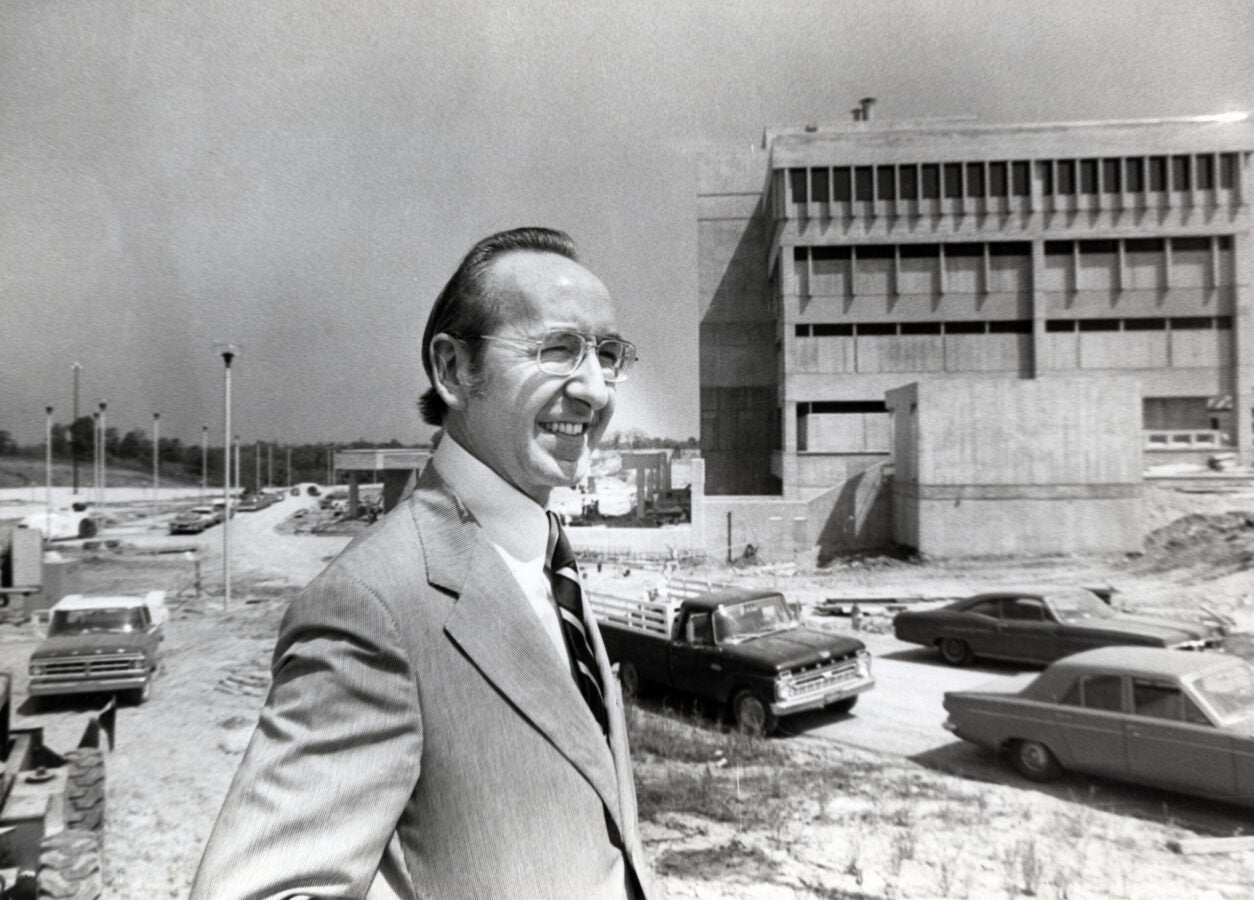
NKU joins the Tier 3 charter program with plans to connect collections and hands-on learning. Potential projects span student newspapers, Kentucky history, and Moby-Dick scholarship and art, with opportunities for student participation and public engagement.
Yeshiva University – New York City, NY
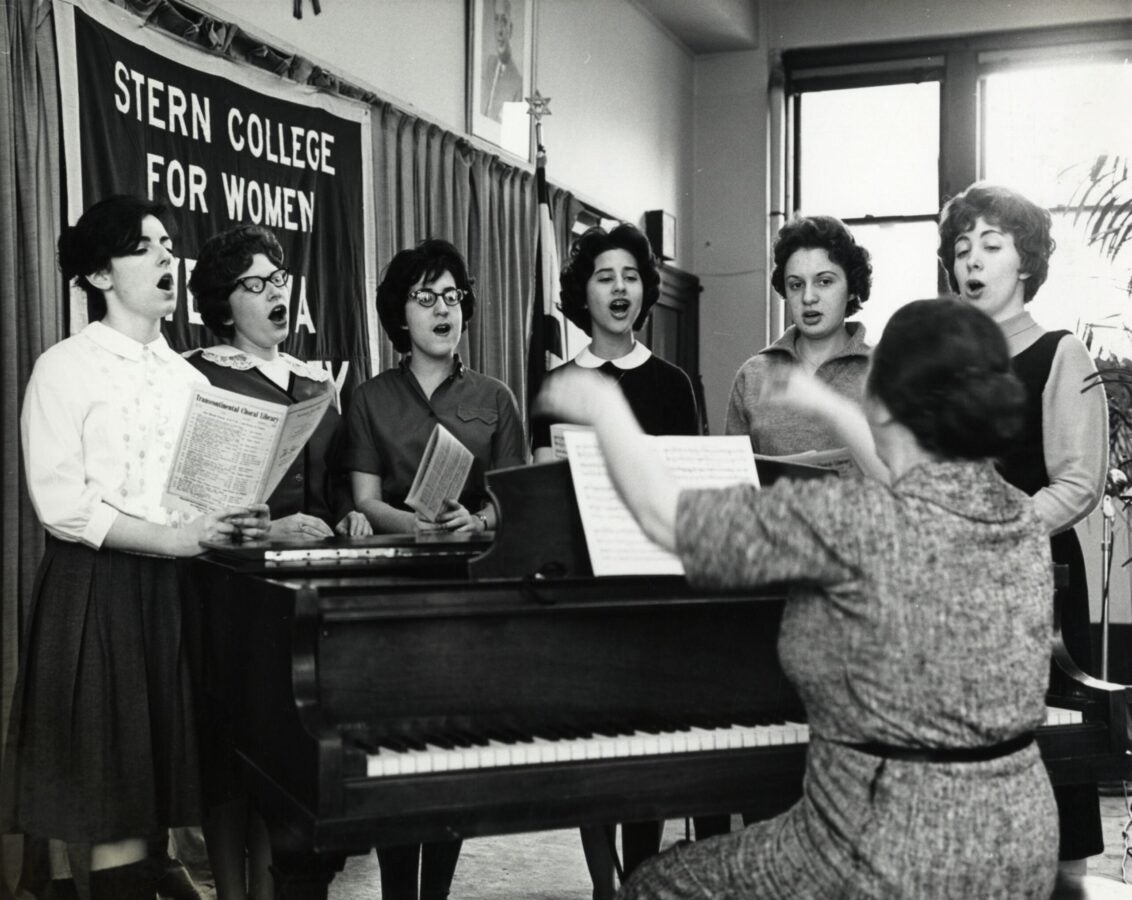
With support from JSTOR’s migration team, Yeshiva will move its digital collections from Islandora to Tier 2 of Stewardship, bringing rare manuscripts, cantorial music, and Soviet Jewry oral histories into an environment combining collection management, Portico preservation, and JSTOR discovery.
Collection spotlight
Stewardship participants are making thousands of one-of-a-kind collections available to researchers on their campuses and around the world, discoverable alongside scholarly literature on JSTOR.
Seeklight-processed, human-reviewed: Hofstra University (Hempstead, New York Photographs)
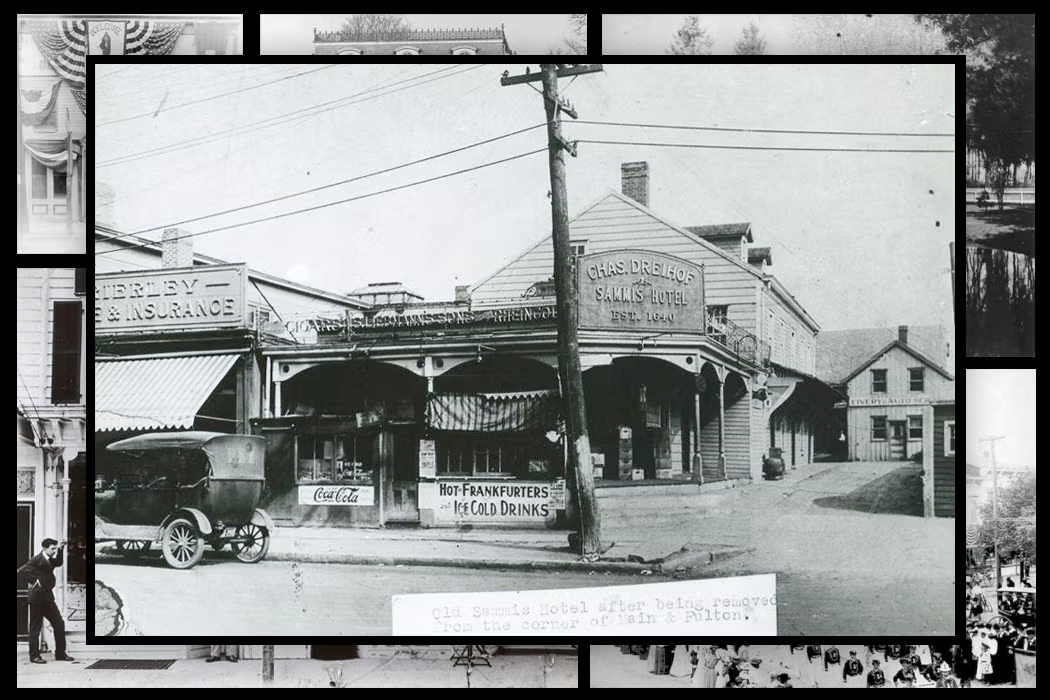
Rediscover Long Island before the postwar suburb boom through Hofstra University’s photographs of Hempstead’s storefronts, homes, and civic spaces. Described with JSTOR Seeklight, reviewed by Hofstra staff, and now discoverable on JSTOR, these images capture a community whose railroad connections sustained a busy downtown before cars and shopping malls reshaped local life—and invite questions about how transportation and development change the places people gather.
Browse the Hempstead, New York Photographs collection
Read “What Came Before the American Suburb?” on JSTOR Daily
American Library in Paris: The library at 10 rue de l’Élysée
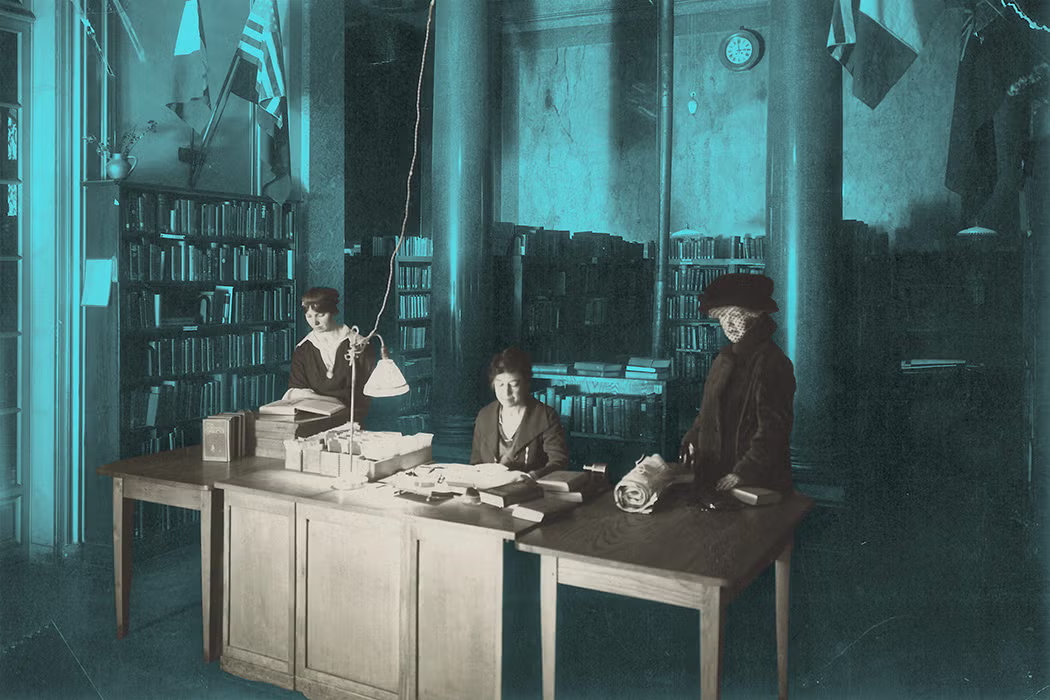
Witness the work behind a wartime library through photographs shared by the American Library in Paris. Shipping rooms, circulation desks, and staff portraits illuminate the effort to bring books to American troops during World War I. The story of Mary Josephine Booth and fellow librarians reveals both women’s essential professional contributions and the barriers they faced while helping establish a lasting institution.
Browse The American Library in Paris, 10 rue de l’Élysée 8e (1920–1936) collection
Read “Building a Library in Wartime Paris” on JSTOR Daily
University of Virginia: Frances Benjamin Johnston Architectural Photography
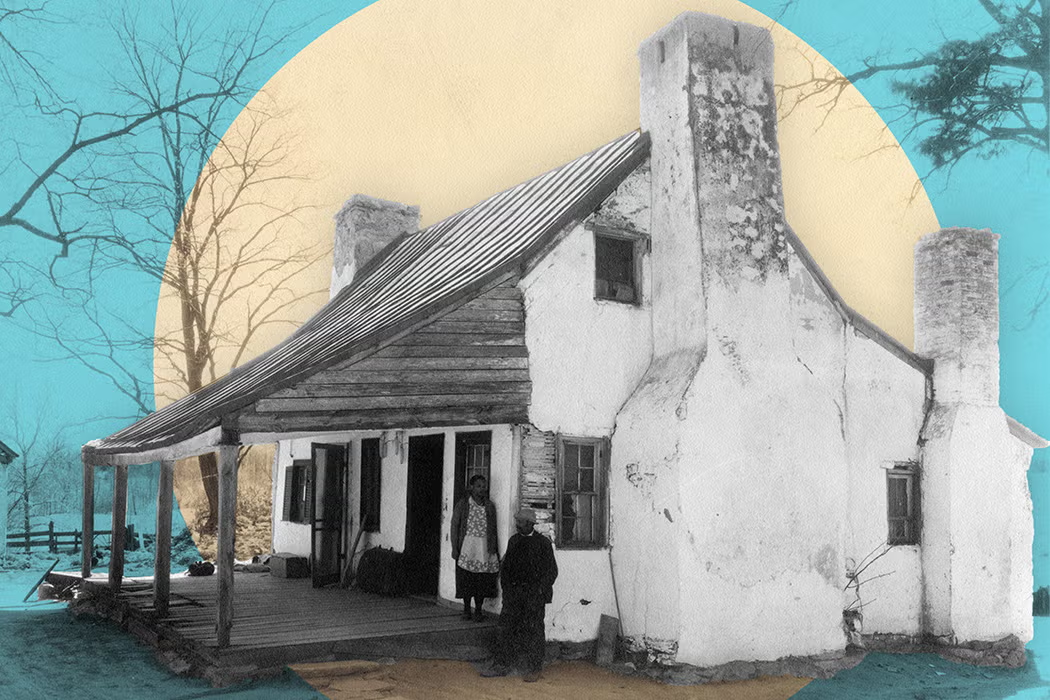
Encounter the everyday buildings Frances Benjamin Johnston documented before they disappeared. The University of Virginia’s collection records barns, cabins, mills, and small stores that once received little attention alongside grand estates. Created decades before vernacular architecture attracted widespread scholarly interest, these photographs invite questions about whose surroundings are preserved—and how ordinary places help us understand the past.
Browse the Frances Benjamin Johnston Architectural Photography collection
Read “The Photographer Who Preserved Everyday Architecture”
Contributions and conversations
Through research, presentations, podcasts, conference conversations, and more, participants and partners are contributing new perspectives to the broader field. Visit our events page to watch past programs, register for upcoming events, and find opportunities to connect in person.
The Scholarly Kitchen: Are Libraries Prepared for the Second Digital Transformation of Distinctive Collections?
What would collections workflows look like if libraries designed them around today’s possibilities? Writing in The Scholarly Kitchen, JSTOR Stewardship managing director Roger Schonfeld argues for bringing digitization into processing and connecting collections more directly with research and learning. Questions about platform complexity, collaboration, and responsible AI offer library leaders a starting point for aligning infrastructure with the impact they want collections to have.
Behind the platform: Building for continuity and change
How do you rebuild a platform while institutions continue relying on it? In a blog post, associate director of software engineering Shucha Grover traces the technical decisions behind a full rebuild of JSTOR Stewardship, from preserving familiar workflows to embedding accessibility in development. The post explains how gradual transitions and a more adaptable architecture support ongoing collections work—and lay the groundwork for future features that better represent archival relationships.
Collaboration is infrastructure: Exploring capacity-building strategies for stewardship
Shared technology needs shared support to make a difference. Reflecting on a conversation at SAA with SCELC, Xavier University of Louisiana, and Mount Saint Mary’s University, Lee Dotson examines how training, troubleshooting, peer learning, and practitioner feedback help sustain digital collections programs. The post connects these everyday relationships with broader opportunities for responsible AI-assisted processing and meaningful discovery on JSTOR.
From discovery to citation: Collections at work in scholarship
How do distinctive collections move from discovery to citation? This post traces archival records and locally produced scholarship into published research—from a 1973 Congressional Record used in a study of Filipino Navy stewards to student work cited in studies of online hate speech and multilingual education. Together, these examples show how collections shared on JSTOR can enter wider scholarly conversations.
Want to learn more about becoming a part of JSTOR Digital Stewardship Services? Get in touch with our team!