Libraries and archives hold collections that can give researchers access to evidence they might never otherwise encounter. Making a collection available online is an important step. Its value grows when people can discover it, understand its context, and use it in their own work. A photograph, newspaper, thesis, manuscript, or government record can become evidence for an argument, material for a lesson, or a source that changes how someone understands a question.
JSTOR Digital Stewardship Services helps libraries and archives expand the impact of the unique collections they care for by sharing them on JSTOR, where researchers can encounter them alongside books, journals, and other scholarship. A source can remain grounded in its home collection while reaching people around the world.
Making archival materials available in a shared research environment gives them opportunities to be found, read, cited, and carried into work that reaches beyond the collection itself.
What readers say becomes possible
In a recent blog post, senior user researcher Shima Houshyar shares what we’re learning about distinctive collections shared on JSTOR, drawing on a survey of people viewing materials shared through JSTOR Stewardship. The findings provide useful insights into how these materials are used: among 378 respondents, 70% said they were viewing the item for scholarly research, an academic assignment, public scholarship, or teaching. Nearly half expected to cite or reference it in scholarly work.
Their qualitative responses give these findings texture. One respondent said a collection had “expanded my knowledge and ideas for my PhD thesis.” Another described materials that “enrich the curriculum I teach.” A third called a collection an “important archive” for architectural talks. These uses are personal and specific, and taken together they suggest the sorts of activities a collection can support after someone finds it.
A shared research environment
People rarely begin research with the name of a particular collection; instead, they often begin with a question. When libraries’ and archives’ collections are shared through JSTOR Stewardship, they can appear in the same research environment as books, journals, and other scholarship. That gives people a chance to encounter sources they might not have known to seek out.
One survey respondent said JSTOR “simplifies searching” when relevant material is available. Discoverability shapes which sources have the chance to enter a research question, a course plan, or a public project.
When a collection becomes evidence
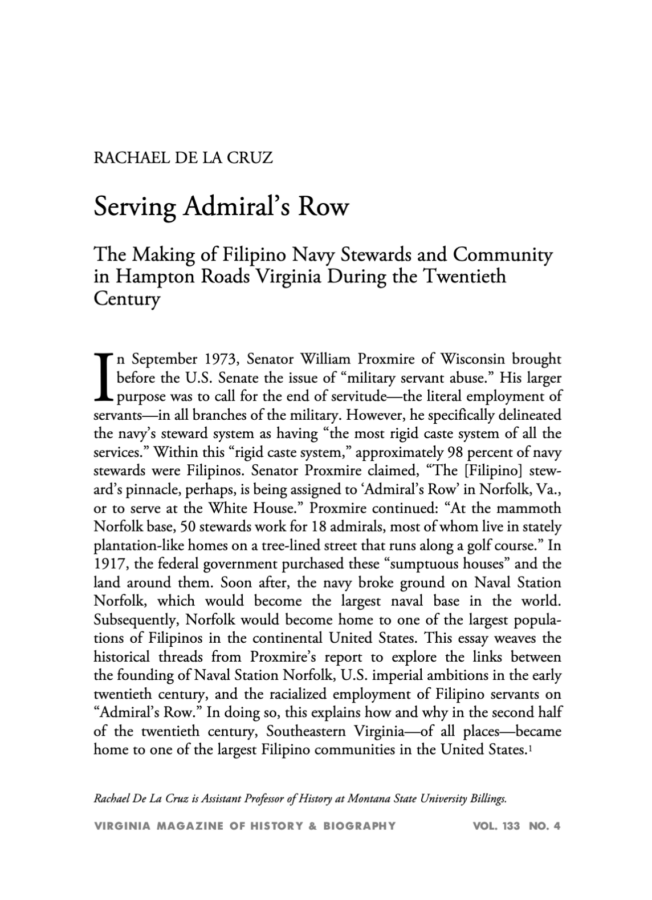
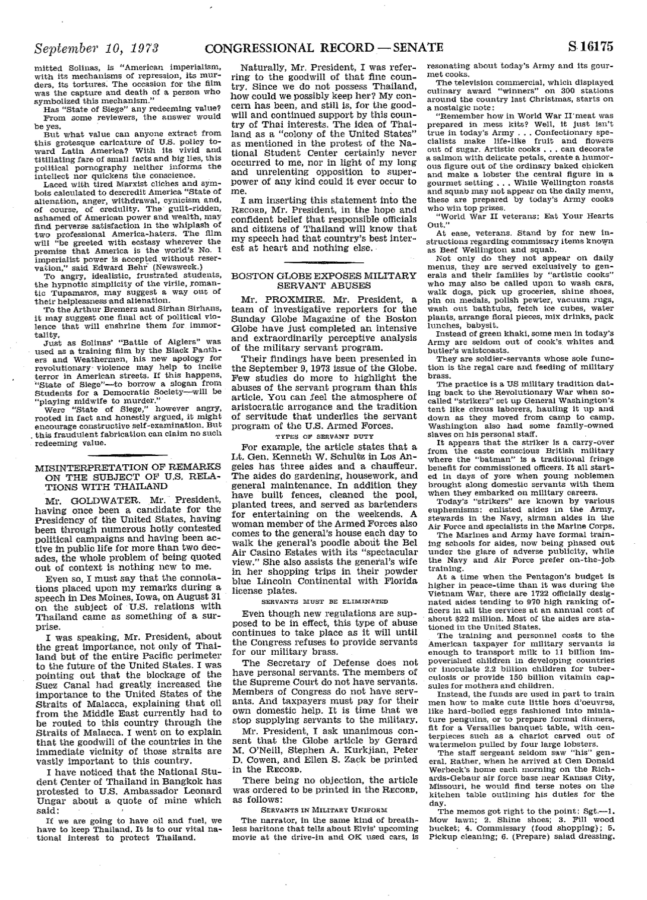
Published citations offer a direct view of how distinctive materials on JSTOR can become part of scholarly research. In “Serving Admiral’s Row: The Making of Filipino Navy Stewards and Community in Hampton Roads Virginia During the Twentieth Century,” published in The Virginia Magazine of History and Biography, historian Rachael De La Cruz uses a 1973 Congressional Record shared through Stewardship by the Center for Migration Studies. The record supports her examination of the racially structured Navy steward system, Filipino labor, and the formation of the Filipino American community in Hampton Roads. It brings a contemporaneous record into a published history, and the stable citation also lets readers move from a historian’s interpretation to the material she cites, making the relationship between the argument and its evidence visible.
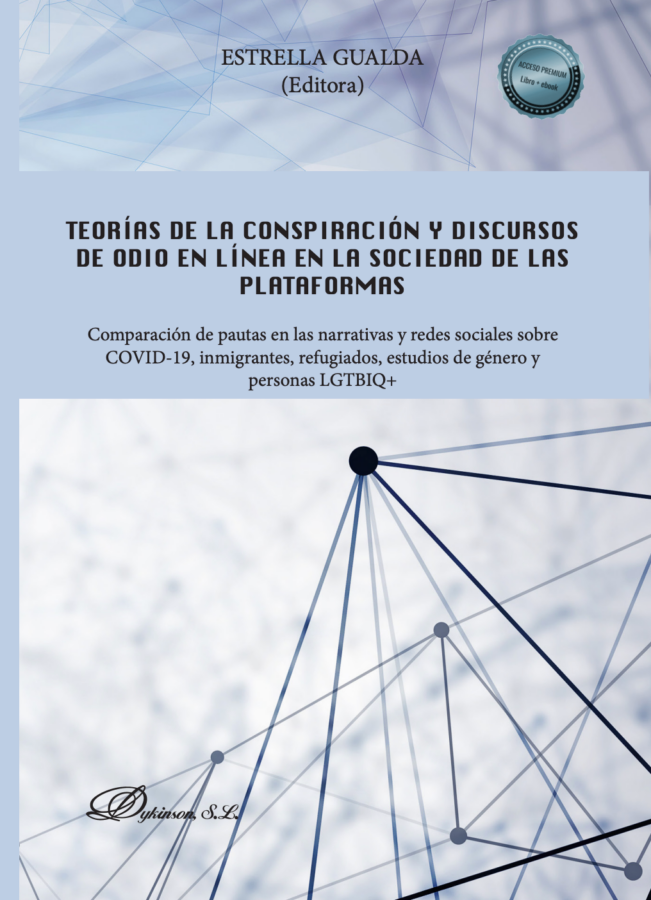
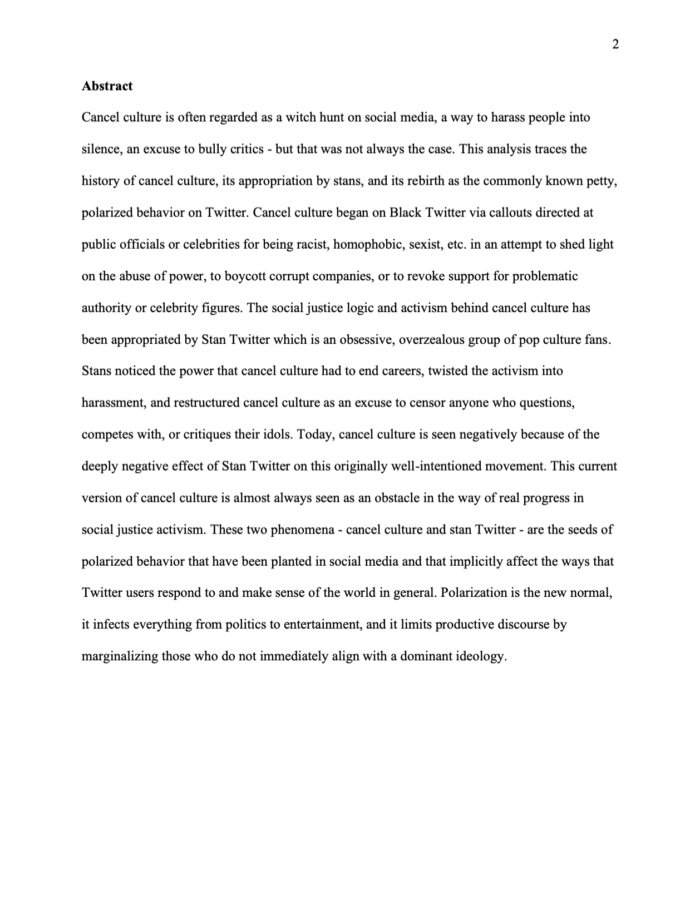
Examples also point to the value of content shared through Stewardship beyond historical primary sources, such as student and faculty scholarship. A 2024 chapter on online hate speech cites a Muhlenberg College honors thesis for its discussion of cancel culture’s early development on Black Twitter. Another 2024 chapter on multilingual education cites a manuscript from Muhlenberg’s institutional repository in its discussion of culturally sustaining pedagogy. In each case, scholarship contributed by a local institution enters a broader scholarly conversation.
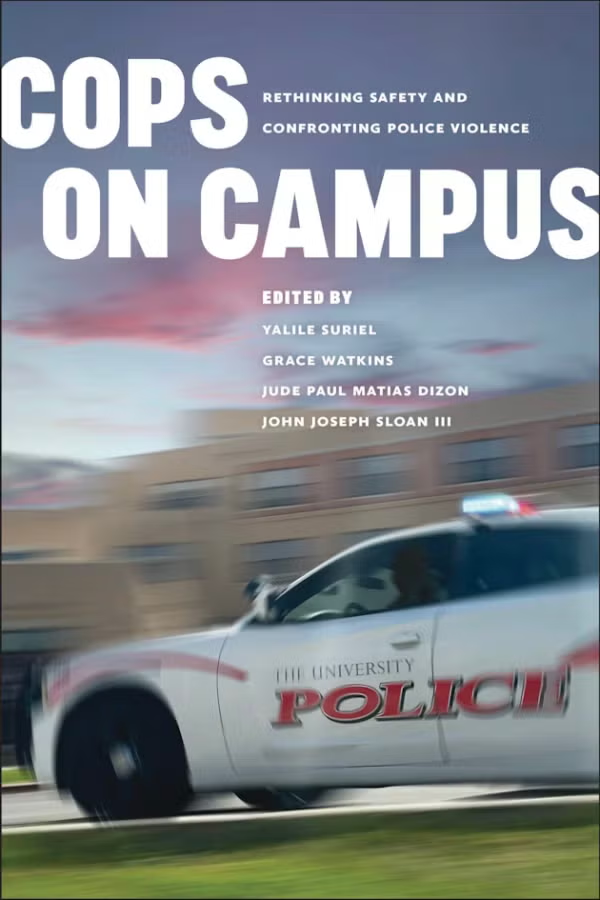
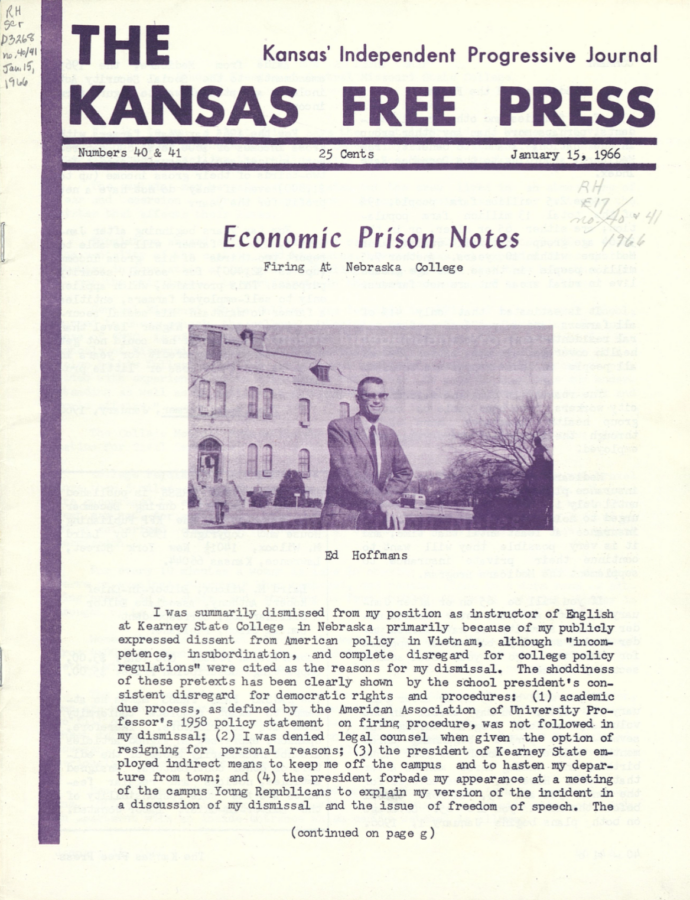
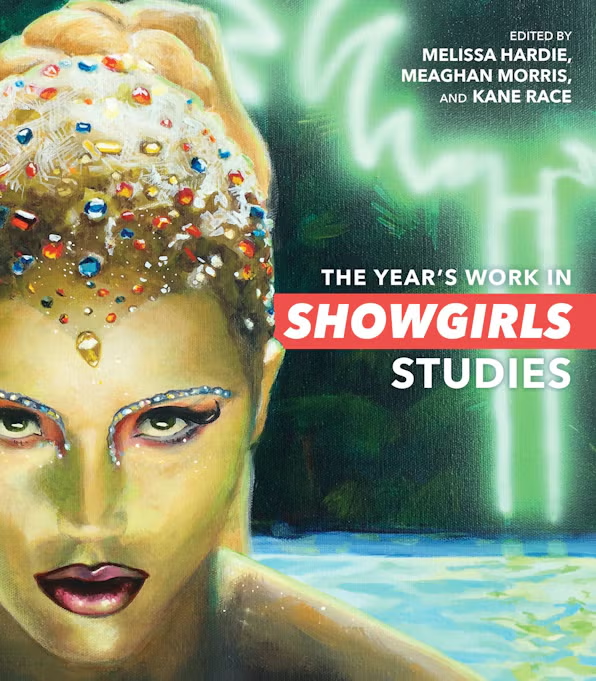
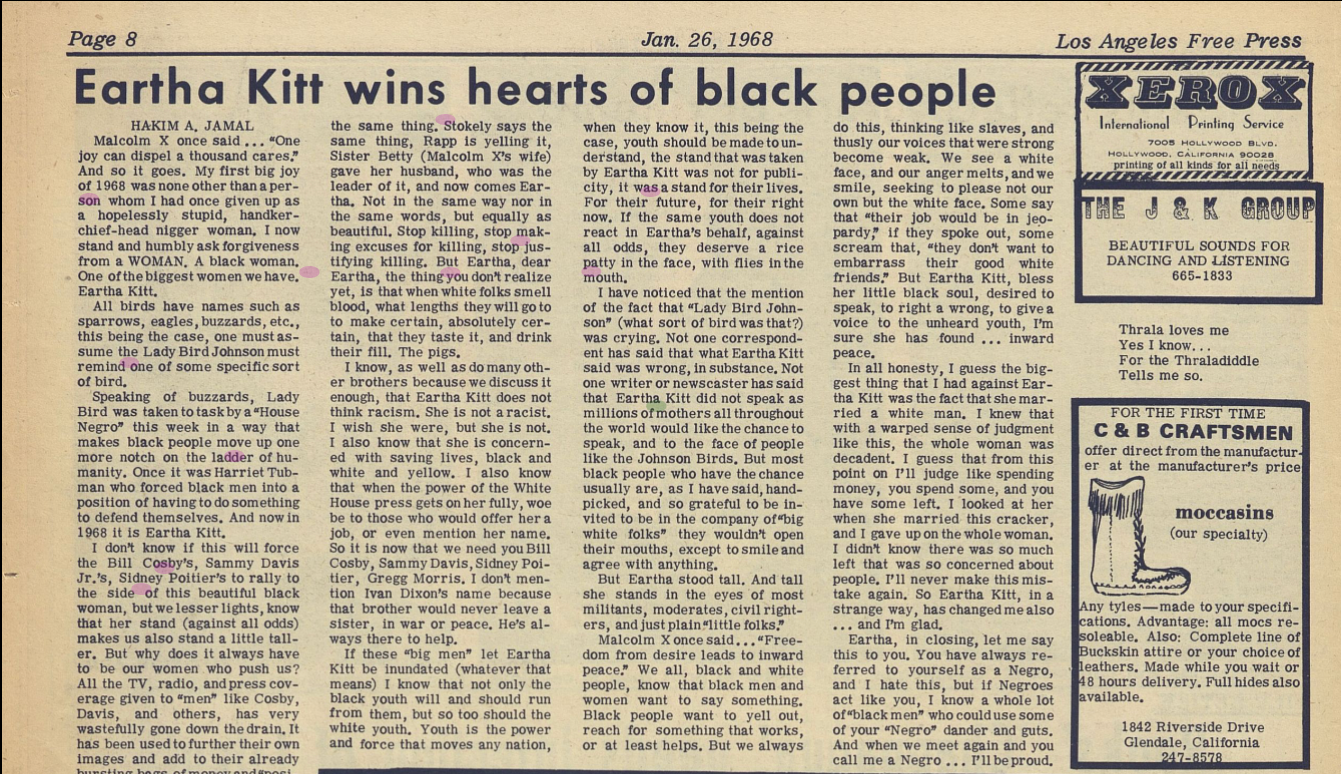
Citations of items shared through Reveal Digital—which curates thematic materials across different institutional collections— illustrate a similar dynamic. “Pushing Back on Campus Police Unions” in Cops on Campus: Rethinking Safety and Confronting Police Violence cites a 1966 Kansas Free Press report from the University of Kansas in its history of campus police unions. “The Instability of Evil” in The Year’s Work in Showgirls Studies cites a 1968 article from the Los Angeles Free Press, provided by the Los Angeles Public Library, in its discussion of activist responses to Eartha Kitt, and a chapter in Counter Print: The alternative art press in Britain after 1970 draws on a 1990 issue of Feminist Bookstore News—held by the Charles Deering McCormick Library of Special Collections, Northwestern University—to trace the publisher’s history. These examples show another way historic materials can become active evidence when readers can find them in a scholarly context. Each preserves a different thread of cultural and political history in a form that later scholarship can examine.
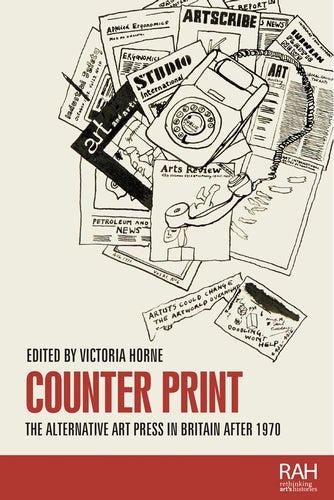

These citations are individual examples, not a comprehensive measure of every collection’s impact. They make one sequence visible: libraries’ and archives’ collections shared through JSTOR Stewardship can enter the same research environment as published scholarship, where readers can encounter them, cite them, and build on them.
Evidence people can encounter and use
Collections shared by libraries and archives through JSTOR Stewardship can expand the evidence available to people at the moment they need it. A record, newspaper, thesis, or manuscript may become part of a dissertation, classroom, or public account of the past, while staying connected to the institution that holds and describes it.
People may encounter evidence they would otherwise never see. When those materials become part of research, teaching, or public understanding, the work of caring for and sharing collections becomes part of the larger work of creating and sharing knowledge.
To learn more about how JSTOR Digital Stewardship Services brings distinctive collections to the greater scholarly community, visit our website.