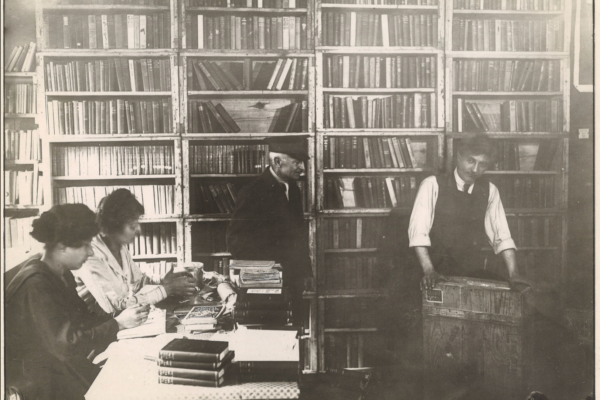
For libraries and archives, making a distinctive collection available is an important achievement. Materials that have been processed, digitized, described, and made discoverable can support research, teaching, and new forms of scholarship. These are outcomes that library leaders rightly expect from investments in distinctive collections.
But access is only part of the responsibility. Institutions must also ensure that digital materials remain authentic, understandable, and usable as technologies, systems, and research practices change.
These responsibilities are closely connected, but they call for different decisions, policies, and expertise. Preservation may require retaining source files and contextual information that researchers never encounter directly. Access, by contrast, calls for formats and interfaces suited to discovery and use.
While a number of the largest research libraries have preservation in place for their digital collections, far more institutions that have a vital stewardship role for digital collections have not been able to devote adequate resources to preservation relative to their responsibility. In Bridging Capacity and Care: A Field Report on Archives and Special Collections, Emilie Hardman suggests that institutions do not always have equal capacity to advance preservation. As one digital collections leader put it, “access needs in the moment almost always trump future concerns.”
To address these concerns, we built Portico’s gold-standard preservation infrastructure into JSTOR Stewardship, enabling preservation capabilities for more than 100 libraries over the past year. Extending these capabilities demonstrates the potential for shared infrastructure to support preservation across institutions with very different resources and technical capabilities. In this blog post, we want to share some background and reflect on the opportunity this presents.
Preservation as part of stewardship
Preservation professionals have long understood that the decisions required for long-term care begin well before materials enter a preservation system. The Digital Preservation Coalition’s Digital Preservation Handbook emphasizes the importance of considering preservation throughout the lifecycle of digital materials, from creation and management through ongoing use.
Born-digital collections make the relationship between preservation and access especially clear. An institution may need to determine which files constitute the source material, which should be retained, which should be made available to researchers, and which metadata and documentation must remain connected to the materials over time. Those decisions are related, but they are not interchangeable.
Consider a born-digital oral history collection. An institution might retain original audio files and associated documentation for preservation, while making a separate listening copy and transcript available to researchers under appropriate access conditions. The files and information needed for long-term care may differ from what a researcher needs to use the collection. Creating access versions is a separate process from preservation.
These are familiar professional considerations, but carrying them out can require coordination across multiple systems, teams, and areas of expertise. Bridging Capacity and Care found that practitioners see preservation as closely connected to appraisal, description, and access. It also documented how fragmented systems and workflows can make that work harder, particularly for institutions managing constrained resources and growing collections.
Systems and services can support different parts of this work, including approaches that connect preservation and access. The question for each institution is how those capabilities fit into its broader stewardship environment—and how much effort they require to sustain.
For JSTOR, that question has helped shape how we are approaching preservation within JSTOR Stewardship.
Bringing Portico preservation to libraries and archives
For more than two decades, ITHAKA has operated Portico, working with libraries and publishers to preserve digital scholarly content for the long term. That work draws on sustained investment in preservation infrastructure, technical expertise, and processes designed to help maintain digital materials through technological and organizational change.
As we developed JSTOR Stewardship, we saw an opportunity to make that preservation infrastructure available to a broader range of materials held by libraries and archives.
Making this investment reflects our view that preservation infrastructure should be within reach of institutions with different levels of staffing, technical capacity, and existing infrastructure.
This was a meaningful expansion. Special collections and archives steward materials that can differ considerably from the scholarly publications Portico has traditionally preserved. Their collections include digitized historical materials, audiovisual recordings, born-digital records, and other objects with varied structures, formats, and preservation requirements.
Our aim was to make Portico’s established preservation capabilities available to these institutions without requiring each one to independently build and maintain the underlying preservation infrastructure.
Today, institutions using JSTOR Stewardship can choose projects in the platform for preservation in Portico. They can also manage and share collections through JSTOR Stewardship, with the option to make appropriate materials discoverable to researchers through JSTOR. These capabilities serve different purposes. Bringing them into the same stewardship environment can make long-term preservation a more practical part of managing digital collections.
Making this investment reflects our view that preservation infrastructure should be within reach of institutions with different levels of staffing, technical capacity, and existing infrastructure. It also builds on ITHAKA’s experience supporting scholarly content and digital collections, and on Portico’s specialized expertise in the technical and organizational responsibilities of long-term preservation.
Learning from the special collections community
Making Portico preservation available through JSTOR Stewardship is an important step, not a finished answer. The needs of special collections and archives will continue to inform how the service develops.
Institutions vary in the materials they steward, the expertise available to them, and the systems they already use. Some have established preservation programs and dedicated specialists. Others are working to incorporate preservation into existing collections workflows with more limited capacity.
We bring preservation expertise to this work, and we also need to understand what participating institutions find useful in practice. What information do practitioners need about materials they have preserved? What reporting would help them manage their responsibilities? How should the experience support more complex objects or different relationships between source files and access derivatives? Where would additional visibility or control make preservation work more effective?
These are questions to investigate through research, testing, and experience with participating institutions. Our preservation specialists, product teams, and engineers help us understand what responsible preservation requires and how to support it technically. Research with the community helps us see which capabilities are most useful, where workflows create friction, and where further investment should be considered.
This distinction matters. The most comprehensive preservation system is not necessarily the most useful environment for every institution. Our goal is to provide access to specialized preservation infrastructure while making the experience appropriate to the work libraries and archives need to do.
As institutions use Portico infrastructure through JSTOR Stewardship, we can learn where the current experience works well and where it could be further improved.
Making access last
Libraries and archives have responsibilities to both today’s users and future generations. Digital collections create new opportunities to meet those responsibilities, even as technology changes how materials can be described, discovered, and studied.
They also invite us to reconsider how stewardship work is supported. Institutions have developed sophisticated approaches to preservation, access, and collection management, often through combinations of specialized systems and local expertise. As digital collections grow in scale and variety, it is worth continuing to ask how those responsibilities can be supported more effectively together.
At JSTOR, we have taken an important step by making Portico preservation available to libraries and archives through JSTOR Stewardship. We are building on an established preservation service while learning how best to support the distinctive materials and professional practices of the special collections community.
This work will continue. Portico’s preservation infrastructure and expertise are established; the experience of using them within JSTOR Stewardship can evolve through research, testing, and collaboration with participating institutions.
Making collections accessible today and keeping them available for future use are both essential parts of stewardship. Our aim is to help institutions carry out those responsibilities with infrastructure, expertise, and support—and to keep learning about how we can best serve our community.