
JSTOR Blog
-
In this Second Chance Month essay, Allen Ivanov reflects on the liberating and isolating power of education in prison, exploring how knowledge—through Shakespeare and critical inquiry—becomes both a burden and a path to self-reclamation.
-
In 1995, JSTOR launched with a mission that felt radical at the time: digitize scholarly journals and make them accessible online to researchers and educators everywhere.
-
In this essay for Second Chance Month, Shane Moffat reflects on early school experiences, the sensory memories of his bus rides, and his enduring love for education, demonstrating the power of access, equity, and memory—even behind prison walls.
-
JSTOR’s Path to Open program continues to expand, offering valuable new resources that support teaching, learning, and research in the humanities, arts, and social sciences. These titles, newly published, provide scholars and students with access to high-quality academic content across a range of disciplines. By offering a selection of these titles as open access, the program…
-
Explore how Dr. Alexa Alice Joubin builds trust in AI-powered educational tools through open-access models, humanities-based insights, and participatory design—fostering ethical, critical engagement between students and AI in the classroom.
-
Vy Thang’s reflection on education challenges idealized notions of utopia shaped by historical trauma and incarceration. His story illustrates how liberal arts learning becomes a powerful act of self-discovery, resistance, and community building.
-
This is JSTOR’s third year of publishing essays, poetry, and artwork from people impacted by incarceration. These stories, as diverse as America itself, remind us of the dreams, aspirations, and connectedness we all share.
-
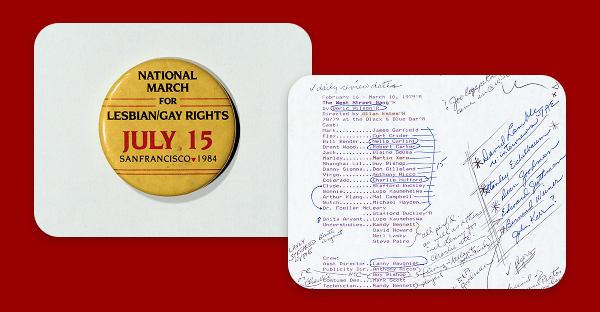
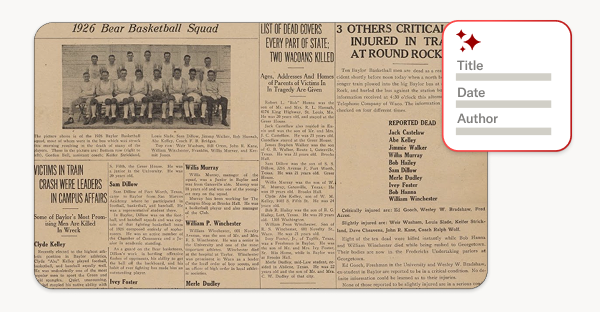
This March, JSTOR’s collection highlights include a vibrant mix of historical archives, health media, and pathbreaking literature. From Montana’s mid-century newsletters to a global archive on HIV/AIDS and the arts, these additions illustrate the power of preservation and the depth of human creativity. Let’s explore the highlights. Path to Open book of the month: Published…
-
Many first-year undergraduates struggle with understanding secondary sources in literary studies. Explore practical strategies—highlighting, annotation, and summarization—to help students engage with academic texts more effectively.
-
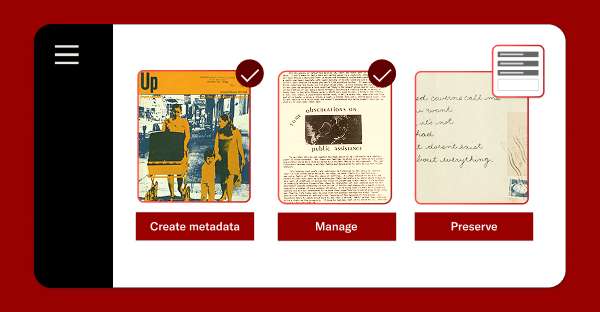
JSTOR Digital Stewardship Services is designed to help libraries and archives scale preservation through a seamless, mission-aligned workflow that combines digital asset management, AI-assisted metadata creation, and long-term preservation support.
-
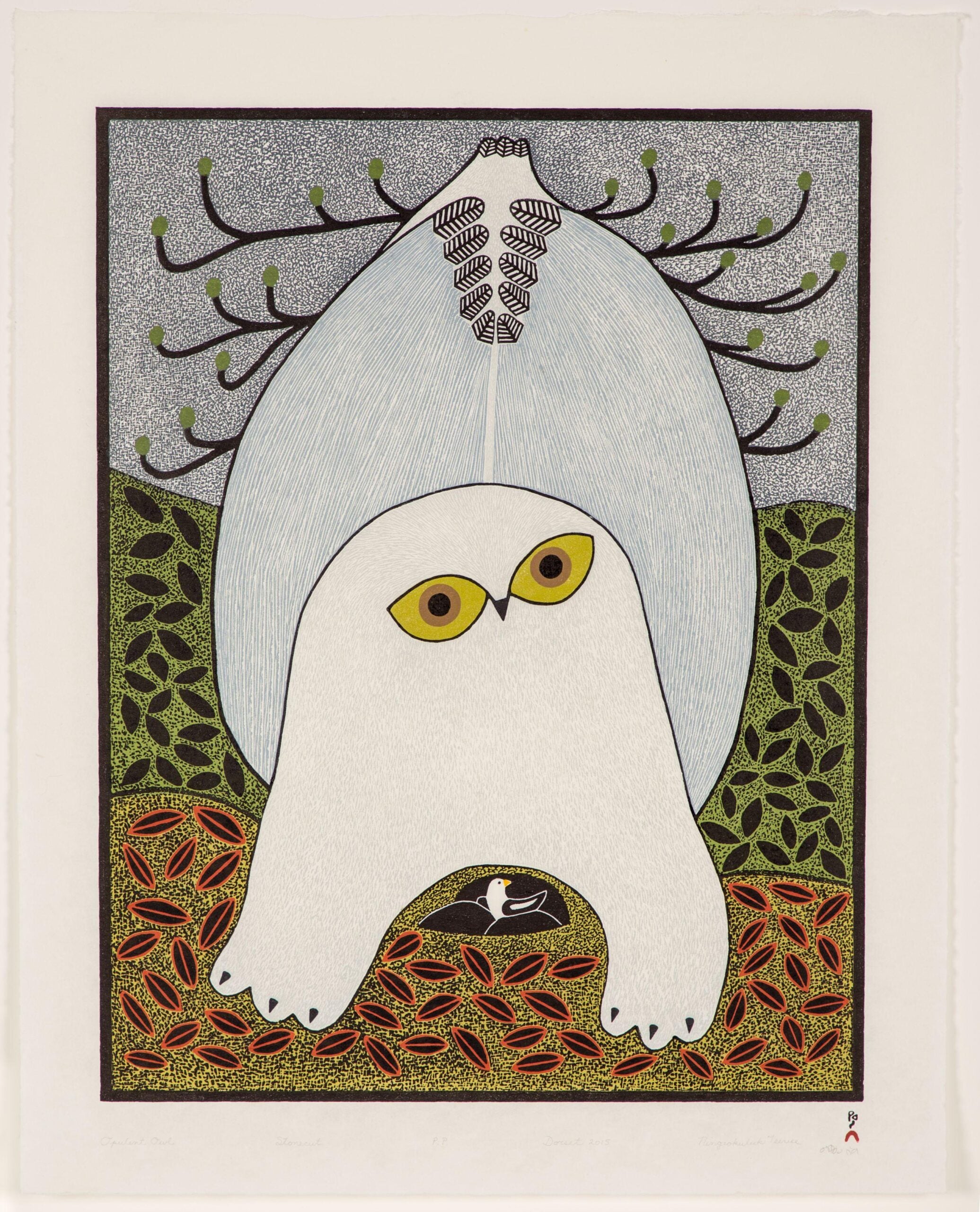
WAG-Qaumajuq is making its world-renowned collection of Canadian, Inuit, and Indigenous art more accessible—inviting global audiences to connect with these powerful works and the stories they hold.
-
An archivist explores how AI can help surface hidden histories, improve metadata, and support digital stewardship while emphasizing the need for human expertise in shaping archival narratives.
-
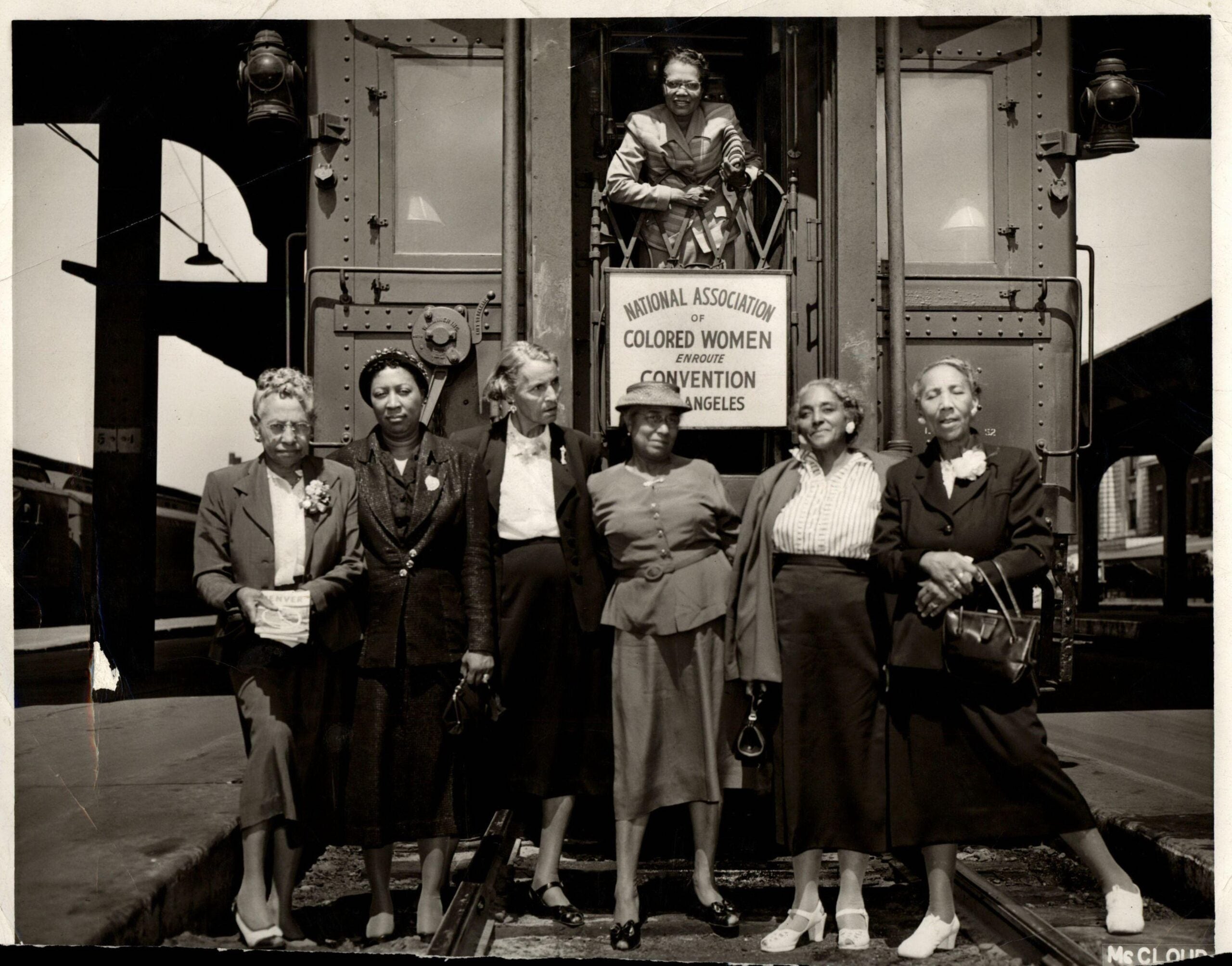
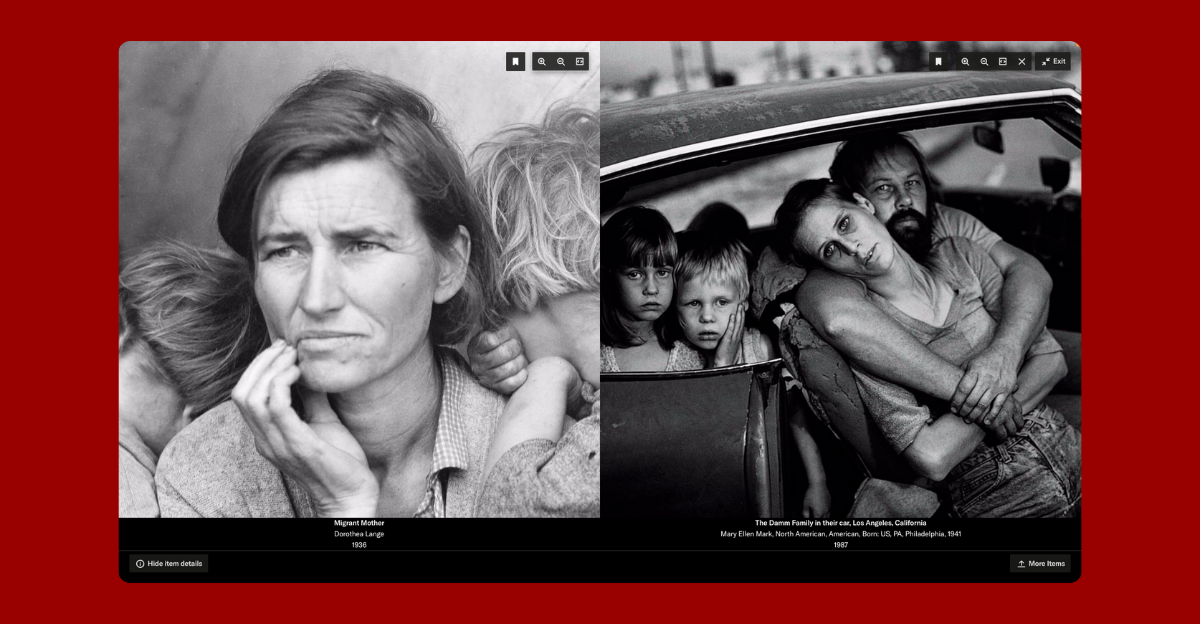
Two unique new selections of licensed digital images are now available on Artstor on JSTOR, made available through partnerships with Art Resource and Magnum Photos.
-
Discover how archivists and librarians shaped JSTOR Seeklight, an AI-powered technology that streamlines collections processing and enhances digital stewardship.
-
Let’s take a time machine—right at your fingertips—with digital primary sources. Developing digital literacy and primary source analysis skills is essential in higher education, equipping learners not only for academia but also for careers in research, journalism, policy, and beyond.
-
Primary sources offer direct, unfiltered access to the voices, images, and documents that shape our understanding of the world and its history. And yet, despite their value, primary source literacy remains an ongoing challenge in higher education.
-
Explore new Path to Open titles on JSTOR supporting teaching and research. View February 2025 releases and access options.
-
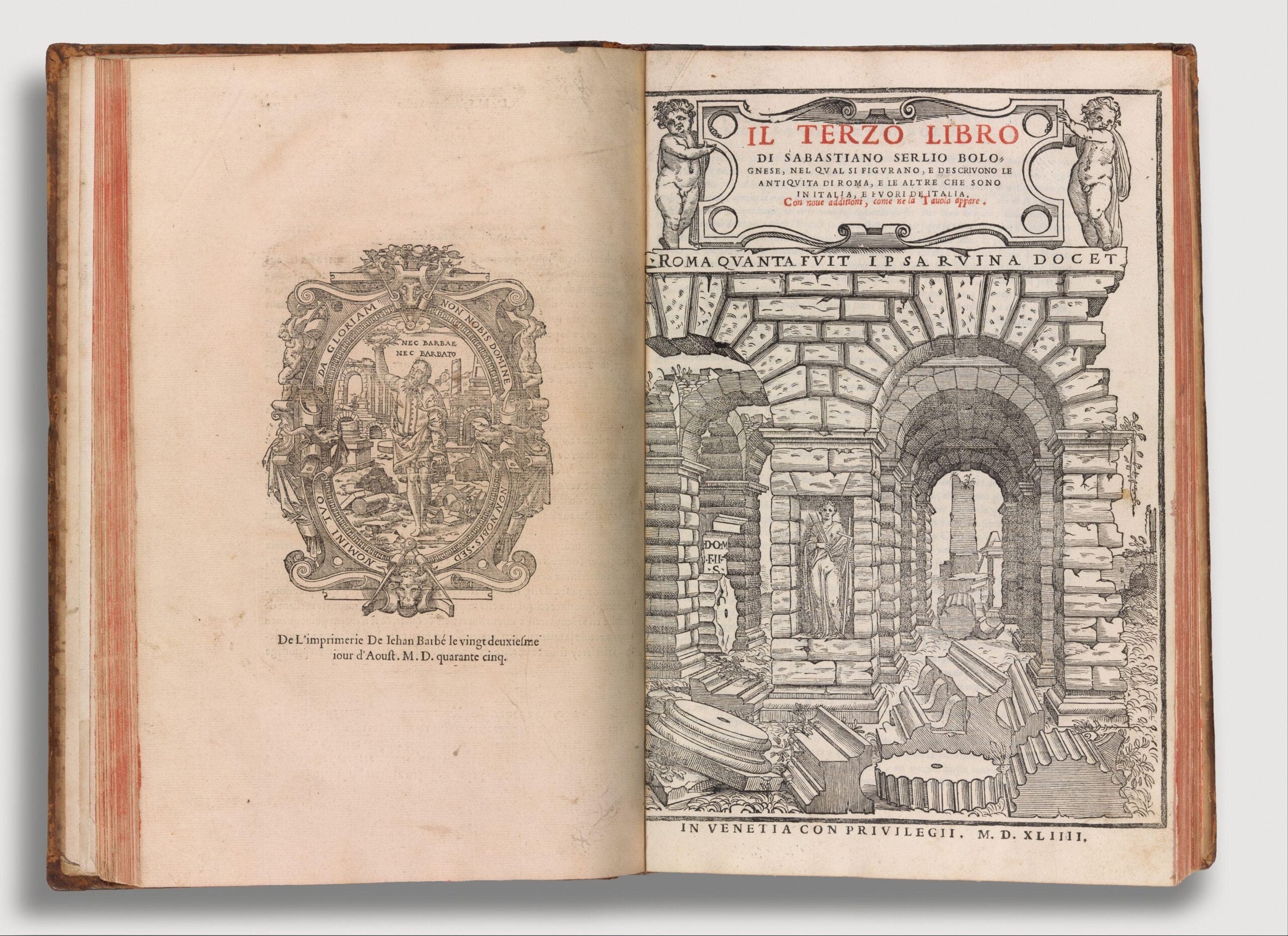
When we think about art historical research and teaching, individual artworks often take center stage. But what about the curated exhibitions that shape how we experience and interpret them? Beyond Utility: Rethinking the Value of Exhibition Photos in Art Historical Research and Curation—a session at the 2025 College Art Association (CAA) conference—explored the evolving role…
-
February brought new archival collections and multimedia highlights to JSTOR. In honor of Black History Month, we also highlighted stories of activism, resilience, and creative expression.
-
Since 2012, Books at JSTOR has expanded to include over 146,000 scholarly ebooks from 345 global publishers, supporting diverse library needs through flexible acquisition models like Demand Driven Acquisition (DDA) and Evidence Based Acquisition (EBA).
-
JSTOR’s interactive research tool allows users to actively engage with texts by asking questions directly within the tool. Based on user feedback, we created this guide to help you get the most out of this feature. We’ll explore how asking the right types of questions can help you quickly find relevant content, understand complex arguments,…
-
Streamline research, gain metadata insights, and boost student success with JSTOR’s interactive research tool. We’ve designed its new features and enhancements to elevate your research experience.
-
How can artificial intelligence enhance humanities research and teaching while preserving the discipline’s rich traditions and interpretive depth? This question guided a dynamic session at the 2025 Modern Language Association (MLA) Conference—a gathering of thousands of educators, students, and scholars passionate about language, literature, and culture.
-
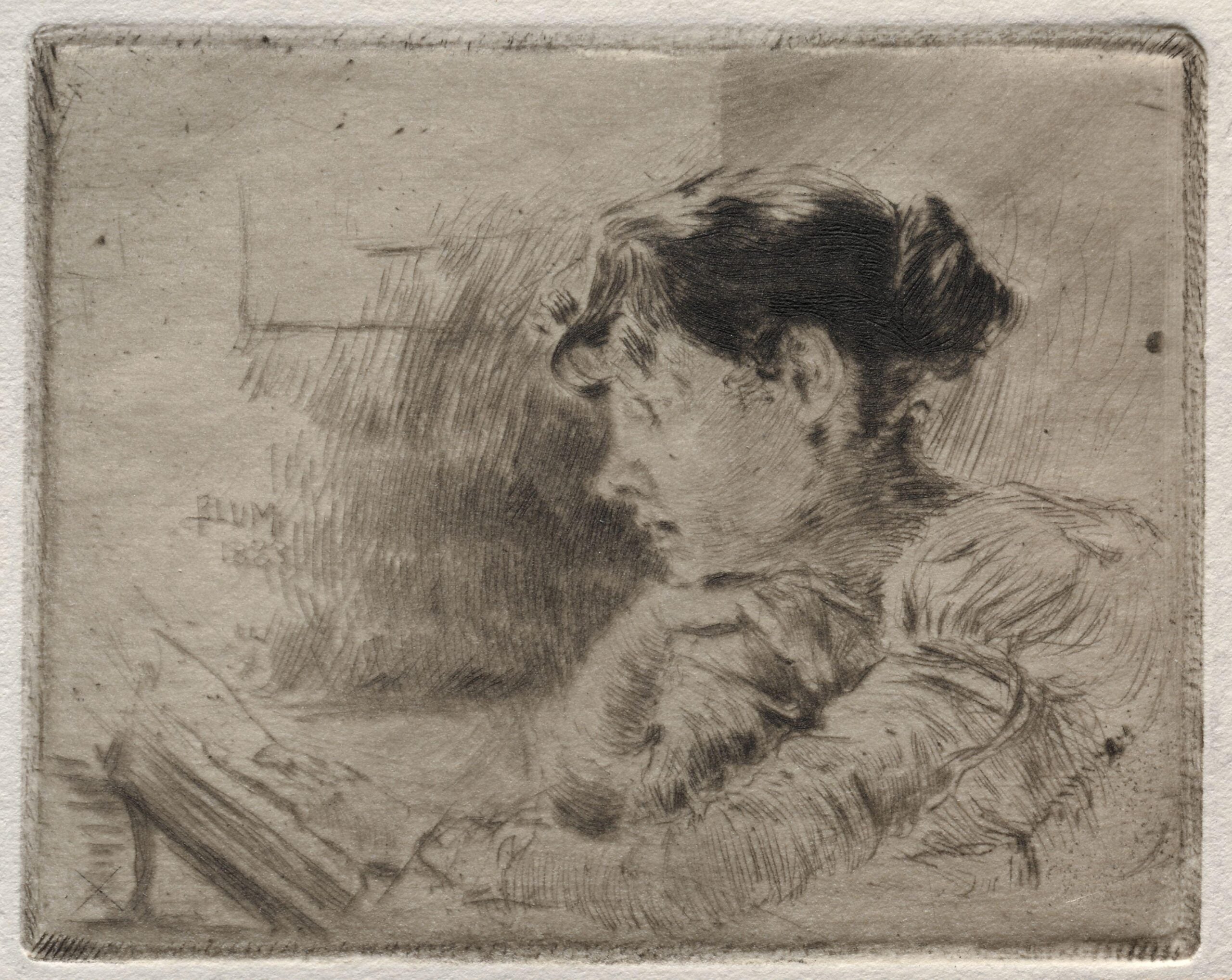
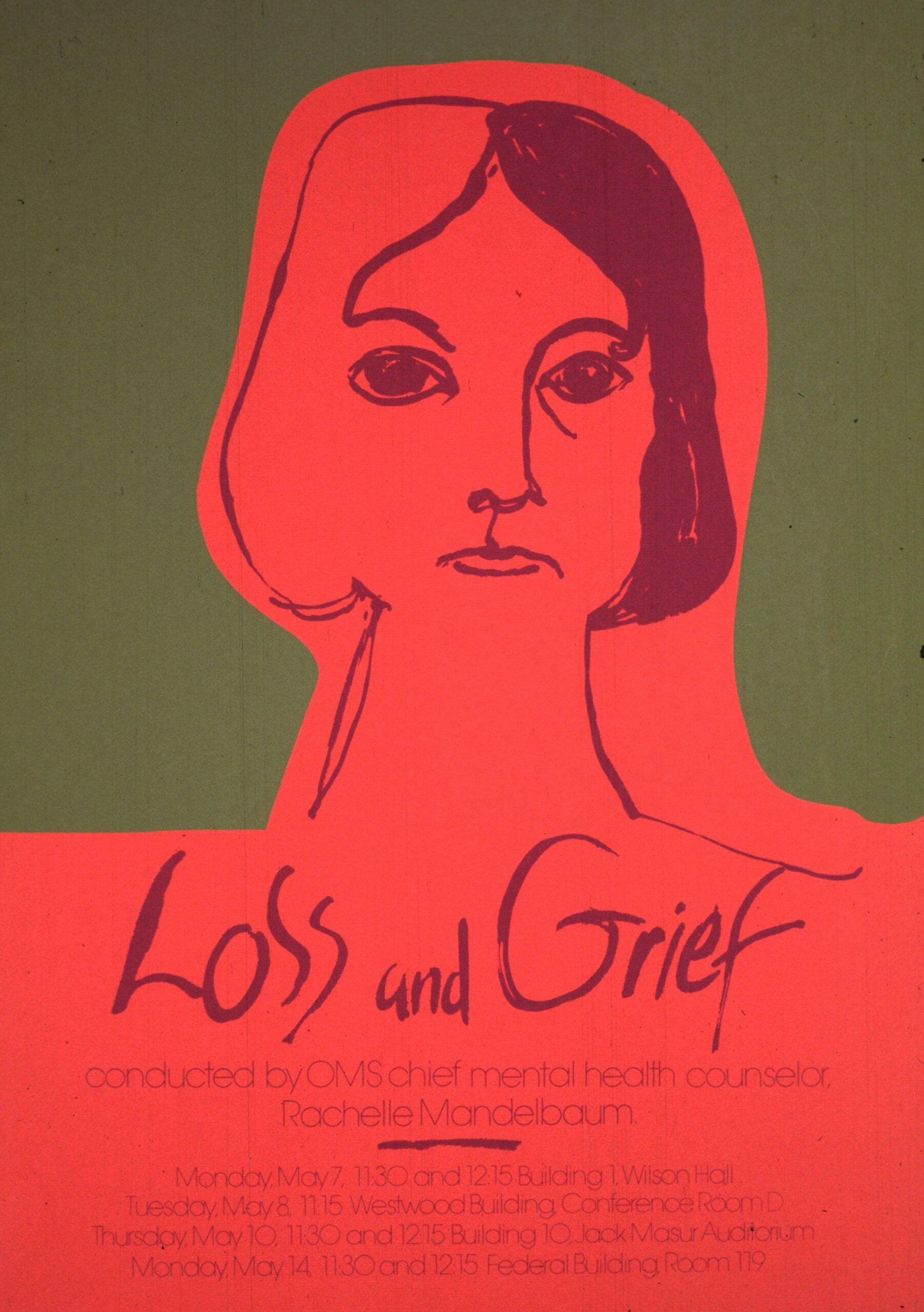
Explore the many ways grief is represented in art, archives, and personal expression. This blog post examines historical and contemporary depictions of mourning, from letters to lost loved ones to visual tributes like the AIDS Memorial Quilt, revealing how creative practices help us process loss.
-
Explore new Path to Open titles on JSTOR supporting teaching and research. View January 2025 releases and access options.
-
For 30 years, JSTOR has expanded access to knowledge through thoughtful, mission-driven choices. This journey has included key adjustments to ensure equity, sustainability, and continued support for research and education worldwide.
-
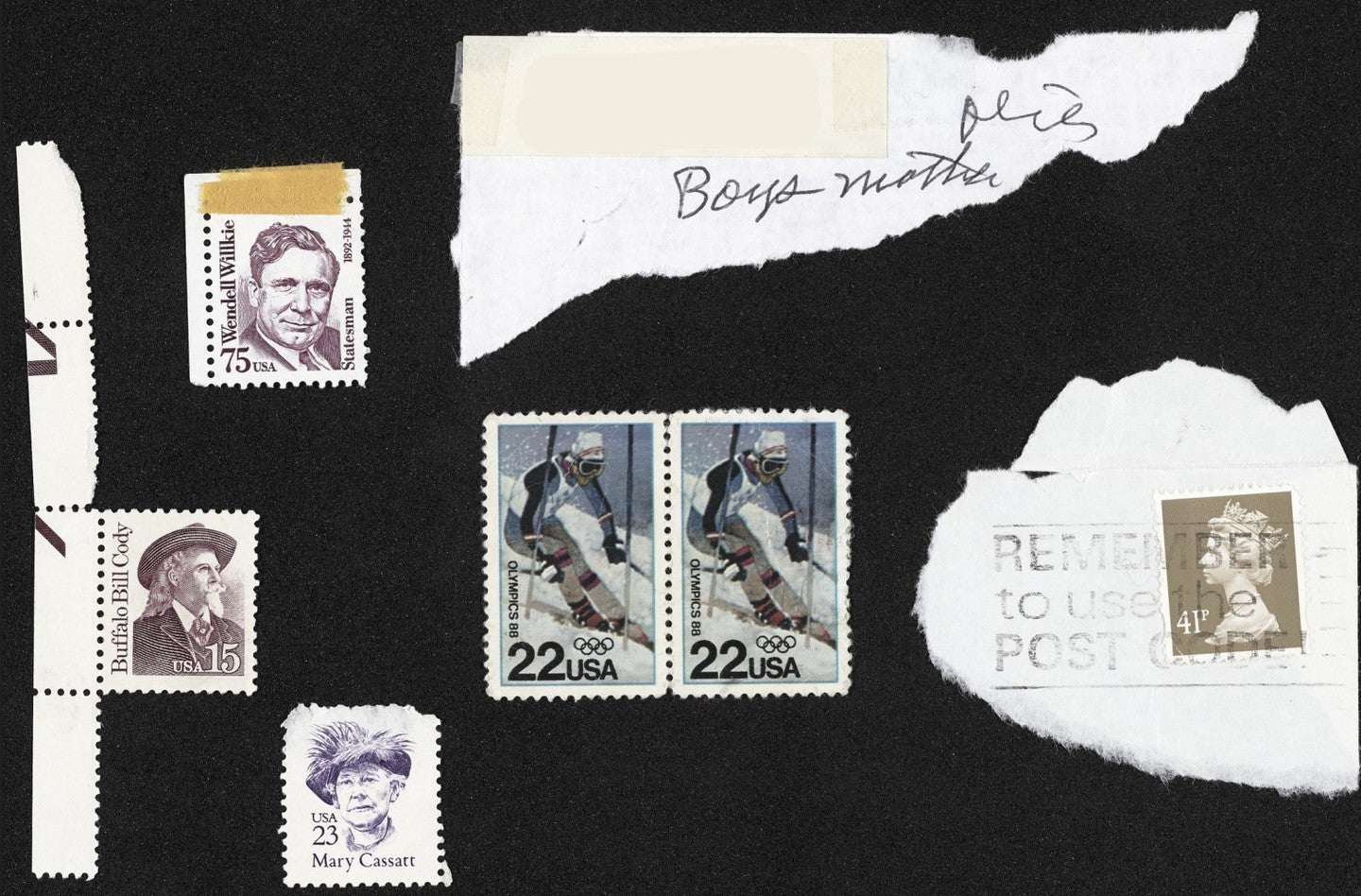
Highlighting key 2025 grant opportunities for libraries to digitize, preserve, and describe collections, including funding for audiovisual materials and community archives. Deadlines and award amounts vary, offering multiple pathways for support.
-
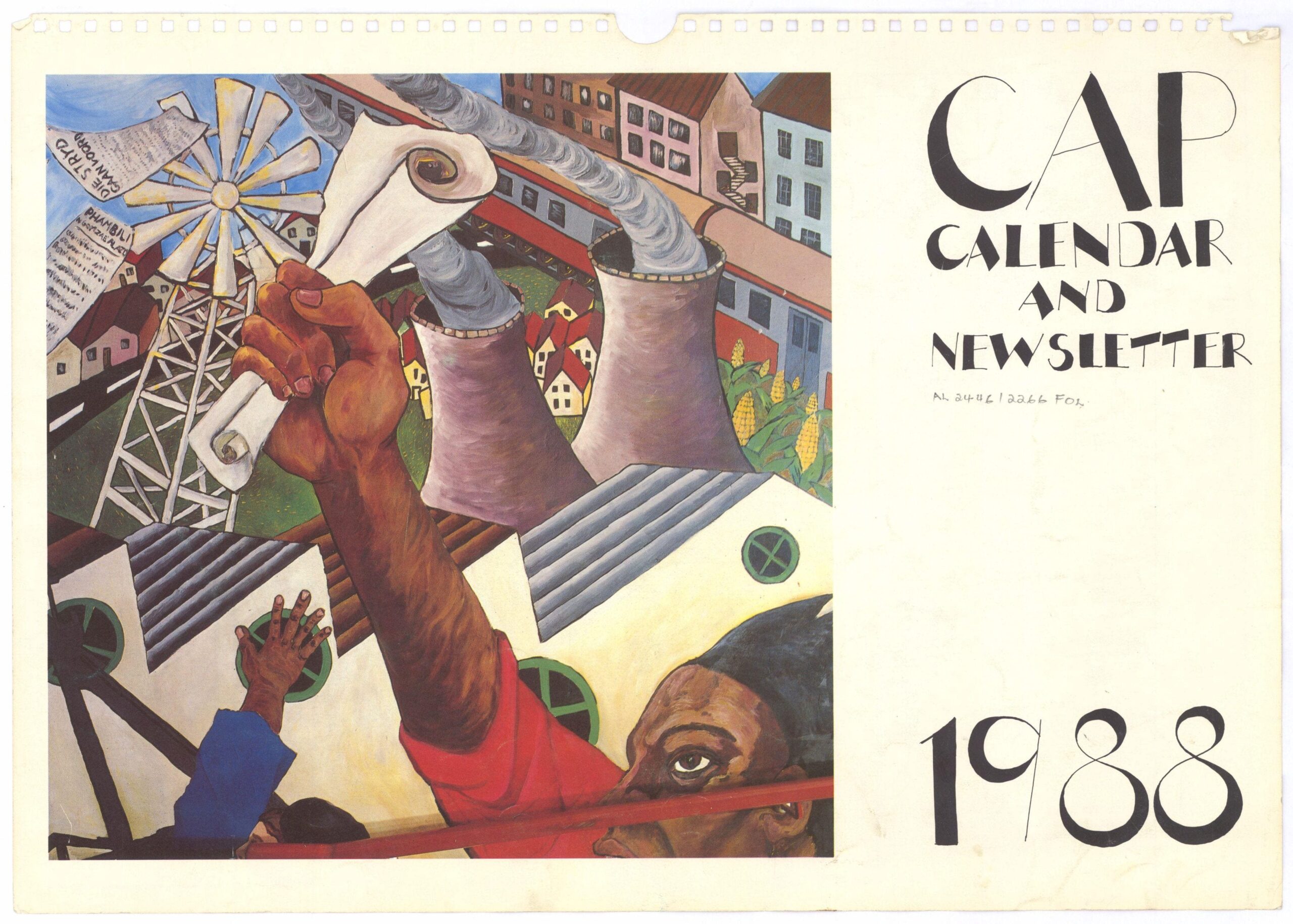
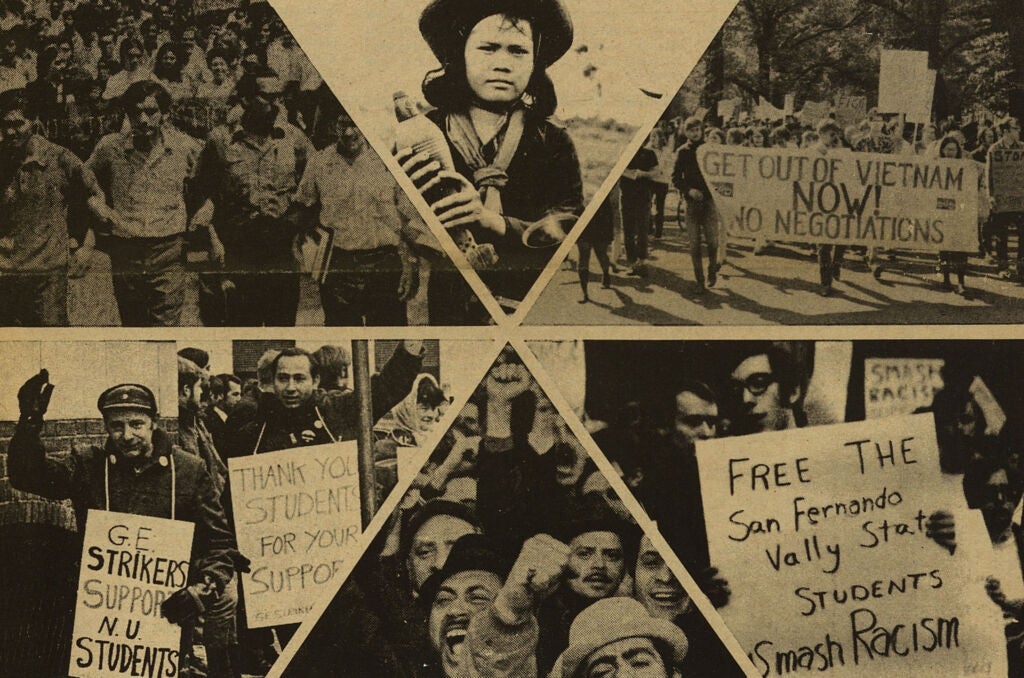
January’s highlights on JSTOR showcase the power of archives to preserve stories, from student activism and South African art to Montana’s rich history and groundbreaking scientific films.
-
Imagine having all your research articles, annotations, and highlights in one place, accessible from anywhere. With a personal JSTOR account, you’re not just accessing knowledge—you’re organizing, collaborating, and staying ahead in your field.
-
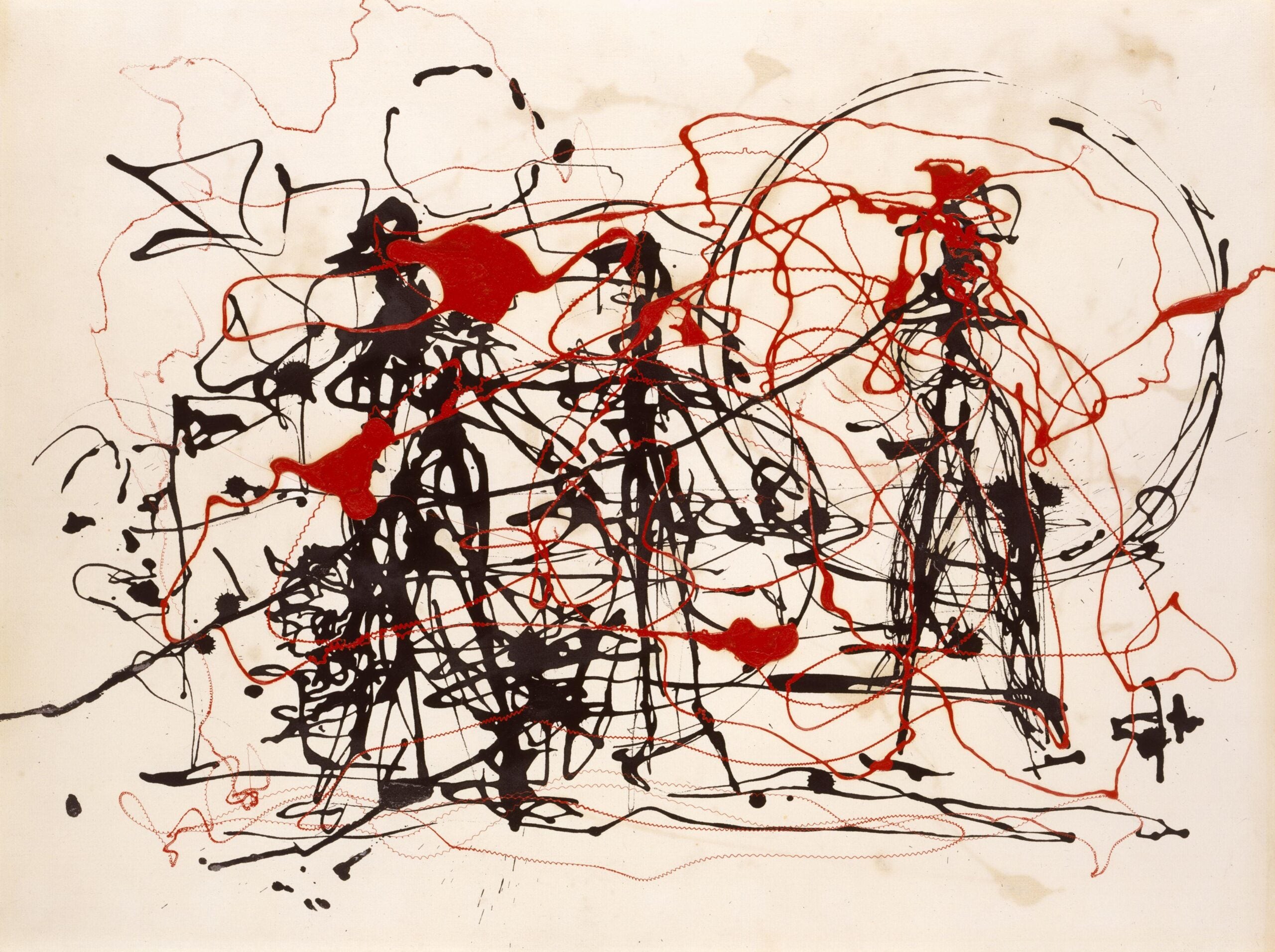
Accessible knowledge opens the door to education. In 2025, explore JSTOR’s open access collections, featuring art, photographs, and cultural archives that empower visual literacy and interdisciplinary discovery.







Sign up for updates
Never miss a thing. Get updates from JSTOR delivered straight to your inbox.
By signing up you agree to our Privacy Policy. You may unsubscribe at any time by clicking on the provided link on any marketing message.
"*" indicates required fields