
Research
-
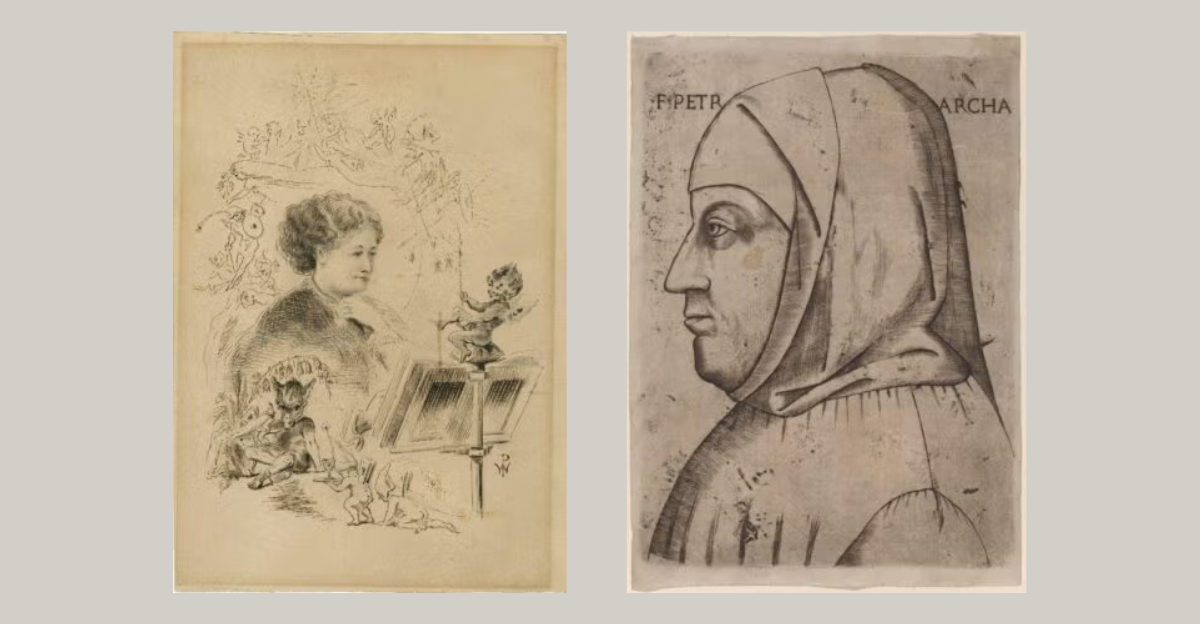
Explore how UC San Diego Library built a transformative 200,000-image digital collection for Artstor, its impact over two decades, and how the Visual Arts Legacy Collection enters a new chapter on JSTOR.
-
JSTOR Conversational Discovery GPT is a conversational research assistant that helps you discover trustworthy academic sources using natural language—grounded in JSTOR’s trusted scholarly content.
-
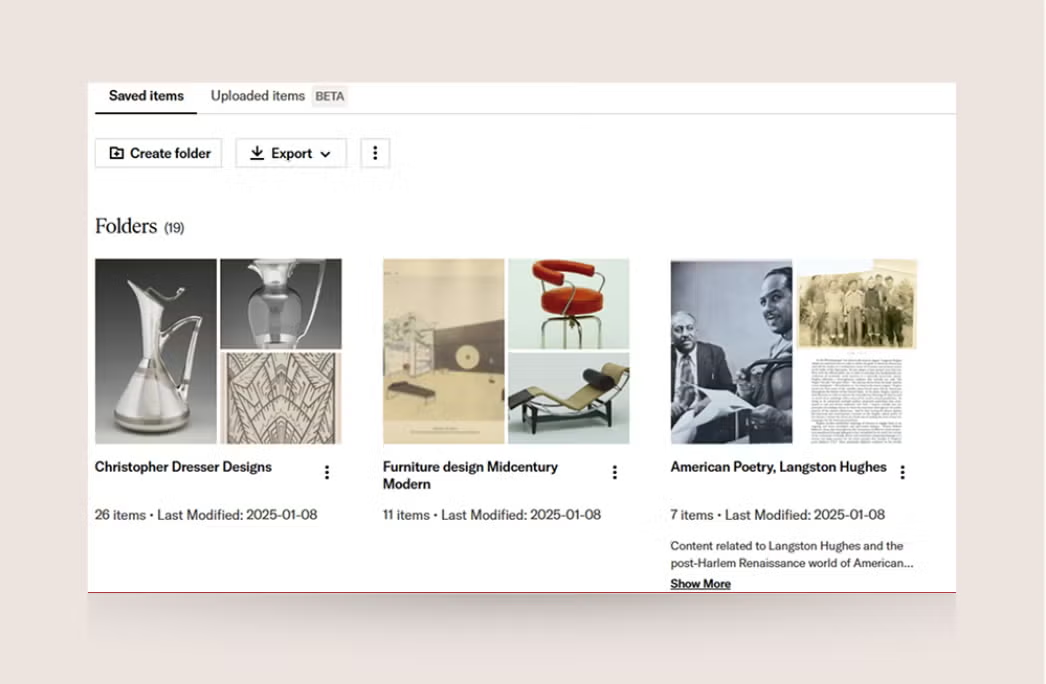
JSTOR Workspace is a free research environment where you can save, organize, annotate, share, and present materials from JSTOR or your own files—perfect for teaching, learning, and scholarly work.
-
Author Brian D. McLean argues that modern society is at a tipping point and answers with evidence. With JSTOR, he built a transparent, unbiased research process that verifies before it concludes.
-
Educators Bess Wilhelms and Steve Hermann use JSTOR’s AI research tool to save time, plan lessons, and boost student engagement through accurate, trusted insights.
-
For Yuimi Hlasten—both a librarian and international student—JSTOR’s AI research tool became a bridge to understanding. By helping her organize and synthesize sources efficiently, it allowed her to balance work and study while empowering students to find their academic voice.
-
When art historian and instructor Sienna Weldon discovered JSTOR’s Workspace, her research process transformed. What began as a simple bookmarking tool became a powerful, intuitive way to organize, annotate, and revisit materials—all in one place. Now, Sienna uses Workspace not only to streamline her own projects but also to empower students to approach research with…
-
Discover how JSTOR supports your academic work with trusted scholarly content, free and low-cost access options, and research tools that help you stay organized and build confidence.
-
Page
As a nonprofit, JSTOR is committed to equitable, sustainable access to knowledge. We partner with libraries, publishers, and institutions to make scholarship affordable, preserved, and accessible to all.
-
Explore JSTOR’s resources, tools, and services for librarians. Strengthen collections, support faculty and students, and steward your institution’s distinctive materials with confidence.
-
Explore the JSTOR platform—an interactive, nonprofit digital library offering journals, books, primary sources, images, and advanced research tools that support teaching and learning worldwide.
-
For educator and researcher Maria Rovito, JSTOR became more than a research tool—it became a bridge from isolation to connection. Drawing on JSTOR’s interdisciplinary collections, Maria helps students trace the evolution of medical and cultural ideas while reimagining research as a collective act of care.
-
JSTOR is a nonprofit digital library advancing global access to knowledge through trusted research, teaching resources, and digital stewardship services.
-
Discover what’s captivating scholars across disciplines on JSTOR. From art and history to sociology and political science, we’re spotlighting the most-read academic ebooks—plus editor-recommended titles shaping today’s academic conversations.
-
PhD candidate and art historian Connie Robles shares how JSTOR’s Workspace became her essential hub for organizing research, citations, and teaching materials. By integrating articles and images in one flexible, intuitive space, Workspace helps researchers and educators stay organized, save time, and inspire students to develop strong digital research skills.
-
This webinar is appropriate for those teaching with images and other primary source content, or working with those who do. It presumes a basic knowledge of the JSTOR platform.
-
This webinar is appropriate for library professionals and faculty who are responsible for teaching and doing research on a more advanced level. It presumes a basic understanding of the JSTOR platform as discussed in the introductory webinar.
-
In this webinar, you’ll learn how to explore primary sources from contributing collections including text, image, audio and video files, as well as examine secondary source content with the JSTOR Research Tool.
-
Developed by John Guillory and Scott Newstok, the Close Reading Archive reimagines the history of literary interpretation through a rich, searchable database built with JSTOR’s research infrastructure.
-
JSTOR’s AI-powered research tool enables users to quickly identify key points within scholarly texts, discover new topics and content, and query for deeper engagement.
-
What would your classroom look like if students engaged with knowledge as detectives rather than passive readers? The answers lie in digital primary sources. And education depends on how we use them.
-
Discover how secondary school teacher Madeleine Champagnie integrates JSTOR’s research tool into her English classroom to make scholarly research more accessible, inclusive, and efficient.
-
Let’s take a time machine—right at your fingertips—with digital primary sources. Developing digital literacy and primary source analysis skills is essential in higher education, equipping learners not only for academia but also for careers in research, journalism, policy, and beyond.
-
Primary sources offer direct, unfiltered access to the voices, images, and documents that shape our understanding of the world and its history. And yet, despite their value, primary source literacy remains an ongoing challenge in higher education.
-
Learn how to contribute your teaching, research, or library expertise to the JSTOR Blog or JSTOR Daily. Share innovative ideas, inspire peers, and earn compensation for your published work.
-
JSTOR’s interactive research tool allows users to actively engage with texts by asking questions directly within the tool. Based on user feedback, we created this guide to help you get the most out of this feature. We’ll explore how asking the right types of questions can help you quickly find relevant content, understand complex arguments,…
-
Explore JSTOR’s powerful platform features—AI-assisted discovery, Workspace, text analysis, image tools, multimedia, and teaching resources designed to advance learning and research.
-
Streamline research, gain metadata insights, and boost student success with JSTOR’s interactive research tool. We’ve designed its new features and enhancements to elevate your research experience.
-
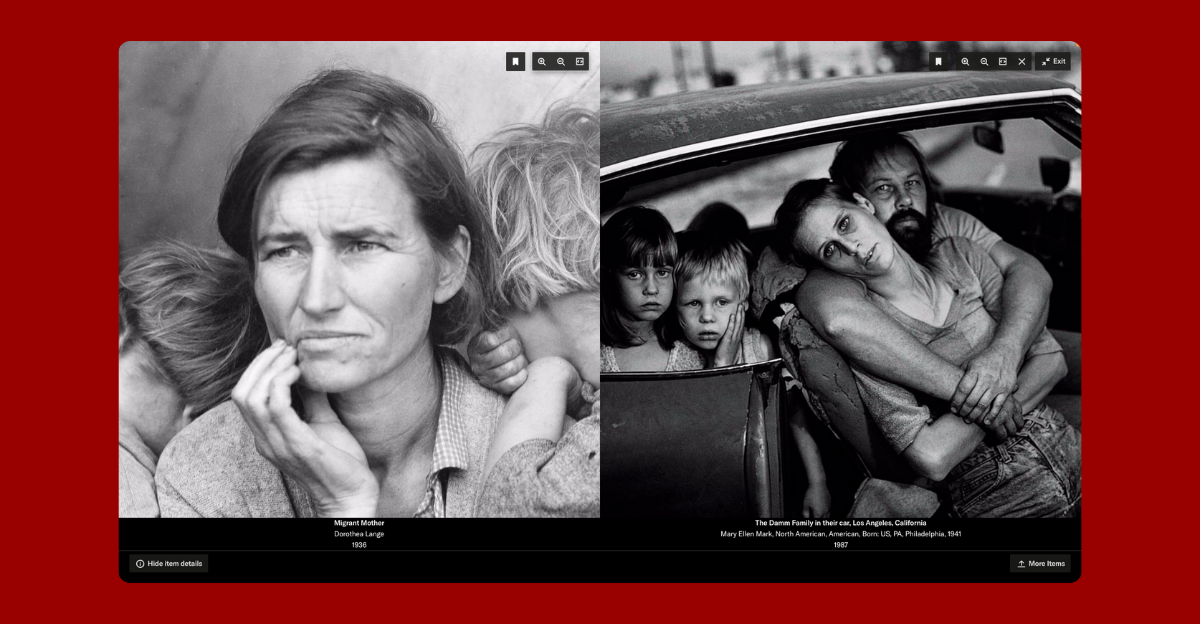
Explore the many ways grief is represented in art, archives, and personal expression. This blog post examines historical and contemporary depictions of mourning, from letters to lost loved ones to visual tributes like the AIDS Memorial Quilt, revealing how creative practices help us process loss.
-
Imagine having all your research articles, annotations, and highlights in one place, accessible from anywhere. With a personal JSTOR account, you’re not just accessing knowledge—you’re organizing, collaborating, and staying ahead in your field.












Sign up for updates
Never miss a thing. Get updates from JSTOR delivered straight to your inbox.
By signing up you agree to our Privacy Policy. You may unsubscribe at any time by clicking on the provided link on any marketing message.
"*" indicates required fields