
What’s on JSTOR
JSTOR brings together peer‑reviewed journals, scholarly ebooks, primary sources, and millions of images on one trusted platform. As a nonprofit partner to libraries, museums, and publishers, we curate and preserve content so links remain stable, and citations stay reliable.
You can use JSTOR to support teaching, power research, and give learners reliable paths from ideas to evidence.
12M+
Academic journal articles
158K+
Scholarly books
2M+
Images and multimedia items
Explore JSTOR collections
Open and free content
Find journals, books, and primary sources that anyone can read and share. This includes Reveal Digital collections, books included in our Path to Open program, and Open Artstor images. JSTOR lets you use stable links in syllabi, guides, and outreach.
Journals
Search a vast archive of 2,800+ academic journals across the humanities, social sciences, and sciences. Coverage often extends to first issues, and is preserved for long‑term access. Stable URLs and rich citation data make assigning readings and building bibliographies straightforward for courses and research projects.
Books
Books at JSTOR features 158,000+ DRM-free academic ebooks from 340+ scholarly publishers, including 13,000+ open access titles. Chapters appear in search alongside related articles, images, and primary sources, so readers can move quickly from overview to supporting evidence. With reliable linking to simplify course adoption and research workflows.
Primary sources
Work with rare and unique materials from libraries, archives, and museums, preserved for the long term, and discoverable alongside secondary sources on the same platform.
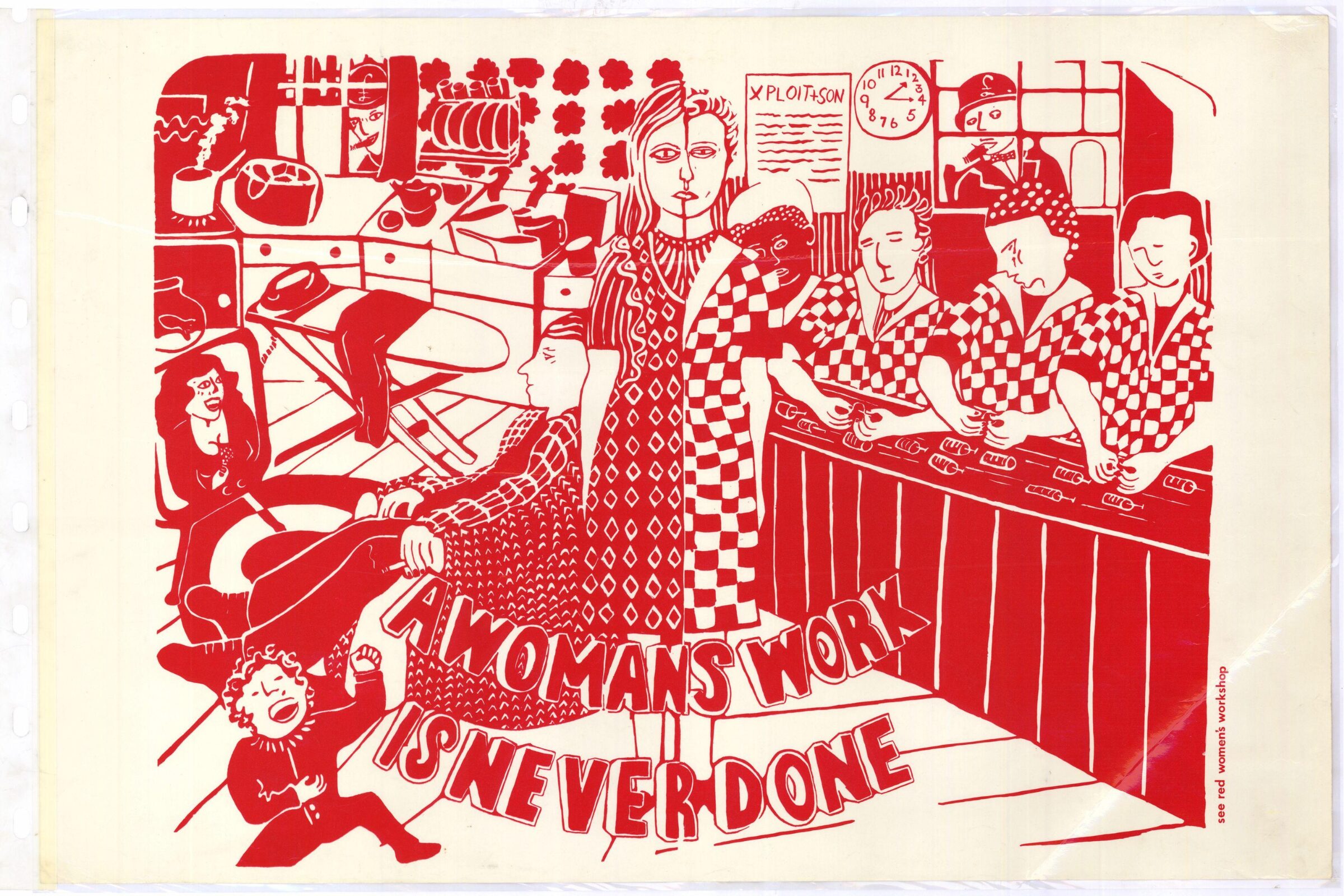
Licensed primary source collections
Curated collections including Global Plants, 19th Century British Pamphlets, Struggles for Freedom: Southern Africa, and World Heritage Sites: Africa are produced with libraries, archives, and publishers for advanced coursework and scholarship.
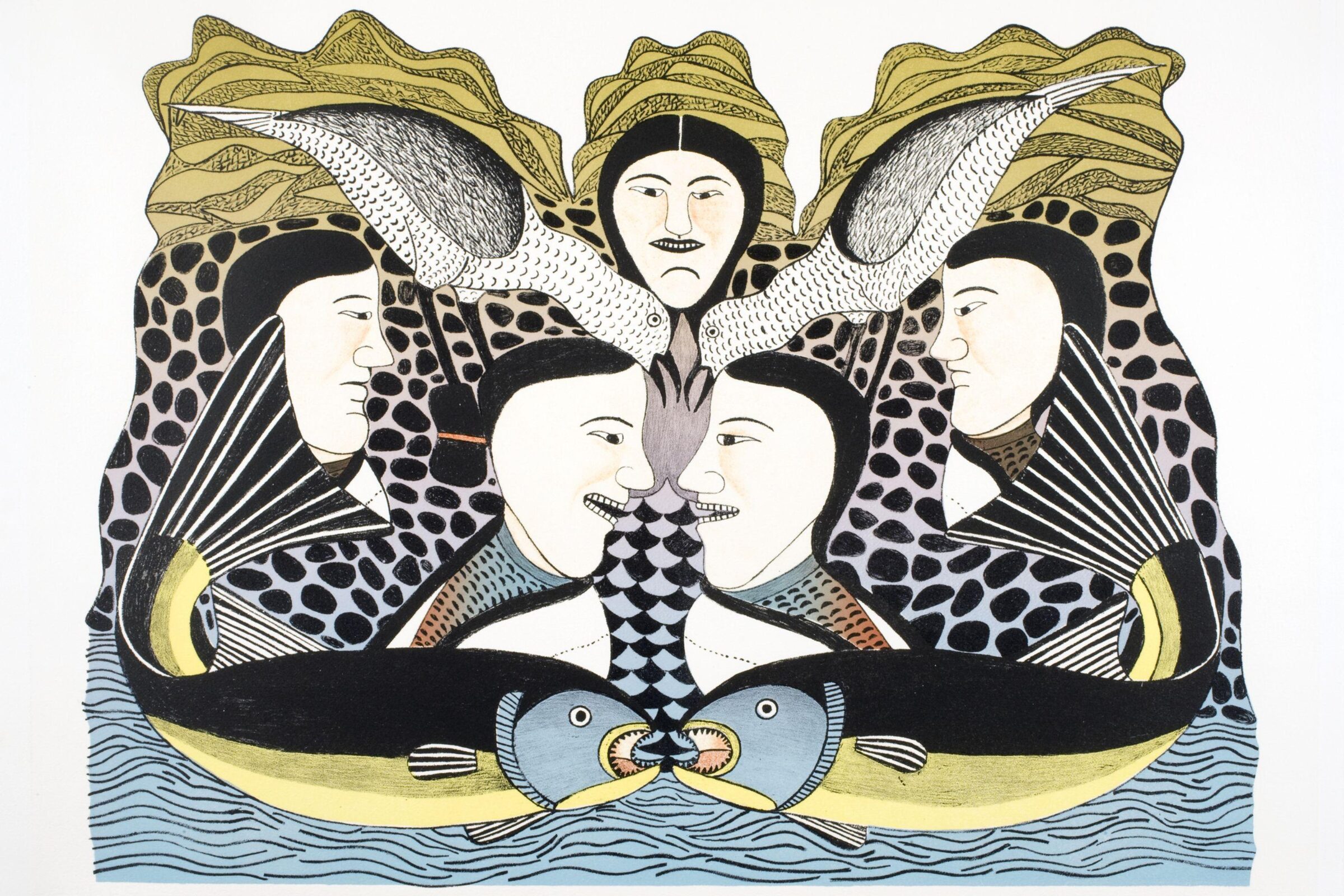
Shared collections
Community‑contributed collections hosted by partner institutions through JSTOR’s Digital Stewardship Services, featuring images, rare books, ephemera, and more. These collections increase the reach of campus and regional history and unique archives.
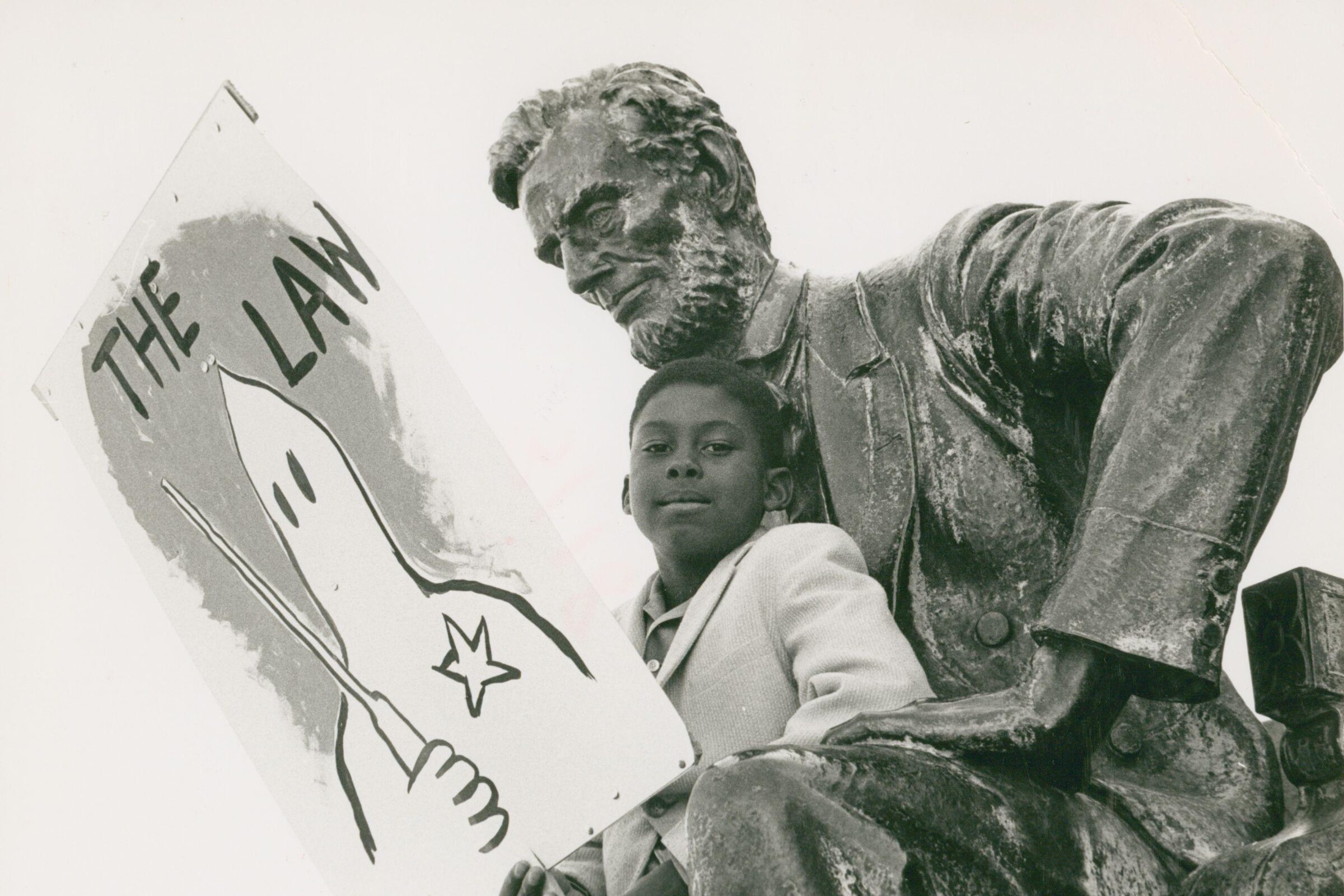
Reveal Digital
Open access collections centering on underrepresented 20th-century voices of dissent. Projects are guided and funded by a community of libraries and archives, and new material is made available over time.
Images
Access 2+ million high-quality images from museums, archives, and scholarly collections worldwide. Each record includes source and rights information for education. Search images together with text to build visual context and stronger arguments.
Research reports
Read 80,000+ open access research reports written by scholars and subject experts from 187 think tanks. The reports distill emerging scholarship into clear overviews that support literature reviews, policy context, and classroom discussion.
Explore all that’s available on JSTOR
See the full breadth of JSTOR’s collections and tools on a single platform for research and instruction. Start searching now or review options for libraries and educators.
Research and teaching tools
JSTOR includes tools that help learners organize work and help instructors design effective assignments.
Save and annotate items in Workspace, explore ideas with an AI research tool that cites its sources, and connect available metadata for text analysis projects.
In practice
Learn how libraries, educators, and students use JSTOR to connect knowledge and inspire discovery.
How The Evergreen State College modernized digital stewardship with JSTOR
Facing growing preservation needs and limited staff capacity, Evergreen State College migrated from Omeka to JSTOR Digital Stewardship Services for sustainable, long-term stewardship.
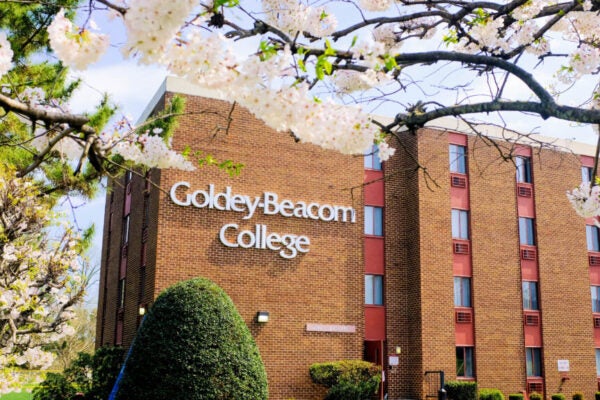
“AI drafts, people decide”: How Goldey-Beacom College scales archival access and enriches student learning with JSTOR Seeklight
Goldey-Beacom College used JSTOR Seeklight to scale archival metadata creation with AI and human oversight—unlocking hidden collections while building student AI literacy.
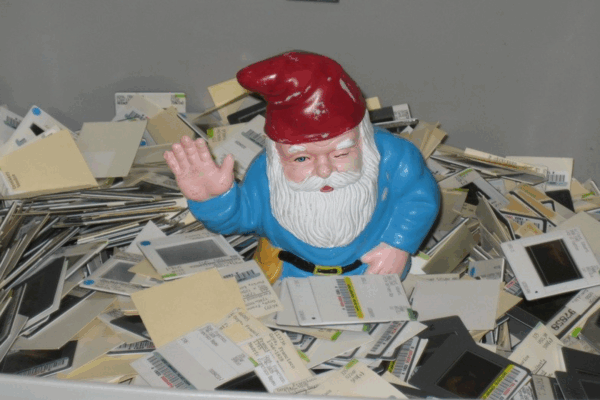
Charting the course of digital art history: University of California San Diego Library from Artstor to JSTOR
Explore how UC San Diego Library built a transformative 200,000-image digital collection for Artstor, its impact over two decades, and how the Visual Arts Legacy Collection enters a new chapter on JSTOR.
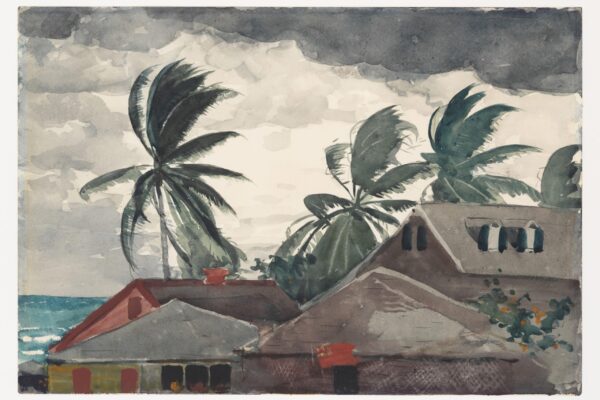
How Brian D. McLean wrote Our Global Crisis with cross-disciplinary research and JSTOR
Author Brian D. McLean argues that modern society is at a tipping point and answers with evidence. With JSTOR, he built a transparent, unbiased research process that verifies before it concludes.
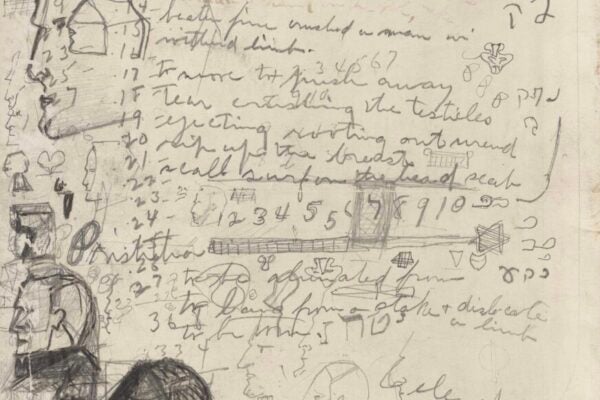
Moving beyond DIY: How Vanderbilt and UDC scaled stewardship with JSTOR
Vanderbilt University and the University of the District of Columbia moved from self-hosted systems to JSTOR Digital Stewardship Services, transforming digital stewardship from a technical challenge into a scalable, mission-driven practice.
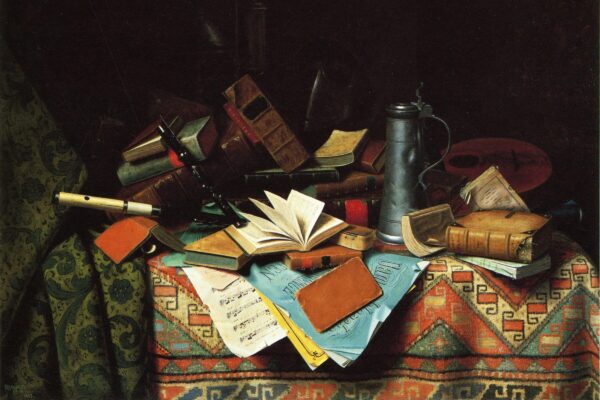
Your time constraints are our concern: How JSTOR’s AI research tool maximizes efficiency
Educators Bess Wilhelms and Steve Hermann use JSTOR’s AI research tool to save time, plan lessons, and boost student engagement through accurate, trusted insights.
Access everything JSTOR has to offer
JSTOR provides trusted, interdisciplinary content and research technologies designed to support research, teaching, and discovery across your institution. Complete the form to discuss options tailored to your needs.
Get JSTOR for your institution
Start your JSTOR journey
Ready to enhance research and teaching at your institution? Connect with us to explore JSTOR’s collections, tools, and flexible access options.
View image credits from this page
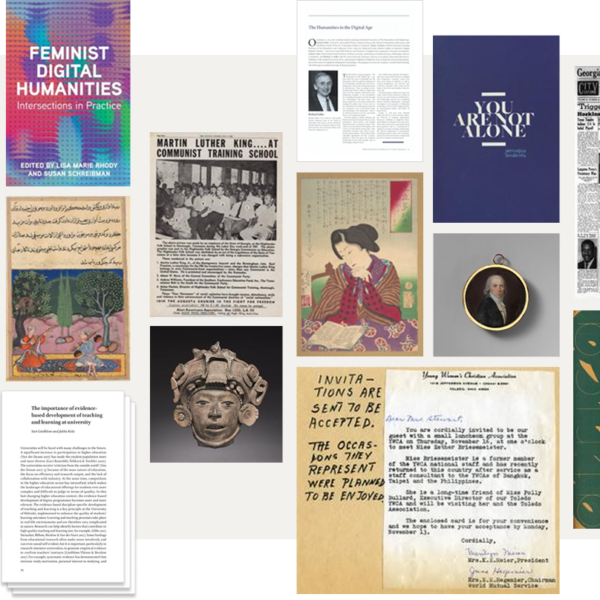
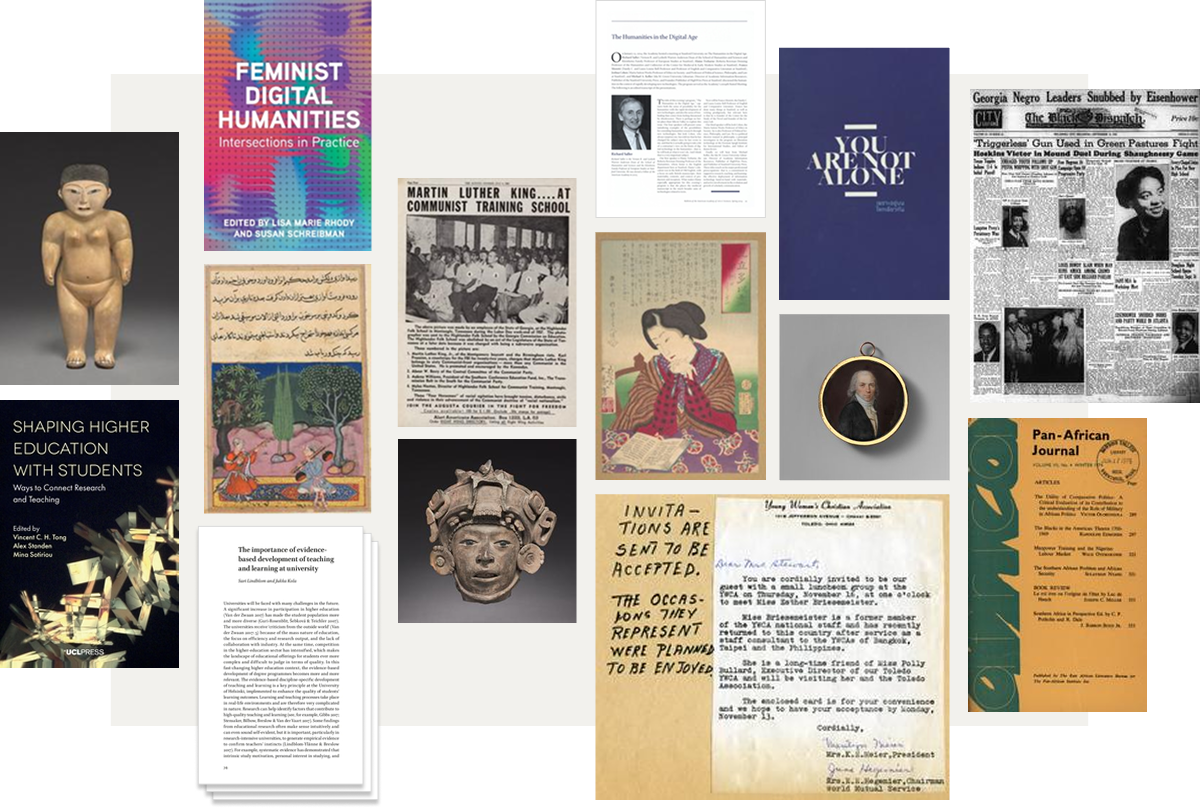
Peruvian. Female Figure. 100 BC-700. Part of Open: The Cleveland Museum of Art, Artstor. https://www.jstor.org/stable/community.24621028.
Vincent C. H. Tong, Alex Standen, and Mina Sotiriou, eds. Shaping Higher Education with Students. Published March 6, 2018. https://doi.org/10.2307/j.ctt21c4tcm.
Lisa Marie Rhody and Susan Schreibman, eds. Feminist Digital Humanities: Intersections in Practice. University of Illinois Press, 2025.
The Invention of Musical Instruments from the Intestines of a Monkey, from a Tuti-Nama (Tales of a Parrot): Fourteenth Night. Tuti-Nama (Tales of a Parrot). c. 1560. Part of Open: The Cleveland Museum of Art, Artstor. https://www.jstor.org/stable/community.24605543.
Sari Lindblom and Jukka Kola. “The Importance of Evidence–Based Development of Teaching and Learning at University.” In Places of Engagement: Reflections on Higher Education in 2040 – A Global Approach, edited by Armand Heijnen and Rob van der Vaart, 76–81. Amsterdam University Press, 2018. https://doi.org/10.2307/j.ctvfjd0xs.14.
Alert Americans Association Broadside “Martin Luther King…At Communist Training School”, 1963 July 8, Item 01. Documents. Alert Americans Association Broadside “Martin Luther King…At Communist Training School”, 1963 July 8, 1963. Part of Alert Americans Association broadside “Martin Luther King…At Communist Training School” (Atlanta History Center), “Series: African American,” Behind the Scenes of the Civil Rights Movements, Reveal Digital. https://jstor.org/stable/community.35562234.
Mexican. Head. c. 600–900. Part of Open: The Cleveland Museum of Art, Artstor. https://www.jstor.org/stable/community.24588724.
Richard Saller, Elaine Treharne, Franco Moretti, Joshua Cohen, and Michael A. Keller. “The Humanities in the Digital Age.” Bulletin of the American Academy of Arts and Sciences 67, no. 3 (2014): 25–35. https://www.jstor.org/stable/26406523.
Tsukioka Yoshitoshi. Collection of Desires, Wish for Foreign Travel (Mitate Tai Zukushi-Yōkō Ga Shitai). January, 1878. Part of Open: The Metropolitan Museum of Art, Artstor. https://www.jstor.org/stable/community.18692978.
Hilde Teerlinck, Irena Aristizabal, and Pichaya Suphavanij. “You Are Not Alone,” Exhibition Catalogue, Bangkok Arts and Cultural Centre. Catalogs. Bangkok, Thailand: Bangkok Arts and Culture Centre, 2012. https://www.jstor.org/stable/community.37908549.
Jeanne Philiberte Ledoux. Portrait of a Man. ca. 1790. Part of Open: The Metropolitan Museum of Art, Artstor. https://www.jstor.org/stable/community.18629792.
“Pan-African Journal.” Pan-African Journal 9, no. 3 (January 1, 1976). https://jstor.org/stable/community.39990673.
“The Black Dispatch.” Black Dispatch, The 38, no. 4 (February 9, 1952). https://jstor.org/stable/community.38788036.
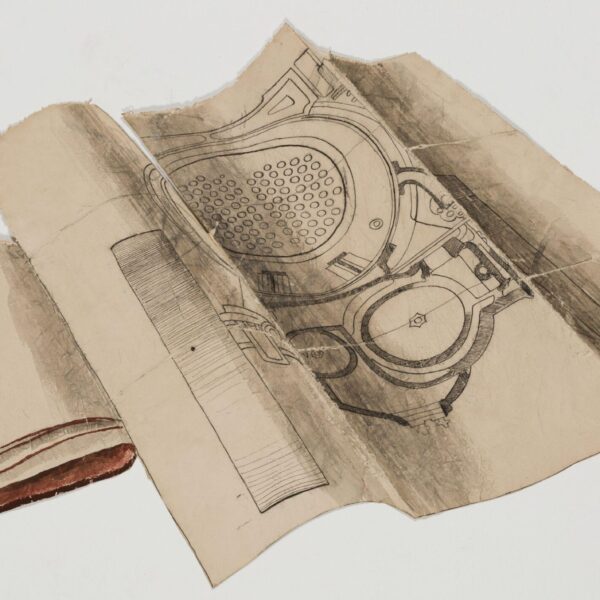
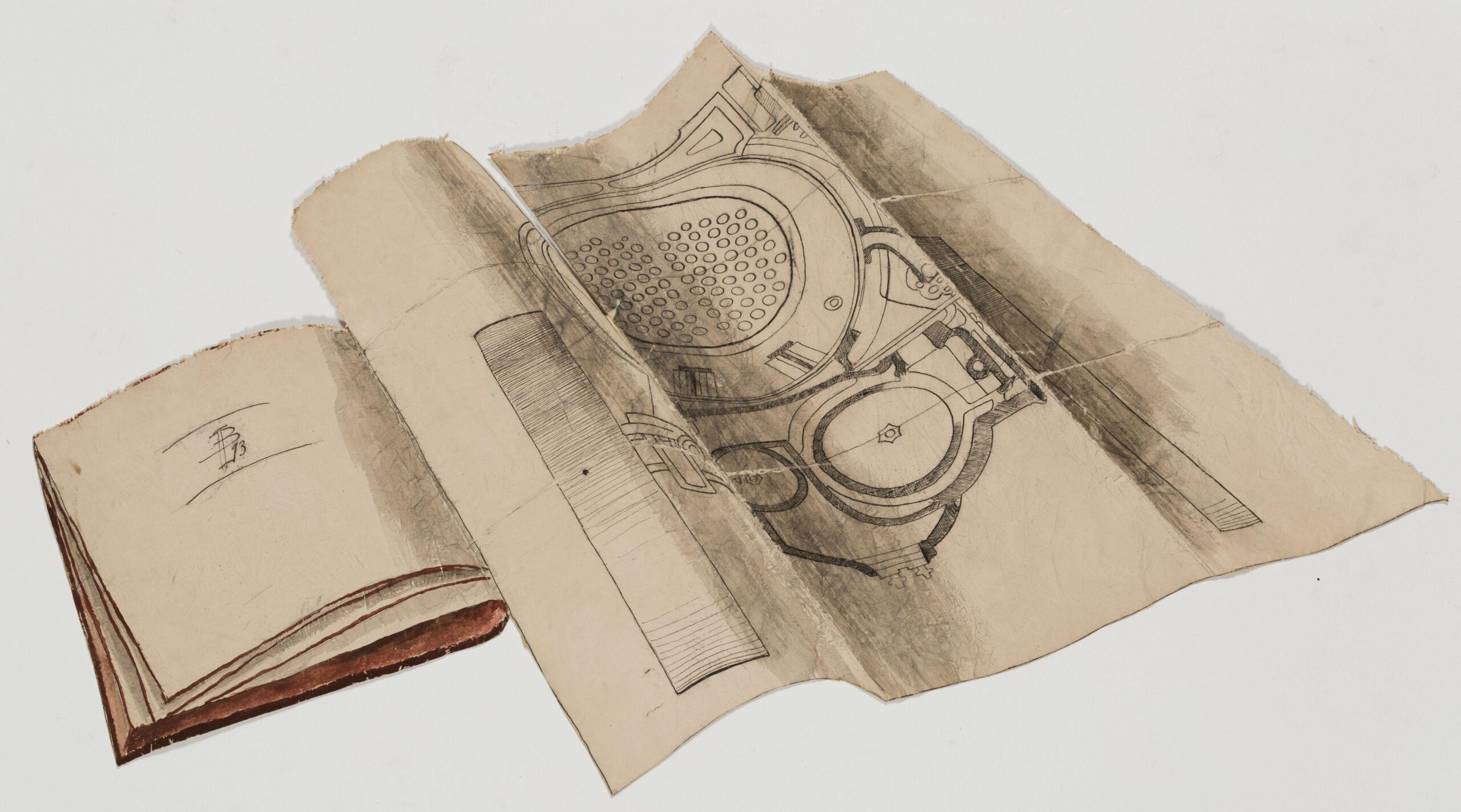
Ion Bitzan. Carte Cu Desen Tehnic. 1993. Part of Open: Ion Bitzan, Artstor.
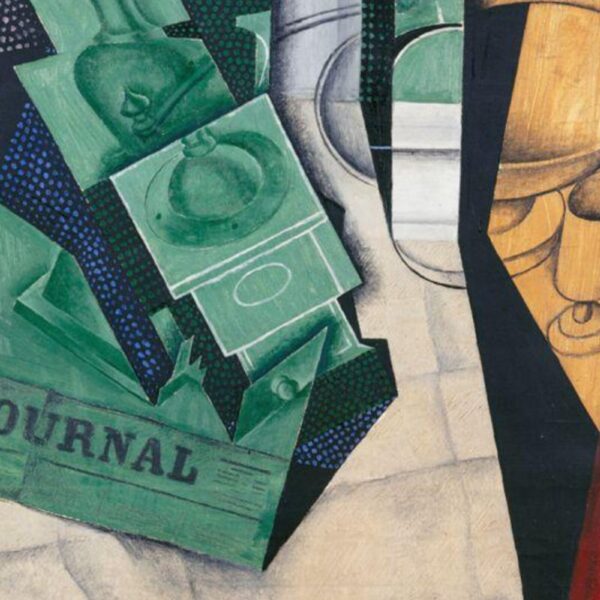
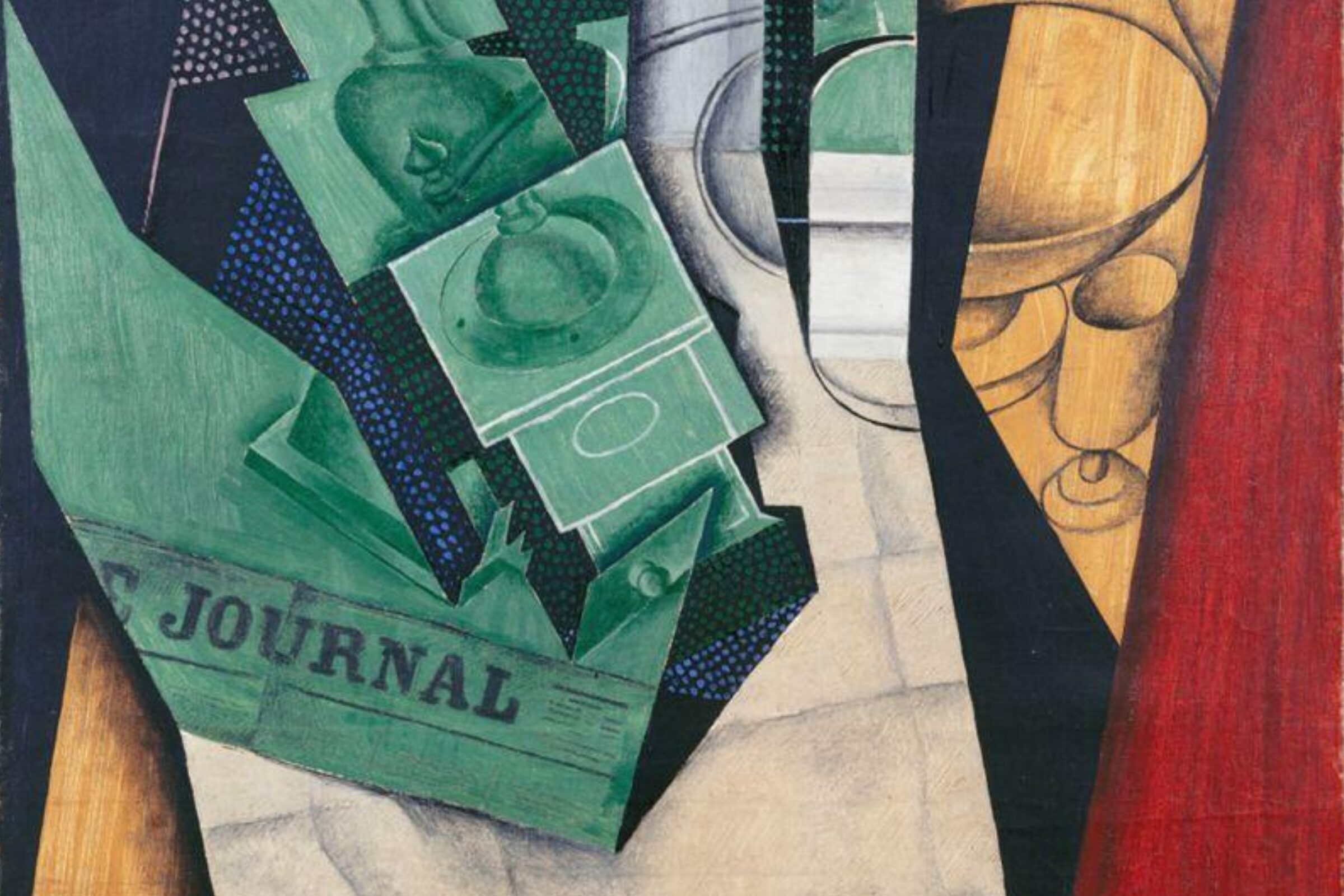
Juan Gris. Detail: Breakfast (Le Petit Déjeuner). October 1915. Part of Réunion des Musées Nationaux (RMN), Artstor.
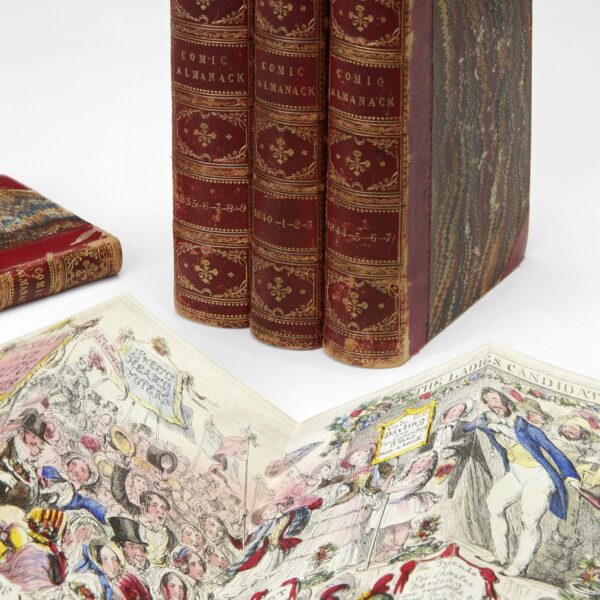
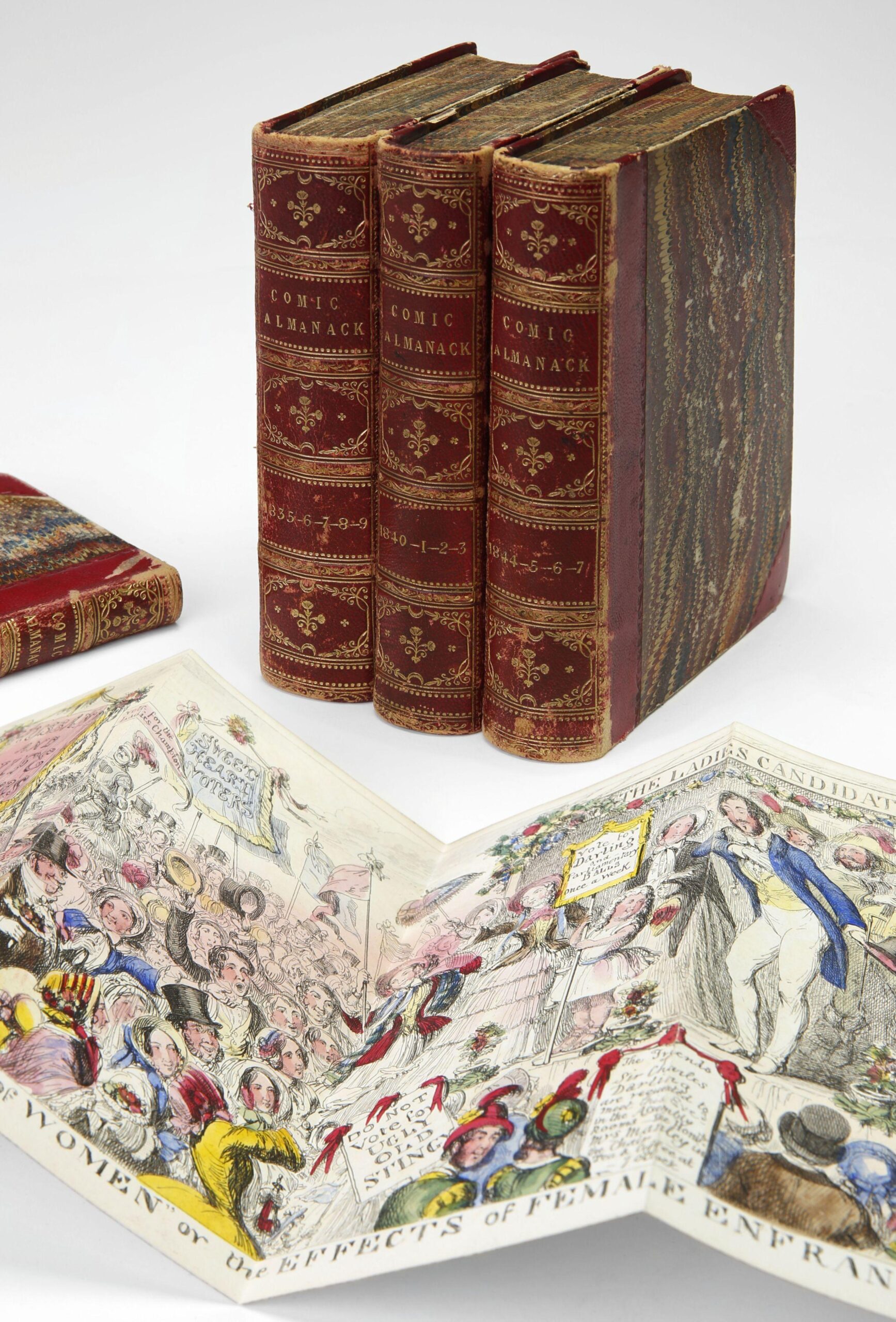
George Cruikshank. Comic Almanack : An Ephemeris in Jest and Earnest, Containing “All Things Fitting for Such a Work.” 1835-1853. Part of George Cruikshank (from the Norman M. Fox Collection of Illustrated Books), Skidmore College.
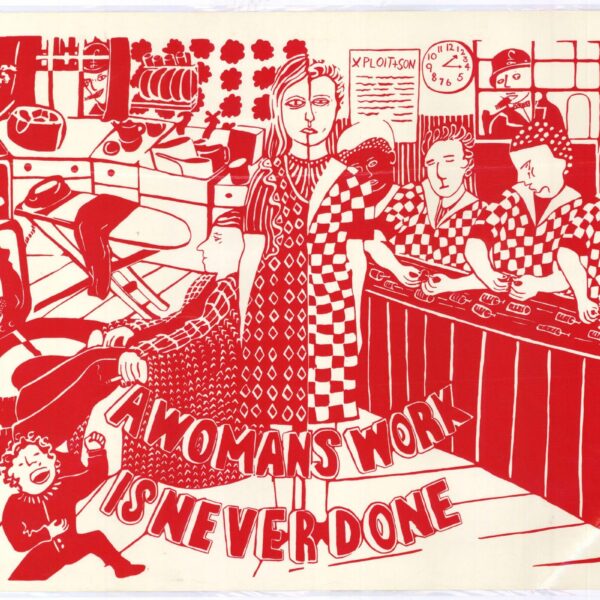
A Woman’s Work Is Never Done. n.d. Part of South African History Archive Posters, Struggles for Freedom: Southern Africa.
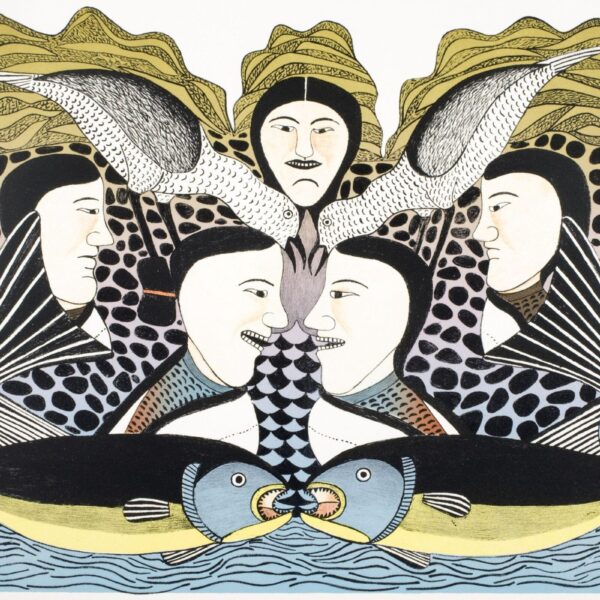
Kenojuak Ashevak and Aoudla Pudlat (printer). Women Speak of Spring Fishing. 1991. Part of Canadian Inuit Prints, Drawings, and Carvings, St. Lawrence University.
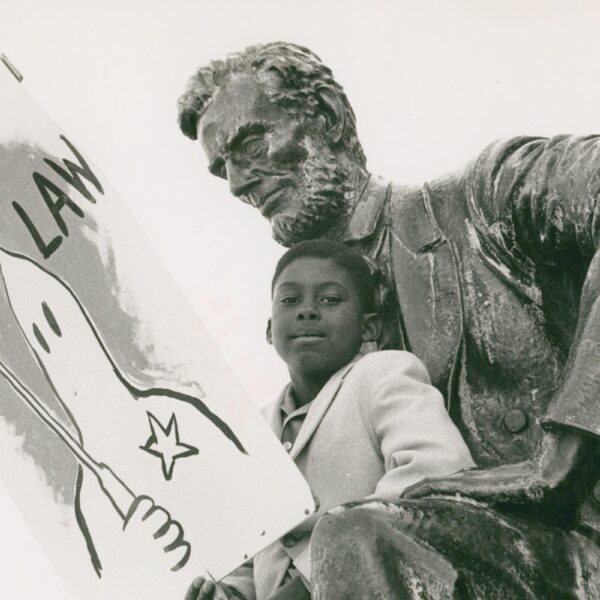
Phiz Mezey. Child Holding Picket Sign While Sitting on the Lap of Lincoln Monument Outside City Hall. January 1, 1963. Part of Phiz Mezey Photographs and Papers (San Francisco History Center, San Francisco Public Library), Behind the Scenes of the Civil Rights Movements, Reveal Digital.

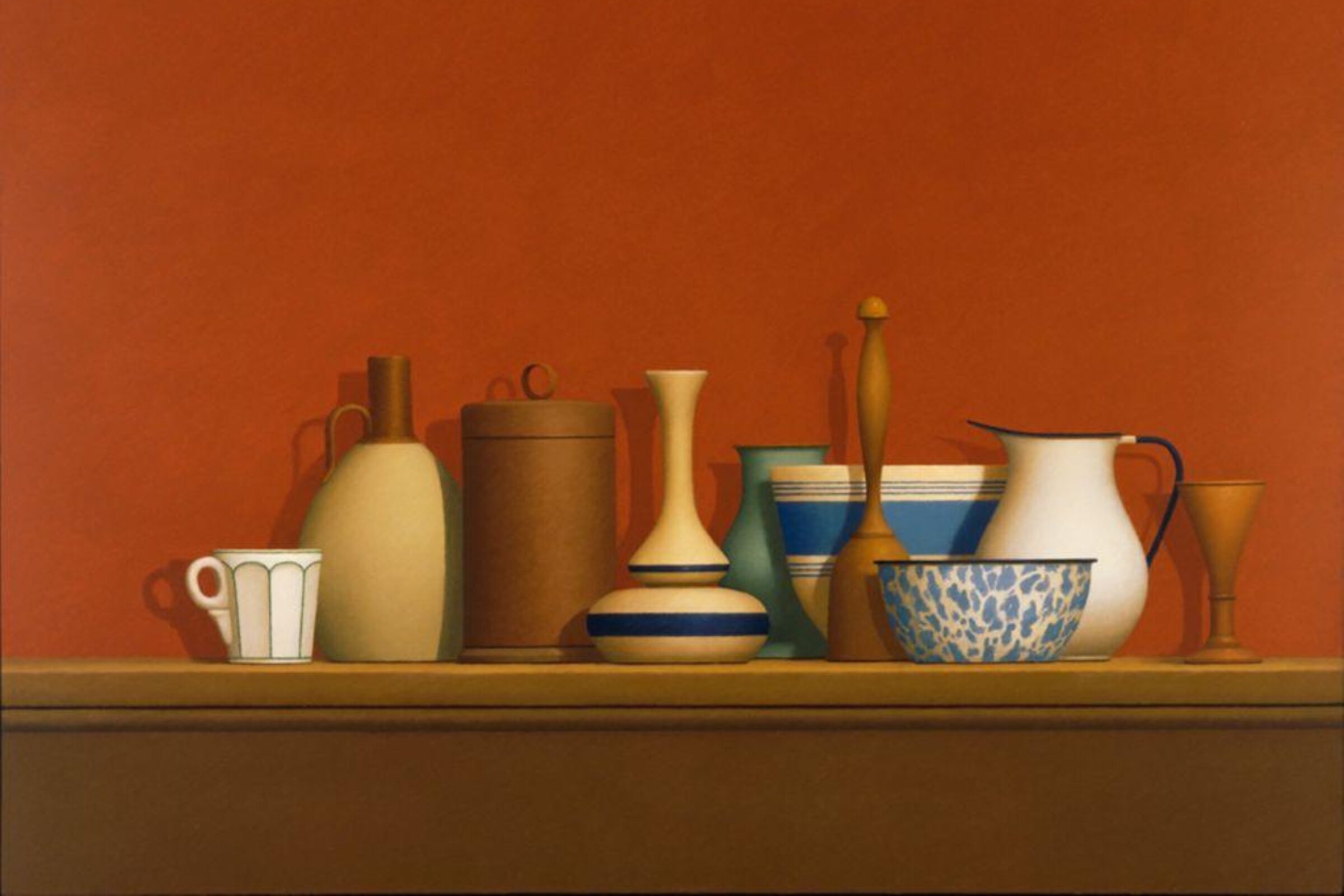
William Bailey. Mercatale Still Life. 1981. Part of The Museum of Modern Art: Painting and Sculpture, Artstor.
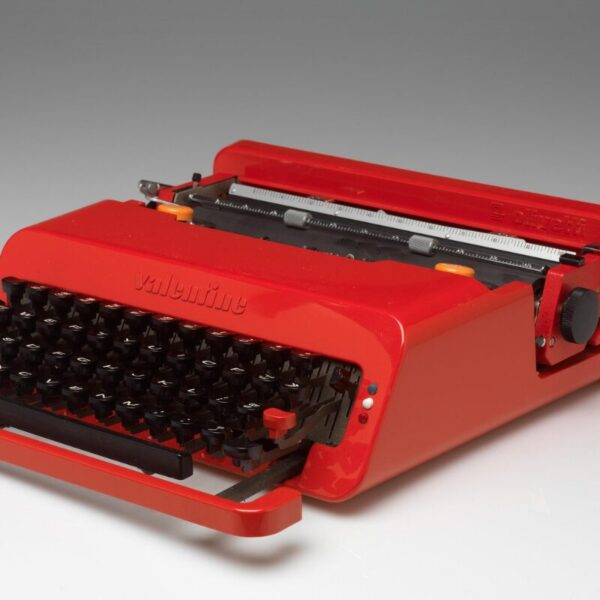
Ettore Sottsass, Jr. and Perry A. King. Valentine Portable Typewriter and Case. 1969. Part of RISD Museum (Rhode Island School of Design), Artstor.
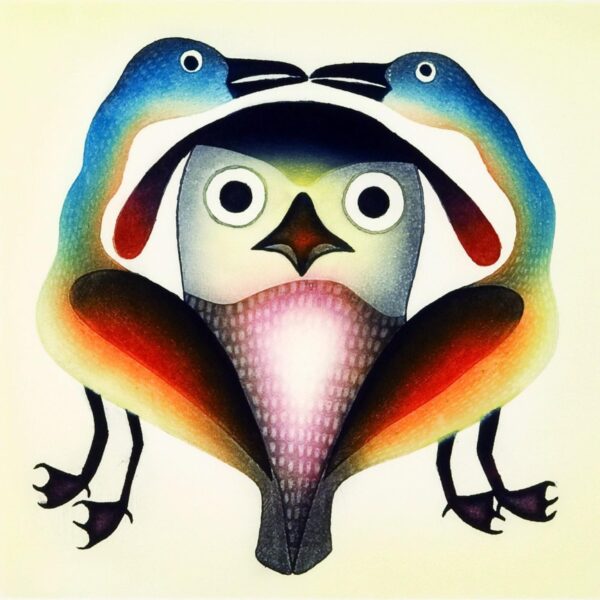
Kenojuak Ashevak. Curious Intruder. 2009. Part of Canadian Inuit Prints, Drawings, and Carvings, St. Lawrence University.