
Explore JSTOR Digital Stewardship Services
Over 340 institutions worldwide are using JSTOR Stewardship to manage, preserve, and share collections. Whether you’re evaluating a new platform or planning a migration, this page offers stories, the workflows behind them, and practical resources to support your decision.

01
Understand the shift
Archives and special collections are evolving. These resources outline the challenges shaping digital stewardship today.
Bridging Capacity and Care: A Field Report on Archives and Special Collections
What is a collections processing tool?
The purpose of stewarding distinctive collections: Discovery and impact
Research from 280+ practitioners on the pressures and tradeoffs shaping archival work today.
Introducing a new category of tools that enable scalable, discovery-driven collections processing.
Why discovery-first platforms and cross-institutional scale are essential for ensuring digital collections are found and used.
02
Learn from your peers
See how institutions are approaching migration, workflows, and long-term stewardship in practice.
Hofstra University: Funding sustainable stewardship
Hofstra secured grant funding to digitize, describe, preserve, and share collections through JSTOR Stewardship.
Goldey-Beacom College: Scaling description with AI
A library described archival images 170x faster through AI-supported workflows that build student skills.

Rollins College and University of Puget Sound: Simplifying fragmented systems
Two institutions transitioned from legacy platforms while improving workflows and access.
Vanderbilt University and UDC: Moving from DIY infrastructure
These institutions simplified workflows and improved access by moving to a hosted model.
Drew University: Improving discovery and access
Drew combined digital stewardship and classroom learning to expand access and student engagement.
The Evergreen State College: Migrating to a preservation-first stewardship model
Evergreen moved from a high-maintenance system to integrated preservation through a supported migration.

03
Explore community-built tools
JSTOR partners with the library community to build tools that support modern stewardship needs—from integrated, accessible workflows to scalable processing.
A digital collections platform that’s accessible by design: How JSTOR Stewardship removes workflow barriers today
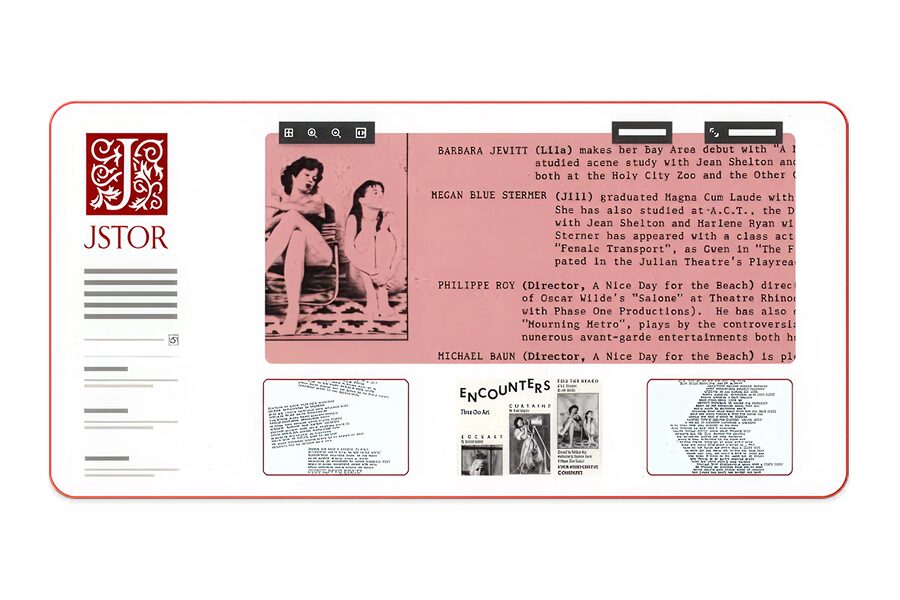
Next-generation integration: Rethinking digital collection stewardship from start to finish
JSTOR Stewardship was built to align with current accessibility standards from the ground up.
An integrated approach can align tools and workflows across the full lifecycle of digital collections.
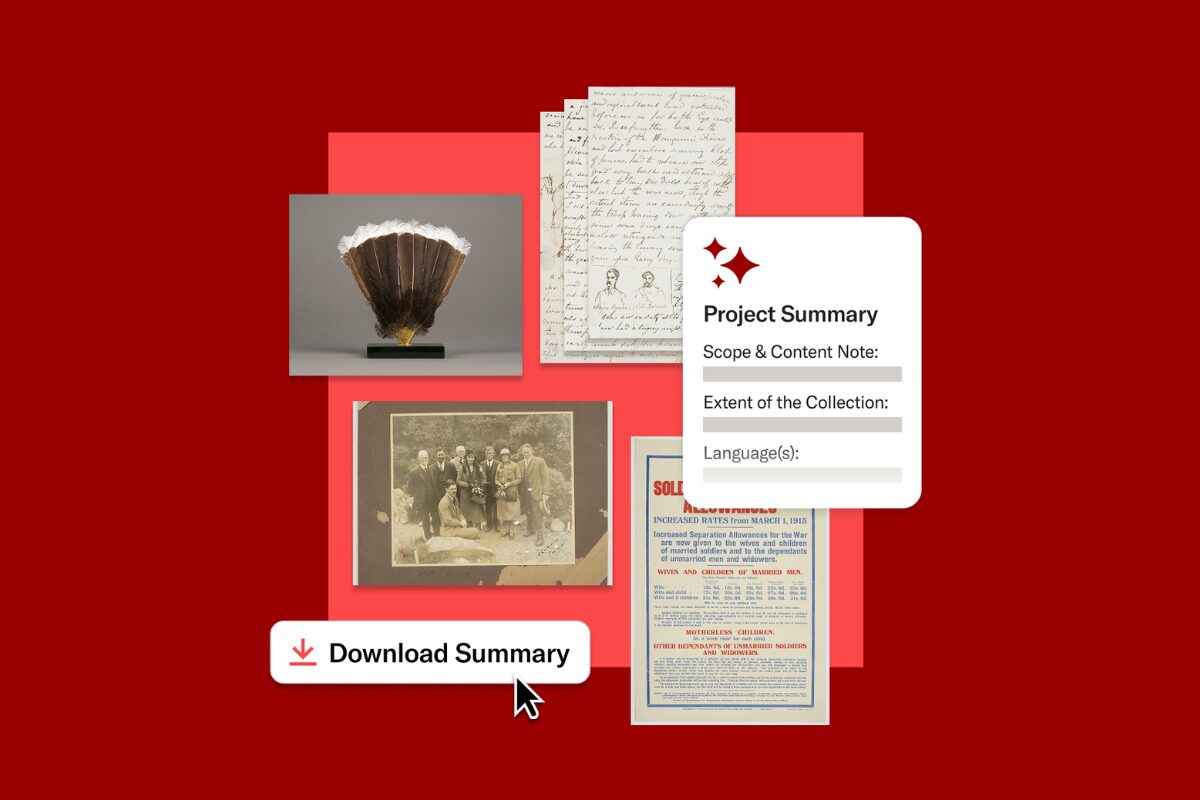
How collaboration with Eastern Michigan shaped AI for archival workflows
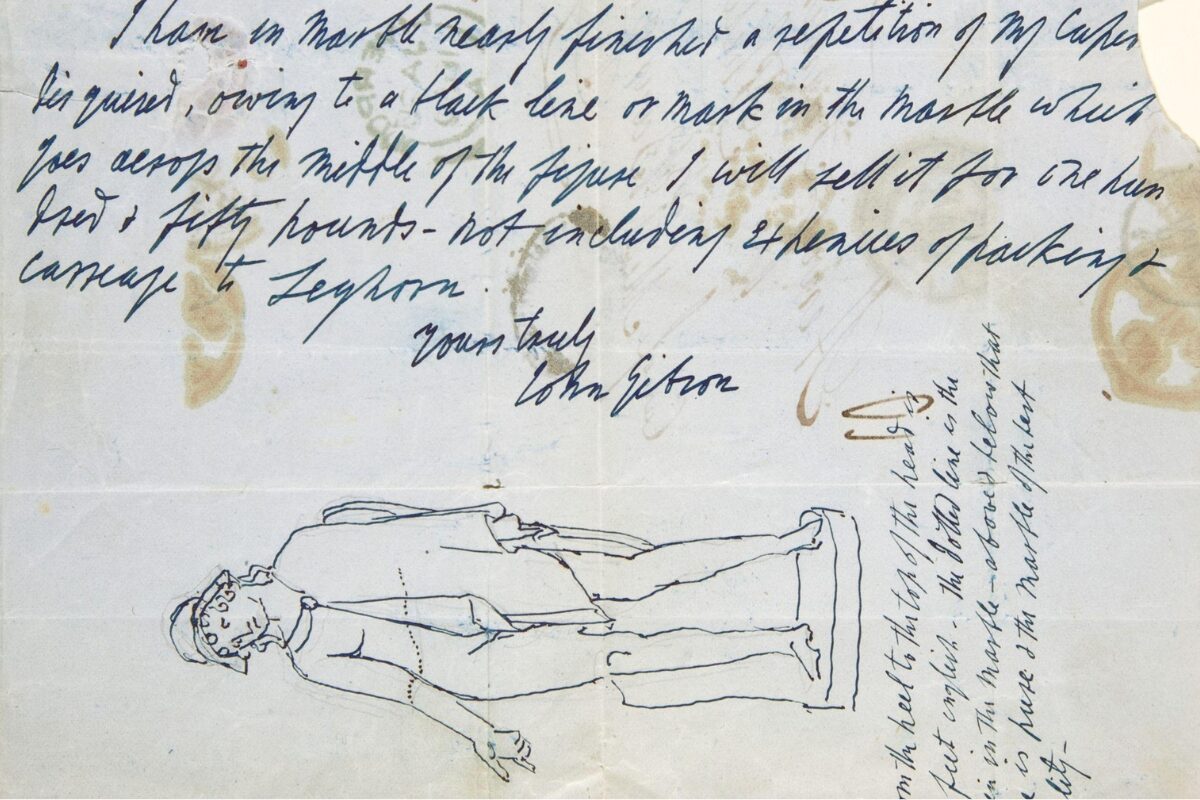
Beyond description: Transcript generation in JSTOR Seeklight
Collaboration with archivists shaped AI workflows grounded in real-world archival practice.
Transcript generation supports accessibility, discovery, and new ways of working with collections.
04
See it in action
Hear directly from practitioners and library leaders as they share how they’re approaching digital stewardship in their institutions.
Descriptive depth at scale: Exploring new technologies for archives
New technologies support descriptive work while aligning with archival values and practices.
Moving beyond DIY: Scalable digital stewardship solutions
Institutions are moving from locally managed systems to more scalable, supported approaches.

Reclaim flexibility: Modern solutions for digital collection stewardship
How institutions moved from legacy systems to gain flexibility, insight, and sustainable access.
05
Take the next step
Every institution works within its own systems, collections, and constraints. Our team collaborates with you to understand your current workflows and explore what comes next. Complete the form below to discuss your collections and next steps with our team.
View image credits from this page
Paul Reinman. Ivory Tablet Compass Sundial in the Form of a Book. 1599. Science Museum Group. https://jstor.org/stable/community.38357990.
C.O. Lampland. Glass Positive of Pluto Discovery. 1930. Science Museum Group. https://jstor.org/stable/community.26287522.
E. S. Perry. Centicubes with Board. 1972–1975. Science Museum Group Collection. https://jstor.org/stable/community.26434232.
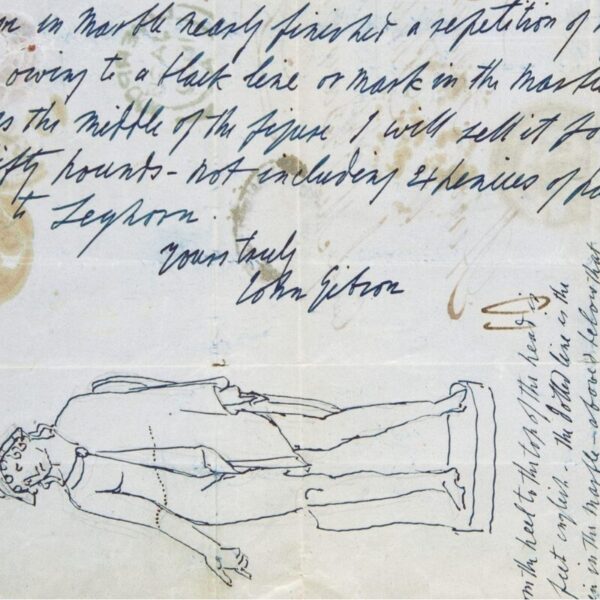
John Gibson. Letter from John Gibson to John Udny, Containing Information for Henry Farnum. 1850. The Metropolitan Museum of Art. https://jstor.org/stable/community.18604581.

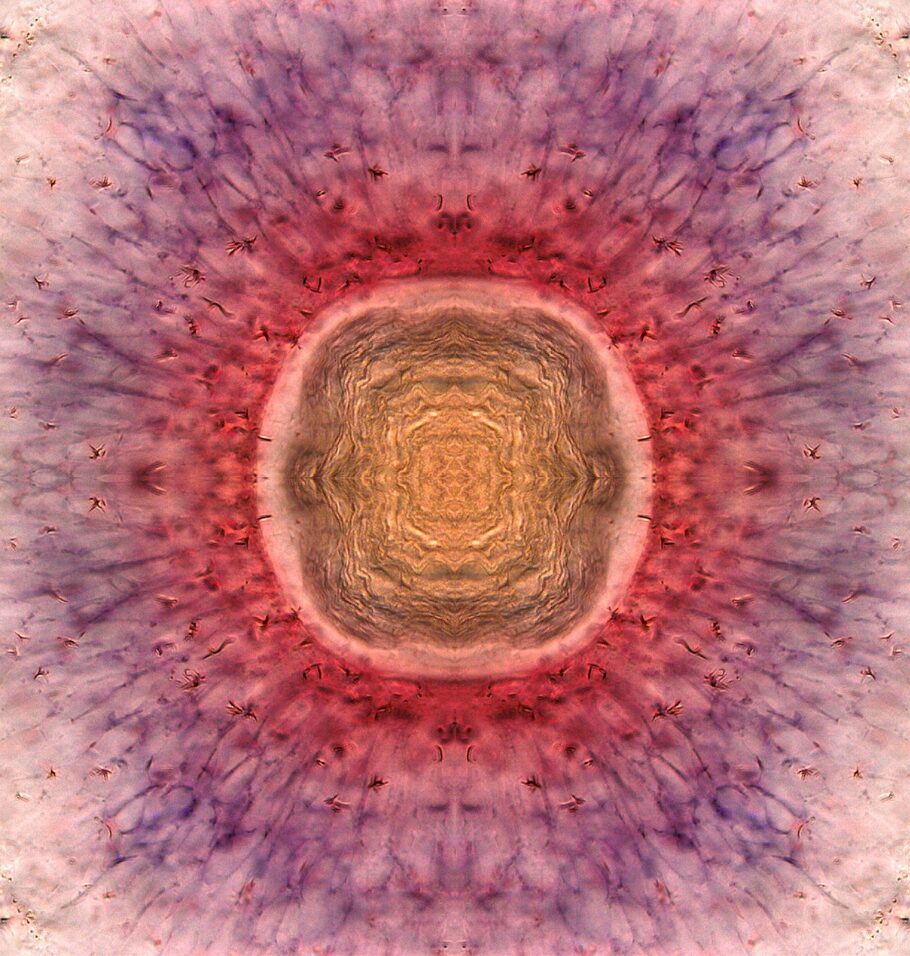
Kara Cerveny and Steve Wilson. Sunrise in the Eye: Zebrafish Retina. n.d. Wellcome Collection. https://jstor.org/stable/community.24715874.

William A. Anders. Mission: Apollo-Saturn 8: Earthrise. 1968. The Museum of Fine Arts, Houston. https://jstor.org/stable/community.12071431.
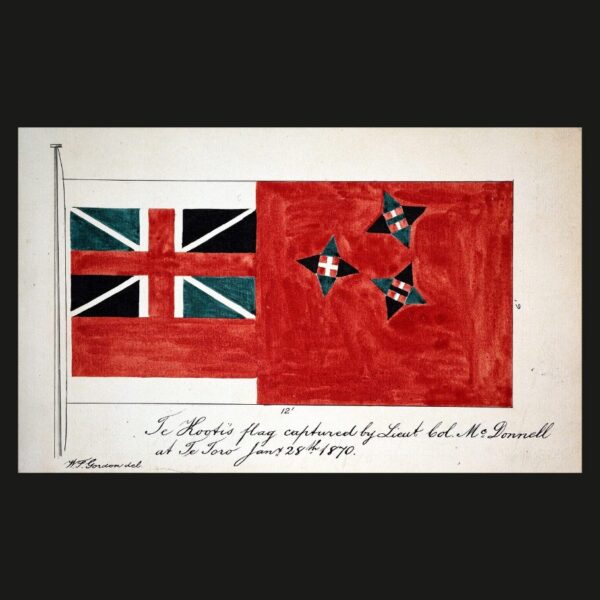
William Francis Gordon. Maori Rebel Flag: Flag of Te Kooti. n.d. Museum of New Zealand – Te Papa Tongarewa. https://jstor.org/stable/community.27024858.