
Path to Open: From Pilot to Impact
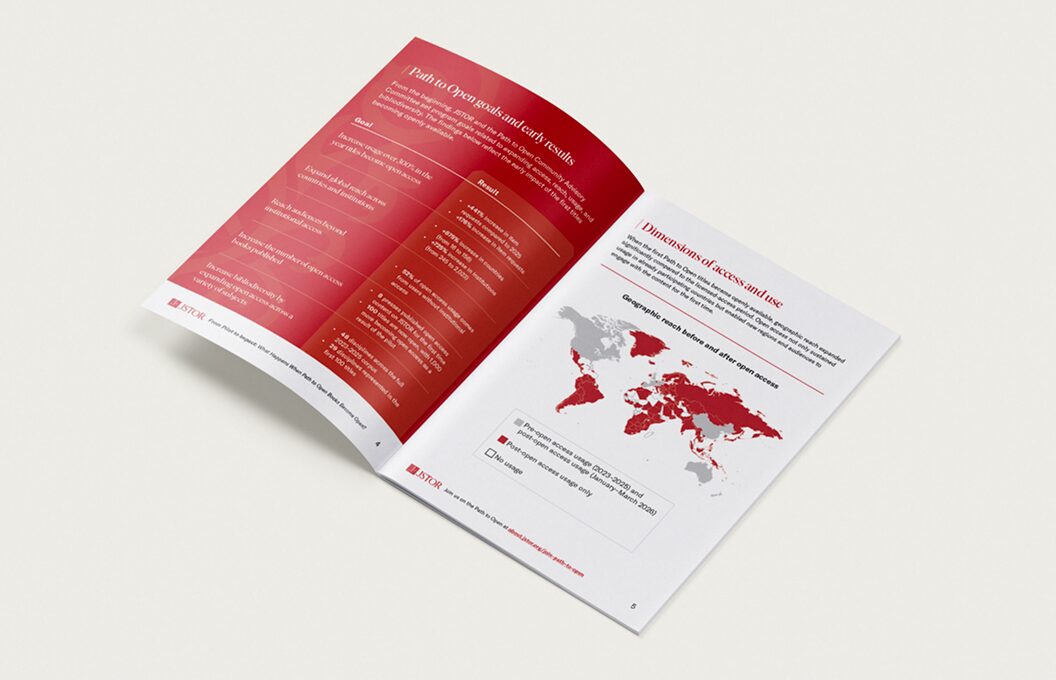
Curious what happens when Path to Open titles become open? The Path to Open insight brief explores the early evidence of how our community-led program expands access, increases usage, and supports sustainable open access for scholarly monographs.
+176%
Increase in item requests
+875%
Increase in countries reached
+725%
Increase in institutions reached
A path forward for open access monographs
Humanities and social science scholarship shapes how societies understand culture, history, democracy, identity, and human experience. Yet much of this research remains inaccessible to readers worldwide. And while open access has expanded significantly for scholarly journals, open access for scholarly books is constrained by a system in which publishers, libraries, authors, and platforms all face real economic and cultural barriers.
We created Path to Open to test whether a shared-investment model could scale open access monographs and support long-term sustainability.
The insight brief goes into detail about these insights and more:
Usage acceleration
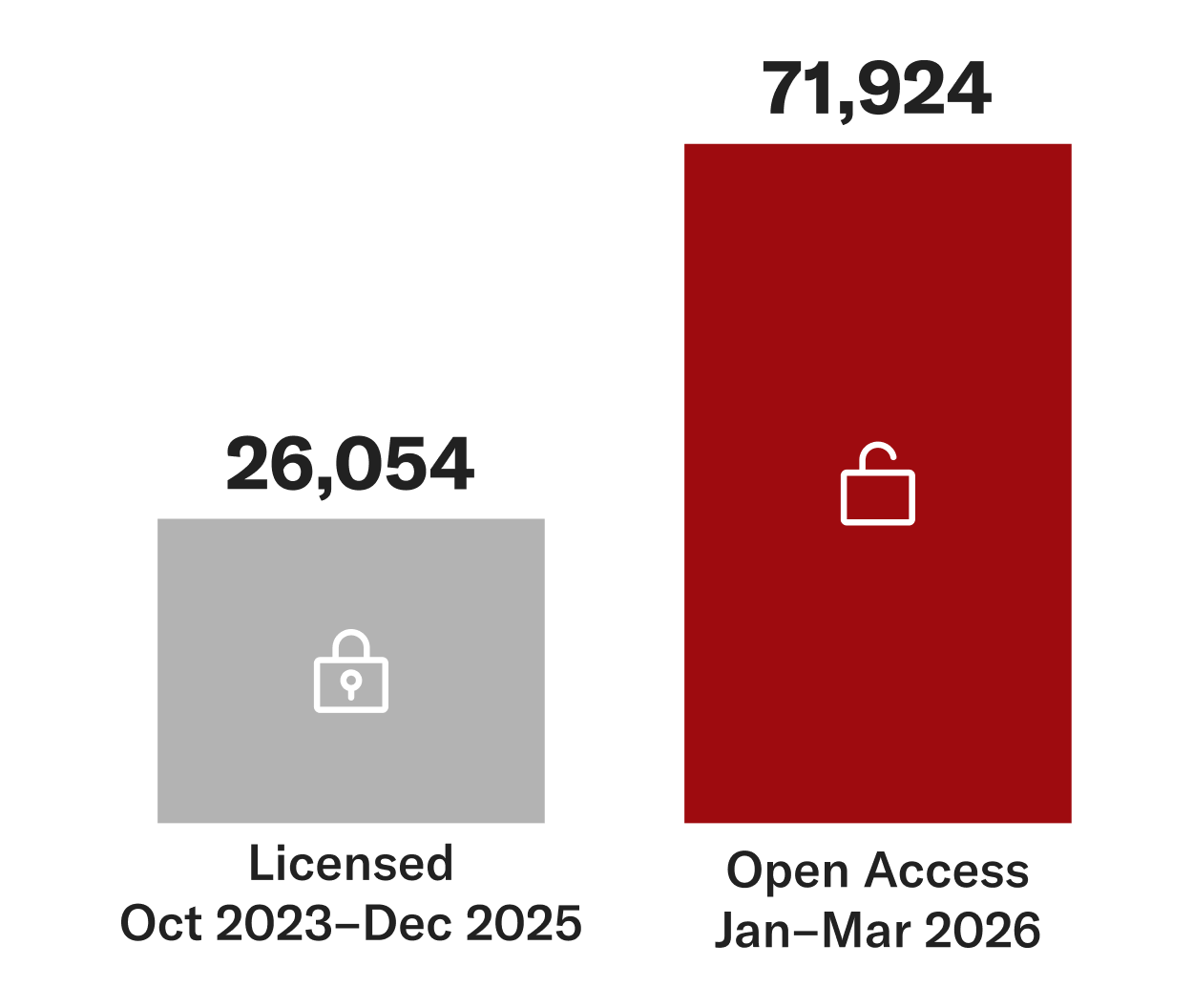
The first 100 titles that flipped to open saw a usage increase of 176%, from 26,054 to 71,924 item requests.
Expanded global reach
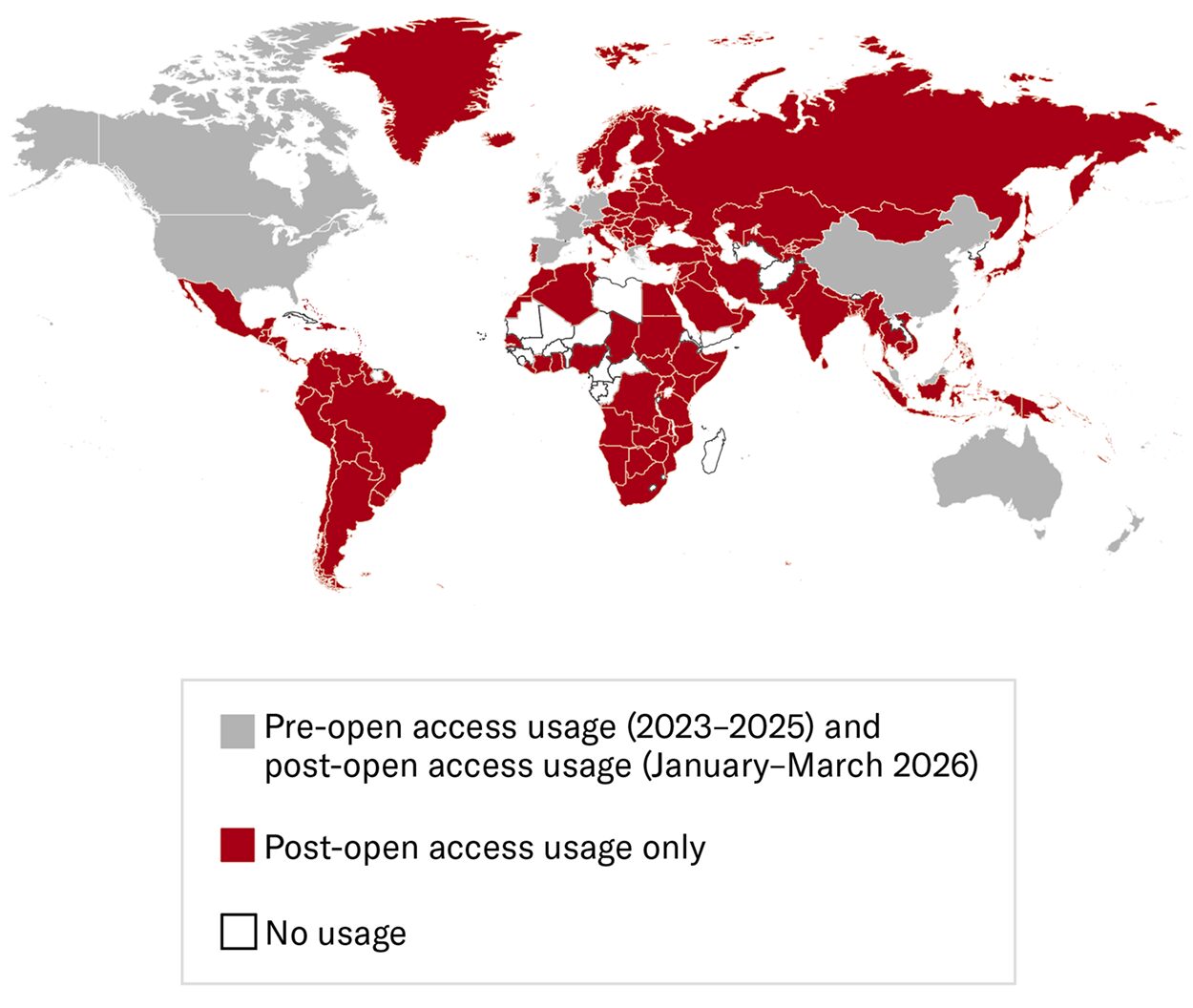
Global reach grew by 875%, from 16 to 156 countries.
New audience engagement
Users without institutional access generate 52% of open access usage.

Multidisciplinary usage
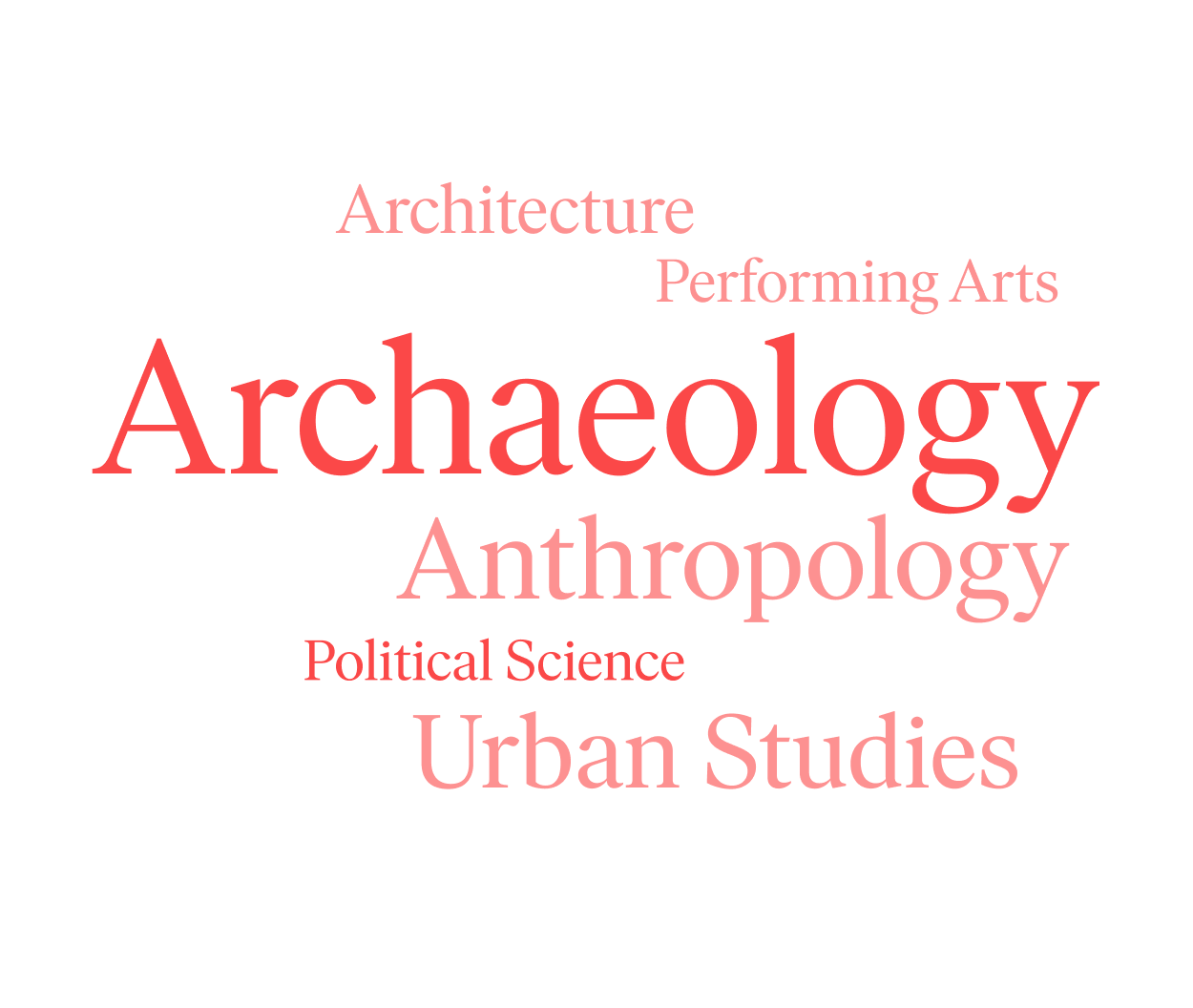
The following disciplines saw the most significant usage increase per title after open access:
- Archaeology
- Architecture
- Performing Arts
- Political Science
- Urban Studies
The data above reflects the initial three-month analysis of the first 100 Path to Open titles to transition to open access (comparing the licensed-access period, October 2023–December 2025, with the first three months of open access, January–March 2026). To see our latest quarterly analysis showing how these results continue to grow, view the impact of open access.
How Path to Open works
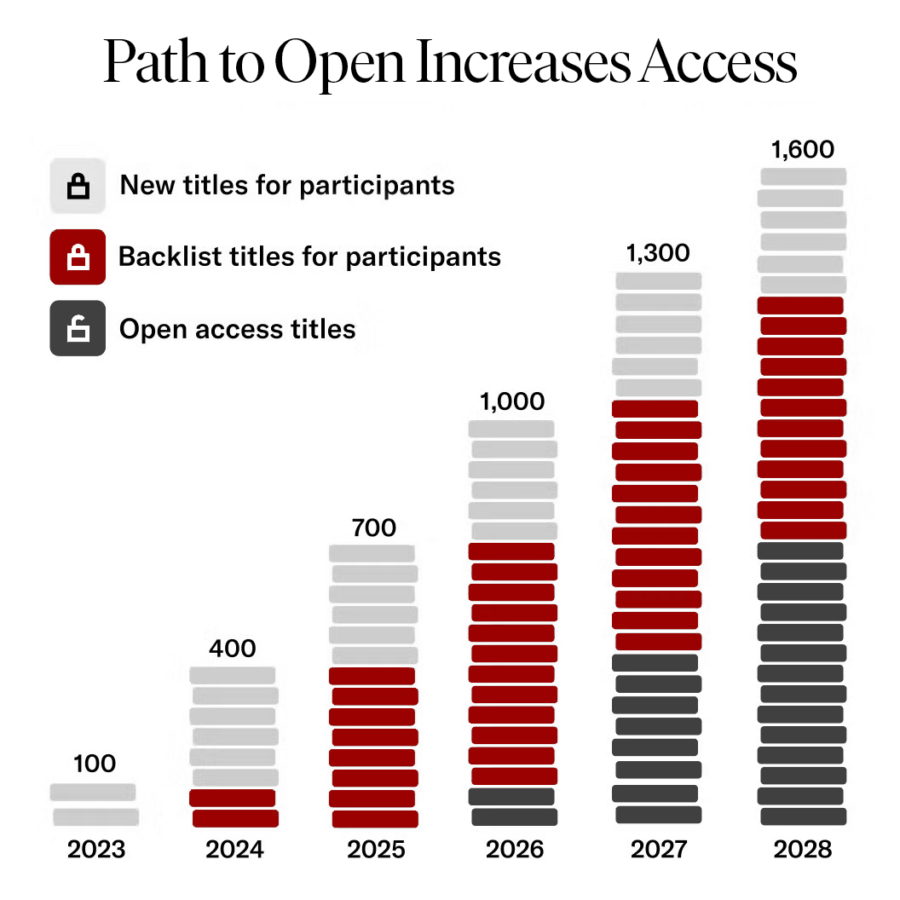
- Libraries pay an annual or multi-year fee through JSTOR or GOBI Library Solutions/Mosaic to gain exclusive access to 300 new titles each year before those titles flip to open, along with 600 previously published Path to Open titles.
- Funds from participating libraries are used to recover the costs of publishing and distributing the open access content.
- Monographs become open access two to three years after publication. The first 100 titles are now available, and 300 additional titles will become open annually beginning in 2027.
Path to Open for libraries
By participating in Path to Open, libraries can support a path to sustainable, community-funded open access while receiving immediate value:
- Get access to high-quality frontlist scholarly ebooks
- Help expand access for readers beyond well-resourced institutions
- Align open access investment with existing library acquisition workflows
- Participate in a model with demonstrated usage, reach, and community value
Community voices

BLC has seen firsthand how JSTOR’s Path to Open program delivers real impact—for libraries, authors, publishers, and, most importantly, the communities we serve. We’ve seen steady growth in participation across BLC member institutions alongside strong usage of newly published titles, demonstrating the value of this shared investment model. The significant increase in usage globally once titles transition to open access underscores the long-term impact of this approach. We’re delighted to see JSTOR continue the program beyond its pilot phase, signaling a durable, collaborative model for expanding access to scholarly content.

I am happy that Ecologies of Imperialism in Algeria is part of Path to Open. This program has helped triple the readership of the book and greatly expanded the geographic scope of those readers. I am especially pleased that a book working through themes of imperialism and environmental change in North Africa has become more accessible to people in the region.

As a university press, our mission is to publish scholarship that matters and help it find the widest meaningful audience. Path to Open has given the University of Nebraska Press a practical, collaborative way to extend that mission: Titles that were once available primarily to readers with institutional access are now reaching readers around the world. Seeing usage increase by more than 250 percent and geographic reach expand from 13 to 60 countries affirms what we hoped this model could do—make serious humanities scholarship more visible, discoverable, and accessible.
Is Path to Open a fit for your library?
Path to Open is a good fit for libraries looking to:
- Expand access to humanities and social science monographs
- Support sustainable open access without relying on title-by-title BPCs
- Provide access to newly published scholarly ebooks
- Demonstrate measurable open access impact to stakeholders
- Participate in a community-supported model with libraries, publishers, and scholars
If that sounds like your library, fill out the form below.
Interested in Path to Open for your library?
Interested in Path to Open for your library?
Join a growing community of nearly 300 libraries and over 50 publishers participating in this innovative Books at JSTOR model.