
Educators
-
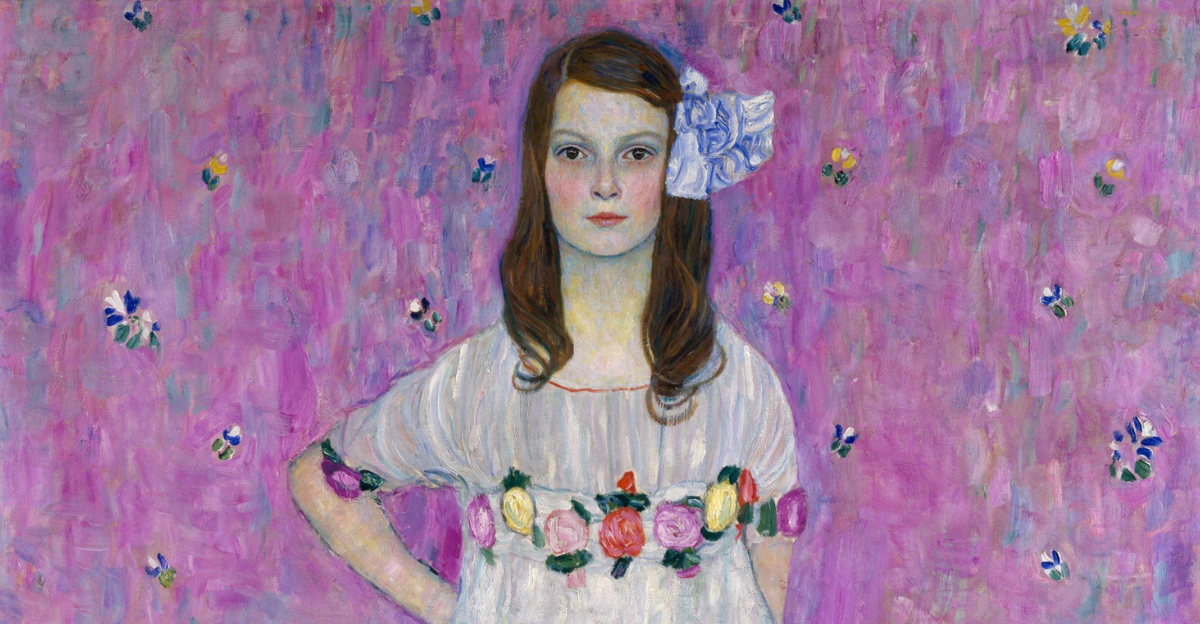
Help students slow down and truly see art in an image-saturated age. Adapted from art historian Carson Smith’s classroom project, this resource guides students in creating their own mock museum exhibitions using JSTOR and Artstor. Through “slow looking,” collaborative research, and curatorial storytelling, students practice visual analysis, connect art to cultural context, and rediscover the…
-
JSTOR is a nonprofit digital library advancing global access to knowledge through trusted research, teaching resources, and digital stewardship services.
-
Discover how to create virtual field trips with Artstor on JSTOR to bring the world into your classroom. Explore ways to foster equity, visual literacy, and engagement—no travel required. Includes a ready-to-use sample lesson plan.
-
This webinar is appropriate for those teaching with images and other primary source content, or working with those who do. It presumes a basic knowledge of the JSTOR platform.
-
This webinar is appropriate for library professionals and faculty who are responsible for teaching and doing research on a more advanced level. It presumes a basic understanding of the JSTOR platform as discussed in the introductory webinar.
-
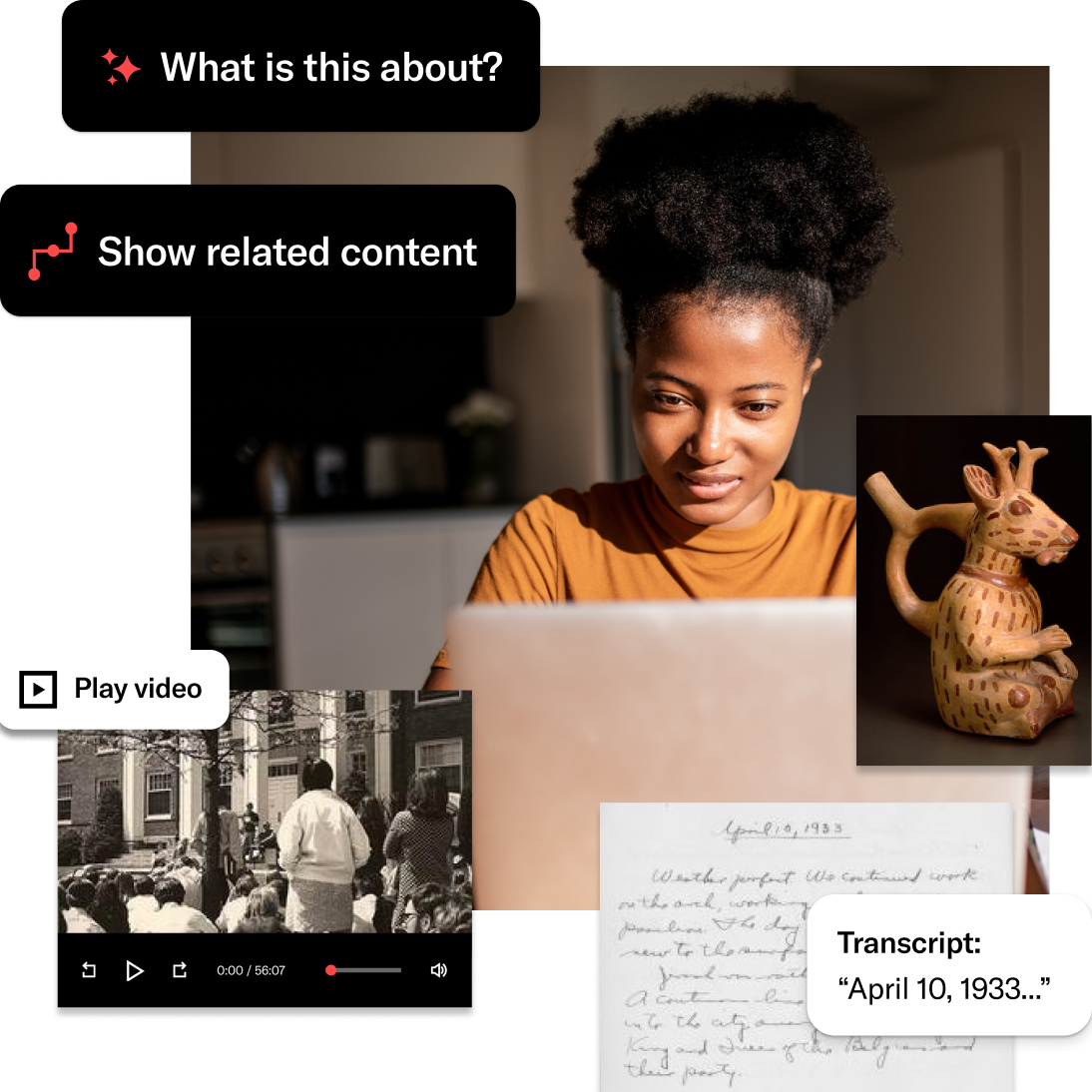
In this webinar, you’ll learn how to explore primary sources from contributing collections including text, image, audio and video files, as well as examine secondary source content with the JSTOR Research Tool.
-
JSTOR’s AI-powered research tool enables users to quickly identify key points within scholarly texts, discover new topics and content, and query for deeper engagement.
-
In our webinar, explore tools, content, and strategies with Blair Woodard (Associate Professor of History and Environmental Studies, University of Portland) and Whitney Barlow Robles (Author, Historian, Curator, and Visiting Scholar, Department of History, Dartmouth College), and get practical tips on using images to enrich student learning.
-
Discover how JSTOR supports teaching and learning with classroom-ready resources, diverse scholarly content, and digital tools that help you save time and deepen student engagement.
-
Join this free, one-hour JSTOR + Choice-ACRL webinar to learn how librarians and faculty can align and collaborate to address barriers to teaching with digitized primary sources. In addition to walking away with actionable insights, attendees will be the first to receive full access to the new report!
-
Struggling to forge a connection between scholarly content and vibrant student engagement? The solution awaits. Join us for this webinar where Hypothesis and JSTOR teams unite to unveil the transformative potential of social annotation in reshaping the student-faculty interaction with JSTOR content.
Sign up for updates
Never miss a thing. Get updates from JSTOR delivered straight to your inbox.
By signing up you agree to our Privacy Policy. You may unsubscribe at any time by clicking on the provided link on any marketing message.
"*" indicates required fields