
Case studies
-
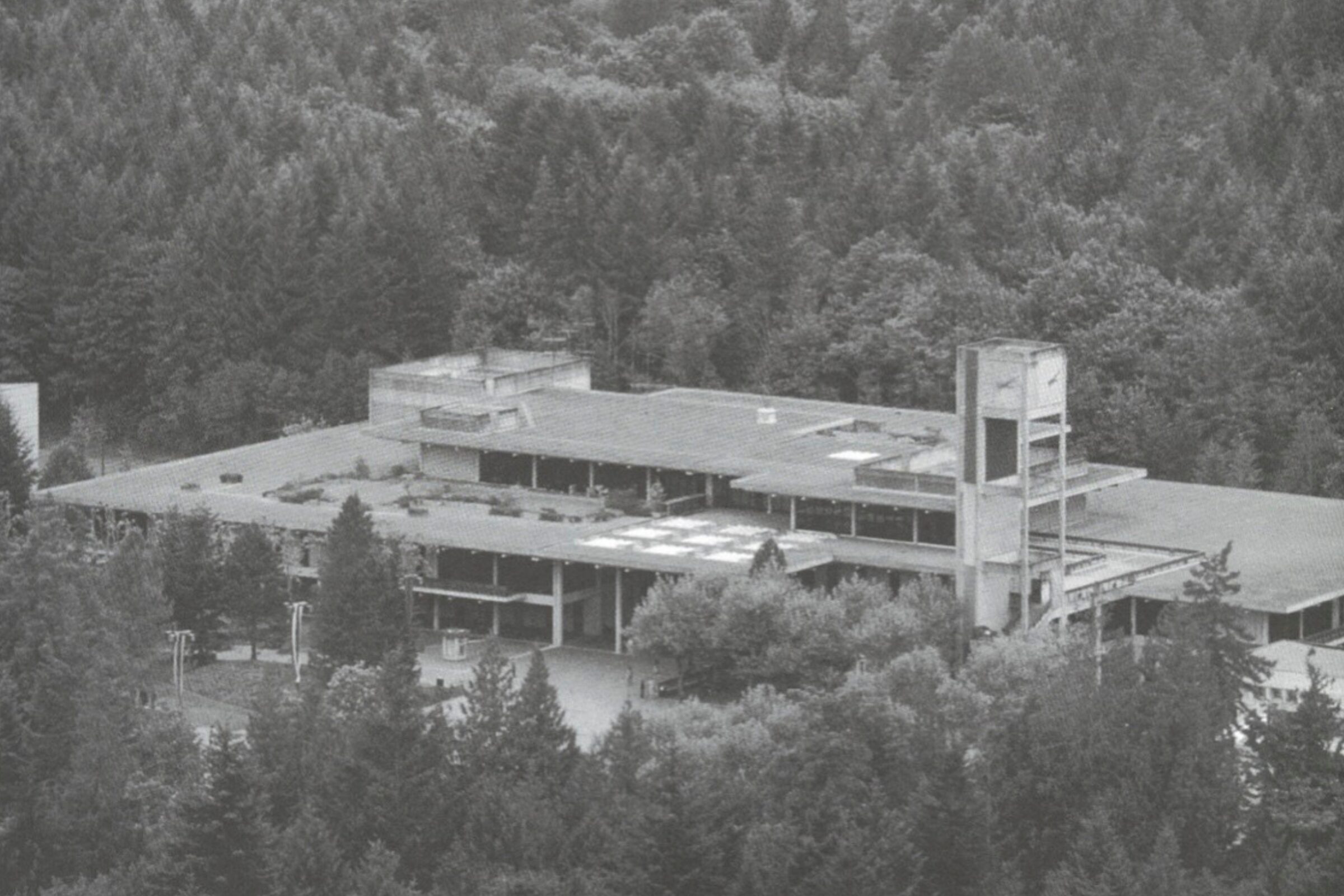
Facing growing preservation needs and limited staff capacity, Evergreen State College migrated from Omeka to JSTOR Digital Stewardship Services for sustainable, long-term stewardship.
-
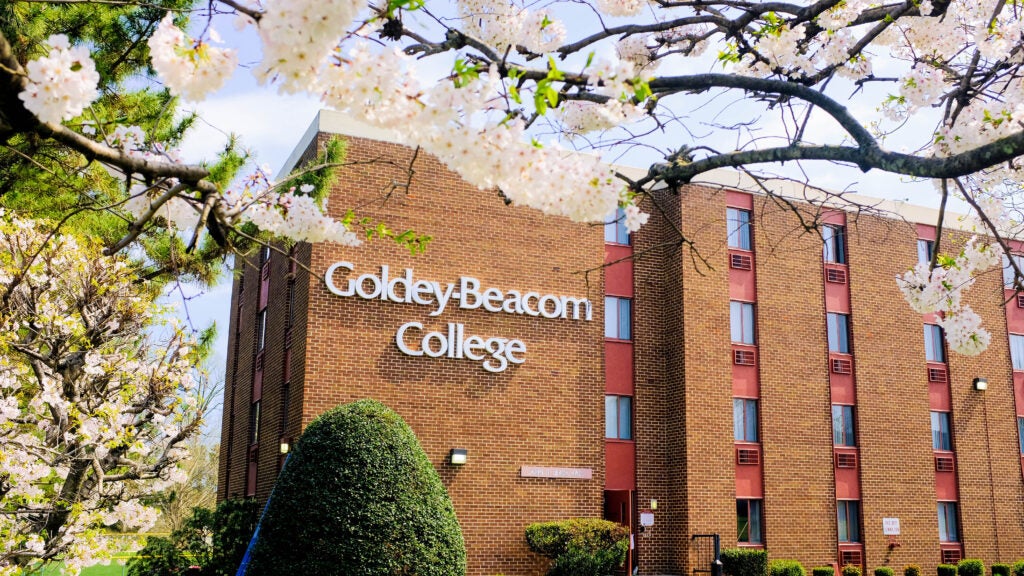
Goldey-Beacom College used JSTOR Seeklight to scale archival metadata creation with AI and human oversight—unlocking hidden collections while building student AI literacy.
-
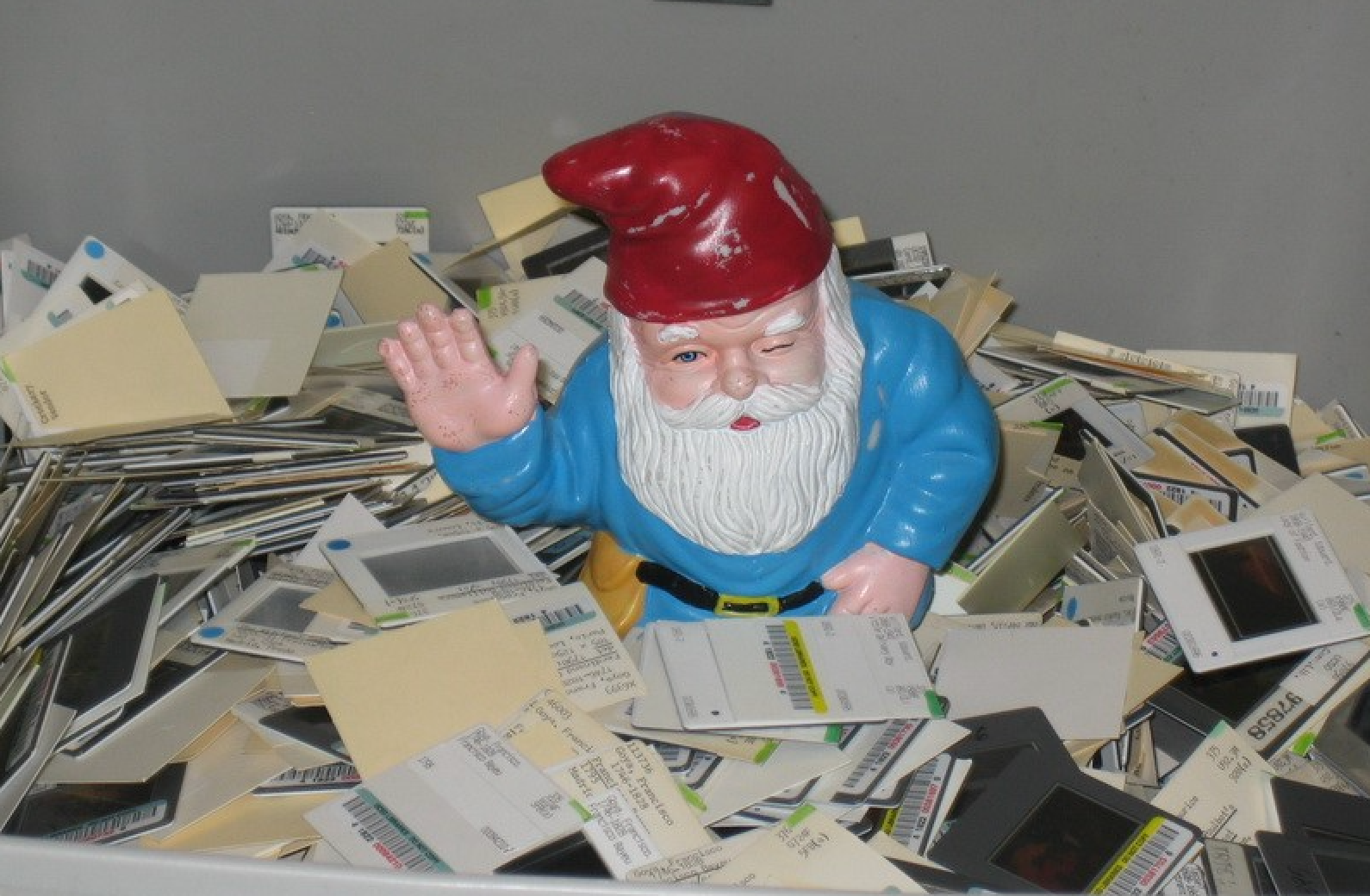
Explore how UC San Diego Library built a transformative 200,000-image digital collection for Artstor, its impact over two decades, and how the Visual Arts Legacy Collection enters a new chapter on JSTOR.
-
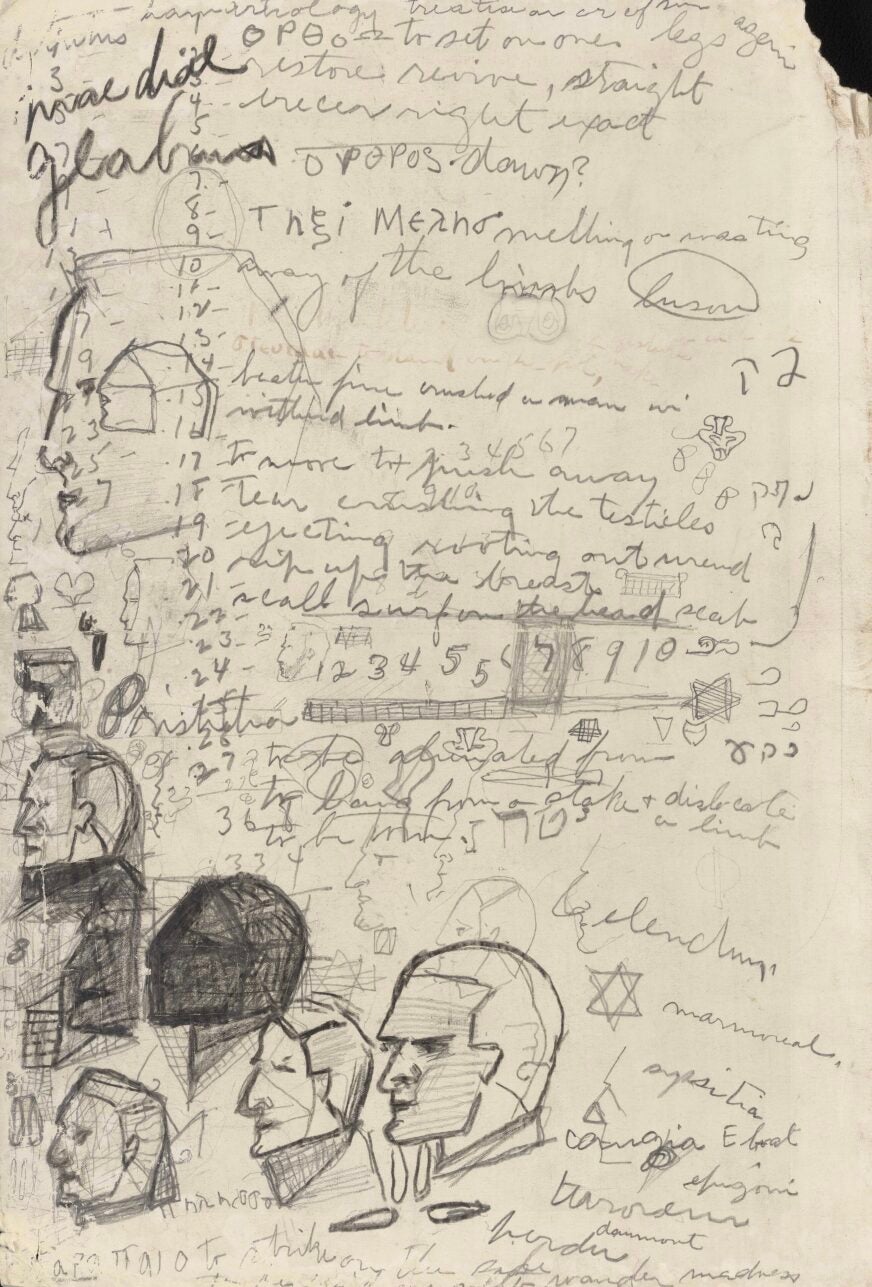
Author Brian D. McLean argues that modern society is at a tipping point and answers with evidence. With JSTOR, he built a transparent, unbiased research process that verifies before it concludes.
-
Vanderbilt University and the University of the District of Columbia moved from self-hosted systems to JSTOR Digital Stewardship Services, transforming digital stewardship from a technical challenge into a scalable, mission-driven practice.
-
Educators Bess Wilhelms and Steve Hermann use JSTOR’s AI research tool to save time, plan lessons, and boost student engagement through accurate, trusted insights.
-
For Yuimi Hlasten—both a librarian and international student—JSTOR’s AI research tool became a bridge to understanding. By helping her organize and synthesize sources efficiently, it allowed her to balance work and study while empowering students to find their academic voice.
-
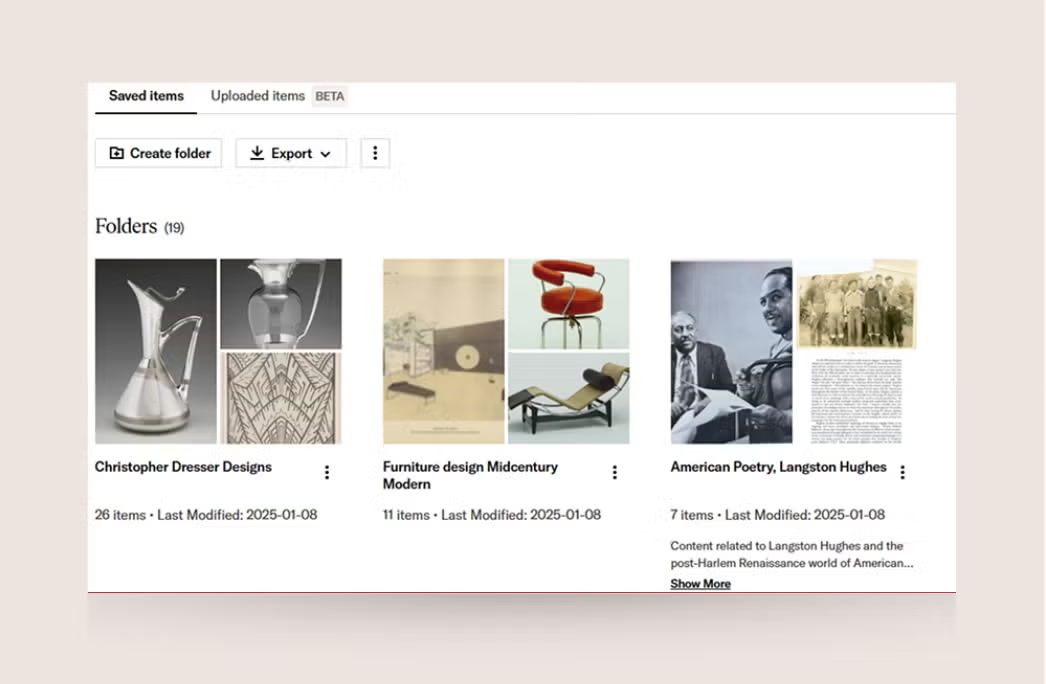
When art historian and instructor Sienna Weldon discovered JSTOR’s Workspace, her research process transformed. What began as a simple bookmarking tool became a powerful, intuitive way to organize, annotate, and revisit materials—all in one place. Now, Sienna uses Workspace not only to streamline her own projects but also to empower students to approach research with…
-
At Guilford College, one archivist is achieving what many teams can’t. Using JSTOR Digital Stewardship Services, Gwen Erickson has transformed a complex archive—spanning Quaker history, fine art, and student research—into a living, digital resource. The platform empowers students as curators, preserves fragile materials, and ensures that Guilford’s collections are discoverable worldwide, all without a tech…
-
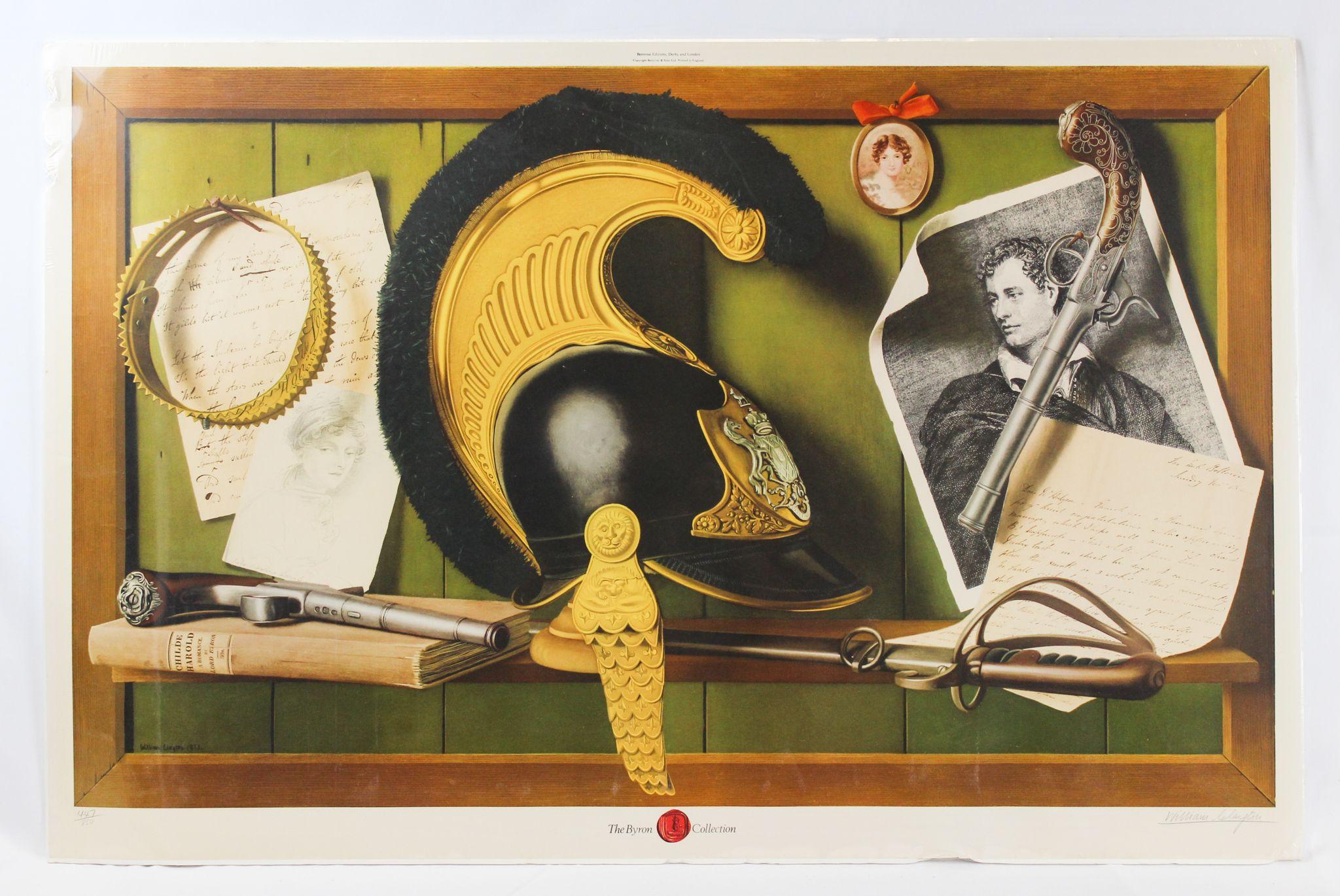
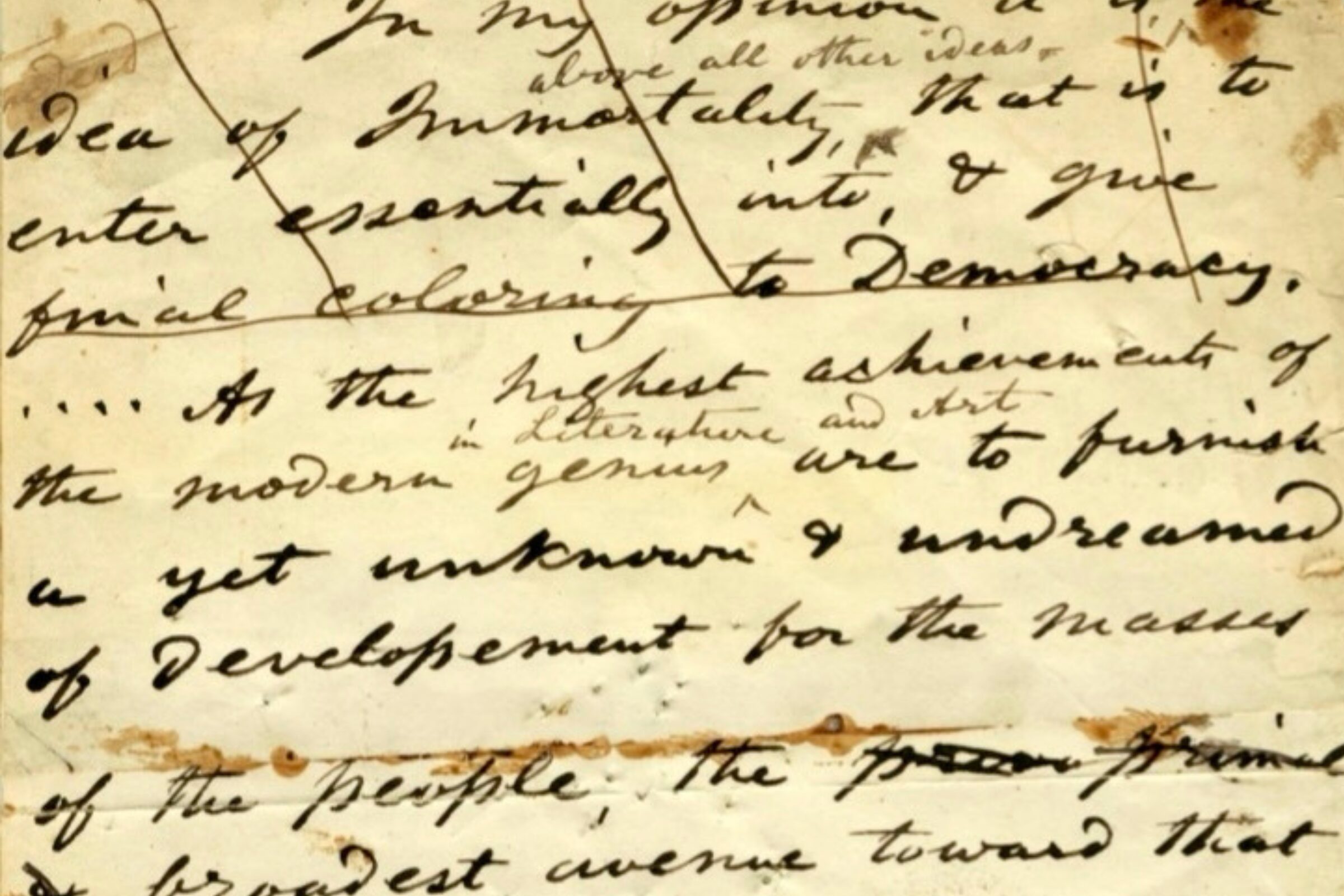
At Drew University, digitization isn’t just preservation, it’s participation. Using JSTOR Digital Stewardship Services, Drew’s Special Collections team transformed rare materials, from Mary Shelley manuscripts to Byron memorabilia, into accessible digital archives. The initiative not only safeguards scholarship but also brings students into the process, teaching digital curation, metadata creation, and archival storytelling.
-
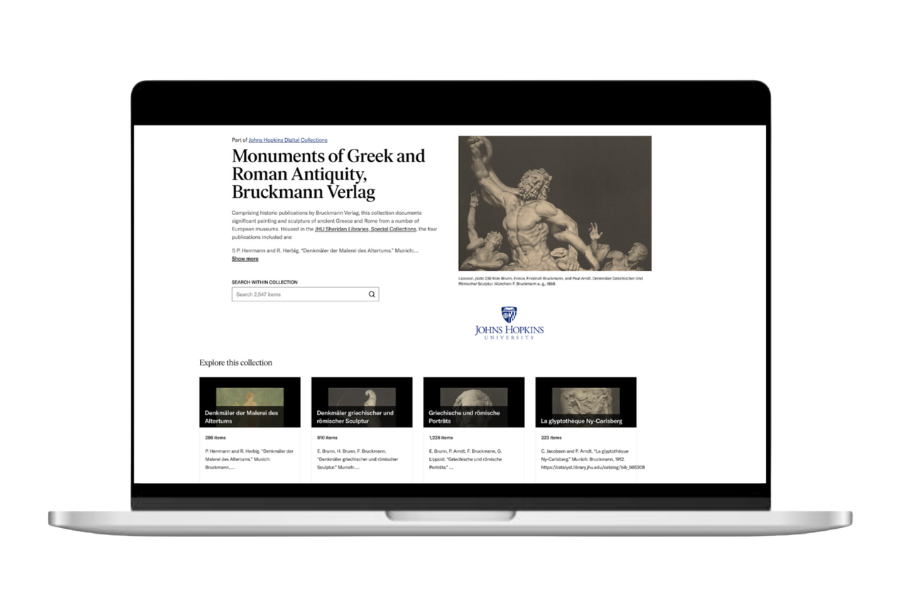
At Johns Hopkins University, JSTOR Digital Stewardship Services provides the flexible framework needed to manage and showcase a wide range of collections—from ancient papyri to modern archives—enhancing visibility, collaboration, and global access to rare materials.
-
Learn how Middlebury College is extending the global reach of its archives through JSTOR, connecting researchers and historians to rare materials from Civil War letters to Vermont postcards.
-
Discover how Skidmore College’s Lucy Scribner Library is using JSTOR Digital Stewardship Services to expand access, streamline preservation, and ensure the long-term impact of its special collections, making rare materials discoverable to scholars around the world.
-
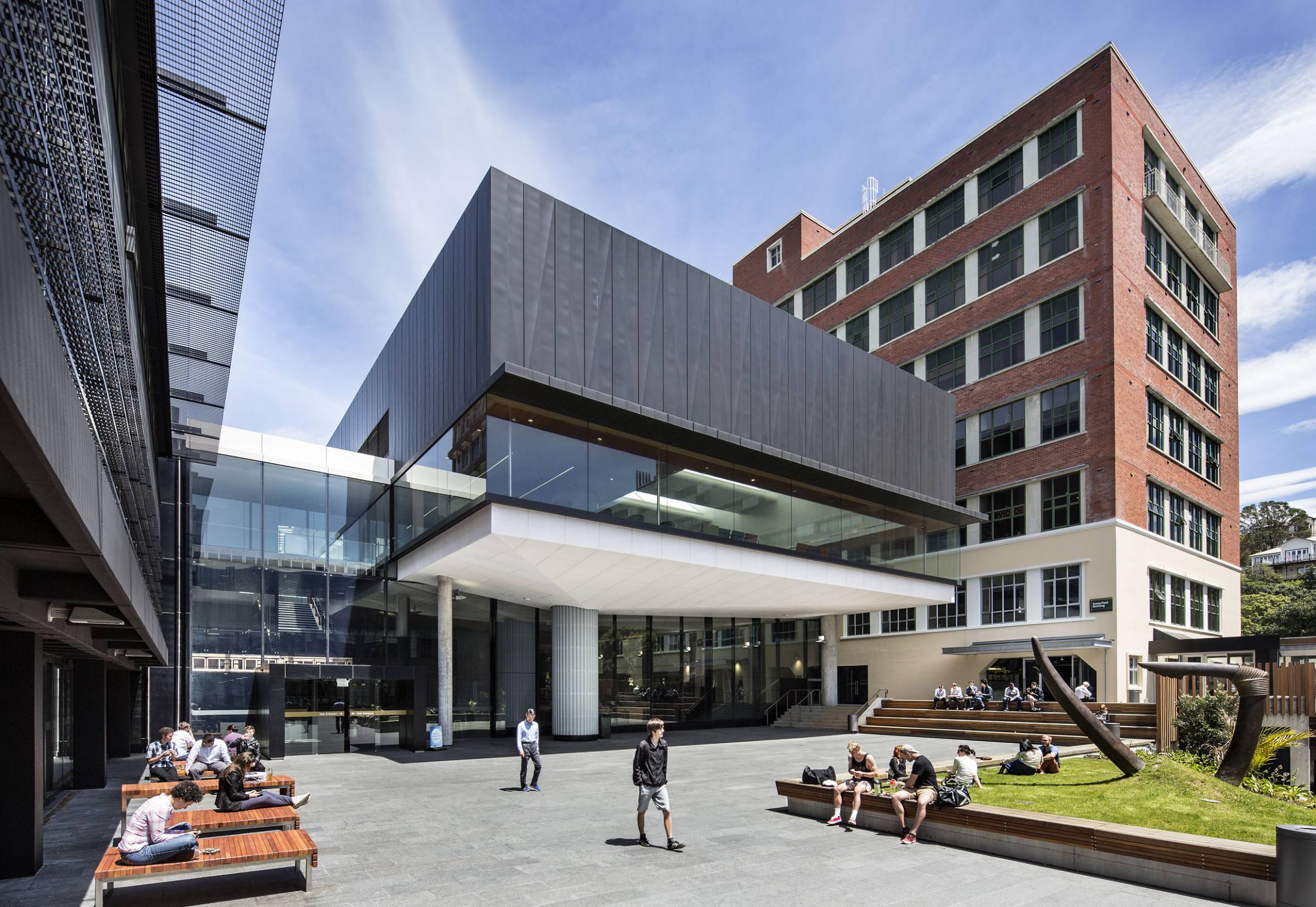
Discover how Victoria University of Wellington built a flexible, efficient ebook strategy with JSTOR, combining Evidence-Based and Demand-Driven Acquisition models to expand access, streamline workflows, and empower staff and students.
-
Discover how Rollins College and the University of Puget Sound modernized digital stewardship with JSTOR, replacing fragmented legacy systems with a unified, mission-driven platform that streamlines workflows, enhances teaching, and reenergizes engagement across campus.
-
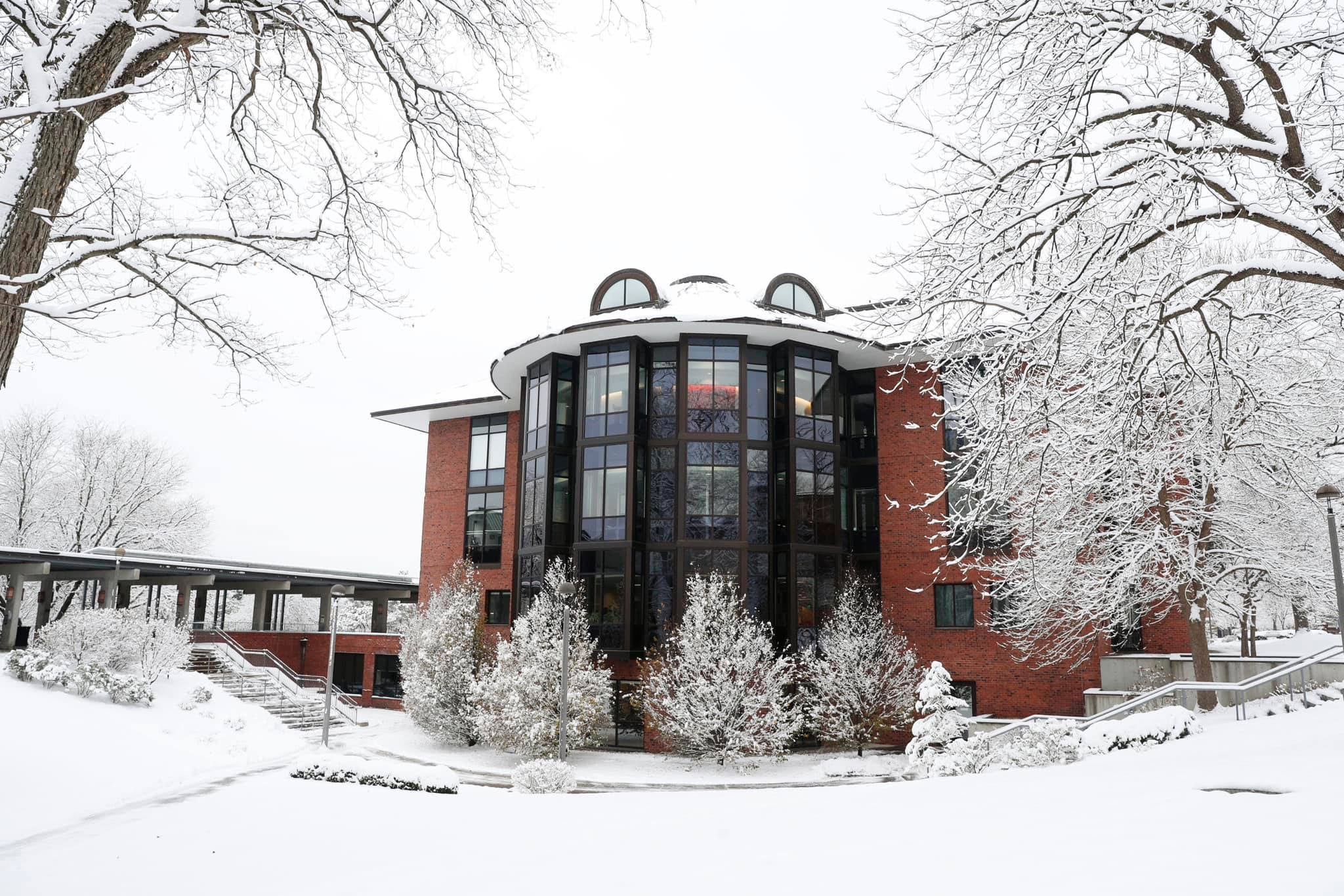
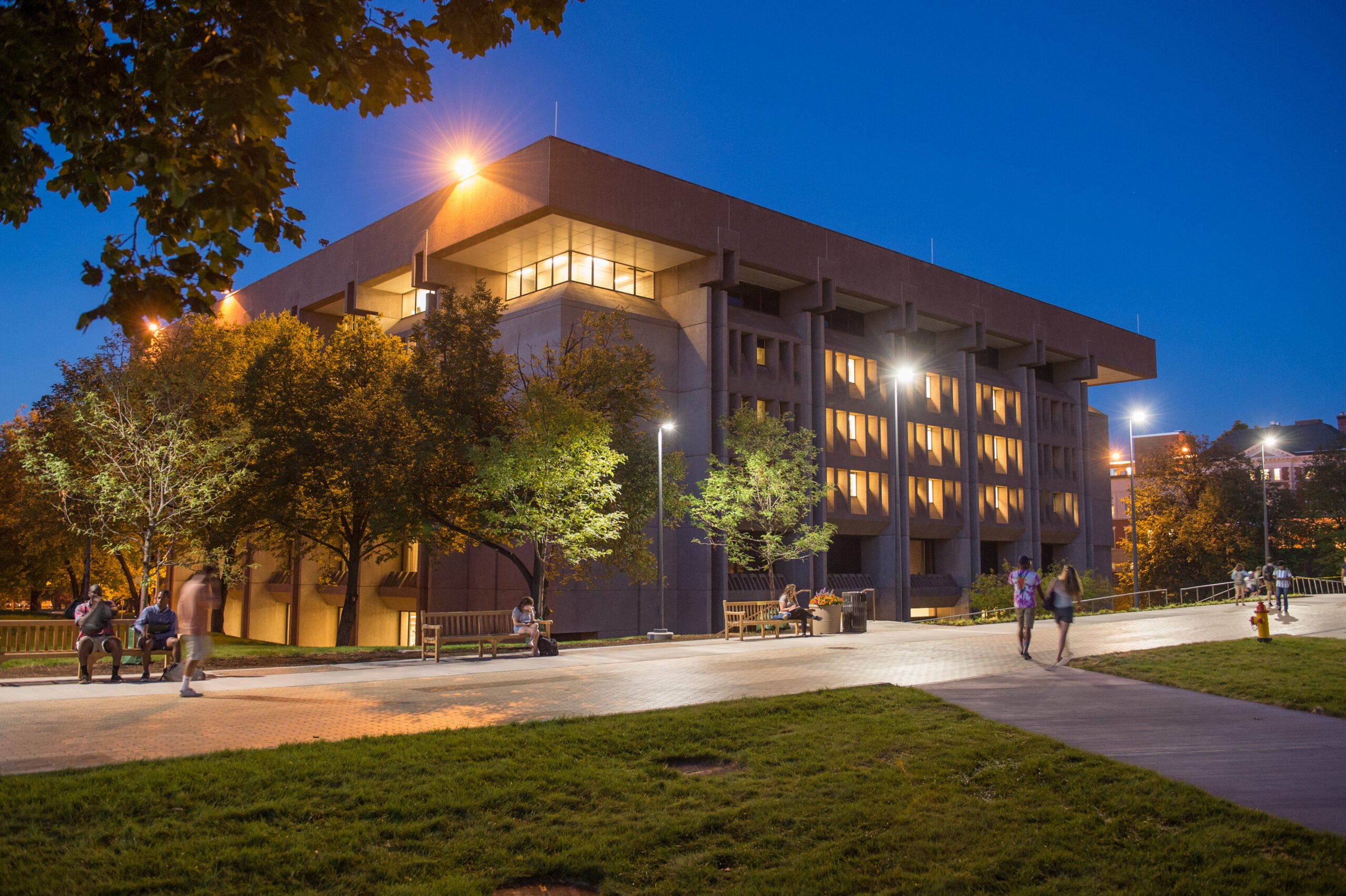
Learn how Syracuse University is advancing open access and bibliodiversity through its participation in JSTOR’s Path to Open, supporting sustainable publishing and expanding access to scholarship worldwide.
-
For educator and researcher Maria Rovito, JSTOR became more than a research tool—it became a bridge from isolation to connection. Drawing on JSTOR’s interdisciplinary collections, Maria helps students trace the evolution of medical and cultural ideas while reimagining research as a collective act of care.
-
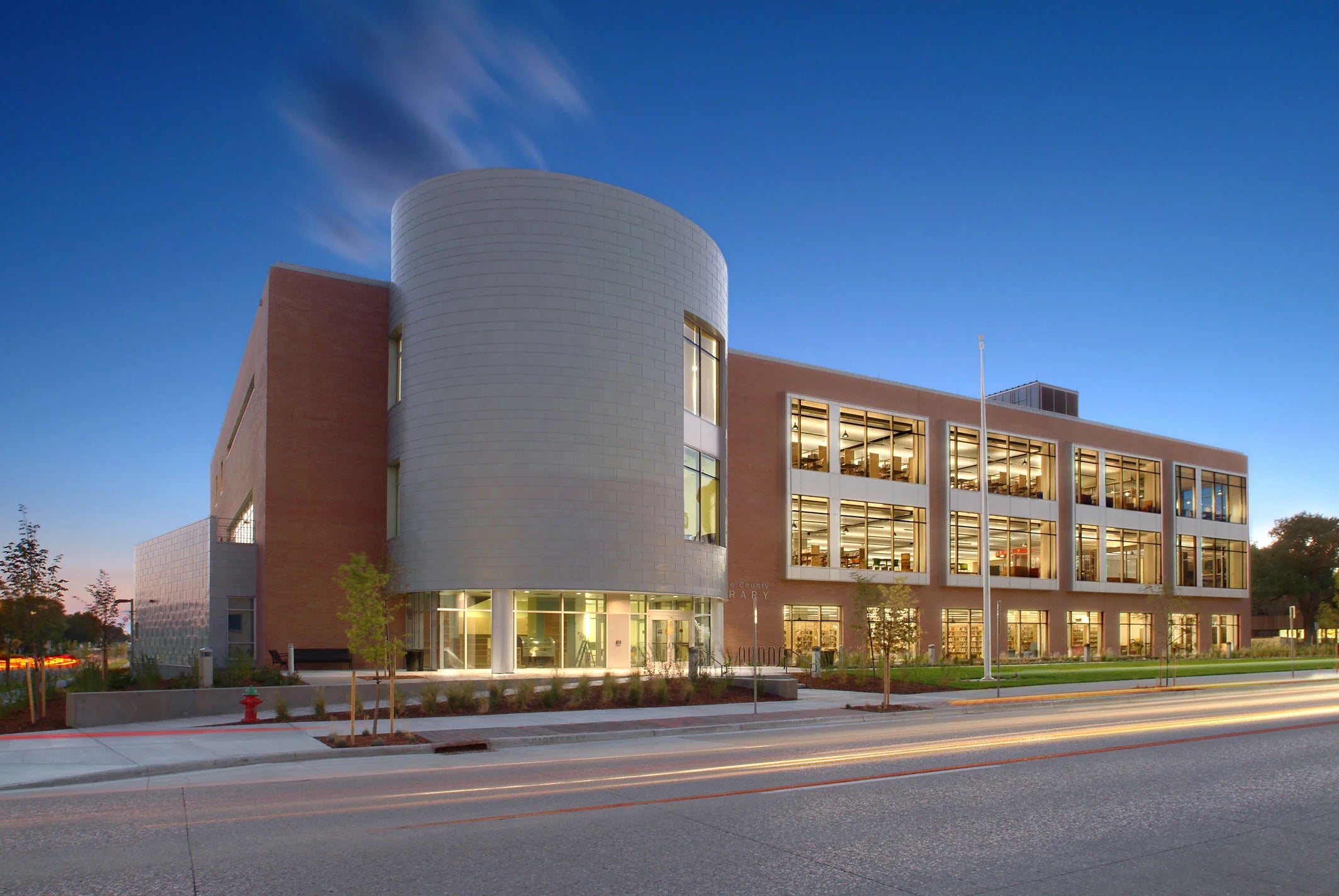
Seven Wyoming community colleges joined forces to make JSTOR permanently available to their students and faculty. Here’s how JSTOR’s one-time payment model made sustainable access possible.
-
Southwestern University brought its rich special collections to a global audience by partnering with JSTOR Digital Stewardship Services. Learn how streamlined tools, analytics, and open access helped the library expand visibility, engage new users, and strengthen its case for funding.
-
PhD candidate and art historian Connie Robles shares how JSTOR’s Workspace became her essential hub for organizing research, citations, and teaching materials. By integrating articles and images in one flexible, intuitive space, Workspace helps researchers and educators stay organized, save time, and inspire students to develop strong digital research skills.
-
Developed by John Guillory and Scott Newstok, the Close Reading Archive reimagines the history of literary interpretation through a rich, searchable database built with JSTOR’s research infrastructure.
-
Discover how secondary school teacher Madeleine Champagnie integrates JSTOR’s research tool into her English classroom to make scholarly research more accessible, inclusive, and efficient.
-
The University of the Fraser Valley Library adopted JSTOR’s Demand-Driven Acquisition (DDA) ebook program to expand access to scholarly content while managing tight budgets and limited staff time. Collections and Electronic Resource Librarian Patti Wilson shares how DDA has helped the university meet evolving research and curriculum needs.



Sign up for updates
Never miss a thing. Get updates from JSTOR delivered straight to your inbox.
By signing up you agree to our Privacy Policy. You may unsubscribe at any time by clicking on the provided link on any marketing message.
"*" indicates required fields