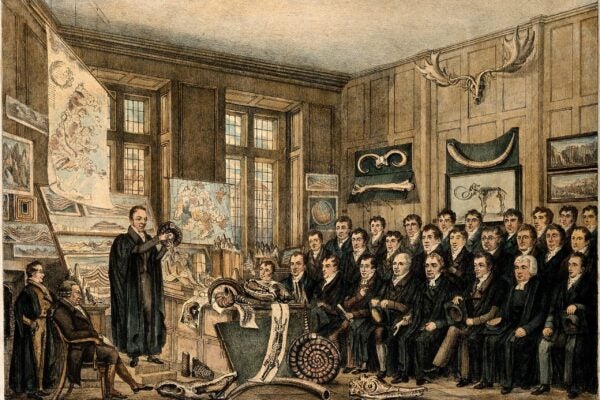
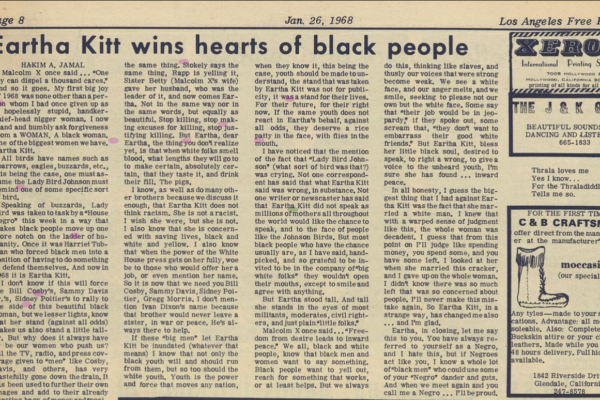
Distinctive collections can be digitized and available online— yet still remain difficult to discover or use. For a photograph, manuscript, letter, thesis, newsletter, or work of art to contribute to knowledge, someone must be able to find it, interpret it within its context, and put it to use for their purposes.
This challenge is central to the purpose of JSTOR Digital Stewardship Services: helping libraries, archives, and other cultural heritage organizations extend the discovery, use, and impact of the distinctive collections they steward. To strengthen those outcomes, we need to understand not only whether collections are being accessed, but how and why people find and use them, and what happens once they do.
Today, about 350 participating institutions share their digital collections on JSTOR through Stewardship, bringing a growing body of distinctive primary sources into an environment where students, scholars, educators, and independent researchers already work.
We’ve begun studying what happens when these materials enter those workflows, building an evidence base that can help institutions strengthen the discovery, use, and impact of the collections they steward. An analysis of platform usage, paired with an on-platform survey of 378 people viewing materials shared through Stewardship on JSTOR, offers an early view of that impact: these materials are supporting scholarly inquiry, entering citation workflows, expanding access to hard-to-find sources, and prompting researchers to return for more.
Growing collections, growing reach
Distinctive collections shared openly on JSTOR by libraries and archives participating in Stewardship are quickly growing. They currently comprise roughly 3 million of the 36.5 million items on JSTOR—or about 8% of the platform’s content. Approximately half a million items were added in 2026 through July alone, a pace that may be expected to rise as participation in Stewardship grows and new funding supports digitization.
Usage is rising as well. More than 7 million requests for items shared through JSTOR Stewardship were recorded from January to July 2026, already surpassing the total for all of 2025.
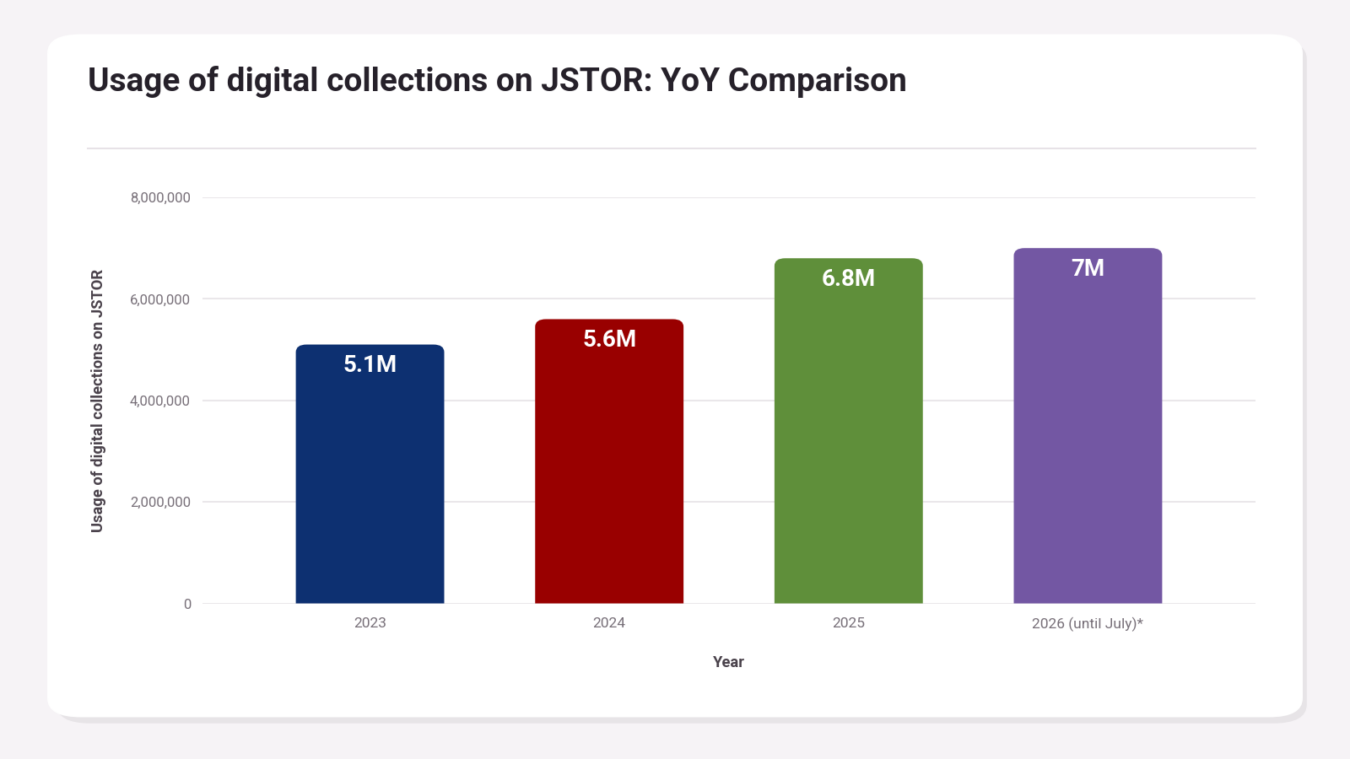
Usage numbers are one measure of reach, but that data alone can’t tell us what these encounters mean. To better understand impact, we also need to know why researchers come to these materials, how they expect to use them, and whether what they find is useful for the work they are trying to do.
How researchers are using collections on JSTOR
The survey results show a strong connection between distinctive collections shared on JSTOR and scholarly or academic work. 70% of respondents reported viewing an item for scholarly research, an academic assignment, public scholarship, or teaching.
Their intended use points in the same direction: when asked how they expected to use the item they were viewing, 47% said they intended to cite or reference it in an academic paper or other scholarly work.
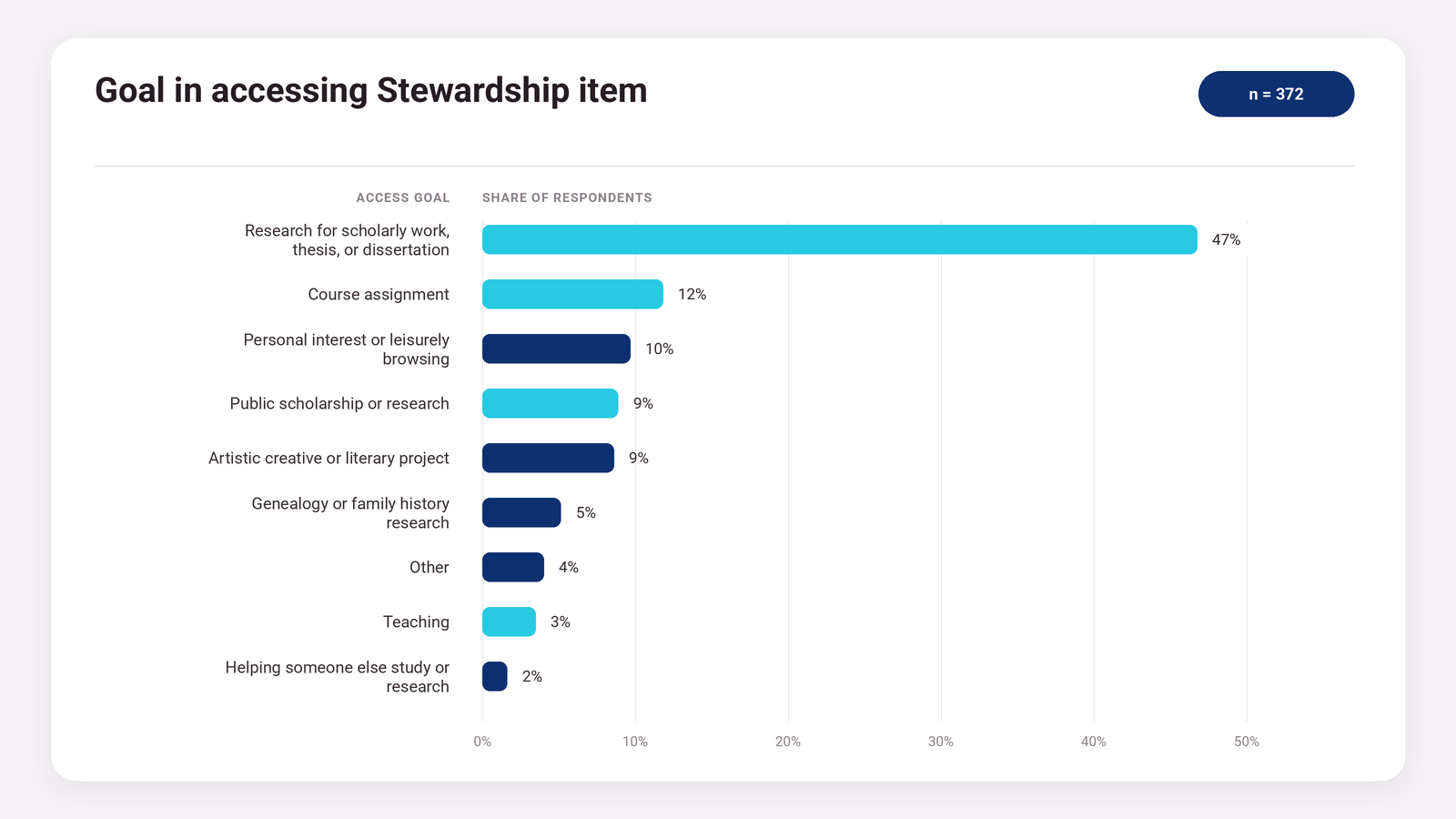
Respondents also generally found what they encountered valuable. On a five-point scale, the average usefulness rating was 3.75, with a median of 4, or “very useful.”
For many researchers, these materials are not simply being encountered alongside JSTOR’s journal articles and books; they are becoming part of the research itself.
Taken together, these findings suggest that distinctive collections are becoming meaningful parts of research and learning workflows: respondents were arriving with academic and research goals, intending to incorporate materials into their work, and reporting that what they found was useful to them.
Across the research and learning continuum
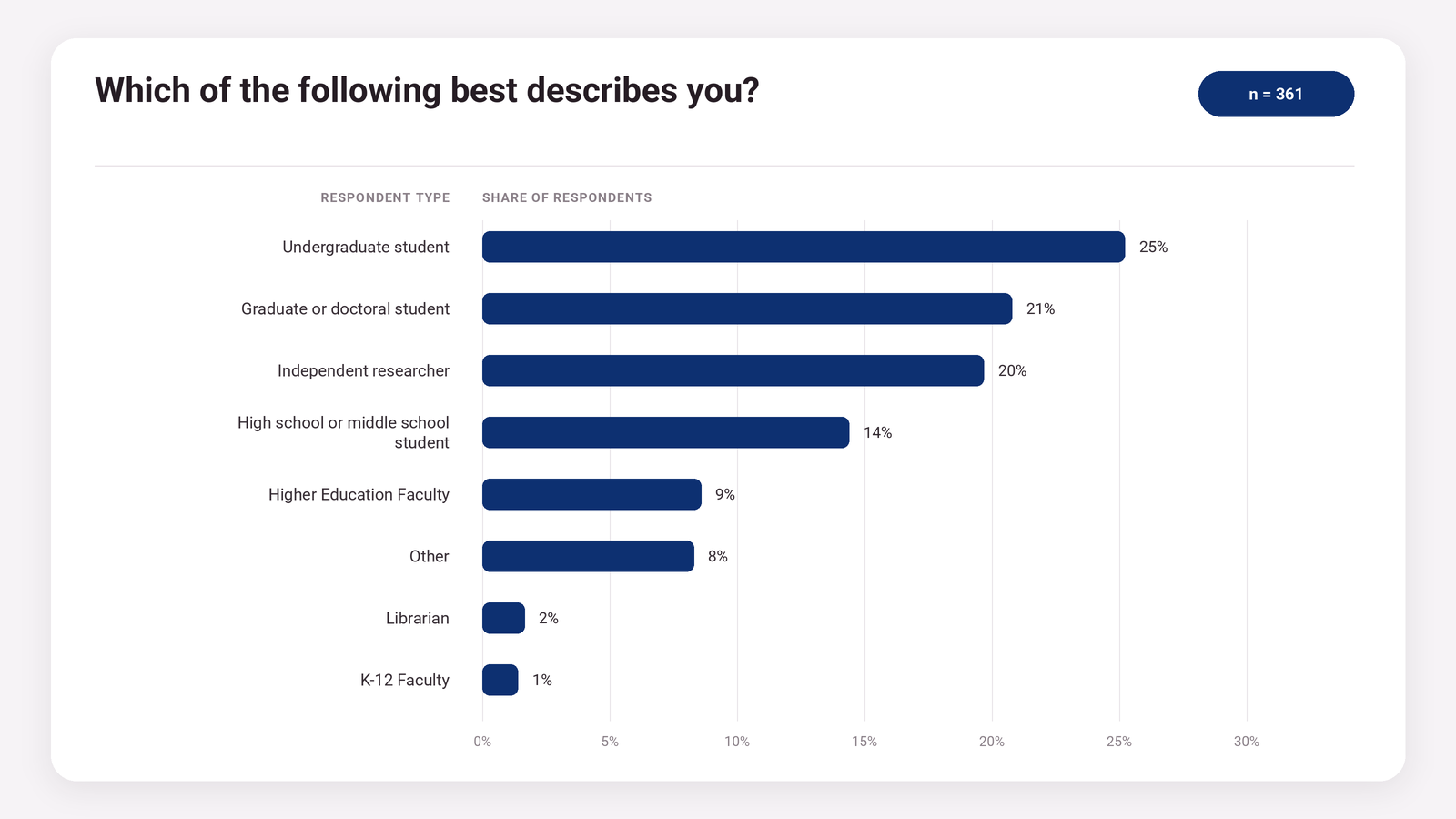
The research-oriented use of distinctive collections on JSTOR spans audiences and levels of experience. Undergraduate students were the largest respondent group (25%), followed by graduate or doctoral students (21%), independent researchers (20%), and middle or high school students (14%). Distinctive collections are supporting a continuum of engagement with primary sources, from students developing research practices to advanced scholarship, teaching, professional work, and independent inquiry.
For many researchers, these materials are not simply being encountered alongside JSTOR’s journal articles and books; they are becoming part of the research itself. A historic image can become evidence in an art history paper. A campus publication can document institutional or local history. A design plan, letter, or manuscript can provide the primary evidence that enables a researcher to develop, or reconsider, an interpretation.
Researchers described that value in their own words. One respondent referenced the collection they were viewing as an “important archive” for preparing architectural talks presented to peers as part of continued professional development. Another said the material had “expanded my knowledge and ideas for my PhD thesis.” Collections also have value for teaching, with one instructor noting that materials helped “enrich the curriculum I teach” and create lessons in which students could engage more directly with history.
Together, the quantitative findings and these individual experiences show distinctive collections supporting research, teaching, learning, and professional practice.
Discovery and access
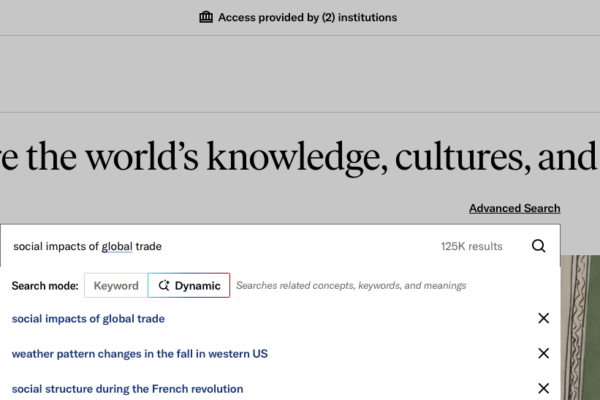
How researchers arrive at these materials is also revealing. Forty-four percent of respondents said they began the search for their project within JSTOR, either through search or browsing. Others began through Google and other search engines, academic databases and library resources, citations and referrals, and newer channels such as AI tools and social media.
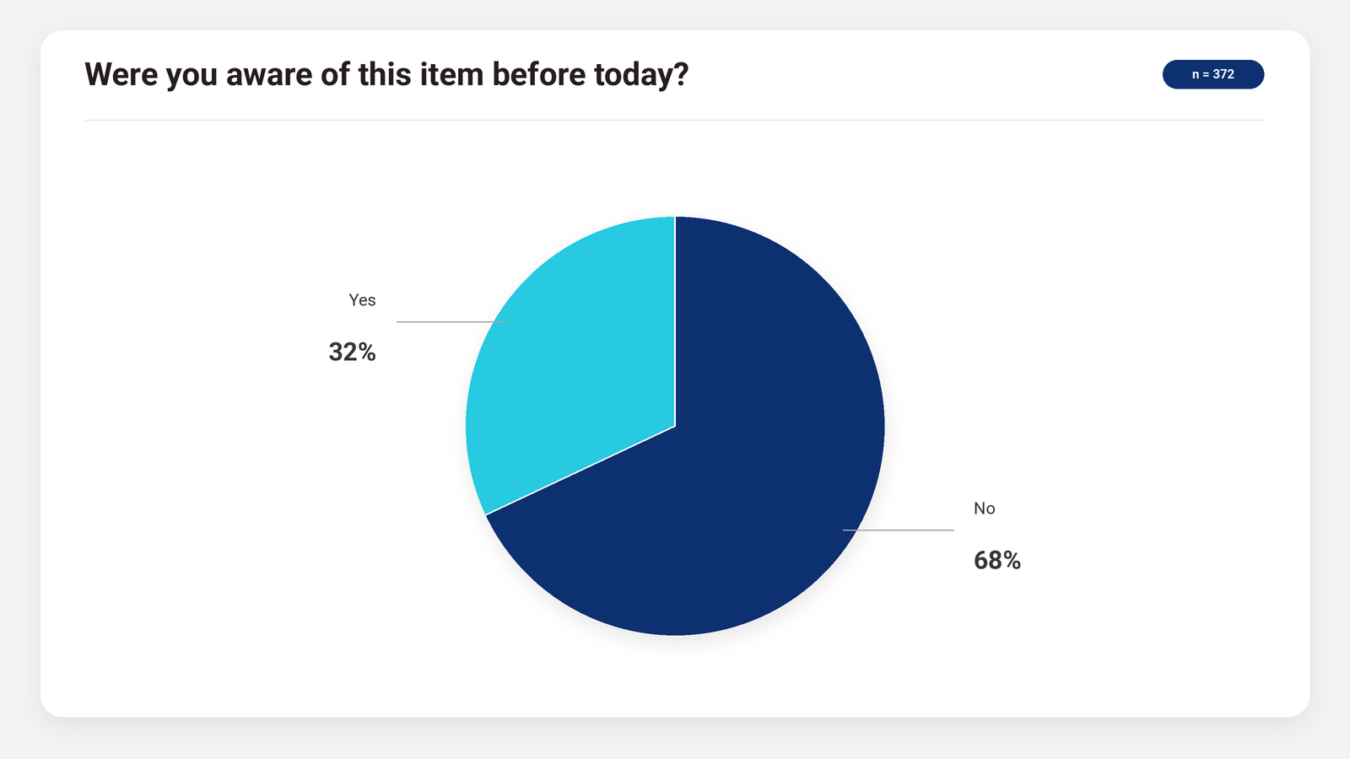
One of the clearest findings from the survey illustrates the power of discovery: 68% of respondents had not previously been aware of the item they were viewing.
The range of starting points underscores the importance of multiple pathways to discovery. Some researchers begin within an academic research environment they already know; others begin elsewhere and ultimately encounter a collection on JSTOR.
Indeed, one of the clearest findings from the survey illustrates the power of discovery: 68% of respondents had not previously been aware of the item they were viewing. This does not tell us exactly how each person found the material, but it does indicate that for most respondents, the encounter brought a previously unknown source into their research or learning process.
Respondents described the value of that discovery directly. One said JSTOR “simplifies searching (when the needed content is available) instead of searching individual museum collections.” Others described finding rare or difficult-to-access materials and bringing sources from different collections together within a shared research environment.
These encounters may also shape where researchers look next. On a five-point scale, respondents rated their likelihood of using JSTOR to find similar content in the future at an average of 4.51, with a median of 5, or “very likely.” In other words, finding a useful source can both address an immediate research need, and establish a place where a researcher expects to find relevant distinctive materials again.
From discovery into scholarship
Survey responses tell us how researchers intend to use these collections. We can also see examples of distinctive materials shared on JSTOR appearing in published scholarship.
A recent example comes from The Catholic University of America’s digital collection of Treasure Chest of Fun and Fact, an American Catholic comic book series. An item from the collection shared on JSTOR is reproduced and cited in the 2026 scholarly book “We Catholics Don’t Die Like Them”: Living with Death in American Catholicism. The citation directs readers back to the collection through a stable JSTOR link.
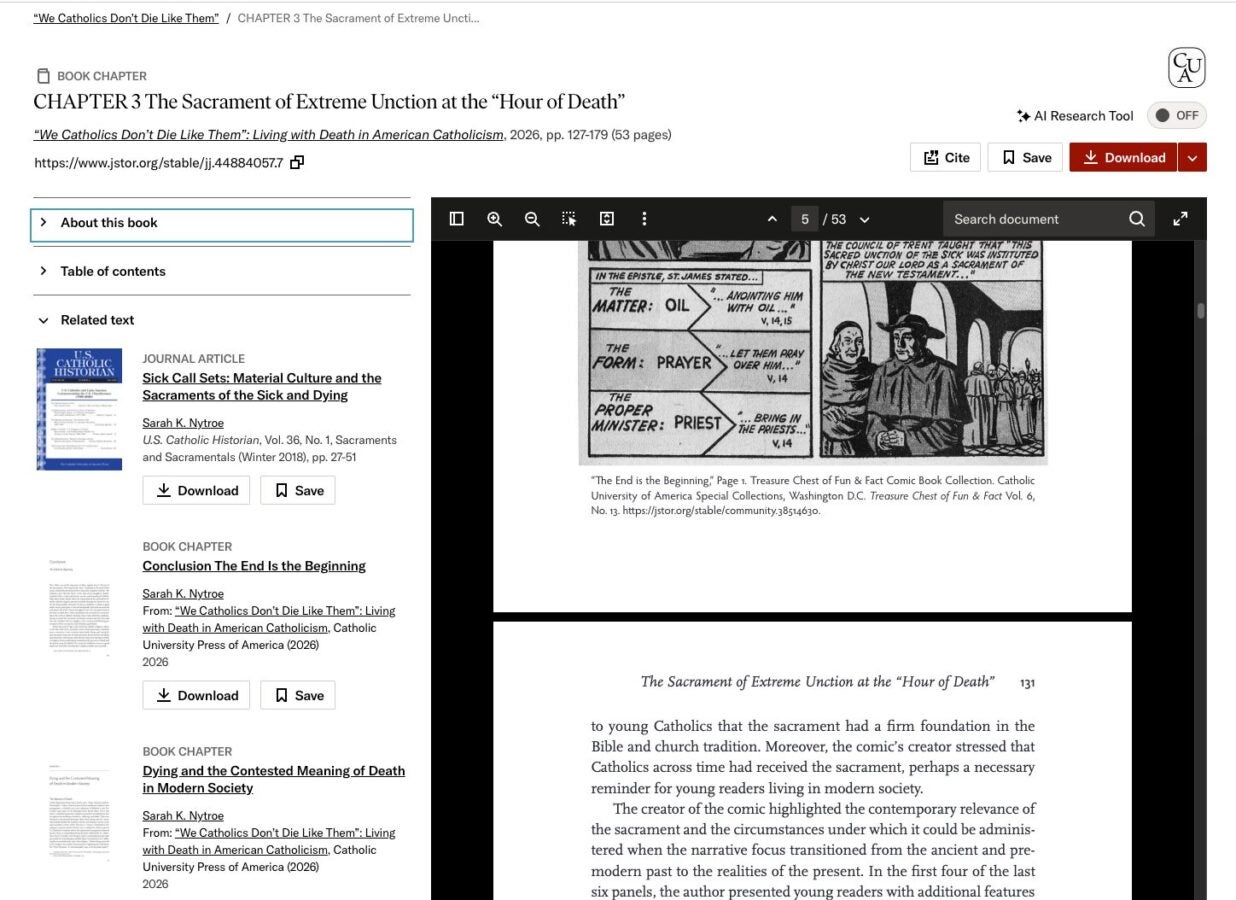
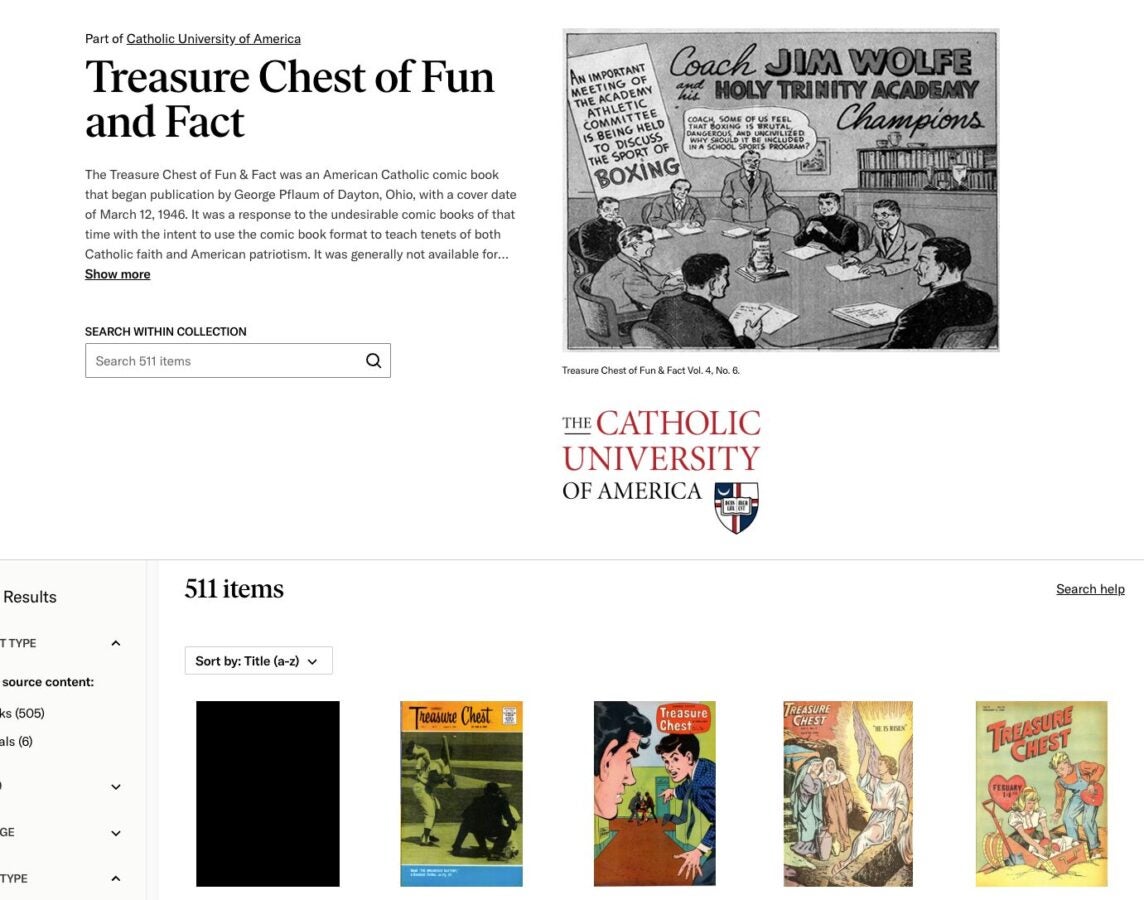
It’s one example, but an illustrative one: a distinctive collection stewarded by a library has moved from online availability into discovery, citation, and published scholarship.
That connection is central to the value of bringing primary sources into the same research environment as the scholarship that interprets them. Researchers can move between an argument and its evidence, while distinctive materials held by individual institutions become part of a broader scholarly conversation.
Learning how to increase impact
The impact of distinctive collections cannot be reduced to request counts. A single encounter may shape a thesis, strengthen an argument, save hours of research, support a lesson, or make a rare source available to someone unable to visit the holding institution.
As some survey respondents noted, library and cultural heritage collections hold evidence that may exist nowhere else: records of local communities, institutional histories, artistic practice, scientific observation, political life, and everyday experience. Preserving that record is essential. Making it discoverable within research and learning workflows allows it to do more.
Ultimately, the aim is to help institutions understand, strengthen, and communicate the impact of the collections they steward so those materials can become part of how knowledge is created today.
Understanding impact matters for another reason as well. Libraries and other cultural heritage organizations increasingly need evidence that helps them communicate the value of their collections and stewardship work to institutional leaders, funders, faculty, researchers, and the communities they serve. Our goal is not simply to understand impact for ourselves, but to develop evidence and approaches that can help participating institutions demonstrate the value of their own collections and work.
JSTOR Stewardship participants can already track usage of their collections over time through reporting dashboards. But as we’ve explored, usage data is only part of the picture. We want to understand what additional evidence would help institutions assess impact, tell the stories of their collections more effectively, and make the case for the value of stewardship work within their own institutional contexts.
This research is a first step. There’s more we want to understand, together with our community: which measures of impact matter most to institutions, how discovery differs across collections and audiences, what happens after an initial encounter, and how qualitative evidence can complement usage statistics.
Ultimately, the aim is to help institutions understand, strengthen, and communicate the impact of the collections they steward so those materials can become part of how knowledge is created today.
To learn more about how JSTOR approaches digital stewardship and supports institutions in this work, explore our Stewardship services.
Research note
This article draws on JSTOR content and item-request data and an on-platform survey conducted in May and June 2026. The survey was displayed to people viewing materials from digital collections shared through JSTOR Stewardship and received 378 responses. Response counts vary by question because not every respondent answered every question.