From award-winning scholarship to globally relevant research, the 2024 cohort builds on the success of the first 100 open titles to reach even more readers worldwide.
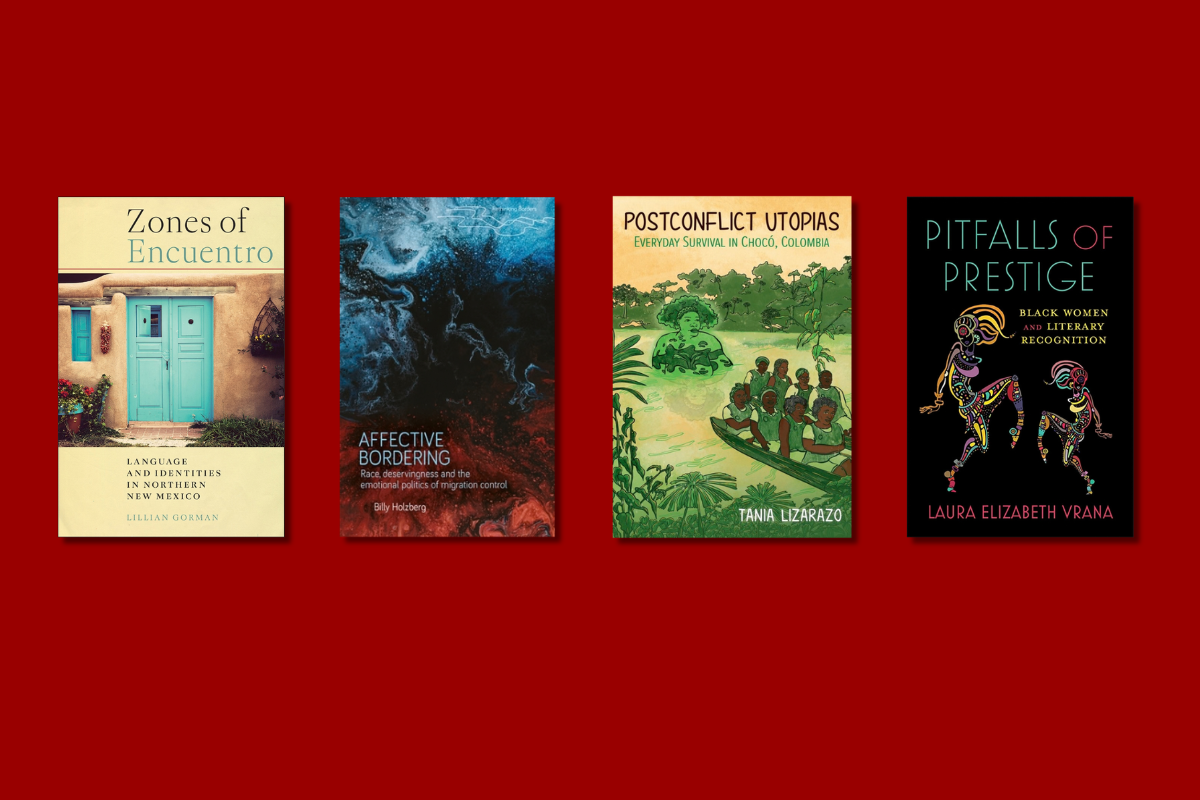
A book can take years to research, write, review, and publish. When it becomes open access, however, its audience can expand immediately and exponentially, reaching readers around the world.
Following the success of the first 100 Path to Open titles, which became open access in January 2026, 300 books selected for the 2024 cohort will become open access on JSTOR in January 2027. After being available to participating libraries during the licensed-access period, these books will be freely available to readers everywhere.
This milestone is significant not only because of its scale, but because of the range of ideas it will make easier to discover. The 2024 cohort brings together research across the arts, humanities, and social sciences—from migration and public health to literature, history, environmental change, music, politics, and archaeology. It includes books that speak directly to the questions shaping our communities, classrooms, and research today, as well as scholarship that deepens our understanding of the past.
Breadth and purpose across the cohort
Nearly 300 books can be hard to describe without sounding like a catalog. A better way is to look at the questions these books ask.
What does it mean to live with environmental change? Climate Justice and Public Health, from the University of Massachusetts Press, connects environmental concerns with public health and social well-being. A Watershed Moment, from the University of Utah Press, considers the relationships among water, science, and sustainability. Rewilding the Urban Frontier, from the University of Nebraska Press, examines ecology in and around the city.
How do people and communities navigate borders, identity, and movement? The cohort includes Affective Bordering, from Manchester University Press, a study of race, deservingness, and the emotional politics of migration control. Accompaniment with Im/migrant Communities, from the University of Arizona Press, explores solidarity and relationships with immigrant communities. Five Hundred Years of LGBTQIA+ History in Western Nicaragua, also from the University of Arizona Press, brings a long historical perspective to sexuality, identity, and place.
And how do ideas travel through culture? Readers will find work on music, film, literature, and media, including Narrative Podcasting in an Age of Obsession, from the University of Michigan Press; Making Mexican Rock, from Vanderbilt University Press, and The U.S. Giant Monster Movie, from Liverpool University Press.
These examples represent a fraction of the cohort. Together, they show what bibliodiversity looks like in practice: a wide range of subjects, methods, regions, disciplines, and scholarly voices brought together through a shared approach to access.
Recognized scholarship, now reaching further
The 2024 cohort also includes several books recognized by leading scholarly and professional organizations. While awards are one way to identify books that have made an impact, they are not the only measure of a book’s value. A cohort like this also matters because it includes scholarship that may be less familiar, newly published work from a wide range of presses, and research that can become meaningful to a reader precisely because it is easier to find.
If you’re interested in learning more, check out the list of award winners.
What the first 100 books tell us
The coming transition builds on an important result from the first 100 Path to Open books, which became open access in January 2026.
The early evidence is clear: in the first six months after those books became open access, item requests increased from 26,038 to 256,642—an increase of 886%. Access expanded from 245 to 3,015 institutions, and the number of countries where the books were used grew from 16 to 184. These results compare the licensed-access period, from October 2023 through December 2025, with the first six months of open access in 2026. Read more about the impact of open access through Path to Open.
The numbers matter because they make visible what open access can change. A book that was once available primarily through participating institutions can become part of a much larger research and learning environment by providing access to someone whose research does not begin with a library login.
The first cohort also offers a reminder that impact is not separate from quality, and these books were already valuable before they became open access. Making them open access did not create their scholarly importance, but made it possible for more people to encounter, use, and build on that work.
An open-access milestone made possible by community
Path to Open was designed around a shared challenge: how to expand open access to scholarly monographs while supporting the publishers, authors, and library communities that make those books possible.
Through the program, participating libraries receive access to a growing collection of new scholarly ebooks during the licensed-access period. Their shared investment helps participating presses publish and sustain high-quality monographs. This model means the January 2027 transition belongs to more than one organization. It reflects the work of authors and editors, the care of university and academic presses, the commitment of participating libraries, and the infrastructure that connects scholarship with readers. It also reflects a belief that access to research should expand without narrowing the range of subjects, perspectives, and communities represented in scholarly publishing.
For some participating presses, the 2024 cohort marks their first Path to Open books becoming open access. For others, it continues a growing body of work made more visible through the program. In both cases, the milestone represents progress toward a more connected and sustainable ecosystem for scholarly books.
Looking ahead to January
When the 2024 Path to Open books become open access in January 2027, readers will not encounter just one story or one field. They will encounter hundreds of entry points into research: studies of borders and cities, health and climate, literature and music, histories of resistance and belonging, and much more.
The first 100 titles showed what can happen when strong scholarship is made easier for the world to find. The next nearly 300 offer another opportunity—not simply to repeat that result, but to extend it across more disciplines, regions, presses, and communities.
Explore the complete Path to Open title list to discover the 2024 books that will become open access in January 2027.