Over seventy years after his death in 1948, Arshile Gorky’s life, practice, and artworks continue to resonate with new generations of artists and writers. In honor of his enduring legacy, the Arshile Gorky Foundation has contributed over one hundred images of the artist’s work to Artstor on JSTOR.
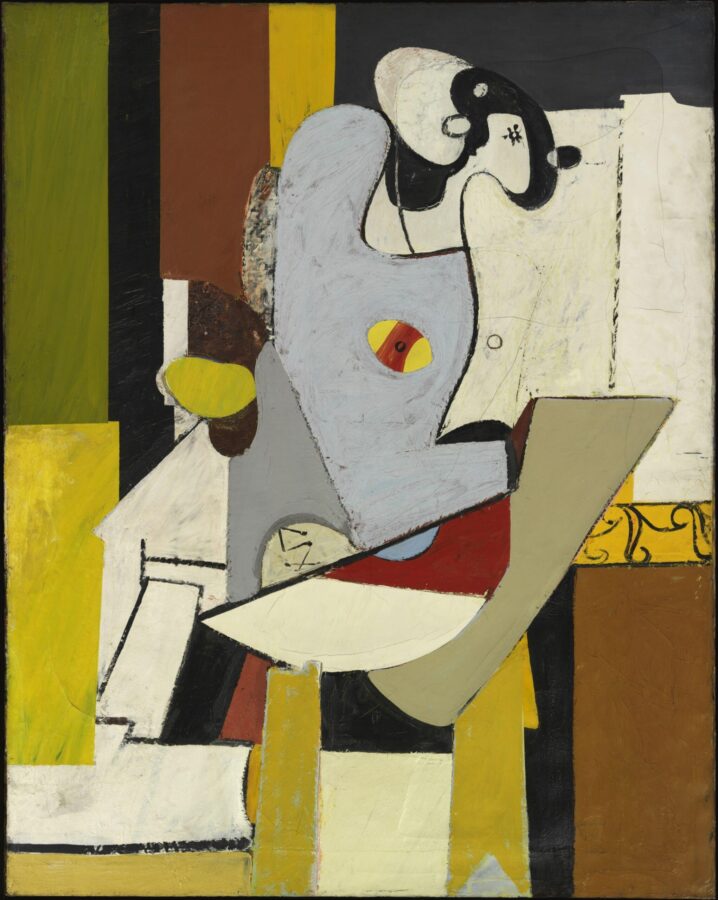
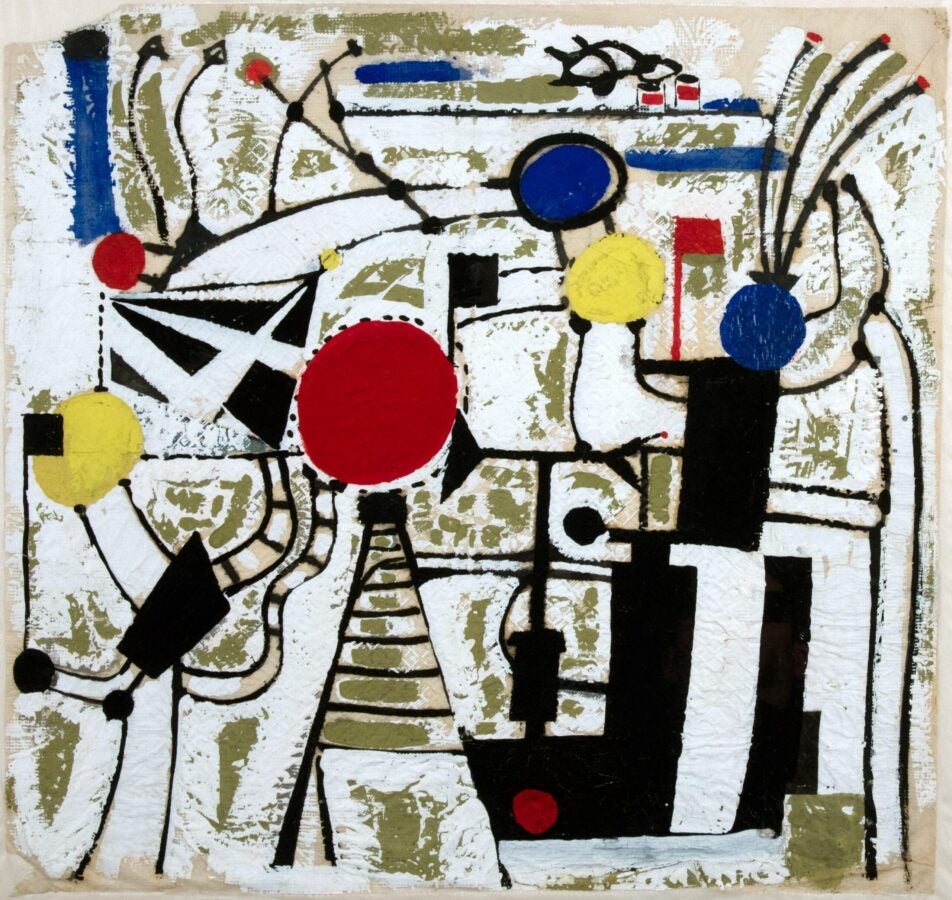
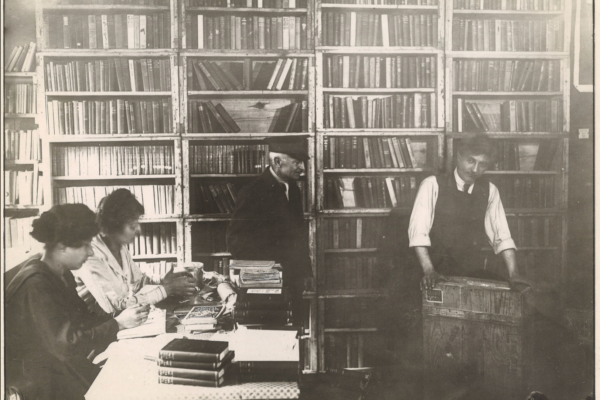
Gorky was an autodidact. Though he briefly attended art schools in Boston and New York in the early 1920s, he was, in effect, almost entirely self-taught. At a young age he had an intuitive, painterly sensibility and was offered teaching positions. In New York, he became a well-known art instructor, notably at the Grand Central School of Art, and privately, at his studio on Union Square. Fellow artists, among them Willem de Kooning, respected his connoisseurship and omnivorous command of the history of art. Gorky educated himself through frequent and repeated visits to as many local museums and galleries as possible and by voraciously reading art books and trade publications. He is among the first generation to benefit from innovations in photographic reproduction, as demonstrated by his vast library and collection of ephemera, which has been catalogued and published online by the Arshile Gorky Foundation.
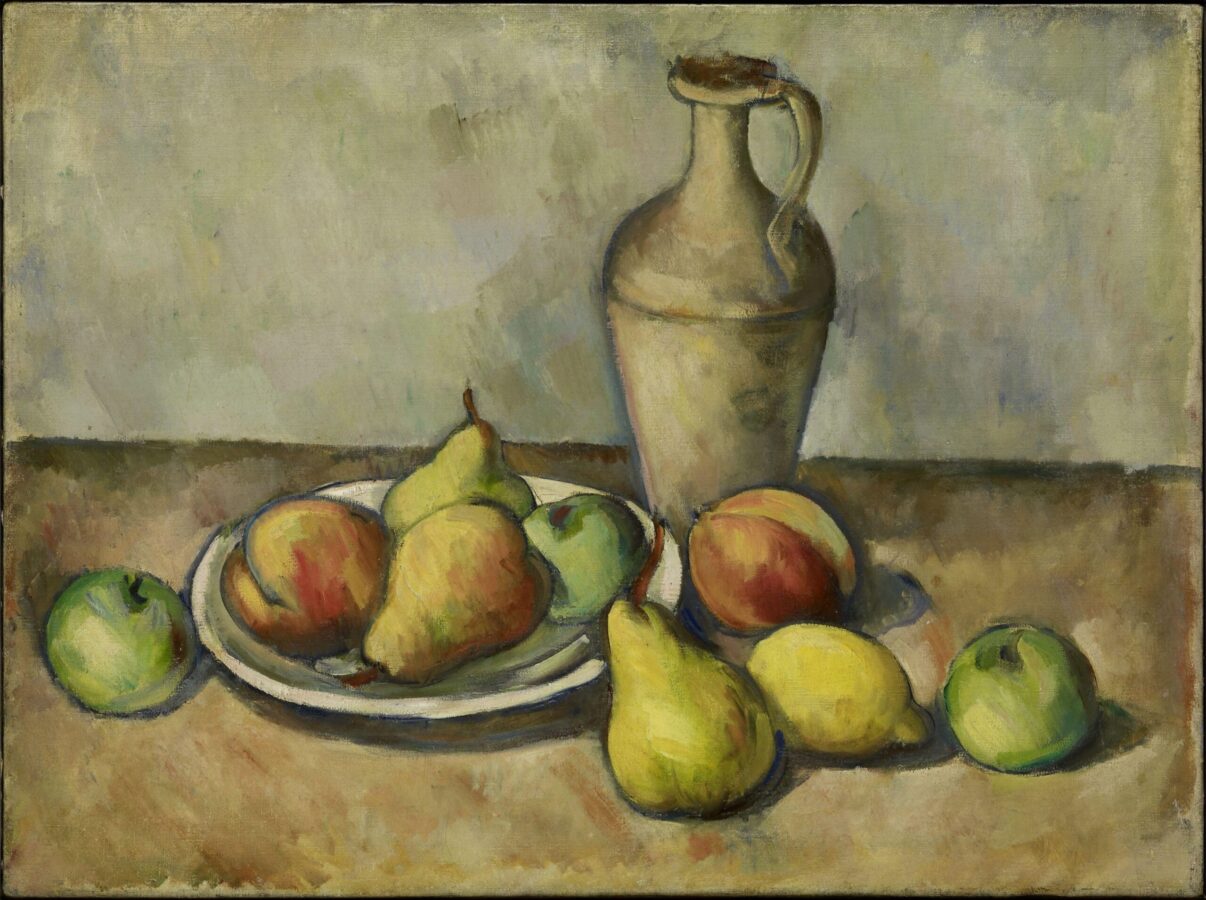
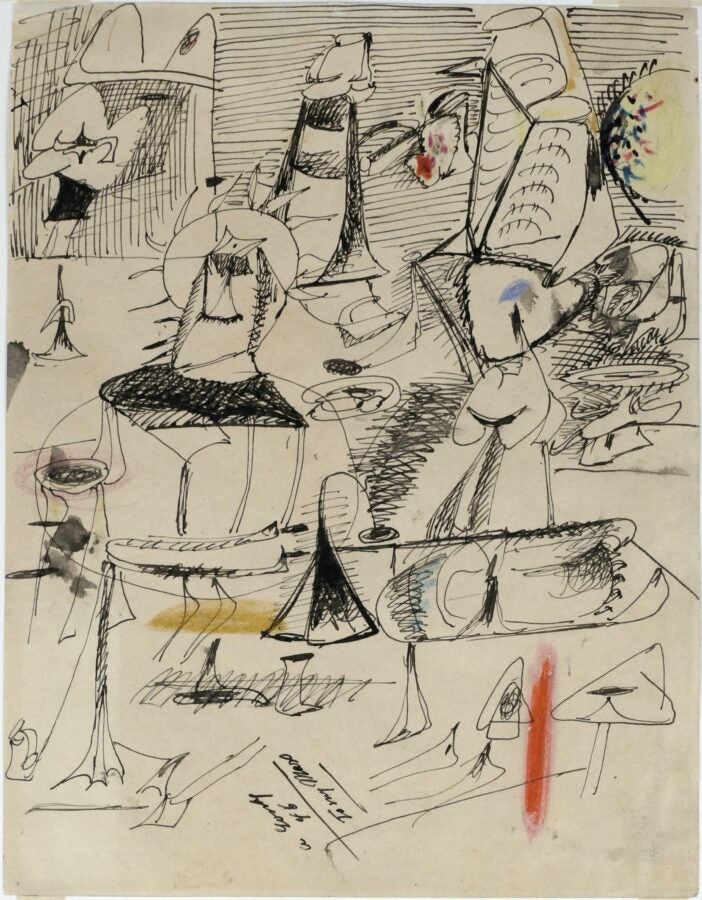
“The cathedral leaves its locale,” wrote Walter Benjamin, “to be received in the studio of a lover of art.” Gorky loved and lived art. The pages of his library are marked with notes and marginalia, and various reproductions have little holes in their corners from having been tacked onto Gorky’s studio walls. His own artwork, in turn, is studied and art historical, with dozens of copies after works by other artists. The Gorky Foundation’s contribution to Artstor is also a nod, thereby, to the spirit of Gorky’s autodidacticism and instructorship. May these images find the screen of a lover of art.
The Gorky Foundation is committed to fostering a more accessible digital art history. Educators and students are encouraged to consult the Foundation’s Arshile Gorky Catalogue Raisonné, a free and accessible online publication that documents Gorky’s known oeuvre.