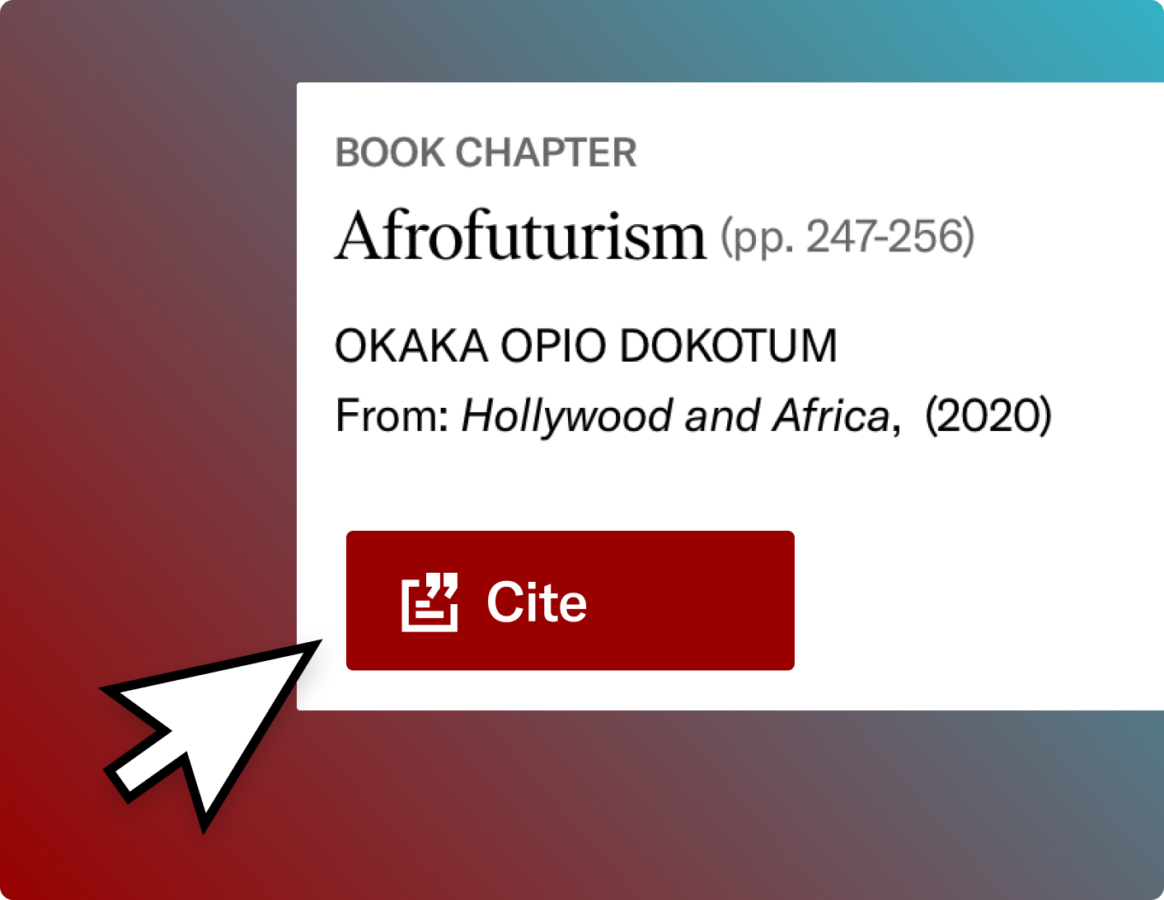
Scholarship is a conversation and we believe in empowering students to be able to place their work in context of the wider world. This back-to-school season, JSTOR Access in Prison released a new citation tool that makes it easier for scholars working from carceral facilities to cite their sources. Learners using the mediated version of JSTOR in carceral facilities can now cite any item in MLA, Chicago, or APA format, as well as search an item’s stable URL for easy retrieval. This work aims to help students manage their research process, retrieve articles more directly, and have overall closer parity to on-campus tools.
Troubleshooting with community
Last year, our colleague Elizabeth Shatswell had a generative classroom visit at a women’s facility in Ohio, where students shared the challenges they face managing citations for their research. Currently, students using JSTOR inside carceral facilities must manually record and format citations of articles they use in their research by hand or by computer, which can be taxing, even for one citation.
Why a citation tool matters
Citations are crucial to the research process, as they help place ideas and attributions in context of the wider scholarly conversation. Citation features are common in scholarly databases for students working on campus, as found on jstor.org. By building a citation tool, our team was determined to make it easier for students to appropriately fuel their research rabbit holes across available technology, and in doing so, build necessary research hygiene and data literacy skills.
A tool for citing and retrieving
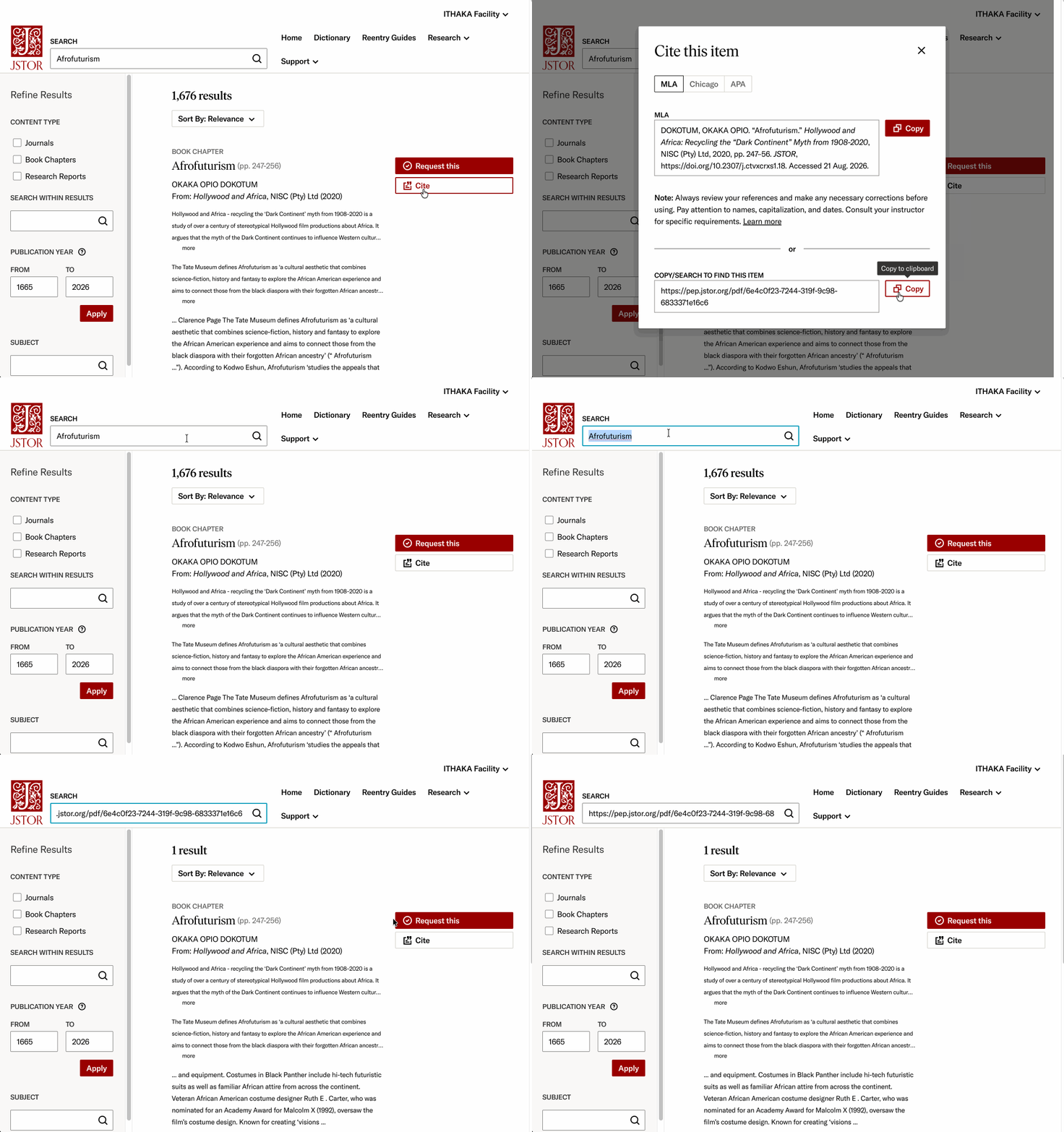
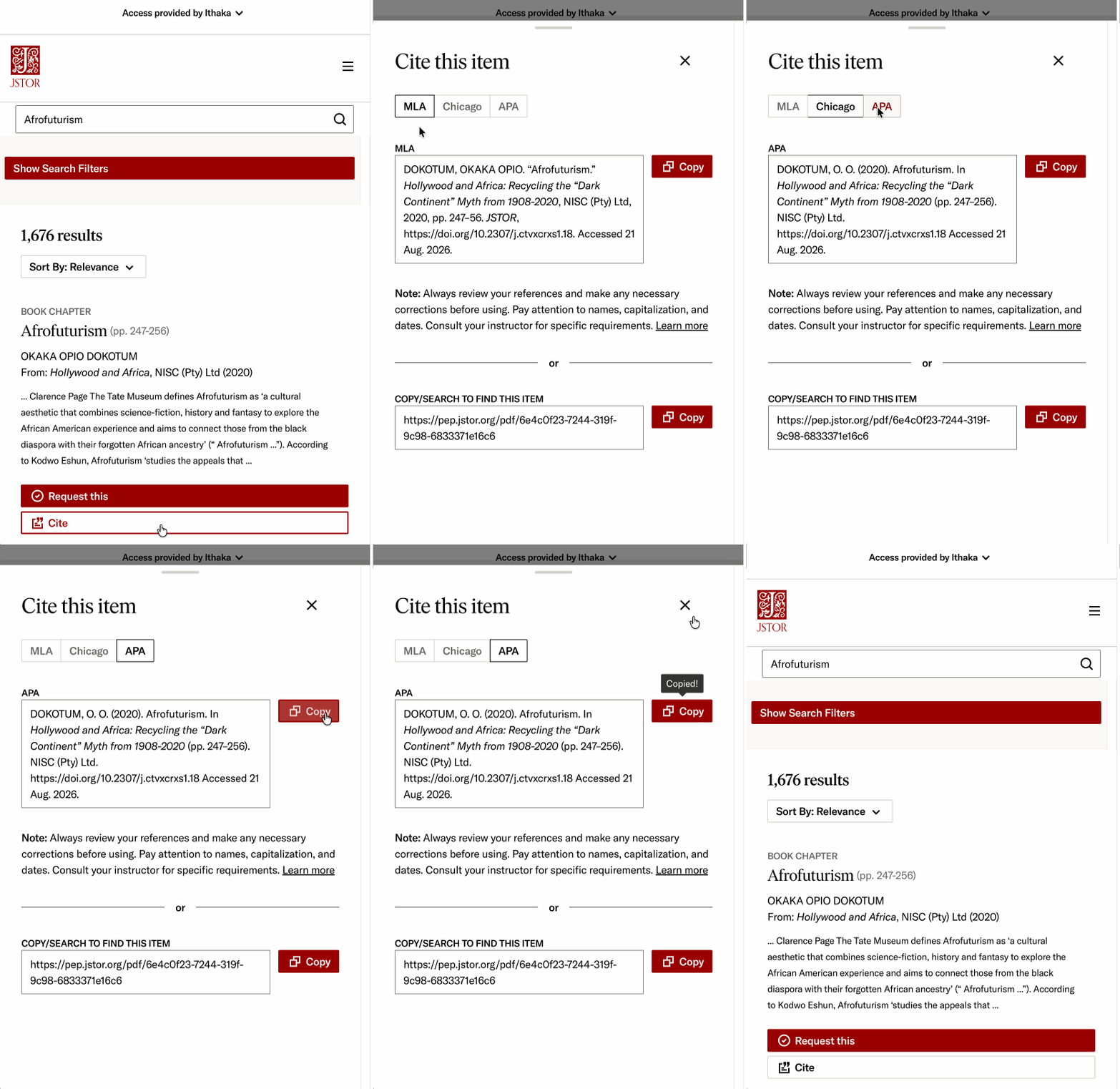
JSTOR Access in Prison now provides auto-generated, pre-formatted citations for individual items in MLA 9, Chicago 17, or APA 7 styles. Students who have devices that permit them to copy and paste will be able to directly copy to their clipboard wherever they manage citations. For students who are limited to paper and pencil, the citation can be an educational tool for proper formatting, especially for independent learners that may not have instructional support, helping them save time and effort during limited study hall in computer labs.
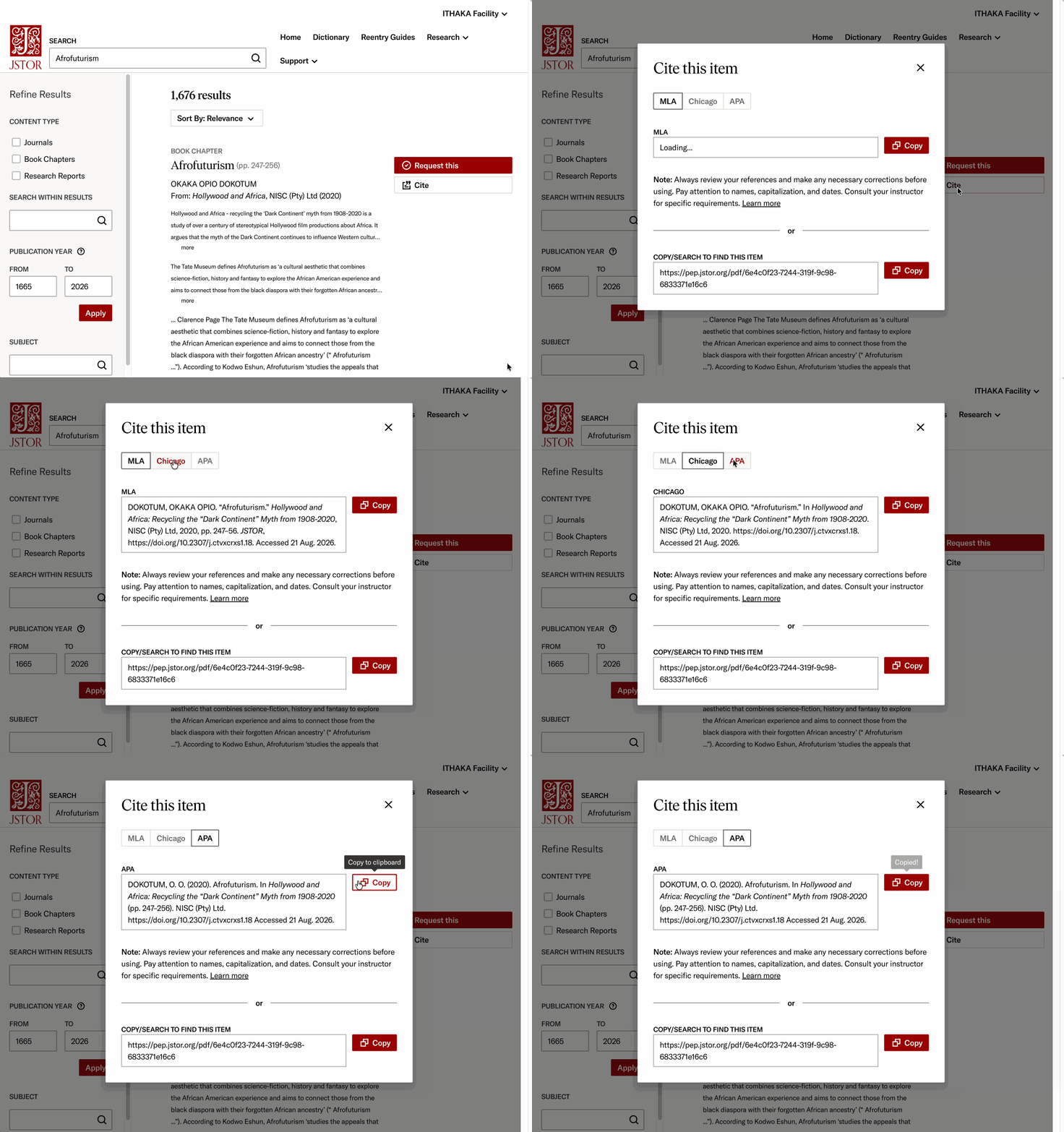
In addition, students can copy the item’s stable URL, so that when they want to return to the article at a later time or date, they can find it directly, rather than searching for the title and having to filter accordingly. Not all personal tablet devices offer users access to browser URLs, so students can also put it directly into the JSTOR search bar to retrieve the item.
Mobile-first design for usability
The majority of learners using JSTOR Access in Prison are on tablet devices, which are increasingly common in prisons and jails across the country. To build a citation tool that fits, our team took a tablet-first design approach to improve usability for touch and smaller-screen users by building a bottom-sheet or “drawer.” It’s the same outcome for a user on a desktop, but intended to be easier for specialized mobile devices. Our team is always thinking about how to level up digital literacy skills for folks inside, and it’s also how we could incorporate newer technology patterns for anyone learning how to navigate using personal tablets this school year.
Share your feedback
We are so grateful for the candidness and willingness of students in Ohio to share obstacles in their experience using JSTOR, which helped us improve the interface for all learners inside carceral facilities. If you’re a student or educator at a higher education in prison program and have suggestions from you or your students using JSTOR, please reach out!
Learn more
Citations are available for all students using the online mediated version of JSTOR Access in Prison. Learn more about our online and offline solutions and how to get started or schedule a consultation.