In Chicago, we do what we can, when we can–
and that has always been more than enough.
A poem for my city
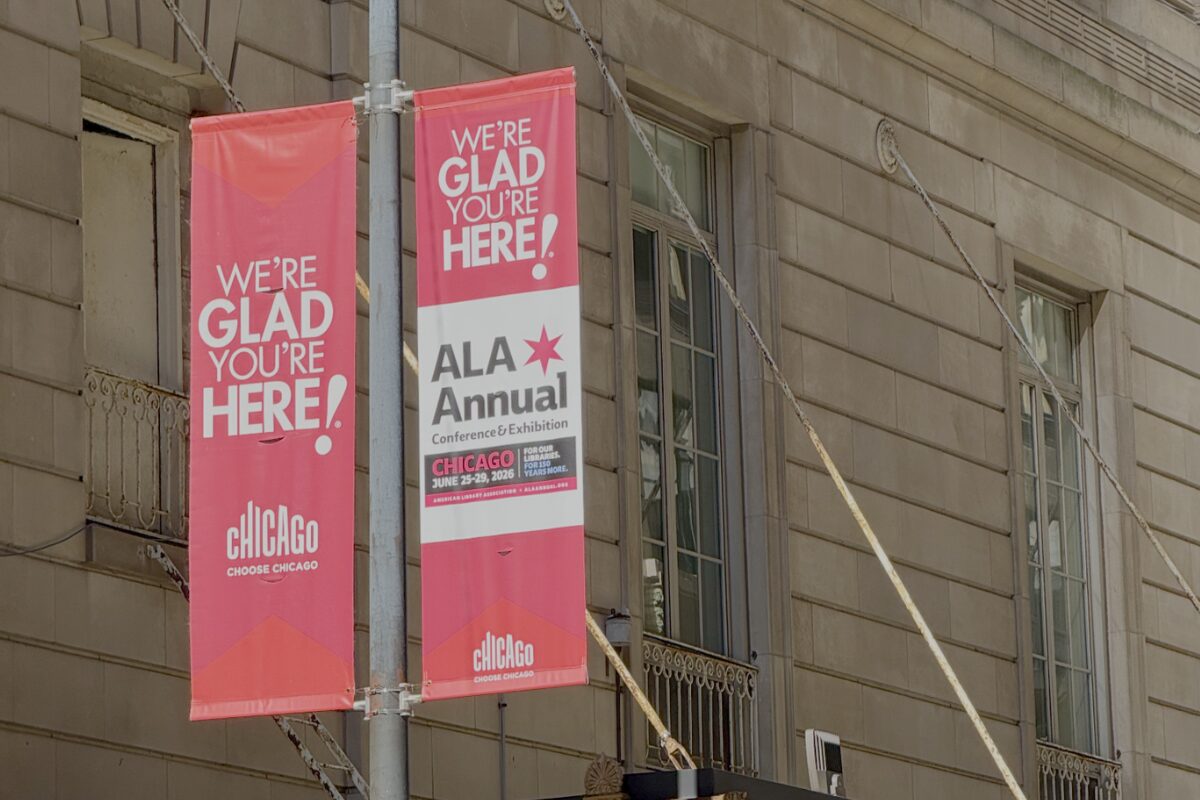
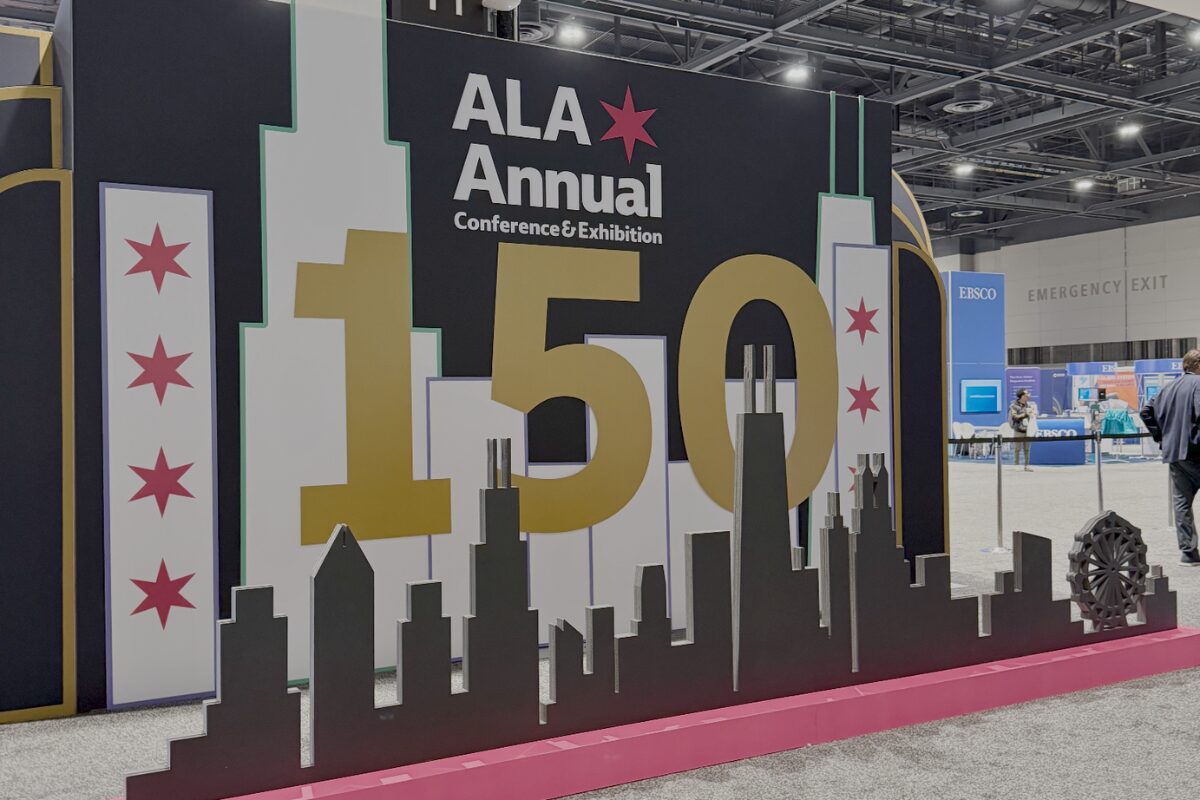
On June 25, I attended the fifth and final convening of the Expanding Information Access for Incarcerated People Initiative, a nationwide project supporting library services for incarcerated and reentry populations, hosted as part of the American Library Association (ALA) Conference in Chicago. The day opened not with an agenda slide, but with a poem.
Faylita Hicks read a commissioned piece that lyrically iterated through some of the people, artwork, and institutions that kept the humanity of Chicago’s Black community legible against the erasures of incarceration, injustice, and neglect: Ida B. Wells writing by lamplight after her press was burned, the archives of the Vivian Harsh Collection, Theaster Gates, the Wall of Respect at 43rd & Langley, Gwendolyn Brooks. This specificity was the argument, and the parallel to the convening is clear. Providing access to information for incarcerated people isn’t an abstraction administered through policy. It’s a collection of practices, carried out by particular people, in particular places, at a particular time.
I’m a Chicago native, raising a fifth-generation Chicagoan, but I do this work—software engineering for JSTOR Access in Prison—largely at a remove: in the codebase, on videocalls, in error messages relayed from student to teacher to administrator. Meeting the people who do this work in person, in the same downtown hotel where I once attended senior prom, closed that distance literally and figuratively, and grounded me in a network that, until that day, had mostly existed as names on a screen.
Access as practice
Dr. Jeanie Austin convened the day. Throughout it, speakers moved through policy updates and program reports alongside personal narrative and anecdotal observation. Approaches to meeting the information needs of justice-impacted people were similarly multidimensional—drawing on empirical, theoretical, and anecdotal evidence. In panels and breakout sessions, participants shared the successful elements of their own toolkits while acknowledging budget constraints, shifting Department of Corrections policy, and a system built to move slowly and avoid risk.
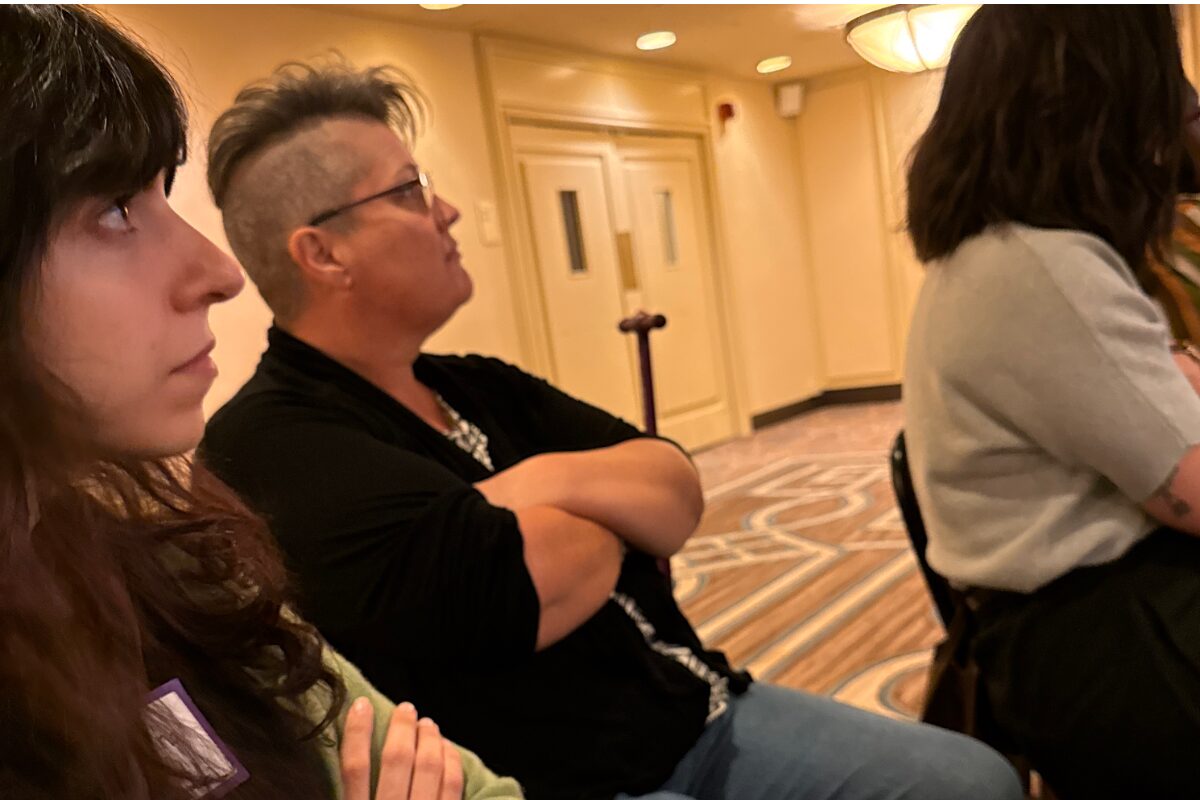
More than one speaker described the prison library, without qualification, as a lifeline—the thing that had kept them oriented, sane, or simply present to themselves, inside a system built to make that hard. Sam Anderson, an artist featured in Wendy Jason’s presentation on the Inside Knowledge Exhibition, put it plainly: books and art, he wrote, were the two things inside to “keep you sane” but “are the least funded and accessible.” By this fifth convening, the field already had its standards—the ALA’s 2024 rewrite of its correctional library standards, the first in three decades, was produced through this same initiative. The work now was implementation: session after session reporting back on what it actually takes to meet those standards, and how much of that still comes down to a single librarian’s resourcefulness rather than the resources they were given.
A folding table down the hall held one version of that realization: the Education Justice Project (EJP) at the University of Illinois Urbana-Champaign, handing out 2026 reentry guides for national, state, and immigration resources. Since December, JSTOR Access in Prison has hosted these reentry guides (as well as similar materials from Tennessee Higher Education Initiative and New York Public Library) directly inside the platform, so a user’s search can carry through from coursework to housing, employment, and benefits information without leaving the tool they already know.
Providing access to information for incarcerated people isn’t an abstraction administered through policy. It’s a collection of practices, carried out by particular people, in particular places, at a particular time.
Anders Villalta, a librarian in the Los Angeles Public Library’s (LAPL) Experience Office, presented the results of a pilot project they conducted as a cohort member of San Francisco Public Library (SFPL) Expanding Services Together mentorship program. Their pilot to replace suspensions at LAPL with a transformative justice process walked staff through turning a single rule-breaking incident into an opening for repair instead of removal: a user who had been drawing on furniture was given art supplies, a reminder of boundaries, and then asked to help erase the marks together while the librarian describes the upcoming art program.
I had encountered transformative justice in theory, notably in the Philosophy4Humans conversations about abolition that our team participated in at Southeastern Correctional Institution in April. Watching it work inside a public library—an institution I understood on its own terms—convinced me of what the framework could do.
One of the moments I keep returning to came at the close of the “Access to the Law and Navigating Legal Needs” session, when Monica Cosby, an activist and former law clerk inside, read aloud her favorite Supreme Court opinion, Justice William Brennan’s dissent in O’Lone v. Estate of Shabazz: “Prisoners are persons whom most of us would rather not think about. Banished from everyday sight, they exist in a shadow world that only dimly enters our awareness” (482 U.S. 342, 354 (1987)). The room went quiet because it argued, plainly, for the humanity of incarcerated people, and because Monica delivered it like she’d carried it with her for years. That stillness remained in the small group after, where conversation turned to comparison: how jailhouse lawyers, law students running clinics, librarians working inside prisons, and law librarians in the community field legal reference questions with entirely different tools at hand.
After hours
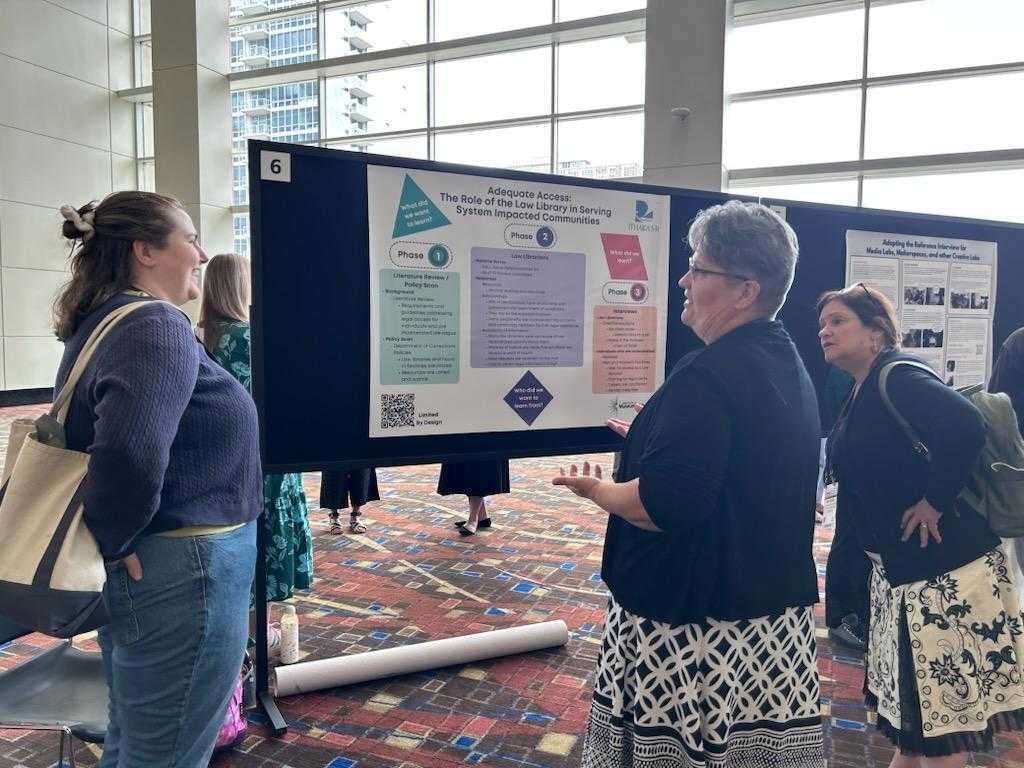
Later in the conference, Tammy Ortiz, a Senior Analyst on Ithaka S+R’s Justice Initiatives team, presented a poster on the two-year law library research project she and her colleagues have been running: The Role of the Law Library in Serving Incarcerated Individuals, funded by the Institute of Museum and Library Services. Its first phase, a policy scan tracing how incarcerated people’s constitutional right to access the courts has narrowed over time, was published last year as Limited by Design. By the time of the convening, the team was wrapping up the second and final phase—a survey of 55 law libraries and 12 follow-up interviews—later published as Serving Incarcerated Patrons. JSTOR Access in Prison, part of ITHAKA Labs, builds tools to facilitate scholarly access into prisons; Ithaka S+R’s project traces how legal access moves, and often stalls, through the same institutions and the same understaffed professionals.
That evening, before a Chicago Cubs game, Tammy and I had dinner with Diane Rodriguez, director of the San Francisco Law Library, past president of the American Association of Law Libraries, and an advisor on Tammy’s project. En route to the ballpark, I played tour guide while they described how incarcerated patrons search for legal information and where they see the biggest gaps—the kind of user detail that’s hard to get directly from incarcerated patrons, and that does a great deal to sharpen my own mental model.
Later in the weekend, Tammy and Diane shared a panel too: “Bridging the Legal Information Gap in Prisons: A Dialogue between Librarians and Jailhouse Lawyers,” alongside Jhody Polk and Darren Breeden of the Jailhouse Lawyers Initiative, and Cornell Law Librarian Julia Mizutani. It was close to the same conversation the small group had circled around earlier in the day—librarians and jailhouse lawyers comparing what each side actually has to work with—but here it came with research findings and firsthand accounts side by side, and closed on what the broader library field would actually need to do to close that gap, rather than just name it.
This is the fifth and final convening of this grant-funded initiative, but its legacy continues in the the standards it produced. What happens to them now happens branch by branch, prison library by prison library—carried by the same specific people, in the same specific places, that the day had been naming since the opening poem.