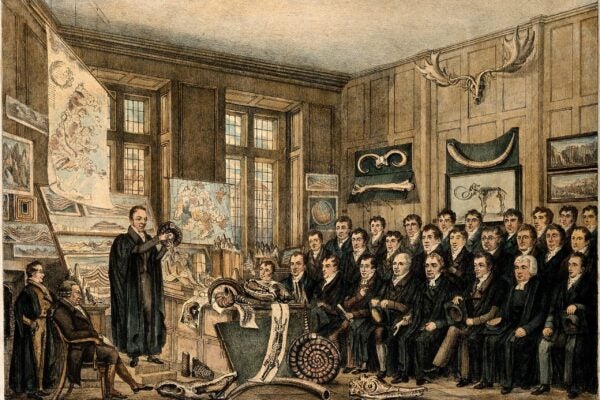
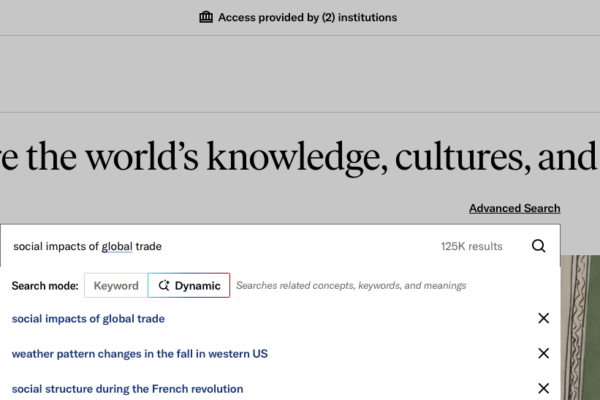
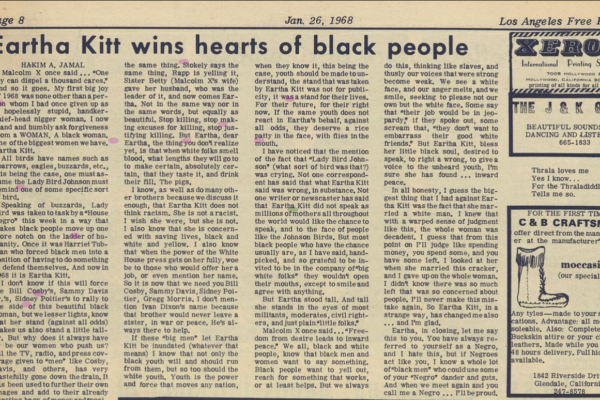
The JSTOR Digital Stewardship Services community is expanding—uniting libraries, archives, and cultural heritage organizations working together to strengthen responsible, mission-aligned digital collections practices. Through AI‑assisted collections processing, integrated digital asset management, long‑term preservation, and sharing their unique materials on JSTOR, Stewardship participants are advancing discovery and broadening access in ways that reflect their values and aspirations.
This month’s Stewardship update features new members of our community, notable collections made available by our participants, and updates from the broader community. If you’re looking to scale your digital collections program—or simply curious to see what peers are doing—we hope these stories provide inspiration.
New to the Stewardship community
We’re excited to welcome new institutions to JSTOR Digital Stewardship Services—each contributing distinctive collections, innovative projects, and unique insights to our growing community. Explore the full participant list.
New to Tier 2
The following institutions will use JSTOR’s integrated, cloud-hosted Stewardship platform for digital asset management, Portico-backed preservation, and discovery—including the ability to share materials on JSTOR.
Siena University – Loudonville, New York
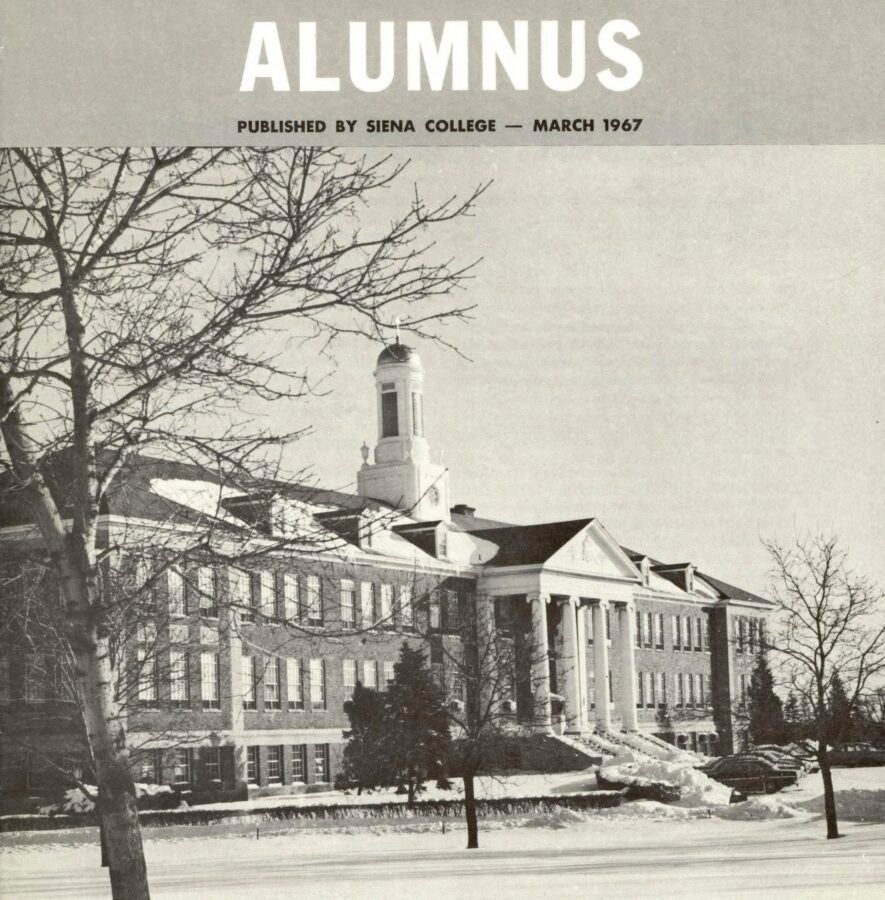
Siena worked with JSTOR’s professional migration team to move collections from CONTENTdm to JSTOR Stewardship, making over 2,600 items openly available via The Siena University Digital Repository on JSTOR, with the goal of expanding access to campus scholarship and archives.
Read the full Siena University announcement
St. John Fisher University – Rochester, New York
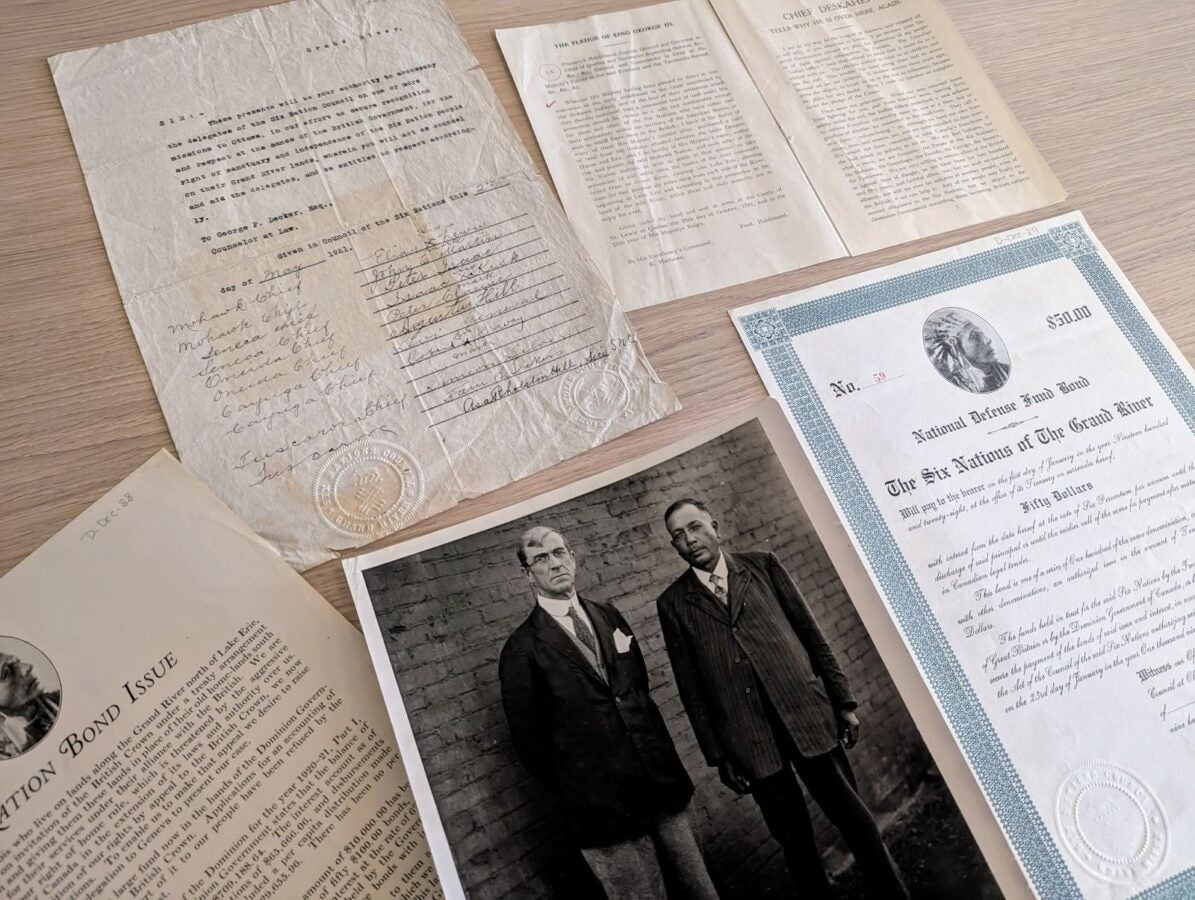
Home to distinctive materials including abolitionist-era newspapers, recordings from the history of radio broadcasting in Rochester, and a growing body of faculty and student scholarship, Fisher aims to improve discoverability and searchability with built-in OCR for newspapers, and automatic transcription for audio materials.
Read the full St. John Fisher announcement
New to Tier 3
These institutions will join our charter program dedicated to advancing responsible, sustainable digital collections stewardship; gain access to JSTOR Seeklight plus the integrated Stewardship platform for digital collections management, preservation, and sharing; and help shape JSTOR Seeklight through working groups, user testing, and cohort discussions.
Wellesley College – Wellesley, Massachusetts
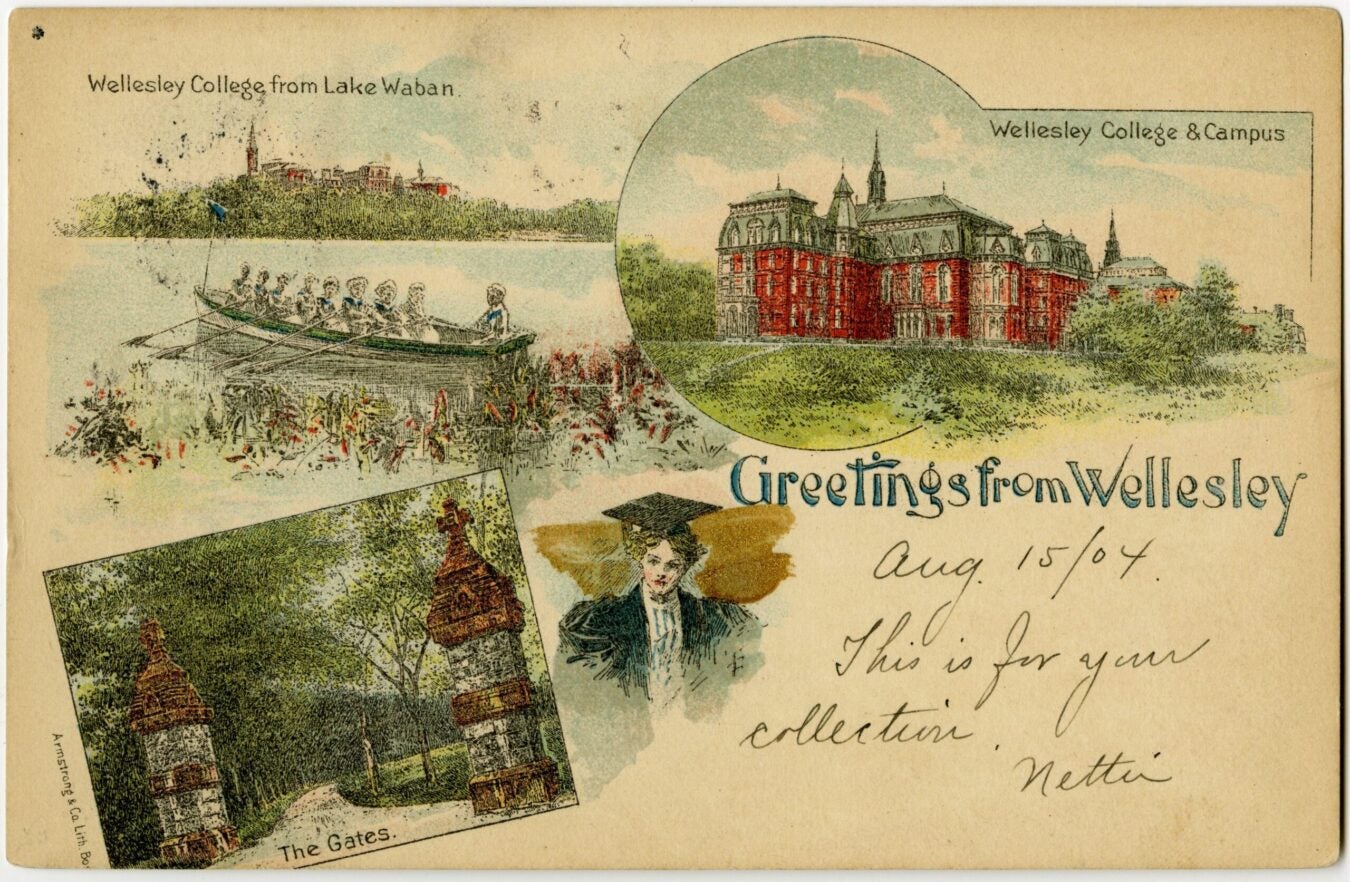
Wellesley is the fifth Oberlin Group and second Boston Library Consortium institution to join the charter program. An early adopter of JSTOR’s stewardship programs, the college already shares more than 31,500 items openly on JSTOR.
Read the full Wellesley announcement
Drew University – Madison, New Jersey
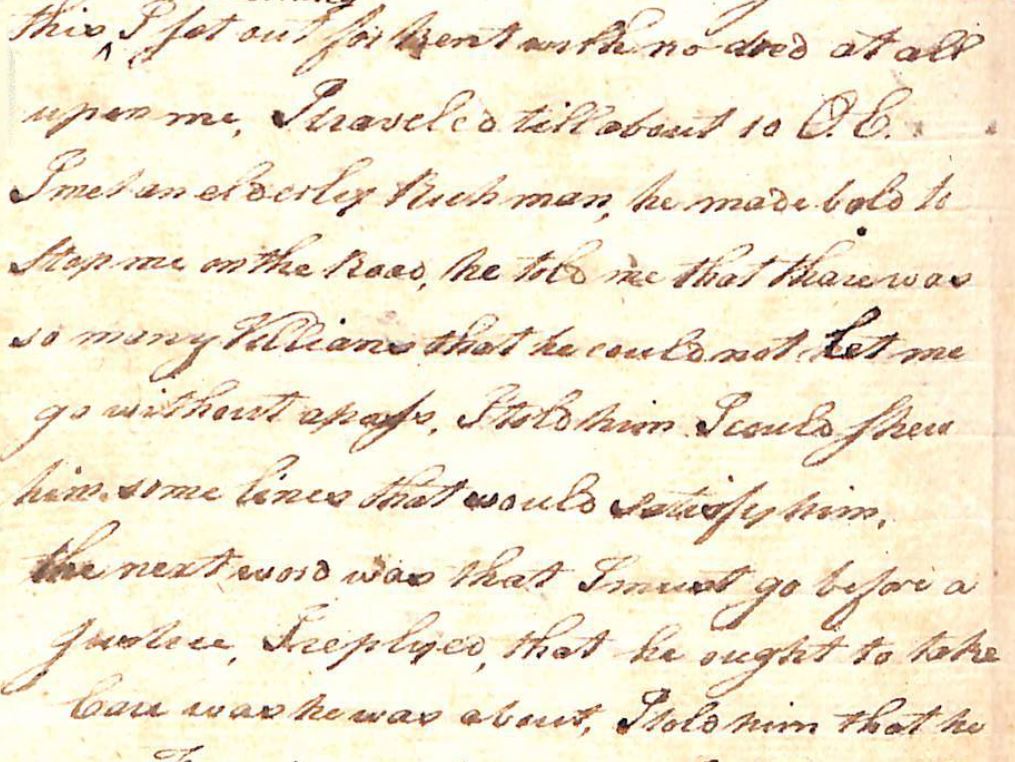
Drew will use JSTOR Seeklight to expand access to traditionally hard-to-process materials. They’ve already used the tool to describe, transcribe, and share a handwritten 122-page journal from 1788, adding to more than 9,000 items across 50 collections already available from Drew on JSTOR.
Read the full Drew University announcement
Collection spotlight
As stewards of unique materials, our participants make a diverse array of collections available on the JSTOR platform, discoverable alongside scholarly materials by researchers on-campus, and worldwide.
Browse thousands of open access collections on JSTOR.
JSTOR Seeklight-generated, human-reviewed description: The University of Alabama in Huntsville’s Space Journal Collection
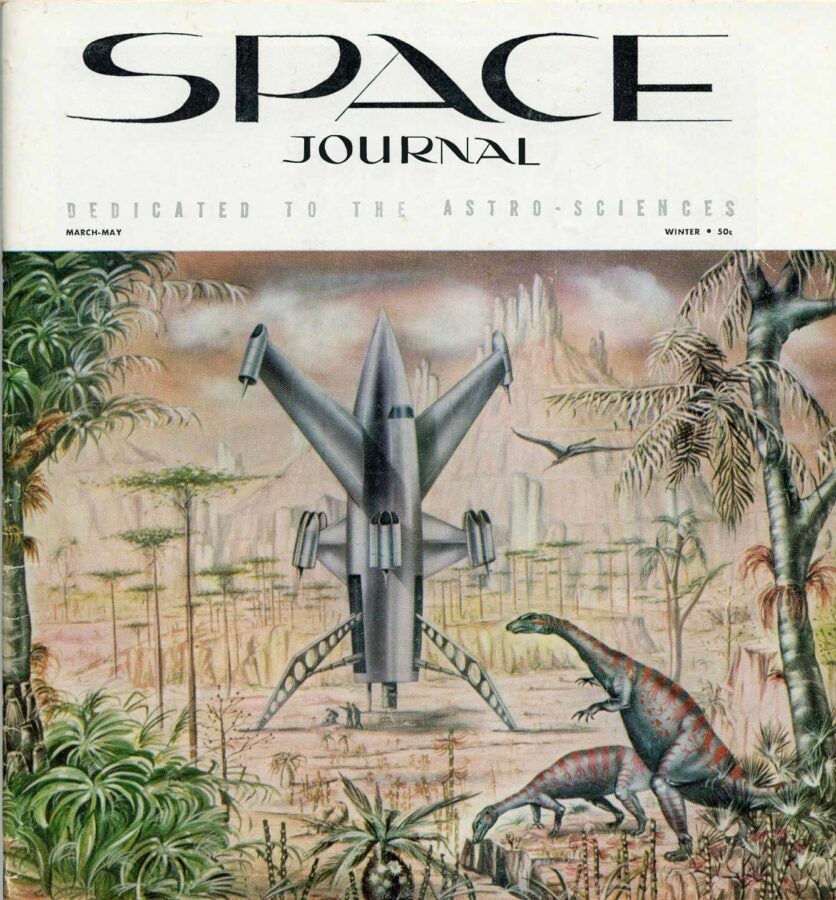
Explore the full run of the short-lived, Cold War-era Space Journal, published by the Rocket City Astronomical Association and Space Enterprises, Inc. in Huntsville from 1957 to 1959. Gain insight into each issue with AI-assisted, human-reviewed metadata—clearly labeled with transparency notes so readers understand how descriptions were created.
Browse the Space Journal collection on JSTOR
Cleveland Public Library: Architecture of Greater Cleveland and Ohio
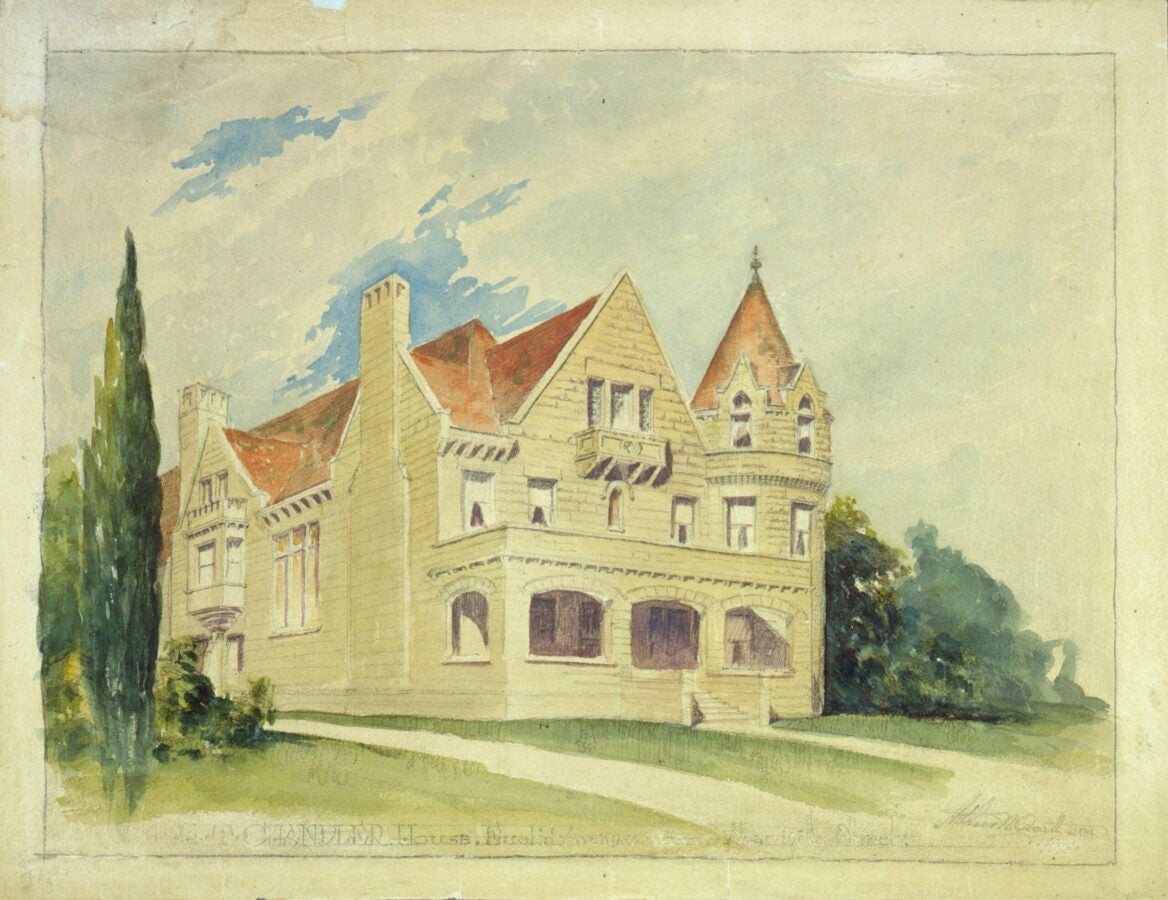
Trace Cleveland’s Gilded Age grandeur through historic photographs from the Cleveland Public Library. Images of Euclid Avenue’s “Millionaires’ Row,” Schweinfurth-designed mansions, and the Cleveland Arcade reveal how industrial wealth shaped revival-style splendor—and how much has since disappeared.
Explore the Architecture of Greater Cleveland and Ohio on JSTOR
Read the JSTOR Daily feature: “How America’s Industrial Elite Built Their Own Palaces”
Contributions and conversations
Through presentations, written pieces, conference panels, and more, the Stewardship community is committed to sharing back what they do and learn. Visit our events page to catch up on past recorded events, register for new ones, and find opportunities to meet up at an upcoming conference.
Preservation first: How The Evergreen State College modernized digital stewardship with JSTOR
The Evergreen State College migrated nearly 4,900 items from a locally maintained Omeka environment into JSTOR Digital Stewardship Services, strengthening long-term preservation through Portico while reducing maintenance burden. With a supported migration completed in weeks, Evergreen shifted focus from system upkeep to sustainable, future-ready stewardship.
Federal grant will unlock centuries of Long Island history at Hofstra
Hofstra University’s Long Island Studies Institute (LISI) has been awarded a $459,000 federal grant to digitize and expand access to materials documenting Nassau and Suffolk counties. The grant will help support Hofstra’s participation in the JSTOR Stewardship charter program—advancing the adoption of archival technologies and best practices, strengthening long-term preservation, and ensuring digitized materials are preserved and made accessible through a trusted, widely used scholarly platform. Hofstra has already contributed several JSTOR Seeklight-processed collections to JSTOR: Hempstead, New York Photographs and Battle of Long Island.
Want to learn more about becoming a part of JSTOR Digital Stewardship Services? Get in touch with our team!