The JSTOR Digital Stewardship Services community is expanding—uniting libraries, archives, and cultural heritage organizations working together to strengthen responsible, mission-aligned digital collections practices. Through AI‑assisted collections processing, integrated digital asset management, long‑term preservation, and sharing their unique materials on JSTOR, Stewardship participants are advancing discovery and broadening access in ways that reflect their values and aspirations.
This month’s Stewardship update features new members of our community, notable collections made available by our participants, and updates from the broader community. If you’re looking to scale your digital collections program—or simply curious to see what peers are doing—we hope these stories provide inspiration.
New to the Stewardship community
We’re excited to welcome new institutions to JSTOR Digital Stewardship Services—each contributing distinctive collections, innovative projects, and unique insights to our growing community. Explore the full participant list.
Middle Tennessee State University (MTSU) – Murfreesboro, TN
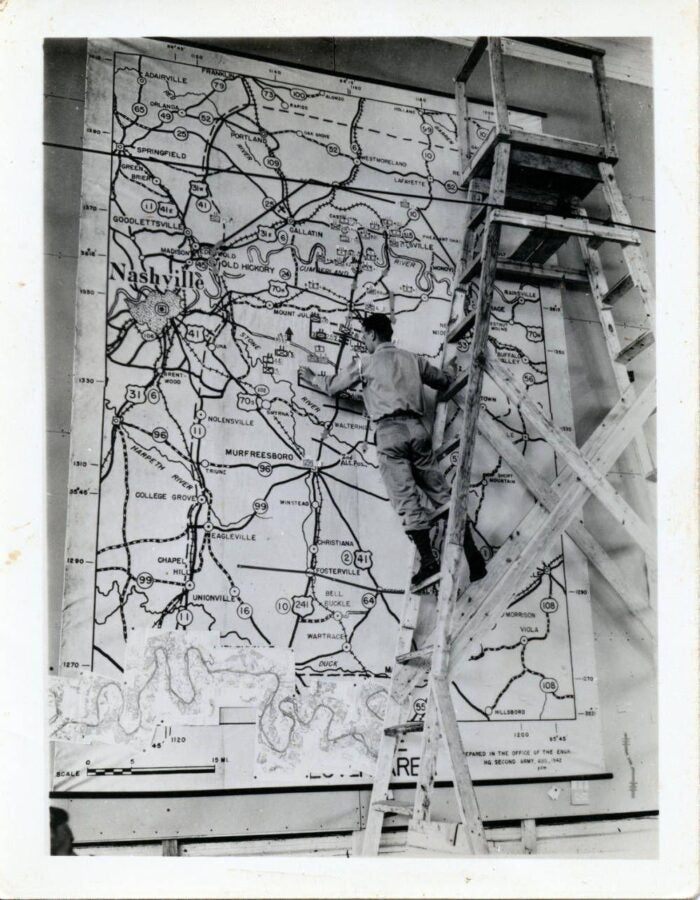
Middle Tennessee State University (MTSU) will join JSTOR Digital Stewardship Services as a Tier 2 participant, migrating more than 13,000 items from CONTENTdm into JSTOR’s integrated platform for digital asset management, preservation, and discovery.
Read the full MTSU announcement
Collection spotlight
As stewards of unique materials, our participants make a diverse array of collections available on the JSTOR platform, discoverable alongside scholarly materials by researchers on-campus and worldwide.
Browse thousands of open access collections on JSTOR.
JSTOR Seeklight-generated, human-reviewed description: Dr. Martin Luther King Jr. Visits Occidental College
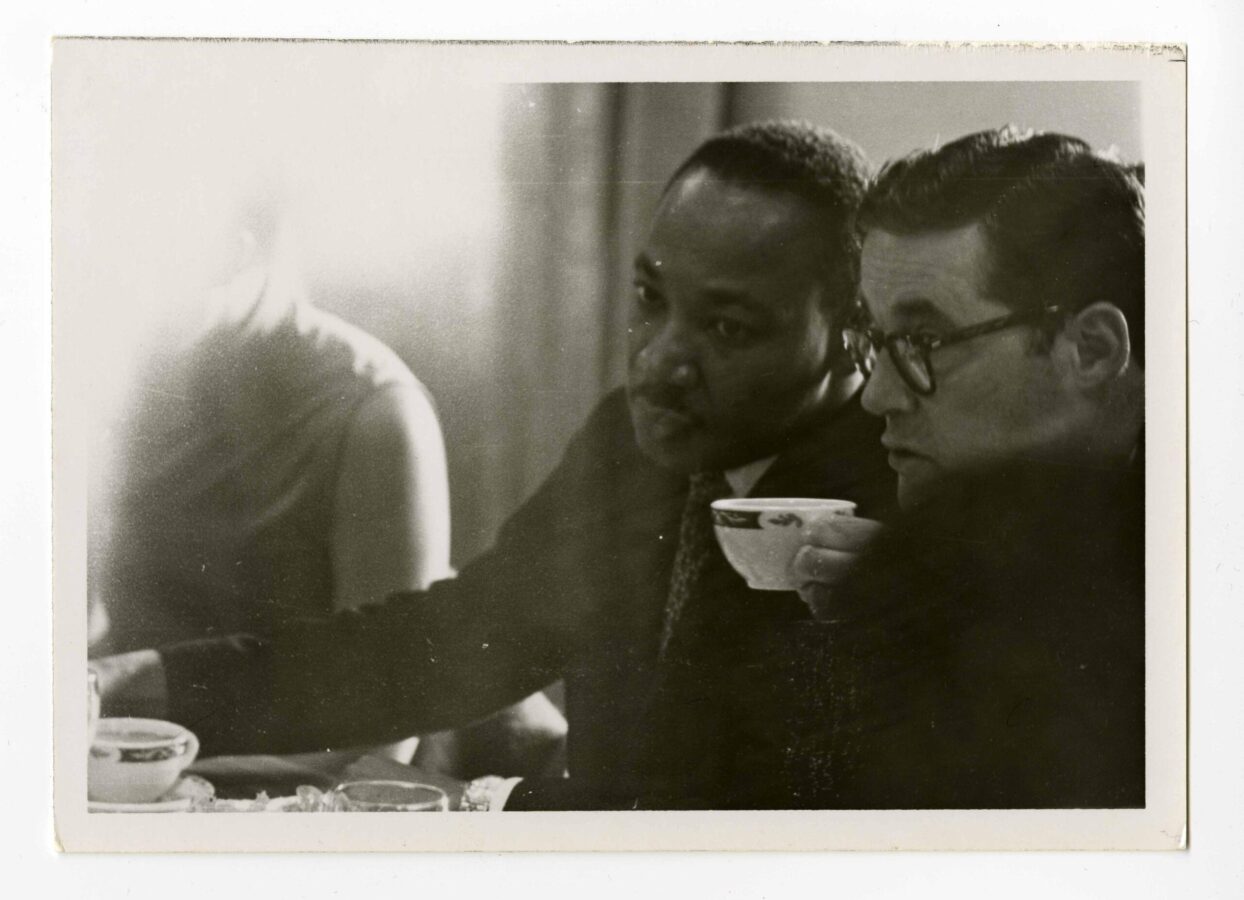
On April 12, 1967—just days after delivering a landmark anti-Vietnam War speech that drew fierce backlash—Dr. Martin Luther King Jr. visited Occidental College in Los Angeles. These candid photographs capture his speeches, conversations with students and faculty, and formal campus gatherings, offering an intimate window into a pivotal moment. Each image features AI-assisted, human-reviewed metadata with transparency notes so readers understand how the descriptions were created.
View the collection: Dr. Martin Luther King, Jr. Visits Occidental College
Pepperdine University: Eric Wienberg Collection of Malibu Matchbooks, Postcards, and Collectables

Explore mid-century Malibu through a collection of matchbooks from Pepperdine’s Eric Wienberg Collection on JSTOR. Featuring roadside motels, seafood restaurants, and Hollywood-adjacent hideaways, these small pieces of ephemera map a once-thriving commercial corridor—shaped by tourism, advertising, and ambition, and later transformed by fire, development, and time.
Browse the Eric Wienberg Collection of Malibu Matchbooks, Postcards, and Collectables on JSTOR
Read the JSTOR Daily feature: “Malibu in Matchbooks: Clues to a Lost Coast”
Rice University: Brasilia Iconography

Follow the making of Brasília through visual records from Rice University’s Brasília Iconography Collection on JSTOR. Photographs, plans, and construction images trace the creation of Brazil’s modernist capital, revealing an ambitious urban planning experiment shaped by political vision, architectural innovation, and immense financial and human cost.
Browse Brasilia Iconography on JSTOR
Read the JSTOR Daily feature: “Building Brasília”
Contributions and conversations
Through presentations, written pieces, conference panels, and more, the Stewardship community is committed to sharing back what they do and learn. Visit our events page to catch up on past recorded events, register for new ones, and find opportunities to meet up at an upcoming conference.
Like It or Not, AI Has Arrived in Archives. Now Is the Time for Archivists to Take the Reins.
Long-standing resource constraints have diminished archivists’ capacity to render primary sources legible. In a new piece for Katina magazine, Emilie Hardman argues that AI could intensify the crisis, or offer a genuine path out of chronic under-description—but only if the field directs it toward the right ends. Drawing on fieldwork across dozens of institutions, Emilie makes the case that legibility, not speed, should be the measure of success.
Want to learn more about becoming a part of JSTOR Digital Stewardship Services? Get in touch with our team!