
Our history
In 1994, the Internet was in its early days, and William G. Bowen—then president of the Mellon Foundation—conceived of JSTOR to solve a growing problem: university and college libraries were running out of space for expanding scholarly collections.
His idea was transformative: convert printed journals into digital form and store them in a shared online archive. This innovation helped reduce storage costs, free up physical space, and vastly improve access to research.
Decades later, JSTOR is a thriving nonprofit working with more than 14,000 libraries, museums, and publishers worldwide. Through our products and services, JSTOR has transformed access to scholarly materials—including journals, books, images and other primary sources—to reach more than 100 million users each year.
Sign up for updates
Never miss a thing. Get updates from JSTOR delivered straight to your inbox.
By signing up you agree to our Privacy Policy. You may unsubscribe at any time by clicking on the provided link on any marketing message.
"*" indicates required fields
What will the next 30 years bring?
Explore more about JSTOR’s evolution and impact.
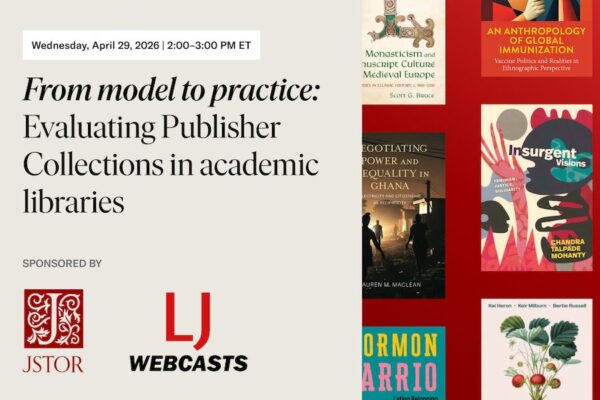
From model to practice: Evaluating Publisher Collections in academic libraries
How are academic libraries assessing new approaches to ebook acquisition, and what early signals help determine their value?

JSTOR ranks in top 1% of most accessible home pages worldwide
JSTOR ranks in the top 1% of most accessible home pages worldwide in the 2026 WebAIM Million report, achieving zero automated accessibility errors.
From jailhouse lawyer to fellow: How legal literacy at work is changing what I thought was possible
In “From jailhouse lawyer to fellow,” Joseph Sanchez reflects on how learning the law to navigate his own case became a way to support others and ultimately led to his work with the Legal Literacy at Work fellowship.

Education is My Contraband
In recognition of Fair Opportunity Month, “Education is My Contraband” traces Taveuan Williams’s journey from survival to self-discovery through reading and learning. Inside a system designed to reduce him, education becomes both resistance and refuge, offering a way to rebuild identity, confront the past, and imagine a future beyond confinement.
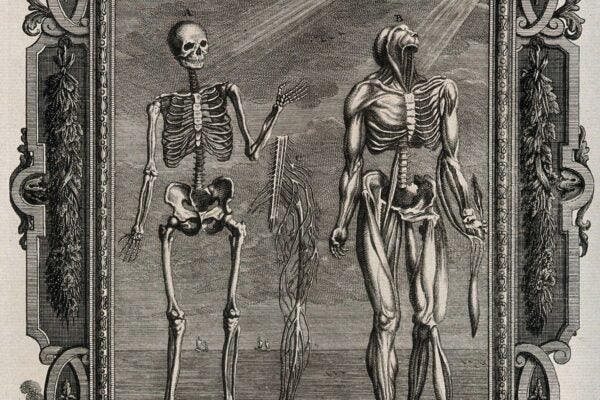
Restorative Justice: The Casuistic Approach
In recognition of Fair Opportunity Month, “Restorative Justice: The Casuistic Approach” brings together lived experience, philosophy, and theology to reexamine how we define justice. Drawing from their own lives inside the Colorado Department of Corrections, Robert Ray and Clarke T. Clayton explore restorative justice as a human-centered practice.

Clamoring to be Heard
In recognition of Fair Opportunity Month, “Clamoring to be Heard” shares Lisa Lesyshen’s experience navigating incarceration as a wheelchair user—and the assumptions that shaped it. After being denied meaningful work, she creates her own path by launching Inmate.com, a prison-run TV program that gives voice to incarcerated people and challenges misconceptions about disability, dignity, and life inside.

Middle Tennessee State University will move to JSTOR Digital Stewardship Services for digital asset management, preservation, and access
Middle Tennessee State University joins JSTOR Digital Stewardship Services, migrating 13,000+ items from CONTENTdm to a unified platform for preservation, management, and expanded discovery on JSTOR.
Leaders and Followers
An acting workshop becomes a lesson in trust, responsibility, and shared experience. Reflecting on moments of leading and following, William Davenport considers what it means to guide others, to rely on them, and to recognize that both roles are essential to how we learn and grow.

Star Dog by Jeremy Moss
This post introduces Star Dog by Jeremy Moss, the first published piece from an Unbound Authors student, a program supporting incarcerated writers across Colorado. Moss’s story follows a stray dog bearing witness to a man’s final moments, offering a quiet reflection on presence, dignity, and what it means not to be forgotten.