
Justice initiatives
-
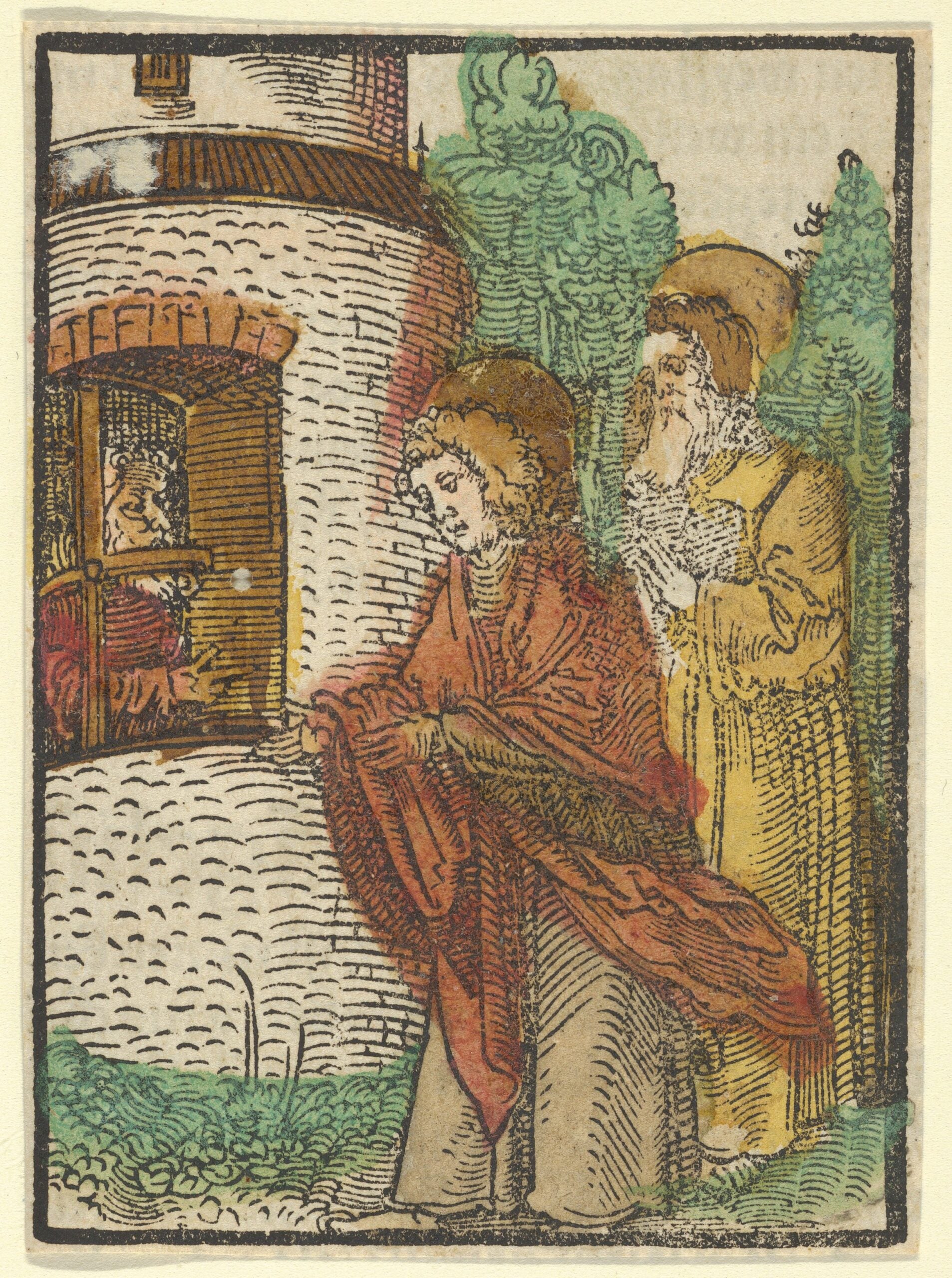
In “From jailhouse lawyer to fellow,” Joseph Sanchez reflects on how learning the law to navigate his own case became a way to support others and ultimately led to his work with the Legal Literacy at Work fellowship.
-
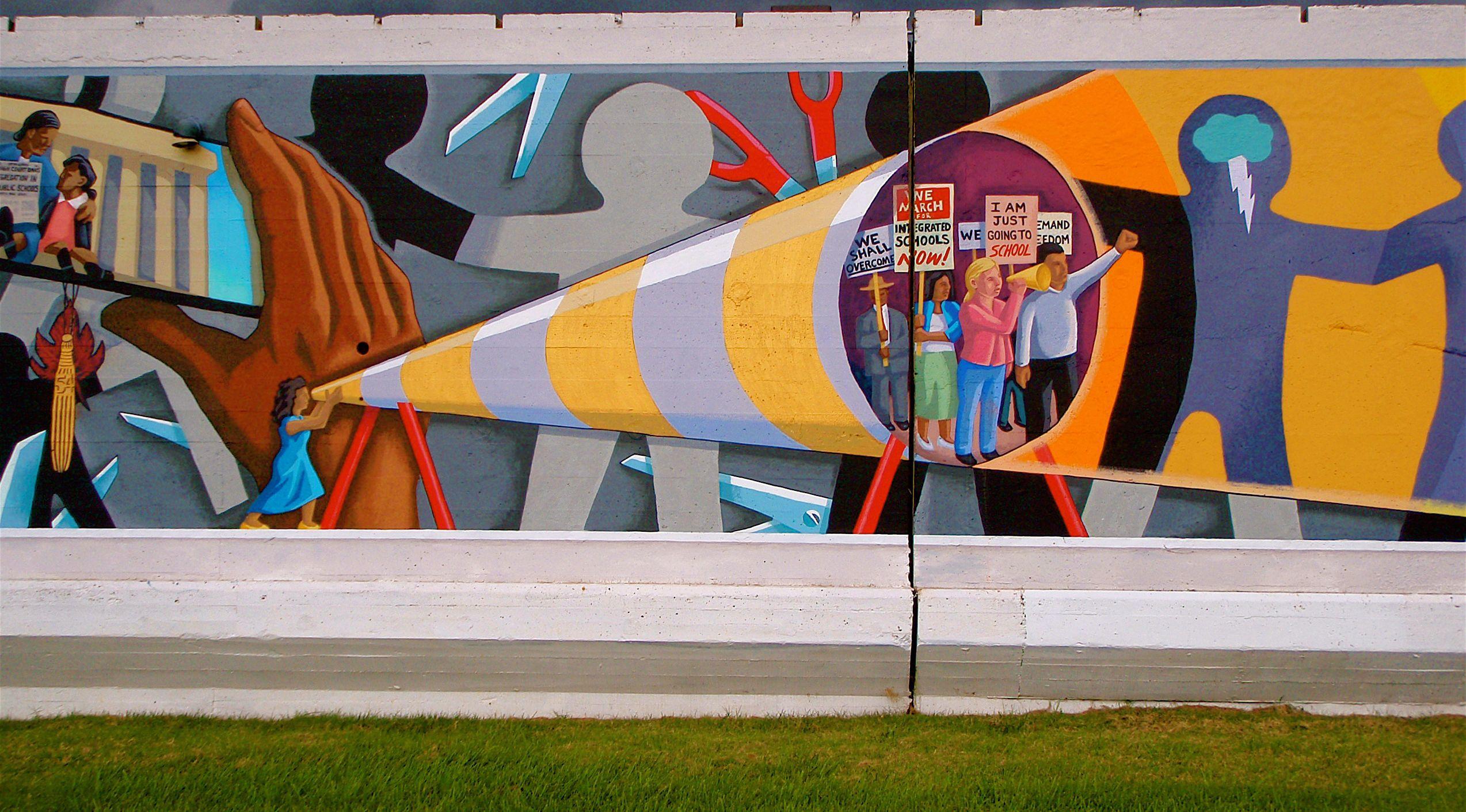
In recognition of Fair Opportunity Month, “Education is My Contraband” traces Taveuan Williams’s journey from survival to self-discovery through reading and learning. Inside a system designed to reduce him, education becomes both resistance and refuge, offering a way to rebuild identity, confront the past, and imagine a future beyond confinement.
-
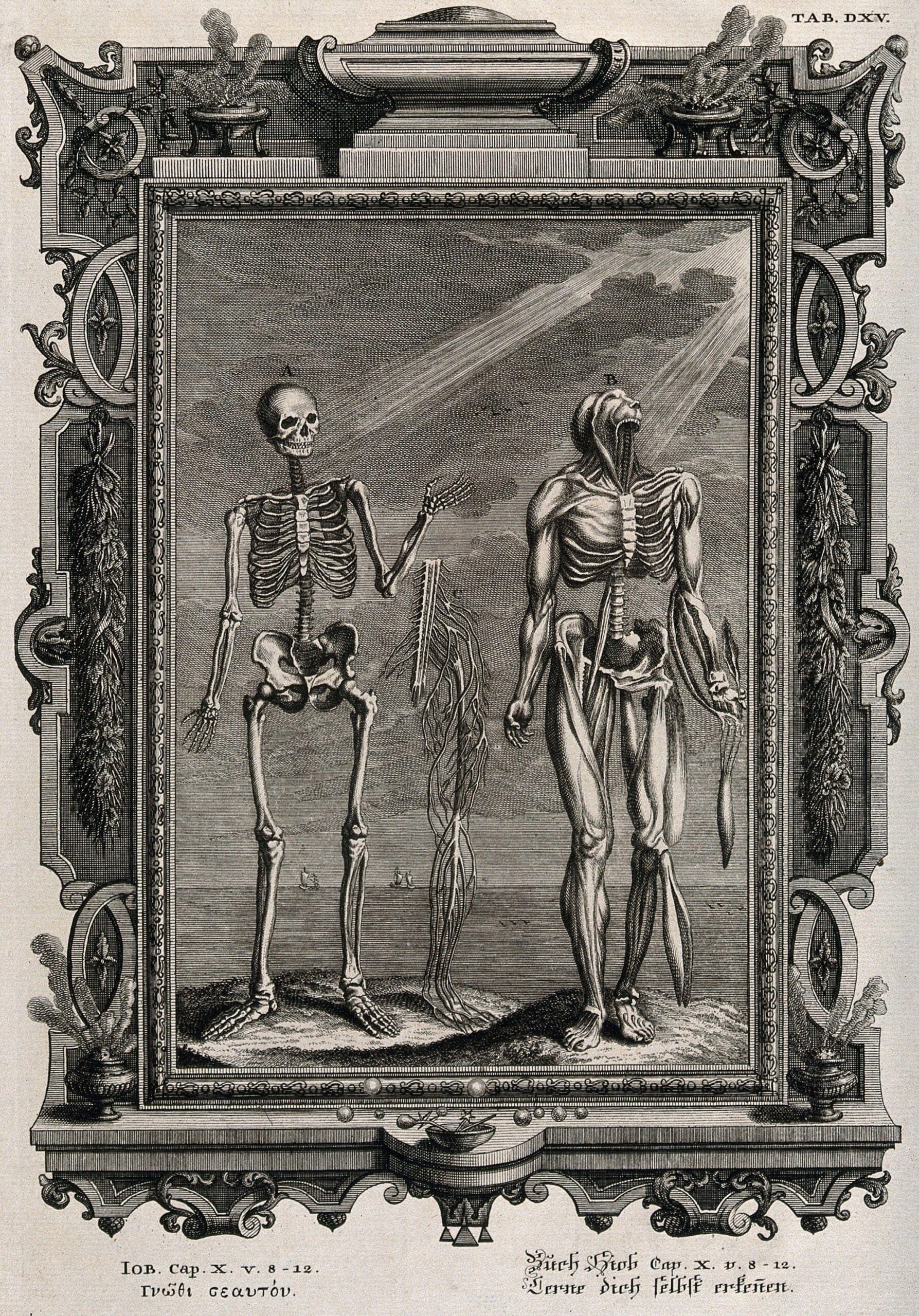
In recognition of Fair Opportunity Month, “Restorative Justice: The Casuistic Approach” brings together lived experience, philosophy, and theology to reexamine how we define justice. Drawing from their own lives inside the Colorado Department of Corrections, Robert Ray and Clarke T. Clayton explore restorative justice as a human-centered practice.
-
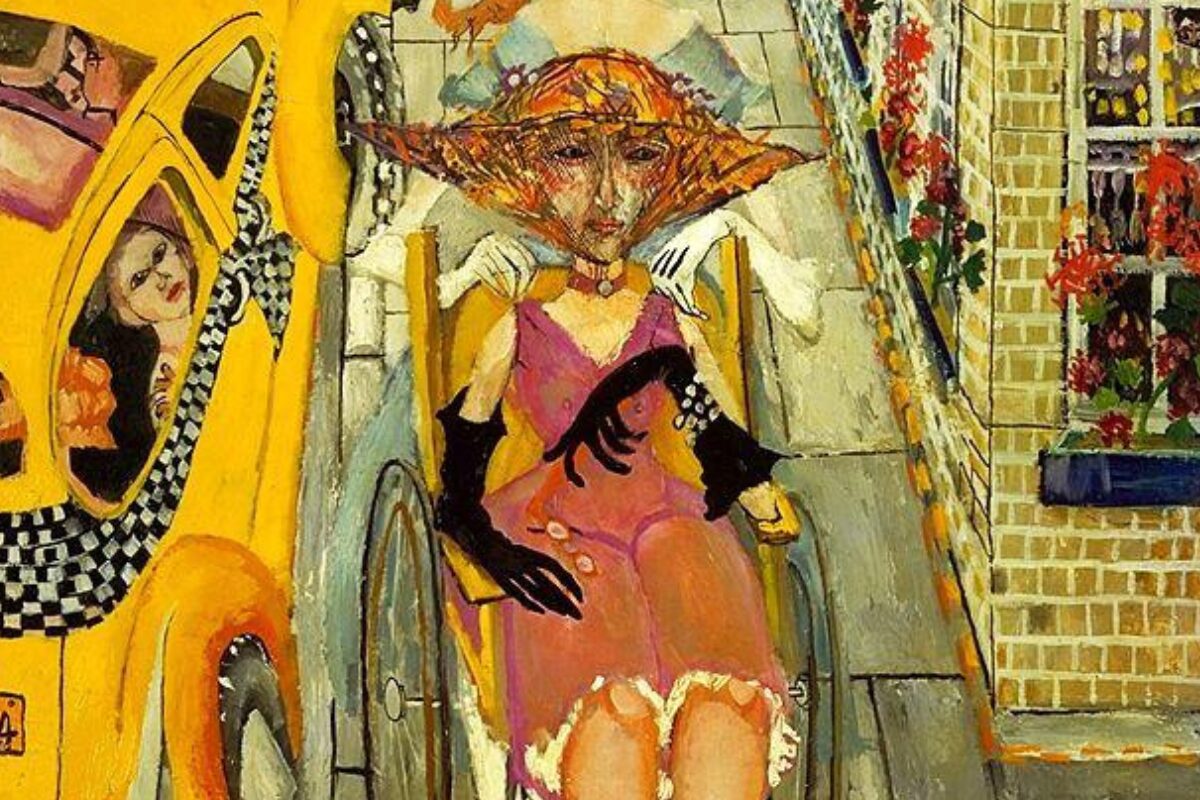
In recognition of Fair Opportunity Month, “Clamoring to be Heard” shares Lisa Lesyshen’s experience navigating incarceration as a wheelchair user—and the assumptions that shaped it. After being denied meaningful work, she creates her own path by launching Inmate.com, a prison-run TV program that gives voice to incarcerated people and challenges misconceptions about disability, dignity, and…
-
An acting workshop becomes a lesson in trust, responsibility, and shared experience. Reflecting on moments of leading and following, William Davenport considers what it means to guide others, to rely on them, and to recognize that both roles are essential to how we learn and grow.
-
This post introduces Star Dog by Jeremy Moss, the first published piece from an Unbound Authors student, a program supporting incarcerated writers across Colorado. Moss’s story follows a stray dog bearing witness to a man’s final moments, offering a quiet reflection on presence, dignity, and what it means not to be forgotten.
-
JSTOR Access in Prison introduces Fair Opportunity Month, a reimagining of Second Chance Month that centers the voices and intellectual work of people inside. This year’s theme, We Learn Together, highlights writing, research, and creative work that challenges assumptions about who gets to participate in knowledge-making.
-
The Tennessee Higher Education Initiative (THEI) rejects the idea that incarcerated students should accept “whatever is available.” Instead, their Navigating Forward project is built on the belief that learners inside deserve excellence—resources that are not only functional but dignifying.
-
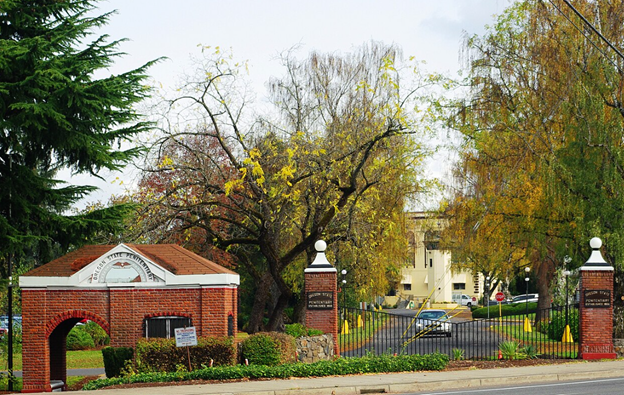
In this deeply personal reflection, Ryan McCarthy of JSTOR Labs shares his experience visiting Oregon State Penitentiary (OSP) alongside Chemeketa Community College’s prison education team.
-
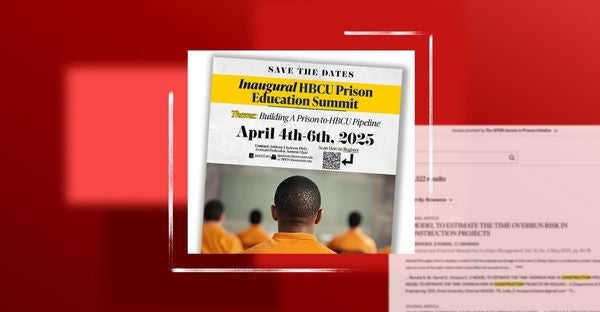
Explore highlights from the first HBCU Prison Education Summit, where educators, advocates, and tech leaders gathered to advance higher education in prisons. Learn how HBCUs, digital tools like JSTOR, and secure technology are transforming access and equity for incarcerated learners.
-
It is with deep respect and sorrow that we acknowledge Helen Farley’s passing. Helen will be remembered here as a visionary advocate for equitable access to education and a cherished partner in the JSTOR Access in Prison initiative.
-
At the beginning of 2025, we launched The Catalyst, a JSTOR Access in Prison newsletter that showcases people and projects working on prison education initiatives. We are now launching a new blog series, Inside & Connected, to build even more community connections in these liminal spaces.
-
In this closing post of JSTOR’s Second Chance Month series, Elizabeth Shatswell reflects on the transformative power of education, community, and creative expression in the lives of incarcerated individuals.
-
Incarcerated writer Shane Bell challenges assumptions about prison education and rehabilitation, arguing for access to learning as a transformative force—even for those who may never leave prison. His powerful essay, part of JSTOR’s Second Chance series, calls for purpose, service, and dignity behind bars.
-
This moving reflection traces the enduring bonds formed in prison classrooms and the profound impact of educational journeys shared by incarcerated women. Through the story of Phiengchai Sisouvanh, we see how learning, friendship, and community transcend confinement and continue to transform lives long after graduation.
-
In this powerful series of personal essays, incarcerated authors reflect on how education has become a catalyst for self-discovery, healing, and community restoration. Their stories underscore the transformative potential of learning, even behind prison walls, as a lifelong commitment to growth and redemption.
-
In this compelling essay, Ignacio Carrillo challenges traditional definitions of rehabilitation and advocates for animal-assisted programs in prisons. The author explores the role of animals in fostering humanity, dignity, and systemic change within carceral spaces.
-
Incarcerated writers dave rich and Danny Thomas reveal how education becomes a radical act of resistance within the prison system. Confronting systemic injustice, they transform long sentences into opportunities for mentorship, advocacy, and self-liberation.
-
Poet Matthew Feeney crafts language that cuts through the noise of modern life, offering distilled expressions of humanity shaped by incarceration, identity, and introspection. His evocative work—layered with metaphor, symbolism, and emotional precision—reminds us to write as if our lives depend on it
-
In this reflection on education and transformation, Elizabeth Shatswell introduces two powerful Second Chance Month essays by incarcerated scholars Juan Portieles and Brian Newman. Their stories, shared through JSTOR Access in Prison, explore education as a path to optimism, purpose, and freedom—with lasting ripple effects across their communities.
-
In this JSTOR’s Second Chance Month essay, Michael Munro draws powerful parallels between the structure of roguelike games and his journey through trauma, incarceration, and personal reinvention.
-
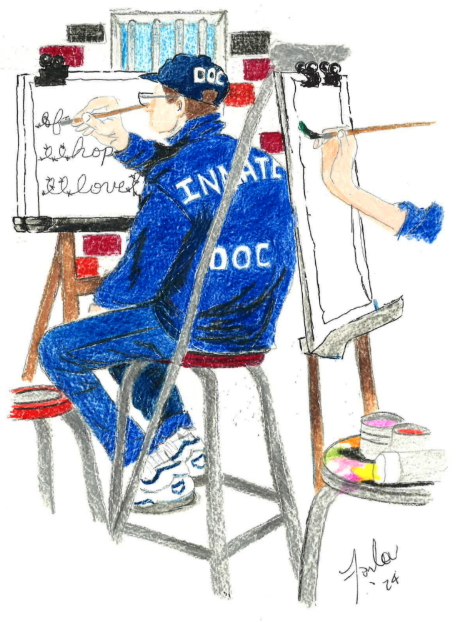
Through the transformative power of prison-based arts education, Wyatt Reed shares his journey of reclaiming a lost identity, confronting addiction, and rediscovering purpose through creative expression.
-
In this Second Chance Month essay, Alexander Bolling reflects on his journey from strategic silence to confident speech, tracing how education, community and persistence helped him claim and share his voice.
-
When Alazaron “Laz” Sargeant discovered the poetry of Mahmoud Darwish through a library brought into his prison unit, it sparked a deeper search for meaning—and a powerful wave of creative expression.
-
In this Second Chance Month essay, Allen Ivanov reflects on the liberating and isolating power of education in prison, exploring how knowledge—through Shakespeare and critical inquiry—becomes both a burden and a path to self-reclamation.
-
In this essay for Second Chance Month, Shane Moffat reflects on early school experiences, the sensory memories of his bus rides, and his enduring love for education, demonstrating the power of access, equity, and memory—even behind prison walls.
-
Vy Thang’s reflection on education challenges idealized notions of utopia shaped by historical trauma and incarceration. His story illustrates how liberal arts learning becomes a powerful act of self-discovery, resistance, and community building.
-
This is JSTOR’s third year of publishing essays, poetry, and artwork from people impacted by incarceration. These stories, as diverse as America itself, remind us of the dreams, aspirations, and connectedness we all share.
-
Amplifying marginalized voices through crowdfunding and crowdsourcing in digital archives and libraries. Learn how Reveal Digital’s initiative uncovers underrepresented histories with open access collections hosted on JSTOR.
-
The “Second Chance Mentality: First Chance Reality” series, facilitated by JSTOR Access in Prison, provided a platform for voices from those with incarceration histories to be heard.








Sign up for updates
Never miss a thing. Get updates from JSTOR delivered straight to your inbox.
By signing up you agree to our Privacy Policy. You may unsubscribe at any time by clicking on the provided link on any marketing message.
"*" indicates required fields