
Access
-
Publisher Collections are now live on JSTOR, marking a new milestone for scholarly ebooks. Developed collaboratively with libraries and academic publishers, this new model offers perpetual access to a publisher’s current-year output alongside seamless access to backlist titles on JSTOR.
-
Explore new Path to Open titles on JSTOR supporting teaching and research. View November 2025 releases and access options.
-
At this year’s Charleston Conference, JSTOR hosted two lunch events. Highlights included updates on Path to Open, Publisher Collections, and JSTOR Seeklight’s growing role in AI-assisted metadata generation.
-
Author Brian D. McLean argues that modern society is at a tipping point and answers with evidence. With JSTOR, he built a transparent, unbiased research process that verifies before it concludes.
-
Explore new Path to Open titles on JSTOR supporting teaching and research. View October 2025 releases and access options.
-
For Yuimi Hlasten—both a librarian and international student—JSTOR’s AI research tool became a bridge to understanding. By helping her organize and synthesize sources efficiently, it allowed her to balance work and study while empowering students to find their academic voice.
-
Learn how Syracuse University is advancing open access and bibliodiversity through its participation in JSTOR’s Path to Open, supporting sustainable publishing and expanding access to scholarship worldwide.
-
Discover how JSTOR supports your academic work with trusted scholarly content, free and low-cost access options, and research tools that help you stay organized and build confidence.
-
Page
As a nonprofit, JSTOR is committed to equitable, sustainable access to knowledge. We partner with libraries, publishers, and institutions to make scholarship affordable, preserved, and accessible to all.
-
Explore new Path to Open titles on JSTOR supporting teaching and research. View September 2025 releases and access options.
-
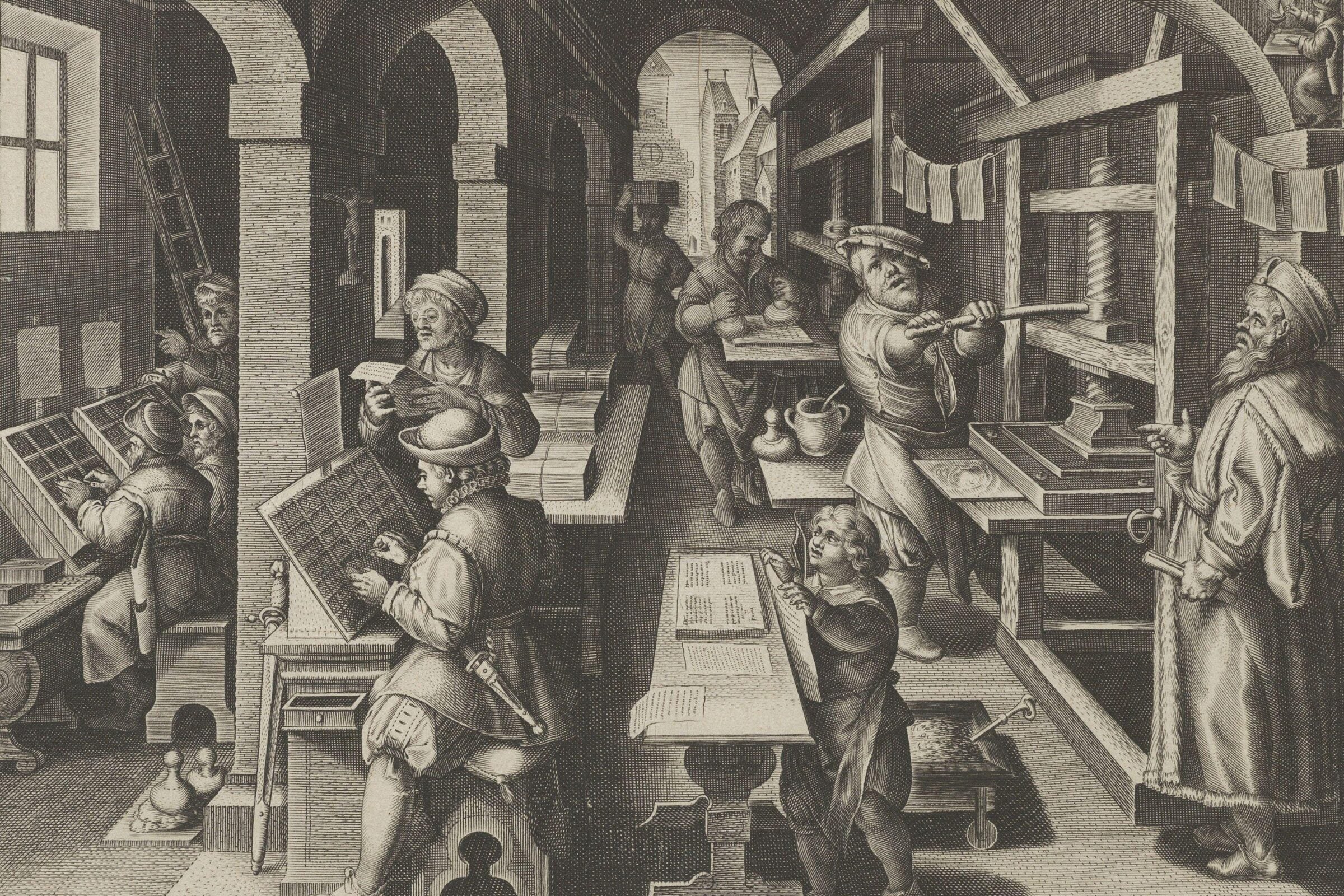
In 1995, Mellon Foundation president William Bowen had the idea to help libraries save shelf space and money by digitizing journals, using emerging technologies to […]
-
Path to Open is a community-driven model bringing 240+ libraries and nearly 50 publishers together to fund new monographs, provide early campus access, and then flip titles open. The first 100 books will become open access on JSTOR in January 2026.
-
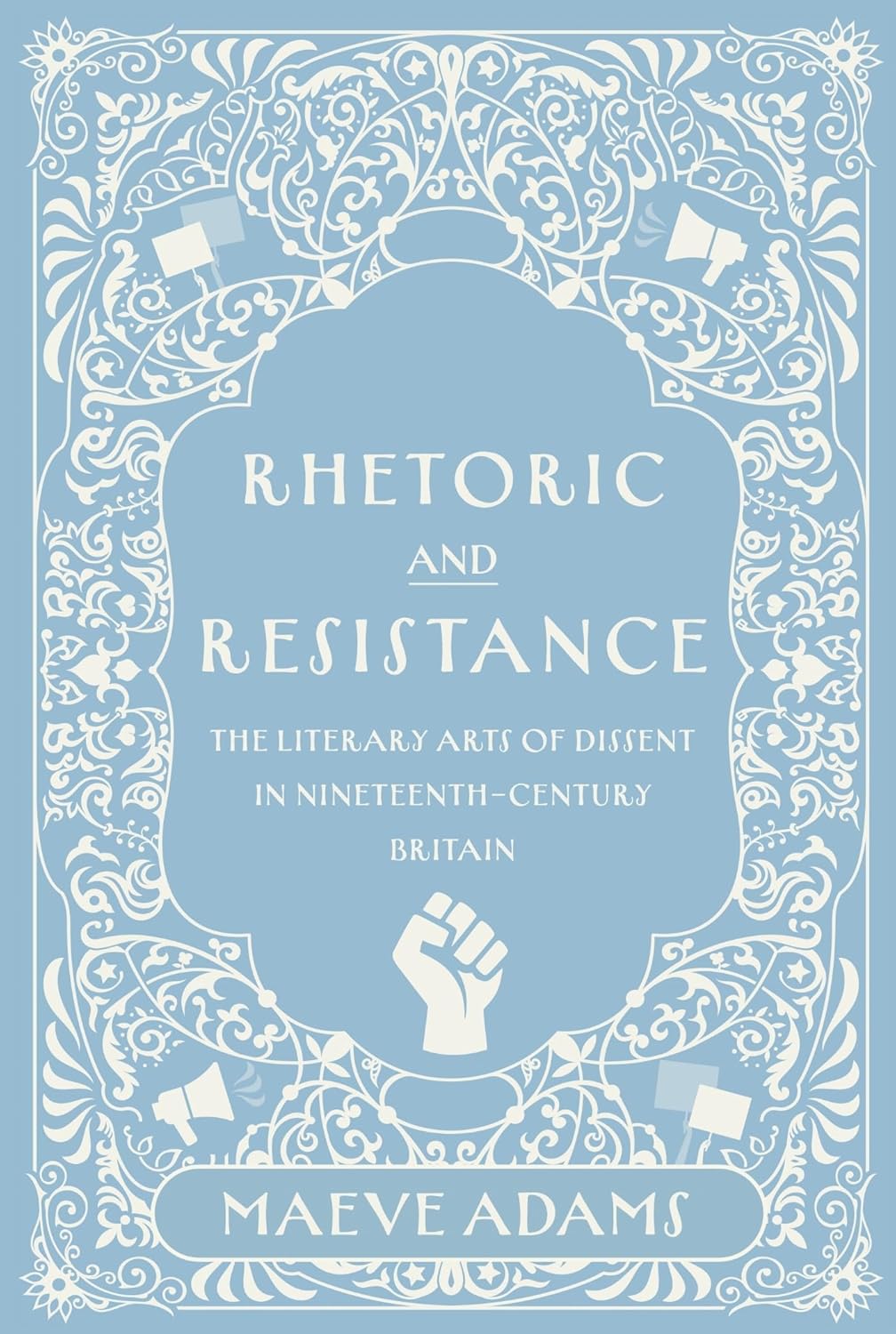
Discover the newest Path to Open books—fresh scholarship from leading university presses spanning archaeology, African American studies, communication, cultural studies, and more that’s now on a clear path to becoming open access.
-
Beginning in 2026, JSTOR will offer Publisher Collections, a new model within the Books at JSTOR program. Publisher Collections will enable libraries around the world […]
-
A new nonprofit-led model from JSTOR offers libraries and publishers a more sustainable, equitable, and integrated ecosystem for scholarly ebooks.
-
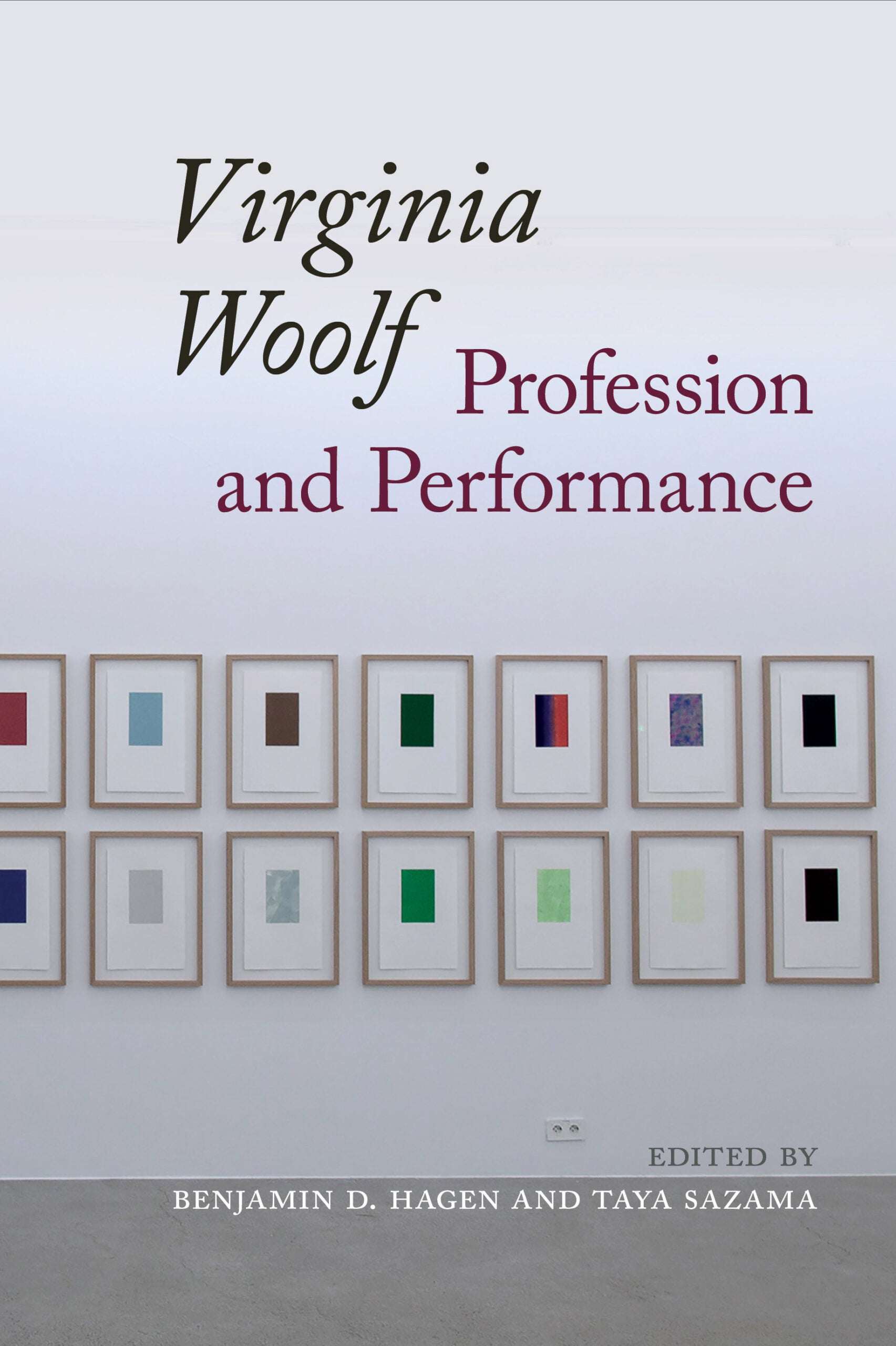
These titles, newly published by our University Press partners, provide scholars and students with access to high-quality academic content across a range of disciplines.
-
The Society of American Archivists (SAA) has named JSTOR Seeklight, the AI-powered collections processing technology within JSTOR Digital Stewardship Services, the 2025 recipient of the […]
-
JSTOR Access in Prison is transforming access to education for incarcerated learners. Discover the story behind its 18-year journey and growing impact—from an insider’s perspective.
-
We hope this blog post finds you with a spare moment to explore something new! June’s releases on JSTOR brought together book-length research, community newspapers, […]
-
These titles, newly published by our University Press partners, provide scholars and students with access to high-quality academic content across a range of disciplines.
-
JSTOR and the Statewide California Electronic Library Consortium (SCELC) announced today a consortium-wide agreement to make JSTOR Digital Stewardship Services available to all SCELC Member […]
-
JSTOR’s Path to Open program continues to expand, offering valuable new resources that support teaching, learning, and research in the humanities, arts, and social sciences. […]
-
ITHAKA announced today that Roger Schonfeld will lead JSTOR Digital Stewardship Services as its managing director. Launched in April 2025, JSTOR Digital Stewardship is a […]
-
Explore new Path to Open titles on JSTOR supporting teaching and research. View April 2025 releases and access options.
-
JSTOR, part of the nonprofit ITHAKA, has been named a finalist for two 2025 EPIC Awards, presented by the Society for Scholarly Publishing (SSP). The […]
-
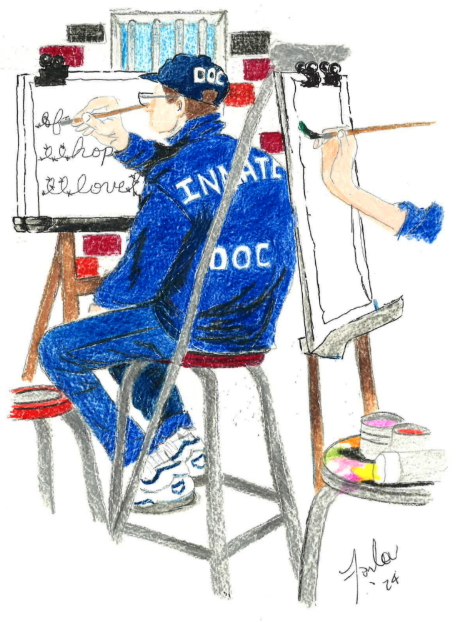
In this closing post of JSTOR’s Second Chance Month series, Elizabeth Shatswell reflects on the transformative power of education, community, and creative expression in the lives of incarcerated individuals.
-
Incarcerated writer Shane Bell challenges assumptions about prison education and rehabilitation, arguing for access to learning as a transformative force—even for those who may never leave prison. His powerful essay, part of JSTOR’s Second Chance series, calls for purpose, service, and dignity behind bars.
-
Incarcerated writers dave rich and Danny Thomas reveal how education becomes a radical act of resistance within the prison system. Confronting systemic injustice, they transform long sentences into opportunities for mentorship, advocacy, and self-liberation.
-
In this JSTOR’s Second Chance Month essay, Michael Munro draws powerful parallels between the structure of roguelike games and his journey through trauma, incarceration, and personal reinvention.
-
Through the transformative power of prison-based arts education, Wyatt Reed shares his journey of reclaiming a lost identity, confronting addiction, and rediscovering purpose through creative expression.













Sign up for updates
Never miss a thing. Get updates from JSTOR delivered straight to your inbox.
By signing up you agree to our Privacy Policy. You may unsubscribe at any time by clicking on the provided link on any marketing message.
"*" indicates required fields