
Primary sources on JSTOR
Explore millions of primary source documents, images, artifacts, and data contributed by libraries, archives, museums, and scholars around the world—discoverable alongside journals, books, and other secondary literature in all disciplines.
Why primary sources on JSTOR?
By combining essential scholarship and primary sources in the same environment, JSTOR strengthens the depth and quality of research, inspires innovative connections, and sparks unexpected discoveries. Educators, students, and researchers can move seamlessly between firsthand evidence and the scholarship that interprets it.
Licensed primary source collections
JSTOR offers millions of licensed primary sources through collections that support in-depth research and teaching across disciplines.
JSTOR Archival Journals and Primary Sources Collection
This comprehensive solution offers affordable access to all archival journals and primary source collections on JSTOR including:
- Global Plants: the world’s largest community-contributed database of nearly 3 million plant type specimens, reference works, and primary sources supporting research in botany, ecology, and conservation.
- 19th Century British Pamphlets: a curated set of nearly 26,000 influential pamphlets illuminating key political, social, technological, and environmental issues of 19th-century Britain.
- Struggles for Freedom: Southern Africa: more than 27,000 objects and 190,000 pages documenting the liberation movements of Southern Africa and the end of Apartheid through interviews, publications, government records, images, and more.
- World Heritage Sites: Africa: over 86,000 visual, contextual, and spatial objects documenting African heritage sites, including photographs, 3D models, GIS data, site plans, maps, manuscripts, and scholarly research.
Primary source collections may be licensed individually upon request.
Artstor on JSTOR
This cross-disciplinary collection features over 3 million images from around the world, all rights-cleared and discoverable alongside extensive academic content on JSTOR’s trusted, feature-rich platform.
Licensed primary source collections on JSTOR support research and teaching in the humanities, social sciences, and sciences.
Freely accessible primary source collections
These growing collections are contributed by institutions around the world, and selected for their value to researchers. They are freely available and discoverable alongside related materials on JSTOR.
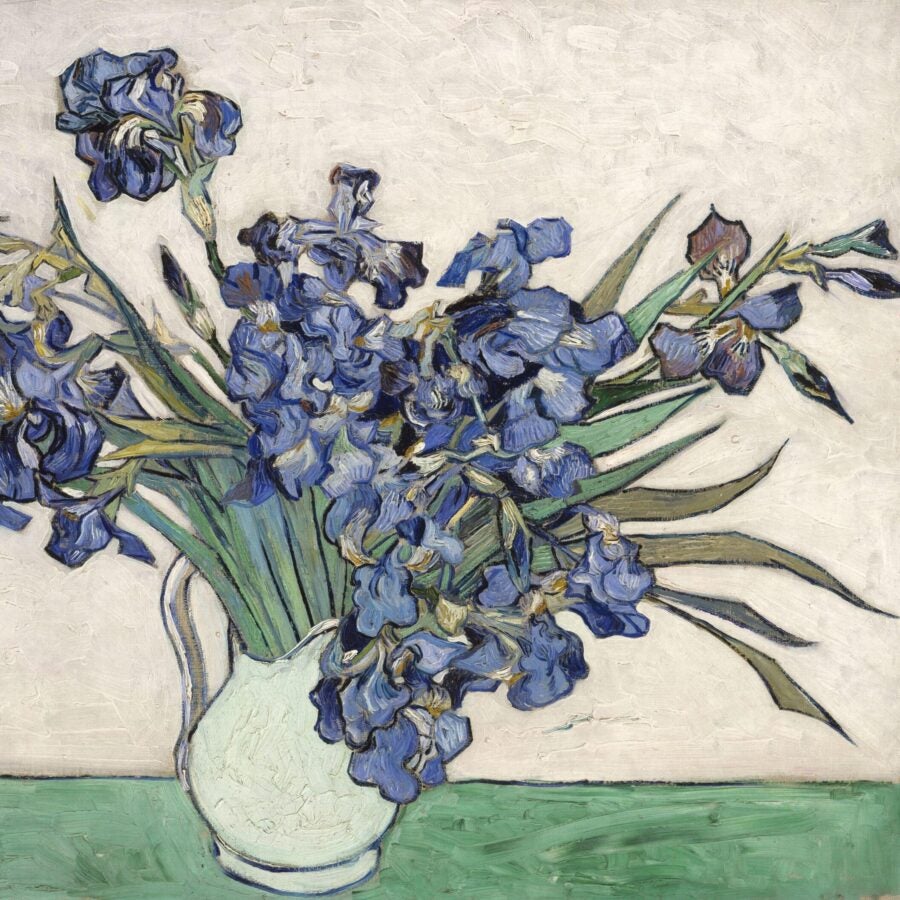
Open Artstor
Nearly one million Creative Commons-licensed images in the arts, sciences, and literature aggregated from museums, libraries, and archives around the world, including the Metropolitan Museum of Art and the Wellcome Collection.
Shared collections
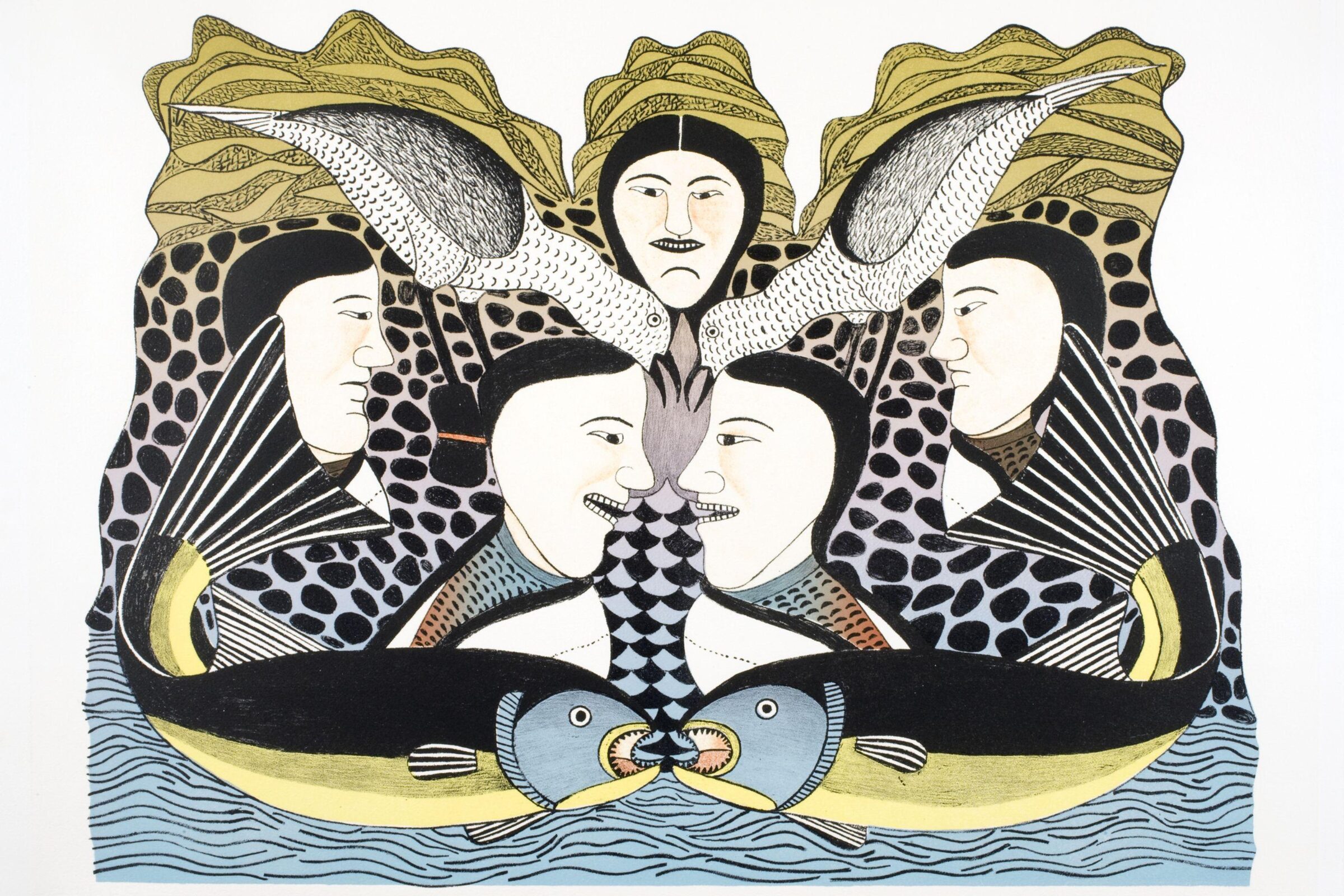
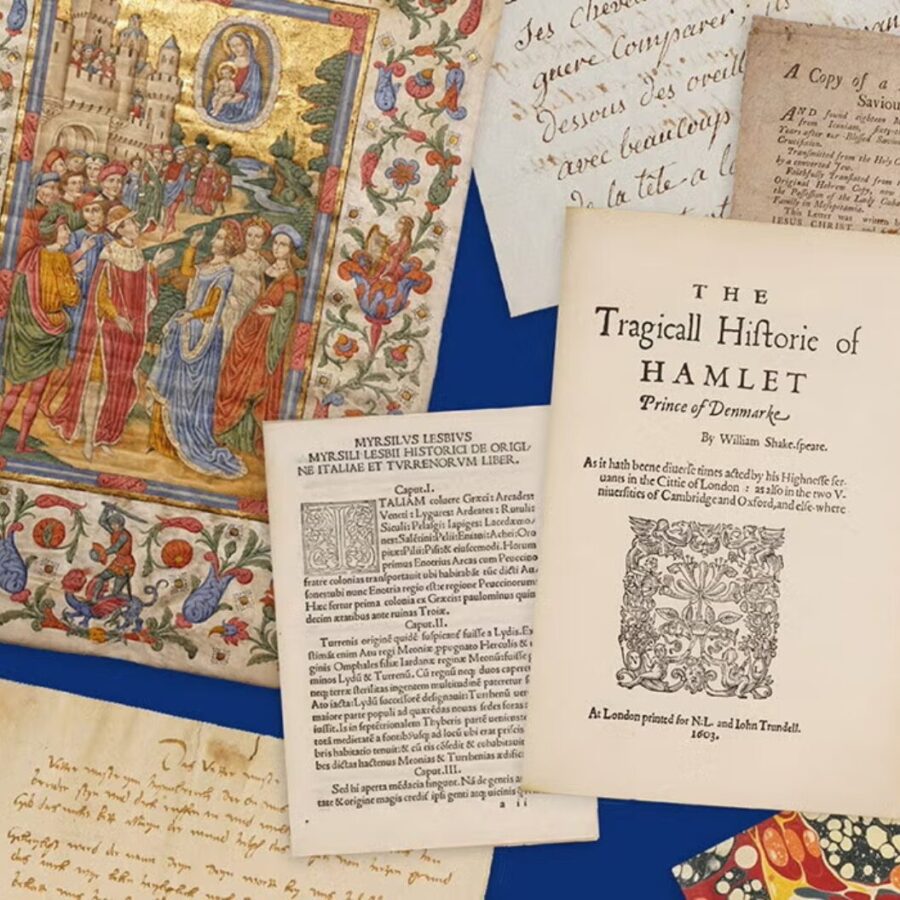
Collections contributed by partner institutions through JSTOR’s Digital Stewardship Services, featuring images, rare books, ephemera, and more. These collections increase the reach of campus and regional history and unique archives.
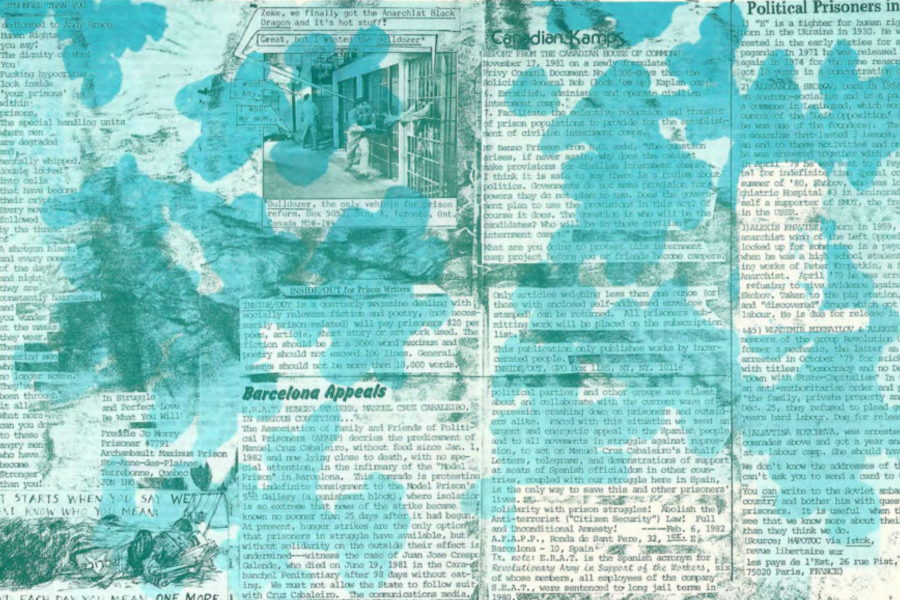
Reveal Digital
Open access collections centering underrepresented 20th-century voices of dissent. Projects are guided and funded by a community of libraries and archives, and new material is made available over time.
Want to learn more? Watch this video for a look at some of our currently available collections.
Teaching and learning with primary sources on JSTOR
Explore primary sources with JSTOR Daily
JSTOR Daily routinely highlights primary sources on JSTOR, helping educators and researchers begin exploring and engaging with content in these collections.
Accompanying resources include Learning to Look, our visual literacy column that models how to interpret and teach with images—an especially valuable companion to the stories and primary source collections you care about:
Gain insights on effective primary source teaching strategies
We’ve partnered with Choice, a publication of the Association of College and Research Libraries, to produce a comprehensive report, Teaching and Learning with Digital Primary Sources.
The report explores nine key insights to address challenges of awareness and discoverability, digital literacy, and cooperation between librarians and teaching faculty.
Curious about how to use our primary sources for teaching? Watch this video.
Get primary sources for your institution
Expand primary source access with JSTOR
Ready to expand access to primary sources for your community? Share a few details and our team will follow up with options tailored to your institution’s research and teaching needs.
Get primary sources on JSTOR
Unlock access to millions of documents, images, artifacts, and datasets from leading libraries, archives, and museums. Request more information to explore how JSTOR’s licensed and freely accessible primary source collections can support teaching, research, and discovery at your institution.
View image credits from this page
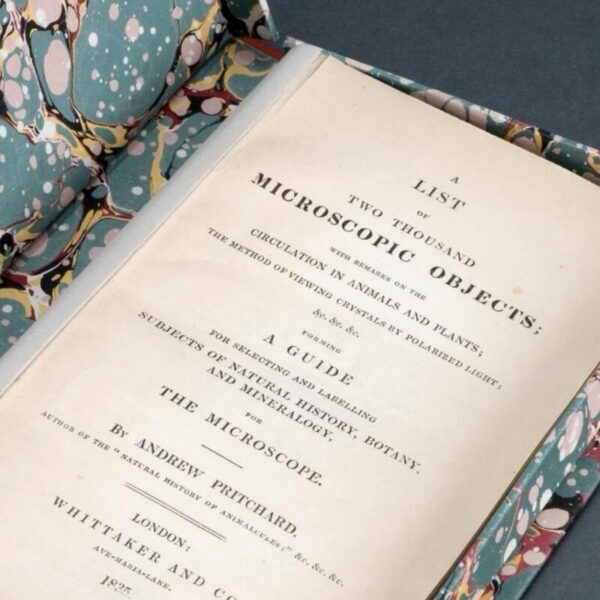
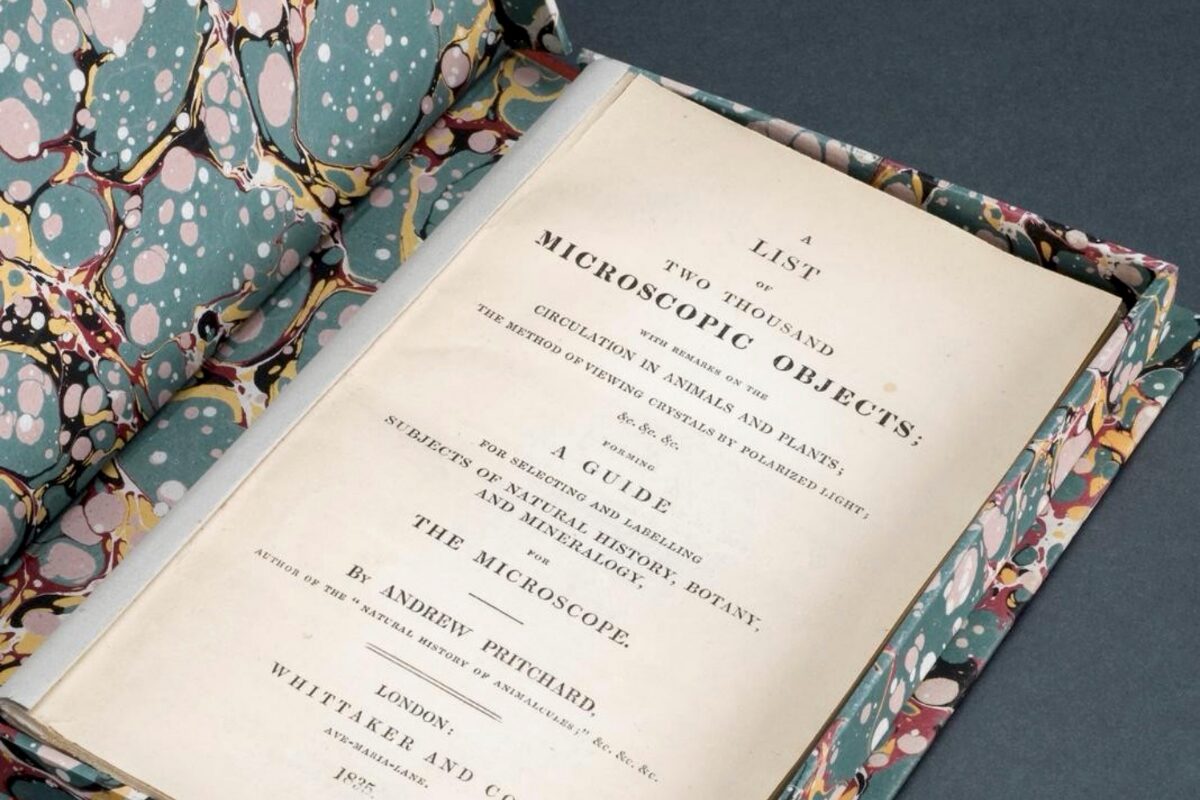
Whittaker and Company, and Andrew Pritchard. “A List of Two Thousand Microscopic Objects” Book by Andrew Pritchard, England, 1835, 1835. Part of Open: Science Museum Group, Artstor.
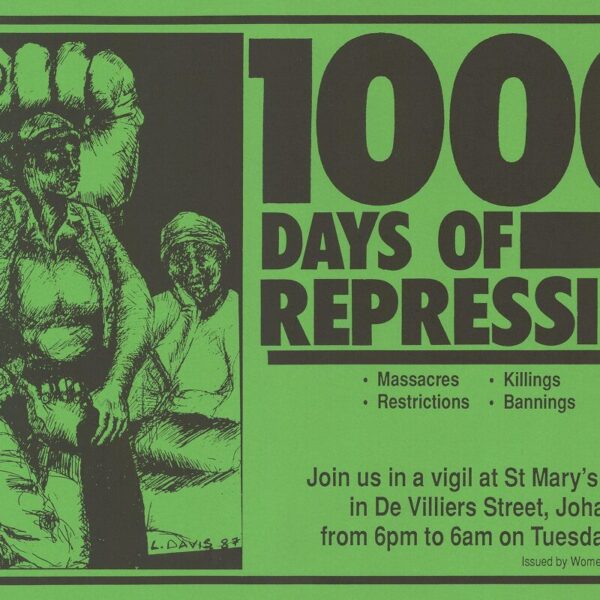
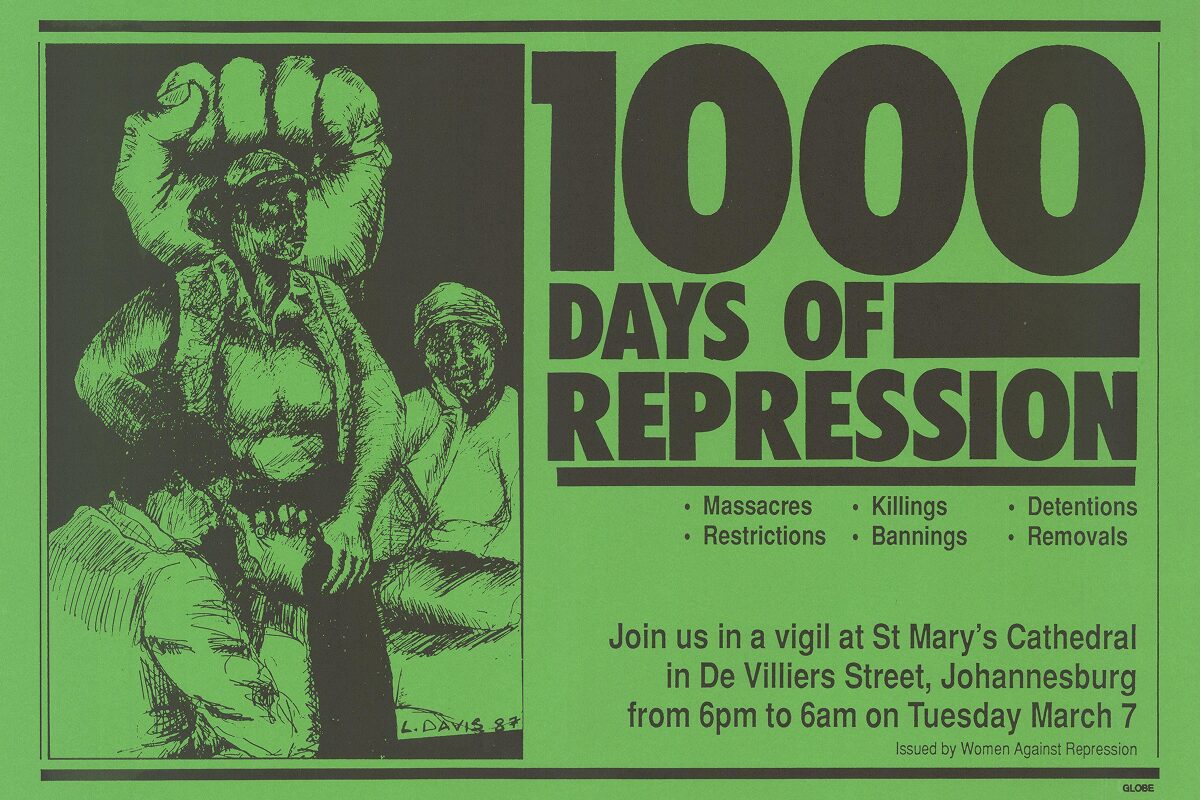
1000 Days of Repression. n.d. Digital Innovation South Africa. Part of South African History Archive Posters, Struggles for Freedom: Southern Africa.
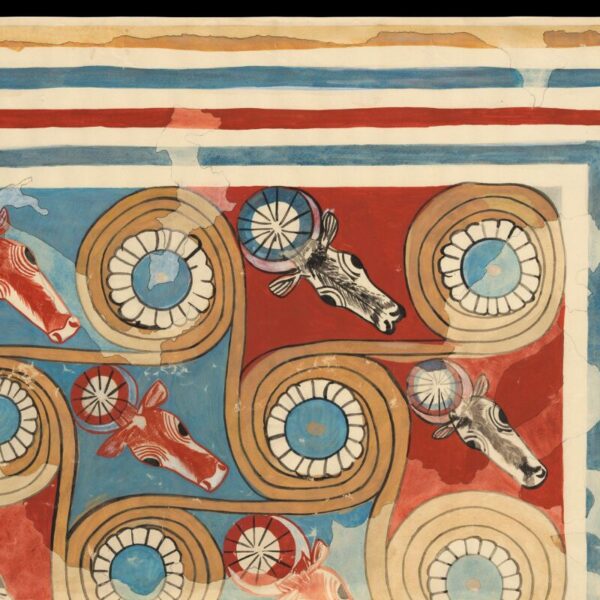
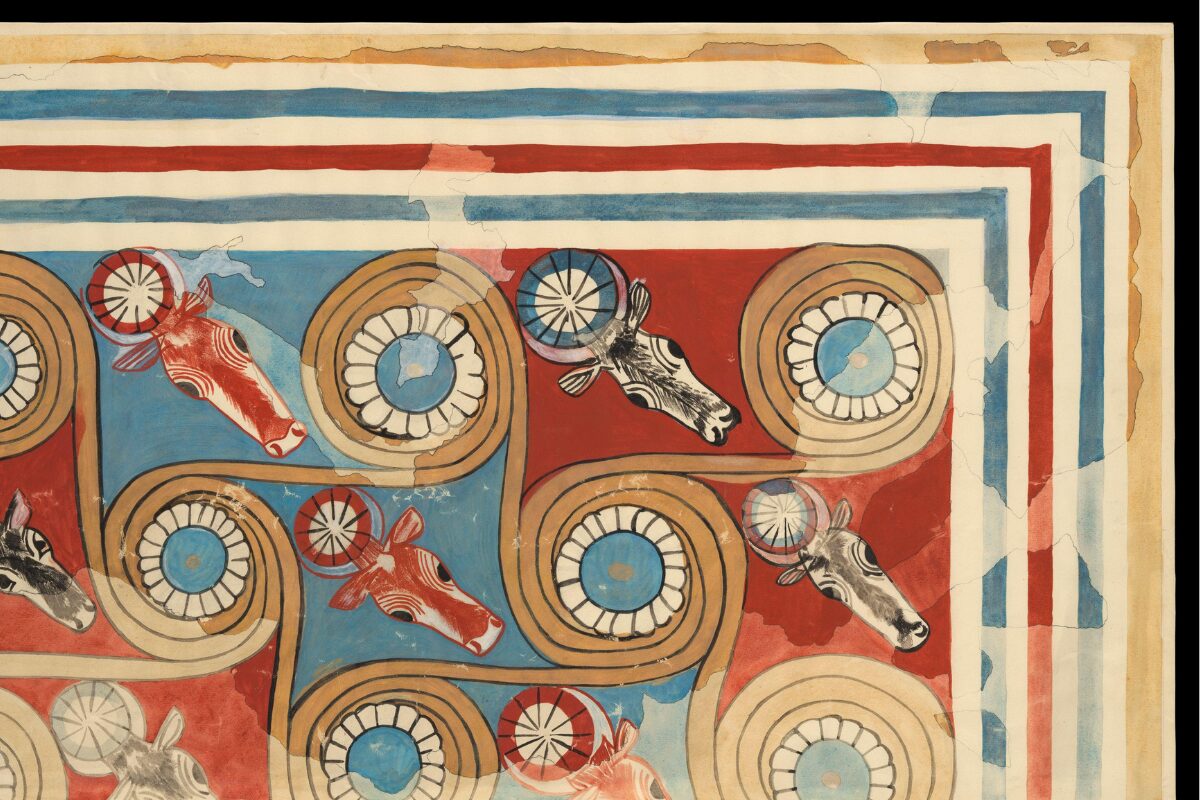
William J. Palmer-Jones. Ceiling Decoration, Palace of Amenhotep III. ca. 1390–1352 B.C. Part of Open: The Metropolitan Museum of Art, Artstor.
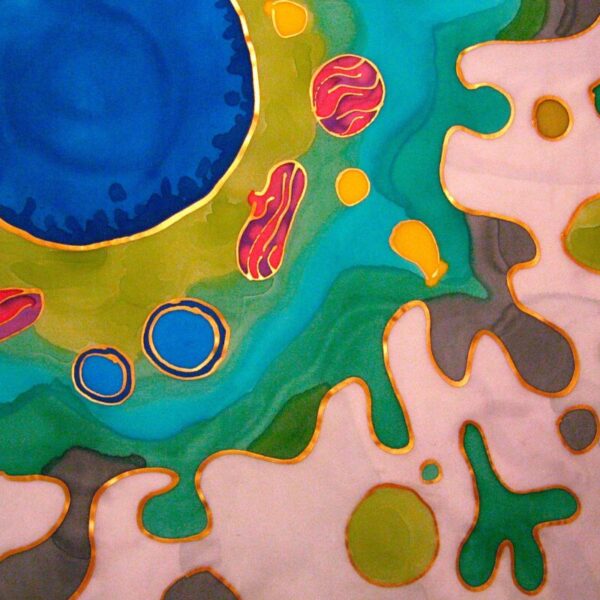
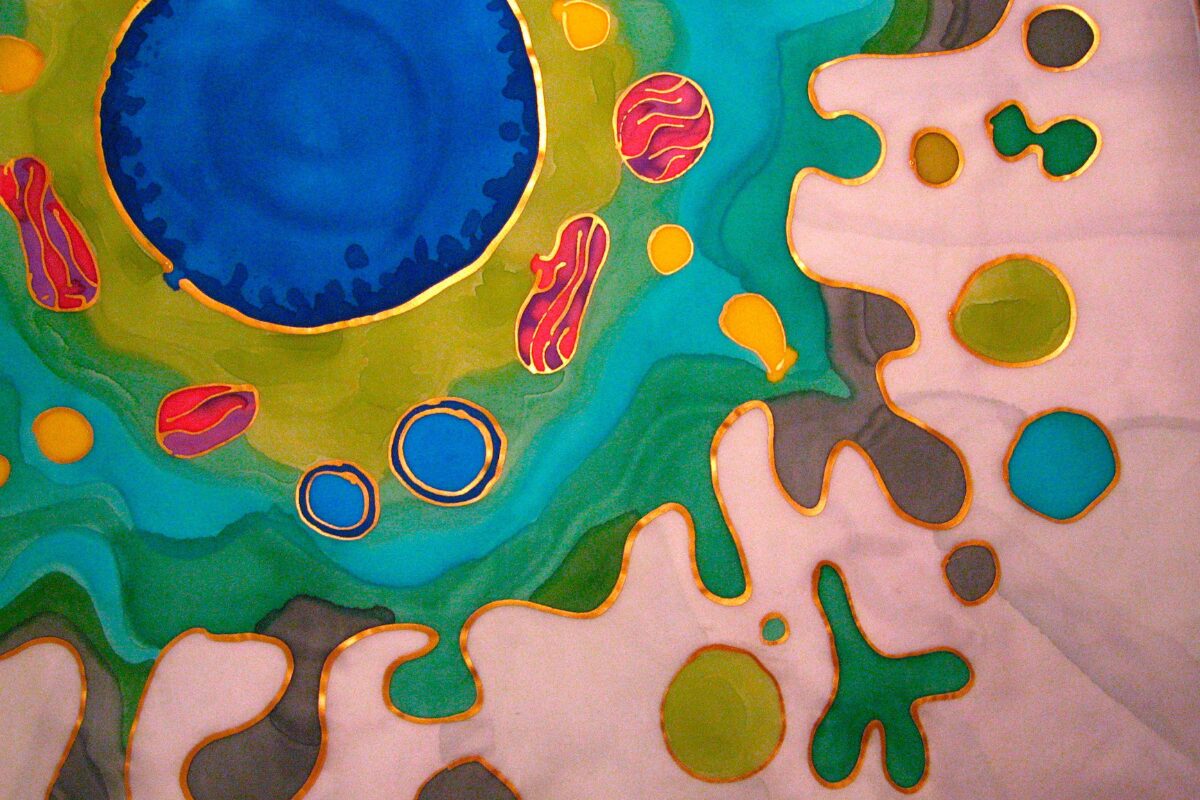
Odra Noel. Apoptosis. n.d. Wellcome Collection, Artstor.
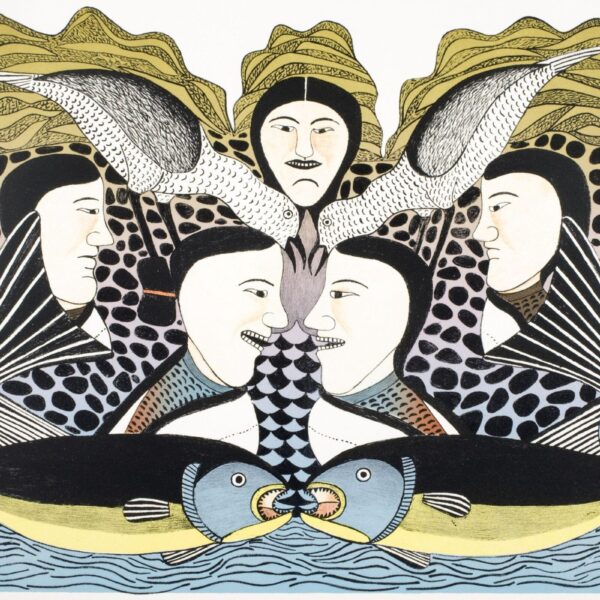
Kenojuak Ashevak and Aoudla Pudlat (printer). Women Speak of Spring Fishing. 1991. Part of Canadian Inuit Prints, Drawings, and Carvings, St. Lawrence University.
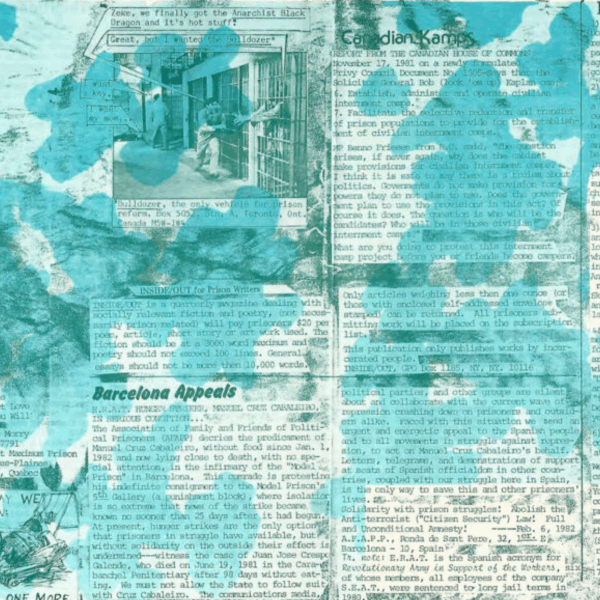
“Anarchist Black Dragon.” Anarchist Black Dragon, no. 10 (April 1, 1982). Part of American Prison Newspapers, 1800s-present: Voices from the Inside, Reveal Digital.
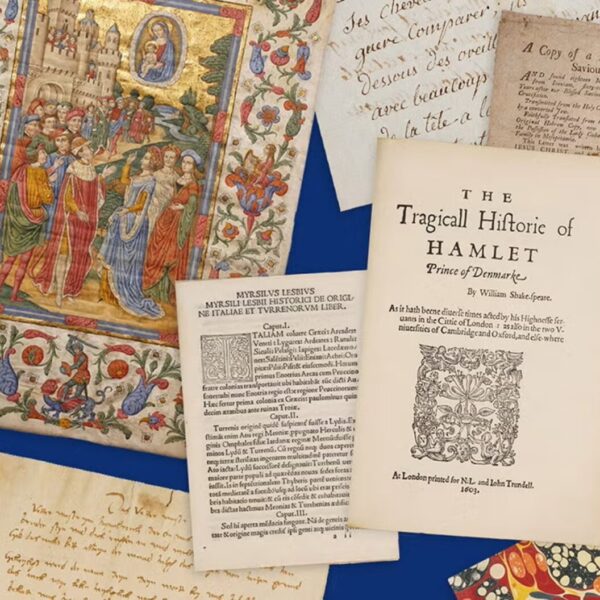
A selection of pages from the the Johns Hopkins University Stern Center for the History of the Book Bibliotheca Fictiva collection available on JSTOR.
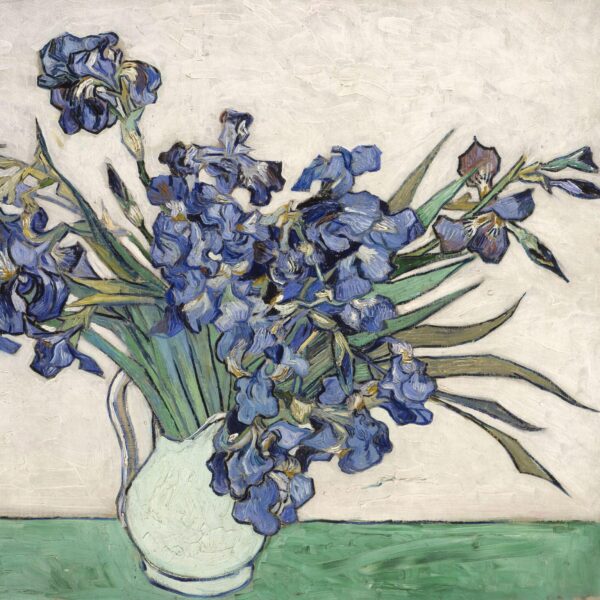
Vincent van Gogh. Irises. 1890. Part of Open: The Metropolitan Museum of Art, Artstor.