
How JSTOR’s archival journals fuel the evolution of ideas
By linking past and present research in one place, JSTOR’s archival journal collections help researchers discover new connections and build upon great ideas.

Where big ideas take root
JSTOR provides foundational texts by giants such as Alan Turing, Hannah Arendt, and Thurgood Marshall, and the debates they engendered, without gaps and chronologically intact. Our complete coverage of every journal–from volume one, issue one, page one–ensures that your institution will have access to vital content that may not be available anywhere else.
Here are just a few examples.
The Turing test
The Turing test, a proposal for determining whether a computer can be considered “intelligent,” is one of the philosophical foundations of AI. The test is still a subject of debate and the decisive texts that inform the exchange are on JSTOR.
Researchers can find “Computing Machinery and Intelligence,” the original article in which Alan Turing first proposed the influential test, and follow the discourse to our present day.

- Computing Machinery and Intelligence, Alan Turing, Mind, October 1950
- Artificial Intelligence, David Bolter, Daedalus, Summer 1984
- Rethinking Turing’s Test, Diane Proudfoot, The Journal of Philosophy, July 2013
- Why Information Matters, Luciano Floridi, The New Atlantis, Winter 2017
Explore further: turing test, machine learning, artificial intelligence
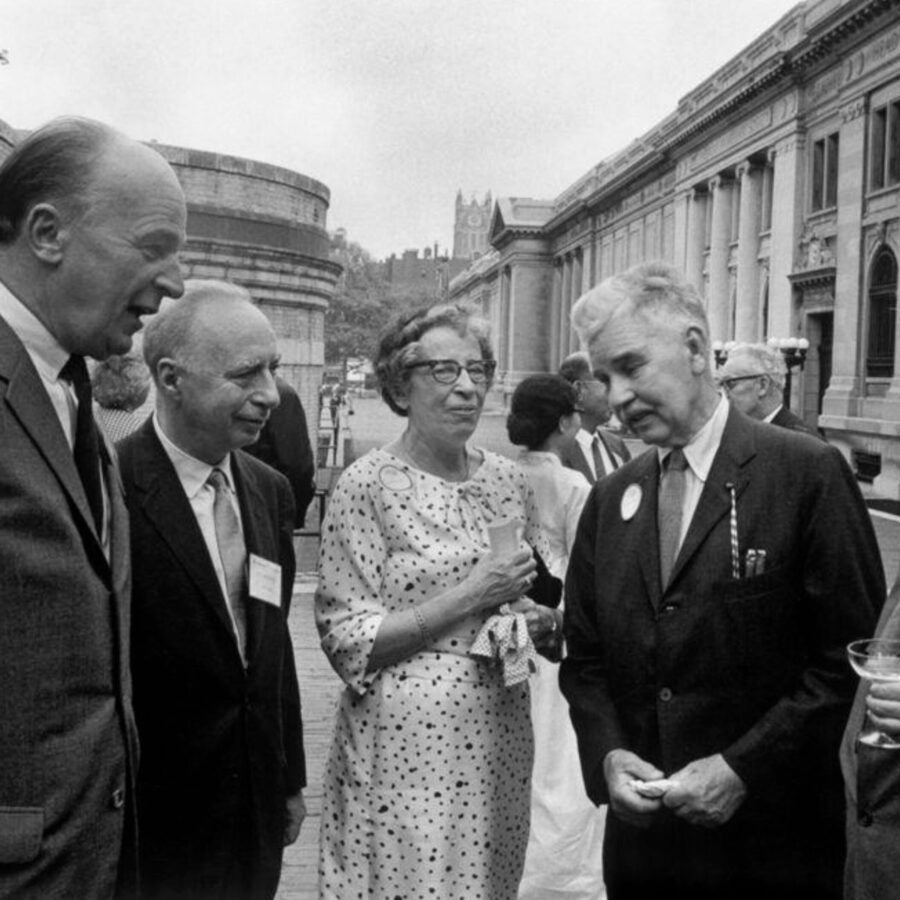
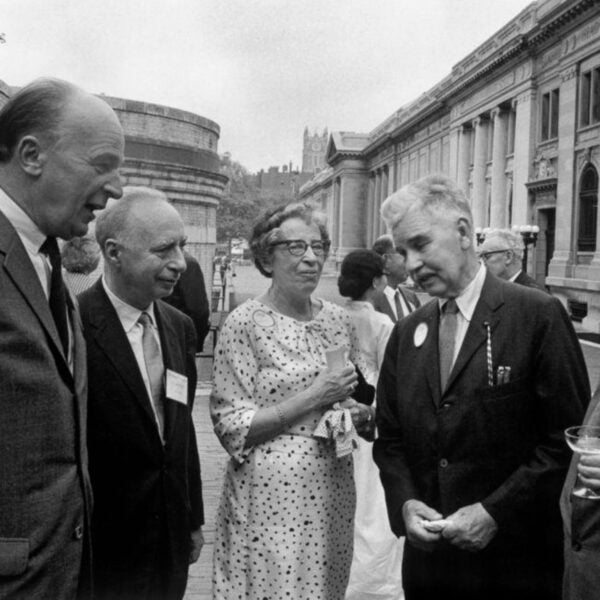
Hannah Arendt’s The Origins of Totalitarianism
The Origins of Totalitarianism is considered one of the best nonfiction books of the 20th century. Hannah Arendt is also among the most taught and influential political thinkers in the modern era.
With JSTOR’s complete archival coverage, researchers can explore Arendt’s difficult-to-find original articles that laid the foundation for the book years before its publication in 1951 and follow today’s analysis of her groundbreaking study.
- From the Dreyfus Affair to France Today, Hannah Arendt, Jewish Social Studies, July 1942
- Expansion and the Philosophy of Power, Hannah Arendt, The Sewanee Review, Oct.-Dec. 1946
- Hannah Arendt on Totalitarianism and Democracy, Hans Morgenthau, Social Research, Spring 1977
- The Three Phases of Arendt’s Theory of Totalitarianism, Roy T. Tsao, Social Research, Hannah Arendt’s “The Origins of Totalitarianism”: Fifty Years Later, Summer 2002
Explore further: totalitarianism, antisemitism, nazism, imperialism, political violence
Prospect theory
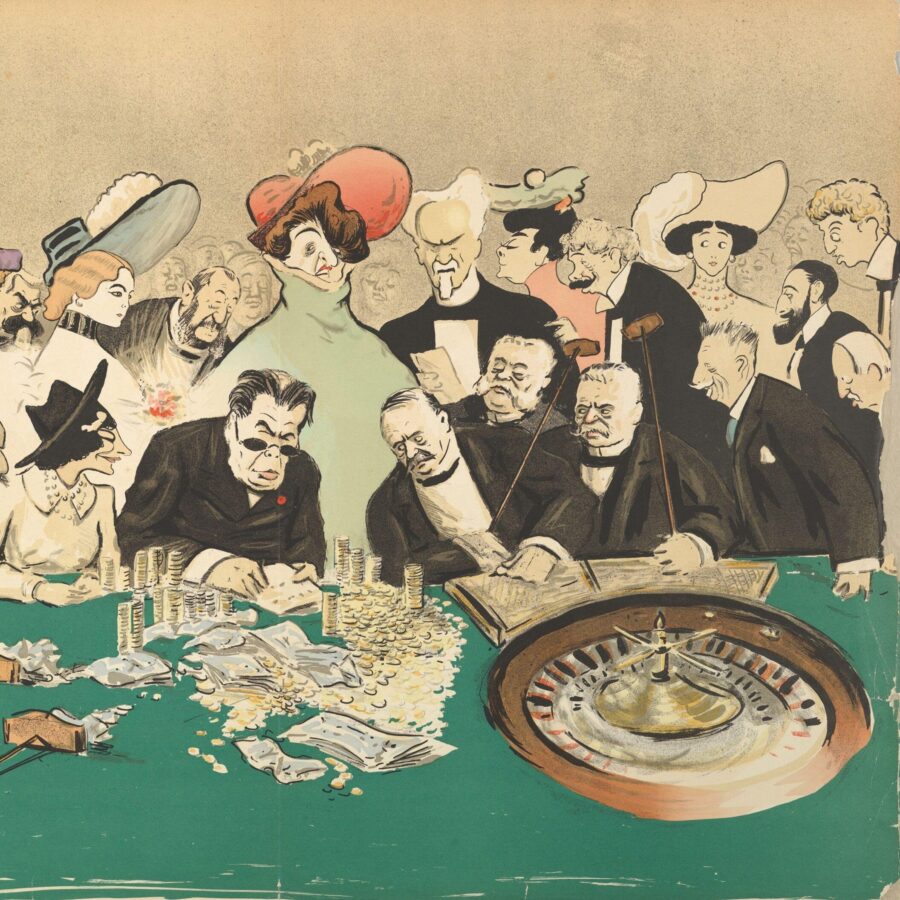
Prospect theory describes how people decide between alternatives that involve risk and uncertainty. It assumes that individuals value losses and gains differently, and thus make decisions based on perceived gains rather than perceived losses.
Published in 1979, “Prospect Theory: An Analysis of Decision under Risk” is a foundational paper in behavioral economics, with psychological insights that impact politics, international relations, and more. With JSTOR’s complete archival coverage for every journal, researchers can find the original article—which may not be available via other providers—and follow today’s analysis of this groundbreaking theory.
- Prospect Theory: An Analysis of Decision under Risk, Daniel Kahneman, Amos Tversky, Econometrica, March 1979
- Prospect Theory, Rational Choice, and International Relations, Jack S. Levy, International Studies Quarterly, March 1997
- The Implications of Prospect Theory for Human Nature and Values, Robert Jervis, Political Psychology, April 2004
- Thirty Years of Prospect Theory in Economics: A Review and Assessment, Nicholas C. Barberis, The Journal of Economic Perspectives, Winter 2013
Explore further: prospect theory, risk aversion, loss aversion, expected utility
Eudora Welty
Researchers can explore an extensive portrait of the celebrated author Eudora Welty. Content ranges from her original fiction and nonfiction, presented in its original context, to reviews of her works by her contemporaries, to critiques that shed new light on Welty’s original stories.
- “Flowers for Marjorie” was one of Welty’s first published works, featured in a 1937 issue of Prairie Schooner.
- Ten years later, Welty’s debut novel Delta Fiction was reviewed by noted literary critic John Crowe Ransom in a 1946 issue of The Kenyon Review.
- The April 2009 issue of The Mississippi Quarterly again used “Flowers for Marjorie” as one of Welty’s works that illustrate how she revised the rituals of masculinity depicted in key modernist texts by men.
Explore further: American literature, feminist literary theory, feminist literary criticism, short stories

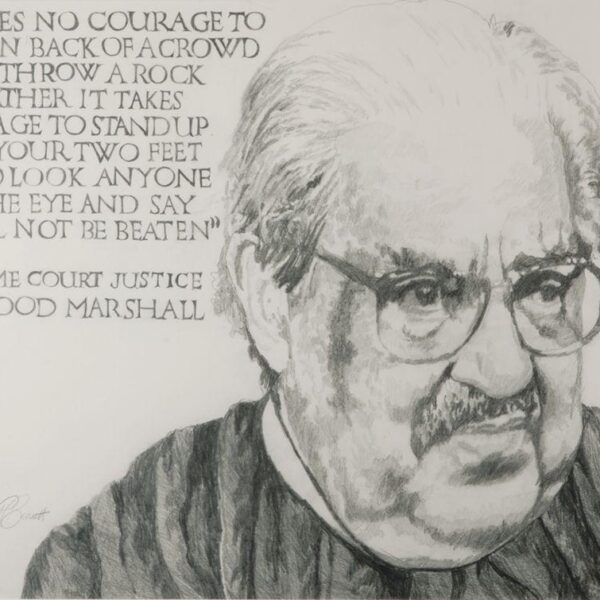
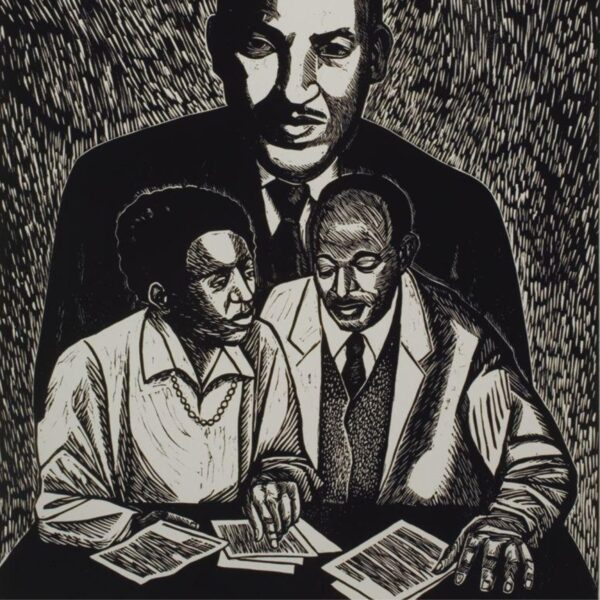
Thurgood Marshall
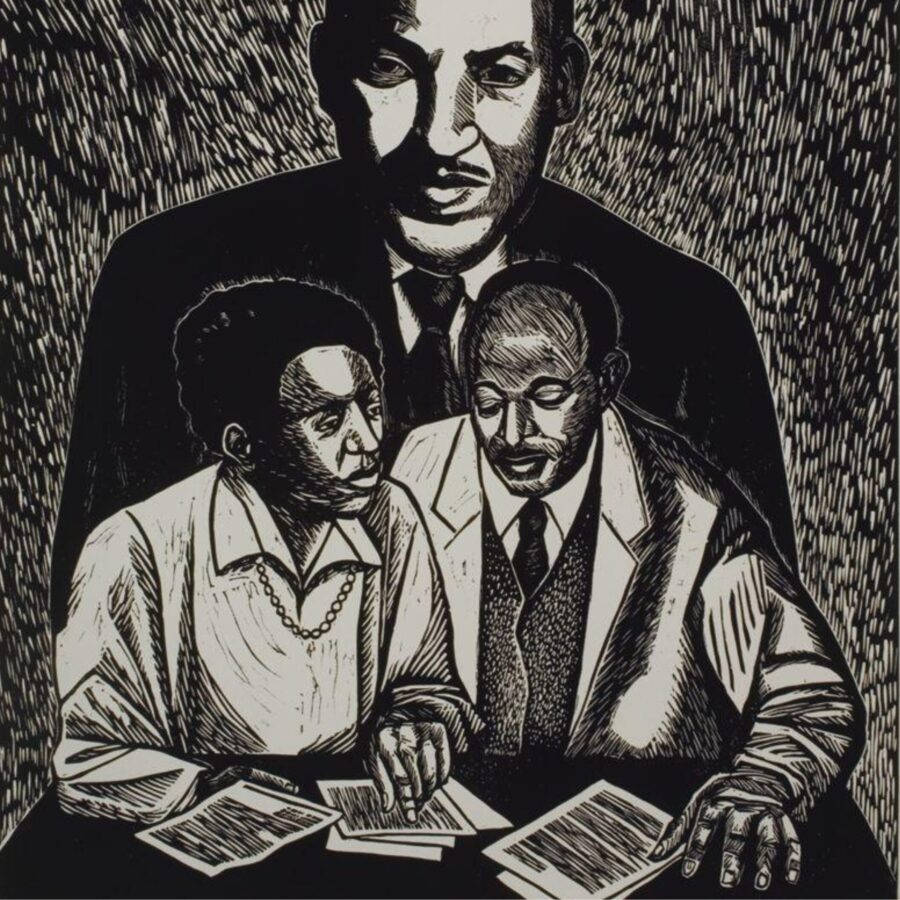
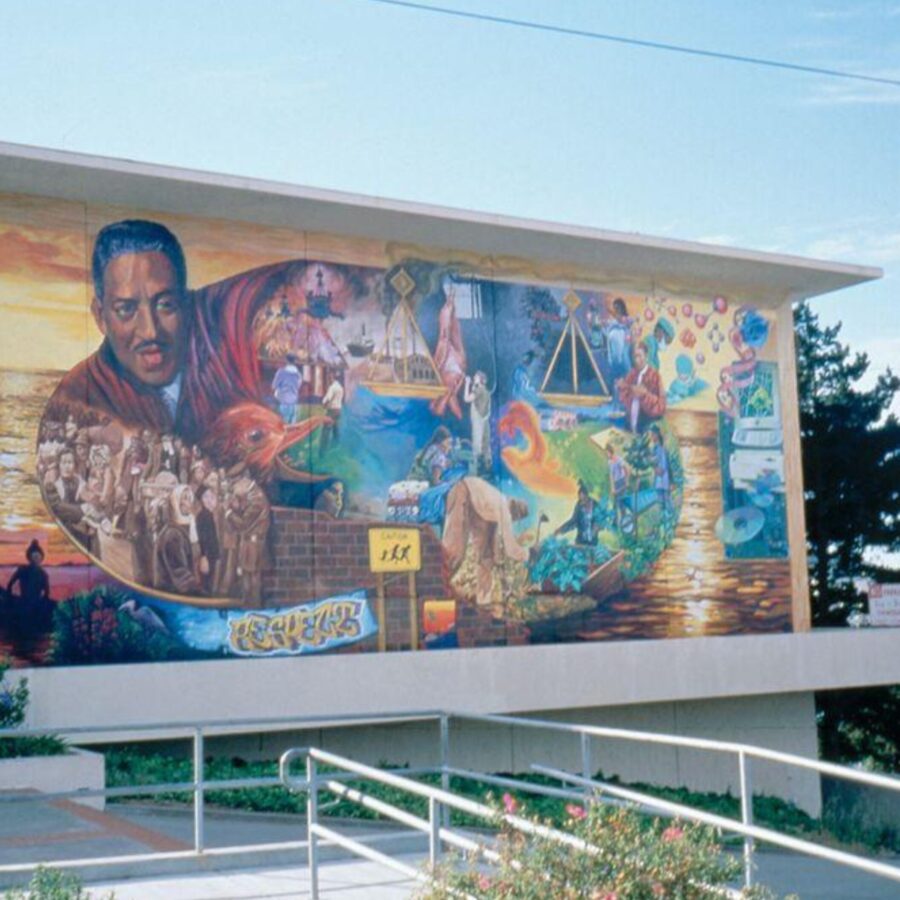
With JSTOR’s complete archival coverage, scholars can discover articles by Thurgood Marshall in the years immediately before the historic Brown v. Board of Education of Topeka case. These include his examination of efforts to achieve racial integration in schools through the courts and the protection of individual rights from oppression.
In addition to his own writings, scholars can also follow today’s discourse and analysis of Marshall’s far-reaching legacy.
- An Evaluation of Recent Efforts to Achieve Racial Integration in Education Through Resort to the Courts, Thurgood Marshall,
The Journal of Negro Education, Summer, 1952 - Mr. Justice Murphy and Civil Rights, Thurgood Marshall, Michigan Law Review, April 1950
- Mr. Justice Thurgood Marshall: A Substantial Architect of the United States Constitution for Our Times, William T. Coleman, Jr., The Yale Law Journal, October 1991
- African-American Constituents and Supreme Court Nominees: An Examination of the Senate Confirmation of Thurgood Marshall, L. Marvin Overby, Beth M. Henschen, Julie Strauss, and Michael H. Walsh, Political Research Quarterly, December 1994
- Working toward Democracy: Thurgood Marshall and the Constitution of Kenya, Mary L. Dudziak, Duke Law Journal, December 2006
Explore further: racial segregation, racial discrimination, desegregation, civil rights, supreme court justices
The whole story—on JSTOR
JSTOR archival journal collections feature the full-text articles of more than 2,700 academic journals across the humanities, social sciences, and natural sciences, with titles from 1,200 publishers from 57 countries. Each title is complete, from volume one, issue one, page one, without gaps in content or chronology. Collections include multi-discipline, discipline-specific, and region-based packages.
01
Full coverage—and always growing
All journals include the full archival run, often featuring greater coverage than other providers. And each year we add millions of pages to the collections as the moving wall for each title advances, at no additional cost.
02
Consistent access
Unlike other databases, titles included in JSTOR archival journal collections will not be withdrawn. And they will be available for future generations—the contents of the entire archive are preserved using the approach and infrastructure developed by Portico.
03
Quality
JSTOR collections are curated, and all journals must meet specific criteria and undergo a review process in order to be included. This is why JSTOR is a starting point for researchers and one of the most trusted, highly used platforms.
04
Value
As a mission-based nonprofit organization, we are committed to providing affordable fees that fit many different communities and institution types.
Get archival journals and primary sources
Connect with our team to explore access options for your institution and discover how JSTOR can support your library’s teaching and research goals.
Note: Items marked with * are required.
Get JSTOR
Interested in JSTOR’s archival journals and primary sources?
Connect with our team to explore access options for your institution and discover how JSTOR can support your library’s teaching and research goals.
Note: Items marked with * are required.
View image credits from this page
Penelope Bennett. Thurgood Marshall. 20th century. Part of The City College of New York, Artstor.

National Physical Laboratory, Osram. Main Frame, for Automatic Computing Engine (ACE) Pilot Model, 1949. 1949. Part of Open: Science Museum Group, Artstor.
Inge Morath. USA. New York City. Pen Club Meeting. 1966. In the Center : German-American Political Philosopher Hannah ARENDT. n.d. Part of Magnum Photos, Artstor.
Georges Goursat. La Roulette in the Casino, from Monte-Carlo, 2nd Serie. ca. 1910. Part of The Metropolitan Museum of Art, Artstor.

Rollie McKenna. Eudora Welty. 1953. Part of Center for Creative Photography, Artstor.
Elizabeth Catlett. Thurgood Marshall. 2000. Part of Amistad Research Center, Artstor.
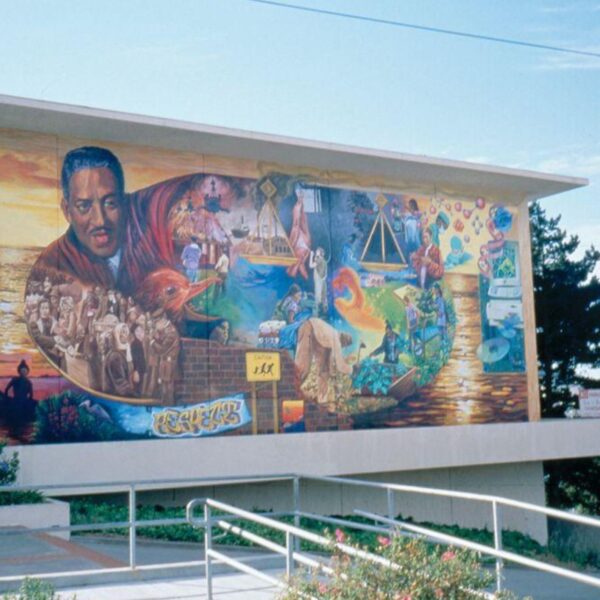
Jan Cook. United We Stand. 1996. Part of Timothy Drescher: Community Murals, Artstor.