
Digital collections professionals
-
JSTOR Digital Stewardship Services welcomes new institutions and shares recent collection highlights now available on JSTOR. This update features examples of AI-assisted description, expanded open access materials, and ongoing efforts to support responsible digital collections management.
-
At ITHAKA, innovation happens when user research and engineering exploration move in parallel. This behind-the-scenes look at JSTOR Seeklight shows how collaboration with archivists and technologists shaped an AI-driven tool designed to accelerate collections processing while keeping human expertise at the center.
-
With updated ADA Title II requirements approaching, JSTOR is advancing accessibility across both its research platform and the tools stewards use to manage collections. Launched in April 2025, JSTOR Stewardship was built to align with current accessibility standards from the ground up.
-
The JSTOR Digital Stewardship Services community continues to grow, welcoming new institutions and expanding access to distinctive collections. This month’s update highlights recent participants, collection spotlights, and how JSTOR Seeklight supports AI-assisted, human-reviewed description and responsible digital stewardship.
-
Preserving distinctive collections is essential—but preservation alone doesn’t guarantee impact. In today’s digital research environment, discovery determines whether primary sources are found, used, and meaningfully integrated into scholarship and teaching. This post explores why platform choice now plays a central role in turning stewardship into impact.
-
The JSTOR Digital Stewardship Services community continues to grow, bringing together libraries, archives, and cultural heritage organizations committed to responsible, mission-aligned digital collections. This month’s update highlights new community members, recently shared collections, and conversations shaping the future of scalable digital stewardship.
-
The JSTOR Digital Stewardship Services community continues to grow as libraries, archives, and cultural heritage organizations collaborate to strengthen responsible digital collections practices. This month’s update highlights new participants, featured open collections, and insights from the wider community—offering inspiration for teams looking to scale or refine their digital stewardship programs.
-
JSTOR welcomes RMIT University as the first Australian institution to join the Tier 3 charter program of JSTOR Digital Stewardship Services. RMIT will pilot JSTOR Seeklight to explore AI-supported workflows, beginning with an architecture slide collection of more than 2,000 images.
-
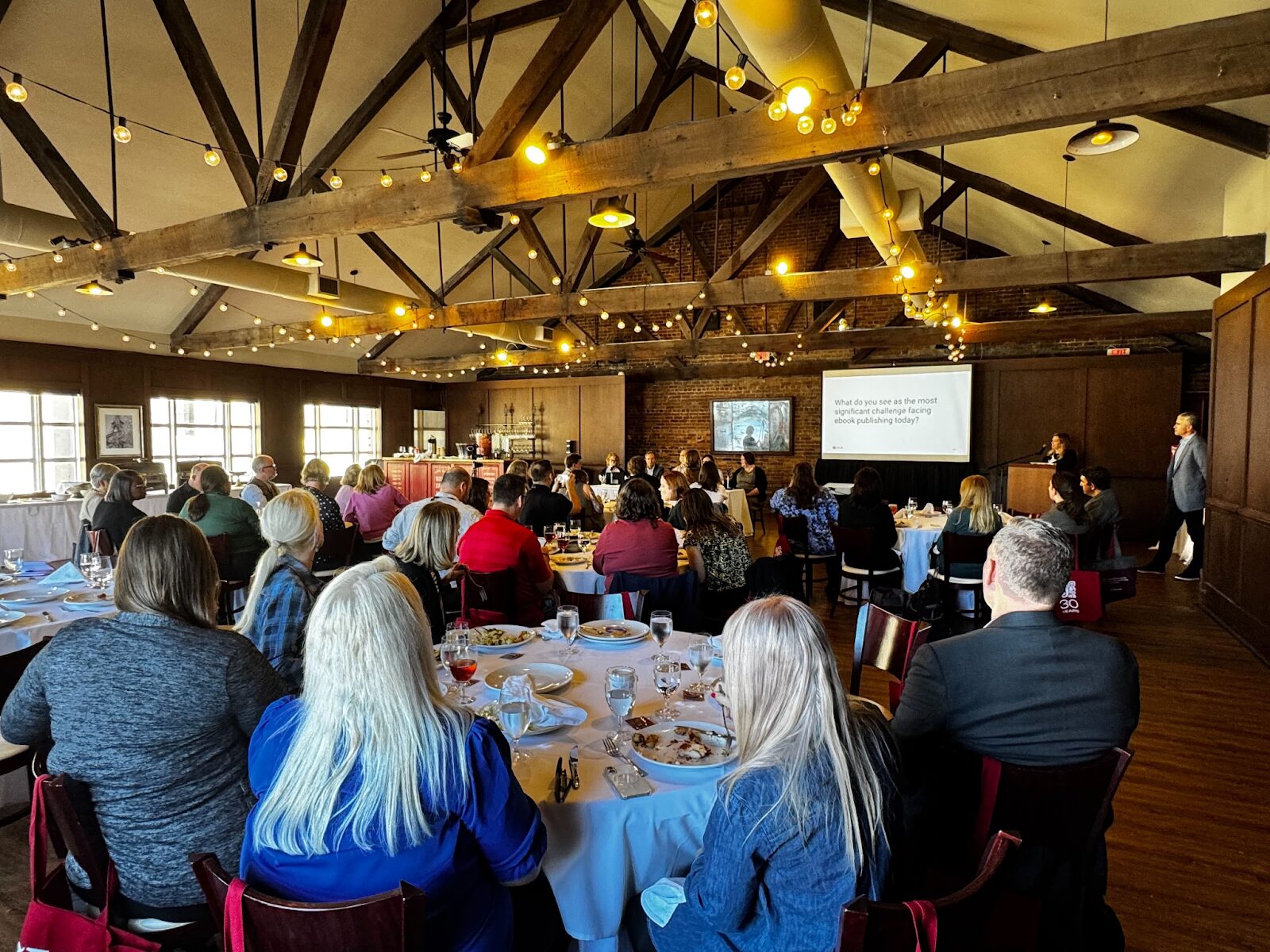
At this year’s Charleston Conference, JSTOR hosted two lunch events. Highlights included updates on Path to Open, Publisher Collections, and JSTOR Seeklight’s growing role in AI-assisted metadata generation.
-
Over 30 institutions worldwide have joined the JSTOR Digital Stewardship Services Tier 3 charter program, forming a values-led community shaping the future of AI-assisted collections processing through collaboration, innovation, and shared expertise.
-
Roger Schonfeld introduces the concept of a collections processing tool—a new, community-driven system that reimagines how special collections are described and discovered. With JSTOR Seeklight, this approach uses digitization and intelligent recognition to make archives more accessible and impactful.
-
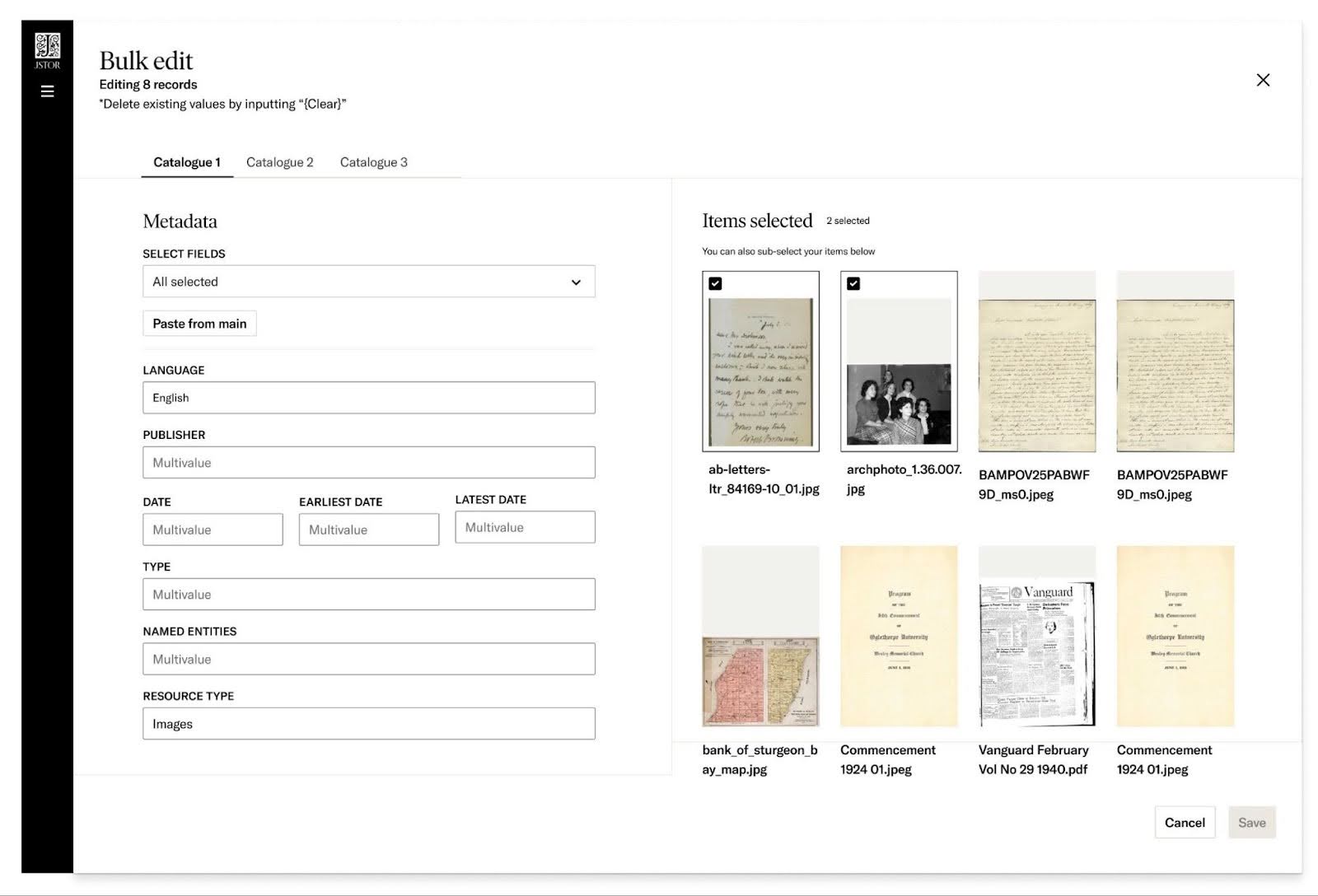
User research revealed differing bulk editing needs and guided a refined JSTOR Stewardship design that offers clearer context, stronger usability, and support for diverse workflows.
-
JSTOR is a nonprofit digital library advancing global access to knowledge through trusted research, teaching resources, and digital stewardship services.
-
JSTOR Digital Stewardship Services does more than store your collections. Explore content management that drives discovery, use, and impact.
-
Bias is inherent to description, but description can and should be revised over time. We’re evolving JSTOR Seeklight’s safeguards against bias and harmful content to reflect our values, our engineering ethos, and our commitment to transparency.
-
This year’s American Library Association (ALA) Conference in Philadelphia offered an opportunity to share how JSTOR is addressing two interconnected needs: helping researchers navigate trusted content more intuitively, and helping libraries manage, preserve, and activate distinctive collections at scale.
-
In this blog, discover how to learn digital preservation skills with free, expert-designed online courses from the Digital Preservation Coalition, which offer practical, self-paced training for beginners and professionals alike.
-
Senior Product Manager Ann Connolly shares how JSTOR Digital Stewardship Services addresses key collection management issues with a unique integration approach.
-
Senior Product Manager Syed Amaanullah shares how JSTOR Seeklight blends technology and human expertise to deliver a purpose-built AI application for archives.
-
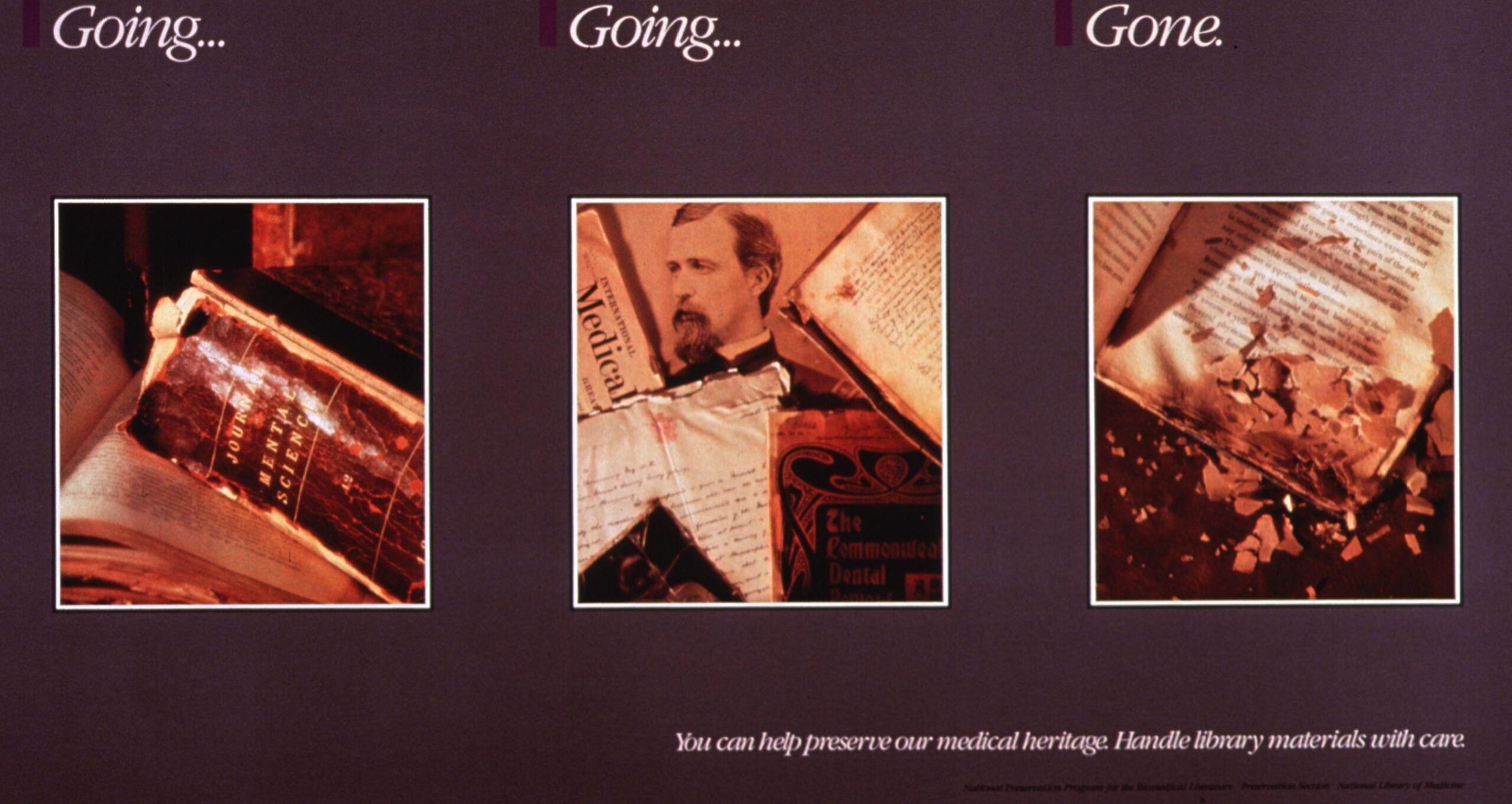
Preserving digital collections is essential to safeguarding cultural memory. Discover how JSTOR’s Digital Stewardship Services help libraries and archives maintain accessible, durable, and meaningful collections for generations to come.
-
We’ve gathered some of the most reliable grants that prioritize digitization, collection development, preservation, access, open educational resources (OER), and new technologies.
-
JSTOR Digital Stewardship Services is designed to help libraries and archives scale preservation through a seamless, mission-aligned workflow that combines digital asset management, AI-assisted metadata creation, and long-term preservation support.
-
An archivist explores how AI can help surface hidden histories, improve metadata, and support digital stewardship while emphasizing the need for human expertise in shaping archival narratives.
-
When we think about art historical research and teaching, individual artworks often take center stage. But what about the curated exhibitions that shape how we experience and interpret them? Beyond Utility: Rethinking the Value of Exhibition Photos in Art Historical Research and Curation—a session at the 2025 College Art Association (CAA) conference—explored the evolving role…
-
Highlighting key 2025 grant opportunities for libraries to digitize, preserve, and describe collections, including funding for audiovisual materials and community archives. Deadlines and award amounts vary, offering multiple pathways for support.
-
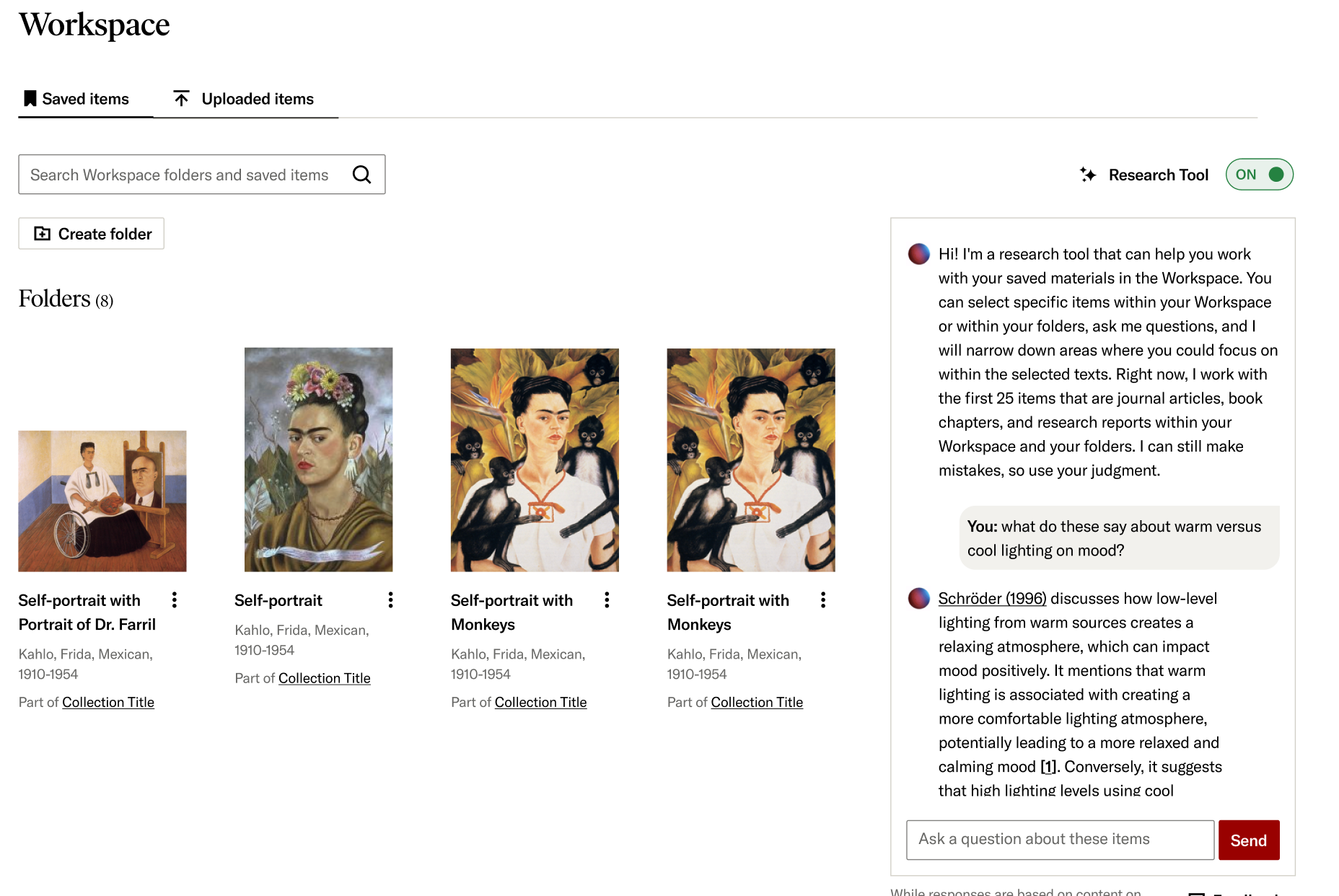
At the Charleston Conference 2024, JSTOR presented its vision for managing and preserving digital collections into the future. “Not Just Another AI Session” highlighted how cutting-edge tools—including JSTOR’s digital collection processing prototype and interactive research tool (beta)—can transform access to archival materials while staying true to JSTOR’s nonprofit mission.
-
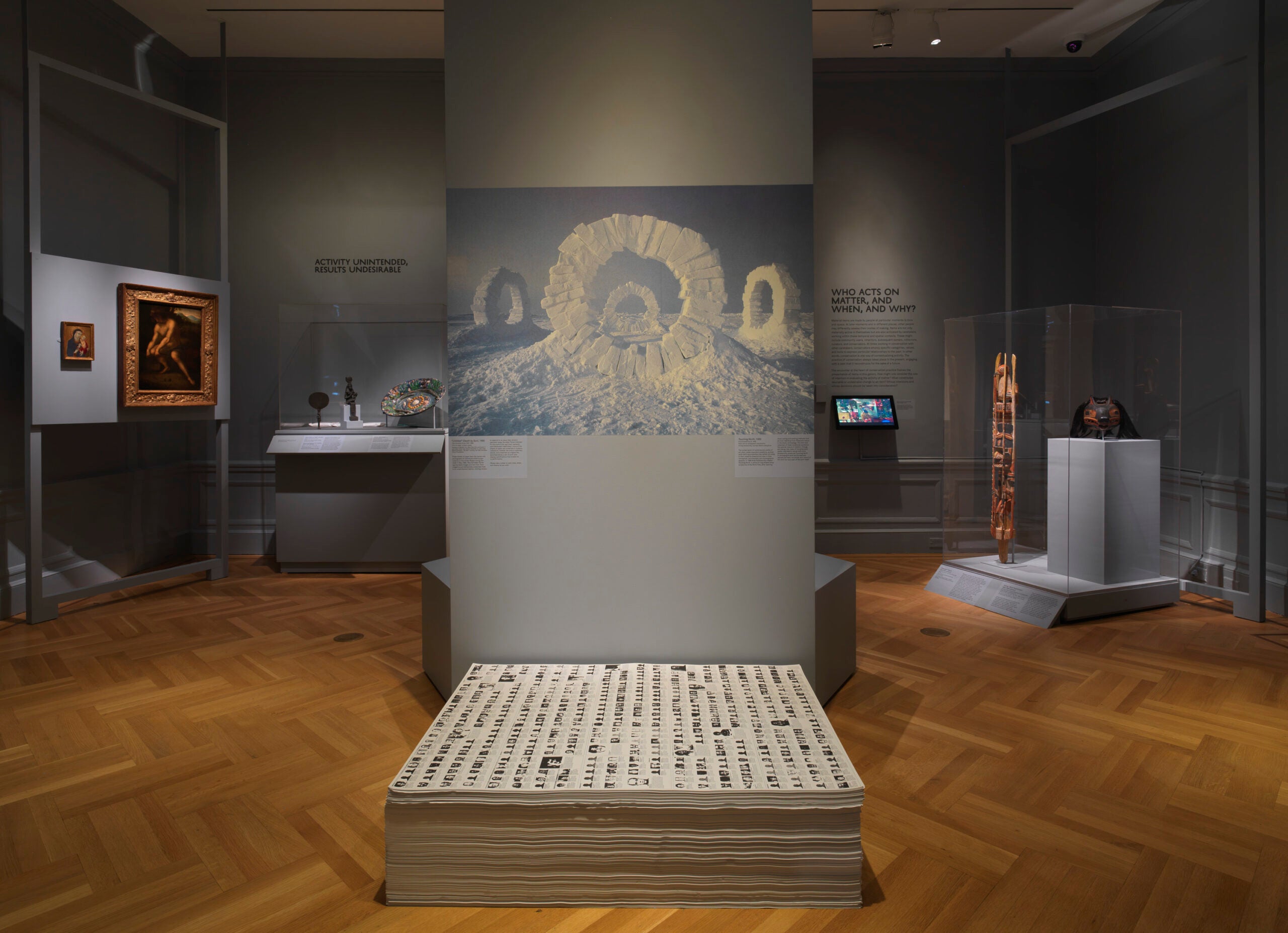
Explore 800+ new Bard Graduate Center installation photos documenting a decade of decorative arts and design exhibitions, now on JSTOR.
-
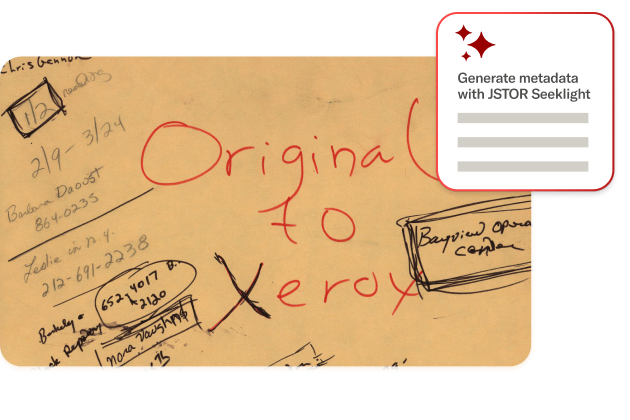
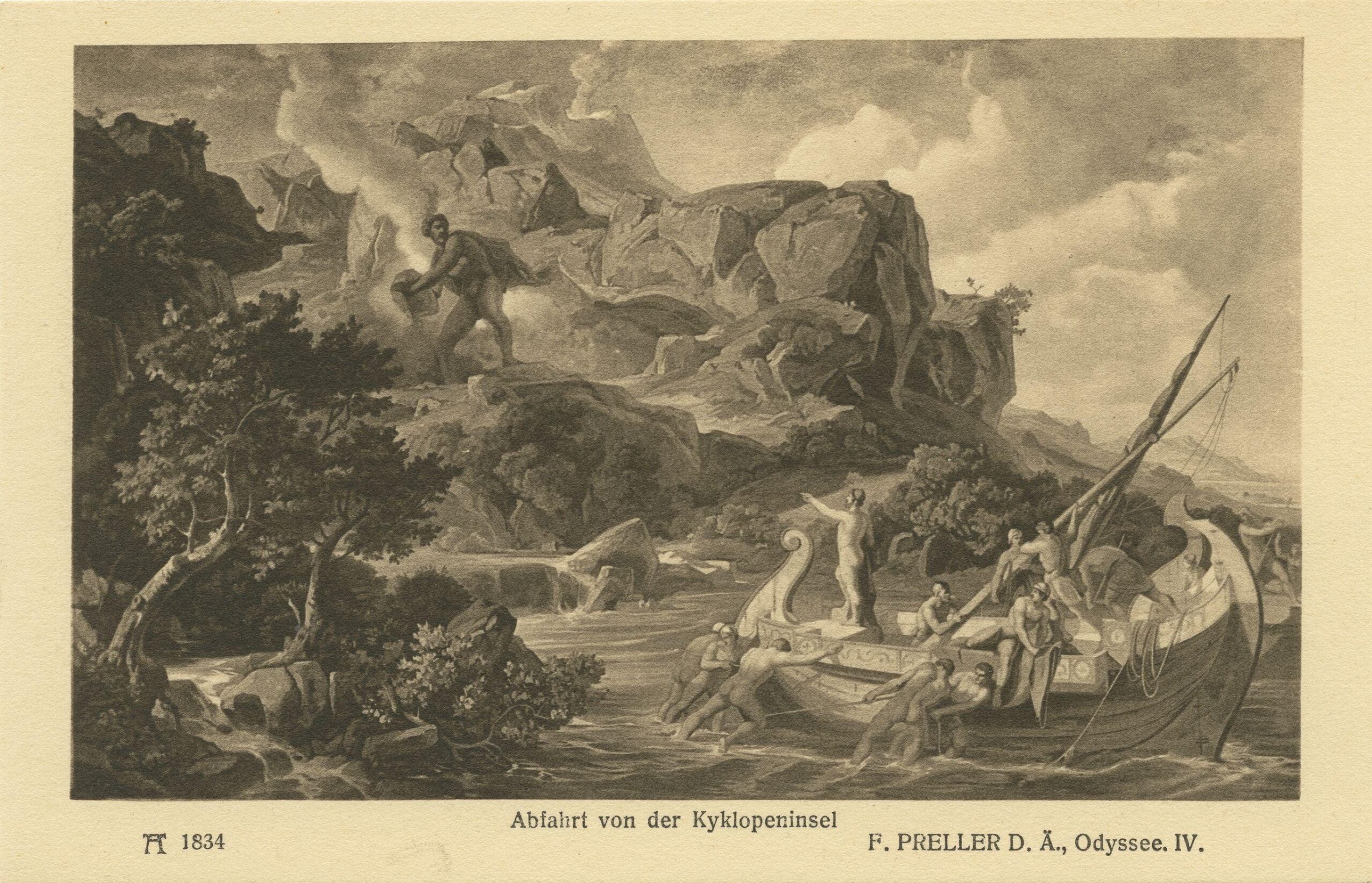
ITHAKA innovates with Project Odyssey using generative AI to help libraries process digital collections efficiently by automating metadata creation, addressing bottlenecks, and reducing backlog.
-
At JSTOR, our mission is to improve access to knowledge and education for people around the world. We’re excited to share several new initiatives leveraging cutting-edge technology to make scholarly materials more accessible, interactive, and engaging for our users. Here’s a detailed look at the latest advancements we recently shared at ALA 2024 in San…
-
Page
Explore JSTOR pricing for government and non-profit research institutions. Learn about classifications, access options, and sustainable models for journals, books, and digital stewardship.









Sign up for updates
Never miss a thing. Get updates from JSTOR delivered straight to your inbox.
By signing up you agree to our Privacy Policy. You may unsubscribe at any time by clicking on the provided link on any marketing message.
"*" indicates required fields