
With institutions spanning 22 states, four countries, and a wide range of types and sizes, the charter community is shaping a shared model for responsible, AI-assisted stewardship
More than fifty institutions are now participating in the charter program of JSTOR Digital Stewardship Services, marking an important milestone as the community-led initiative moves from its first year into its next phase.
The charter program brings together libraries, archives, and other cultural institutions to help guide how technology can responsibly enhance discovery, access, impact, and care for digital collections.
Since the program was announced in March 2025, the charter cohort has grown to include institutions across 22 states and four countries, reflecting a breadth of institutional types, geographies, and stewardship contexts. Participants span ten ARL and twelve R1 universities, ten Oberlin Group institutions, two City University of New York campuses, two community colleges, and six nonprofit and cultural heritage organizations.
This range is central to the purpose of the charter program. JSTOR Stewardship is being developed with institutions that vary widely in size, staffing, collection makeup, and technical capacity, reflecting the belief that responsible infrastructure is strongest when shaped by the communities that will use it. Through working groups, prototype testing, regular discussions, and peer learning across the cohort, charter participants are helping develop tools, approaches, and shared practices of genuine value to the wider field. Many have already brought their experiences and insights to the broader community through presentations at events including the Charleston Conference, the National Information Standards Organization (NISO) annual meeting, and the Coalition for Networked Information (CNI), as well as through published papers, written reports, and poster sessions.
“The milestone of reaching over fifty charter participants reflects real demand for a different model of modern infrastructure: nonprofit, community-led, grounded in a sustainable fee structure, and designed for scale, purpose, and long-term stewardship,” said Roger Schonfeld, Managing Director, JSTOR Digital Stewardship Services. “But what matters more than the number is what this community represents: institutions of different sizes, capacities, and geographies choosing to work together at a critical moment for distinctive collections. AI is changing how research and discovery happen, and, with distinctive collections needed more now than ever, libraries and archives need ways to engage with that change responsibly, thoughtfully, and quickly. The charter program gives our community a way to build the shared infrastructure and practices needed to bring these collections into wider use.”
For Jeehyun Davis, University Librarian at American University, one of the JSTOR Stewardship charter institutions, the value of the program lies in the space it creates for shared learning and field-wide collaboration.
“Being part of the charter community has reinforced my belief that meaningful innovation happens best through collaboration,” Davis said. “At a time when libraries face increasing demands, limited resources, and rapid technological change, this nonprofit, community-driven model provides a valuable space for peer institutions to learn from one another and share practical experiences. Together, we are shaping responsible approaches to AI that strengthen organizational capacity while keeping professional expertise and human judgment at the center of the work.”
JSTOR Seeklight, the AI-assisted collections processing tool within JSTOR Stewardship, is one area of active development with the charter community. Co-created and used by librarians and archivists, JSTOR Seeklight is designed to accelerate impact by fast-tracking key elements of collections processing including discoverability and accessibility, while keeping professional expertise at the center. Since its initial release, its capabilities have grown—with direct input from charter participants—well beyond metadata generation. Through ongoing development, Seeklight now offers screen-reader-ready transcript generation for text-based materials, which enables full-text search and discovery for handwritten, typed, and mixed-media items. Numerous additional features are currently in development with the community and planned for release in the coming months, including alt-text generation, audio processing, and a richer context workspace that lets institutions save and reuse local guidance across projects.
Together with JSTOR Seeklight, the broader JSTOR Stewardship platform includes digital asset management, long-term digital preservation through Portico, and the use of the JSTOR platform as the front-end for discovery and access, helping institutions connect their distinctive collections with researchers, students, and the public. About 350 institutions are already using JSTOR Stewardship to manage their digital collections and maximize discovery, impact, and preservation. Charter participants alone have openly shared over 180,000 items on JSTOR, contributing to a growing corpus of over 3 million items across more than 2,500 collections shared by Stewardship participants across all tiers.
As the charter program enters its second year, participating institutions will continue their collaborative work with JSTOR to turn shared learning into tools, practices, and infrastructure that help distinctive collections become more discoverable, durable, and useful to the communities they are meant to serve. See who is already involved and learn how your institution can join the charter program.
About JSTOR Digital Stewardship Services
JSTOR Digital Stewardship Services is a seamless, cloud-hosted platform that unites digital asset management, long-term preservation, and expanded discovery pathways—including sharing on JSTOR—with the AI-assisted collections processing tools of JSTOR Seeklight.
View image credits from this page
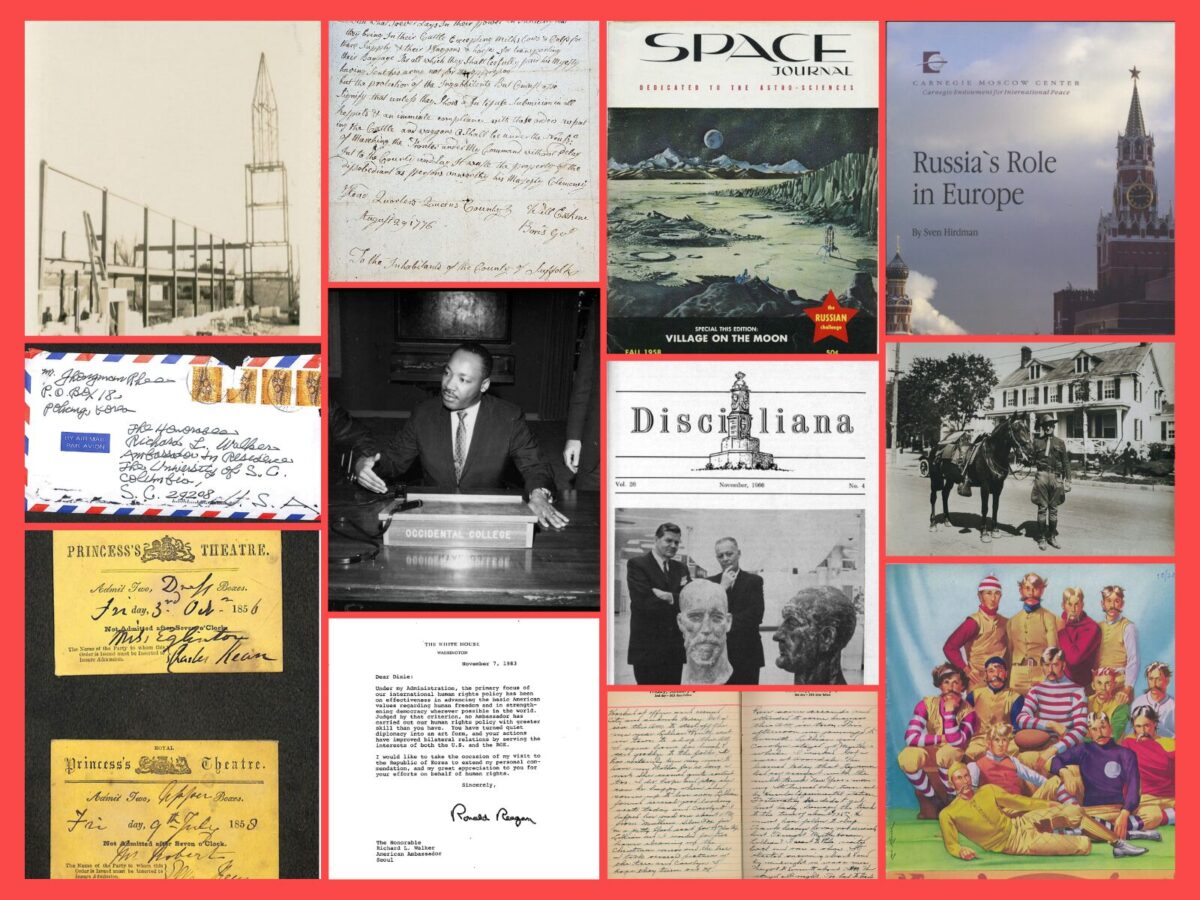
Construction of Bethany Christian Church, Houston, December 29, 1946. Part of Bethany Christian Church (Houston, Tex.) Records, Photographic Prints: Building Construction, 1946-1948, Disciples of Christ Historical Society.
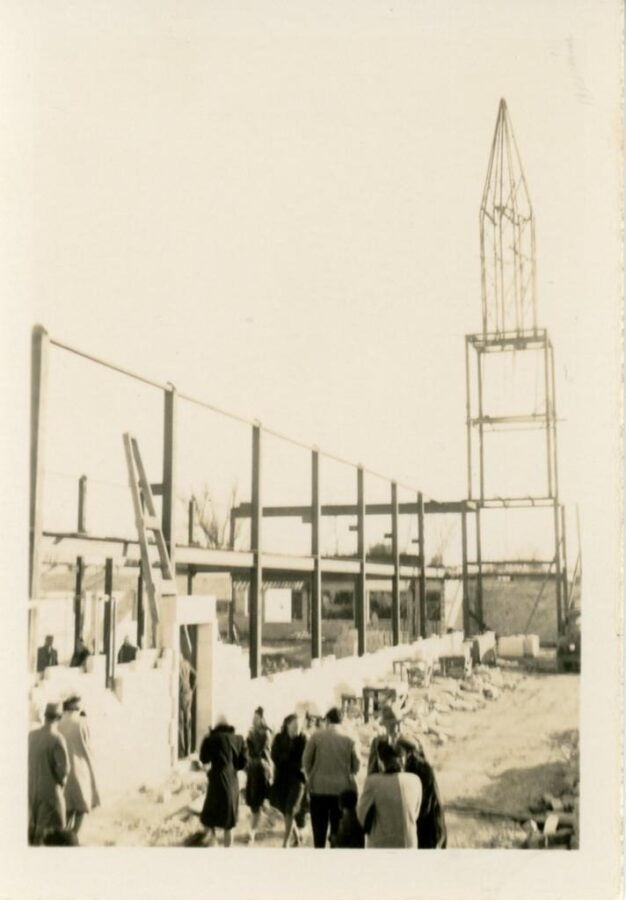
Proclamation to the Inhabitants of the County of Suffolk. Part of Battle of Long Island, Hofstra University.
Space Journal, vol. 1, no. 4, Fall 1958. Part of Space Journal, The University of Alabama in Huntsville.
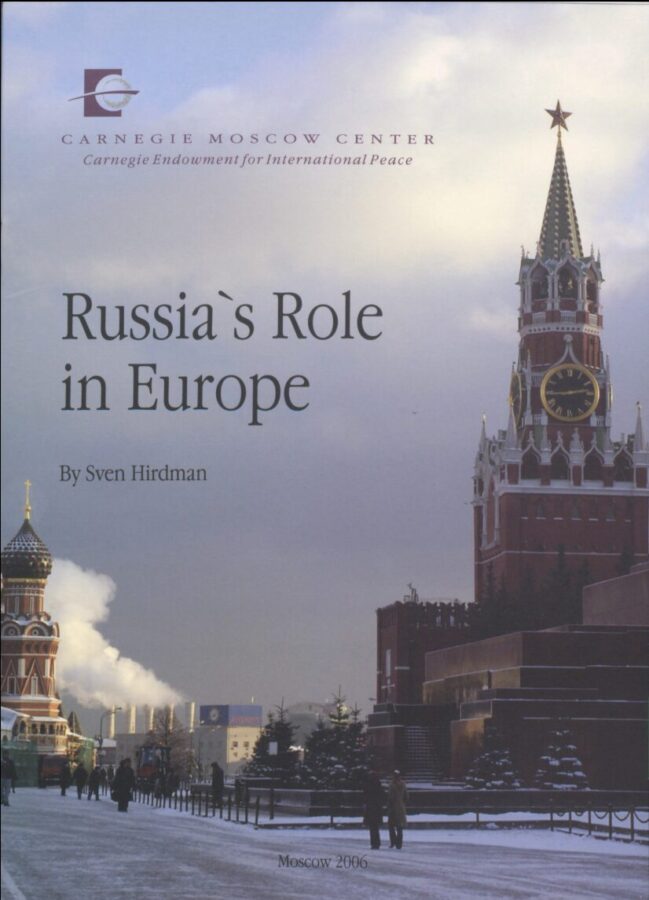
Russia’s Role in Europe. Part of Carnegie Moscow, Carnegie Endowment for International Peace.
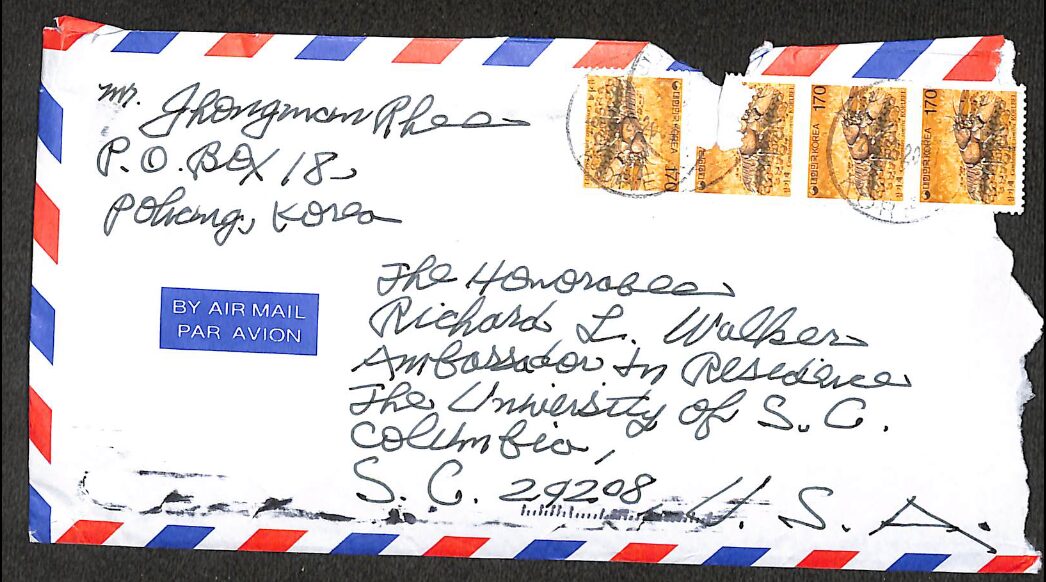
Correspondence between Richard L. Walker and Jhongman Rhee part 2. Part of Richard L. Walker Collection, Drew University.
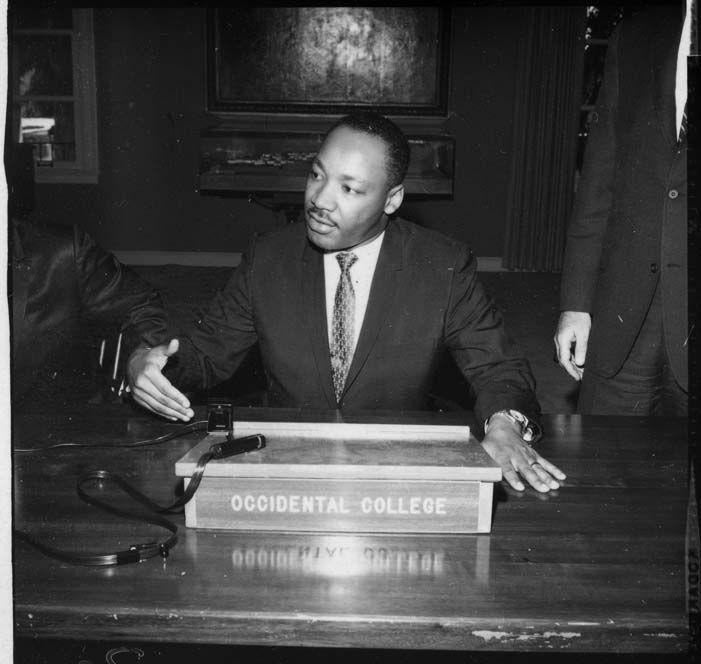
Martin Luther King, Jr. Speaking at Occidental College. Part of Dr. Martin Luther King, Jr. Visits Occidental College, Occidental College.
Discipliana, Vol. 26, No. 4 (November 1966). Part of Discipliana, 1960-2012, Disciples of Christ Historical Society.
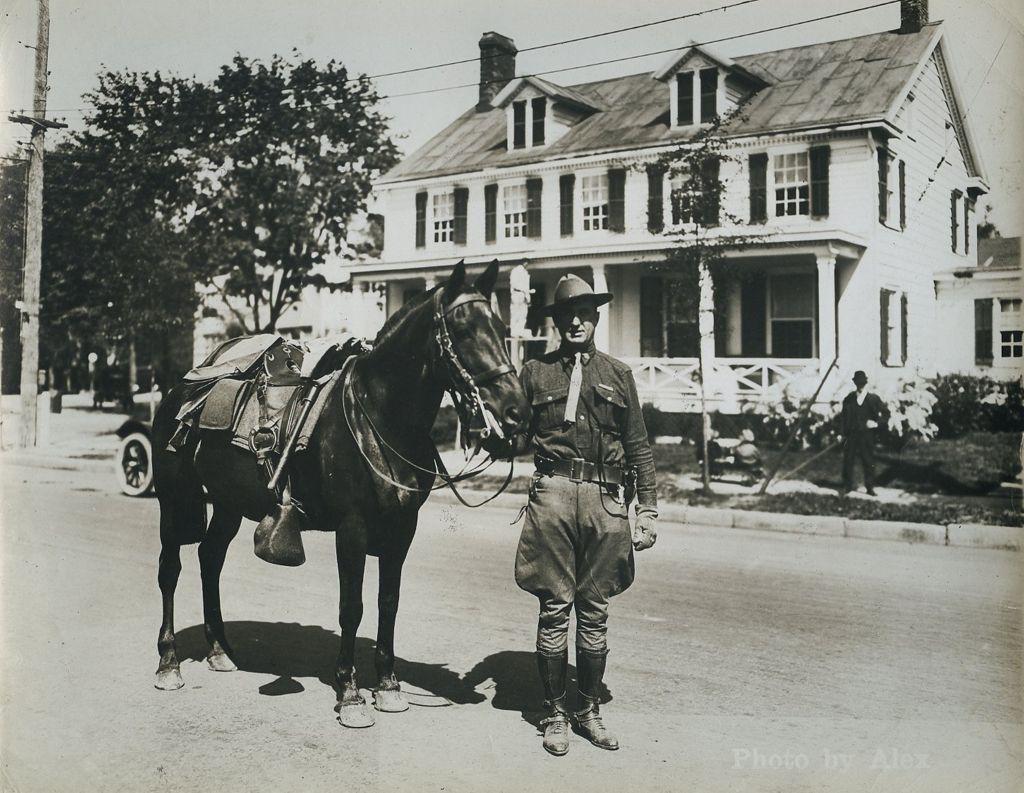
World War I soldier with horse at corner of Franklin Street and Fulton Avenue. Part of Hempstead, New York Photographs, Hofstra University.
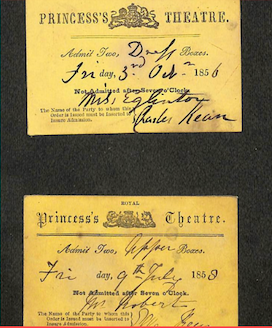
Admission Tickets to Royal Princess’s Theatre, London, 1856–1858. Part of Byron Society Collection: The Gatton Papers on Lord Byron and Theatre, Drew University.
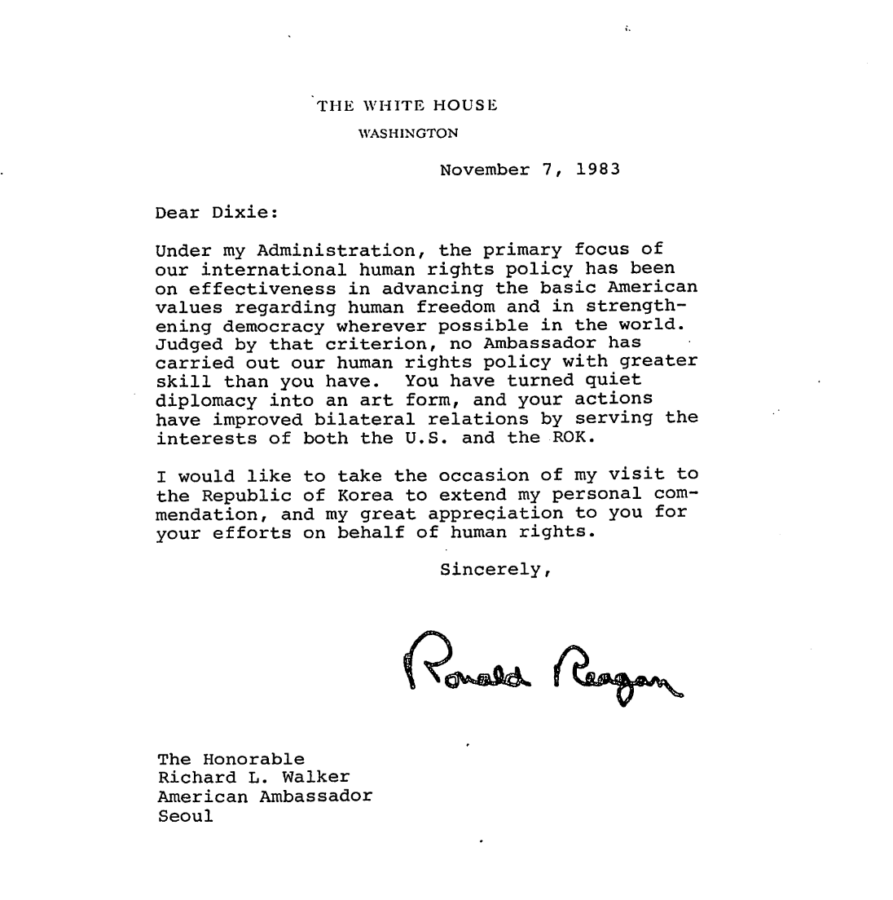
Correspondence with Richard L. Walker and Ronald & Nancy Reagan. Part of Richard L. Walker Collection, Drew University.
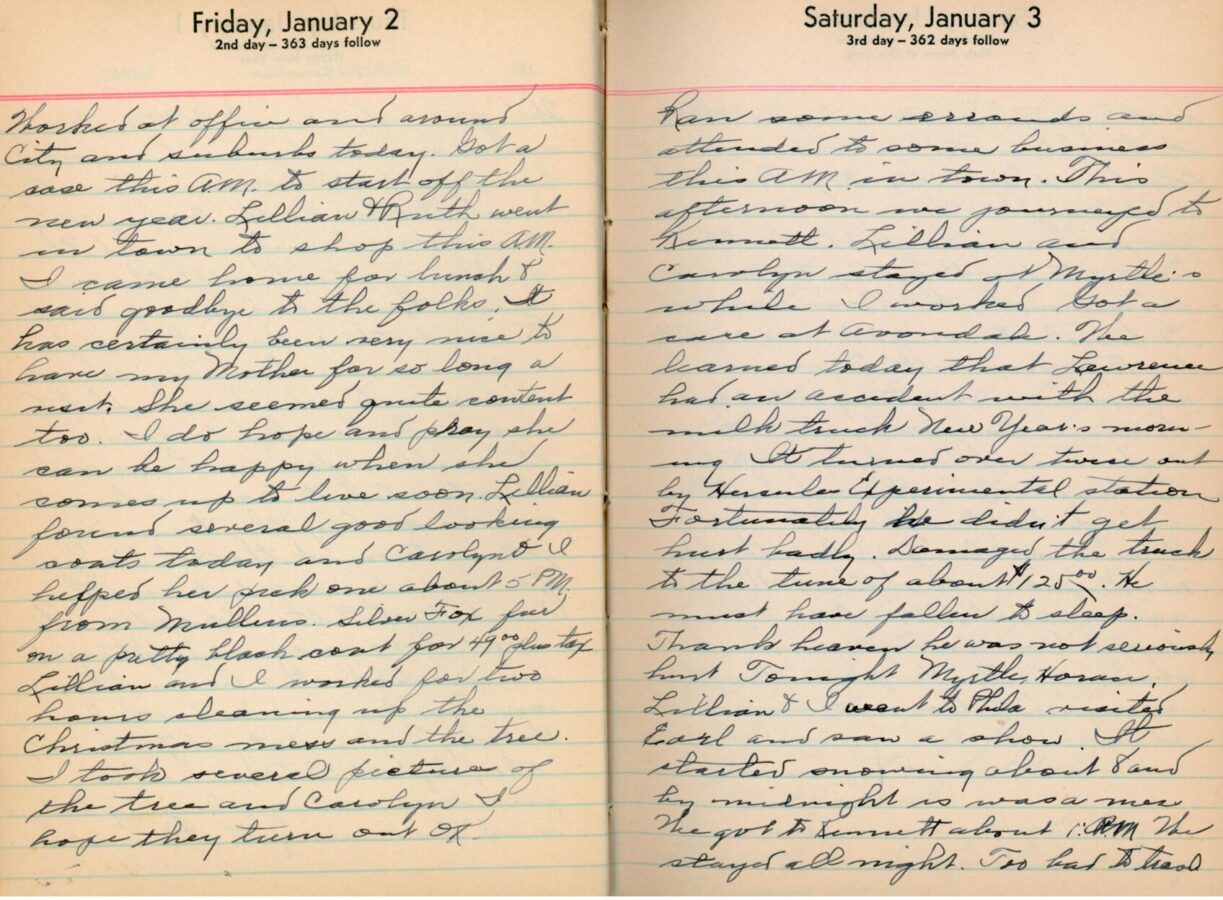
Alvah Smith Phillips Diaries, 1942. Part of Alvah Smith Journals, Goldey-Beacom College.
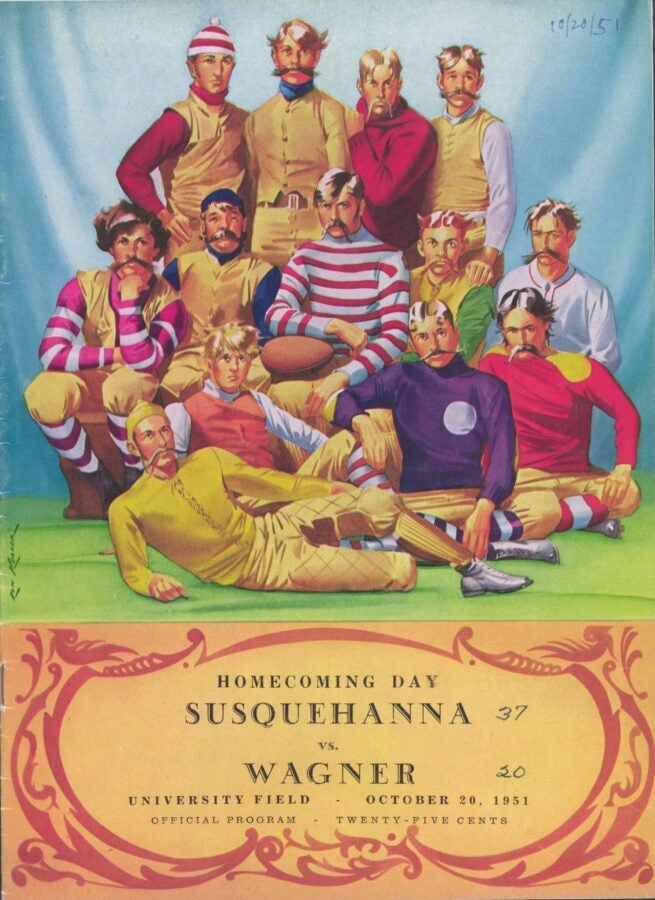
1951 Homecoming Day Football Program. Part of Susquehanna Athletics, Susquehanna University.