Academic work can often feel like a solitary journey. Your advisor may be supportive, but also not fully grasp your project, and colleagues in your department may pursue entirely different paths. We are, in many ways, scattered dots navigating an ocean of knowledge. Yet, as sociologist C. Wright Mills reminds us through the idea of the “sociological imagination,” scholarship is never just personal. It is shaped by the collective forces of society, and in turn shapes society itself.
At JSTOR, we aim to bridge these dispersed efforts by connecting scholars across time and disciplines. Whether uncovering research or artwork from centuries past, or exploring ideas from across the globe, our platform highlights the shared threads of humanity that bind us together. Features like Related text and Related images illuminate the evolution of ideas, disciplines, and artistic traditions, while both deliberate searches and serendipitous discoveries reveal the interdisciplinary value of the humanities, social sciences, and beyond.
For Maria Rovito, Instructor at the Albany College of Pharmacy and Health Sciences, research is not just about gathering information—it’s about rewriting the narratives that shape how we understand pain, illness, and the body. At the crossroads of biomedical training and the humanities, Maria’s work amplifies feminist and disability studies while interrogating the cultural history of medicine. Her teaching and research are deeply personal, informed by her lived experience with endometriosis, and by her conviction that academic work, while often isolating, can also be a collective act of care.
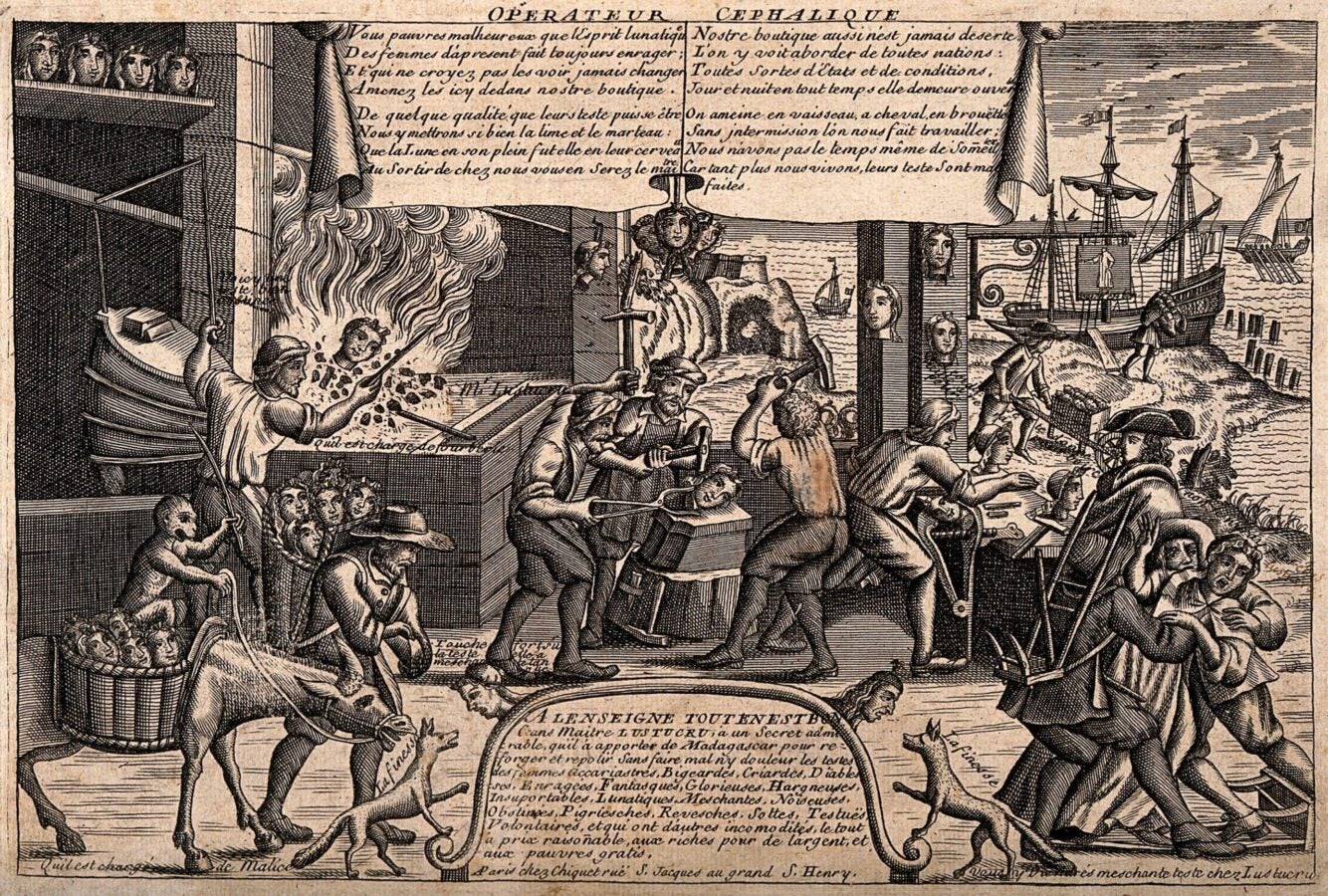

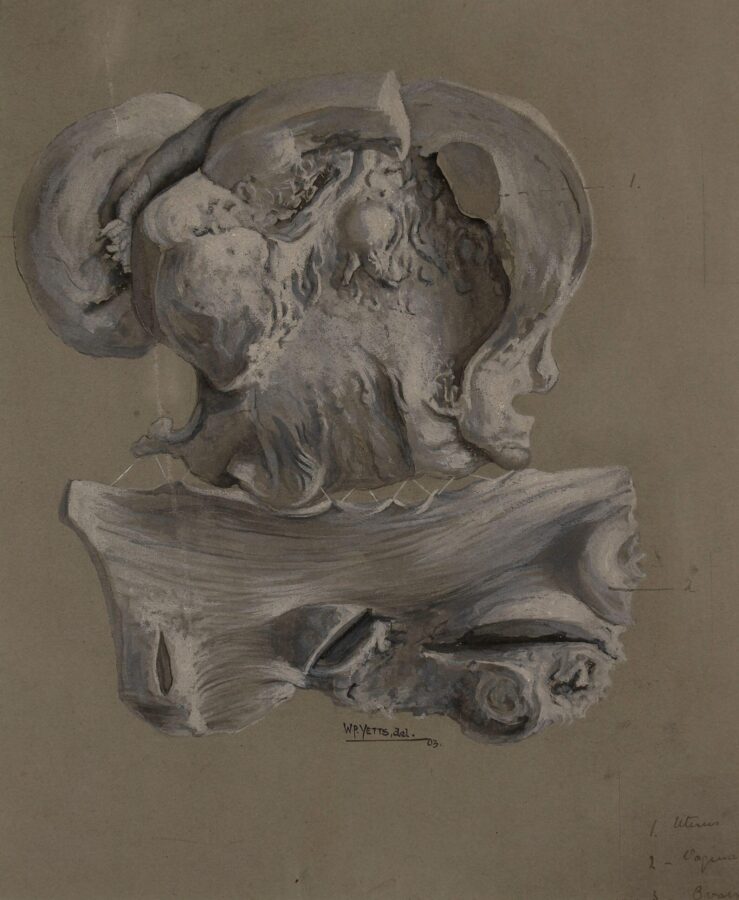
First encounters with JSTOR
Maria first discovered JSTOR in 2018 while serving as a graduate assistant at Millersville University. A casual search during a library demonstration turned into a transformative moment in her academic journey: “I found the key texts I needed right away, and JSTOR made the entire process easy. I still use it almost every day when I’m looking for articles and book chapters on critical theory and cultural studies.”
A lifeline for interdisciplinary research
JSTOR became indispensable during Maria’s graduate coursework and dissertation writing, serving as a point of access to literature, medical history, gender studies, and disability studies during a difficult time: “When I was writing through pain myself, curled up with a heating pad, unable to walk, yet determined to keep researching, JSTOR gave me access to thinkers who reminded me I wasn’t alone.”
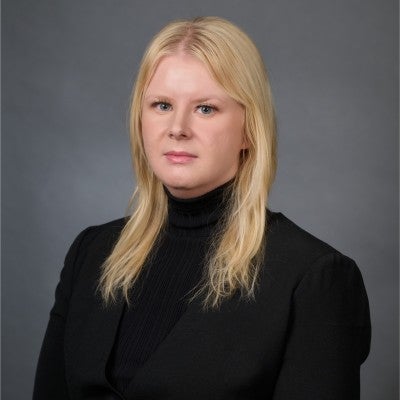
When I was writing through pain myself, curled up with a heating pad, unable to walk, yet determined to keep researching, JSTOR gave me access to thinkers who reminded me I wasn’t alone.
This sense of intellectual continuity, she notes, is what distinguishes JSTOR from other repositories. Where some prioritize only the latest clinical content, JSTOR curates knowledge across centuries and disciplines, allowing her to trace the genealogy of ideas from 19th-century journals to contemporary feminist disability theory.
Teaching with JSTOR
In the classroom, Maria uses JSTOR to build confidence among her students, many of whom come from STEM or clinical backgrounds. She designs assignments that encourage them to see research as more than information retrieval. For Maria’s students, research is about interpretation, ethics, and voice.
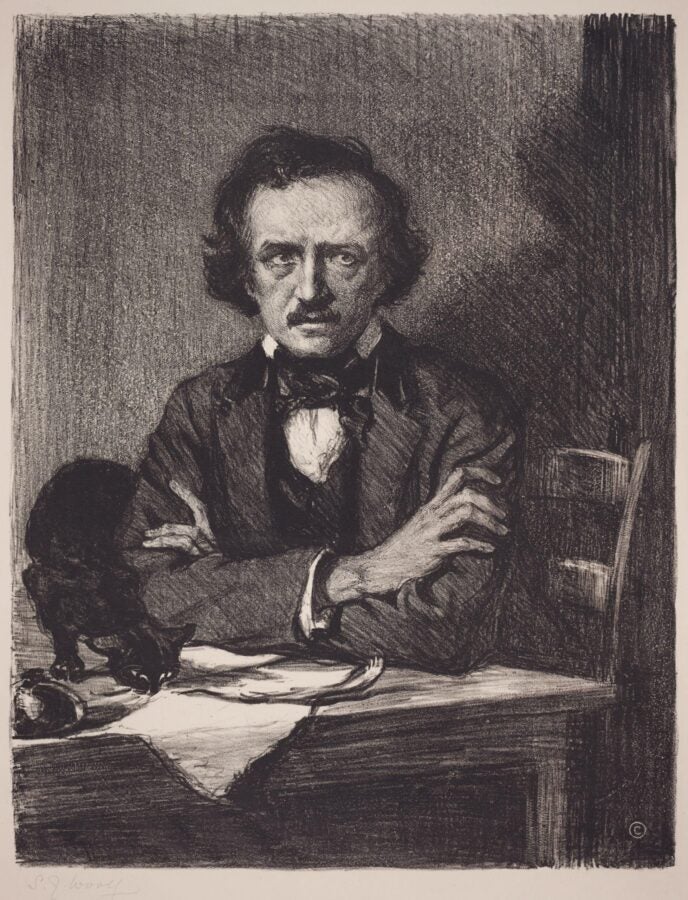
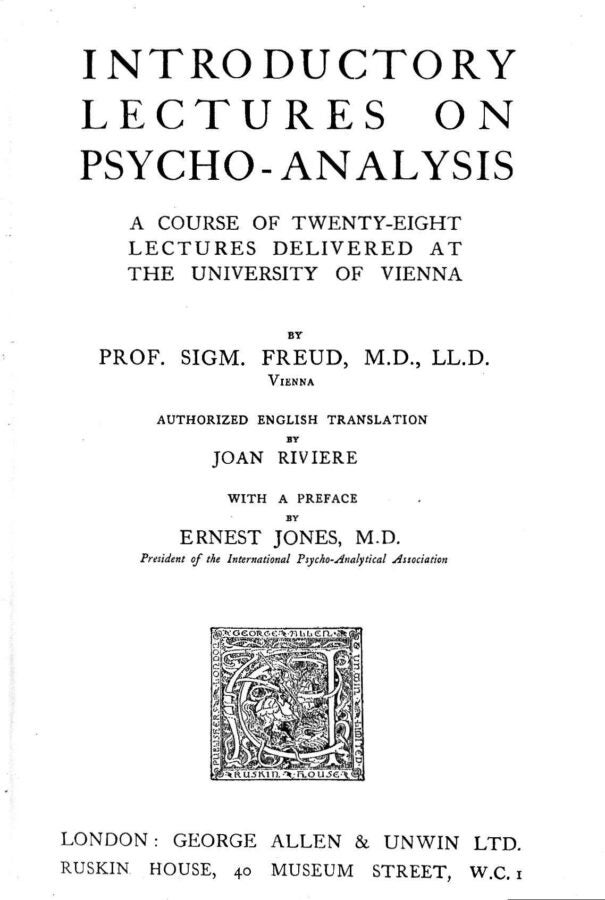
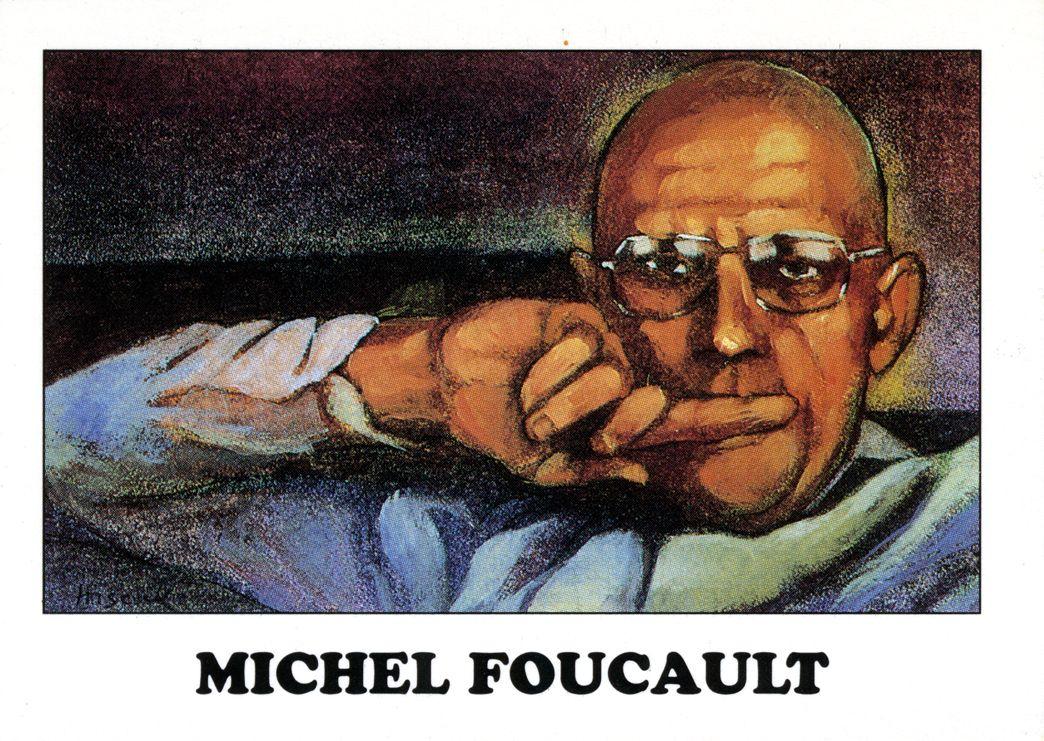
One of her favorite activities, “Keywords,” asks students to trace the history and shifting meanings of diagnostic terms like bipolar disorder through JSTOR’s archive. In a single session, students encounter Michel Foucault, Edgar Allan Poe, Freud, the Diagnostic and Statistical Manual of Mental Disorders, and the National Institute of Mental Health. The exercise sparks questions about who shapes medical knowledge, and how language carries power.
A living archive
For Maria, JSTOR is more than a database. It is a “living archive:” “It’s not just a repository of articles, but a place where I can trace the afterlife of an idea, follow footnotes like breadcrumbs, and witness how scholars across decades have responded to one another. I love the serendipity—the joy of stumbling across an article I didn’t know I needed, something slightly outside my field that ends up reshaping how I think.”
It’s not just a repository of articles, but a place where I can trace the afterlife of an idea, follow footnotes like breadcrumbs, and witness how scholars across decades have responded to one another. I love the serendipity—the joy of stumbling across an article I didn’t know I needed, something slightly outside my field that ends up reshaping how I think.
Looking ahead
“In a world that often flattens knowledge into keywords and search engine logic,” Maria shared, “JSTOR invites slow reading, curiosity, and discovery.” Maria’s gratitude for JSTOR is not only about access to knowledge, but about possibility: “I’m grateful to JSTOR not just for what it stores, but for what it makes imaginable. And I hope that as digital scholarship continues to evolve, we hold onto the values of accessibility, interdisciplinarity, and intellectual generosity that make this kind of work not only possible but meaningful.”
I’m grateful to JSTOR not just for what it stores, but for what it makes imaginable. And I hope that as digital scholarship continues to evolve, we hold onto the values of accessibility, interdisciplinarity, and intellectual generosity that make this kind of work not only possible but meaningful.
As JSTOR continues to evolve to meet the changing needs and challenges of higher education, fostering strong collaborations with educators is central to our vision. In a new area of our website dedicated to educators, we launched a growing teaching resource library filled with webinar recordings, in-class activities, open access materials on JSTOR, and more. We invite educators across all levels to collaborate with us in shaping and expanding these resources.
JSTOR for everyone’s journey
Maria’s story reminds us that JSTOR is not only a research tool but also a catalyst for curiosity, connection, and imagination, helping educators and students alike navigate the intersections of knowledge across time and disciplines. Learn more about how JSTOR can empower your teaching and research. If you use JSTOR in your teaching—as an educator, independent researcher, or a librarian—or want to learn how you can, we invite you to join our network of educators.