When Middle Tennessee State University (MTSU) special collections librarian Susan Martin began planning to digitize materials at the school’s James E. Walker Library, she started with the digital collections system the university already used: CONTENTdm.
Meanwhile, MTSU Digital initiatives librarian Ken Middleton had been using CONTENTdm to manage existing digital collections, including projects developed with community partners.
Martin’s Special Collections department had unique materials she wanted to digitize and share, but no digital collections presence of its own. So she asked Middleton to teach her how to use CONTENTdm. As Martin learned the system and considered how her department would use it, she began to question whether it was the right platform for the work ahead.
“I thought, there’s got to be a better system. This is older. This is difficult,” Martin recalled.
That meant Walker Library itself came to the evaluation from two directions: Middleton was thinking about the future of established digital collections already in CONTENTdm, while Martin was considering how Special Collections could begin publishing its unique materials online.
That experience started a broader evaluation at MTSU that would ultimately lead the university from CONTENTdm to JSTOR Digital Stewardship Services.
Staff at MTSU’s Albert Gore Research Center had already been asking similar questions. Head archivist Andrew McMahan had spent about a year investigating digital collections platforms. Some Gore Center materials were already in CONTENTdm, but earlier efforts to train staff and graduate students to use the system had stalled. McMahan described it as difficult for new users to learn.
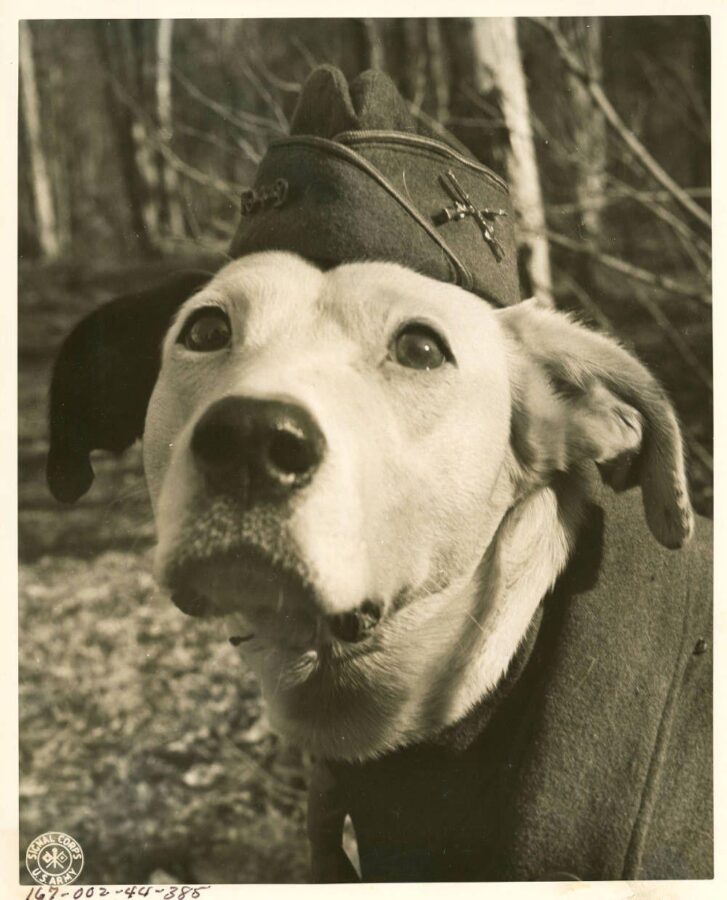
The Gore Center had also shared selected materials through its websites. Researchers could access those materials online if they knew where to look, but the Center wanted a searchable environment that could help people encounter its collections through their research.
In 2023, McMahan began exploring other systems independently, and funding priorities eventually put that effort on hold. But when Walker Library invited the Gore Center to join a larger MTSU evaluation, the Center was ready to participate.
Start with what you need
The evaluation brought together colleagues from Walker Library, the Gore Center, and MTSU’s Center for Popular Music, each with different collections and priorities. Within Walker Library, Martin’s Special Collections department was preparing to establish its first digital presence, while Digital Projects was already managing collections in CONTENTdm. The Gore Center wanted to expand online access to archival collections including Senate papers, oral histories, and audiovisual materials. The Center for Popular Music brought the needs of its extensive music collections and digital holdings.
The CONTENTdm migration itself would ultimately focus on collections managed by Walker Library and the Gore Center.

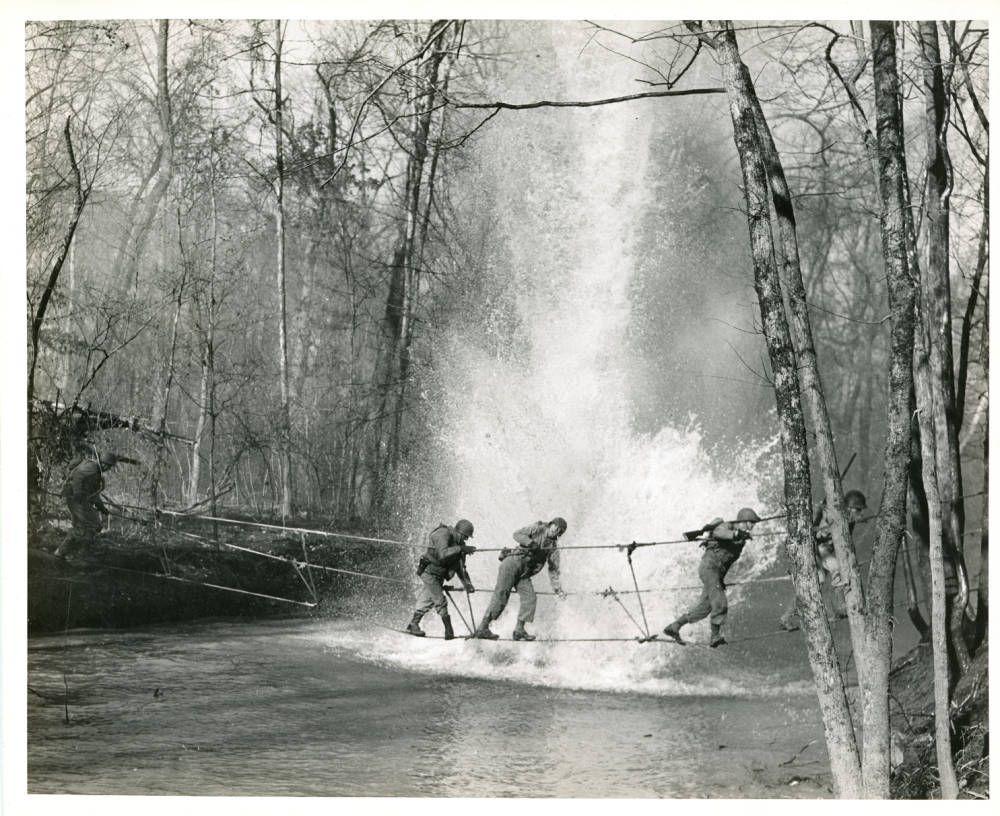
“We knew we were not alone,” Martin said. “We knew that other places on campus were also looking and had things digitized or wanted to.”
The core working group included representatives from each area, along with Walker Library’s IT director. Before comparing platforms, they defined what MTSU needed from one.
Members created a spreadsheet documenting their requirements. They considered uploading and batch workflows, metadata editing, technical requirements, and the researcher experience: how people would find and use the collections once they were published.
Despite representing different areas of the university, the group found considerable agreement.
“We were more aligned than not,” Martin said.
The committee stayed relatively small, while members continued gathering input from colleagues in their own areas. McMahan regularly met with Gore Center staff to discuss the platforms being considered, and bring their feedback back to the working group.
Martin described the committee as a “funnel in and out.” Information came into the group from colleagues across MTSU, and committee members brought what they were learning back to their respective teams.
Putting the requirements to the test
MTSU evaluated seven platforms—including JSTOR Stewardship—against the requirements the group had established.
Each received a trial of at least 30 days. The committee tried to avoid overlapping trials so members had enough time to work in each environment alongside their regular responsibilities.
“Those trials end a lot faster than you think they will, especially when you’re busy managing students and other projects coming in,” McMahan said.

Having requirements in place helped the group use that time deliberately.
McMahan tested PDFs and JPEGs and experimented with audiovisual materials. Martin focused on the work she and her colleagues would do regularly, including uploading and editing materials and working in batches.
She also paid close attention to the researcher experience. How easily could someone find a collection? Would the environment make sense to students? Could librarians incorporate the collections into instruction?
Those questions helped shape what MTSU looked for in its next digital collections platform.
The formal evaluation ran through much of 2025, giving the working group time to test its requirements across the different platforms under consideration.
Putting distinctive collections where research is already happening
For the Gore Center, discoverability was one of the clearest reasons JSTOR Stewardship stood out.
“What we really liked about it was the discoverability that came with using JSTOR.”
—Andrew McMahan, Head Archivist, Albert Gore Research Center
The Gore Center wanted its materials to reach researchers beyond those who already knew about the Center and where to find its collections online. Previous experience had shown that making something available on a website did not necessarily make it easy to discover through research.
JSTOR was already part of the teaching and research environment at MTSU. Walker Library participates in JSTOR journals, books, and collections, and librarians already teach students how to use the platform as part of their research.
For Martin, putting MTSU’s distinctive collections into that environment meant librarians could introduce those materials through a platform that was already part of research instruction at MTSU.
“Having this be on a platform that people know and feel confident about was huge,” Martin said. “JSTOR is taught in instruction here.”
The same issue comes up regularly at the Gore Center, where McMahan and his colleagues host classroom visits.
“Inevitably the question we always get at these classroom instruction sessions is, ‘Is that available online?’ And historically we’ve had to say no. Pretty much nothing here is. So it’ll be nice to have a different answer to that question.”
That answer could include some of the Gore Center’s major archival holdings. The Center has held the papers of Senator Albert Gore Sr. for decades, including radio broadcasts and audiovisual materials. Staff are also processing the papers of Senator Bill Frist, who has expressed a strong interest in making his materials widely available online.
“Getting JSTOR Stewardship has kind of come at the perfect time for us,” McMahan said.
Martin’s Special Collections department at Walker Library has its own plans. Her team will establish its first digital collections presence, beginning with materials that have already been digitized, and then consider additional collections that support teaching and online classes.
Stewardship also performed well against the practical requirements MTSU had established at the beginning of its search. Martin and McMahan found the system relatively easy to work with during the trial, including the everyday work of uploading and managing materials. The ability to support different formats and collections, along with cost, also factored into the decision. Together with discovery on JSTOR, those considerations led MTSU to select JSTOR Stewardship as its replacement for CONTENTdm.
Working through the migration with JSTOR
MTSU’s move from CONTENTdm includes roughly 30 collections and more than 10,000 items from Walker Library and the Gore Center. The collections vary in size, format, metadata, and structure.
MTSU chose to use JSTOR’s professional migration services to help move that content into Stewardship. The work began with requirements gathering across the existing CONTENTdm collections. JSTOR’s migration specialists inventoried the collections, reviewed the source metadata, and worked with MTSU to determine how that content should be represented in Stewardship.

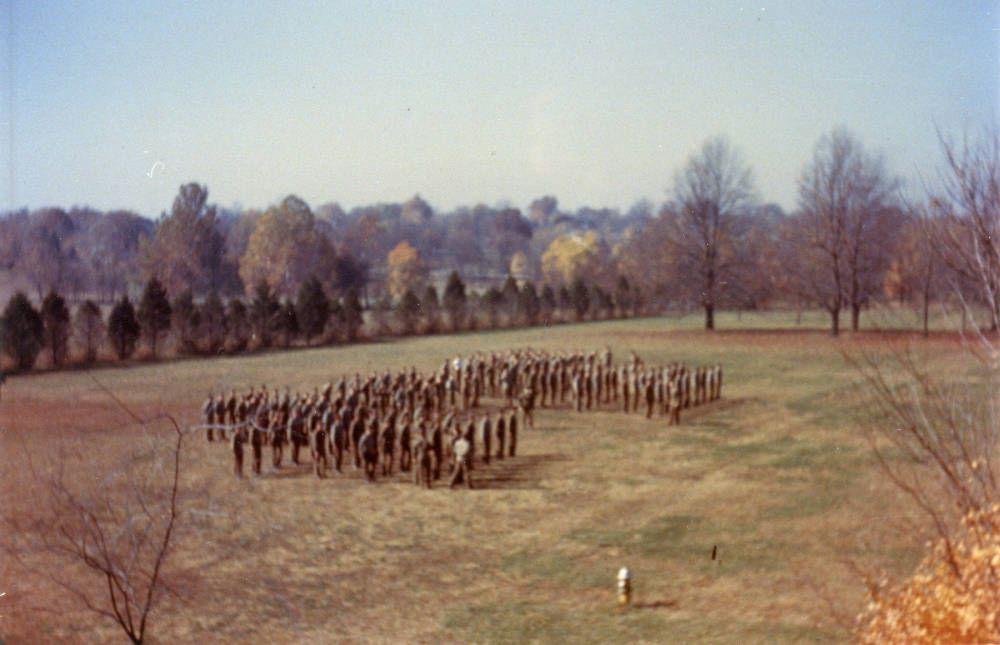
MTSU staff brought their knowledge of the collections to decisions about metadata, transcripts, archival context, and connections to systems such as ArchivesSpace and the library catalog.
Collection identity was another priority. MTSU wanted researchers to encounter collections through a shared institutional presence while still being able to see which campus area stewards the material. That goal shaped conversations about collection organization and presentation throughout implementation.
“I think it’s important that folks know whose stuff they’re looking at,” Martin said.
MTSU’s presence on JSTOR now gives those collections a shared institutional home while allowing individual collection areas to retain their own context and identity.
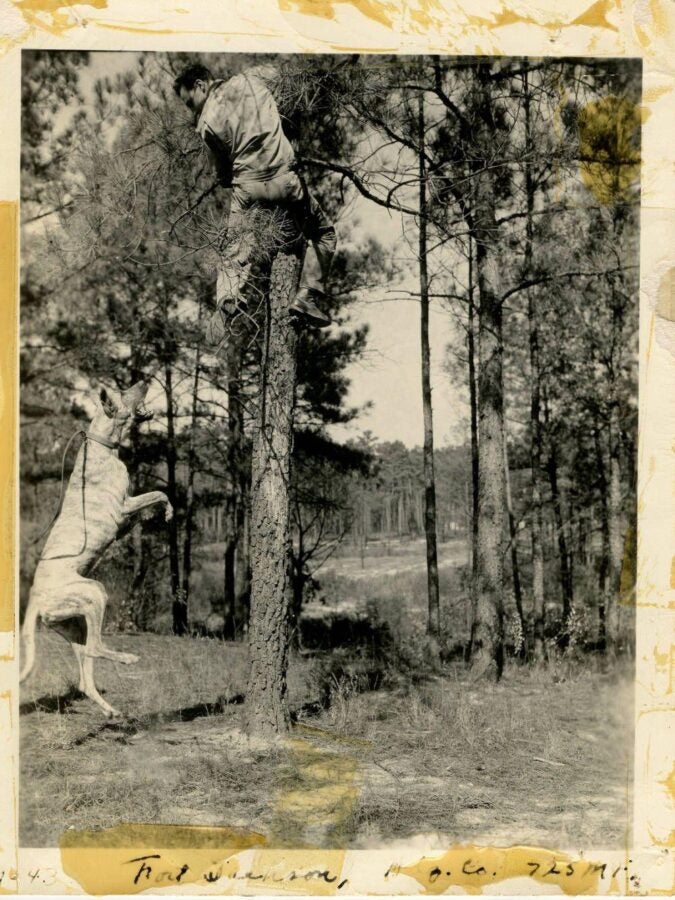
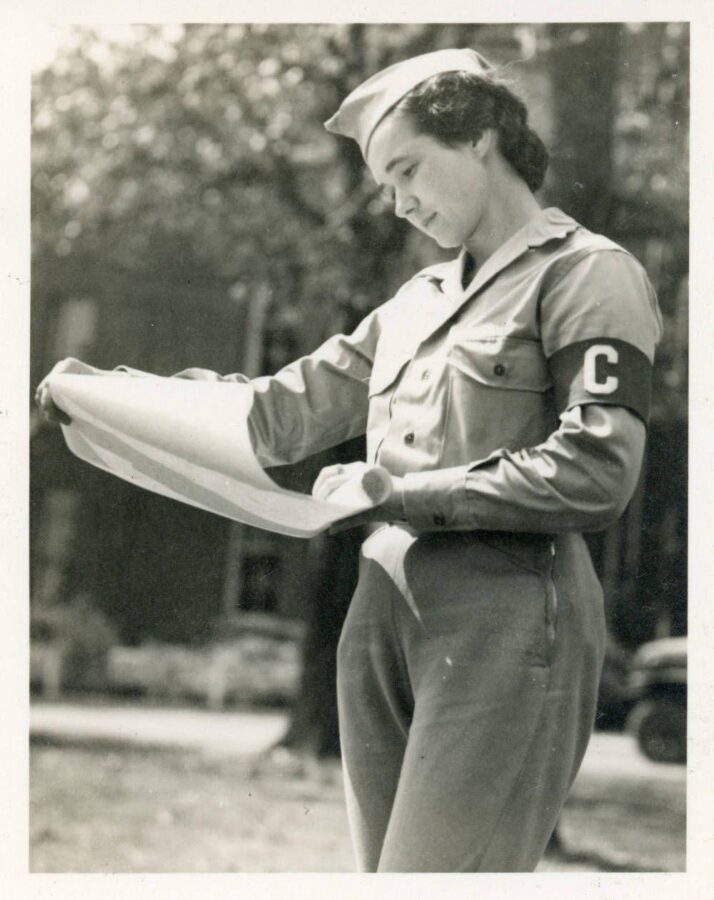
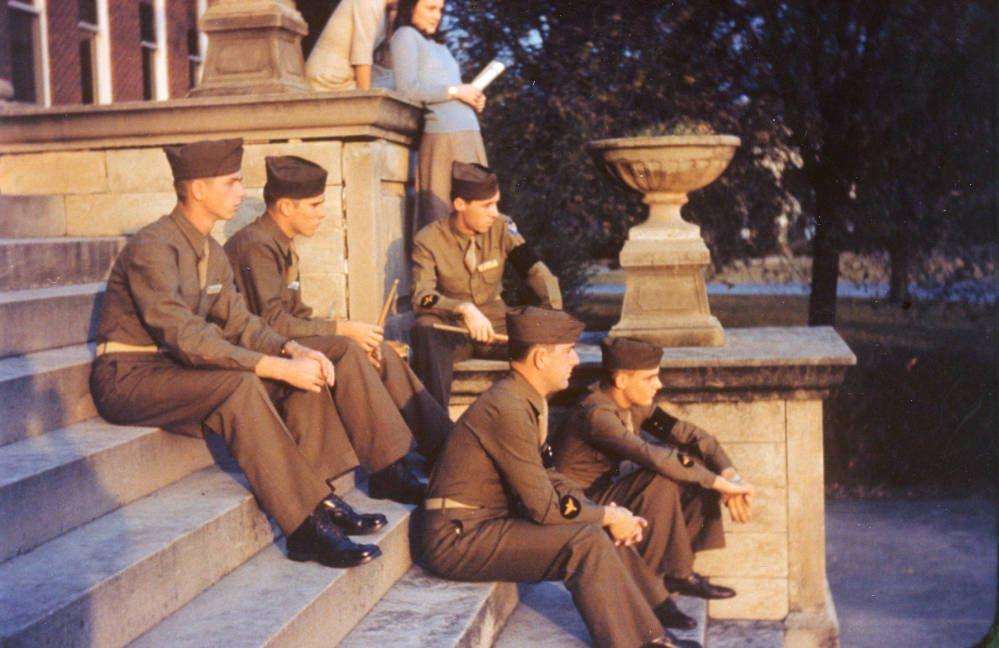
For an early test, the Gore Center selected its Tennesseans and World War II collection, an area of its holdings that already receives significant researcher interest. The test gave both JSTOR and MTSU teams a concrete example for reviewing how materials, metadata, and collection organization would carry into Stewardship.

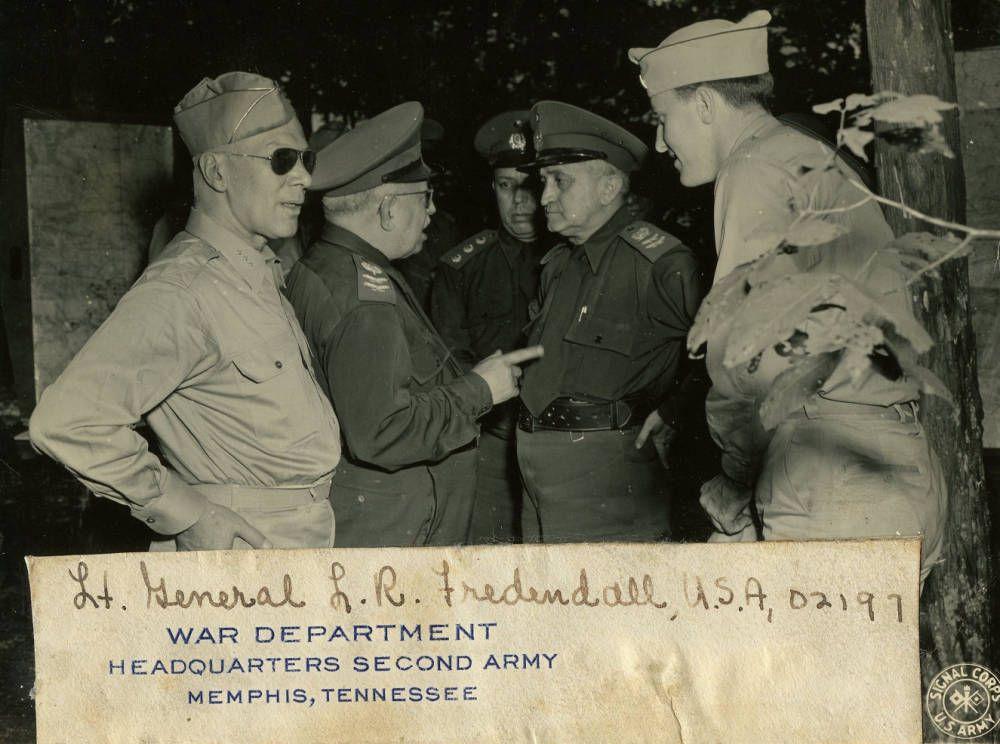
From there, JSTOR’s migration specialists could work systematically through the CONTENTdm collections and bring questions back to MTSU when a decision required local knowledge.
Martin said having a defined process and clear JSTOR contacts made the work easier to navigate.
“It was really good to have a very structured implementation process in place, with definite people to do definite things, and who we could contact for questions and to usher us through the timeline.”
For McMahan, it was his first time participating in a system implementation, and the experience was positive:
“The communication was great. We could tell everybody exactly what we needed, where we wanted it to go, and they took care of it.”
That approach allowed each team to focus on the work where its expertise mattered most. MTSU staff could take the time they needed to make choices about collection presentation and other details that depended on their local knowledge, while JSTOR’s migration specialists handled the technical work and brought questions back to MTSU when institutional or collection expertise was needed.
A new destination for what comes next
As MTSU builds out its collections in Stewardship, having a clear destination for digital materials is already influencing how staff think about what to process and digitize next.
At the Gore Center, McMahan has started looking at the processing backlog with future online access in mind.
“I’m kind of looking at our backlog shelves with an eye of what would be good to process and then put up on JSTOR.”
—Andrew McMahan
This gives the Center another consideration when deciding what to process next: which collections would benefit from reaching researchers who may never be able to visit in person.
The Gore Center has identified Senate materials, oral histories, and audiovisual collections among the materials it hopes to make more accessible. Its work on the Albert Gore Sr. and Bill Frist papers also creates opportunities to expand access to collections with research and teaching uses.
Martin is beginning to make similar decisions within her Special Collections department at Walker Library. Her team has materials that were previously digitized with the intention of eventually putting them online. From there, she expects teaching needs to help guide future digitization, particularly materials that faculty have requested for online classes.
Walker Library Special Collections also produces two physical exhibitions each year. Materials digitized in connection with those projects can become part of the library’s digital collections and remain available after an exhibition closes.
For both the Gore Center and Walker Library, having a destination for digital materials is becoming part of how staff think about what to process and digitize next.
What MTSU would tell institutions beginning their own evaluation
After going through the evaluation process, Martin’s first recommendation to other institutions is straightforward.
“I think they need to know what they want,” Martin said.
For MTSU, that meant documenting requirements before comparing platforms. The working group could evaluate each system against the same criteria and identify where the needs of different campus groups overlapped.
Martin also recommends understanding the institution’s procurement process early. Universities differ in how they purchase systems like these, and requirements such as a formal RFP can affect both the evaluation process and timeline.
McMahan recommends giving members of an evaluation group time to investigate options themselves while keeping colleagues outside the formal committee involved. This approach helped MTSU bring a wider range of perspectives into a relatively small working group.
He also reached beyond MTSU, contacting archivists in his professional network to ask about their experiences with digital asset management systems.
“I got a lot of really good feedback that way,” he said. “That’s how I found out about a lot of systems or services that I didn’t know about yet.”
The trials themselves need planning, too. Thirty days can disappear quickly alongside regular library and archival work. MTSU went into its trials with requirements already documented, giving committee members specific workflows, formats, and experiences to test.
Martin and McMahan’s larger advice is to be deliberate about the evaluation. Define what you need, involve the colleagues who will use the system, and use the trial period to test those requirements against real collections and workflows.
McMahan sees that preparation as especially important because institutions expect to live with these decisions for years.
“I think it’s wise to take your time when possible, because after you make this decision, it’s going to be a long time before you can make another one if it turns out to be the wrong choice.”
Martin put it more simply:
“You don’t change these things every few years,” she said. “It’s for the long haul.”