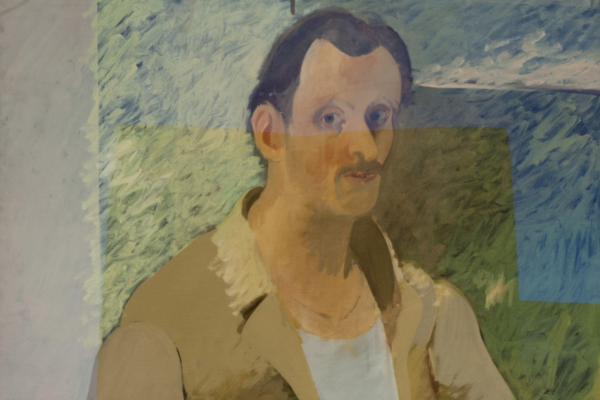
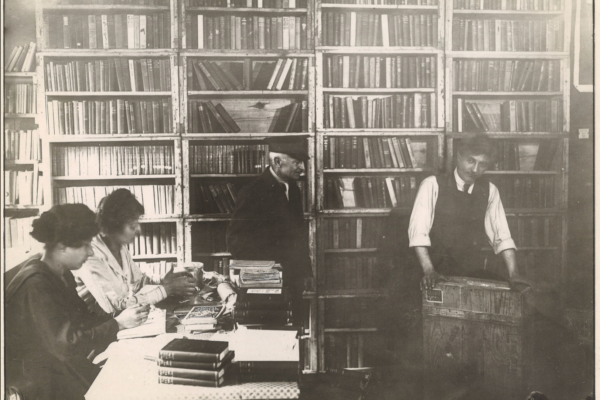
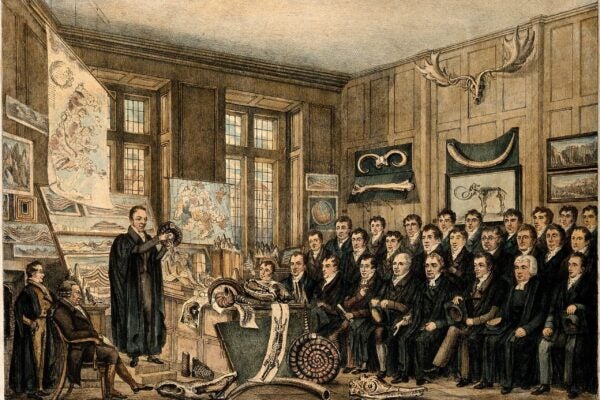
The Asheville Art Museum is excited to now share 1,500 images from our collection with Artstor on JSTOR. The images feature collection highlights from works in all media, including regionally and nationally significant paintings and drawings, prints, photography, sculpture, craft, and decorative arts.
Founded in 1948 by a group of artists to champion the creativity of Western North Carolina (WNC), the Asheville Art Museum collects, exhibits, and interprets art of both national and local significance to bring nuance to many stories of American art from the 20th and 21st centuries. The museum embraces the richness and complexity of the American experience, championing a broad vision of the United States, and affirming the power of art to shape and inspire our culture.
The collection houses over 8,500 objects with focal collections of works by artists connected to Southern Appalachia, Black Mountain College artists, members of the Eastern Band of Cherokee Indians, and historic and contemporary explorations of studio craft practice.
The continued legacies of Black Mountain College
One of the major focuses of the collection is works by artists associated with Black Mountain College (BMC), located 15 miles east of Asheville. From 1933 to 1957, BMC was a unique experiment in American higher education that centered the arts as a key part of its progressive pedagogy. The museum is committed to preserving the legacy of BMC, with 2,000+ objects and documents by faculty and alumni, many of whom became leading figures of 20th century art, including Anni & Josef Albers, Ruth Asawa, Robert Rauschenberg, John Cage, and Buckminster Fuller. The BMC Collection includes work created at the college as well as throughout the artists’ careers.
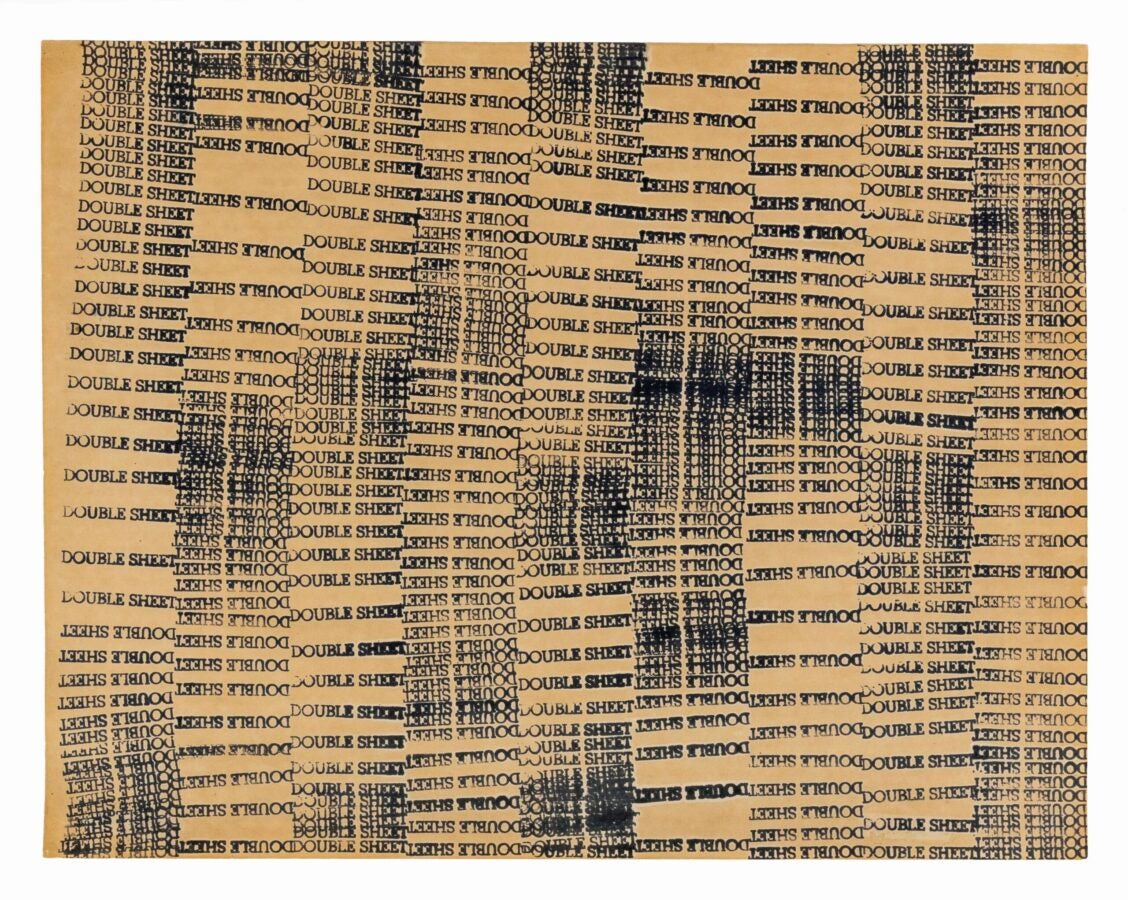
Ruth Asawa—sculptor, painter, printmaker, and activist for arts in education—was a key community member and innovative creator during her time at BMC. In summer 1948, when Asawa oversaw the college laundry, she found inspiration in the rubber stamps “BMC,” “SINGLE SHEET,” and “DOUBLE SHEET,” which she employed in a series of design studies. Here, the “DOUBLE SHEET” stamp is abstracted to form a pattern, inspired by her classes with Josef Albers. Exercises he taught were intended to train the eye and hand through repetition and to open the students’ eyes to the complexities of visual perception.
A new exhibition featuring works from the Asheville Art Museum’s Black Mountain College Collection will open to the public in December 2026. The unprecedented access to this part of the collection on Artstor on JSTOR will invite further engagement with the exhibition’s themes and serve as a springboard for new scholars to access materials from this significant moment in art and Appalachian history.
Images of Asheville: then and now
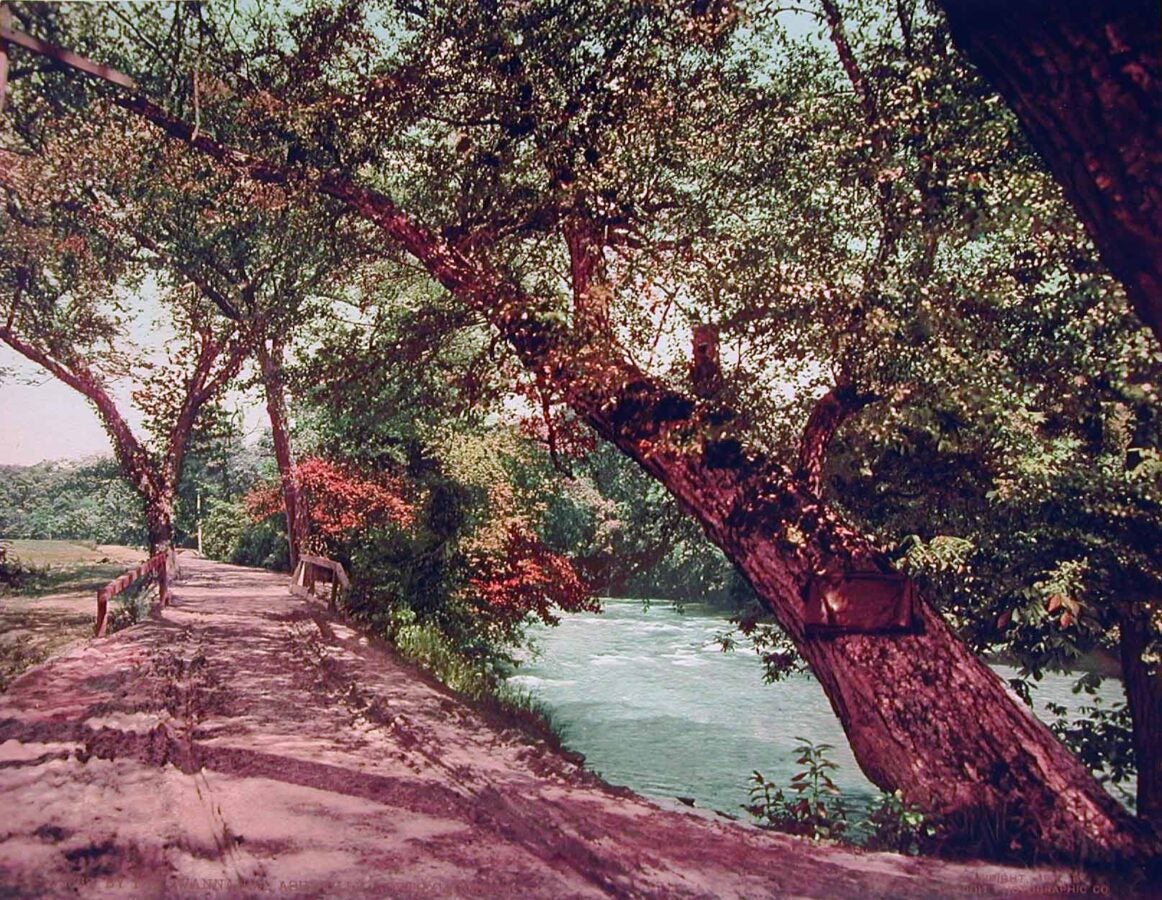
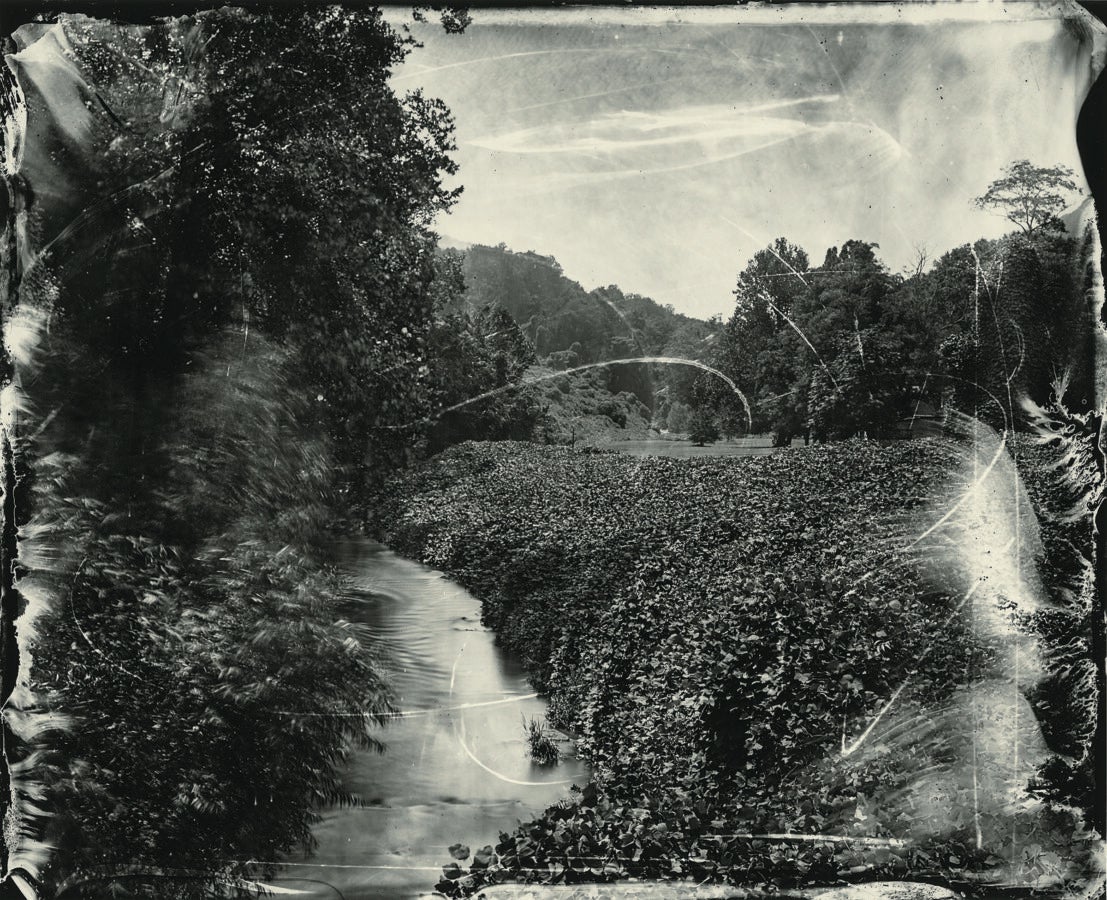
The topographic characteristics that define this region—forests, mountains, and valleys—appear throughout the collection. In particular, the changing landscape of Asheville and the wider Southeast is frequently depicted by photographers connected to Southern Appalachia. Two photographs from the collection, taken over a century apart, showcase local rivers as vital and shifting parts of the landscape.
Photographer William Henry Jackson is probably best remembered for his photographic views of the Yellowstone River region of northwestern Wyoming. Jackson’s images of the area’s abundant scenic wonders were a major factor in compelling Congress to establish Yellowstone as the first national park in 1872. In 1897 he joined the Detroit Photographic Company (DPC), which held exclusive US rights to a Swiss process known as Photochrom, a type of color lithography that enabled the printing of color images by transferring black-and-white negatives. While DPC president, Jackson traveled to Western North Carolina to capture scenes of burgeoning industrialism and tourism in turn-of-the-century Asheville.
Informed by this history, contemporary photographer Ben Nixon employs the 19th-century process of developing glass plate negatives in the field using the wet-plate collodion process. Grander in scale than historic photographs, Creek Near Saluda (from the artist’s Southern Comfort series) harkens back to the storied landscapes of the South while presenting a current consciousness of the region’s continued transformation. Within the scene of invasive foliage taking over the landscape, gestural marks cross the photograph, suggesting movement in ghostlike wisps. Subtle visual irregularities add both a sense of intervention on the photographer’s part, as well as the natural degeneration of this hauntingly beautiful landscape.
In 2024, Asheville and the surrounding region experienced Hurricane Helene, an ecological disaster that brought rivers—their transformational power, their ever-changing nature—into a new perspective. Collection photographs like these prompt ongoing meditations on a landscape in transition.
These 1,500 plus images on Artstor on JSTOR are an introduction to the Asheville Art Museum’s Collection of over 9,000 objects. With plans to make the entire collection accessible online in 2029, this portion of the collection on Artstor on JSTOR is an invitation to future inquiry. We hope that making these parts of our collection accessible to Artstor on JSTOR users will engage new audiences, develop innovative research, and cultivate deeper understandings of the mutual impact between the rich legacy of creative labor in the Southeast and broader histories of American art.