When institutions share expertise, infrastructure, and learning, they can build capacity together.
Before joining JSTOR, I spent more than 20 years as a digital initiatives librarian, managing digital collections and repositories. That experience made me personally familiar with a central tension in digital collections work: expectations for immediate, meaningful access keep growing, while the staff time, technical support, and sustained funding needed to provide it remain scarce.
Today, as Senior Digital Collections Success Manager for JSTOR Digital Stewardship Services, I see that same tension at play across institutions of every size. It is pervasive—and difficult for any one institution to resolve alone.
One way institutions are confronting this challenge is through collaboration. This idea framed a session at the 2026 Society of American Archivists (SAA) annual meeting, where I joined Teri Oaks Gallaway, executive director of the Statewide California Electronic Library Consortium (SCELC); Nancy Hampton, university librarian at Xavier University of Louisiana (XULA); and Laracarina “La” Suarez, librarian for special collections and archives at Mount Saint Mary’s University, Los Angeles (MSMU).
Our conversation explored the unique partnership among SCELC, its member institutions, and JSTOR Stewardship, but the central lesson extends beyond any one consortium or platform: when institutions share expertise, infrastructure, and learning, they can build capacity together.
Starting with the community
Originally founded as a database-oriented licensing group for California-based institutions, SCELC is now an opt-in consortium of more than 350 member and affiliate institutions across 39 states. As it expanded beyond group licensing to explore support for digital collections in recent years, SCELC surveyed its community about systems, pain points, and priorities.
The responses will be familiar to many collections stewards: limited staffing, processing backlogs, uneven technical expertise, and a need to improve access and discovery. Yet not all institutions were starting in the same place. Some needed help launching a digital collections program, some needed a more sustainable home for existing content, and others wanted to extend the reach of mature collections.
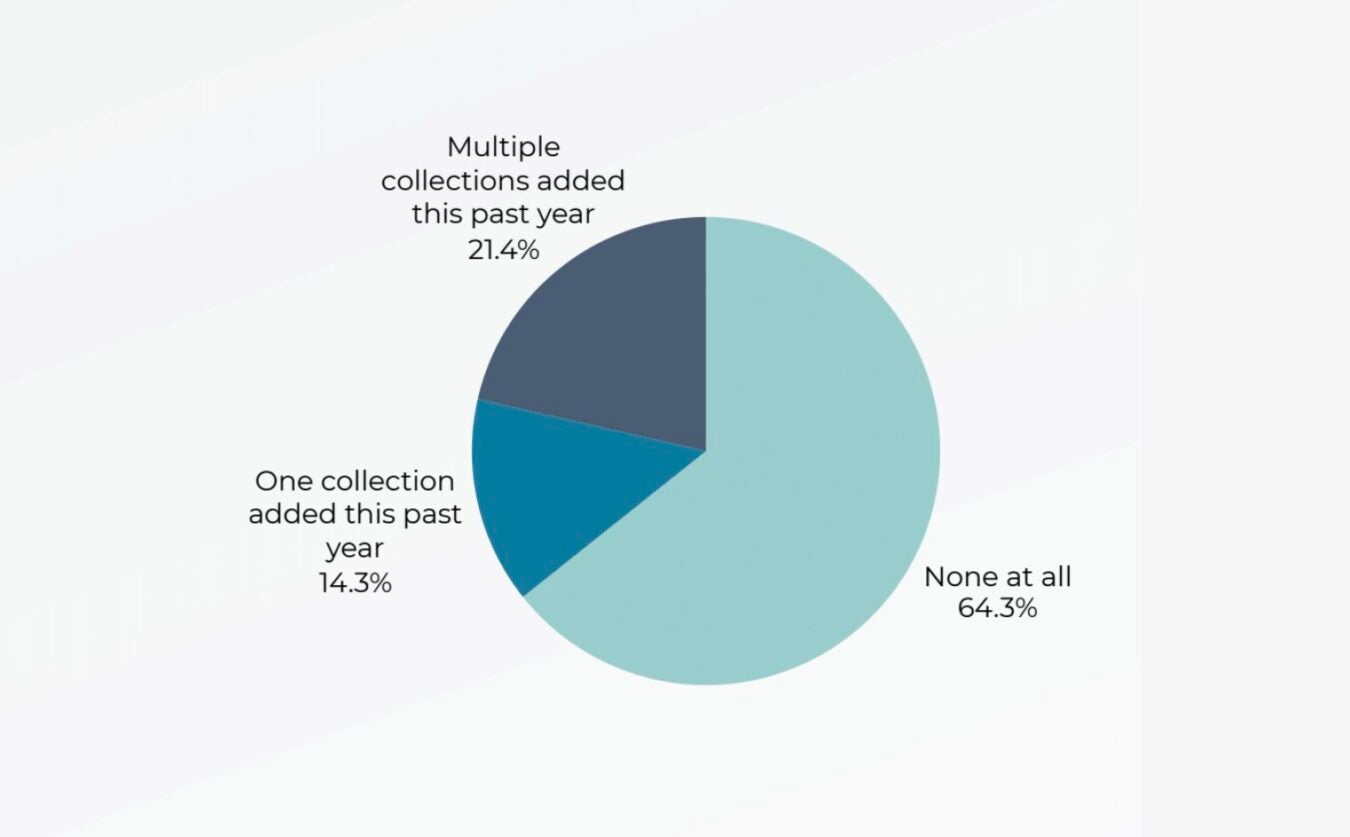
The findings pointed to a clear strategic need: a service that could meet institutions where they were, make better use of shared expertise and staffing, and remain sustainable over time.
Meanwhile, JSTOR’s own 2024 field research on archives and special collections surfaced many of the same challenges and a similar demand for shared infrastructure that could meet a broad range of institutional needs. These findings also informed JSTOR Stewardship, which launched in April 2025 with flexible service tiers bringing together AI-assisted collections processing, digital asset management, preservation, and discovery on JSTOR.
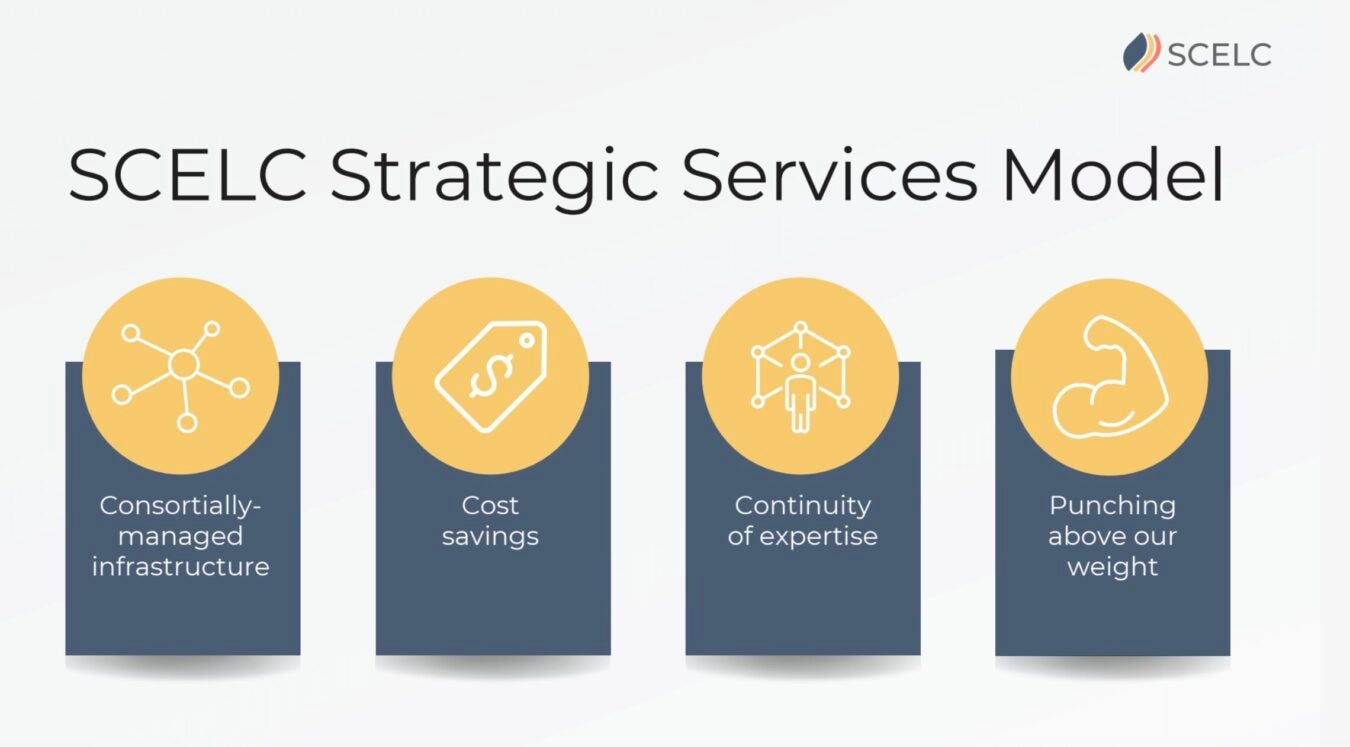
SCELC established its Digital Collections Services in partnership with JSTOR soon after, in June 2025. Building on the success of an earlier JSTOR pilot, the new model combined JSTOR’s technology with centralized, people-centered support. SCELC provides implementation support, training, office hours, troubleshooting, documentation, and escalation pathways—creating continuity of expertise, even when local staffing changes. Member institutions remain the experts on their collections and priorities, but they have more people to call on when the work gets difficult.
As Nancy said of XULA’s experience with the SCELC program, the model helps small teams like hers “punch above our weight.” That phrase captures an essential reframe: building capacity does not always mean adding more. Instead, it can mean connecting people to expertise, infrastructure, and peer networks that no institution has to sustain on its own.
Bringing collections to communities
Building capacity is a means, not an end—so, what is the end?
Digitization, description, preservation, and access are all essential parts of stewardship, but they are in service of a greater purpose: to help distinctive collections reach people who can learn from them, teach with them, and build on them.
This work has become more complex as expectations for digital access have risen. “There’s a culture now of real immediacy,” La observed during our session. “People really expect immediate digital access to absolutely everything.” Coming upon a digital finding aid can feel like a dead end, and starting with a collection is less common than starting with a keyword.
SCELC’s survey offered a useful microcosm of this broader challenge. Although institutions’ needs differed, they shared a broader goal: moving collections beyond basic availability toward meaningful use. Whether as a primary home or a syndication option, institutions saw value in JSTOR—which is visited by more than 100 million people each year—as a point of access and discovery for their collections.
Here, shared infrastructure has two connected roles. SCELC’s service model helps member institutions manage and maintain their digital collections. JSTOR provides a place for distinctive primary sources to appear where students, faculty, and researchers are already doing research, alongside scholarship that can help them interpret and teach with those materials. Collections can also be discovered through library discovery systems, search engines, and other familiar points of entry. Institutions retain ownership of their collections and can clearly identify their materials and stewardship, so broader discovery points back to the holding institution.
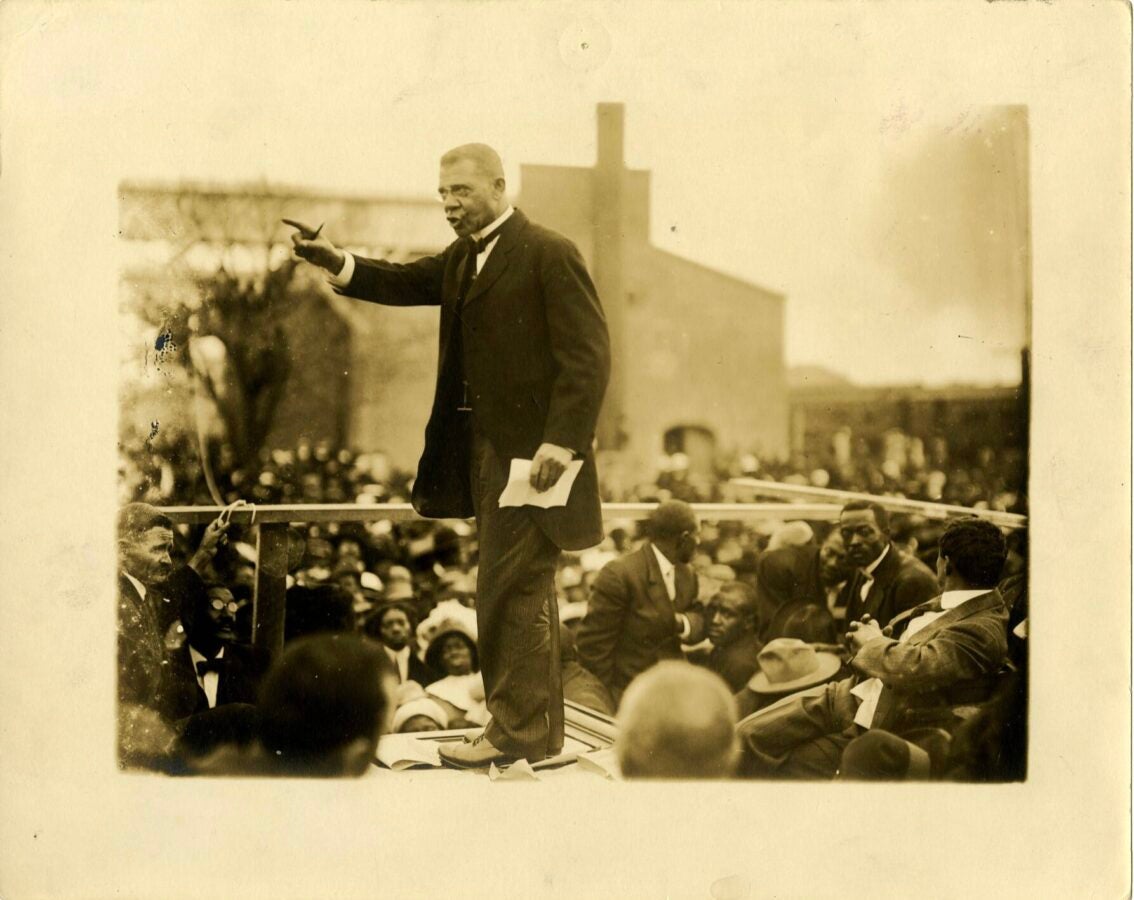
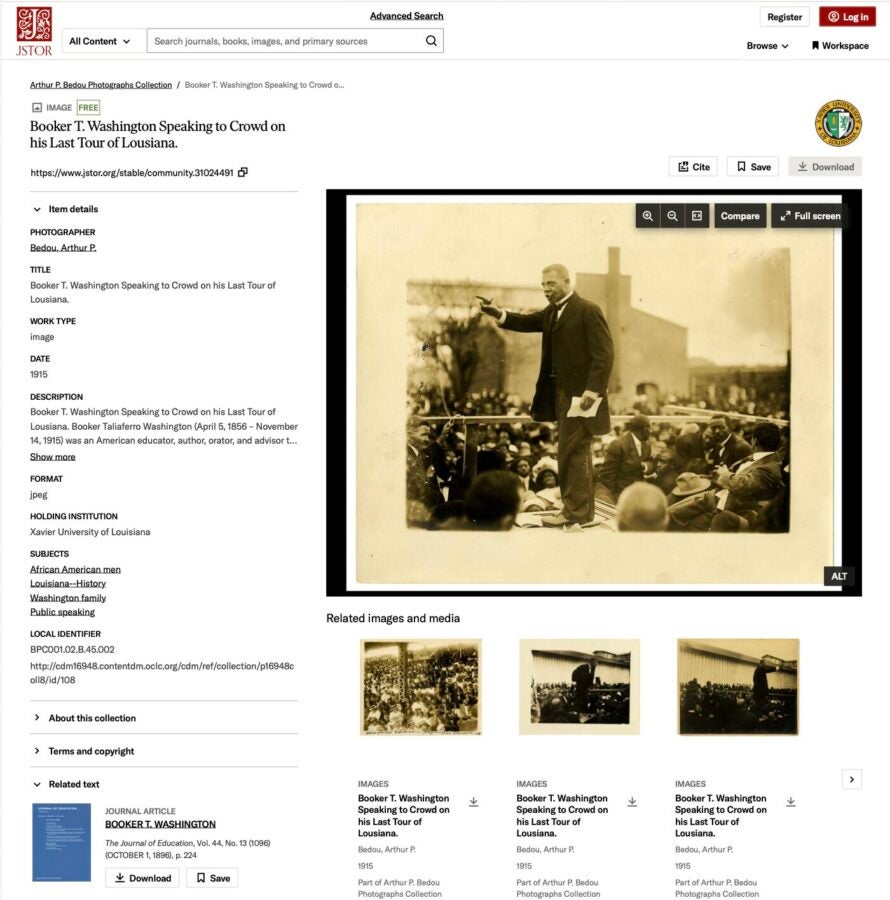
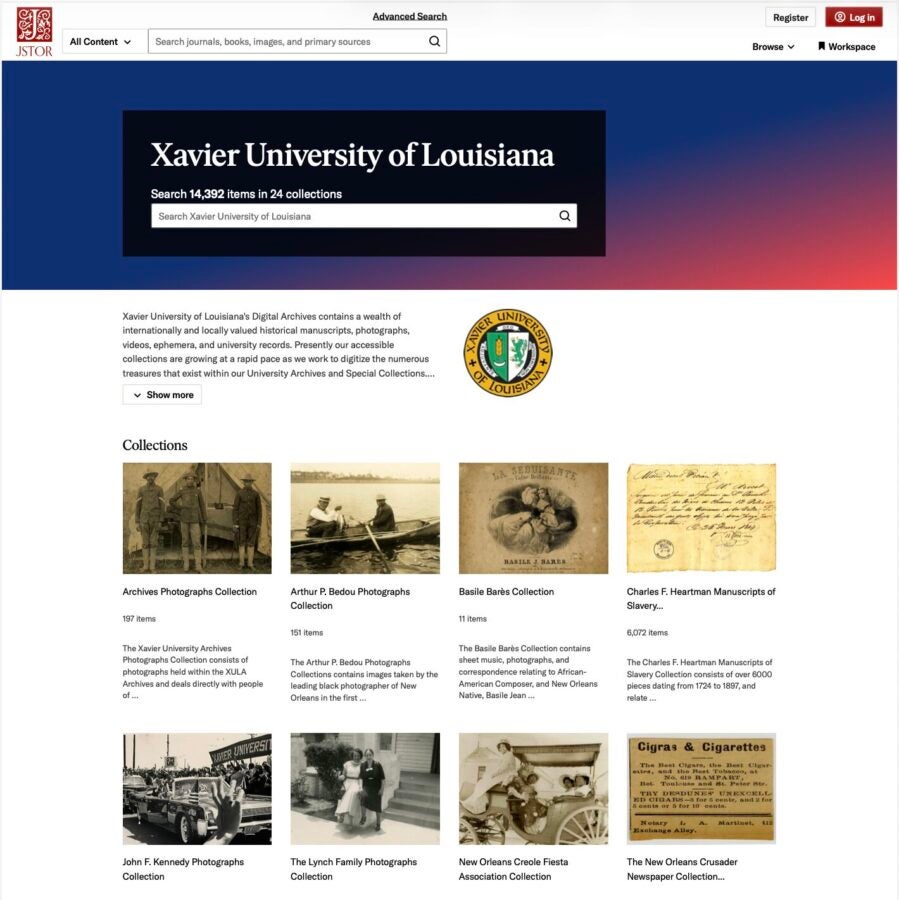
For Nancy, that connection between reach and institutional story is especially important. At XULA, a small staff stewards archival materials central to the university’s history as an HBCU and Catholic institution, while also illuminating broader histories of New Orleans and Louisiana. The collections matter to students, researchers, alumni, and community members beyond the library’s walls. Digital access, she said, “allows us to reach out to people who are not local, but it also inspires them to visit.”
Putting a collection online is not the same as making it discoverable. A shared discovery and access layer closes the gap by helping institution-owned collections become more findable and usable, while connecting individual items to the histories and relationships that give them meaning.
Building new capacity responsibly
The work that moves a collection from digitization to discovery is essential—and it’s also where capacity can be hardest to sustain. Item-level metadata, transcripts, and alt text make materials findable and accessible, but producing them requires time, expertise, and care. For small teams in particular, that work can be almost impossible to sustain.
“Building capacity means being able to do things that we never thought we’d be able to do, and then readjusting our understanding based on this vast new world of possibility that we just hadn’t anticipated.”
–Laracarina “La” Suarez, Librarian for Special Collections and Archives, Mount Saint Mary’s University, Los Angeles (MSMU)
At JSTOR, we have a long history of exploring how new technology can further our mission to expand access to knowledge, starting in 1995 when we digitized our first journal. We saw the same potential with AI. After hearing about the backlogs and shortages our community was facing, in 2024 JSTOR worked with librarians and archivists at beta institutions to understand whether—and how—AI could help collections stewards address bottlenecks between digitization and discovery. Through this collaboration, we developed JSTOR Seeklight, a tool designed to generate starting points for descriptive metadata, transcripts, and alt text. It can help staff work more efficiently through high-volume processing while keeping professional expertise and human judgment at the center.
In April 2025, we launched the JSTOR Stewardship charter program to continue that work in partnership with the field. Today, the community includes about 60 institutions, among them eight SCELC members including MSMU. Charter participants collaborate with JSTOR and one another to use and refine JSTOR Seeklight through testing, working groups, feedback, and shared learning. Their input helps determine the capabilities we build, and ensures those capabilities reflect the community’s commitments to care, accuracy, context, and human oversight.
For La, the beta foundation was central to establishing trust in the approach and to MSMU’s decision to join the charter program. “In beta testing, institutions of different sizes worked with their own materials and encountered the real barriers of archival work,” they said. “This meant the issues addressed as the tool developed were real-time user issues.”
Now, as part of the charter community, La and their team are helping shape new tools alongside other institutions working through similar challenges. That participation has helped MSMU reimagine what is possible. “There were a lot of projects that we were invited to be a part of in a way that we probably wouldn’t have been elsewhere as a smaller institution,” La said. “Building capacity means being able to do things that we never thought we’d be able to do, and then readjusting our understanding based on this vast new world of possibility that we just hadn’t anticipated.”
Collaboration is infrastructure
“I don’t feel like I’m working with corporations. I feel like I’m working with people, and that’s a key factor for me.”
–Nancy Hampton, University Librarian, Xavier University of Louisiana (XULA)
Perhaps the most resonant lesson from our SAA session—and from the partnerships it reflected—was that technology alone cannot create sustainable capacity. The relationships, expertise, and trust around it matter just as much. Nancy put this plainly: “I don’t feel like I’m working with corporations. I feel like I’m working with people, and that’s a key factor for me.”
In the SCELC model, that means a dedicated human point of contact and a clear escalation path when local teams need more help. In the JSTOR Stewardship community, relationships are built across institutions and with the JSTOR team through regular meetings, working groups, user research, and site visits.
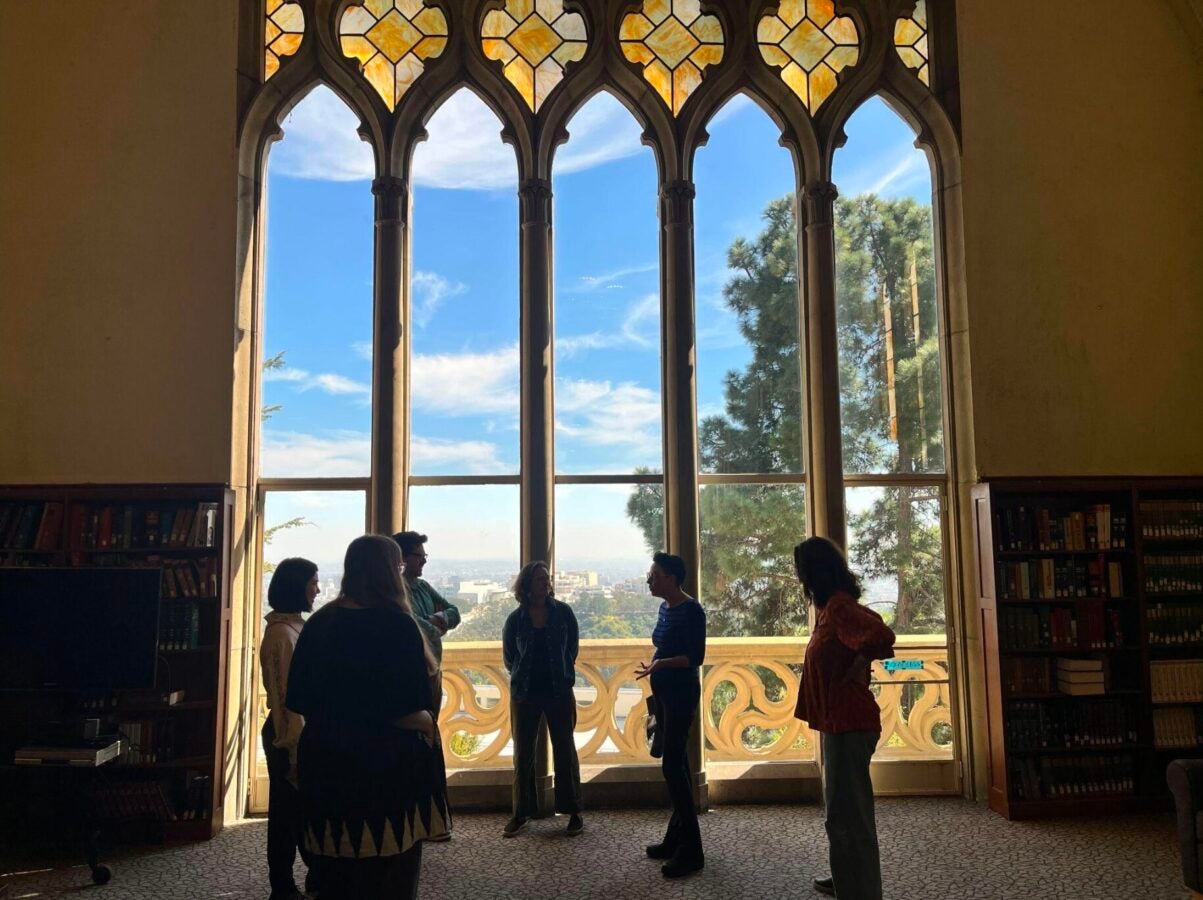
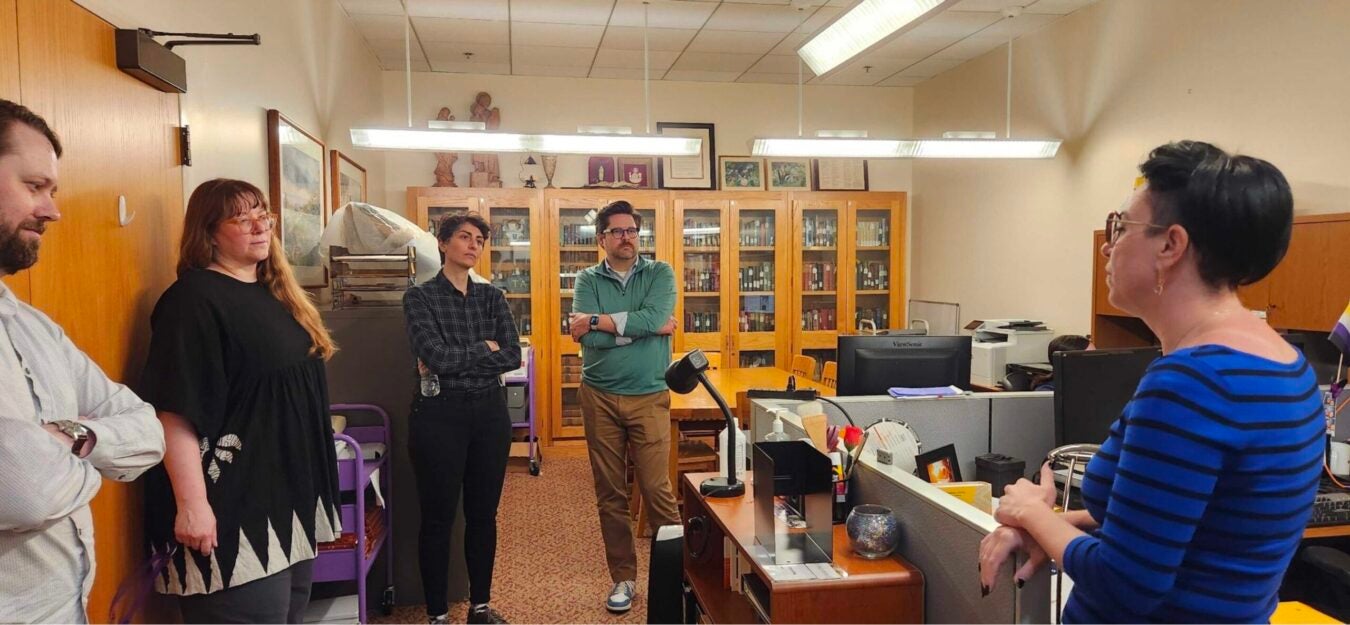
As part of JSTOR’s participant success team, I see firsthand how these relationships become part of the infrastructure that makes technology usable and sustainable. For La, a JSTOR site visit made the same principle tangible: “The JSTOR team came to our campus. And it wasn’t just sales folks or user experience people—there were coders who came, listened to what we shared, opened up the code, and were asking, ‘What about this?’”
That type of exchange also extends across the participant community. “I have this whole community of people who are working on this also and who can support me,” La said. Peer learning opportunities, participant convenings, conference gatherings, and shared communication channels create spaces for institutions to compare approaches, surface problems, and learn from one another.
Collaboration is not an add-on to infrastructure. It is infrastructure: the relationships, routines, shared expertise, and reciprocal accountability that allow technology to evolve with the people who use it.
And, when participants can work with a dedicated team that listens and learns with them, feedback can become collaborative action. As La described it, this means moving from “this doesn’t work for us” to a shared question: “Actually, is there any way we can fix this and make this more usable?”
In this sense, collaboration is not an add-on to infrastructure. It is infrastructure: the relationships, routines, shared expertise, and reciprocal accountability that allow technology to evolve with the people who use it.

From shared capacity to greater impact
The SCELC partnership shows how a consortium can turn shared resources into continuity of expertise and practical support that individual institutions may struggle to sustain alone. The JSTOR Stewardship charter community extends that model of shared learning by bringing practitioners into the ongoing development of AI-assisted workflows. JSTOR Seeklight can help address labor-intensive processing between digitization and discovery, while JSTOR provides an environment through which institution-owned collections can reach researchers, students, and public audiences while remaining in their stewards’ control.
As JSTOR Stewardship grows, we are continuing to ask how those pieces can reinforce one another—and what else institutions need. To this end, new support from the Mellon Foundation advances this work by providing direct funding to charter participants for digitization projects that will be processed through Seeklight and shared on JSTOR.
The value of this approach comes from how these pieces compound: when institutions share expertise rather than duplicate it; when practitioners help shape the technologies they use; when digitization is paired with processing; when processing produces discoverable and accessible materials; when preservation supports enduring access; and when discovery brings collections into the research and teaching contexts where they can be used.
The lesson is that sustainable stewardship depends on connection. And this is fitting—the purpose of the work, after all, is about making connections: helping more people encounter, understand, and make use of materials that might otherwise remain hidden.
Interested in building capacity for your digital collections and helping shape what comes next? Learn more about JSTOR Digital Stewardship Services and the charter community.