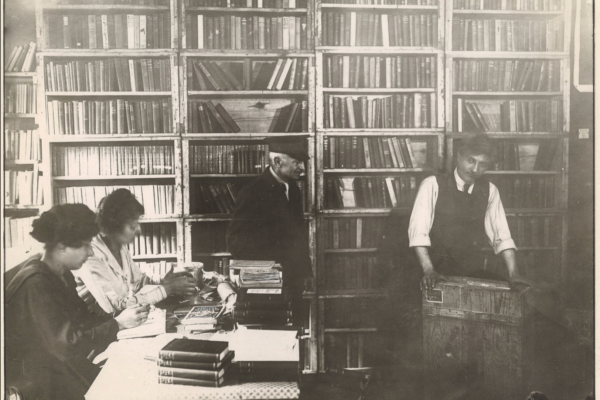
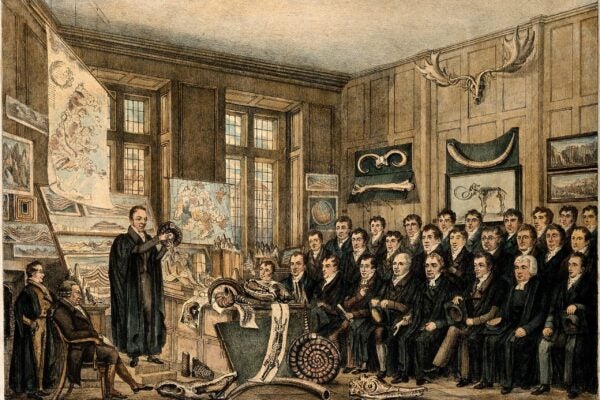
The JSTOR Digital Stewardship Services community is growing—bringing together libraries, archives, and cultural heritage organizations committed to expanding access to distinctive collections and co-creating mission-aligned stewardship tools and practices. Through AI‑assisted collections processing, integrated digital asset management, long‑term preservation, and publication on JSTOR, participants are building more sustainable workflows and helping more people discover and use their materials.
This month’s update highlights new participants, noteworthy collections, and developments from across the community. Together, these stories show how institutions are putting Stewardship into practice—and what becomes possible when technology, expertise, and shared purpose come together.
New to the Stewardship community
We’re delighted to introduce institutions new to JSTOR Stewardship, each bringing unique holdings and valuable perspectives to a community that keeps growing. Explore the full participant list.
Trinity College – Hartford, CT
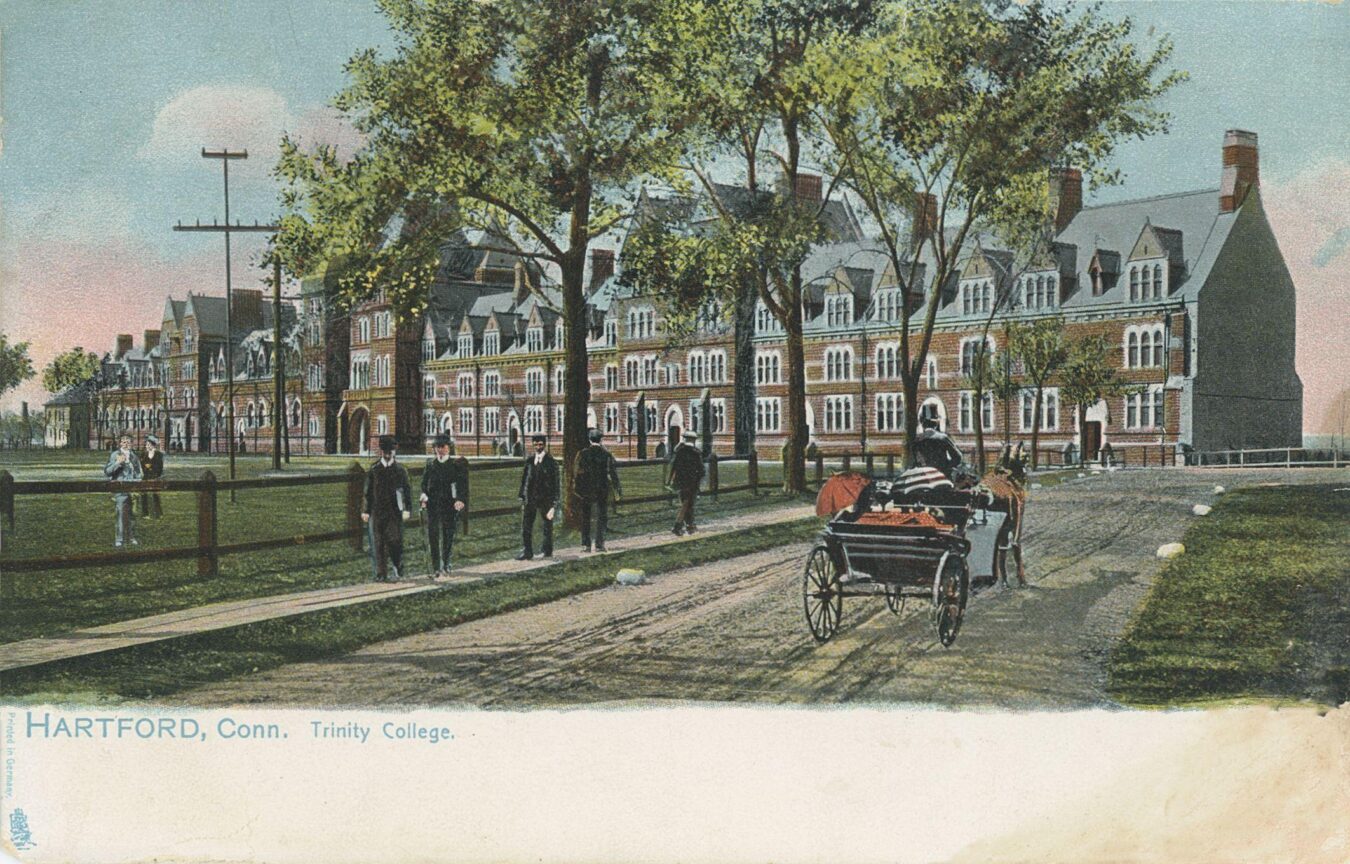
A longtime participant in JSTOR’s services for digital collections, Trinity College has deepened that relationship by joining the Tier 3 charter program. The college already provides open access to more than 28,000 items on JSTOR from the College Archives, Watkinson Library, and Lloyd Best Institute of the Caribbean Archive. With JSTOR Seeklight, staff will create draft metadata and transcripts at scale, keep expert judgment central, and be eligible for dedicated digitization funding.
Read the full Trinity announcement
Collection spotlight
Our participants steward one-of-a-kind materials and open them to researchers on their own campuses and around the globe, discoverable alongside scholarly literature on JSTOR. Browse thousands of open access collections.
Seeklight-generated, human-reviewed description: Sussex Outlook (University of Sussex)
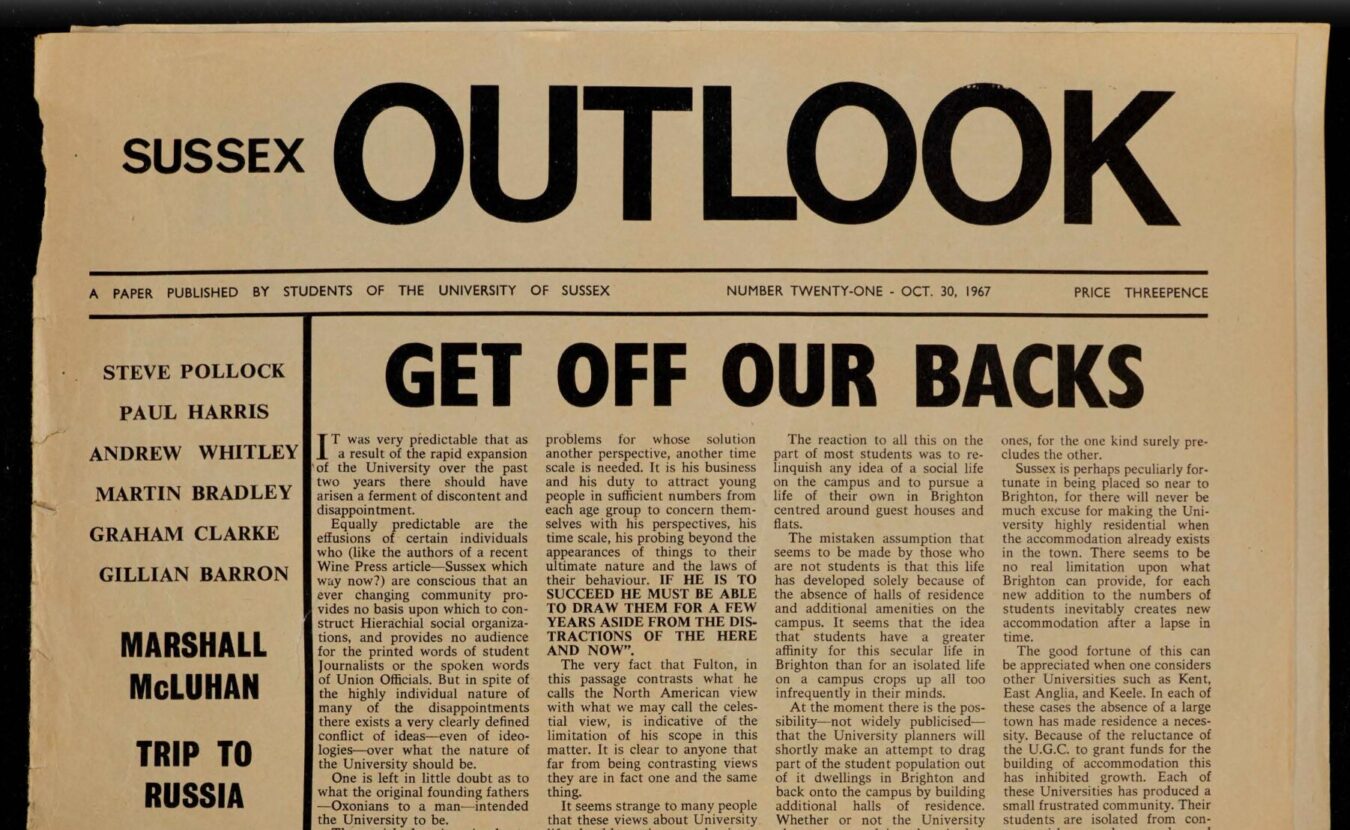
Founded in 1961 as the first of a new wave of British universities, the University of Sussex was still forging its identity when students published Sussex Outlook from 1965 to 1968. Blending campus news with commentary on apartheid, sexuality, international politics, literature, music, and experimental art, the newspaper captured the urgency and imagination of its era. Described with JSTOR Seeklight, reviewed by Sussex staff, and now discoverable on JSTOR, the collection offers a lively window into the debates and creative energy shaping a young university.
Browse the Sussex Outlook on JSTOR
Oakland University: Pontiac Oral Histories
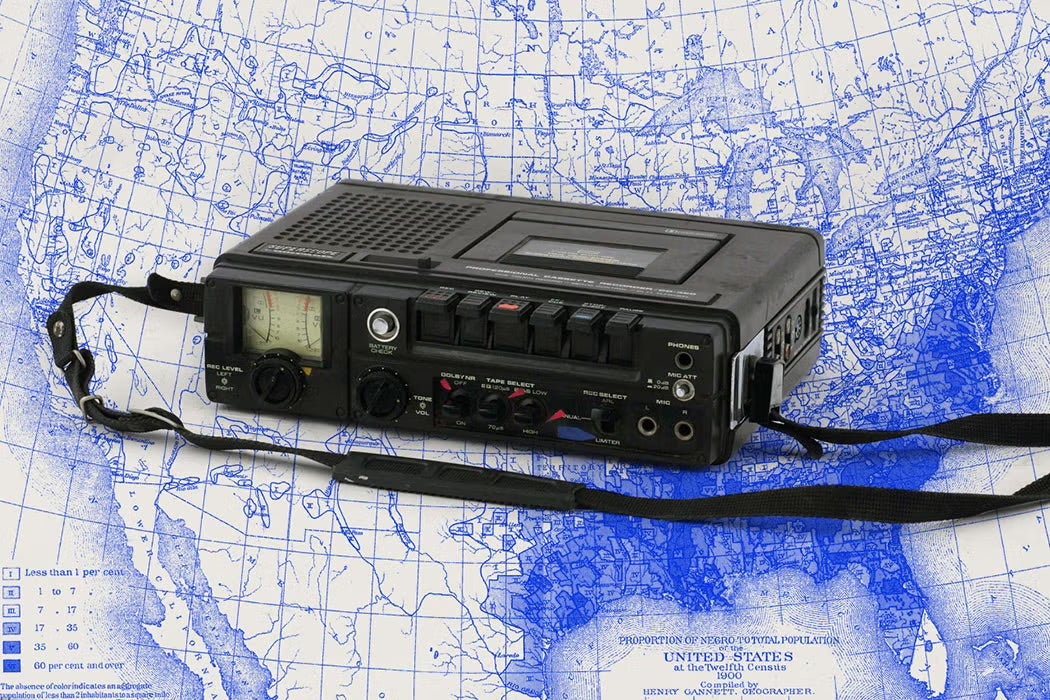
Listen in on stories from Pontiac, Michigan’s Black community through 23 oral histories recorded in the 1970s and shared on JSTOR by Oakland University. Captured as the automotive industry began to falter and Pontiac faced growing economic uncertainty, the interviews turn largely to the past: residents recall journeys north from the American South and the lives they built around auto plants, churches, clubs, and neighborhood institutions, often in the face of segregation, redlining, and economic hardship. The assembled voices offer a firsthand account of a city’s transformation, and add texture and nuance to familiar narratives of the Great Migration.
Browse the Pontiac Oral Histories on JSTOR
Read the JSTOR Daily feature: “The Cassette Tapes of the Great Migration”
Contributions and conversations
Through presentations, interviews, articles, case studies, and more, the Stewardship community is committed to sharing back what they do and learn. Visit our events page to revisit recorded sessions, sign up for what’s ahead, and find us at upcoming conferences.
Building Capacity Together: Exploring Consortial Strategies for Digital Collections
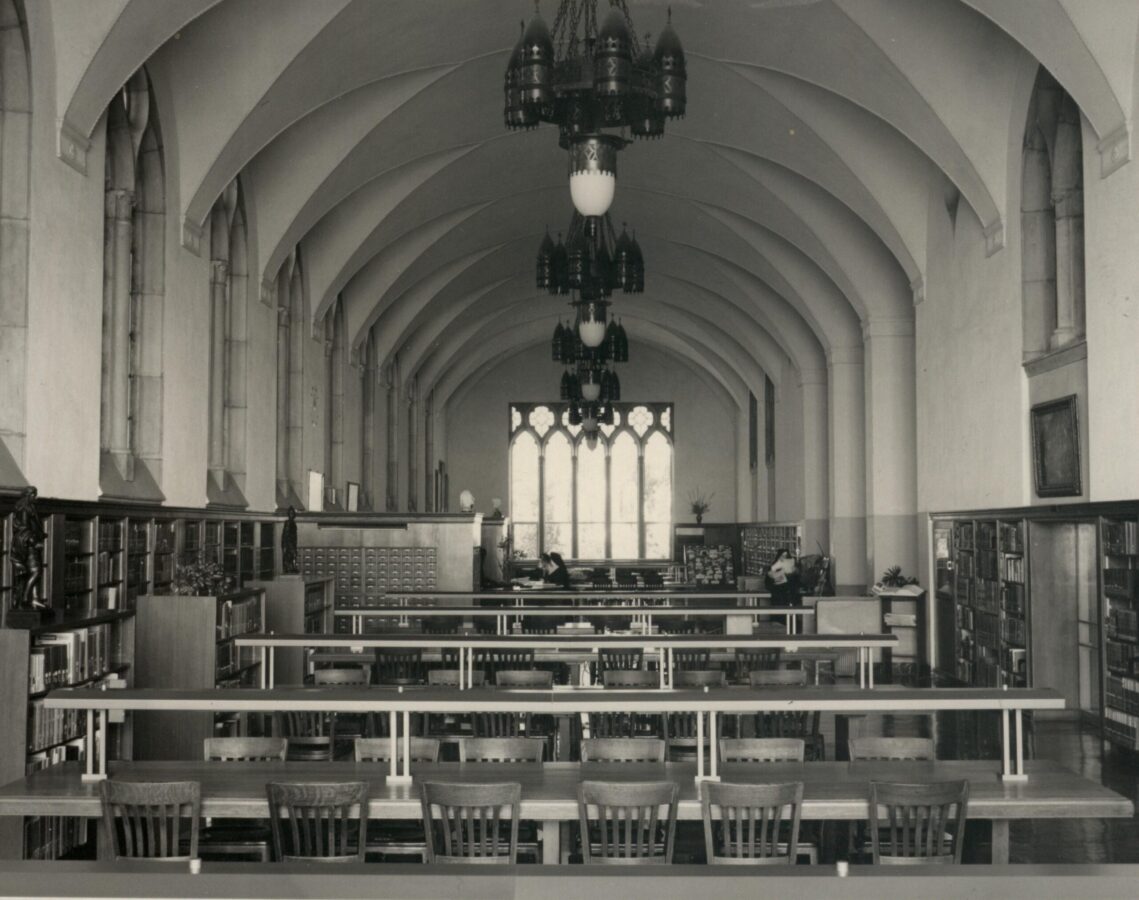
What does sustainable digital stewardship look like when no single institution can solve every challenge alone? In a session at this year’s Society of American Archivists conference, colleagues from SCELC, Xavier University of Louisiana, Mount Saint Mary’s University, and JSTOR share insights and experiences with a consortial model designed to help libraries expand their digital collections programs despite limited staffing, technical capacity, and growing expectations for access. The conversation moves beyond platforms to questions of trust, responsible AI, accessibility, and the relationships that make collaboration work—offering practical lessons for institutions looking to build capacity, strengthen community, and make more of their collections discoverable.
Making images more accessible: Introducing alt text in JSTOR Stewardship
Alt text is a critical part of making image-based materials more accessible, but creating it thoughtfully across large collections can be difficult to scale. In a new post, Senior Product Manager Syed Amaanullah and Education Services Lead Remus Jackson introduce alt text support in JSTOR Stewardship, including AI-assisted generation through JSTOR Seeklight, and share how research, testing, and feedback from the community shaped the workflows.
Making Hidden Collections Visible: A Case Study of Human–AI Collaboration from American University
In Library Resources & Technical Services, American University librarians share what they learned testing JSTOR Seeklight across five diverse archival collections. Using a hybrid model in which AI drafts and people decide, the team found titles and descriptions to be Seeklight’s strongest outputs—97% of poster titles, for example, required no revision—while authority control and contextual nuance required more professional review. The case study also underscores the charter program’s value, giving libraries a direct role in shaping Seeklight while making real progress: American roughly tripled metadata production despite staffing vacancies. The result is a transparent, replicable look at how libraries can weave AI-assisted description into existing workflows without compromising professional standards.
Library Journal on JSTOR Stewardship’s Mellon Foundation Digitization Grant
Library Journal reports on the new Mellon Foundation grant that will help Stewardship charter participants tackle a persistent barrier: getting more archival materials digitized and into workflows for description, preservation, and discovery. The three-year grant will support needs ranging from staffing and vendors to scanning equipment, while participating libraries continue to test and shape JSTOR Seeklight through the charter program. The article also explores JSTOR Stewardship’s broader community model—combining shared infrastructure, practitioner expertise, and AI-assisted workflows to help more distinctive collections become openly accessible and discoverable.
Checking out AI: UC Berkeley Library puts emerging technology to the test
The UC Berkeley Library recently offered an in-depth look at how a large research institution is weighing AI across its work, including a Digital Lifecycle Program pilot of JSTOR Seeklight. Natural resources librarian Becky Miller ran decades-old agricultural extension publications—long invisible to researchers—through Seeklight, reviewed the output, and loaded the first AI-described records into the library’s Digital Collections portal. The University of California Agricultural Extension Publications collection has since grown to more than 300 items useful to climate scientists and historians alike. The piece situates that work within a deliberate, human-centered institutional approach to AI, with staff emphasizing that librarians teach these tools what they need rather than the reverse—a values-forward reflection that resonates across the digital collections and archives field.
Want to learn more about becoming a part of JSTOR Digital Stewardship Services? Get in touch with our team!