
Preservation
-
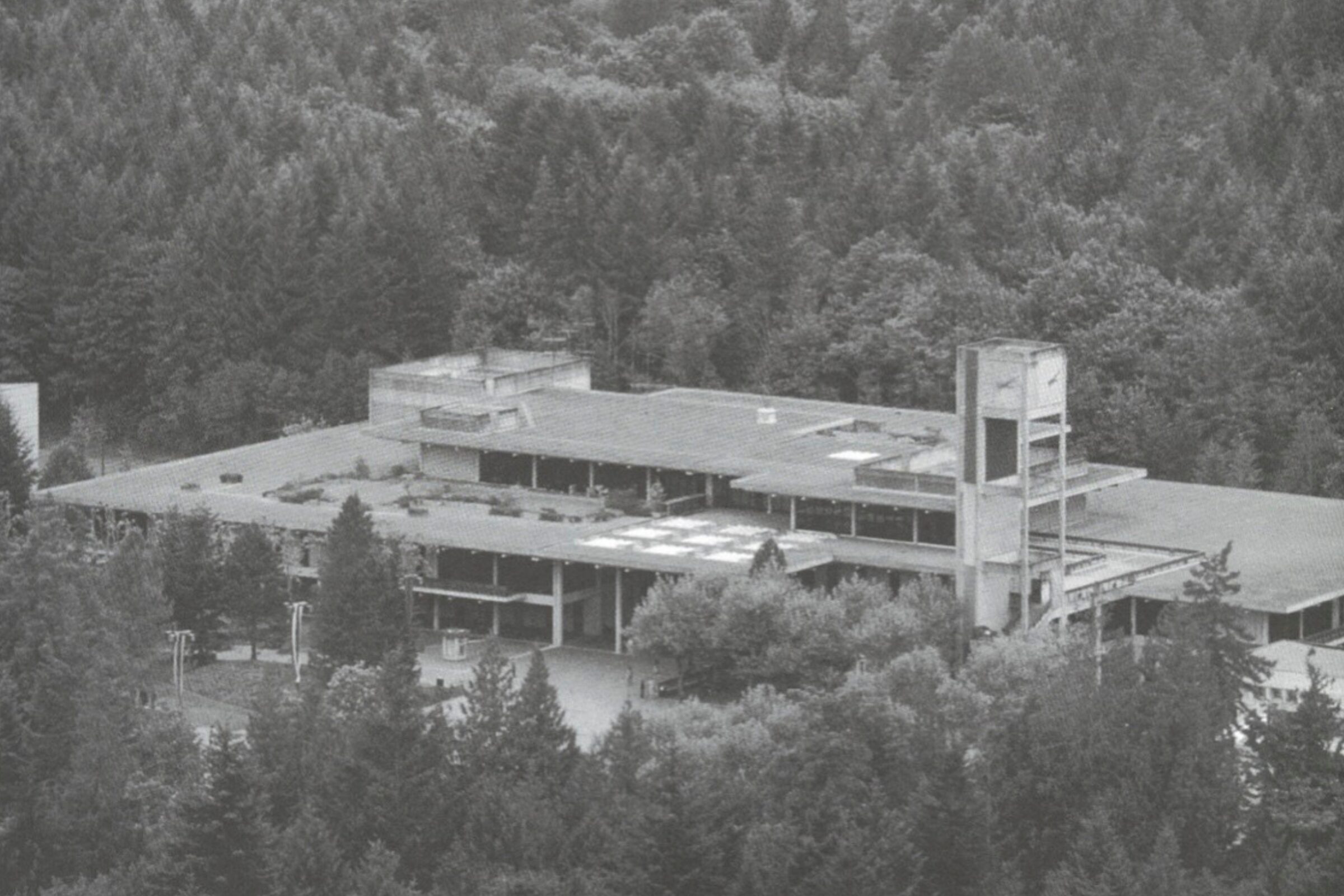
Facing growing preservation needs and limited staff capacity, Evergreen State College migrated from Omeka to JSTOR Digital Stewardship Services for sustainable, long-term stewardship.
-
Protect your digital collections with trusted, standards-based preservation powered by Portico and integrated into JSTOR Stewardship—ensuring authenticity, integrity, and long-term access.
-
Page
As a nonprofit, JSTOR is committed to equitable, sustainable access to knowledge. We partner with libraries, publishers, and institutions to make scholarship affordable, preserved, and accessible to all.
-
A new nonprofit-led model from JSTOR offers libraries and publishers a more sustainable, equitable, and integrated ecosystem for scholarly ebooks.
-
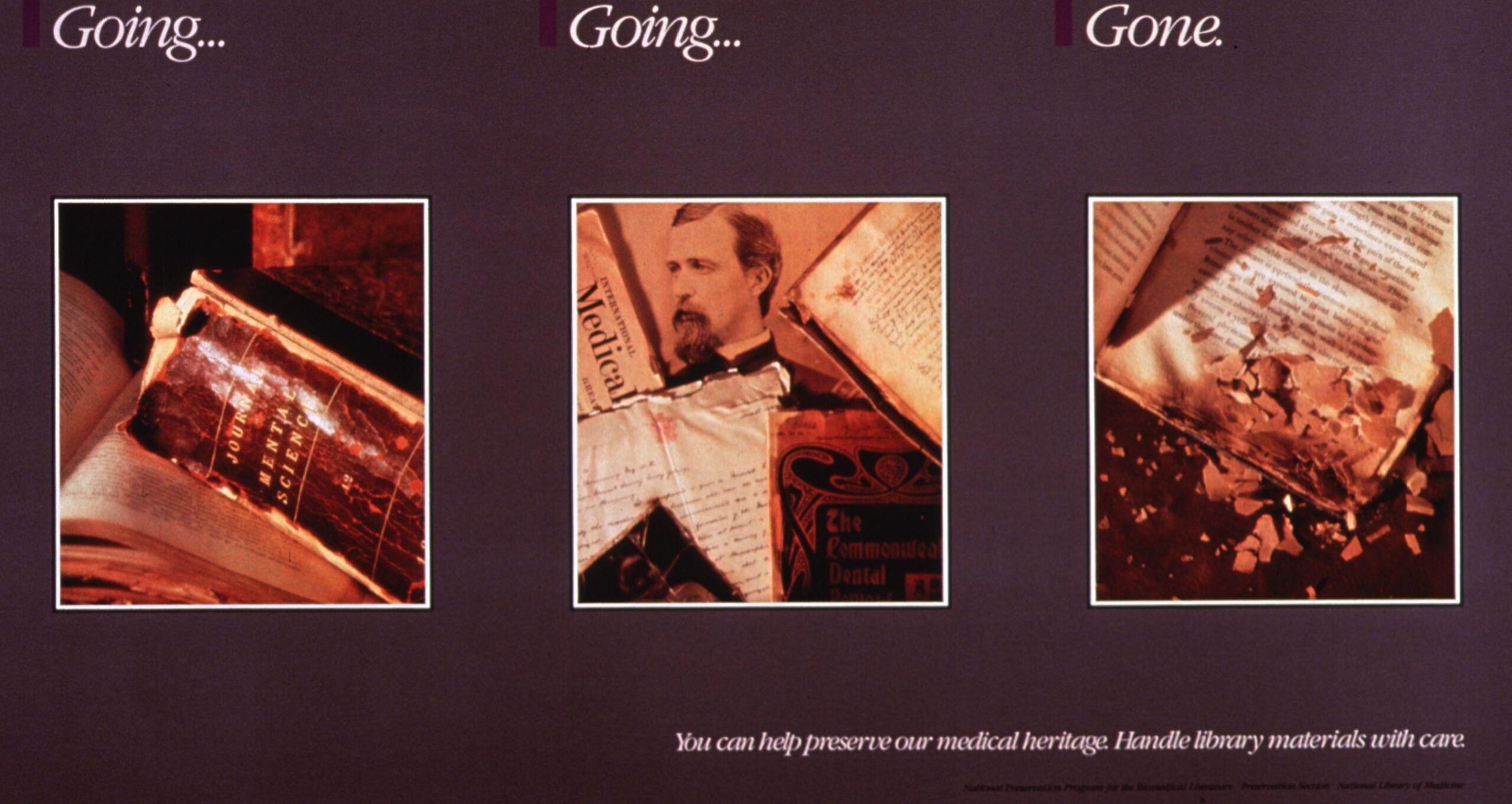
Preserving digital collections is essential to safeguarding cultural memory. Discover how JSTOR’s Digital Stewardship Services help libraries and archives maintain accessible, durable, and meaningful collections for generations to come.
-
We’ve gathered some of the most reliable grants that prioritize digitization, collection development, preservation, access, open educational resources (OER), and new technologies.
-
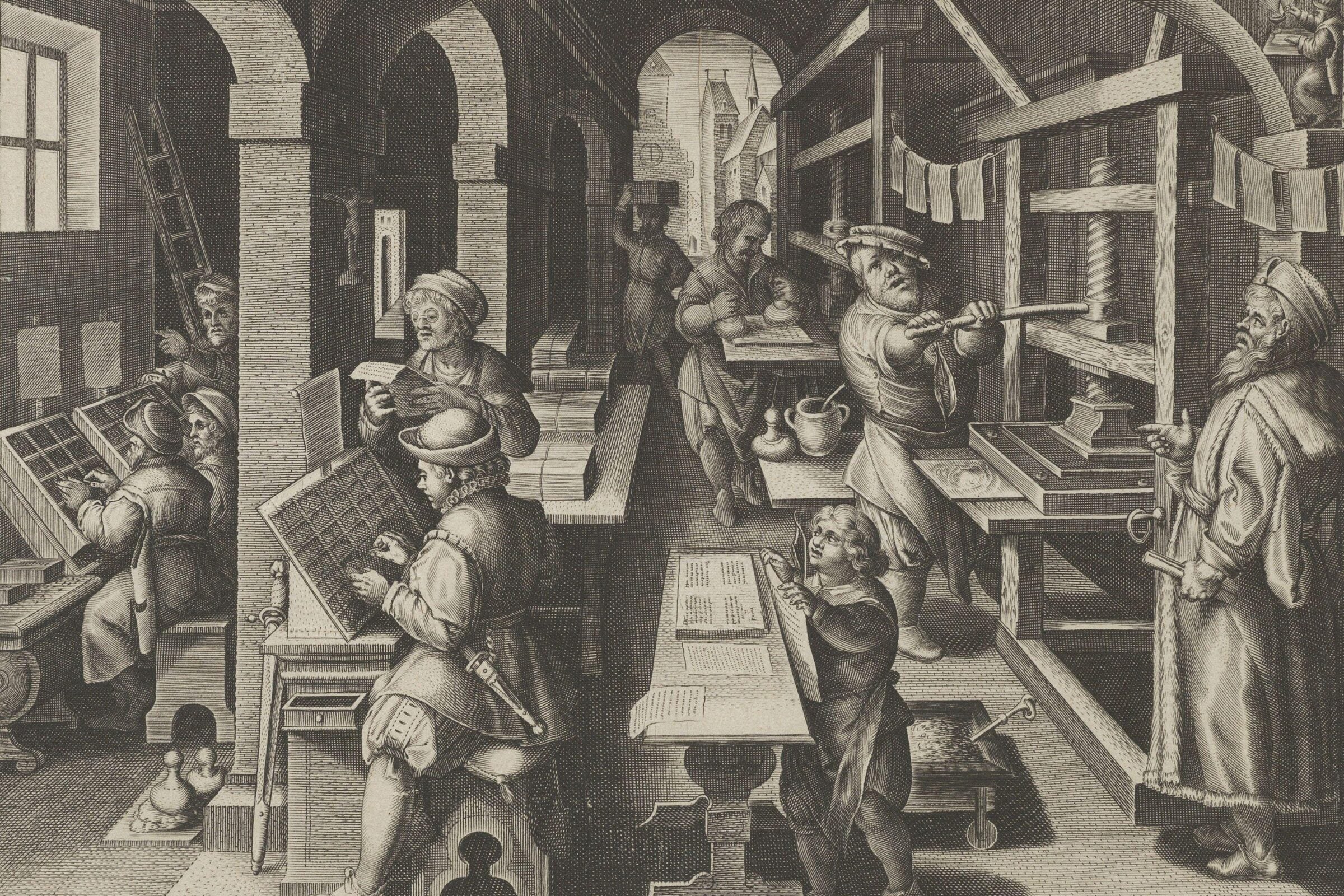
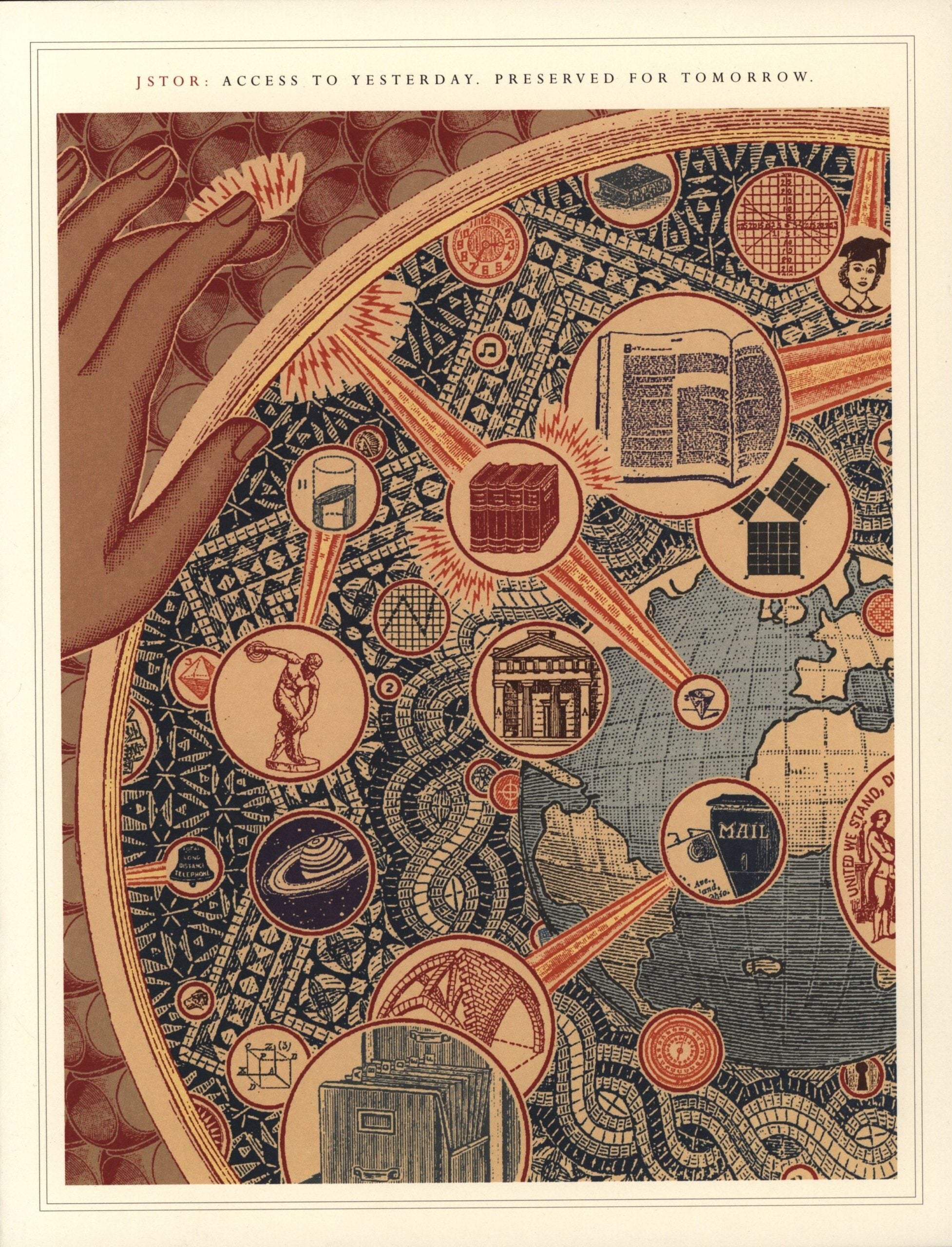
In 1995, JSTOR launched with a mission that felt radical at the time: digitize scholarly journals and make them accessible online to researchers and educators everywhere.
-
An archivist explores how AI can help surface hidden histories, improve metadata, and support digital stewardship while emphasizing the need for human expertise in shaping archival narratives.
-
Highlighting key 2025 grant opportunities for libraries to digitize, preserve, and describe collections, including funding for audiovisual materials and community archives. Deadlines and award amounts vary, offering multiple pathways for support.
-
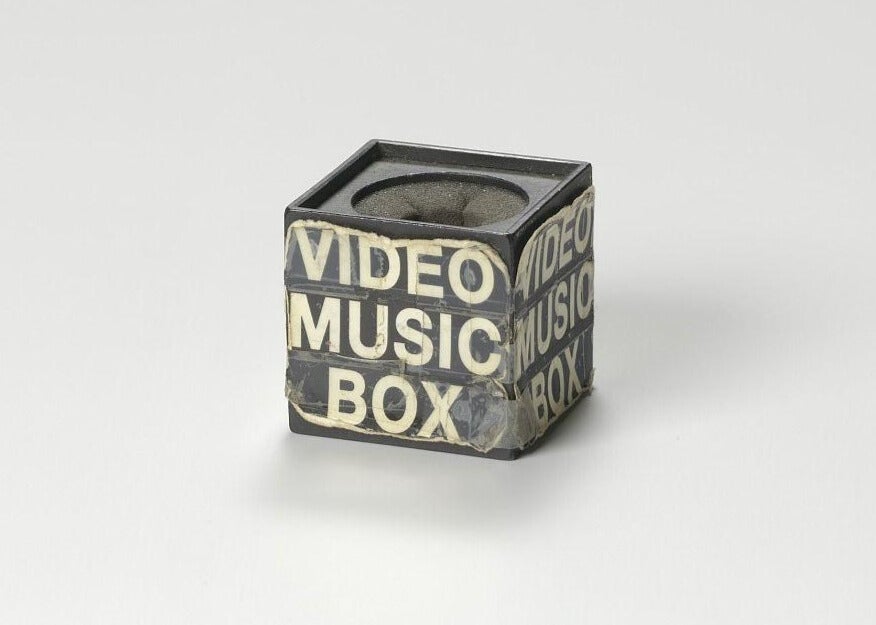
The recent removal of news archives like MTV News raises concerns about preserving valuable digital content. Media companies must plan for digital preservation to ensure access to historically significant materials. Portico outlines key steps, including secure storage, regular backups, and engaging experts to safeguard content. A new Portico pilot project is exploring long-term preservation of…
-
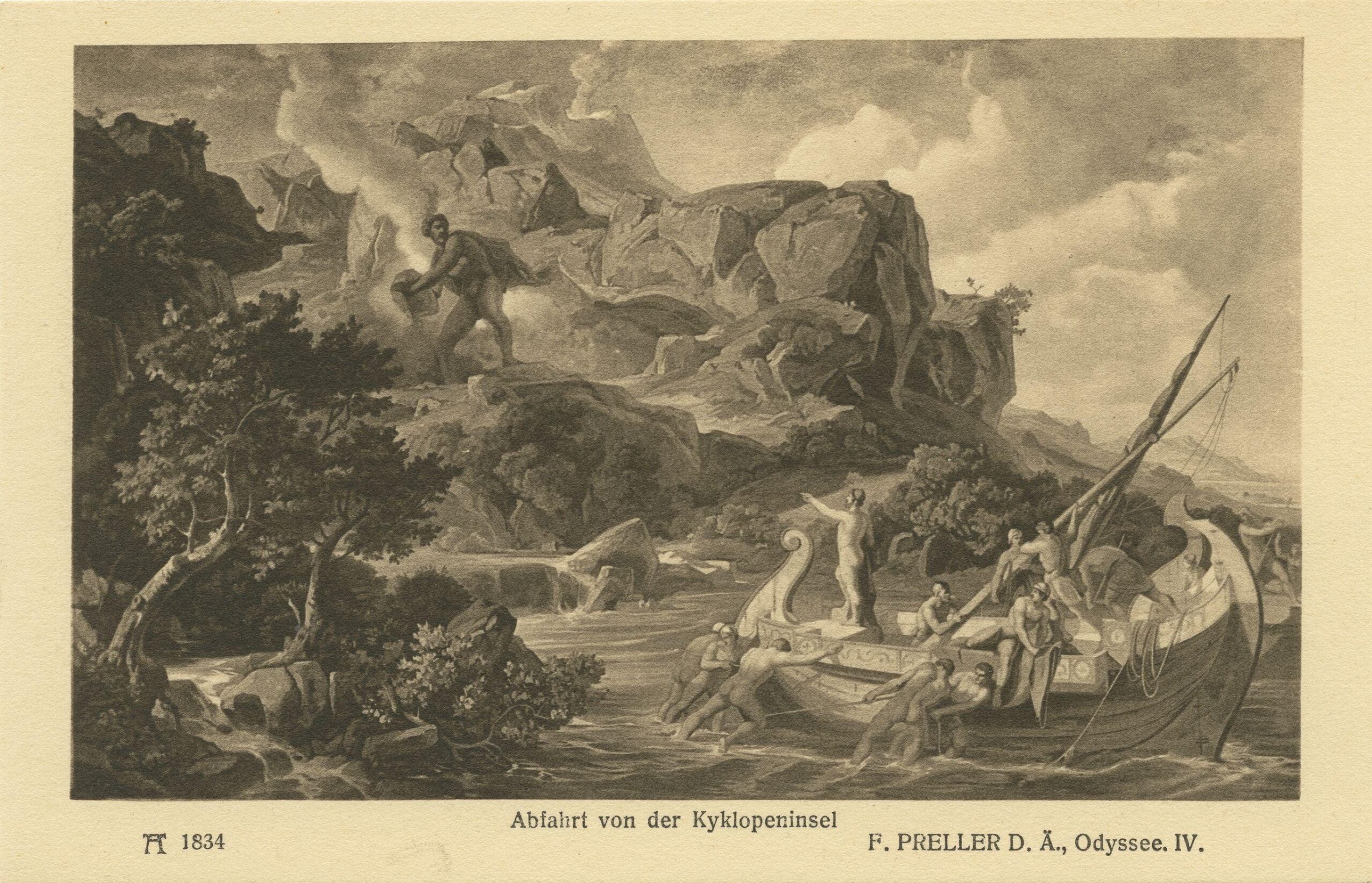
ITHAKA innovates with Project Odyssey using generative AI to help libraries process digital collections efficiently by automating metadata creation, addressing bottlenecks, and reducing backlog.
-
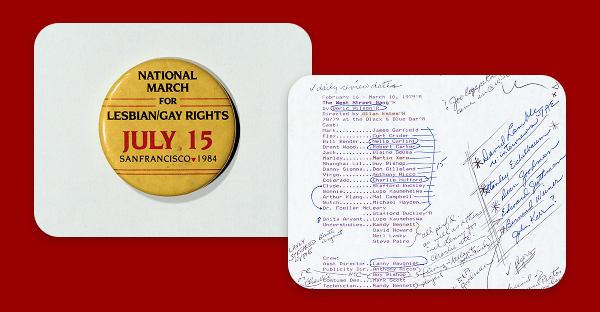
Portico preserves underrepresented digital content to safeguard diverse narratives and cultural heritage for future generations. Join us in maintaining a richer historical record.
-
Digital preservation is the act of safeguarding and maintaining access to information and cultural heritage, ensuring it can withstand the test of time and technological change.
-
Explore how Skidmore College digitizes its special collections in this insightful blog post detailing David Seiler’s efforts in leading the transition to the digital age.
-
Portico has earned its reputation as a trusted guardian of digital content for publishers, with over 1,000 publishers and 1,000 libraries worldwide relying on its time-honored preservation approach. Portico centers long-term content management and organizational commitment, as well as a dedication to addressing the needs of future scholars.
-
Libraries asked for long-term preservation. ITHAKA’s Preserved Collections with Portico delivers a managed, workflow-friendly way to safeguard diverse collections, extending Open Community Collections and JSTOR into durable digital stewardship.
-
Growing up in Miami, Florida, surrounded by Caribbean cultures across the diaspora, I developed a strong sense of identity as a proud Caribbean creative, a Belizean Cuban American designer. My intersectionalities have significantly influenced my creativity and the stories I choose to tell through my work as I delve into the importance of preserving family…






Sign up for updates
Never miss a thing. Get updates from JSTOR delivered straight to your inbox.
By signing up you agree to our Privacy Policy. You may unsubscribe at any time by clicking on the provided link on any marketing message.
"*" indicates required fields