
Humanities, arts, and social sciences
-
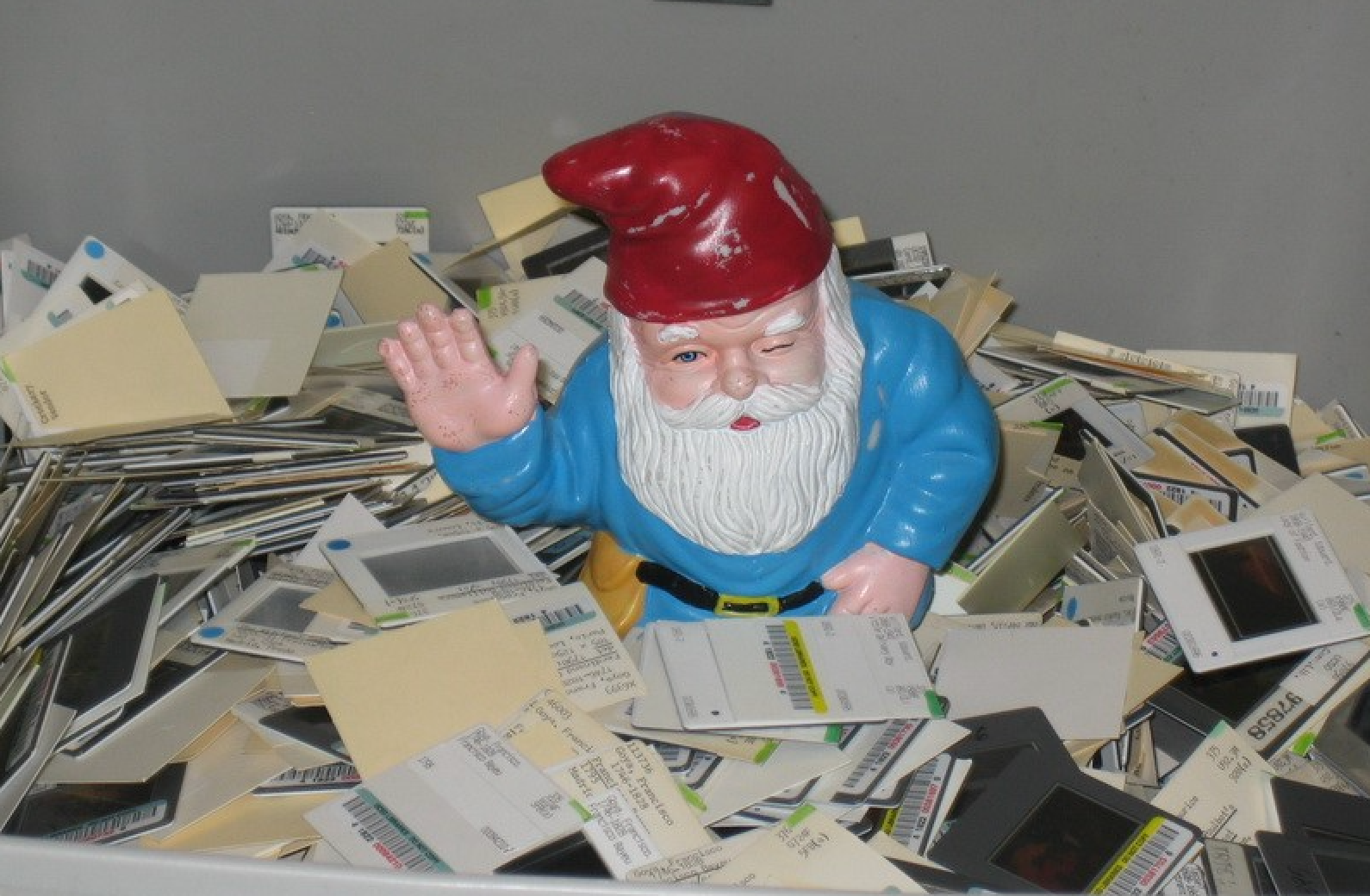
Explore how UC San Diego Library built a transformative 200,000-image digital collection for Artstor, its impact over two decades, and how the Visual Arts Legacy Collection enters a new chapter on JSTOR.
-
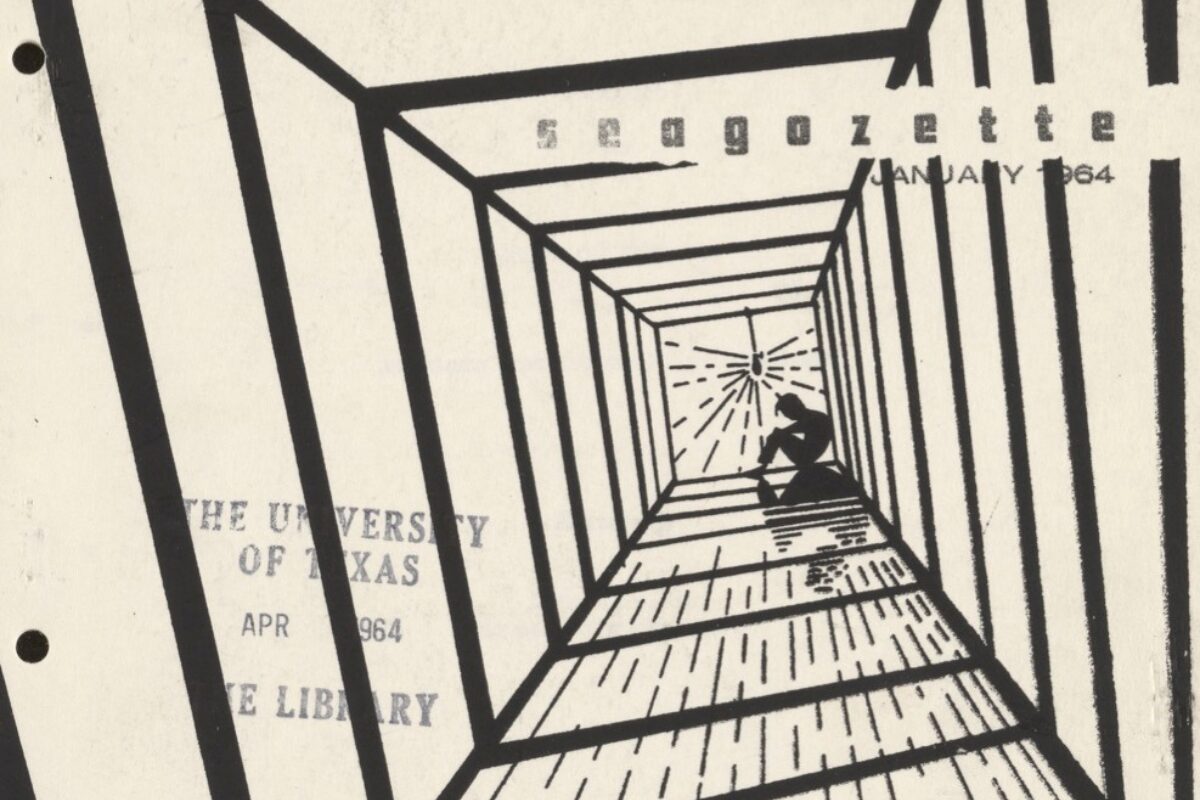
Curricular materials, guides, and readings designed to help educators and students teach with the American Prison Newspapers collection, centering incarcerated voices and critical inquiry.
-
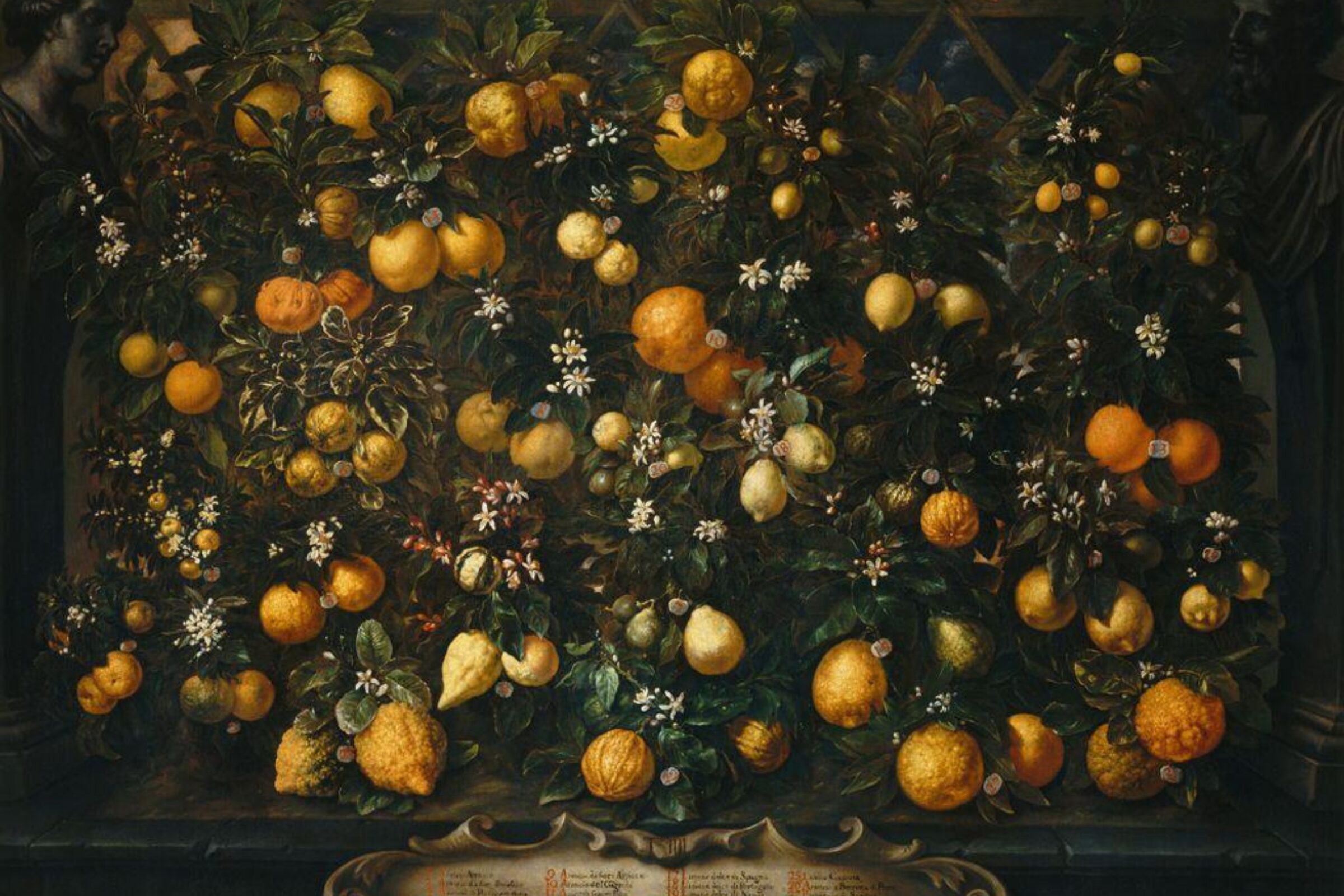
Explore JSTOR’s archival journals and primary source collections—trusted by researchers worldwide for high-quality scholarship across the humanities, social sciences, and natural sciences.
-
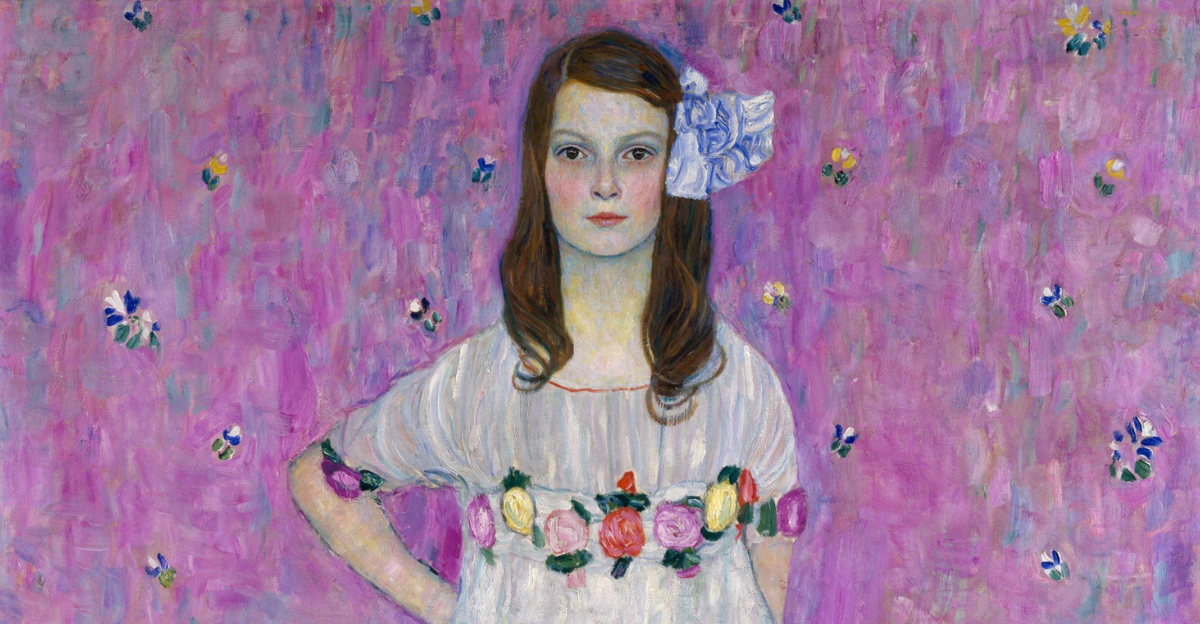
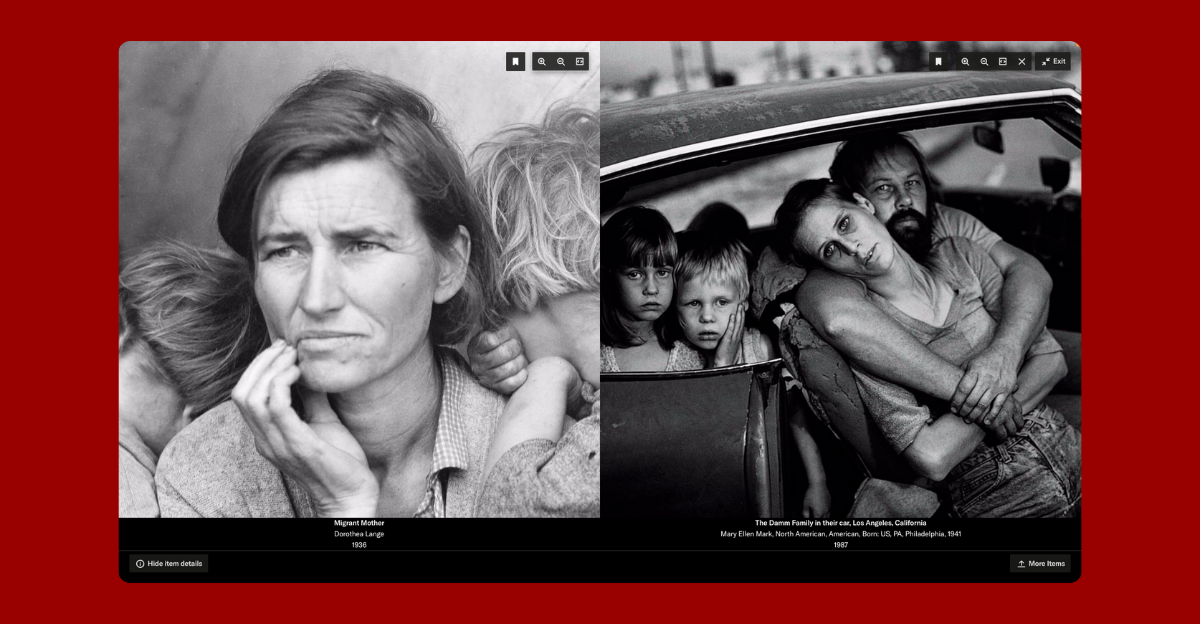
Help students slow down and truly see art in an image-saturated age. Adapted from art historian Carson Smith’s classroom project, this resource guides students in creating their own mock museum exhibitions using JSTOR and Artstor. Through “slow looking,” collaborative research, and curatorial storytelling, students practice visual analysis, connect art to cultural context, and rediscover the…
-
Discover how to create virtual field trips with Artstor on JSTOR to bring the world into your classroom. Explore ways to foster equity, visual literacy, and engagement—no travel required. Includes a ready-to-use sample lesson plan.
-
We hope this blog post finds you with a spare moment to explore something new! June’s releases on JSTOR brought together book-length research, community newspapers, […]
-
At SXSW EDU 2025, educators gathered to discuss the promises and pitfalls of AI in the classroom. This post reflects on the evolving role of humanities instructors, advocating for AI as a collaborative tool to support metacognition, process-based learning, and critical engagement.
-
JSTOR’s interactive research tool allows users to actively engage with texts by asking questions directly within the tool. Based on user feedback, we created this guide to help you get the most out of this feature. We’ll explore how asking the right types of questions can help you quickly find relevant content, understand complex arguments,…
-
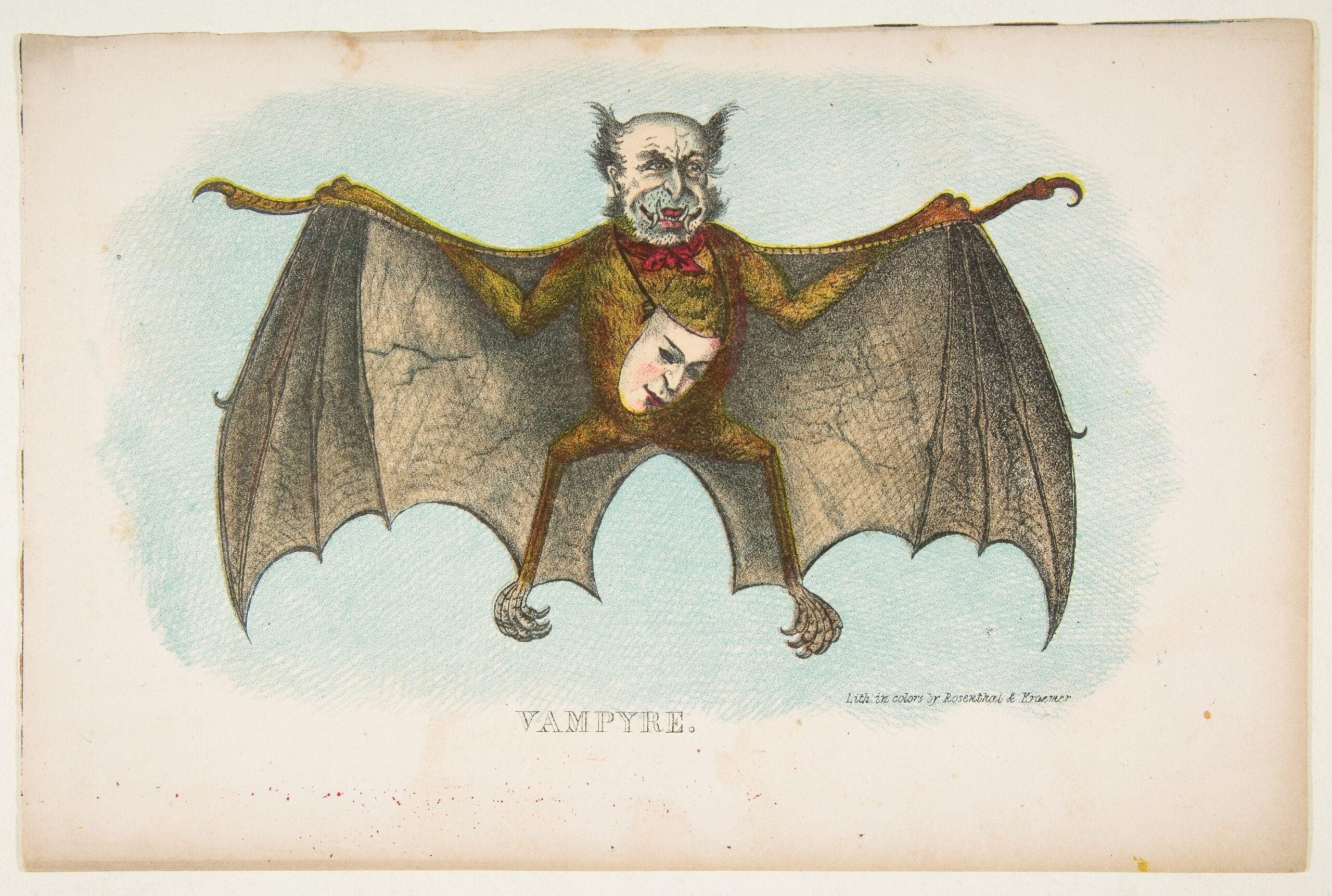
Discover how a ghost story contest during the summer of 1816 gave birth to Frankenstein and The Vampyre, two literary masterpieces that continue to haunt the humanities. This blog post explores the fateful gathering at Villa Diodati, the gothic themes of life, death, and ambition, and the enduring relevance of these stories in our quest…
-
Explore the vital role of the humanities in navigating a polarized, post-truth world. Learn how critical thinking and assessing diverse narratives enhance accuracy and understanding.
-
Explore the profound impact of loss, connection, and the humanities through a personal journey of grief and discovery.
-
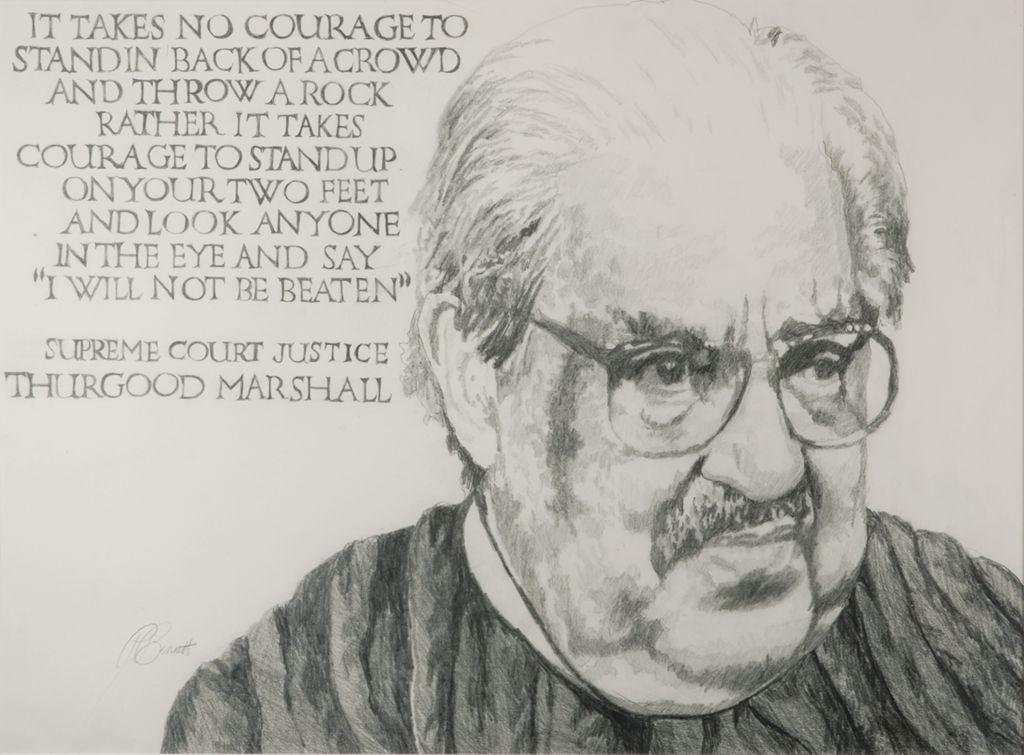
Discover how JSTOR’s archival journal collections preserve and connect the evolution of ideas—from Alan Turing to Hannah Arendt and Thurgood Marshall—linking foundational research with today’s analysis.

Sign up for updates
Never miss a thing. Get updates from JSTOR delivered straight to your inbox.
By signing up you agree to our Privacy Policy. You may unsubscribe at any time by clicking on the provided link on any marketing message.
"*" indicates required fields