Explore materials designed to help educators and students engage deeply with the American Prison Newspapers, 1800s-present: Voices from the Inside collection. These interdisciplinary resources highlight the unique perspectives found in prison journalism and support inquiry-based learning, critical thinking, and 21st-century skills development.
Overview
The American Prison Newspapers collection provides rare firsthand insight into incarceration in the United States across two centuries. Written and produced by incarcerated people, these newspapers offer essential perspectives for studying mass incarceration, media history, identity, and community.
Teaching materials for this collection span Sociology, Law, Gender and Sexuality, History, Education, and Literature. They include reading lists, instructional guides, assignments, and curated activities designed for adaptation across classrooms.
Developed in response to the Ithaka S+R report Teaching with Primary Sources: Looking at the Support Needs of Instructors, the APN curriculum emphasizes practices such as scaffolding exposure, inspiring student curiosity, and supporting diverse learning needs. These resources promote cultural competence, critical thinking, media literacy, and creativity—ensuring that students encounter primary sources in accessible, structured, and engaging ways.
Explore teaching materials and guides
Webinar: Teaching with the American Prison Newspapers Collection
Engagement and Curriculum Fellow Brittany Marshall introduces the APN collection, highlighting key themes, teaching strategies, and classroom applications for working with prison newspapers as primary sources.
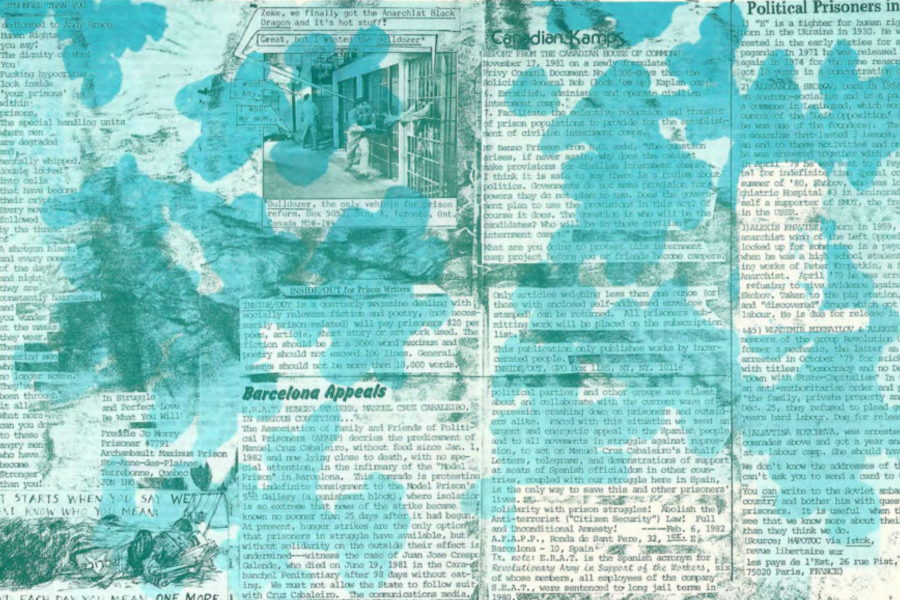
Reading list: Prisoners’ Rights
A short syllabus exploring the history and principles of prisoners’ rights through texts, videos, and documents—including the United Nations’ Basic Principles for the Treatment of Prisoners and foundational writings on the U.S. penal system.
Instructional guide: Teaching LGBTQ+ History: Queer Women’s Experiences in Prison
This guide centers LGBTQ+ History Month through firsthand accounts and scholarly materials drawn from the APN collection. Includes curated readings, discussion guidance, and multimedia resources for exploring sexuality, identity, and imprisonment.

Instructional guide: What Can Native American People in Prison Teach Us About Community and Art?
An exploration of creativity, cultural expression, and resilience using APN materials. This guide helps students analyze how incarcerated Native American people foster community, identity, and artistic practice.

Libguide: Teaching with American Prison Newspapers
An instructional LibGuide for Reveal Digital’s American Prison Newspapers, 1800-2020: Voices from the Inside, featuring interdisciplinary entry points, curated readings, assignments, and strategies to help instructors teach about incarceration through primary sources.
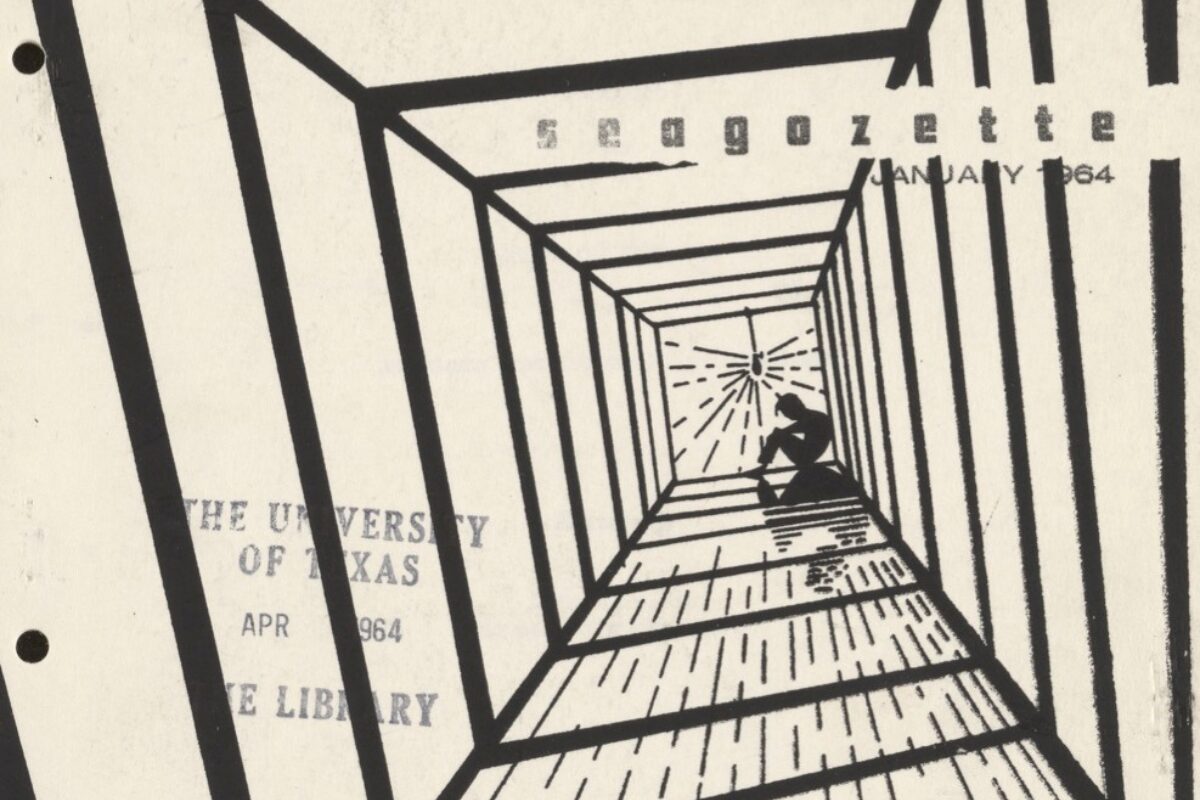
Gain insights on effective primary source teaching strategies
Teaching and Learning with Digital Primary Sources
We’ve partnered with Choice, a publication of the Association of College and Research Libraries, to produce a comprehensive report, Teaching and Learning with Digital Primary Sources.
The report explores nine key insights to address challenges of awareness and discoverability, digital literacy, and cooperation between librarians and teaching faculty.
Teaching with Primary Sources: Looking at the Support Needs of Instructors
A comprehensive Ithaka S+R study illuminating how faculty incorporate primary sources into undergraduate teaching, the discovery and literacy challenges students face, and the collaborative strategies that enable successful instruction.
View image credits from this page
Illustration from “Seagozette.” Seagozette, January 1, 1964. Part of American Prison Newspapers, 1800s-present: Voices from the Inside, Reveal Digital. https://jstor.org/stable/community.35008409.
Illustration from “Recount.” Recount 7, no. 3 (October 1, 1962). Part of American Prison Newspapers, 1800s-present: Voices from the Inside, Reveal Digital. https://jstor.org/stable/community.34235585.
JSTOR Daily/Getty
Illustration from “The Speaking Leaves.” Speaking Leaves, The, September 1, 1971. Part of American Prison Newspapers, 1800s-present: Voices from the Inside, Reveal Digital. https://jstor.org/stable/community.34032473.
Bartolomeo Bimbi. Oranges, Limes, and Lemons. 1715. Image and original data provided by SCALA, Florence/ART RESOURCE, N.Y., Artstor.
Odra Noel. ‘More to Love’ Adipose Tissue. n.d. Part of Open: Wellcome Collection, Artstor. https://jstor.org/stable/community.24717654.