
JSTOR for community colleges
JSTOR partners with community colleges to expand access to knowledge through an affordable, comprehensive, and easy to administer model. Get complete access to thousands of journals and primary sources designed to support teaching, learning, and research across disciplines.

A more economical and simplified model
Like community colleges, JSTOR is committed to expanding and enhancing access to knowledge and education. To help, we developed a community college fee model that is:
- Easier with one comprehensive collection versus individually licensed collections
- All-inclusive, with access to all archival journals and primary sources available for license on JSTOR
- Economical with more than 60% of participating community colleges seeing a decrease in their current fees
- Flexible, with options for an annual subscription or a one-time payment for permanent access with no recurring fees

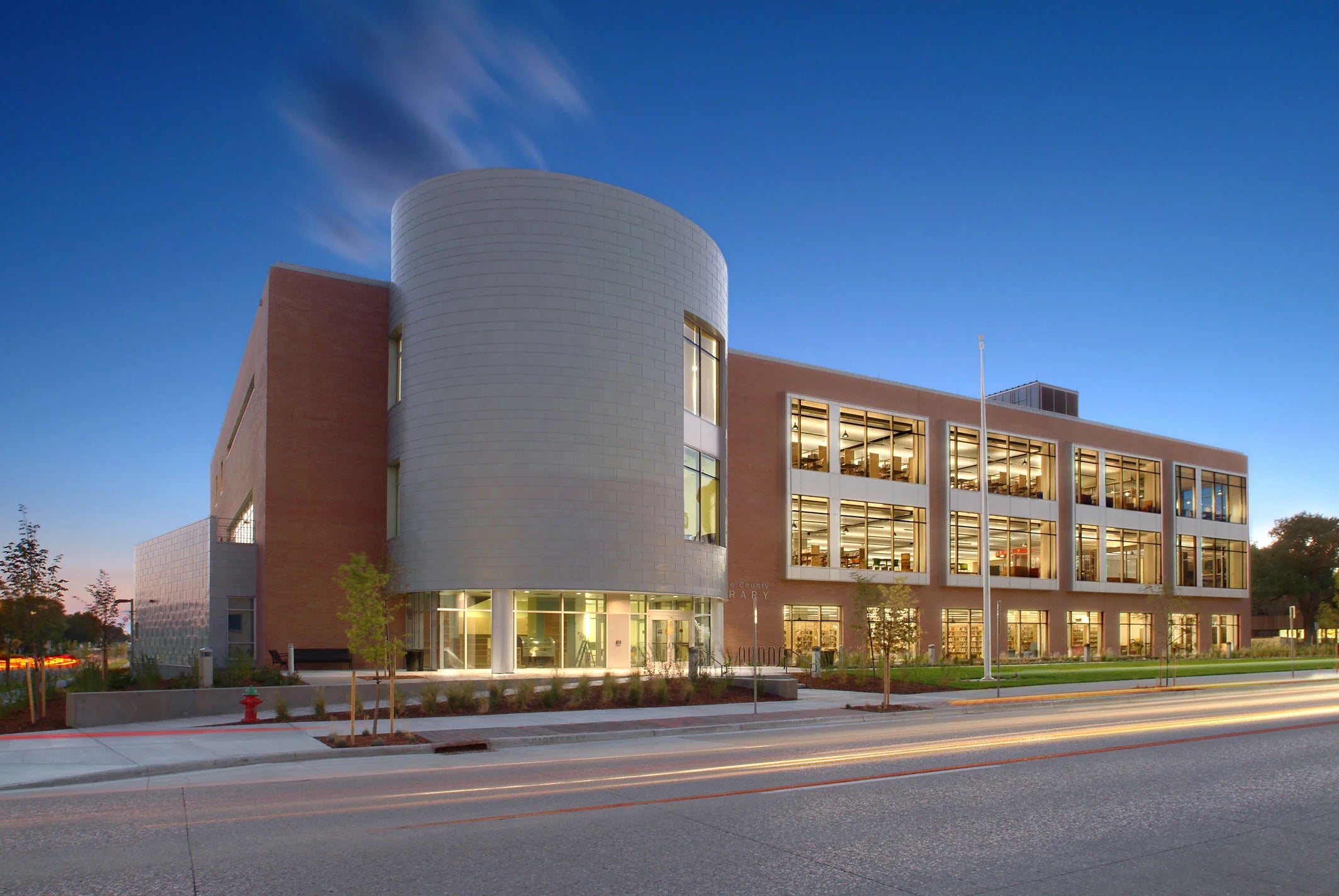
How Wyoming Community Colleges made JSTOR access permanent
Learn how seven campuses in Wyoming secured lifelong access to JSTOR’s full archival collections—with no recurring fees—through our one-time payment option.
What’s included
Comprehensive
Community colleges receive low-cost access to the JSTOR Archival Journals and Primary Sources Collection—a single, all-in-one resource with:
- 2,800+ top scholarly journals across the humanities, social sciences, and sciences
- Complete journal runs from volume 1, issue 1 up to the moving wall
Rich primary sources
The collection also includes millions of primary sources—pamphlets, manuscripts, oral histories, government documents, images, 3D models, and more—from four major collections.
Affordable for all sizes
As a nonprofit, JSTOR provides fees scaled by Full-Time Enrollment (FTE):
- Small: Under 1,000
- Medium: 1,000–10,000
- Large: Over 10,000
Rapidly growing free and open content
We’ve also introduced new functionality and more diverse types of open content from publishers, libraries, archives, and museums, including open images on Artstor and open primary source collections.
Learn more about JSTOR for community colleges
Discover affordable JSTOR access for community colleges—share your info and we’ll take care of the rest.
Take advantage of all JSTOR has to offer
01
Stay organized with Workspace
Create, collect, and collaborate with Workspace—your secure hub for saving, organizing, and sharing research materials. Available with a free personal JSTOR account.
02
Explore open and free content
JSTOR offers a growing set of freely accessible resources, including journals, books, primary sources, library-contributed collections, images, and research reports.
03
Enhance your research with AI
Ask questions in natural language. Summarize texts, explore related materials and topics, and uncover new connections across millions of items. JSTOR’s AI research tool makes complex research more intuitive.
04
Search images on JSTOR
View high-quality images from leading museums, libraries, and archives—all in one powerful visual research platform. Go beyond thumbnails with tools designed for visual analysis.
The latest from JSTOR
Stay up-to-date on all things JSTOR.
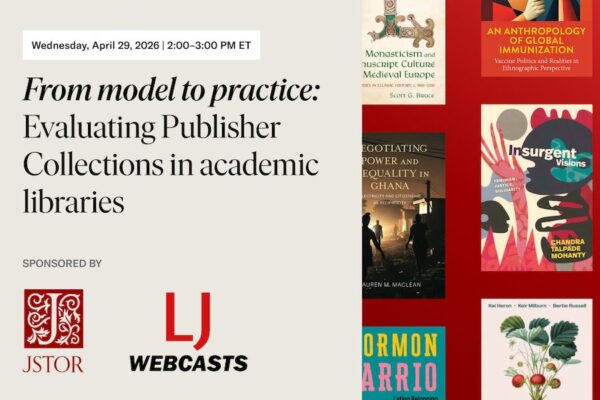
From model to practice: Evaluating Publisher Collections in academic libraries
How are academic libraries assessing new approaches to ebook acquisition, and what early signals help determine their value?

JSTOR ranks in top 1% of most accessible home pages worldwide
JSTOR ranks in the top 1% of most accessible home pages worldwide in the 2026 WebAIM Million report, achieving zero automated accessibility errors.
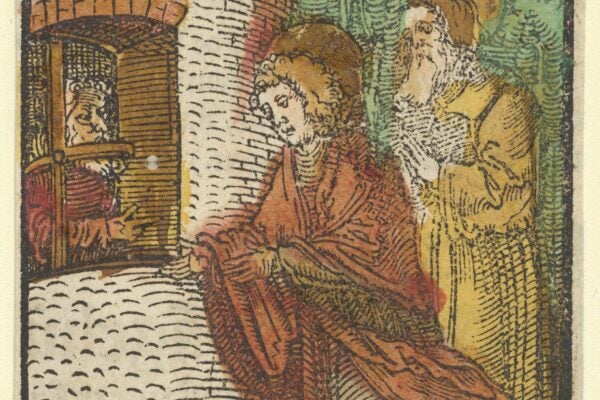
From jailhouse lawyer to fellow: How legal literacy at work is changing what I thought was possible
In “From jailhouse lawyer to fellow,” Joseph Sanchez reflects on how learning the law to navigate his own case became a way to support others and ultimately led to his work with the Legal Literacy at Work fellowship.

Education is My Contraband
In recognition of Fair Opportunity Month, “Education is My Contraband” traces Taveuan Williams’s journey from survival to self-discovery through reading and learning. Inside a system designed to reduce him, education becomes both resistance and refuge, offering a way to rebuild identity, confront the past, and imagine a future beyond confinement.
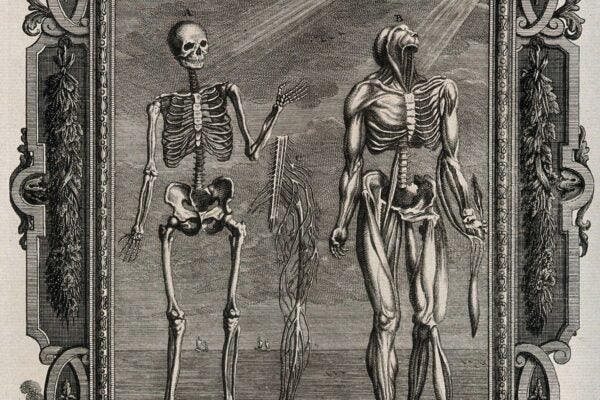
Restorative Justice: The Casuistic Approach
In recognition of Fair Opportunity Month, “Restorative Justice: The Casuistic Approach” brings together lived experience, philosophy, and theology to reexamine how we define justice. Drawing from their own lives inside the Colorado Department of Corrections, Robert Ray and Clarke T. Clayton explore restorative justice as a human-centered practice.

Clamoring to be Heard
In recognition of Fair Opportunity Month, “Clamoring to be Heard” shares Lisa Lesyshen’s experience navigating incarceration as a wheelchair user—and the assumptions that shaped it. After being denied meaningful work, she creates her own path by launching Inmate.com, a prison-run TV program that gives voice to incarcerated people and challenges misconceptions about disability, dignity, and life inside.
Middle Tennessee State University will move to JSTOR Digital Stewardship Services for digital asset management, preservation, and access
Middle Tennessee State University joins JSTOR Digital Stewardship Services, migrating 13,000+ items from CONTENTdm to a unified platform for preservation, management, and expanded discovery on JSTOR.
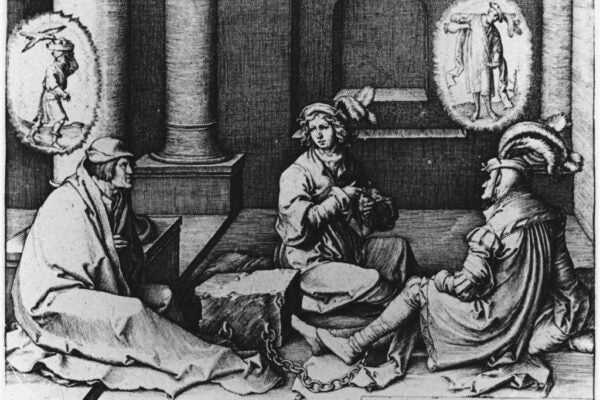
Leaders and Followers
An acting workshop becomes a lesson in trust, responsibility, and shared experience. Reflecting on moments of leading and following, William Davenport considers what it means to guide others, to rely on them, and to recognize that both roles are essential to how we learn and grow.

Star Dog by Jeremy Moss
This post introduces Star Dog by Jeremy Moss, the first published piece from an Unbound Authors student, a program supporting incarcerated writers across Colorado. Moss’s story follows a stray dog bearing witness to a man’s final moments, offering a quiet reflection on presence, dignity, and what it means not to be forgotten.
Get JSTOR
Interested in JSTOR’s archival journals and primary sources?
Connect with our team to explore access options for your institution and discover how JSTOR can support your library’s teaching and research goals.
View image credits from this page
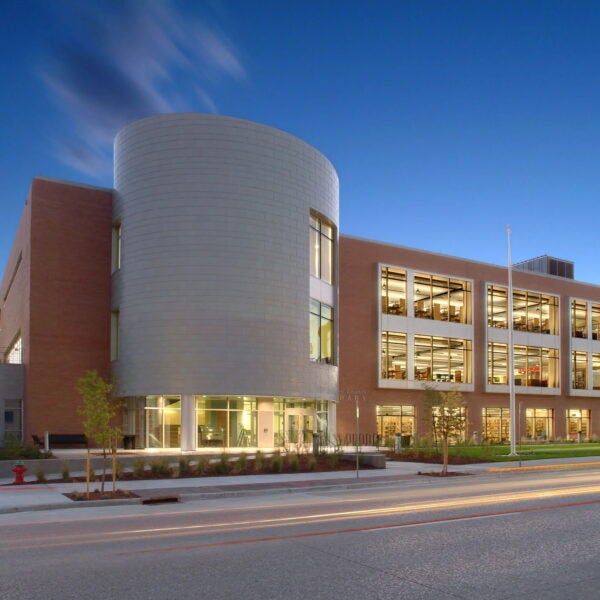
Evening view of Laramie County Community College Ludden Library’s curved facade and illuminated interior. Photo courtesy of Stasis Design.