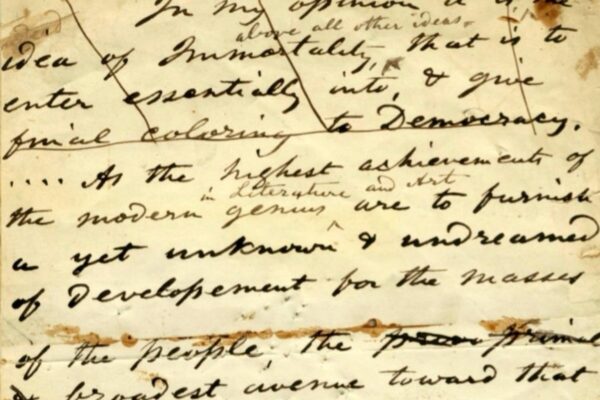
Johns Hopkins University’s vast collections, from the ancient world to the present, span centuries, genres, materials, and campus spaces. The Johns Hopkins Sheridan Libraries, the Johns Hopkins Archaeological Museum, the Visual Resources Collection, and other entities steward these treasures in both physical and digital forms.
Finding a single digital collections management solution for such diverse materials and stakeholders can be a challenge, but Lael Ensor-Bennett, Curator at the Visual Resources Collection, and her colleagues have found a platform fit for the job. Using JSTOR Digital Stewardship Services, a cloud-based platform with flexible, easy-to-use tools for collaboration and customization, their team efficiently builds, catalogs, and publishes unique digital collections that reflect the breadth and depth of Johns Hopkins’s cultural and scholarly heritage.


Curatorial control and enhanced discoverability: Why Hopkins went with JSTOR
It all started four years ago, in the midst of the pandemic, when JSTOR first enabled institutions to publish their own digital collections directly on the platform, making those materials discoverable alongside JSTOR’s trusted library of academic content . The COVID shutdown of campus museums and libraries, together with the promise of expanded discoverability on JSTOR, jump-started a pilot collaboration between the Visual Resources Collection and the Sheridan Libraries Special Collections.
Led by Lael in collaboration with Donald Juedes, Academic Liaison for Art History, Film/Media Studies & Near Eastern Studies, the initiative gained traction for two main reasons: curatorial control afforded by many customization options offered by the JSTOR Digital Stewardship Services platform, and the increased discovery and visibility on JSTOR, a platform already used by scholars regularly. For Lael and her colleagues, a few aspects of JSTOR Stewardship stand out in these areas.
Customizable landing pages for easy access and increased visibility
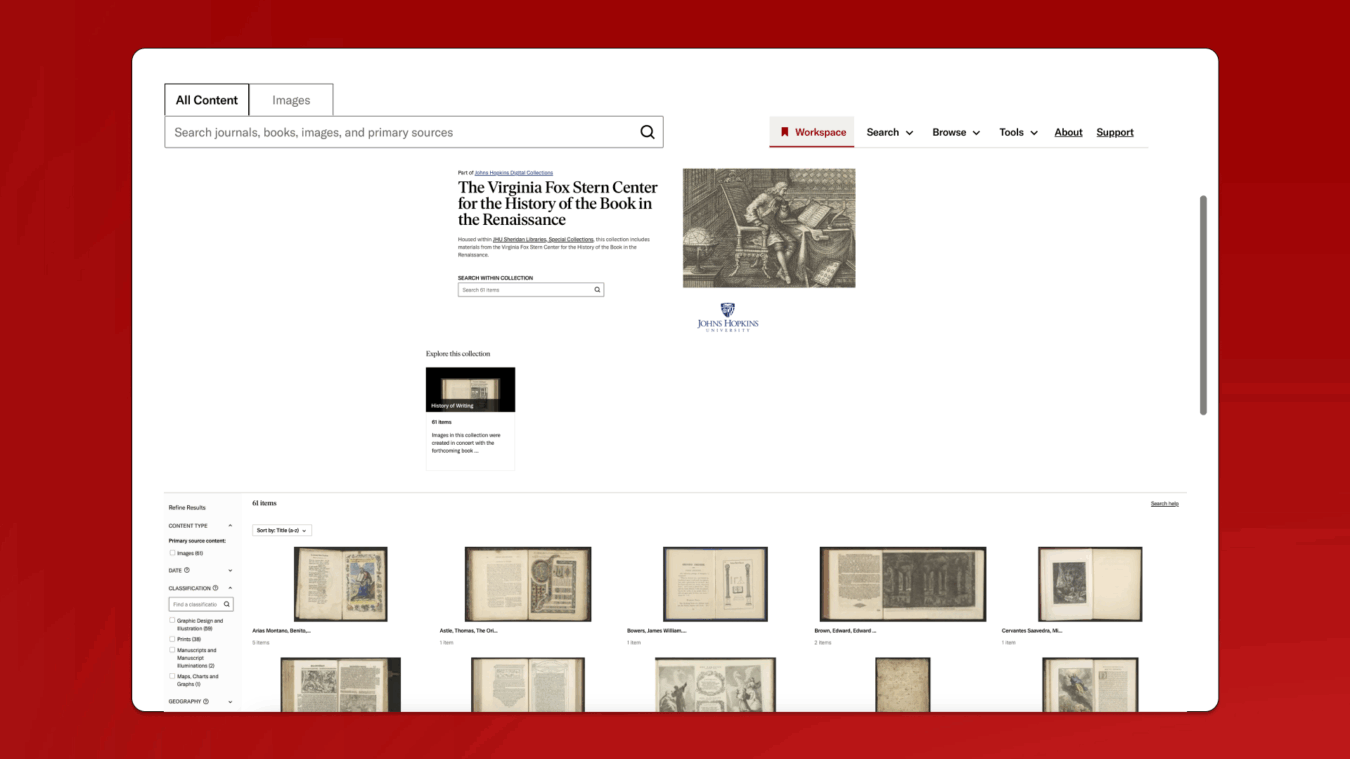
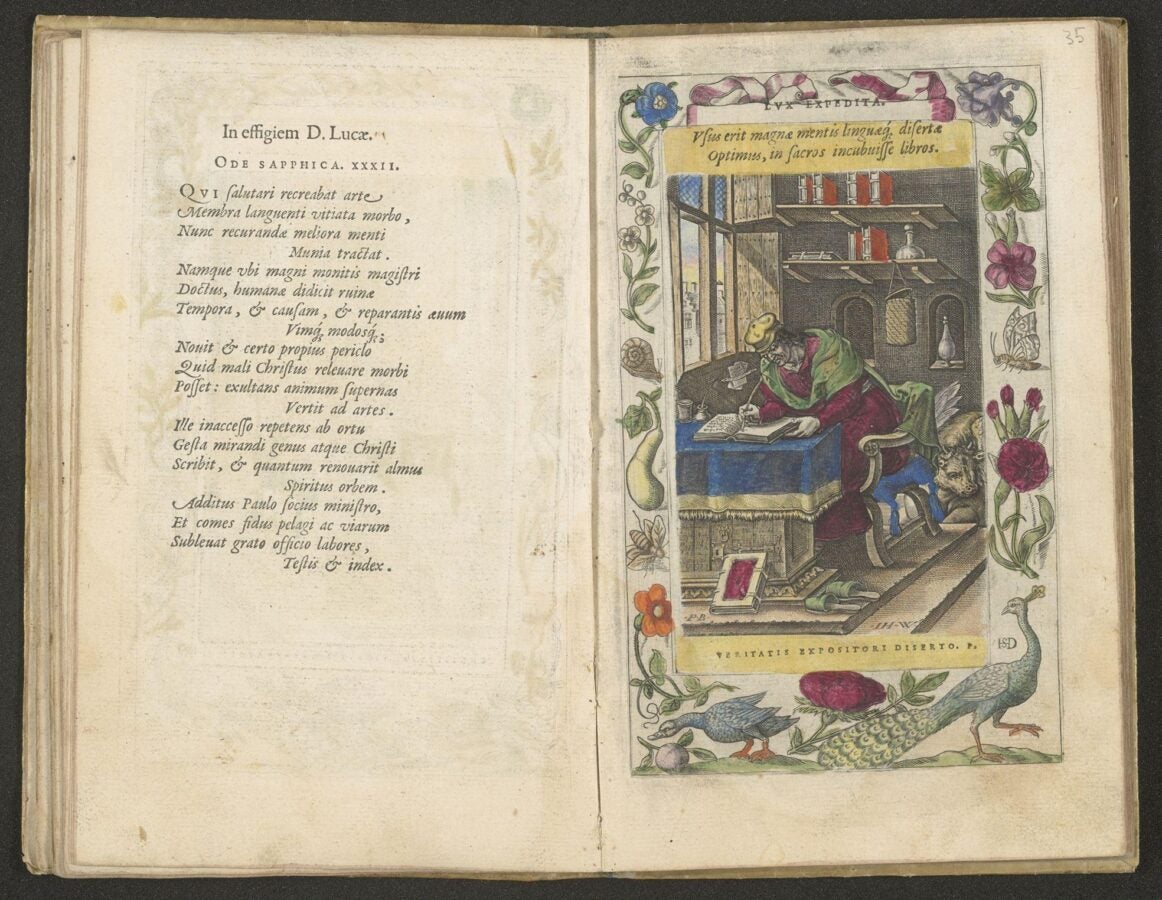
Having a customizable institutional landing page makes it easy to promote all collections with one link. “Having the landing page was actually an amazingly big deal,” recalls Lael. “But you’re also able to have separate landing pages for different collections, which was really fabulous for the curator of the Virginia Fox Stern Center as it helped increase visibility for the center. And that the link was also customizable was also really exciting—it could be exactly what the library wanted it to be.”
Tailored presentation options for diverse collections
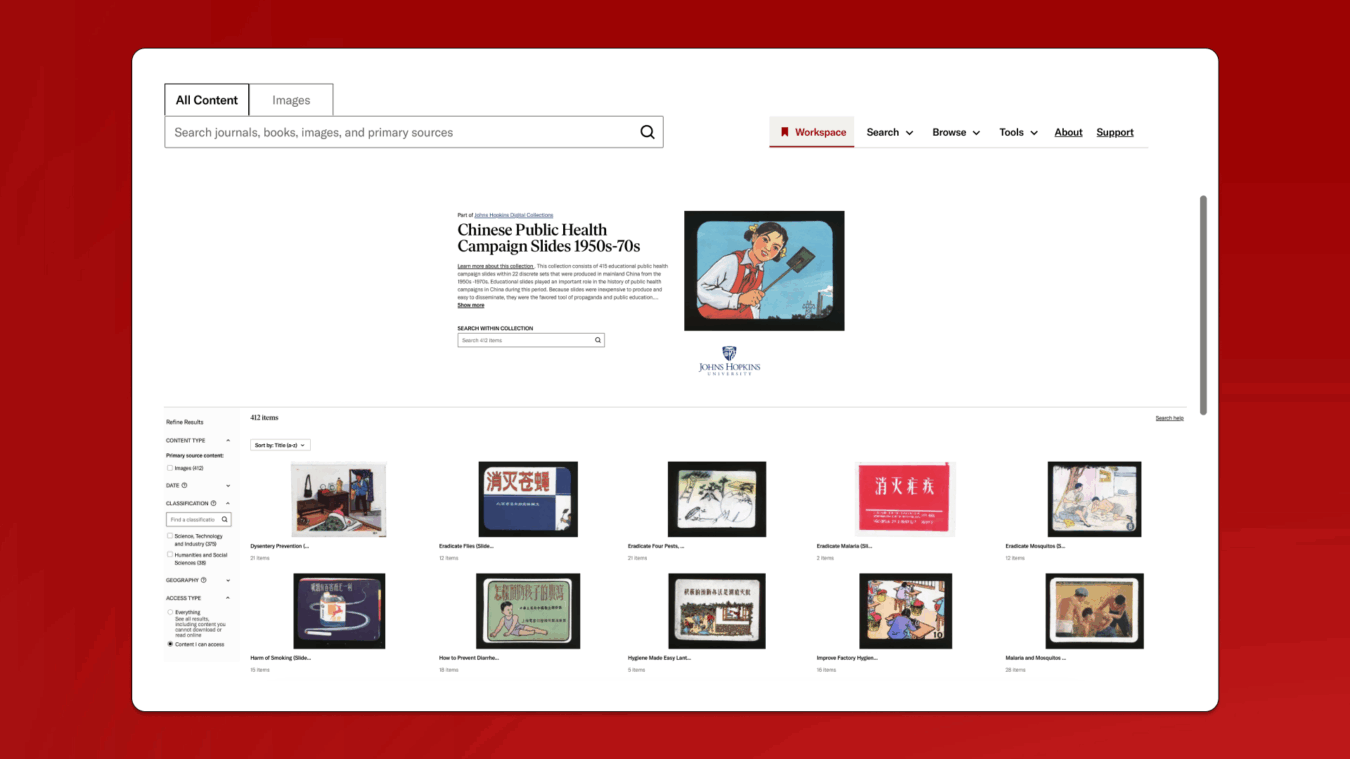
Beyond landing pages, Stewardship offers a number of components for organizing and grouping related content in unique ways. These include compilations (sub-collections), which can be used to aggregate categorical, thematic, or descriptive groups of items, and containers, which describe a larger work or hierarchical organization, such as periodicals containing issues or books containing chapters.
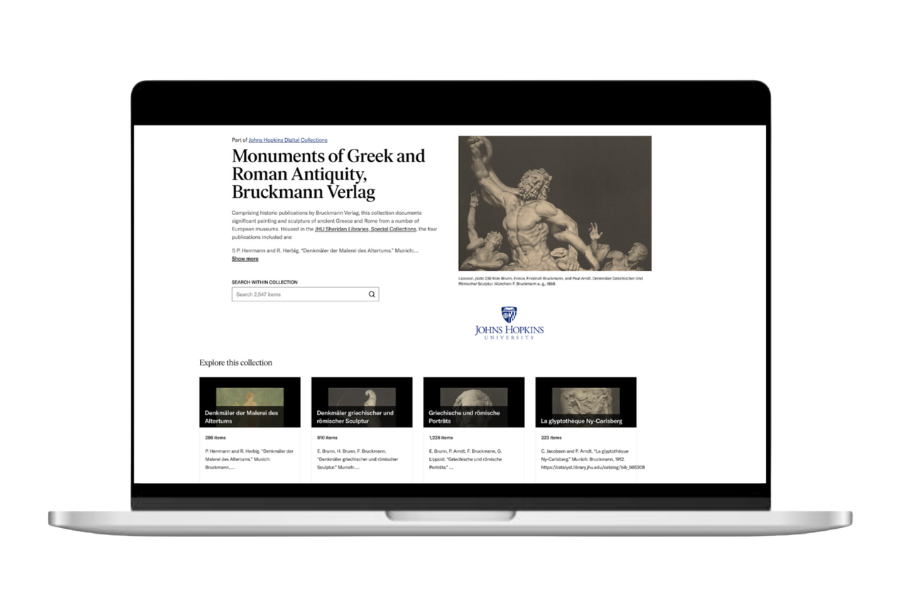
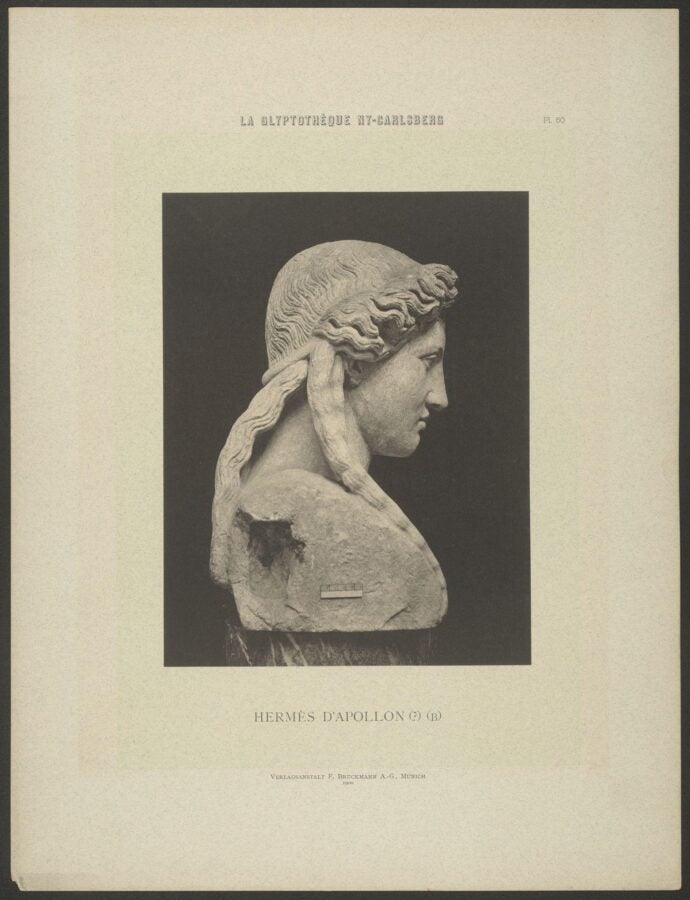
Lael illustrates the impact of these tools with specific examples, such as the Monuments of Greek and Roman Antiquity, Bruckmann Verlag collection of late 19th and early 20th-century plates of ancient Greek and Roman sculpture and painting. She explains, “We used compilations to create sub-collections for the four different publications, which is exactly what the library wanted.”
Similarly, the Chinese Public Health Campaign Slides collection posed unique challenges due to its varied content. For these, Hopkins used containers to separate slide sets. “Using compilations and containers is easy to do and provides content managers with new in-platform solutions,” Lael observes. And, even better, they’re easy to change as projects progress, as they often do: “It’s okay if you have to edit things or change things later, because there’s the flexibility in Stewardship to make a lot of those changes.”


Easy-to-add custom fields to meet every collection’s unique needs
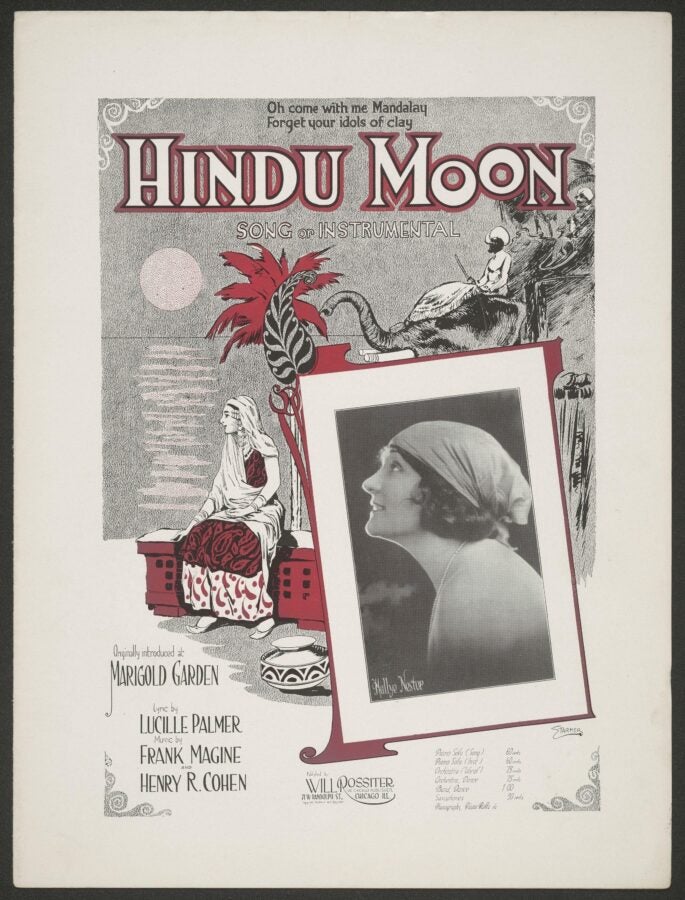
Another aspect of the Digital Stewardship Services platform’s flexibility is the ability it offers to add custom metadata fields. “A lot of systems don’t let you just add a field,” Lael said. “Flexibility is not expected,” so when it’s offered, it’s a nice surprise. ”For each collection, if there’s some field that might be needed especially for that collection, I’ve worked with curators and librarians to figure out the best thing to do.” For example, the intriguing Collection of Middle East-inspired Sheet Music contains problematic imagery. Lael was able to address the issue by adding a “content warning” field to each individual item.
“Flexibility is not expected,” so when it’s offered, it’s a nice surprise.
Collaborative success: How Forum makes it easy to partner for impact
JSTOR Digital Stewardship Services’ tools and features make it easy for Lael, her students, and colleagues to access, catalog, and annotate assets in real time. The result has been an enthusiastic and ongoing collaboration that has boosted the accessibility and discoverability of the institution’s digital collections.
Looking back, Lael observes: “The transition to JSTOR transformed the viability of this collaboration for librarians and curators—the institutional landing page, as well as the ease of discovering JHU materials alongside scholarly journal articles shifted the tide. Reaching a broader audience of both searchers and browsers helped make this project a reality.”

The transition to JSTOR transformed the viability of this collaboration for librarians and curators—the institutional landing page, as well as the ease of discovering JHU materials alongside scholarly journal articles shifted the tide. Reaching a broader audience of both searchers and browsers helped make this project a reality.
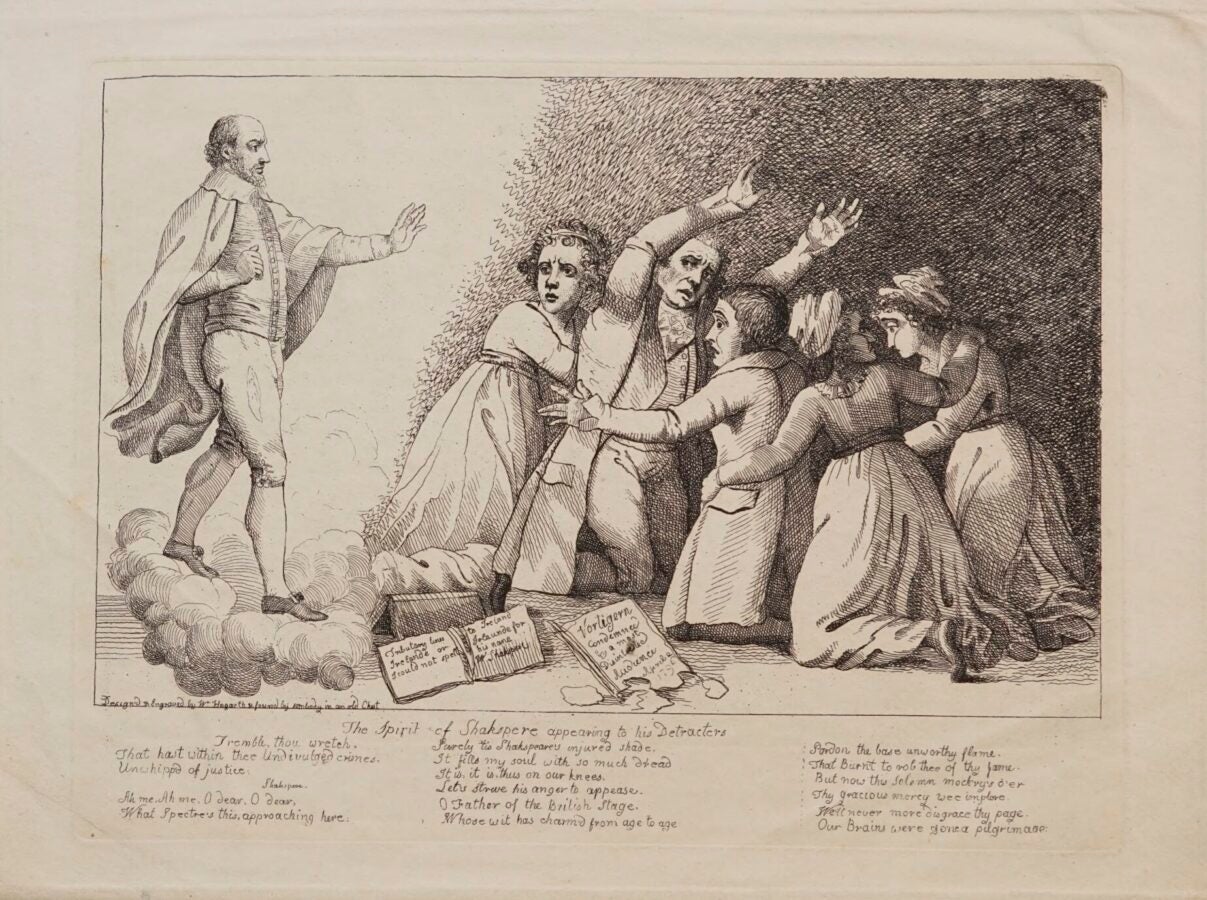
Today, Johns Hopkins Digital Collections shares more than 10,000 items in 13 public collections comprising ancient papyri, illuminated manuscripts, early modern books, illustrated sheet music, books, periodicals, and posters. Popular collections include Bibliotheca Fictiva, books and manuscripts relating to literary and historical forgery; Collection of Middle East-inspired Sheet Music; and Women of the Book, the world’s most extensive gathering of primary research items dedicated to the spiritual lives of European and South American nuns, beatae, and female mystics and saints.
When asked to name the most significant success that has come from JHU’s collaboration with JSTOR Digital Stewardship Services, Lael answers, “Honestly, it’s that these collections exist at all. They were not available previously. The fact that they are online is huge. Researchers around the world are grateful to be able to access these artifacts. I think, too, that it’s been a way for the library to say, ‘Look at this cool stuff!’”

Maximize the impact of your digital collections
Join 300+ institutions partnering with JSTOR to process, manage, preserve, and share their collections with the world.