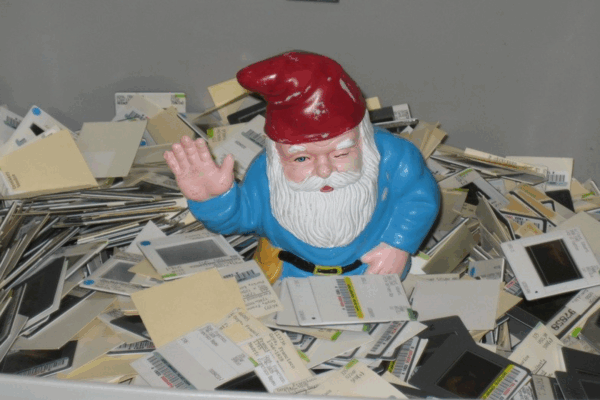
Guilford College boasts a multi-faceted, varied archive spanning Quaker meeting records, 19th-century taxidermy, campus publications, art collections, and student theses. Managing it all is Gwen Erickson, a solo archivist who also serves as the college’s special collections librarian.
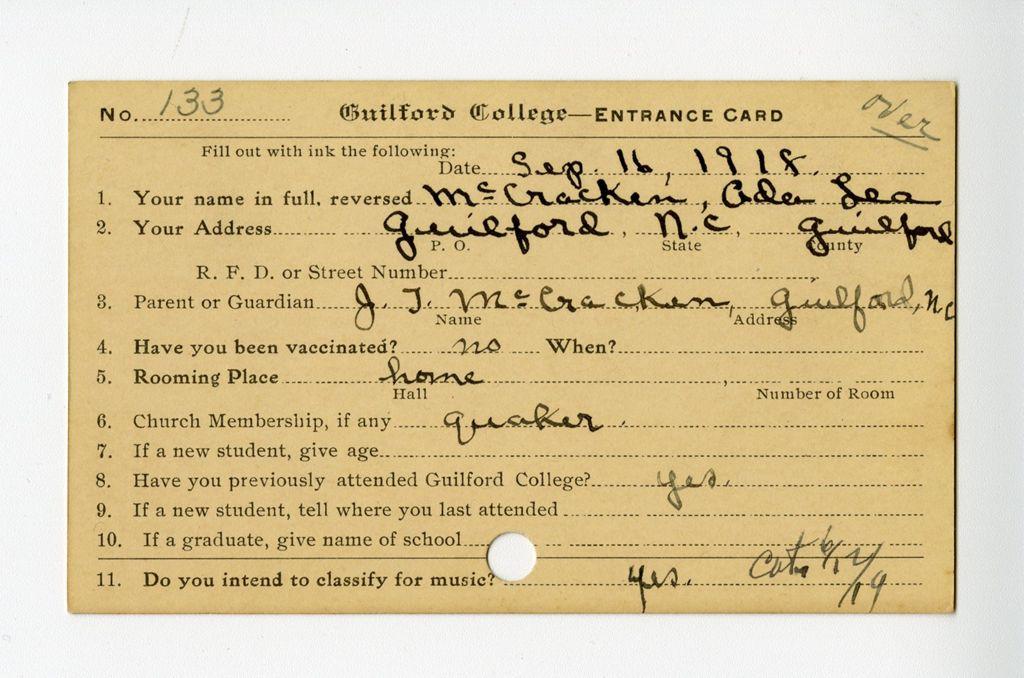
With no dedicated tech staff or asset management system, Gwen turned to JSTOR Digital Stewardship Services to support everything from internal inventory to public discovery. What started as a pilot nearly a decade ago is now essential infrastructure at Guilford—a flexible, cloud-hosted platform that supports Gwen’s multitasking work and the college’s mission to safeguard and share its history.
Gwen said, “[JSTOR Digital Stewardship Services] was a robust kind of database tool… I know if I’m putting something in it, I have the potential to push it out for campus use. I think if I didn’t have it, I don’t know if I’d be in my job. I think I could have gotten so demoralized to not be able to get my sources out.”
One platform for everything—and everyone
Gwen uses JSTOR Digital Stewardship Services to manage more than two dozen active projects across multiple content types. The Stewardship platform supports a wide variety of file formats and allows users to structure digital collections flexibly, even when content types vary across a single collection.
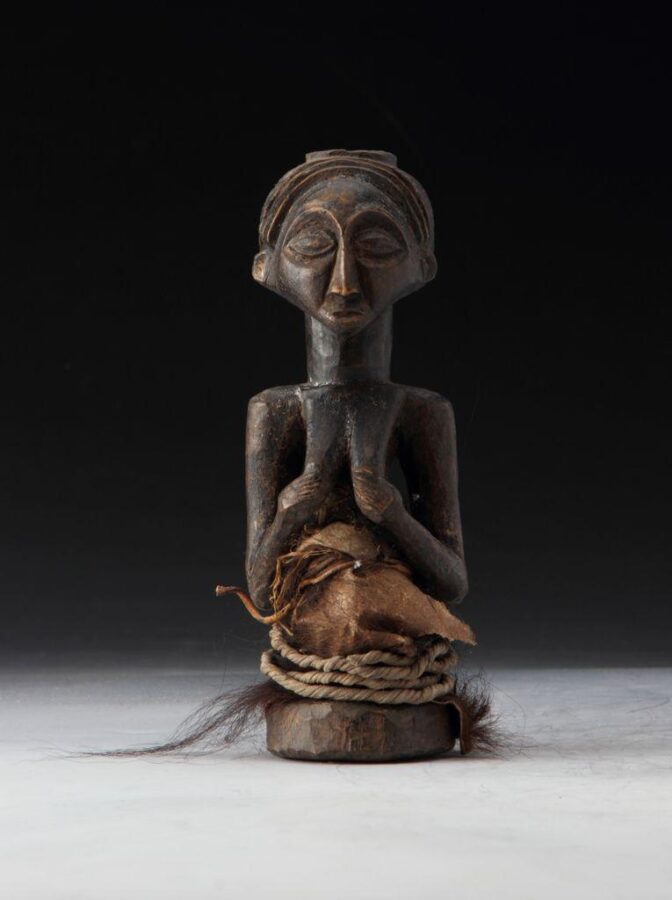
Gwen’s ability to adapt metadata structures, organize digital assets, and publish them with ease has enabled collections of Southern Quaker materials, campus photography, and decades of lecture series materials.
When the college’s communications team lost their internal image system, JSTOR became the go-to solution. “When students are doing presentations, it’s really funny—[my colleague] will smile and say, ‘I can see they found that. I didn’t have to process that request or email them the image. They just found it.’”

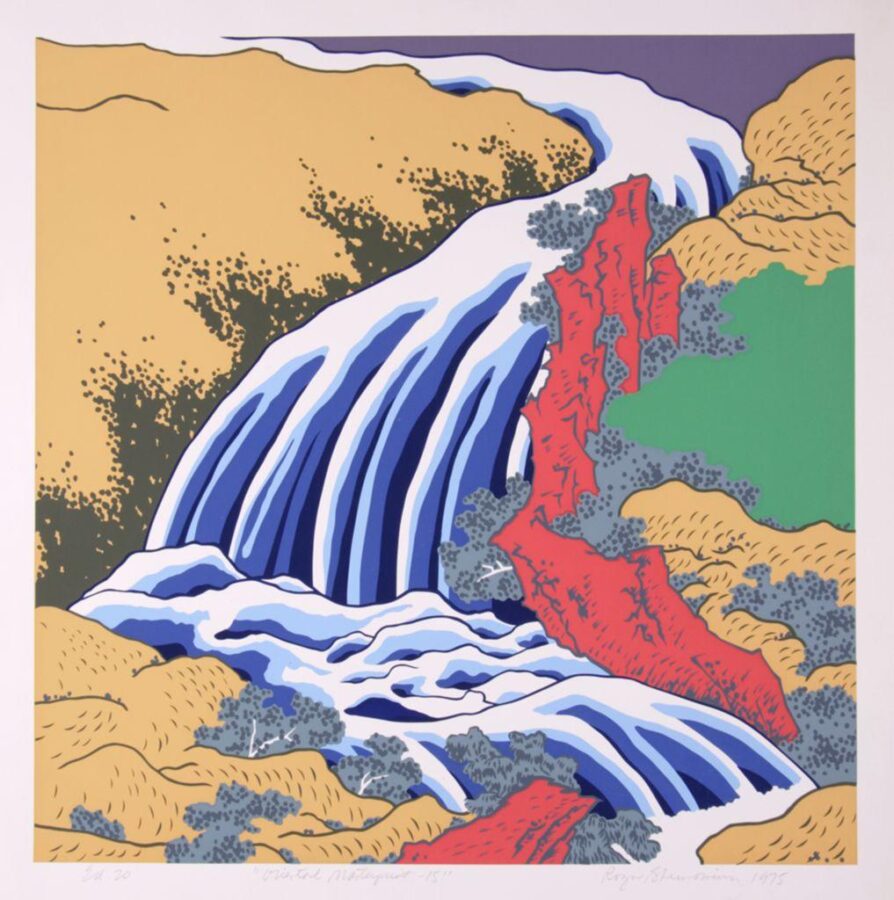
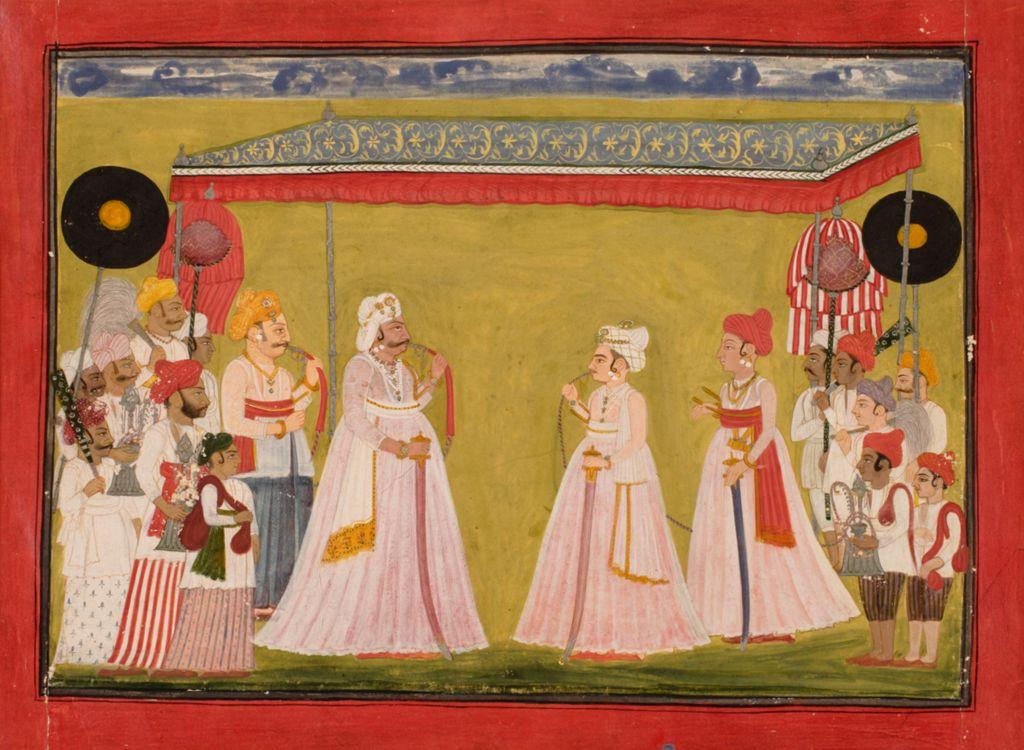
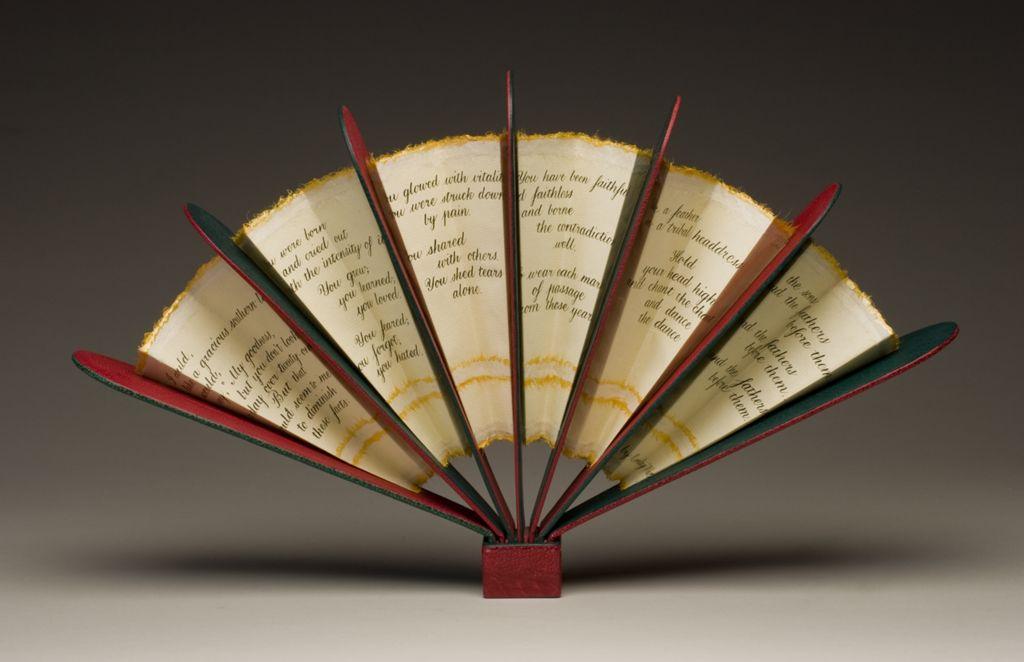
Digital Stewardship Services also supports flexible internal access. One of Guilford’s board members is also an art historian. She was interested in exploring Guilford’s permanent art collection more fully. To fulfill this request, Gwen extended view-only backend access using the platform’s flexible permissions. “That ability for me to customize how people can access and what they can do [with] it really has opened it up.”
Students as digital stewards
Because the platform is intuitive and accessible, Gwen is confident in bringing students into every stage of the archiving process, from uploading to metadata cleanup. She calls it “pretty easy to break up into a project they can run with.”
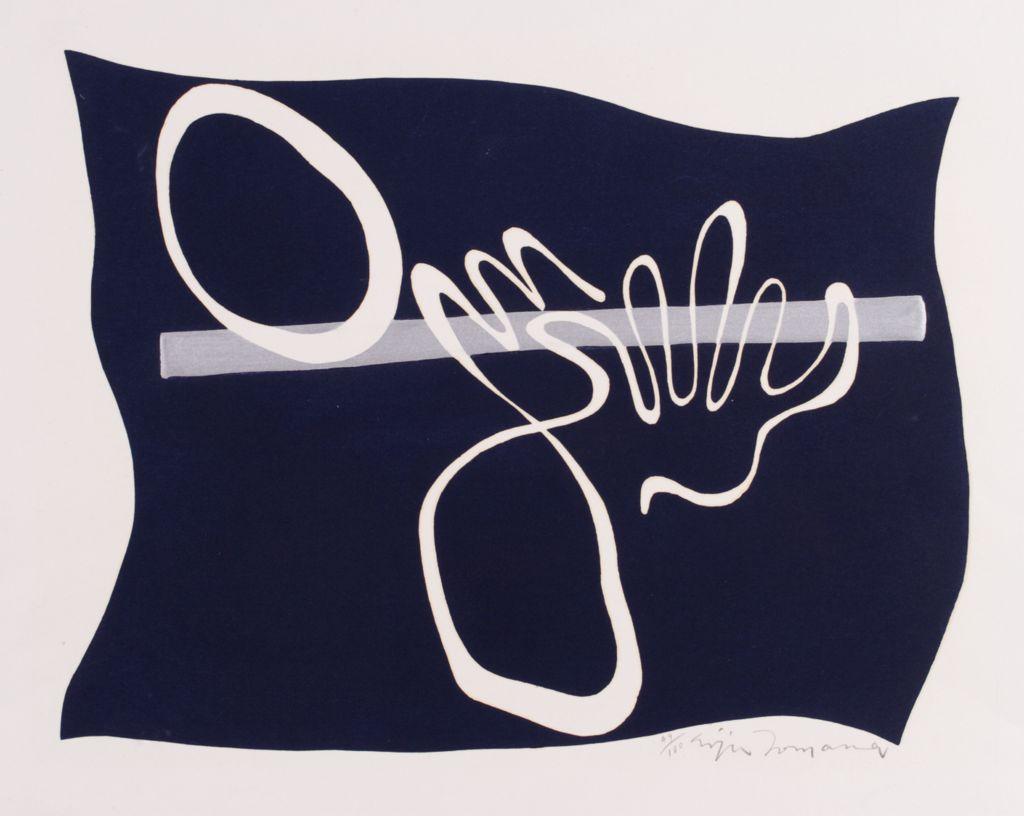
One of the most salient examples came from a student intern, Farrah, who proposed building a visual thesis collection for senior art majors. “Farrah thought it would be so cool if our thesis works could be in a similar project to this—and she’s done it. I just rolled it into the internship. We did a soft launch so she could present it at our undergraduate symposium. I’m planning to push it out as a public collection, and so it has their works, and then they’re organized as each cohort in their own subcollection.”
Another student created a digital archive of the Bryan Lecture Series (1996–2025), featuring high-profile speakers like Joe Biden, Ron Howard, Ashley Judd, and Toni Morrison. Gwen laid the foundation, but the student ran the project. “It has a quick win potential because I have to invest some time in doing the basic setup, but the student—she got really excited over controlled vocabulary and metadata. And now she’s running with it.”
The project is expected to be publicized in the summer of 2025. Overall, these are demonstrations of real-world learning with Digital Stewardship Services. As they become more familiar with metadata tagging and controlled vocabularies, students gain valuable skills that can carry throughout careers in archiving and museum studies, as well as life in general.
Pride and visibility for student scholars
Student participation in the college’s digital collections, beyond serving as an academic exercise, is a meaningful opportunity to share their work with the world. Gwen regularly receives enthusiastic responses from students when she confirms their theses have been processed and published. “Our students like the pride they feel when I tell them, ‘You are now discoverable in JSTOR.’ That’s incentive for them to get their thesis submitted on time. I send them the citation with the stable URL and say, ‘You can put this on your CV.’”

Our students like the pride they feel when I tell them, ‘You are now discoverable in JSTOR.’ That’s incentive for them to get their thesis submitted on time. I send them the citation with the stable URL and say, ‘You can put this on your CV.’
The platform offers students tangible evidence of their research in situ and a professional way to present their scholarship to future employers, graduate programs, or collaborators.
A trusted nonprofit partner
As Gwen evaluated digital collection management tools, she sought a solution aligned with her limited staffing and budget while also reflecting Guilford’s values. “There are companies that have really good sales and really good marketing— but if you’re a small staff, [with a] small budget, you don’t have the money to be paying for a bunch of features that aren’t part of the basic offering. And if you’re a small staff, you don’t have time to do a whole lot of that customization.”


That’s why Guilford chose JSTOR Digital Stewardship Services. “JSTOR was a partner I could trust, that was not beholden to paying stockholders or making a profit off of me, but actually partnering with me.”
JSTOR was a partner I could trust, that was not beholden to paying stockholders or making a profit off of me, but actually partnering with me.
With exportable metadata, Open Archives Initiative Protocol for Metadata Harvesting (OAI-PMH) support, and interoperability with platforms like Digital Public Library of America (DPLA) and Omeka, the service provides flexibility for present-day work and future collaborations. “Because I can export the data… I’m not cutting off potential for partnerships with others. In fact, I’m in a better position to collaborate because I have a better ability of knowing what I have, but also being able to show them what I have in a manageable form.”
Built to scale
Gwen currently manages more than 25 digital projects using JSTOR Digital Stewardship Services. She estimates there are 50 more that would benefit from the same infrastructure, but time and staffing remain a limiting factor.
At Guilford, digital stewardship is built project by project, often in collaboration with students and always with care. JSTOR Digital Stewardship Services help ensure that those efforts have a lasting home. Designed in close partnership with librarians and archivists, they bring together tools for asset management, AI-supported metadata creation, sustainable preservation, and expanded discovery pathways, including publication to JSTOR.

Maximize the impact of your digital collections
Join 300+ institutions partnering with JSTOR to process, manage, preserve, and share their collections with the world.