This is JSTOR’s third year of publishing essays, poetry, and artwork from people impacted by incarceration. These stories are as diverse as America itself, yet the humanity explored by these writers remind us of the dreams, aspirations, and connectedness we all share.
JSTOR’s engagement with Second Chance Month is different from most organizations. Here, submissions are not altered or edited to conform to traditional publishing standards like APA or Chicago style. These stories remain raw and honest, exactly as they were when the writers bravely sealed their envelopes and released their truths into the world. Readers are invited to suspend judgment over grammar and typographical “errors” and instead immerse themselves in the reality of incarceration’s impact on people and communities.
As you read, consider the writer hurriedly typing on a tablet within the mere 15 minutes allotted for transcribing their words written on paper into an email. Imagine the individual who drafts and edits their story in their mind, waiting for the moment when paper becomes available to capture their words. Many of these authors live in states where their labor is uncompensated, where acquiring an envelope and stamp requires bartering. Under these circumstances, debating the placement of a comma feels trivial. What matters is honoring the risk these writers take in sharing their stories with people on the outside.
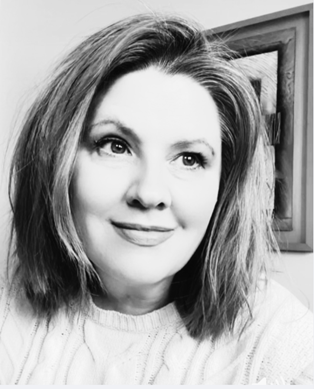
Another distinction? All submissions are reviewed by people directly impacted by incarceration, and final publishing decisions are made through the lens of Elizabeth Shatswell, the Correctional Education Manager at JSTOR Access in Prison. Her role is not to reshape these narratives to fit a predefined framework but to serve as a conduit for unfiltered voices. Through her curation, JSTOR provides a rare and honest window into the experiences of incarcerated individuals, ensuring that these writers are heard on their own terms.
As we commemorate Second Chance Month, we invite you to engage with these stories as they are—unfiltered, unvarnished, and deeply human. Because just like the people who wrote them, these essays and lived experiences are fine just the way they are.
About the artist
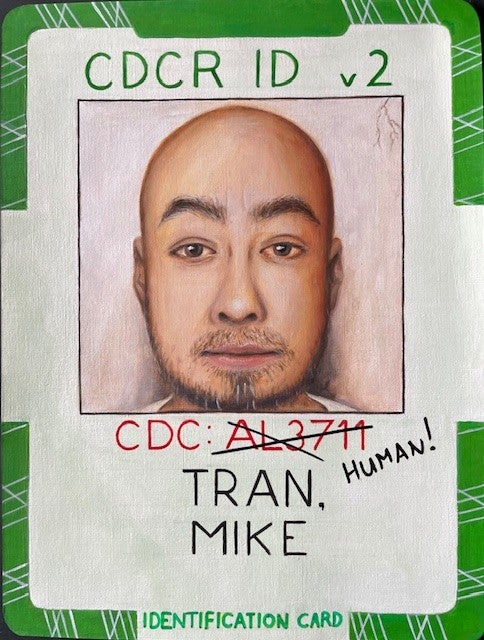
Cuong Mike Tran is a self-taught artist dedicated to enhancing both his artistic skills and his life through education. He channels his creativity and quest for knowledge to rise above the constraints of his imposed identity. With every piece he creates, Mike reclaims and reaffirms his humanity.
The opinions and views expressed in these recordings, art, and posts are those of the authors and do not represent, reflect, or imply endorsement by ITHAKA.