
JSTOR Blog
-
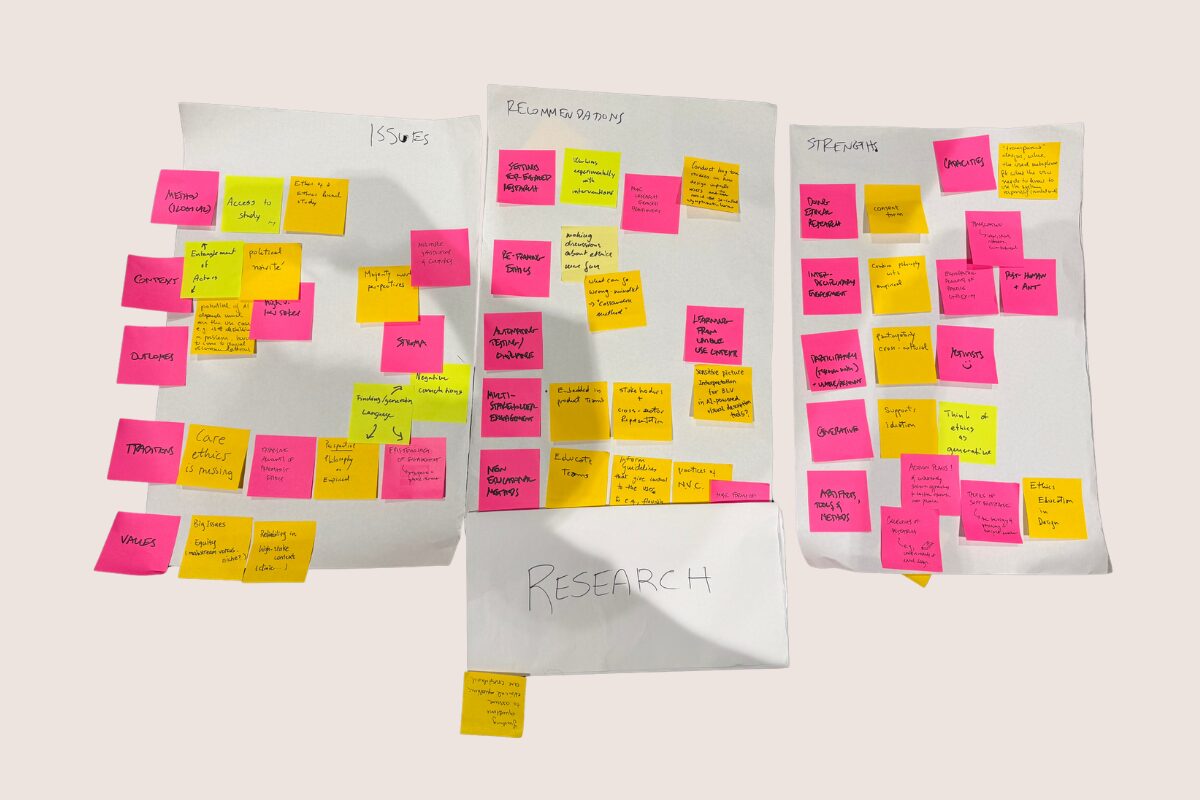
At CHI 2026, researchers and practitioners explored what it means to design AI interfaces responsibly, from supporting scholarly judgment to creating more transparent and human-centered research tools.
-
JSTOR helps teaching librarians, faculty, students, and new researchers move from early search to stronger synthesis by bringing together scholarly content, primary sources, images, collections, Workspace, citation tools, and AI-enabled features in one research and teaching platform.
-
As generative AI reshapes how people discover and use scholarly content, traditional usage metrics no longer tell the full story. This post explores what “invisible use” means for libraries, how COUNTER and the wider community are responding, and how JSTOR is adapting to ensure library value remains visible in an AI-mediated research environment.
-
This year’s American Library Association (ALA) Conference in Philadelphia offered an opportunity to share how JSTOR is addressing two interconnected needs: helping researchers navigate trusted content more intuitively, and helping libraries manage, preserve, and activate distinctive collections at scale.
-
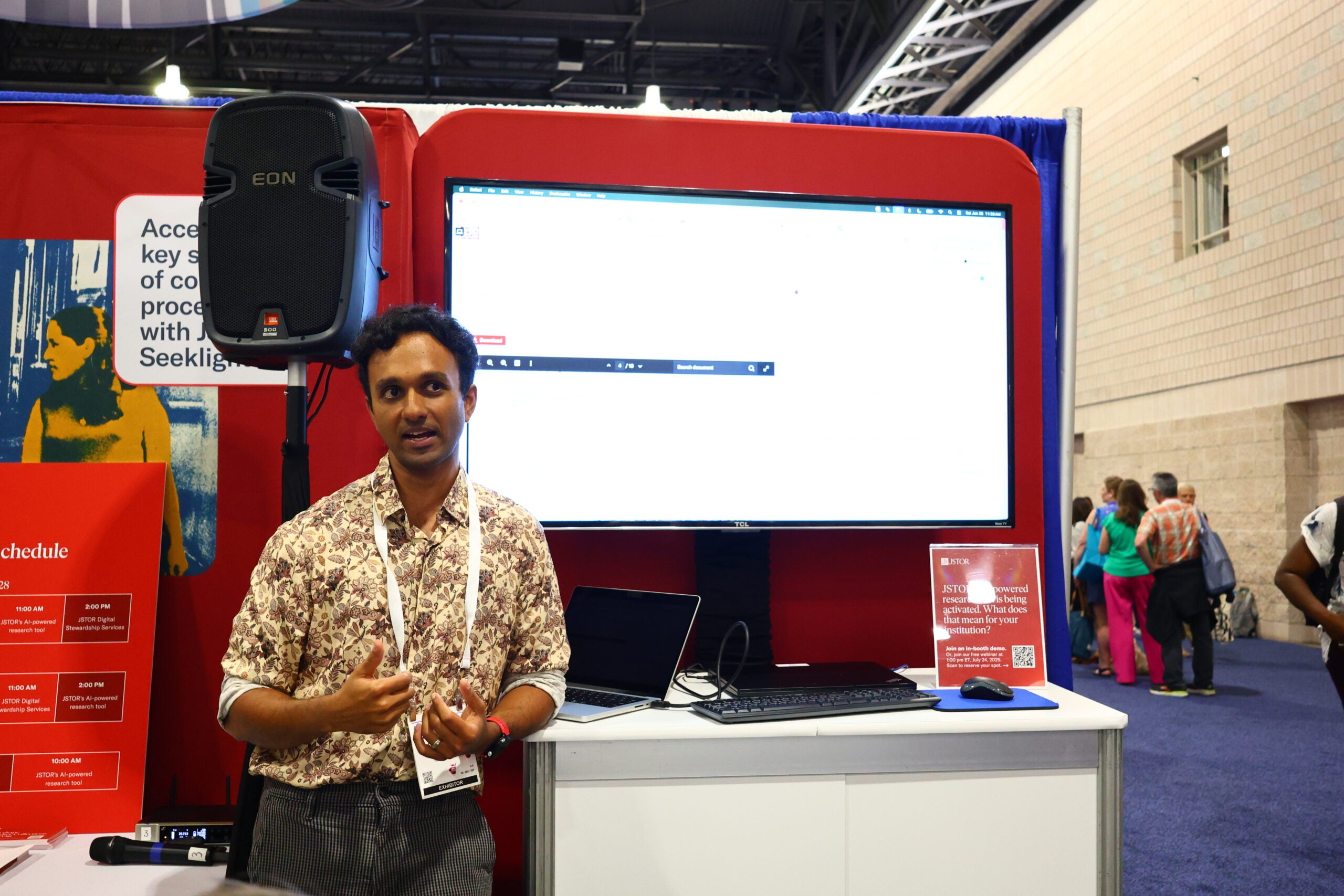
JSTOR’s AI research tool (formerly known as the Interactive Research Tool) has officially launched for all JSTOR-participating institutions. In this blog post, explore the tool’s development history, recent updates, and community insights JSTOR team learned from this year’s American Library Association conference.
-
How do we hope to meet the challenges of the future? This blog post details some of the inroads we’re making in charting the path ahead, including through digital collection stewardship, faculty engagement, open scholarship initiatives, and editorial excellence.
-
Explore how Dr. Alexa Alice Joubin builds trust in AI-powered educational tools through open-access models, humanities-based insights, and participatory design—fostering ethical, critical engagement between students and AI in the classroom.
-
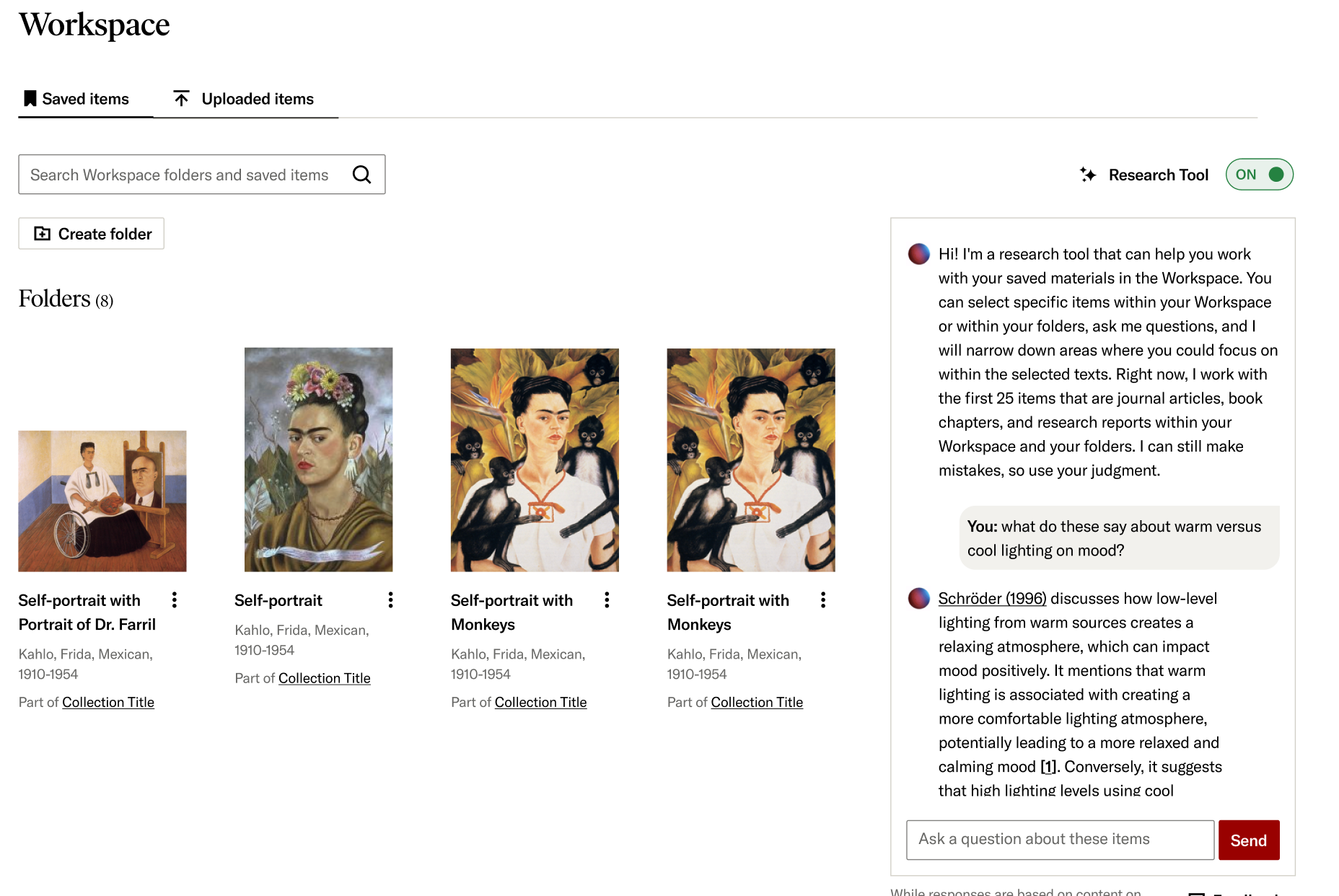
JSTOR’s interactive research tool allows users to actively engage with texts by asking questions directly within the tool. Based on user feedback, we created this guide to help you get the most out of this feature. We’ll explore how asking the right types of questions can help you quickly find relevant content, understand complex arguments,…
-
Streamline research, gain metadata insights, and boost student success with JSTOR’s interactive research tool. We’ve designed its new features and enhancements to elevate your research experience.
-
How can artificial intelligence enhance humanities research and teaching while preserving the discipline’s rich traditions and interpretive depth? This question guided a dynamic session at the 2025 Modern Language Association (MLA) Conference—a gathering of thousands of educators, students, and scholars passionate about language, literature, and culture.
-
At the Charleston Conference 2024, JSTOR presented its vision for managing and preserving digital collections into the future. “Not Just Another AI Session” highlighted how cutting-edge tools—including JSTOR’s digital collection processing prototype and interactive research tool (beta)—can transform access to archival materials while staying true to JSTOR’s nonprofit mission.
-
At JSTOR, our mission is to improve access to knowledge and education for people around the world. We’re excited to share several new initiatives leveraging cutting-edge technology to make scholarly materials more accessible, interactive, and engaging for our users. Here’s a detailed look at the latest advancements we recently shared at ALA 2024 in San…
-
We are actively learning from usage, real-world applications, and user feedback in a limited beta environment to build out capabilities thoughtfully, intentionally, incrementally, and most importantly–based on evidence. This blog post delves into the rationale, construction, and current functionality of JSTOR’s beta generative AI tool, as well as the key themes and insights that have…
-
Discover how Sarah Kiyak, a teacher at Alexandria High School in Virginia, leveraged JSTOR’s generative AI tool to enhance student engagement, foster research skills, and streamline workflows in her classroom.
-
Discover how researchers and students explore the usage of ChatGPT in generative AI. Learn how this collaboration led to JSTOR’s AI tool development and improved search features tailored for students’ needs, reflecting ITHAKA’s community-driven ethos and commitment to expanding knowledge access.
-
Explore the impact of ChatGPT on the JSTOR academic community and discover JSTOR’s research tool in this blog post. Learn about our approach to machine learning and advanced technologies in academia.
-
ITHAKA is partnering with our community to harness AI and advanced technologies responsibly, grounded in scholarly values, research, and a JSTOR beta that empowers learners.











Sign up for updates
Never miss a thing. Get updates from JSTOR delivered straight to your inbox.
By signing up you agree to our Privacy Policy. You may unsubscribe at any time by clicking on the provided link on any marketing message.
"*" indicates required fields