
Our history
In 1994, the Internet was in its early days, and William G. Bowen—then president of the Mellon Foundation—conceived of JSTOR to solve a growing problem: university and college libraries were running out of space for expanding scholarly collections.
His idea was transformative: convert printed journals into digital form and store them in a shared online archive. This innovation helped reduce storage costs, free up physical space, and vastly improve access to research.
JSTOR was founded in 1995, and decades later, JSTOR is a thriving nonprofit working with more than 14,000 libraries, museums, and publishers worldwide. Through our products and services, JSTOR has transformed access to scholarly materials—including journals, books, images and other primary sources—to reach more than 100 million users each year.
Sign up for updates
Never miss a thing. Get updates from JSTOR delivered straight to your inbox.
By signing up you agree to our Privacy Policy. You may unsubscribe at any time by clicking on the provided link on any marketing message.
"*" indicates required fields
What will the next 30 years bring?
Explore more about JSTOR’s evolution and impact.
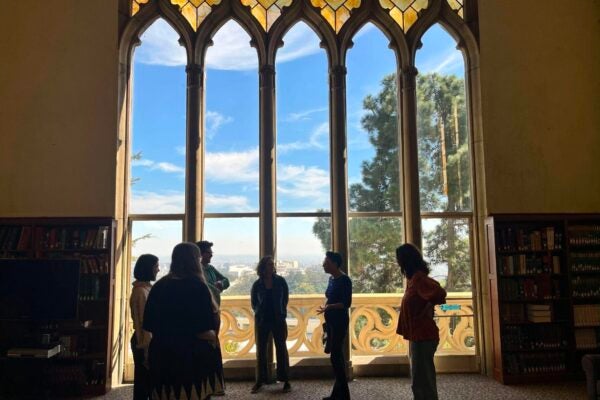
Building capacity together: Exploring collaborative strategies for digital collections stewardship
Digital collections stewardship depends on more than technology. Lee Dotson examines how SCELC, its member institutions, and JSTOR Stewardship are sharing expertise, support, and infrastructure to make distinctive collections more discoverable, accessible, and sustainable.

Yeshiva University moves to JSTOR Digital Stewardship Services for digital asset management, preservation, and access
Yeshiva University is migrating its digital collections from Islandora to JSTOR’s unified platform for digital asset management, preservation, and discovery.
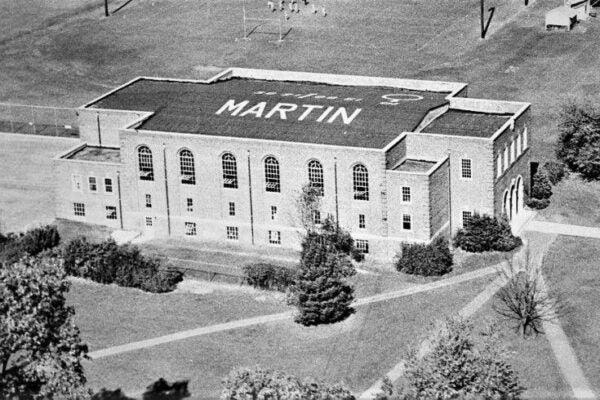
University of Tennessee at Martin moves to JSTOR Digital Stewardship Services, joins charter program
The University of Tennessee at Martin is adopting JSTOR Stewardship to strengthen preservation, discovery, and AI-assisted collections processing while joining a collaborative charter community. 27 words
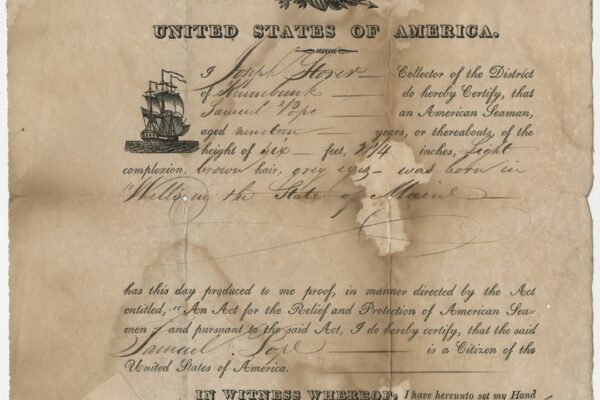
Coastal Carolina University joins JSTOR Digital Stewardship Services charter community
CCU joins JSTOR Stewardship’s charter program to build durable digital collections infrastructure, expand access, and explore AI-assisted processing with JSTOR Seeklight.

Boston Architectural College joins Tier 3 charter program of JSTOR Digital Stewardship Services
Boston Architectural College joins JSTOR Stewardship’s Tier 3 charter program, adding JSTOR Seeklight and helping shape responsible, AI-assisted approaches to stewardship.
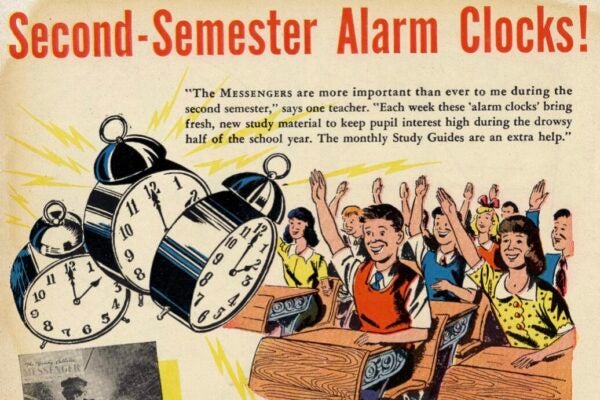
Real research impact: What we’re learning about distinctive collections shared on JSTOR
New research reveals how distinctive collections shared on JSTOR are being discovered and used across research, teaching, and learning.
JSTOR Digital Stewardship Services training: Project administration
Training for Stewardship participants (Tiers 2-3): create/edit projects, map publishing targets, manage users, access preservation, and create new projects from existing content. One of three sessions in a monthly Stewardship training series.

“Go read the article, then we’ll talk”
From a Colorado prison, Janos Toevs used JSTOR to connect with scholar Shawn Bushway, turning years of independent research into an ongoing collaboration.
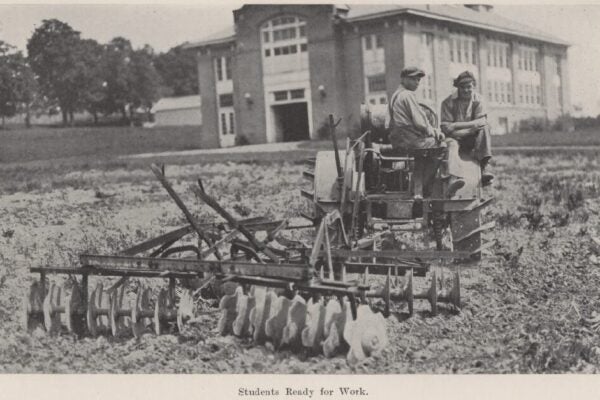
SUNY Morrisville joins JSTOR Digital Stewardship Services charter program
SUNY Morrisville joins the JSTOR Stewardship charter program to expand access to distinctive collections, advance digitization, and explore AI-assisted collections processing with JSTOR Seeklight.