
Accelerate learning across the humanities, arts, and social sciences
JSTOR is an interactive platform that leverages advanced technology to support research and learning through a vast collection of primary and secondary sources across 70+ disciplines.

111M+
JSTOR users per year
14,000
Participating institutions
190+
Countries
01
Sustainable options for content and engagement, built to inform and inspire
JSTOR platform content includes:
- A comprehensive collection of more than 12+ million academic journal articles, and millions of primary source materials
- DRM-free, perpetual access to all 158,000+ of our ebooks from 340+ academic publishers, including open access books
- Artstor, a collection of of 2M+ images and multimedia from around the world
- Unparalleled visibility and impact for your shared collections
02
Technology and tools to enhance learning and research
- Advanced search and discovery to easily locate content without complex training
- JSTOR Workspace: collaborate by saving, organizing, and sharing articles, books, images, and primary sources in one place
- AI-enabled features that help explore the credible sources on JSTOR more deeply, and in ways that reflect evolving research and discovery practices
- Text analysis support to access the metadata and full-texts available across JSTOR
- Collaborative annotation with Hypothesis, a third-party tool that integrates with JSTOR to enhance student engagement
03
Open and free content designed to improve student outcomes
- Free, full-text access to scholarly journals in the humanities, arts and social sciences
- A curated set of 34,000+ research reports from 140+ policy institutes
- Books at JSTOR, which features 13,000+ rapidly growing open access titles, with 1,000 more on their way through our Path to Open program
- Images and media from nearly 1M open access, public, and institutional collections worldwide
- Open primary source collections from underrepresented voices, developed by Reveal Digital and crowdfunded by libraries
04
Explore everything JSTOR
has to offer
Librarians
Get peer-reviewed scholarly journals, primary sources, books, and images, or explore services for maximizing the impact of your digital collections.
Educators
Get practical teaching tools, curated resources, and access to a global community working to make an impact. Streamline preparations, enhance curricula, and elevate student engagement.
Students
Dive deeper into your coursework, sharpen your research skills, and explore reliable sources you can trust. JSTOR gives you seamless access to scholarly articles, books, images, and tools that help you study smarter—not harder.
Publishers
Expand the reach and impact of your content by making it accessible to a global community of researchers, educators, and students on a trusted, sustainable digital platform.
The JSTOR platform in action
How JSTOR supports smarter research workflows
JSTOR helps teaching librarians, faculty, students, and new researchers move from early search to stronger synthesis by bringing together scholarly content, primary sources, images, collections, Workspace, citation tools, and AI-enabled features in one research and teaching platform.
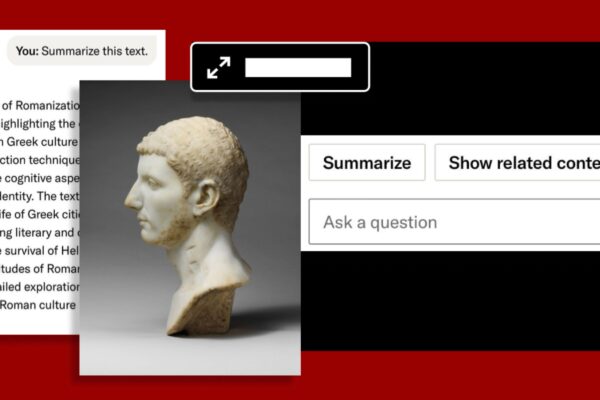
Your time constraints are our concern: How JSTOR’s AI research tool maximizes efficiency
Educators Bess Wilhelms and Steve Hermann use JSTOR’s AI research tool to save time, plan lessons, and boost student engagement through accurate, trusted insights.
Bridging access with JSTOR’s AI research tool
For Yuimi Hlasten—both a librarian and international student—JSTOR’s AI research tool became a bridge to understanding. By helping her organize and synthesize sources efficiently, it allowed her to balance work and study while empowering students to find their academic voice.

Make the most of your JSTOR experience with Workspace
When art historian and instructor Sienna Weldon discovered JSTOR’s Workspace, her research process transformed. What began as a simple bookmarking tool became a powerful, intuitive way to organize, annotate, and revisit materials—all in one place. Now, Sienna uses Workspace not only to streamline her own projects but also to empower students to approach research with confidence and curiosity.
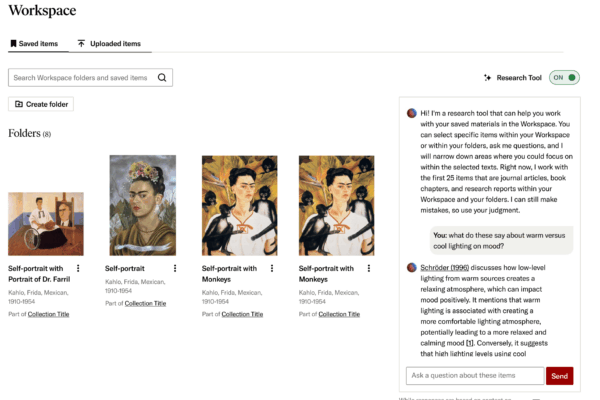
Advancing discovery, access, and stewardship together: An ALA 2025 reflection
This year’s American Library Association (ALA) Conference in Philadelphia offered an opportunity to share how JSTOR is addressing two interconnected needs: helping researchers navigate trusted content more intuitively, and helping libraries manage, preserve, and activate distinctive collections at scale.
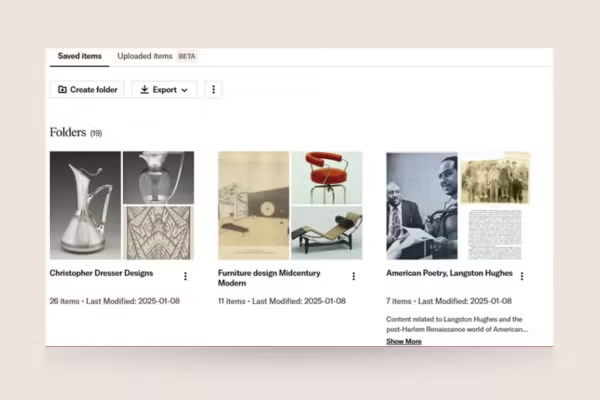
Research, cite, teach: One tool for every role
PhD candidate and art historian Connie Robles shares how JSTOR’s Workspace became her essential hub for organizing research, citations, and teaching materials. By integrating articles and images in one flexible, intuitive space, Workspace helps researchers and educators stay organized, save time, and inspire students to develop strong digital research skills.
Enhancing research accessibility for students
Discover how secondary school teacher Madeleine Champagnie integrates JSTOR’s research tool into her English classroom to make scholarly research more accessible, inclusive, and efficient.
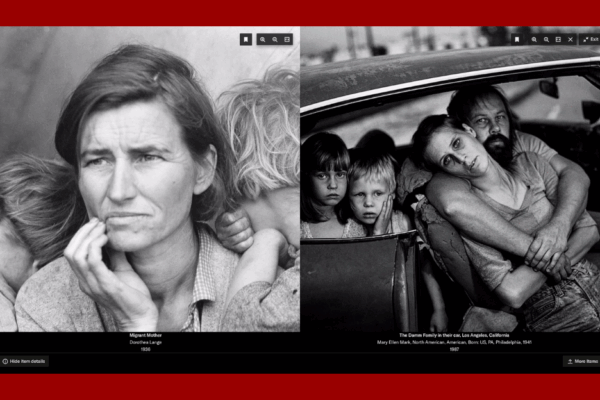
Unlocking research with JSTOR’s interactive tool: How to ask questions and get more from your readings
JSTOR’s interactive research tool allows users to actively engage with texts by asking questions directly within the tool. Based on user feedback, we created this guide to help you get the most out of this feature. We’ll explore how asking the right types of questions can help you quickly find relevant content, understand complex arguments, and support your research more effectively.

JSTOR’s interactive research tool just got an upgrade
Streamline research, gain metadata insights, and boost student success with JSTOR’s interactive research tool. We’ve designed its new features and enhancements to elevate your research experience.
Get JSTOR for your institution
JSTOR provides trusted, interdisciplinary content and research technologies designed to support research, teaching, and discovery across your institution. Complete the form to discuss options tailored to your needs.
Get JSTOR for your institution
Start your JSTOR journey
Ready to enhance research and teaching at your institution? Connect with us to explore JSTOR’s collections, tools, and flexible access options.
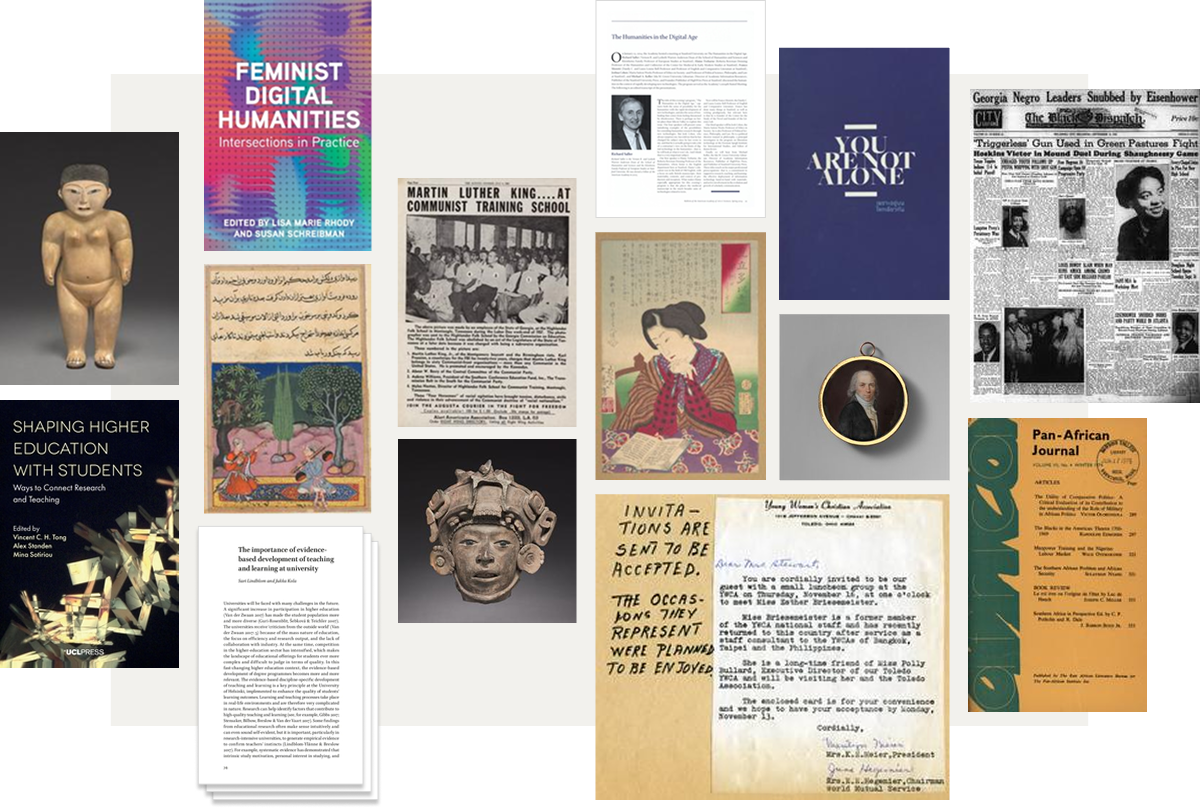
View image credits from this page
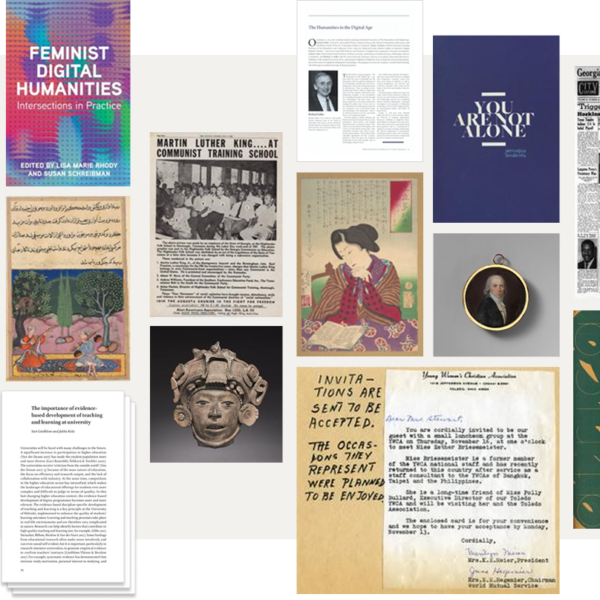
Peruvian. Female Figure. 100 BC-700. Part of Open: The Cleveland Museum of Art, Artstor. https://www.jstor.org/stable/community.24621028.
Vincent C. H. Tong, Alex Standen, and Mina Sotiriou, eds. Shaping Higher Education with Students. Published March 6, 2018. https://doi.org/10.2307/j.ctt21c4tcm.
Lisa Marie Rhody and Susan Schreibman, eds. Feminist Digital Humanities: Intersections in Practice. University of Illinois Press, 2025.
The Invention of Musical Instruments from the Intestines of a Monkey, from a Tuti-Nama (Tales of a Parrot): Fourteenth Night. Tuti-Nama (Tales of a Parrot). c. 1560. Part of Open: The Cleveland Museum of Art, Artstor. https://www.jstor.org/stable/community.24605543.
Sari Lindblom and Jukka Kola. “The Importance of Evidence–Based Development of Teaching and Learning at University.” In Places of Engagement: Reflections on Higher Education in 2040 – A Global Approach, edited by Armand Heijnen and Rob van der Vaart, 76–81. Amsterdam University Press, 2018. https://doi.org/10.2307/j.ctvfjd0xs.14.
Alert Americans Association Broadside “Martin Luther King…At Communist Training School”, 1963 July 8, Item 01. Documents. Alert Americans Association Broadside “Martin Luther King…At Communist Training School”, 1963 July 8, 1963. Part of Alert Americans Association broadside “Martin Luther King…At Communist Training School” (Atlanta History Center), “Series: African American,” Behind the Scenes of the Civil Rights Movements, Reveal Digital. https://jstor.org/stable/community.35562234.
Mexican. Head. c. 600–900. Part of Open: The Cleveland Museum of Art, Artstor. https://www.jstor.org/stable/community.24588724.
Richard Saller, Elaine Treharne, Franco Moretti, Joshua Cohen, and Michael A. Keller. “The Humanities in the Digital Age.” Bulletin of the American Academy of Arts and Sciences 67, no. 3 (2014): 25–35. https://www.jstor.org/stable/26406523.
Tsukioka Yoshitoshi. Collection of Desires, Wish for Foreign Travel (Mitate Tai Zukushi-Yōkō Ga Shitai). January, 1878. Part of Open: The Metropolitan Museum of Art, Artstor. https://www.jstor.org/stable/community.18692978.
Hilde Teerlinck, Irena Aristizabal, and Pichaya Suphavanij. “You Are Not Alone,” Exhibition Catalogue, Bangkok Arts and Cultural Centre. Catalogs. Bangkok, Thailand: Bangkok Arts and Culture Centre, 2012. https://www.jstor.org/stable/community.37908549.
Jeanne Philiberte Ledoux. Portrait of a Man. ca. 1790. Part of Open: The Metropolitan Museum of Art, Artstor. https://www.jstor.org/stable/community.18629792.
“Pan-African Journal.” Pan-African Journal 9, no. 3 (January 1, 1976). https://jstor.org/stable/community.39990673.
“The Black Dispatch.” Black Dispatch, The 38, no. 4 (February 9, 1952). https://jstor.org/stable/community.38788036.
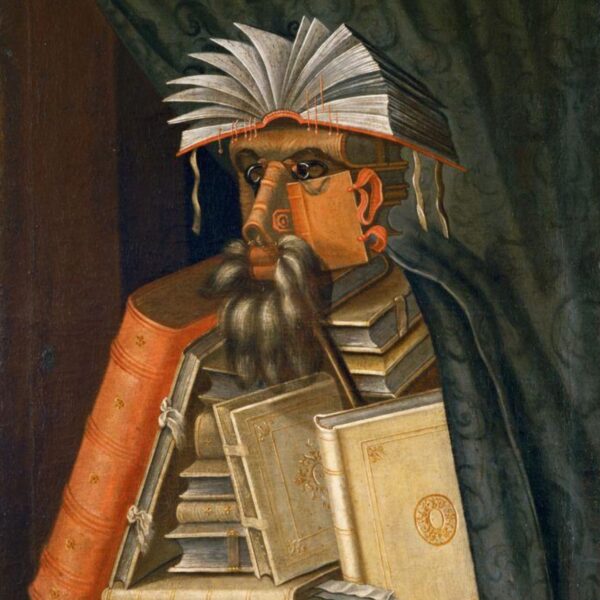
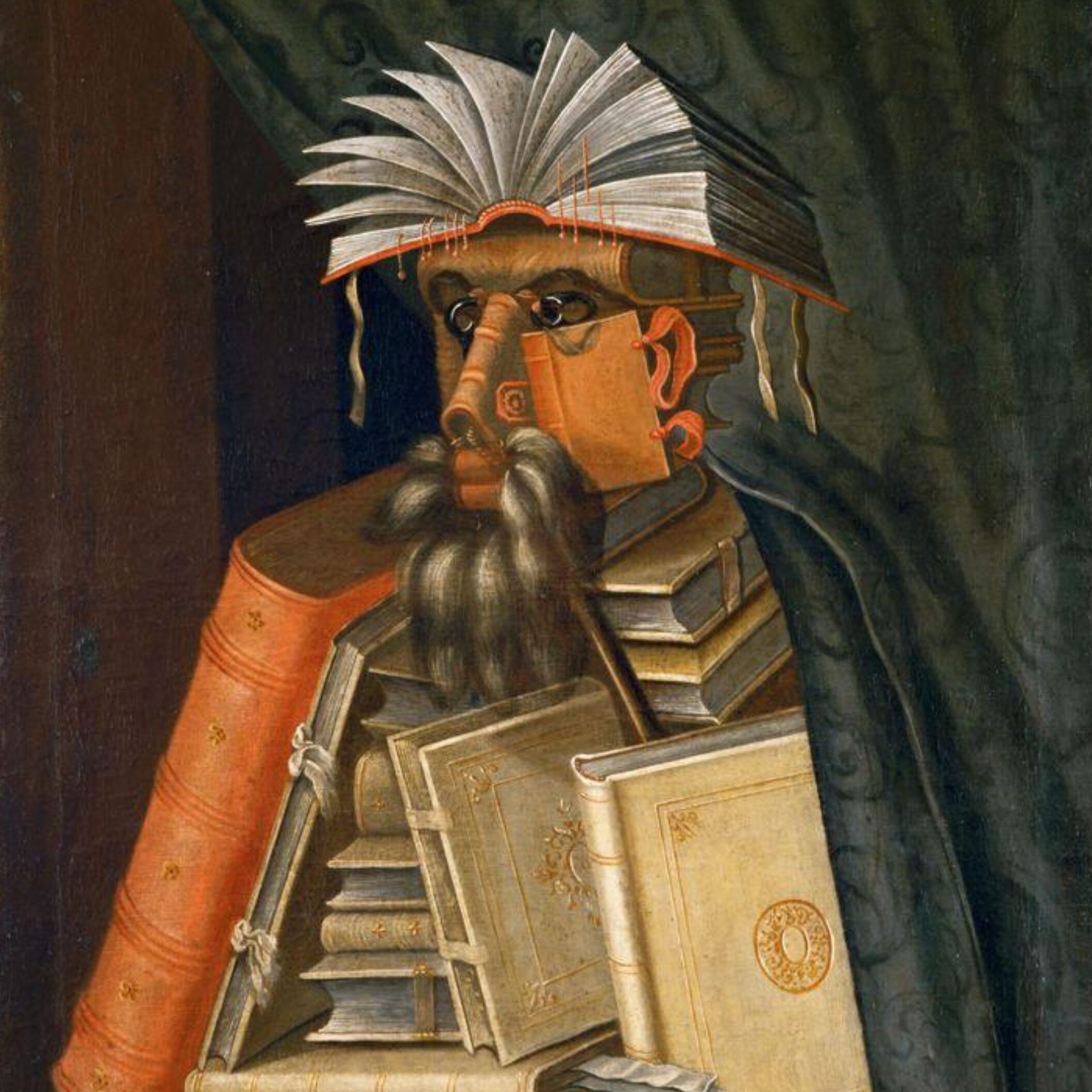
Giuseppe Arcimboldi. The Librarian. ca. 1566. Part of Minneapolis College of Art and Design Collection, Artstor.
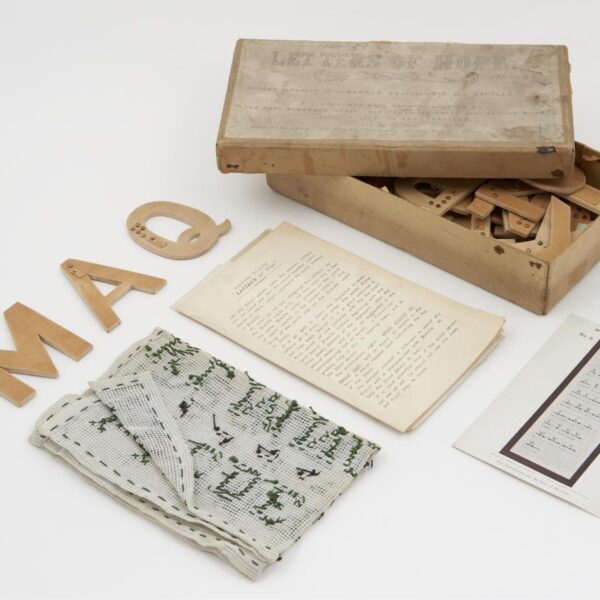
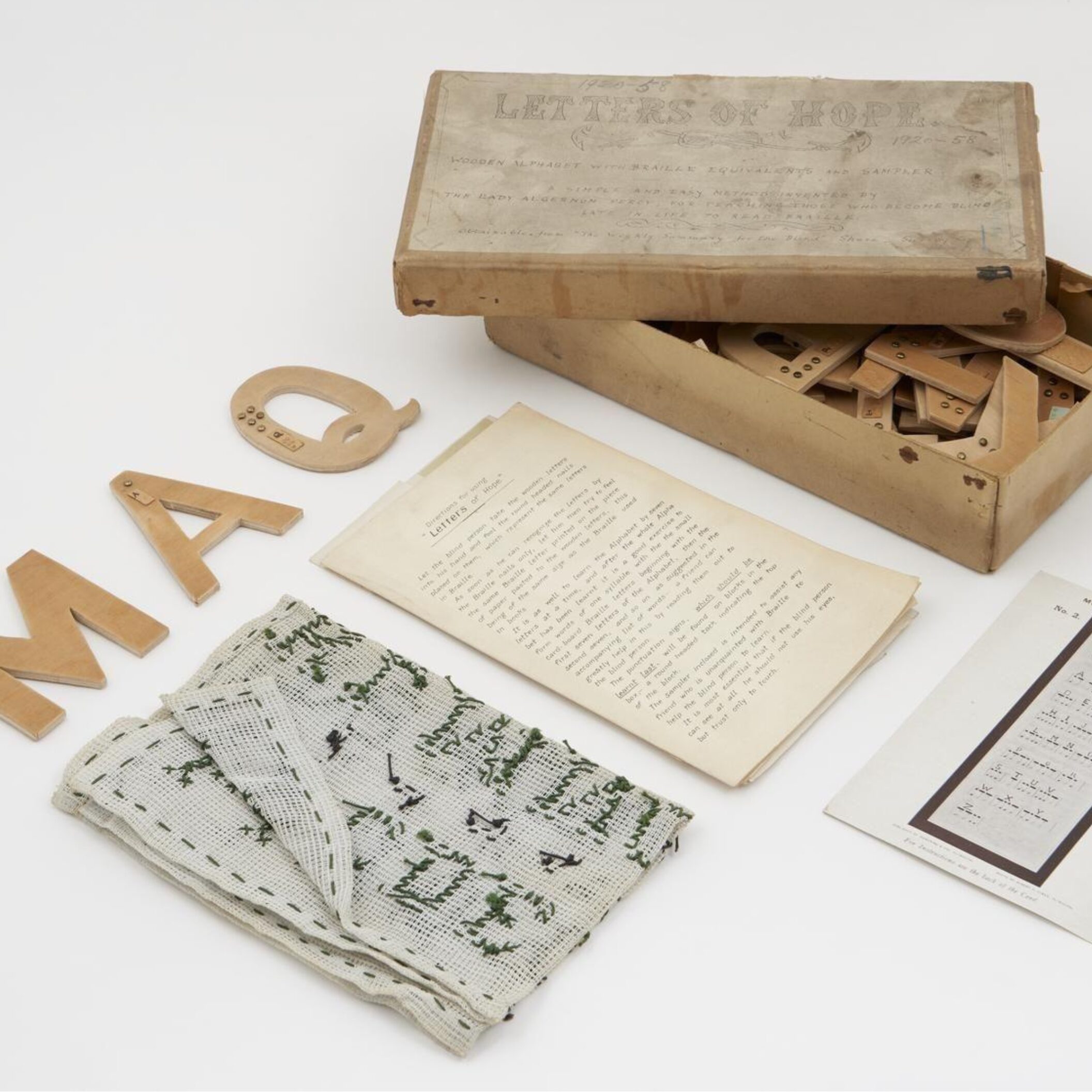
Alphabets for Instruction in Braille and Morse Code. n.d. Part of Open: Science Museum Group, Artstor.
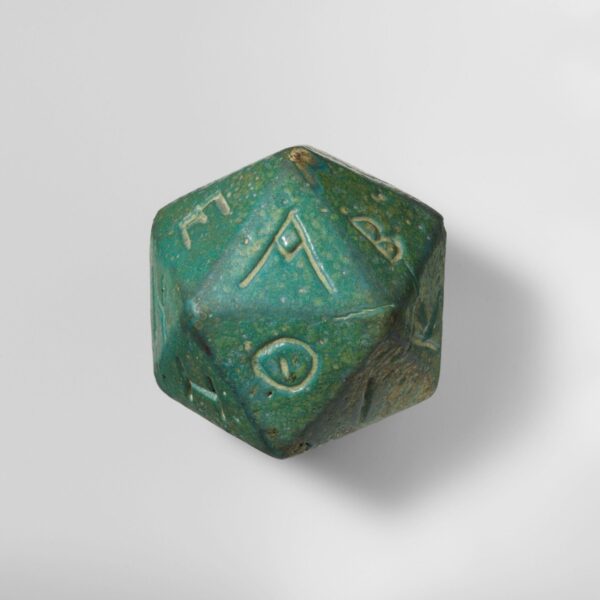
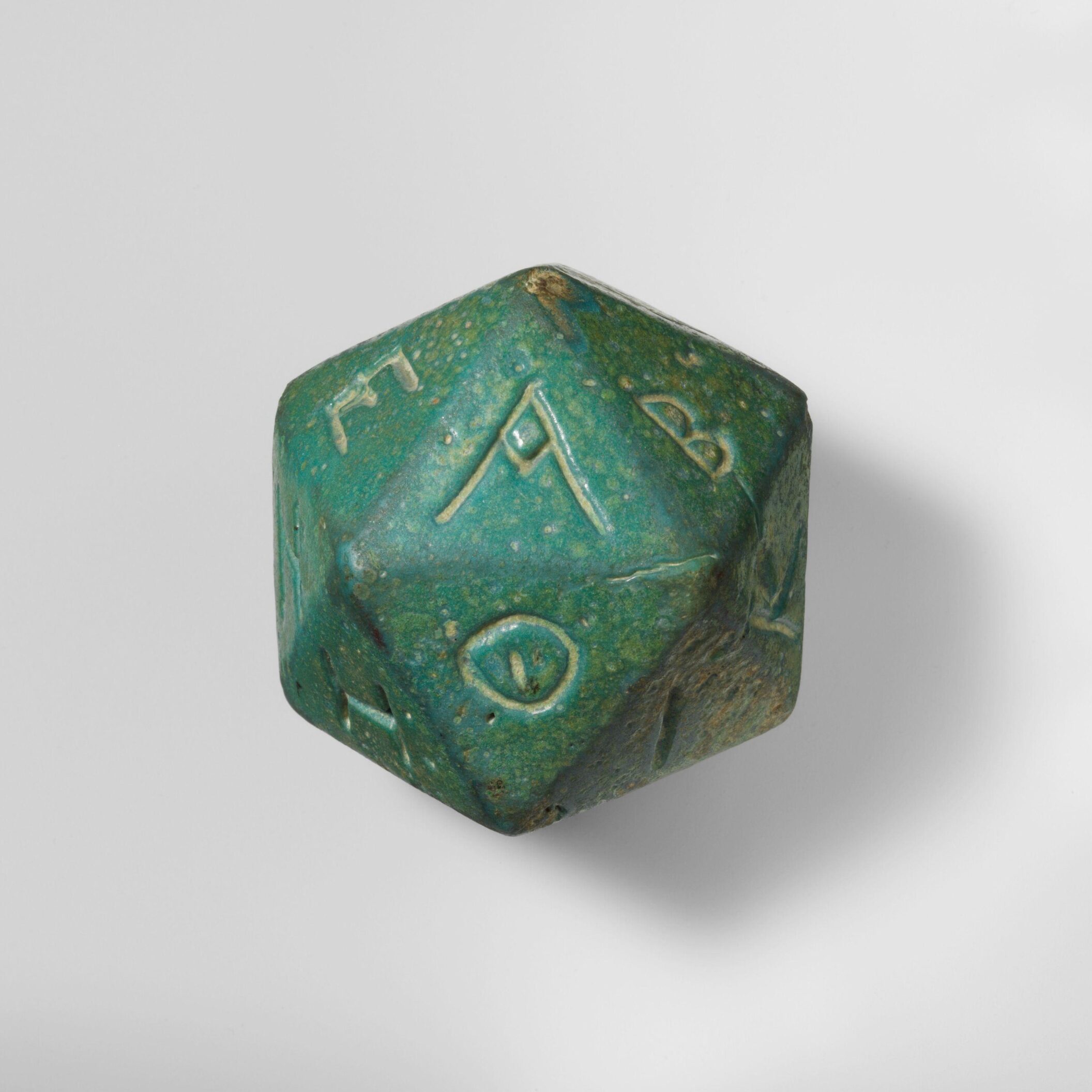
Roman. Faience Polyhedron Inscribed with Letters of the Greek Alphabet. 2nd–3rd century CE. Part of Open: The Metropolitan Museum of Art, Artstor.
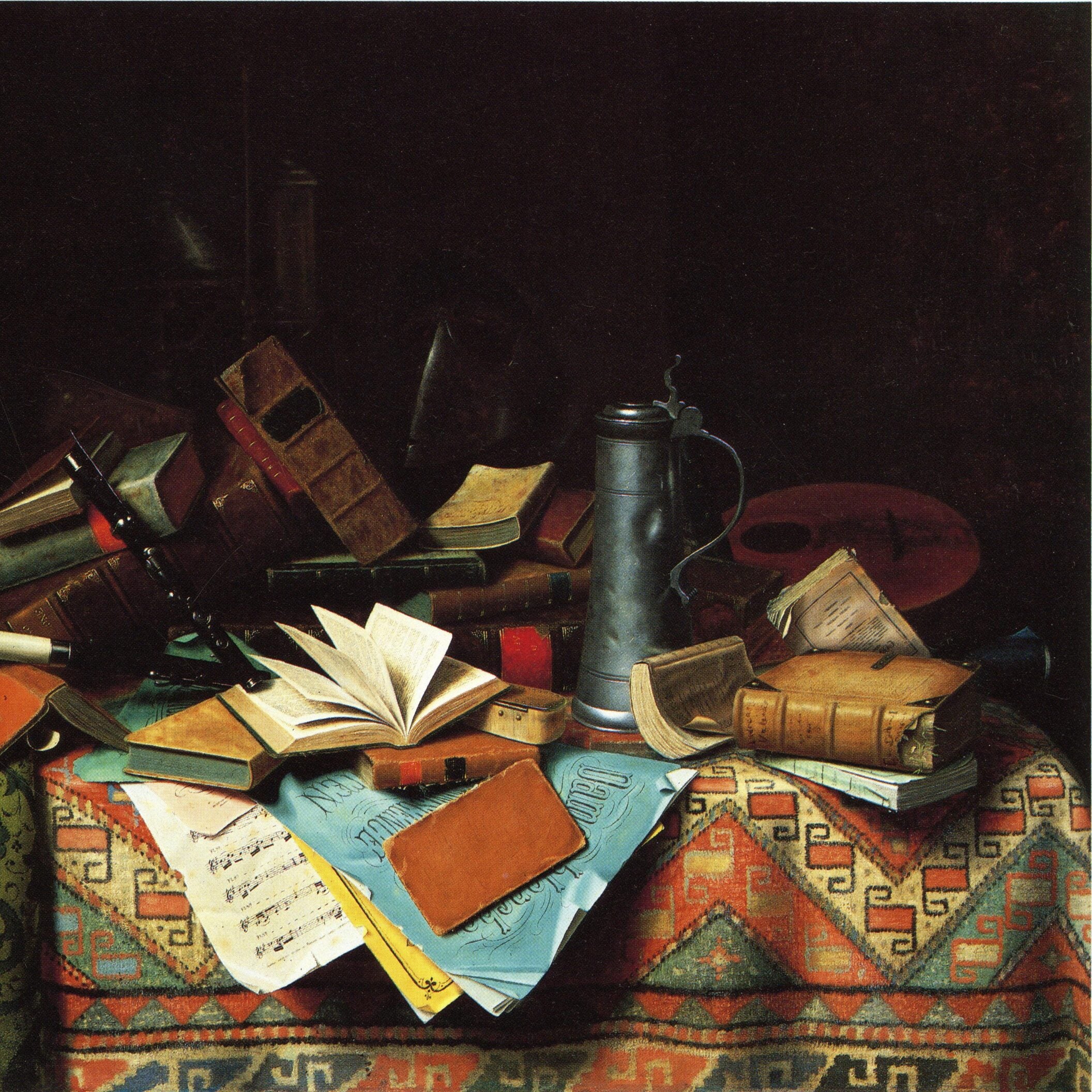
William Michael Harnett. A Study Table. 1882. Part of Minneapolis College of Art and Design Collection, Artstor.