
Help uncover untold stories of Civil Rights
Join libraries and archives funding and providing content for Behind the Scenes of the Civil Rights Movements, an open access primary source collection on JSTOR.
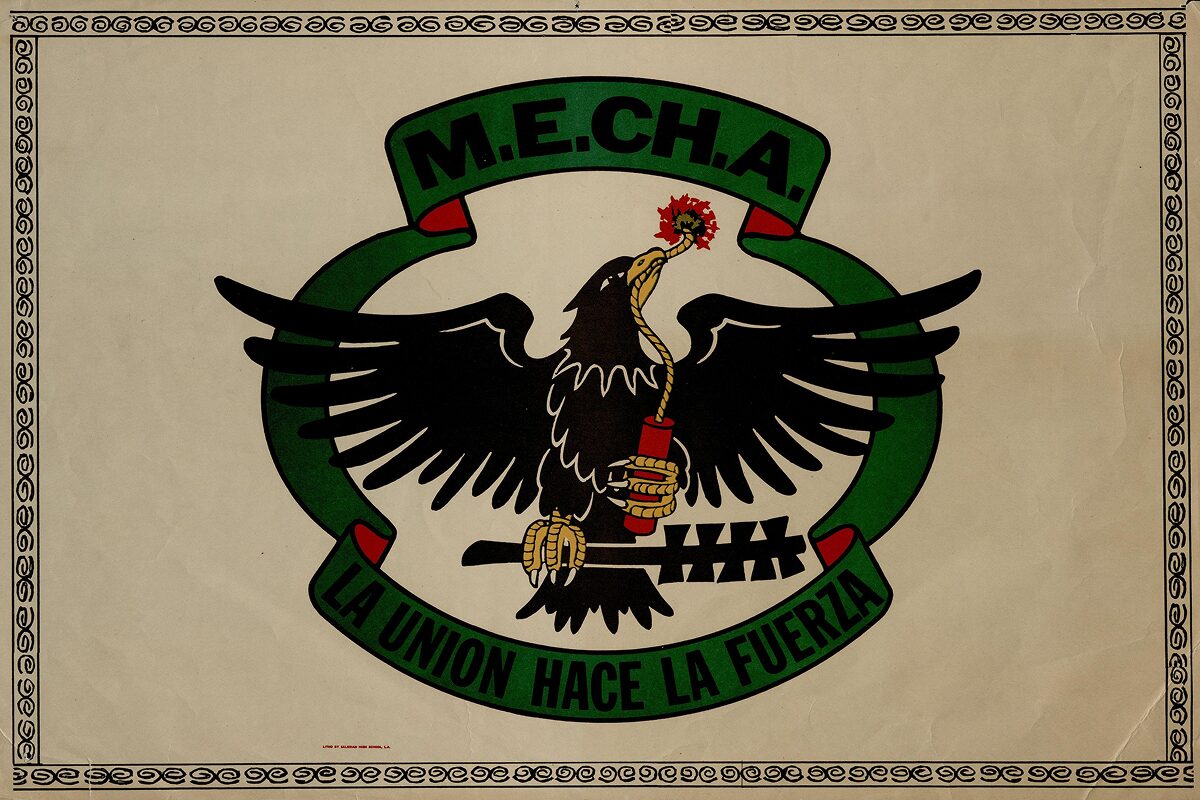
Preserving grassroots activism for future generations
Everyday citizens were the heart of the Civil Rights Movement—organizers, students, and community members whose work shaped history but remains largely unseen. This collection brings together their letters, photographs, and publications to tell a fuller story of the movement across Black, Latine, Indigenous, and Asian American communities.
Make these stories accessible to all
Funding this collection directly supports digitization, rights clearance, and long-term preservation through Portico. Contributors retain full ownership of their materials while ensuring they are freely accessible to researchers, educators, and the public worldwide. Once funded, the collection will open to everyone—forever.
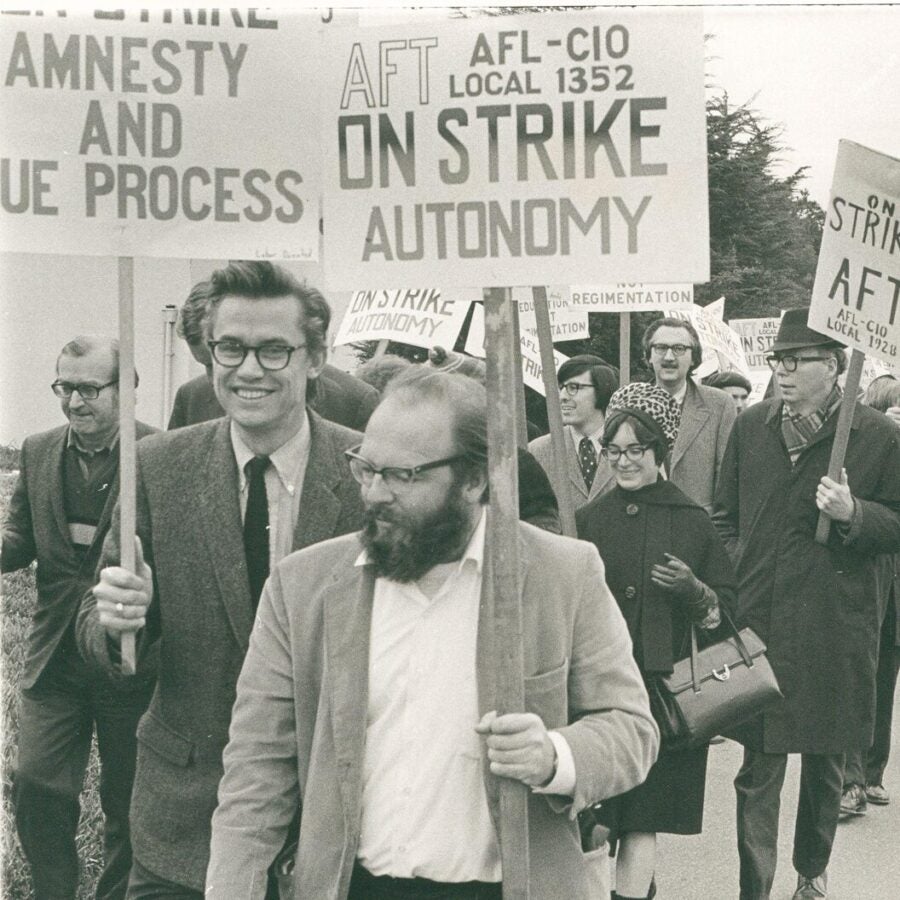
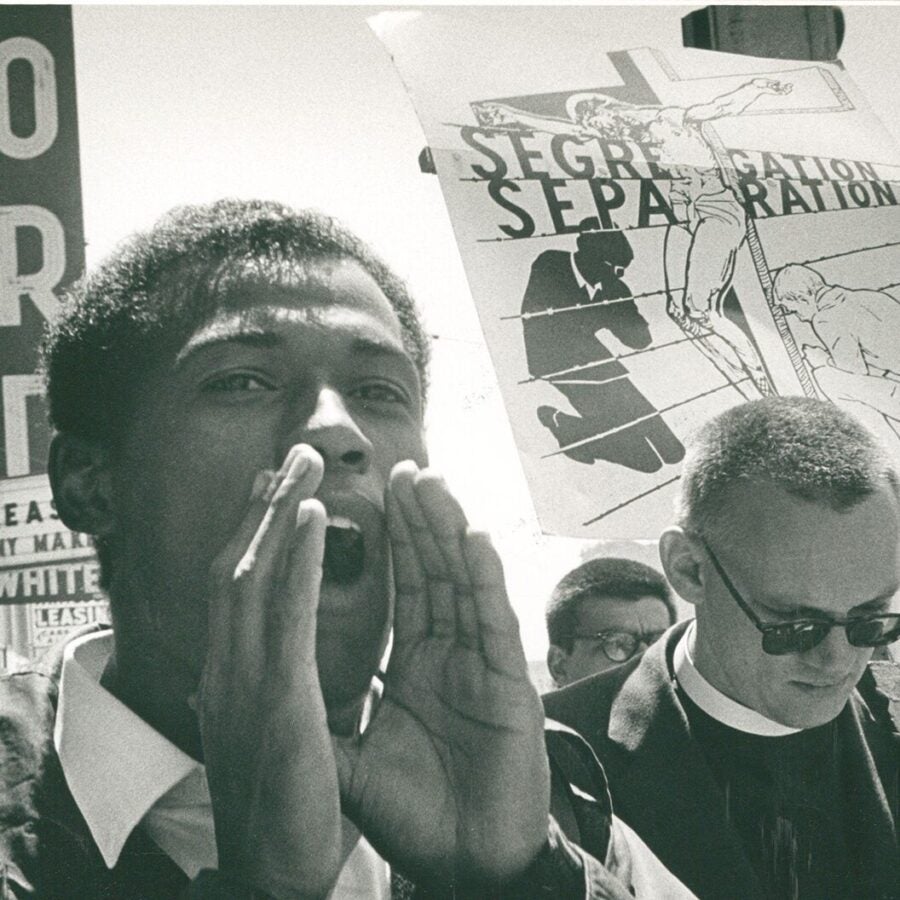
Share your institution’s Civil Rights materials
Libraries, archives, and cultural organizations of every size—public or private—are invited to contribute materials that document local activism, organizing, and cultural expression. Every contribution helps deepen understanding of the movement and connects your collections to a global audience.
How libraries and archives are making an impact
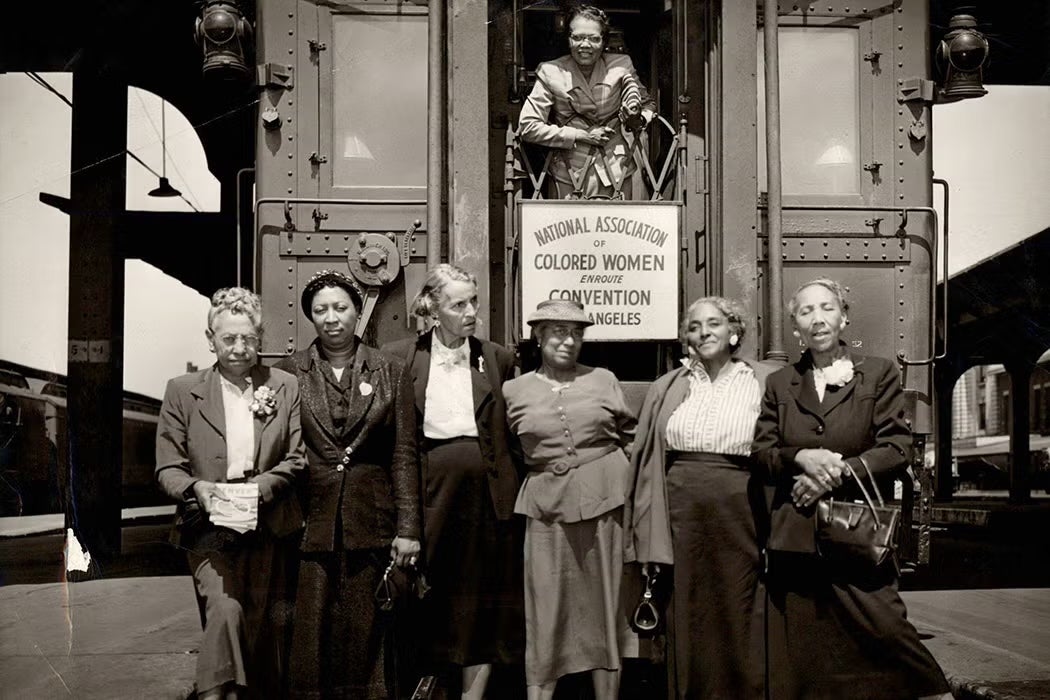
See how contributed archives amplify women’s leadership and civil rights history
Ella P. Stewart’s scrapbooks show how a single contributed archive can transform research. This resource reveals how library-held materials—photos, letters, clippings, and organizational records—become vital open-access sources that enrich scholarship on Black women’s civic and civil rights leadership.
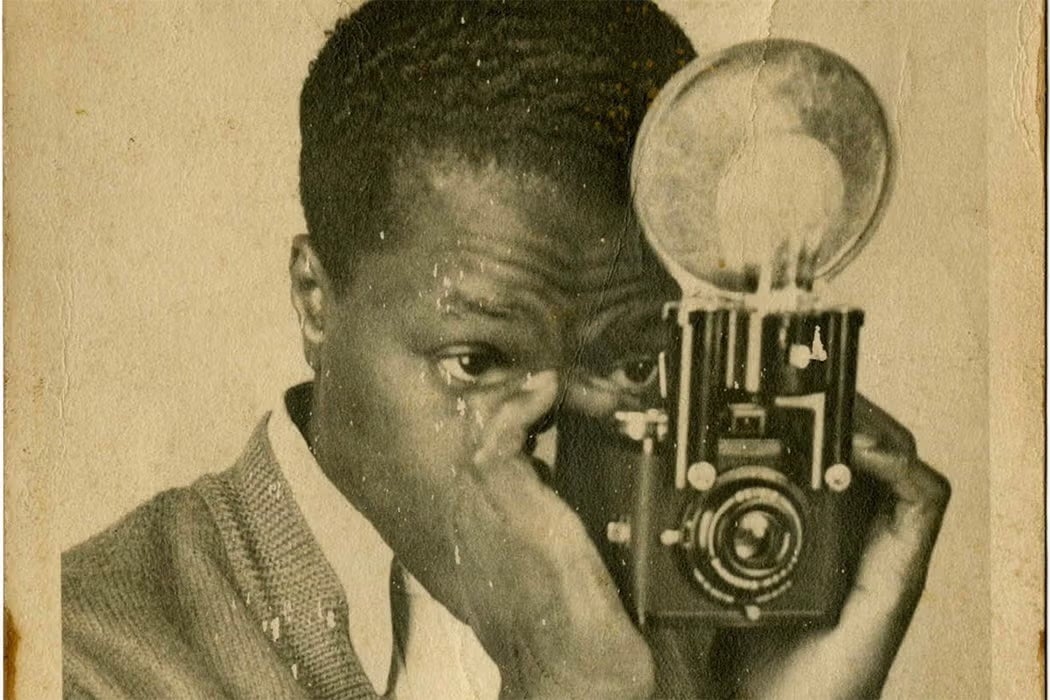
Explore how donated photographs unlock community memory and new research
The Lynch Family Photographs illustrate how even partially unidentified collections can become invaluable once digitized and shared. See how contributor archives support genealogical research, preserve Black family histories, and invite community collaboration to reveal forgotten stories.
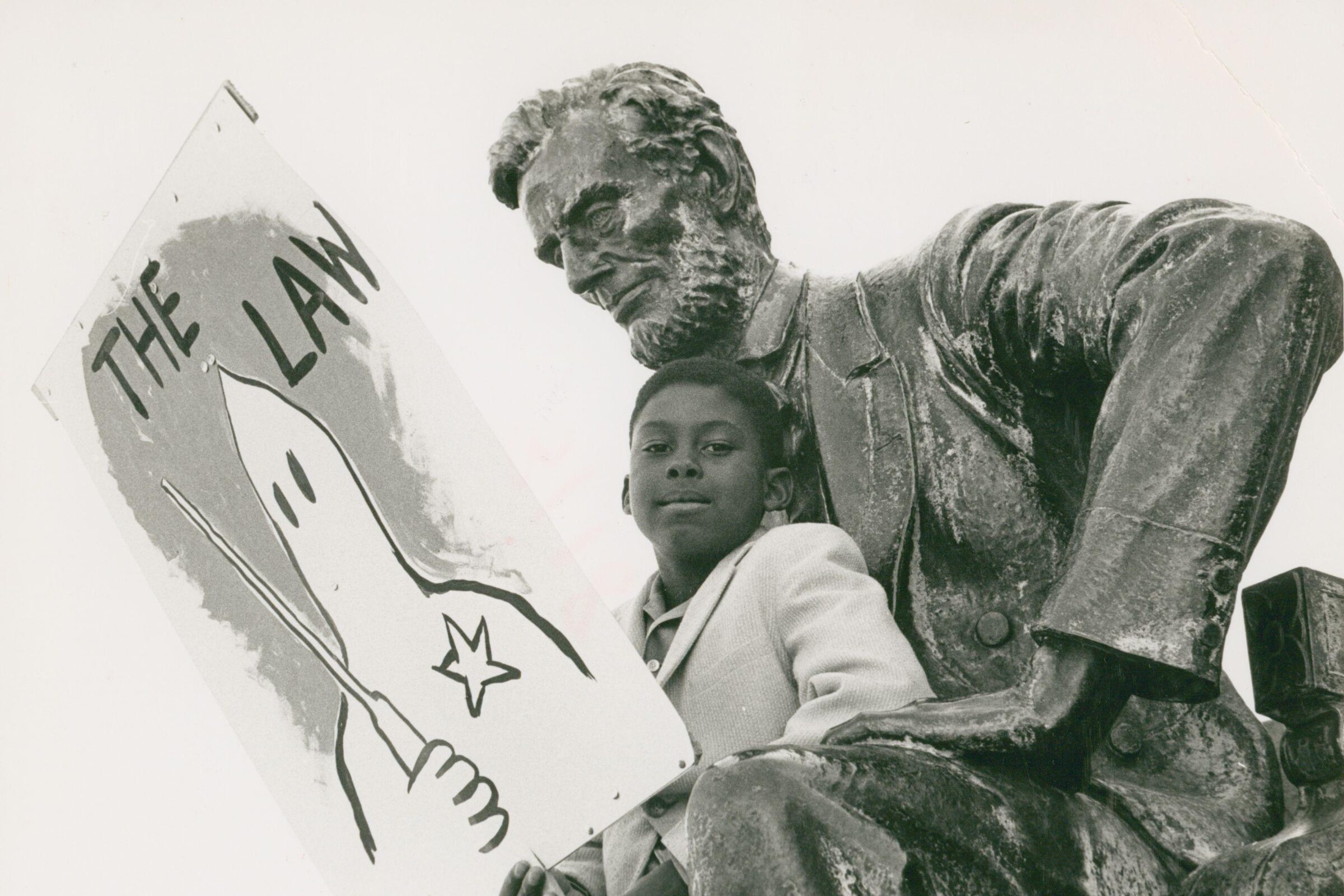
Learn how libraries power Reveal Digital’s open access primary source collections
This behind-the-scenes look shows how library funding and archival contributions make Reveal Digital possible—building open-access collections centered on social movements and marginalized voices. Discover how your library’s support fuels digitization, preservation, and global research access.
Join the libraries making this possible
We’re working toward a $2.5 million goal to make this open collection a reality. Each new funding partner brings us closer to preserving these vital histories for all.
83%
$2,075,000 of $2,502,925 goal
69
backers
- Carla O. Alvarez; U.S. Latina/o Archivist; University of Texas Libraries, University of Texas at Austin
- Lisa Cruces; Archivist; Project Row Houses, Houston, TX
- M. Angel Diaz; Curator, California Ethnic & Multicultural Archives (CEMA) and American West Collections; Subject Librarian, Chicana & Chicano Studies; University of California, Santa Barbara
- Reanna Esmail; Lead Librarian for Instruction, Liaison for Asian American Studies Programs; Cornell University
- Sine Hwang Jensen; Asian American and Comparative Ethnic Studies Librarian; University of California, Berkeley
- Kawena Komeiji; Hawaiian Initiatives Librarian; Hamilton Library, University of Hawaiʻi at Mānoa
View image credits from this page
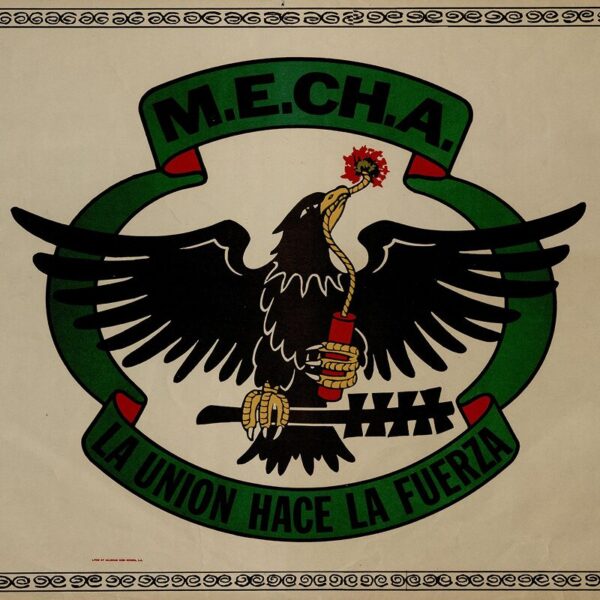
M.E.CH.A. La Union Hace La Fuerza. January 1, 1967. Posters, 1967-1979. California State University, Los Angeles. Gloria Arellanes Papers (California State University, Los Angeles)
“Series: Latine”, Part of Behind the Scenes of the Civil Rights Movements, Reveal Digital. https://jstor.org/stable/community.40030656.
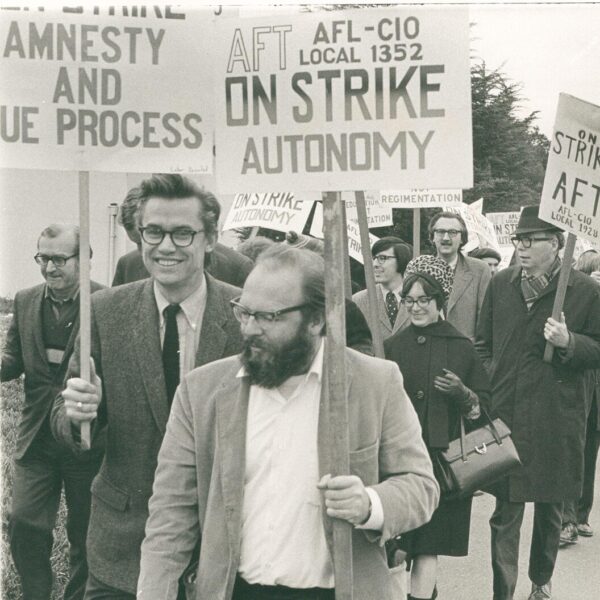
Phiz Mezey. Peter Radcliff (Front) and Arthur K. Bierman (Second from Left) Picketing with San Francisco State Faculty on Campus. January 1, 1968. Phiz Mezey Photographs and Papers (San Francisco History Center, San Francisco Public Library), Part of Behind the Scenes of the Civil Rights Movements, Reveal Digital. https://www.jstor.org/stable/community.39882139.
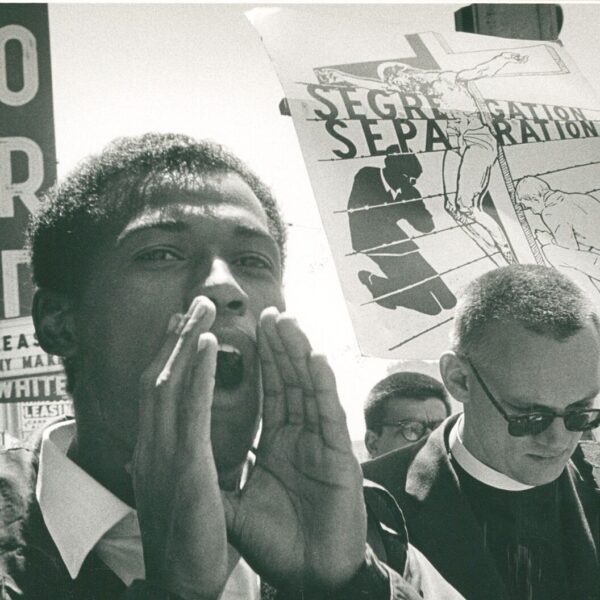
Phiz Mezey. Minister Holding Picket Sign with Demonstrators Outside Cadillac Dealership on Van Ness Avenue. January 1, 1964. Phiz Mezey Photographs and Papers (San Francisco History Center, San Francisco Public Library), Part of Behind the Scenes of the Civil Rights Movements, Reveal Digital. https://www.jstor.org/stable/community.39882096.
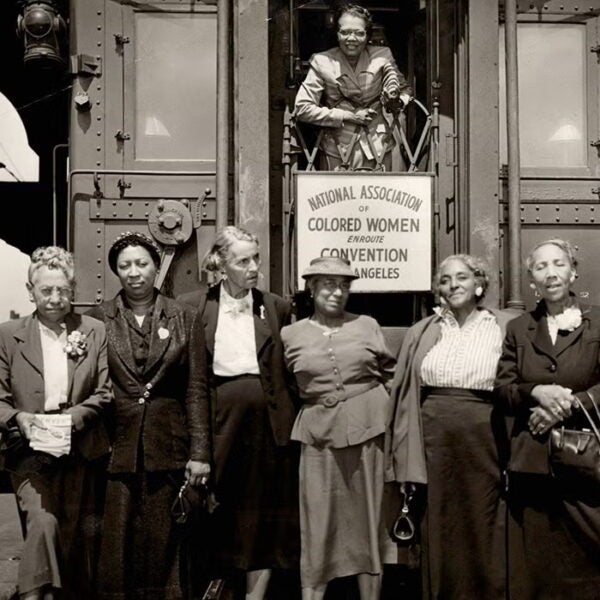
Ella P. Stewart and other members of the National Association of Colored Women en route to their annual convention in Los Angeles, circa 1950.
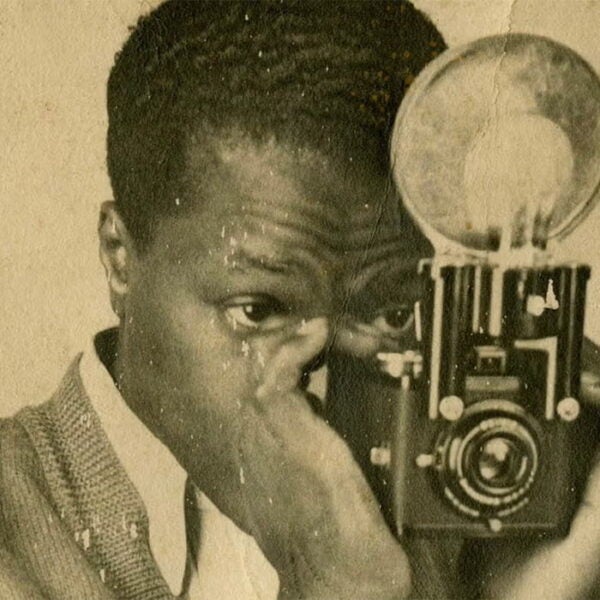
Photograph of Mr. Harrison Williams Holding a Camera.
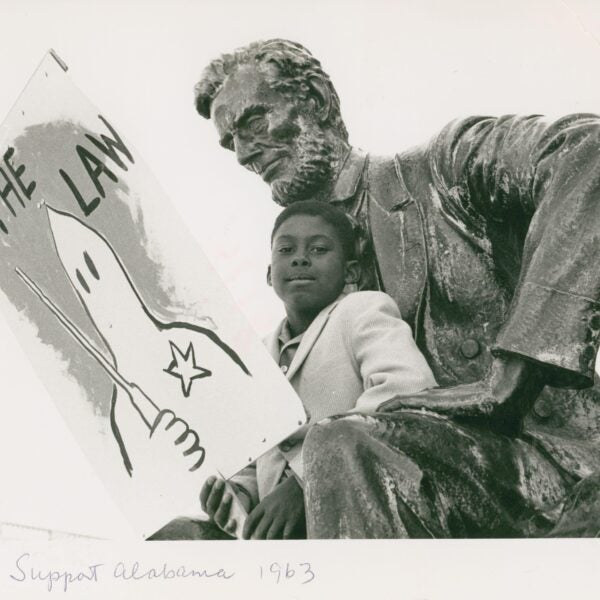
Phiz Mezey. Child holding picket sign while sitting on the lap of Lincoln monument outside City Hall. 1963. San Francisco History Center, San Francisco Public Library. Reveal Digital.